Know AI. See What’s Next.


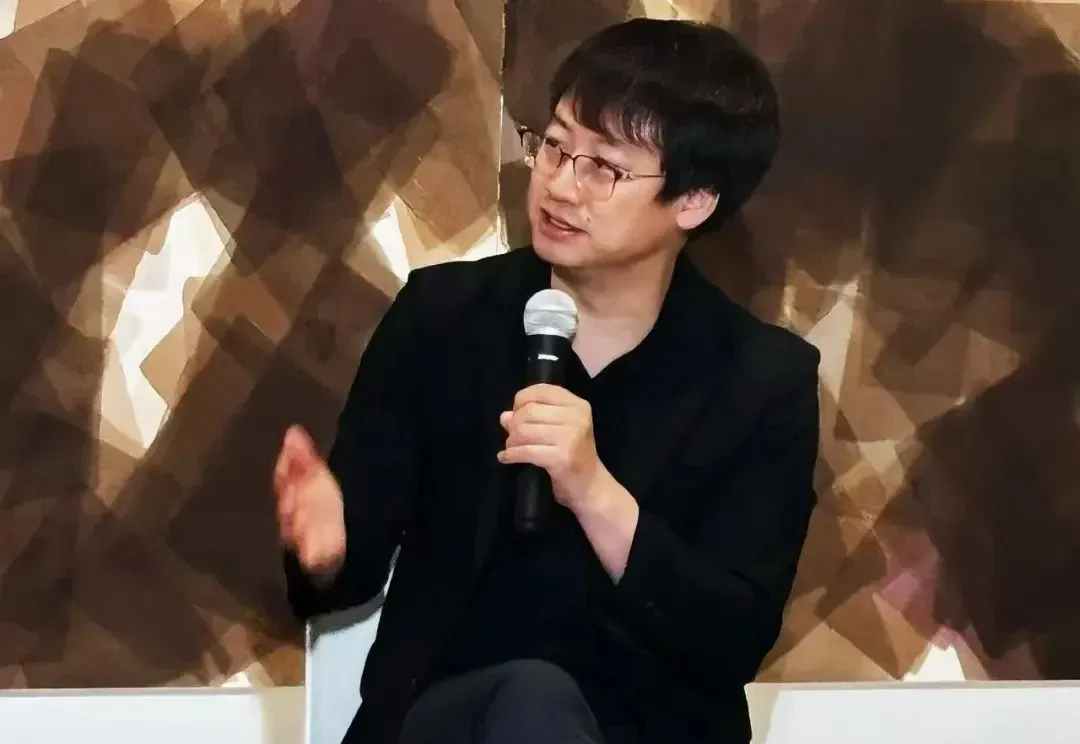
Slide 1 of 5: 姜宇辉的AI分身:知识助手与“另一个自己”之间
Latest news

Kling Image 4.0 hands-on: 8K images, editing and sequential storyboards (opens in a new tab)
Zhidx tests Kling's image model on portraits, posters, text edits and sets of up to ten images. The report also records errors in dense text, excessive detail changes and some plastic-looking results. Output quality depends on the task and the individual generation.
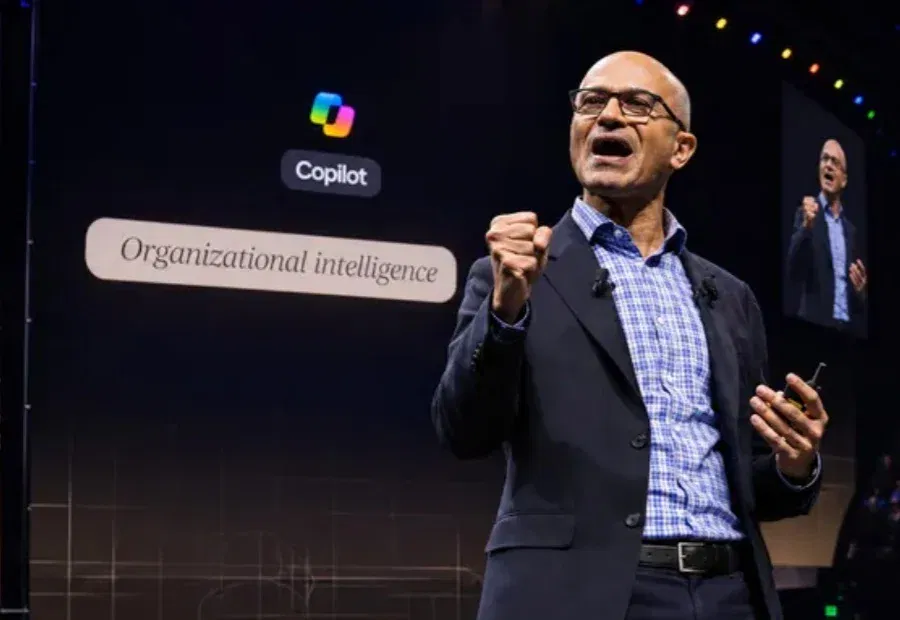
Microsoft Ignite updates MAI and Copilot for enterprise agent collaboration (opens in a new tab)
Microsoft announces coding, security, voice and decision models alongside Copilot, Agent365 and MicrosoftIQ updates. Cost claims refer to specified tests; 50 million is a cumulative registered-agent count. Some features remain in preview or phased rollout.
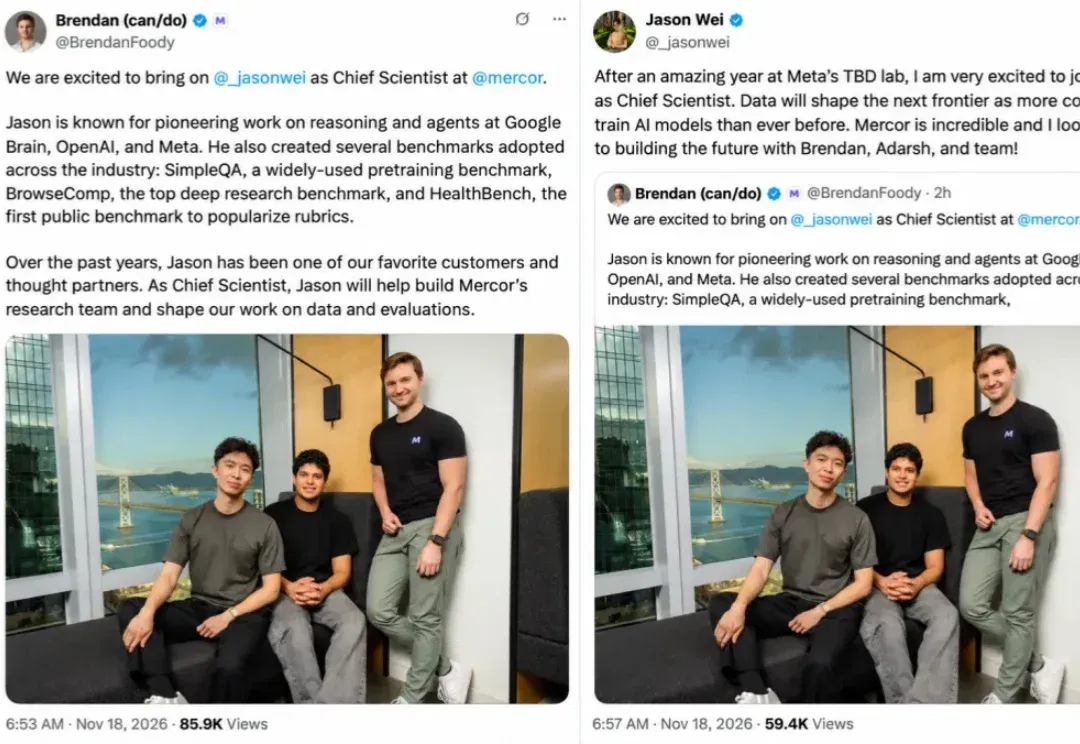
Jason Wei and Mercor announce his move to chief scientist (opens in a new tab)
Jason Wei, first author of the chain-of-thought prompting paper, confirms he is leaving Meta for Mercor to work on data and model evaluation. The report traces his research career and Mercor's expansion from expert data services into evaluation and post-training infrastructure.

Genesis AI raises $500M Series A to advance its full-stack robotics and Eno (opens in a new tab)
Genesis AI announces funding at a $3.5B post-money valuation, outlining a stack of data gloves, simulation, models and the Eno robot. Production and customer deployments are planned; demonstrations and correlation experiments do not establish delivery at scale.
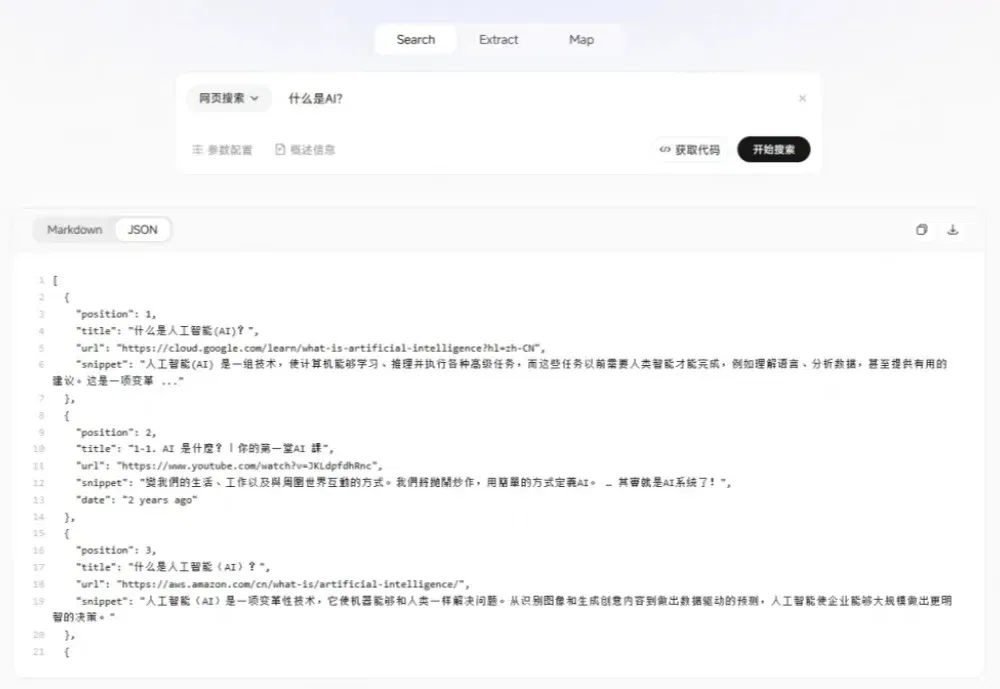
Dataify AI Web API 1.0 hands-on: search, extraction and page discovery (opens in a new tab)
A CSDN author demonstrates Search, Extract and Map endpoints for web results, Markdown content and link lists. Outputs still need task-specific filtering; these examples do not establish complete extraction across all sites or dynamic pages.
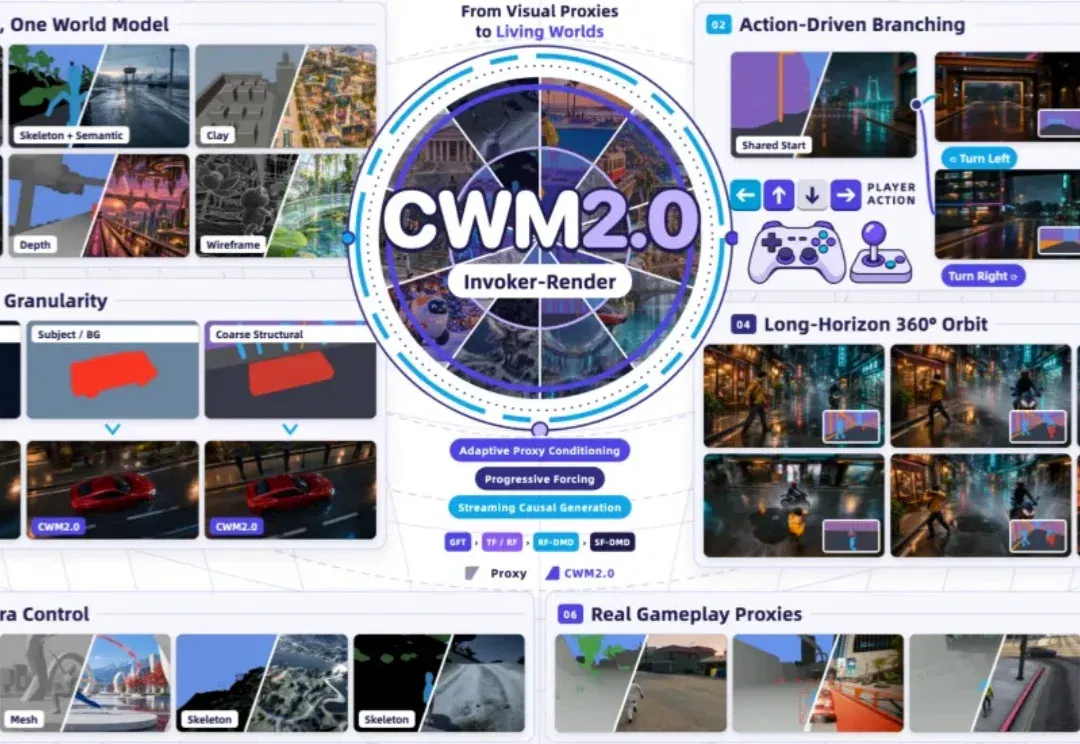
CWM2.0 open-sources generative rendering with a 30-minute racing demo (opens in a new tab)
Teams from Ant, Westlake University and Zhejiang University use a structured Proxy to control scene state and Invoker-Render to generate visuals, releasing eight-GPU streaming inference. The long demo and 140 evaluations cover specified scenes, not arbitrary stable worlds.
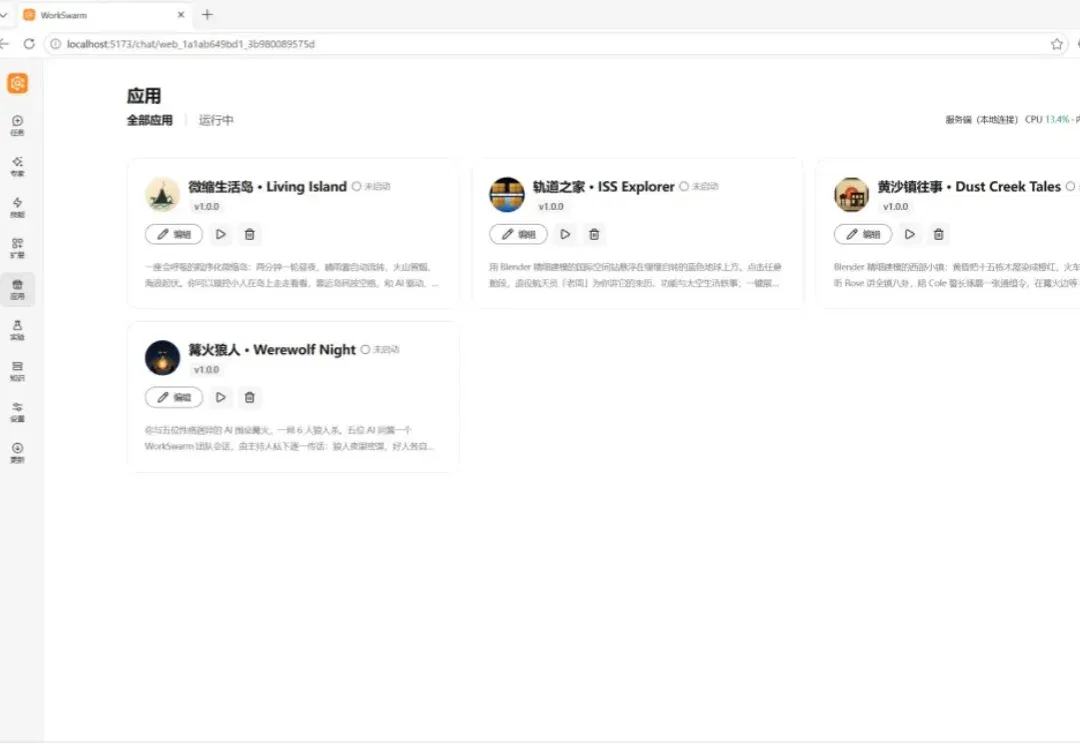
openJiuwen presents a Harnessless approach for reusing AgentOS execution tools (opens in a new tab)
openJiuwen uses app-development and swarm demos to show how built-in harness capabilities support sessions, tools and app management. Applications still define business rules and permissions; remote deployment and some capabilities remain planned or exploratory.
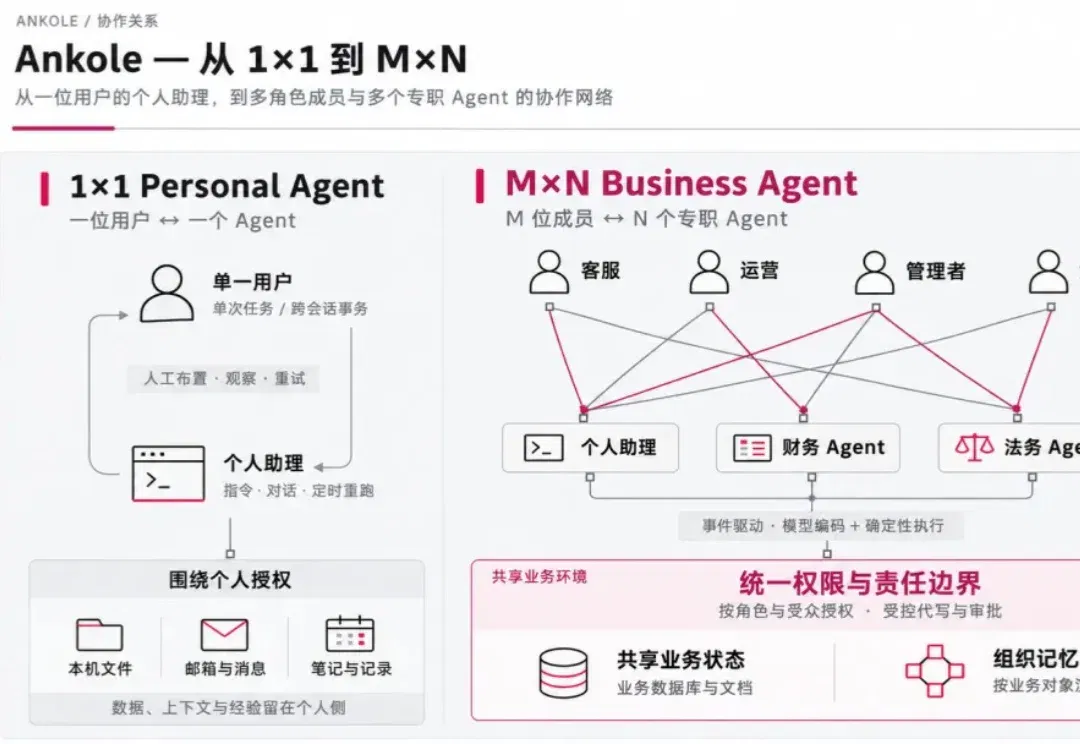
Ankole outlines multi-user agent architecture: events, permissions and organizational memory (opens in a new tab)
The team describes its Business Harness design for fast and slow paths, shared state, Actor orchestration and dynamic permissions. Formal verification covers the modeled core permission state machine; it does not replace security checks of the full deployment, external interfaces or implementation.

MiniMax Code lead on why review and task management matter as AI writes code (opens in a new tab)
MiniMax Code lead Ronny discusses internal adoption, context management and tool orchestration, then outlines personal-agent collaboration and task management. Figures such as 95% of code and 15% token-efficiency gains are team reports; future product forms are his views.

Fotor Agent hands-on: code-generated motion graphics, multitrack editing and 4K output (opens in a new tab)
The author tries Fotor Agent on camera focusing, drink preparation, relay dispatches and a chessboard wheat story, then explores element and timeline editing. Individual examples do not guarantee error-free text, fixed efficiency gains or follower growth.

Photon cofounder on agent messaging infrastructure and personal-assistant retention (opens in a new tab)
Founder Park interviews Photon cofounder Ryan Zhu about messaging access, its $4.5M seed round and expansion plans. Revenue growth, customer mix and retention observations largely reflect the team’s own platform sample.
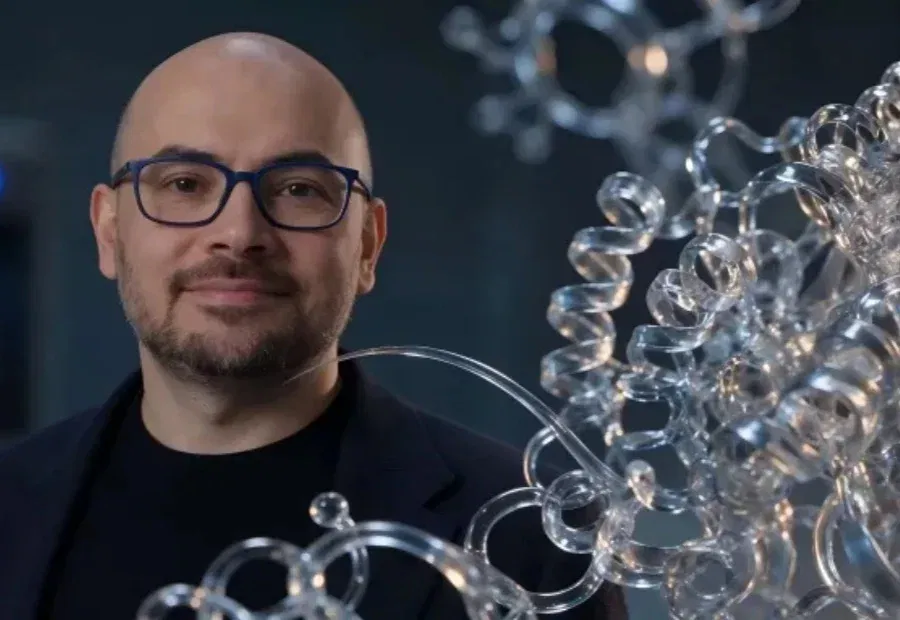
Isomorphic Labs announces $5B Series C for drug design and clinical preparation (opens in a new tab)
Isomorphic Labs says its November 17 Series C was co-led by Greenoaks and Sequoia Capital. Funds will support IsoDDE, drug candidates and R&D infrastructure. Reported positive results are largely preclinical; human safety and efficacy still need validation.
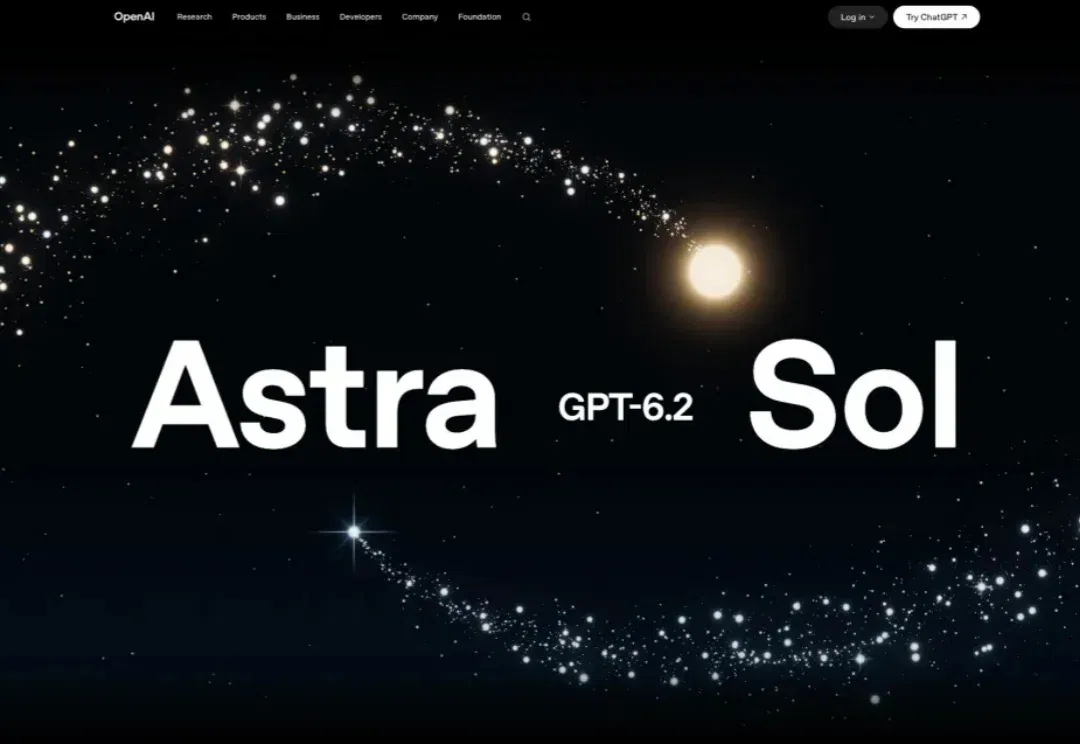
Kazike tests GPT-6.2: mixed results in code review, planning and 3D creation (opens in a new tab)
The author compares GPT-6.2 and other models using a personal code-review set and creative tasks, finding better reviews but limited planning readability. Results depend on those tasks and configurations and do not establish universal capability or cost rankings.
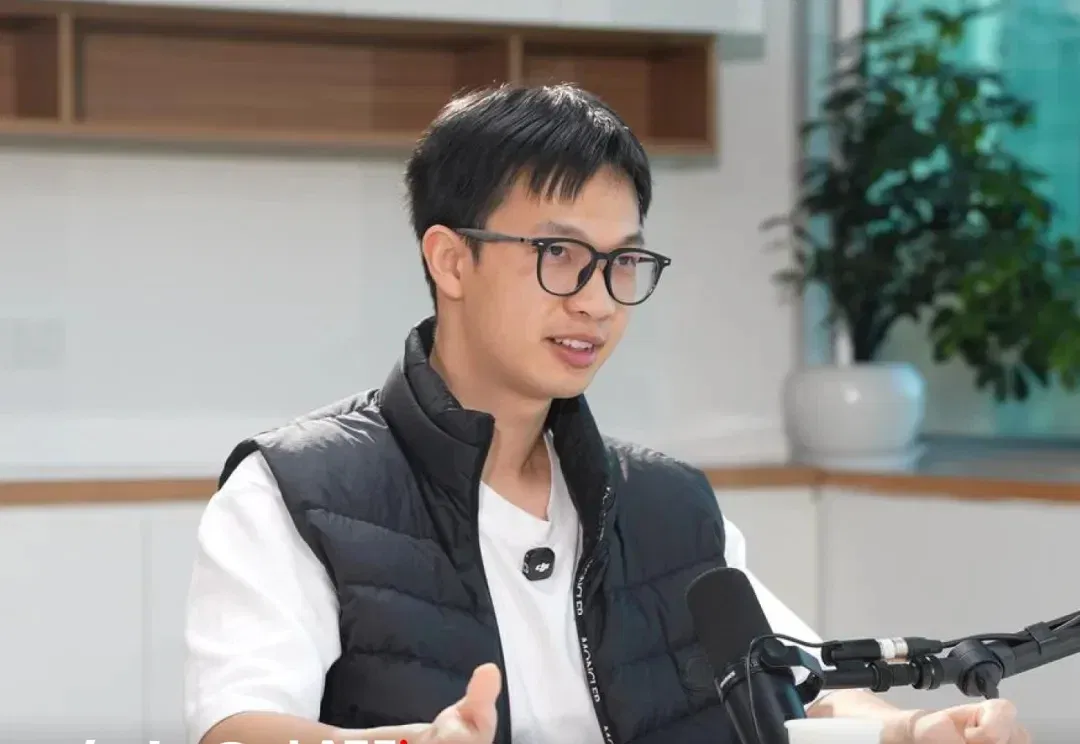
LiberAI's Liu Songming on connecting models, hardware and data for physical AI (opens in a new tab)
LatePost interviews LiberAI founder Liu Songming about Liber-0, glove-based data collection, robot hardware, full-stack integration and commercial use cases. The 2.2 million data hours and test results are team claims; a flagship application remains a goal.
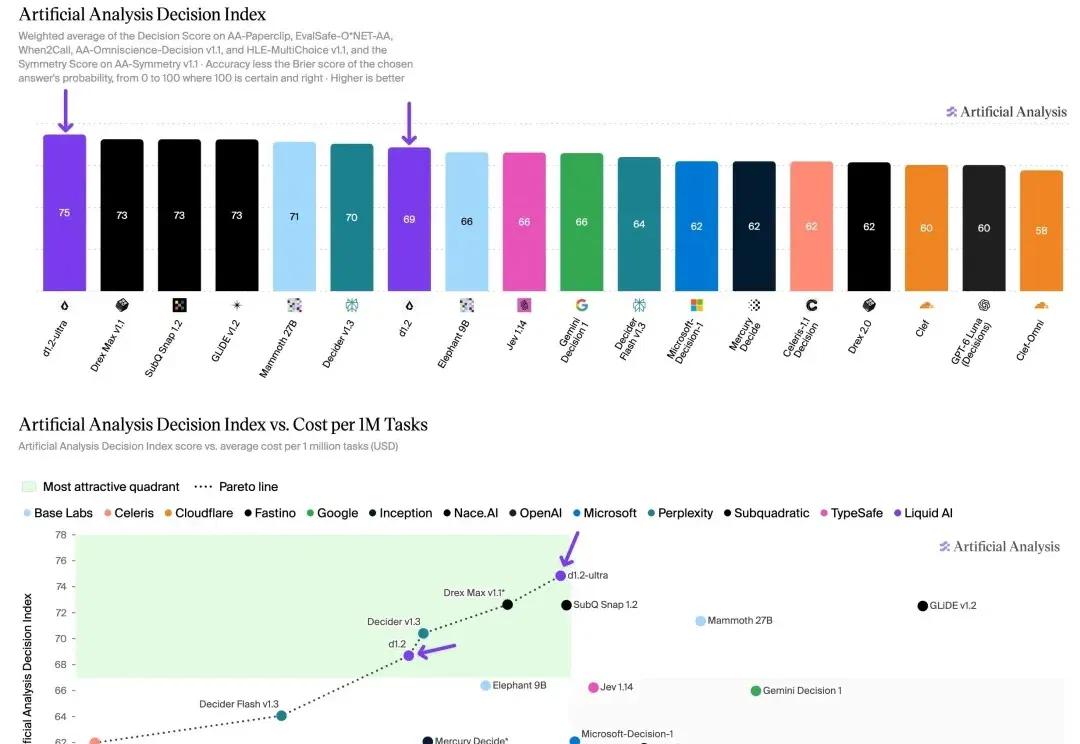
Liquid AI launches d1.2 decision models with audio input and five new task types (opens in a new tab)
Liquid AI releases d1.2 and d1.2-ultra for reading, span extraction, image localization, numerical estimation and multi-label decisions. Ultra scores about 75 in AA's launch-period v2.1 decision-model view; calibration and new-task accuracy figures come from company tests.

Suisheng raises tens of millions of yuan for Memoket wearable AI memory (opens in a new tab)
Zhidx interviews Suisheng founder Wang Shiyuan about the Memoket Gem wristband, KITE long-memory engine and software subscriptions. Funding, battery life, early user results and benchmark figures are company statements; long-term use remains to be tested.
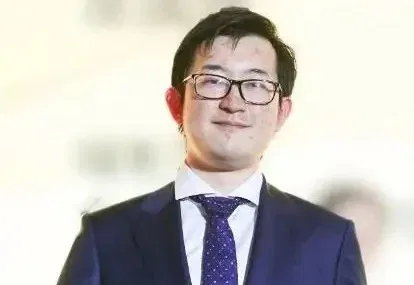
CataX explores Clinical-of-One, pairing a clinical lead with specialist agents (opens in a new tab)
Synced examines CataX's proposed clinical-development organization, with one lead coordinating specialist agents, external experts and quality review. The Mithril example remains preclinical; organizational efficiency is distinct from human efficacy and safety.
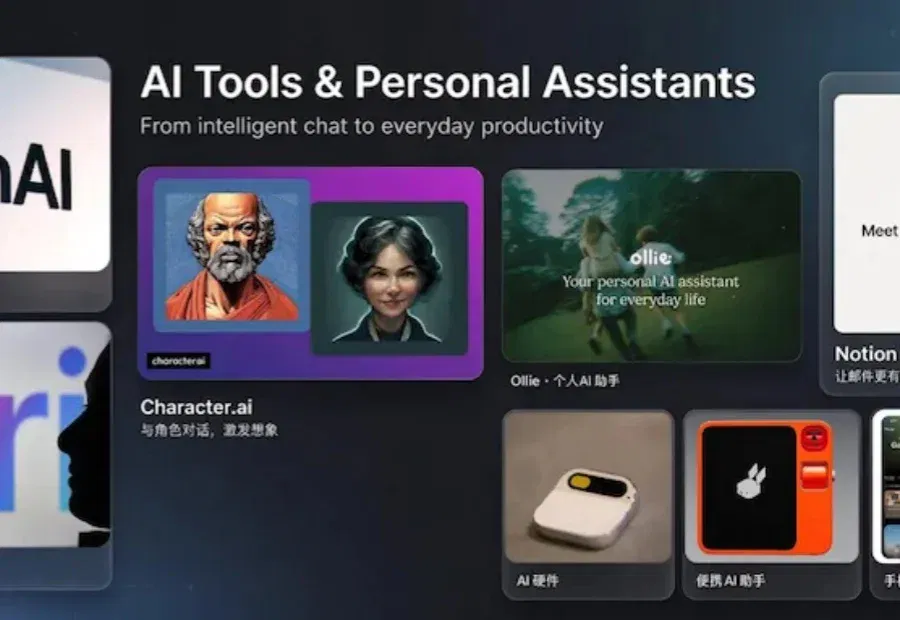
AI product shutdowns and changes: integration, delays and restructuring differ (opens in a new tab)
Zhidx reviews AI app shutdowns, feature integration, delays and business difficulties. Some standalone services have closed, while Siri and Recall still offer features; Character.AI entering Chapter 11 does not mean its chat service has already shut down.

Loopcat explores first-person AI video stories through generated turns and character bonds (opens in a new tab)
A hands-on report explores Loopcat’s dialogue and action inputs, video turns, branches and character creation, alongside Kaon’s background. Usage figures and model integrations are reported claims; interactive stories still need continuity across turns.

Inside Xiaohongshu’s graduate tech salon: AI applications, product engineering and first projects (opens in a new tab)
QbitAI visits Xiaohongshu’s graduate recruitment event, covering AI tools, engineering judgment and career growth through candidate and team discussions. On-site examples illustrate changes in work; resources and roles depend on actual recruitment terms.