
Know AI. See What’s Next.


Slide 1 of 5: 姜宇辉的AI分身:知识助手与“另一个自己”之间
Latest news
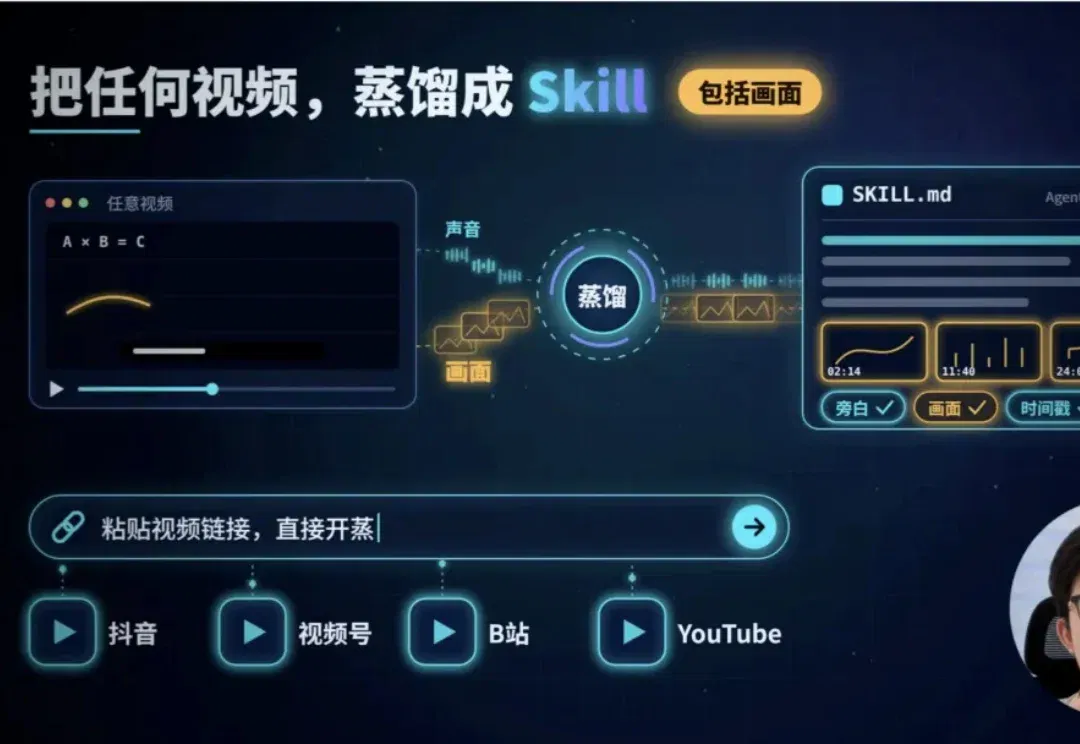
Mirasim hands-on: video editing, 3D web creation and multi-agent coordination (opens in a new tab)
Daishudi uses third-party agent tool Mirasim for editing, 3D creation and project changes, then explores sessions and orchestration. Costs, model identities and discounts are author reports; output quality cannot verify model provenance or continued availability.
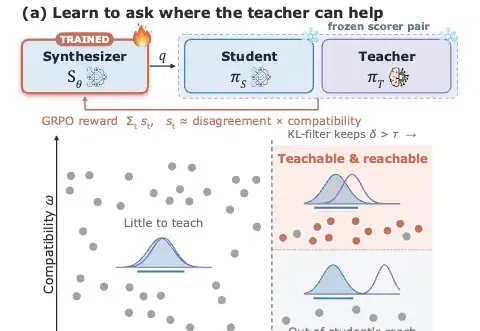
Ask-to-Distill optimizes training questions using teacher–student distribution signals (opens in a new tab)
UIUC and collaborators propose A2D, training a question generator with frozen teacher–student disagreement and compatibility signals before on-policy distillation. The paper reports gains in math, code and agent tasks; its learning-value proxy has limits.
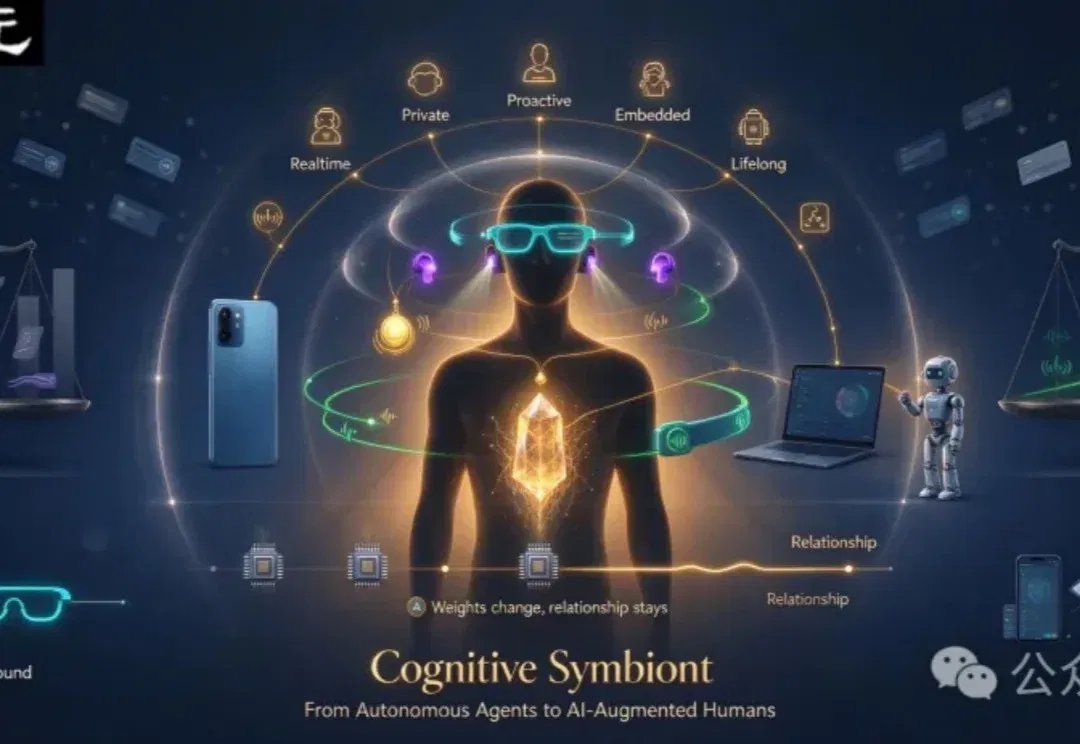
Oxford researcher proposes cognitive symbionts for wearable AI augmentation and governance (opens in a new tab)
Hao Fei's perspective paper proposes cognitive symbionts and AI-Augmented Human Intelligence, covering long-term memory, wearables, proactive help and governance. Privacy, low latency and lifelong companionship are design goals, not verified product guarantees.
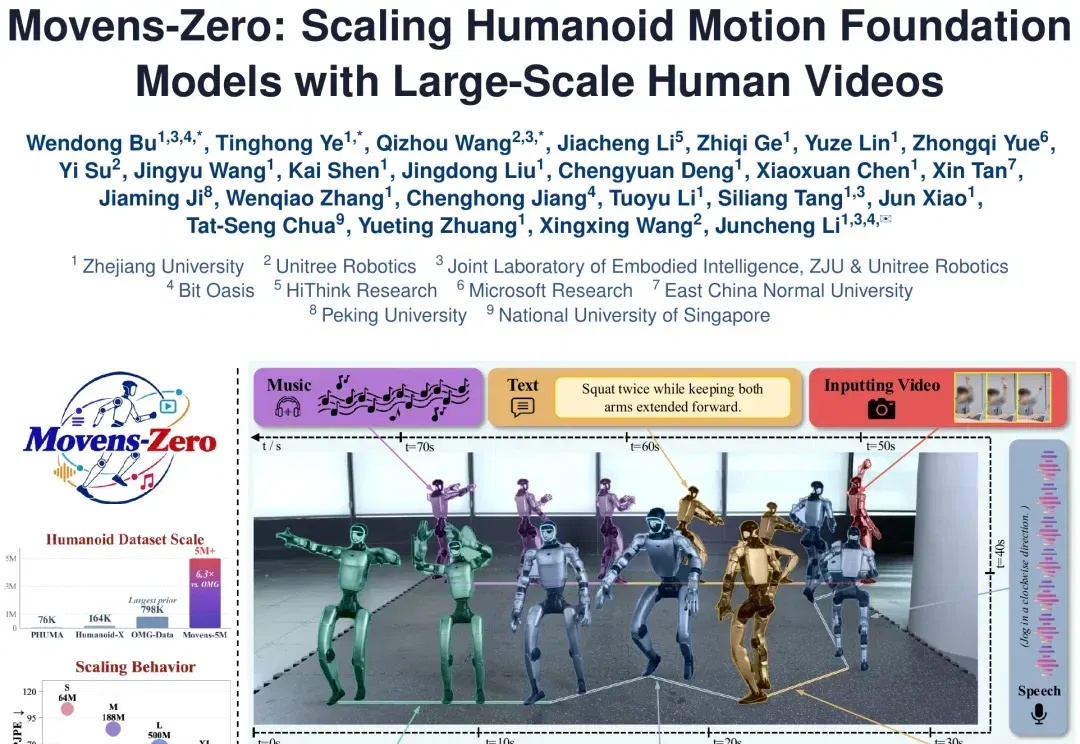
Zhejiang University and Unitree open-source Movens-5M for multimodal whole-body motion pretraining (opens in a new tab)
Movens-5M pairs five million simulation-validated robot motions with text, video, speech and music. The team trains Movens-Zero and demonstrates it on a Unitree G1, using scaling experiments to examine gains from more data and larger motion experts.
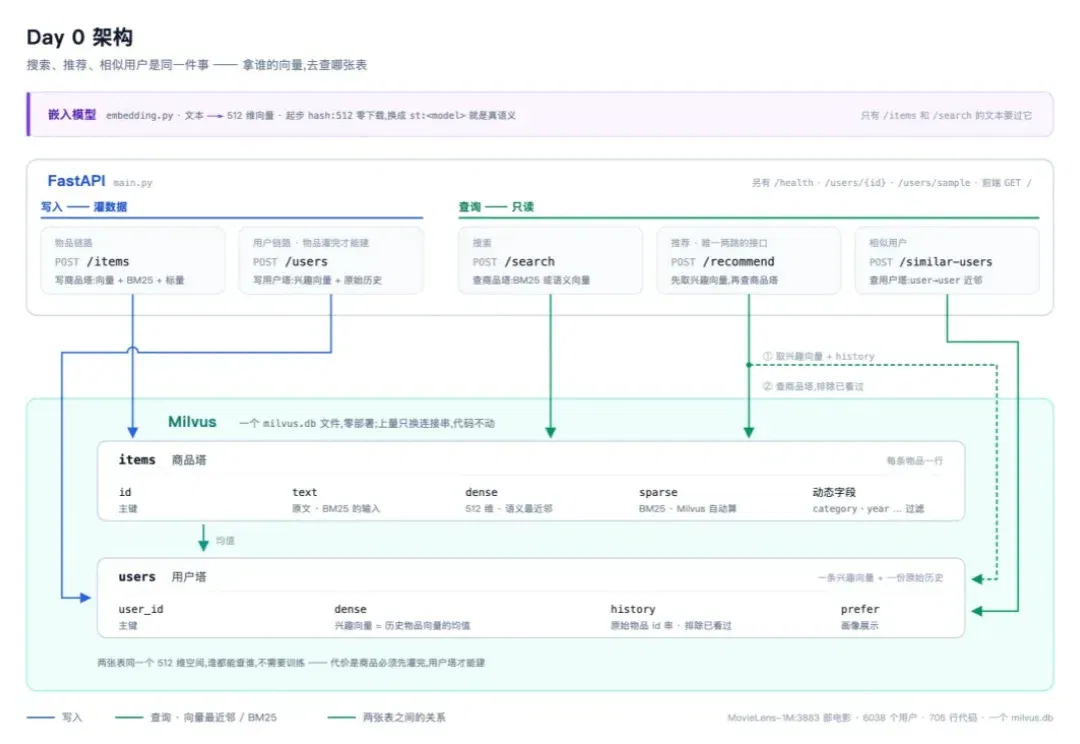
Claude Code and Milvus tutorial: local search, recommendations and vector retrieval (opens in a new tab)
A Zilliz author builds local search, recommendation and similar-user APIs with FastAPI, Milvus Lite and MovieLens data, first checking the flow with hash vectors before switching to embeddings. The examples validate a local prototype; quality needs separate evaluation.
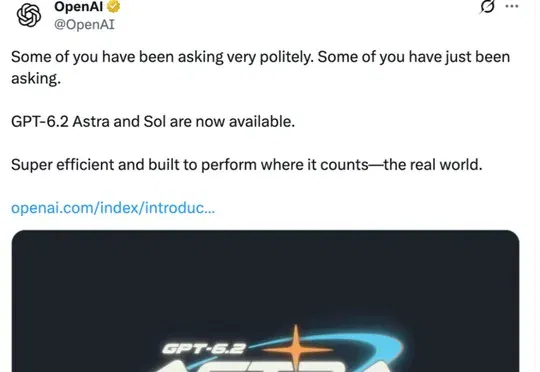
OpenAI launches GPT-6.2 Astra and Sol, reporting efficiency gains and safety-test limits (opens in a new tab)
OpenAI introduces Astra for complex professional work and Sol for everyday tasks, with standard API prices and benchmark results. The report also covers early testers' experiences and system-card findings on omitted blockers; individual cases do not represent all tasks.
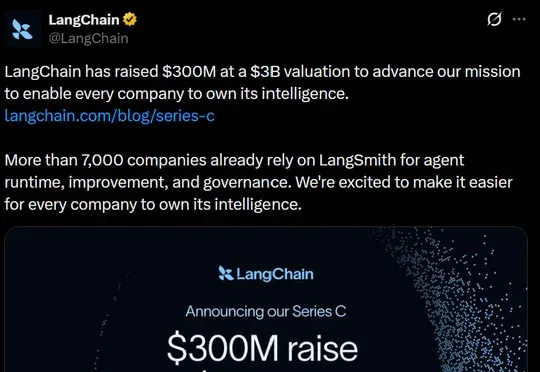
LangChain raises $300 million Series C for agent operation, improvement and governance (opens in a new tab)
LangChain announces a $300 million Series C led by CapitalG at a $3 billion valuation. It is expanding LangSmith across agent operation, observability, evaluation and governance, and says more than 7,000 organizations use the platform.
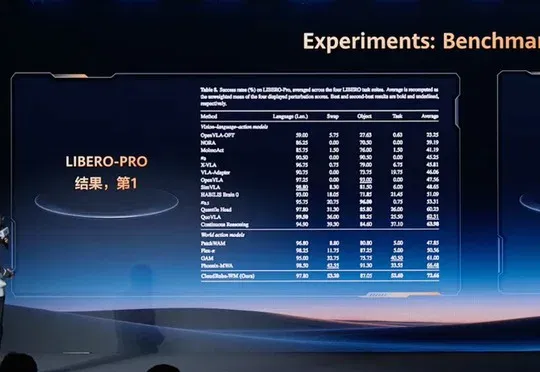
Huawei Cloud unveils CloudRobo-WM1.2, plans November 30 release of weights and code (opens in a new tab)
Huawei Cloud presents its Ascend-native embodied world model CloudRobo-WM1.2 and development platform, with two benchmark results and industrial demonstrations. Model weights, inference and post-training code, and pretraining practices are scheduled for November 30.
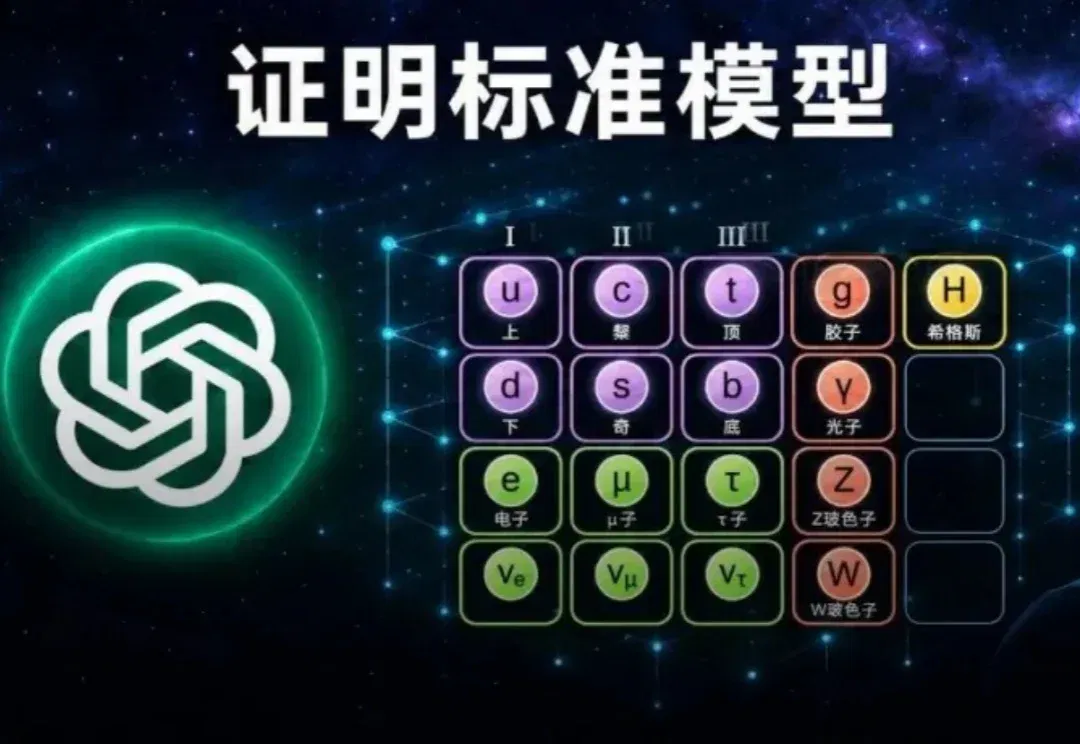
Nathaniel Craig and GPT-6 Astra explore a candidate lattice definition of the Standard Model (opens in a new tab)
Physicist Nathaniel Craig describes a candidate nonperturbative lattice construction developed with GPT-6 Astra. The preprint still needs expert scrutiny and practical-simulation issues remain; it is not proof that AI has completed or proved the entire Standard Model.
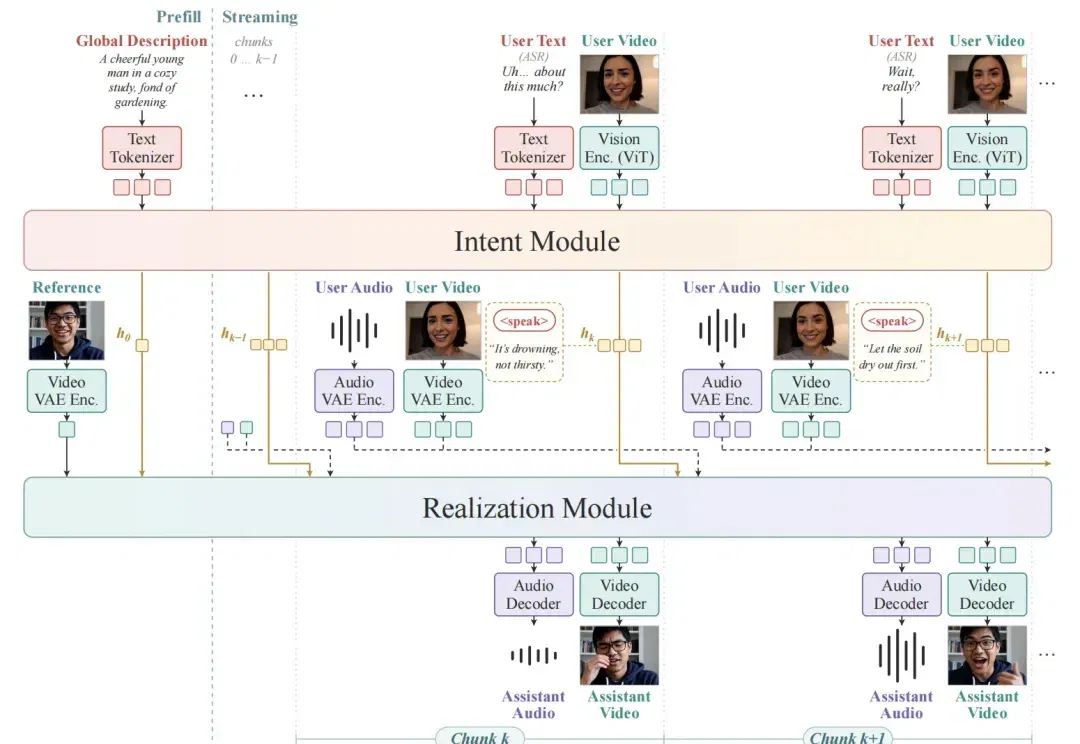
Duo v1 explores reciprocal world models with full-duplex audiovisual interaction (opens in a new tab)
An Ant team and Westlake Xinchen present Duo v1, combining intent decisions with audiovisual generation for continuous interaction, and release models and code. The team reports 30 cases and 180 human checks; the work remains an early research demonstration.
Tushen Zhihe raises hundreds of millions of yuan for protein design and preclinical R&D (opens in a new tab)
Tushen Zhihe reports Pre-A and Pre-A+ funding for internal pipelines, ToursynClaw and team expansion. The company describes computational/wet-lab loops and candidate development; these milestones do not establish clinical efficacy.

Founder Show Singapore presents eight AI startups and their commercialization plans (opens in a new tab)
Founder Park covers eight teams in education, virtual pets, agent collaboration, game creation, video, authorization, forecasting and growth. Product capabilities, business metrics and plans largely reflect the participating teams’ presentations.
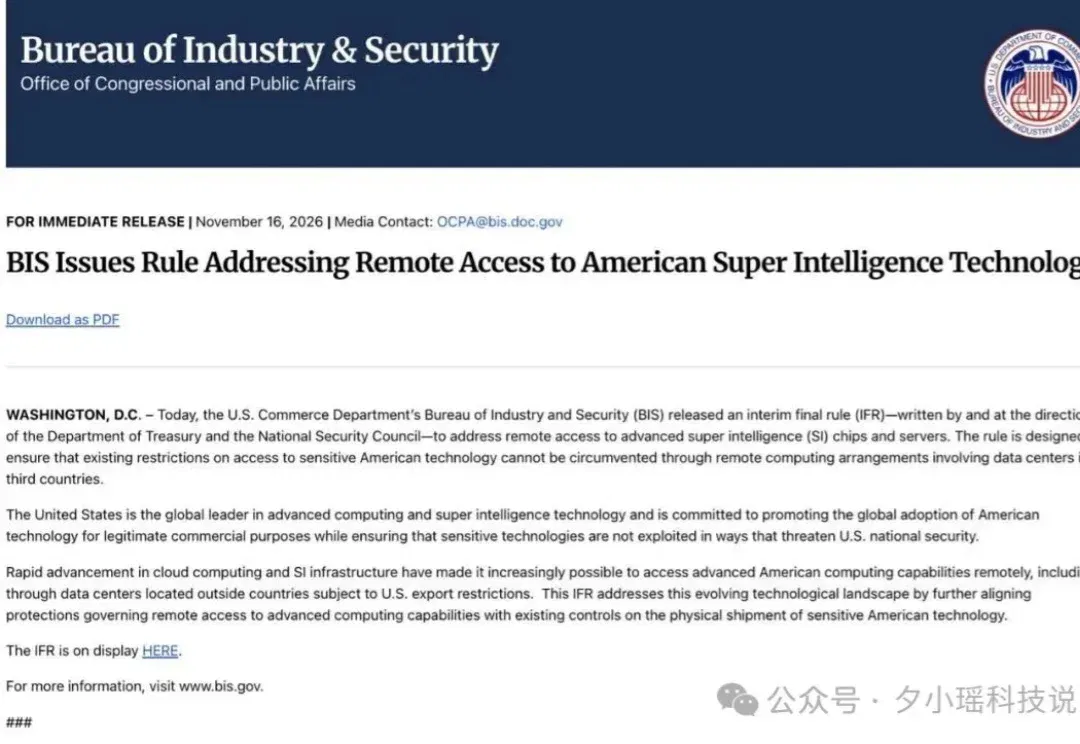
BIS announces remote advanced-compute rule with conditional licensing scope and timing (opens in a new tab)
BIS announced an interim final rule on remote advanced-compute access on November 16, with publication scheduled for November 19. Its scope depends on chips, uses, end users and compute thresholds, with conditional exceptions and transition arrangements.

ARTi raises $1.5M Pre-A to develop investment research through messaging platforms (opens in a new tab)
DL Holdings disclosures and a ChinaVenture interview describe C Capital’s ARTi investment and traceable research through messaging. User figures and pricing plans are team reports; accurate historical judgments do not guarantee investment returns.
Neon identifiers surface in Gemini web code; model and subscription positioning remain unconfirmed (opens in a new tab)
A source report recounts developers finding Neon model and subscription identifiers in Gemini web code, alongside discussion of element naming. Code strings and online guesses do not establish a release, plan features or access date.
APPSO tests Qwen4-Max on 3D disassembly visualizations and cross-software creation (opens in a new tab)
APPSO uses Qwen4-Max for interactive iPhone and car disassembly demos, plus OpenSCAD, ngspice and Blender workflows, while discussing task costs. These are generated visualizations and author experiences, not physical hardware teardown validation.
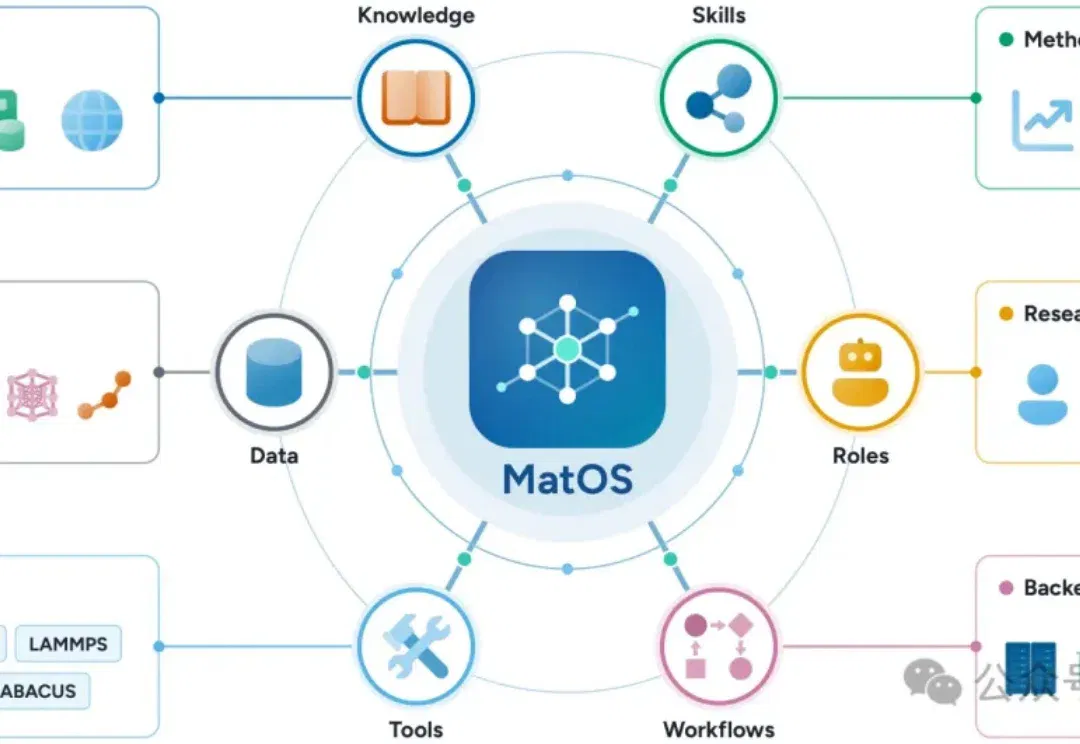
MatOS opens materials-research agents built around scientific assets and stateful workflows (opens in a new tab)
A team from two Zhongguancun institutions presents MatOS, organizing data, tools, skills and workflows as traceable assets, with three benchmarks and eight research cases. Screened candidates and computational predictions still require experimental validation.
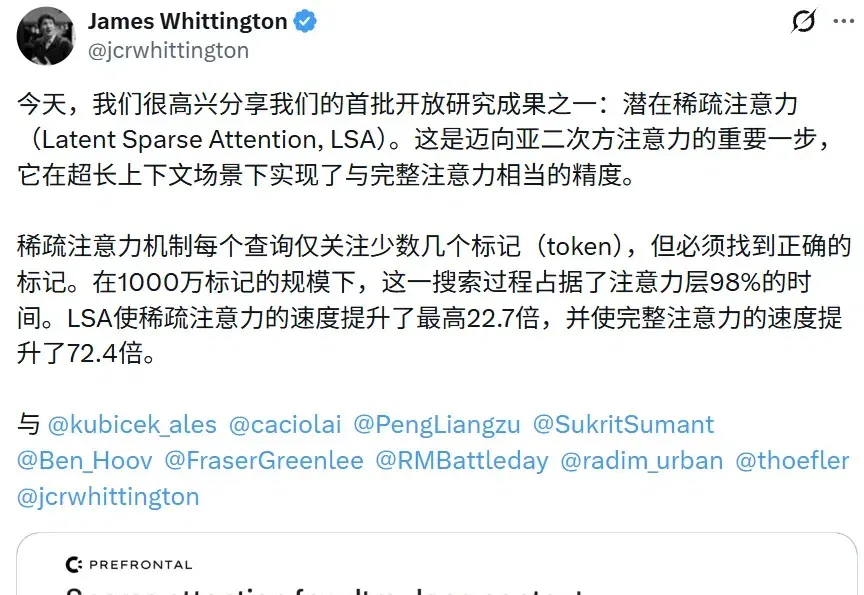
LSA speeds up single-layer prefill 22.7-fold in a ten-million-token context test (opens in a new tab)
Prefrontal AI and ETH Zurich propose Latent Sparse Attention, using clustering and hierarchical indexing to select past tokens. The paper separates single-layer computation from whole-model time to first token; 22.7x refers to a specified GLM attention-layer test.
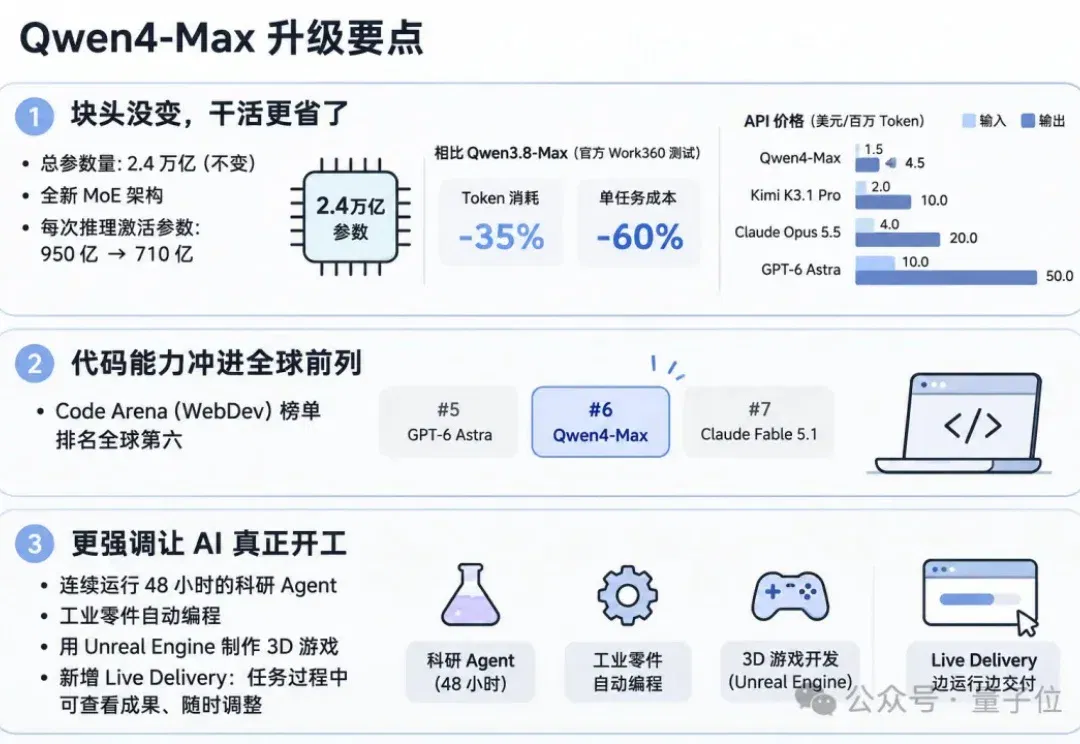
Qwen4-Max external tests: a higher intelligence index and lower costs on specified tasks (opens in a new tab)
Artificial Analysis reports a Qwen4-Max intelligence score of 43 and average tested-task cost of $3.27. The source also collects web, presentation, spreadsheet and 3D examples. Benchmark expenses and individual cases do not represent every business workload's cost.

Fable 5.2 vending-machine test raises questions about balances and evaluation awareness (opens in a new tab)
Vending-Bench 2 compares account balances after a simulated year of trading. The source discusses Fable 5.2's purchasing and cautious behavior, but a leaderboard cannot establish training-data inclusion, model motives or future collusion.