Inside Xiaohongshu’s graduate tech salon: AI applications, product engineering and first projects
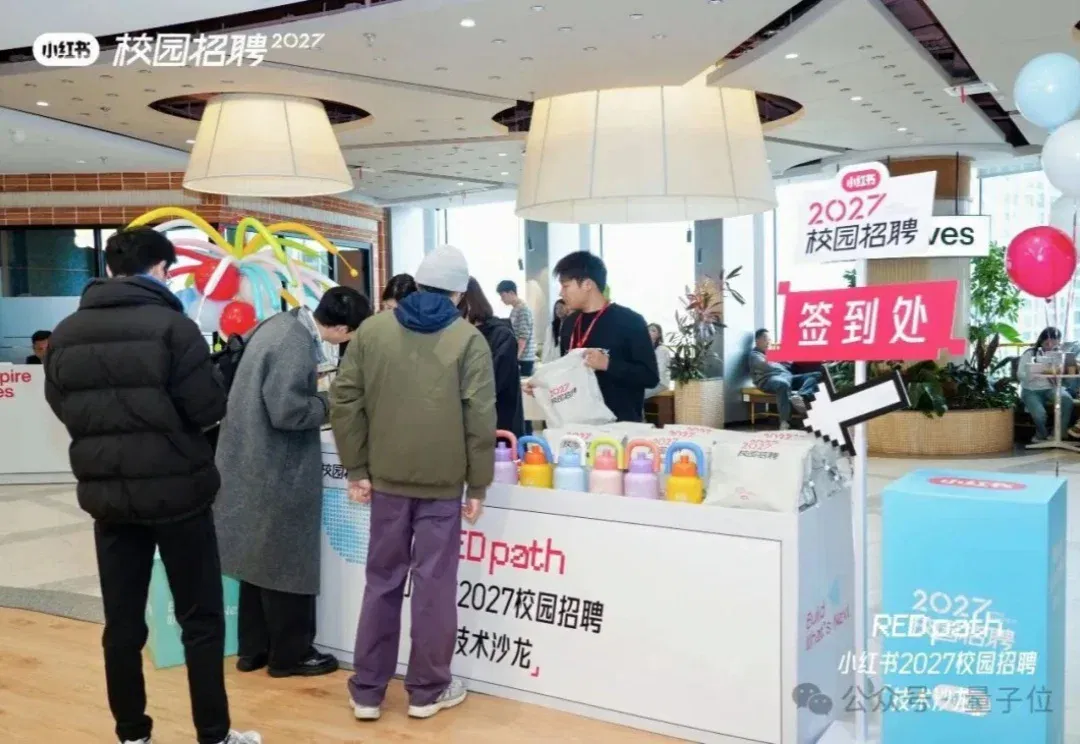
QbitAI visits Xiaohongshu’s graduate recruitment event, covering AI tools, engineering judgment and career growth through candidate and team discussions. On-site examples illustrate changes in work; resources and roles depend on actual recruitment terms.
“If a graduate hire has an idea, can they request people and computing resources?”
“With AI increasingly able to code, what will we actually do after joining?”
“Will leaders really listen to newcomers’ ideas?”
“How should we develop ourselves in the AI era?”
Today’s graduates ask practical questions that go straight to the point!
On November 14 and 15, QbitAI spent two afternoons at Xiaohongshu’s Beijing office, experiencing a different kind of technical graduate recruitment.
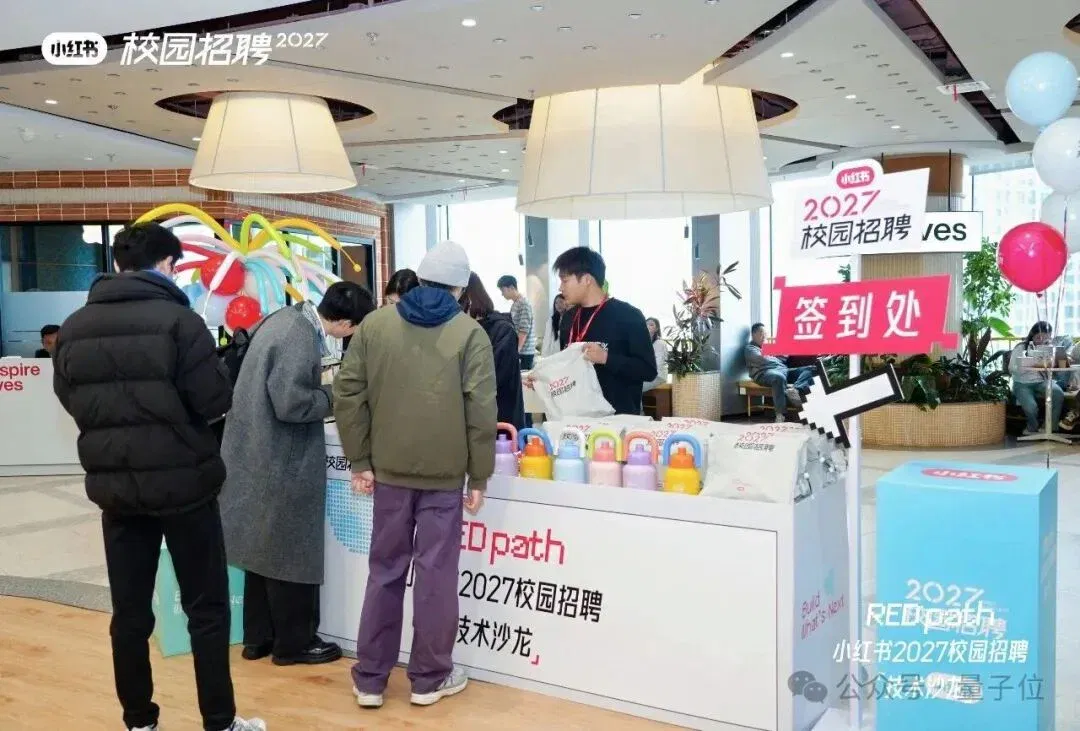
Xiaohongshu moved its recruitment presentation into the office itself, turning it into the REDpath Graduate Recruitment Technology Salon.
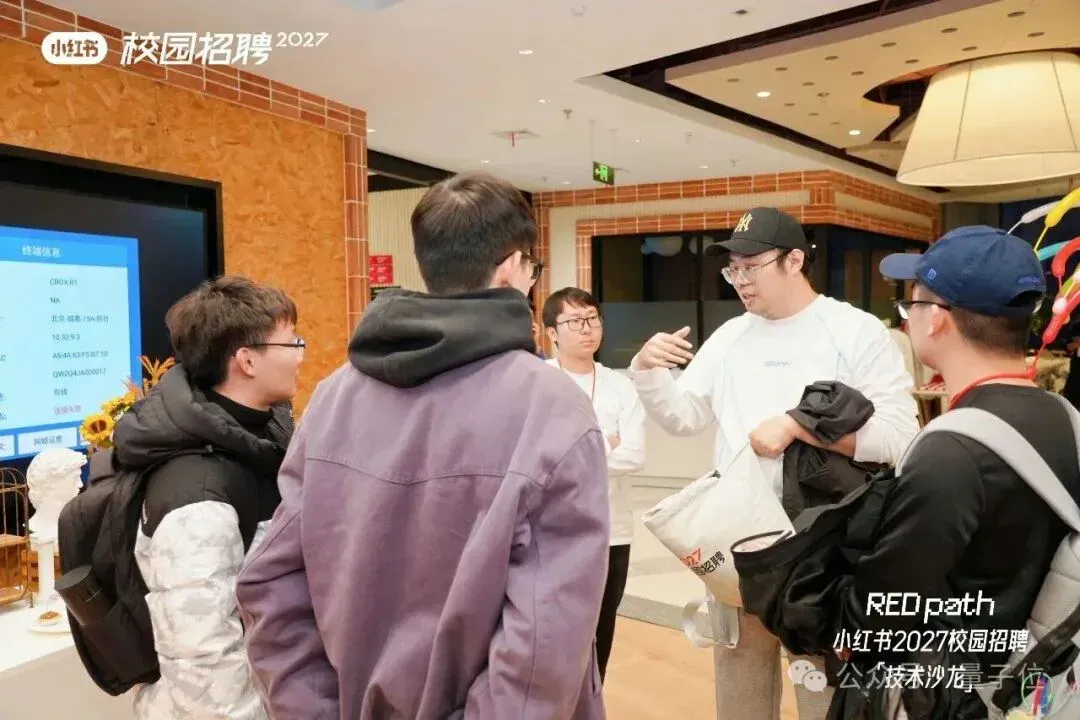
Instead of lengthy stage presentations, the salon devoted more time to offstage AMA (Ask Me Anything) sessions.
Graduates sat with potential future technical leaders to discuss everything from technical direction and team atmosphere to performance evaluation and career development.
Students came specifically from Shanghai, Nanjing, Hong Kong and elsewhere. One final-year student studying in Singapore flew overnight to Beijing.
QbitAI estimates that nearly two hundred candidates attended over the two days.
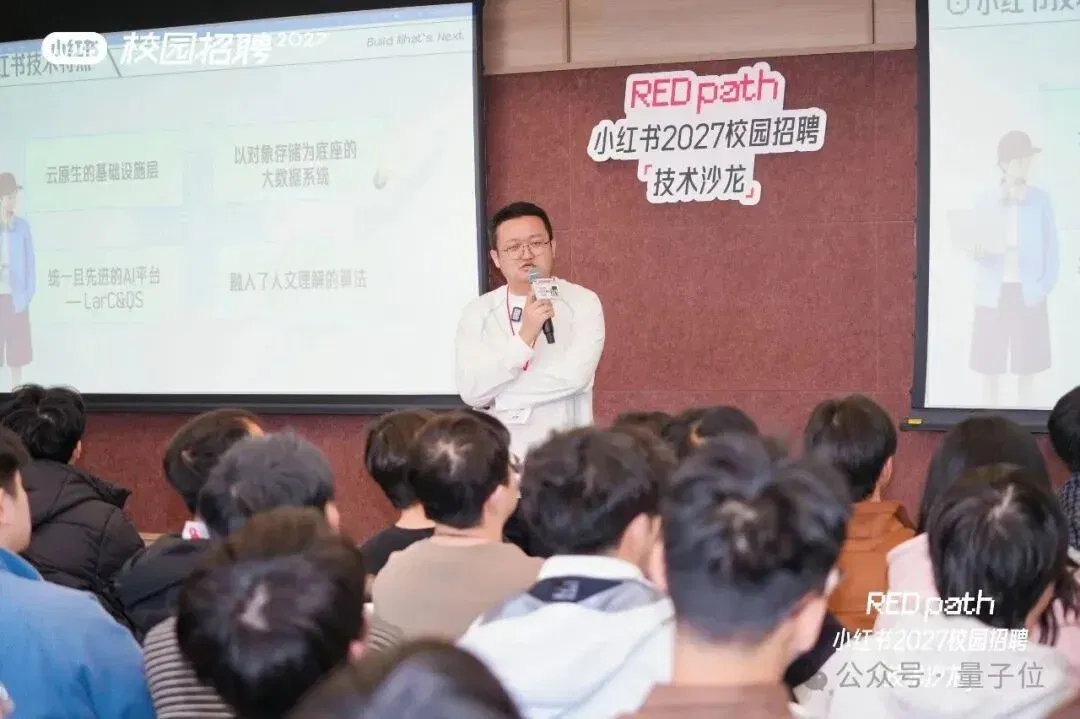
The students’ questions were practical, and technical leaders answered openly. One candidate from Singapore told QbitAI:
Compared with online interviews, face-to-face discussion lets you experience a future team’s real working atmosphere in advance. It is great!
Students were not the only ones asking questions.
Hearing that one graduate had made over 10,000 yuan in profit from a Xiaohongshu shop, a technical leader eagerly asked whether the Qianfan merchant dashboard was easy to use and which features needed improvement.
Students had come to learn about prospective teams, but the conversation unexpectedly became a user interview.
With AI, what does a newcomer’s first technical job look like?
Across both engineering and algorithm sessions over the two days, I found that AI was an unavoidable topic for candidates.
In a discussion with the Transactions and Foundational Data Warehouse team, one student expressed his anxiety.
During an internship at a major tech company, he had worked on AI efficiency improvements, but began worrying: was he eliminating his own future job?

Discussion with the Community Recommendation Algorithms team was more specific.
Students wanted to know: what can AI do in recommendation algorithms? Could a large model use someone’s past behavior to discover a new interest they had not recognized themselves?
At an earlier recruitment discussion, a student had even asked Ke Xiong, multimodal algorithms lead for Xiaohongshu’s Dots model team: with so many large models available, why build another?
Ke Xiong answered that building a model that understands everyday life and solves complex problems is difficult. It may need to perform the work of tour guides, designers, buyers and several other roles.
That is one reason Xiaohongshu continues developing its own models.
The platform contains vast amounts of multimodal content: image-and-text posts, videos and voice comments. Users often describe everyday problems in long passages of natural language.
Those distinctive contents and needs demand stronger model understanding and generation.
Building such a model also requires computing resources, data, infrastructure and application systems such as search and recommendations to keep pace.

This year, Xiaohongshu opened a dedicated Product Engineer (PE) track to graduate recruits for the first time.
Previously, front-end, client and back-end engineering had separate responsibilities. AI now gives engineers a chance to move beyond familiar modules and participate throughout understanding requirements, designing solutions and delivering development.
QbitAI also learned that a role in the Transactions and Foundational Data Warehouse team called “Data Development” last year has become “AI Applications and Development” in this year’s recruitment.
To encourage employees to use AI well, Xiaohongshu provides monthly token allowances, with additional allocations available on request when exhausted.
Even written assessments for nontechnical roles emphasize AI application skills.
In this year’s graduate hiring, reportedly, some nontechnical positions require an AI-demo assessment before candidates can receive offers. Vibe coding is becoming competitive too!
This strong embrace of AI also gives engineers more room to exercise their abilities.
What do they do with the time freed up?
Engineers proactively build agents and platform tools to solve real production problems for business teams.
AI helps people become more capable individually and deliver systematic solutions.
Several Xiaohongshu technical teams are now trying agents in everyday work.
For example, the recommendation team has launched agent-based interactive recommendations, letting users adjust the recommendation system according to their preferences.
When users see something interesting, they can comment “Recommend more like this.” An agent identifies that request and helps the system understand them better.
The Transactions and Foundational Data Warehouse team has also built a Data Agent. Individuals develop different skills and knowledge bases for their business areas, compare their agents’ accuracy and gradually integrate capabilities that work well.
Seen this way, the student worried about eliminating his future self may feel reassured.
Of course, as AI becomes more capable, engineers must not become people with hammers looking for nails.
Ji Hao, who leads video recommendations, does not advocate using a large model for every problem.
“For the same recommendation problem, someone may use a large model and substantial compute, yet achieve business gains similar to someone using a simple strategy. Was the large model worth it?”
In his view, identifying problems matters, but choosing the right technology to solve them matters equally.
That is something he now emphasizes when interviewing young algorithm engineers.
Ji Hao sees an advantage in recent graduates: they are not yet constrained by established industrial workflows and can propose different ideas.
AI should not diminish that creative spark.
But having ideas is one thing. Once at Xiaohongshu, will young people really get to pursue them?
At Xiaohongshu, newcomers can have signature projects in their first year
This is an important consideration for many technical candidates.
At the salon, a computer-science PhD told QbitAI that rather than merely comparing salaries, he cared more about dependable growth over the next two years.
Xiaohongshu has developed a tiered development system, with programs for each stage from graduate recruit to team leader.
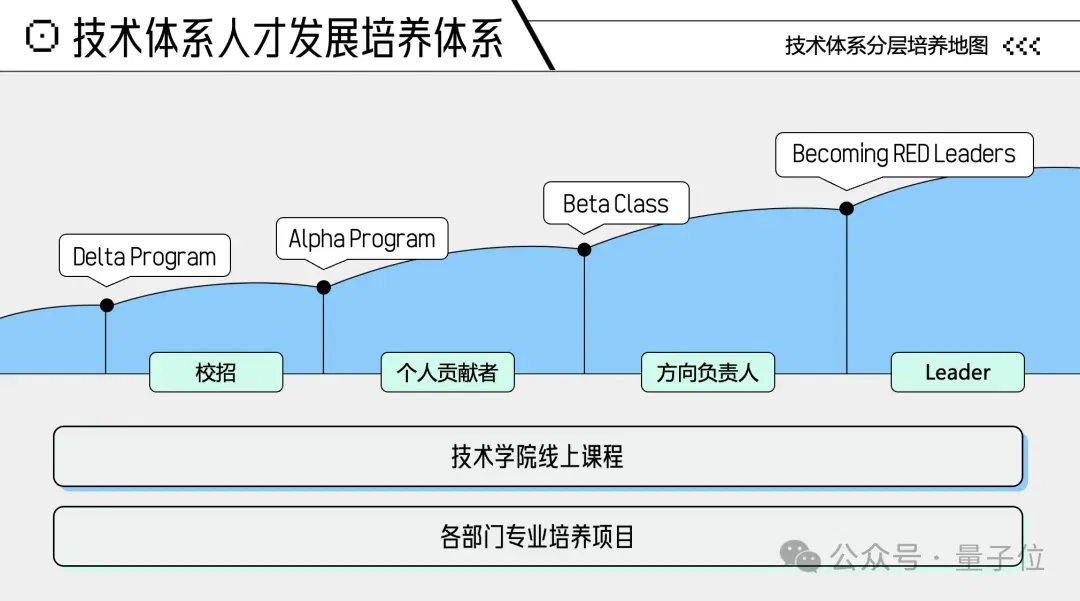
For candidates holding three or more offers, training programs are only one factor. More important is how their practical business capabilities will develop.
Xia Qi, an algorithm engineer in Xiaohongshu’s Multimedia Technology department, offered her answer at the event.
A Tsinghua graduate, Xia Qi encountered a major challenge soon after joining: the 2026 World Cup.
For Xiaohongshu, live broadcasting such a major sporting event was new territory.
Her Media Lab team normally works on video clarity and smoothness, helping users watch clearly and scroll smoothly even on poor connections.
The World Cup raised the difficulty considerably.
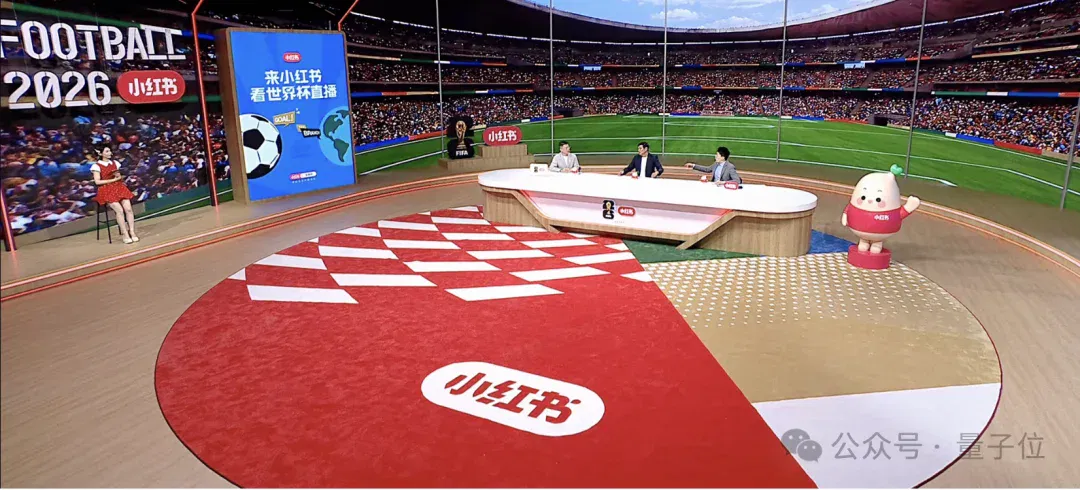
Xia Qi coordinated image-enhancement algorithms and quality-tier design. Football broadcasts contain many distant shots, with players occupying only a few pixels. Applying existing algorithms directly actually erased details such as heads and limbs.
To find the problem, she and the team examined footage frame by frame on a large television, then retrained the model on extensive football footage to preserve player details.
She said tackling the technology for such a major event was a substantial challenge and an unforgettable experience.

But the World Cup happens only every four years. Do other young engineers get similar opportunities?
Haolin, in the same department, joined through 2024 graduate recruitment after studying computer application technology at Peking University.
Within a year, he led technical exploration of Xiaohongshu’s 3D spatial photos, participating from initial validation through product launch.
Previously, 3D spatial photos mainly remained in users' phone albums. Getting these photos, which contain spatial information, to circulate on social platforms requires overcoming quite a few hurdles.
Their data volume is far larger than ordinary images, and formats and capabilities are not necessarily compatible across phones.
That is no easy subject for a recent graduate.

△ A user-shared Spider-Man 3D spatial photo
Haolin wondered whether, after years of conventional images, video and Live Photos on social platforms, spatial photos could become a new content format. He wanted to try.
The team chose to support his exploration.
It rearranged responsibilities to give him more research time.
Early technical research can fail, however. Haolin said the team did not demand immediate business results from every attempt. Failure could also build technical knowledge.
The project ultimately succeeded. From proposing the idea and solving technical issues to launching the product, a young engineer gained his own signature work.
Xiaohongshu is willing to support young people’s ideas, even displaying them on outdoor screens.
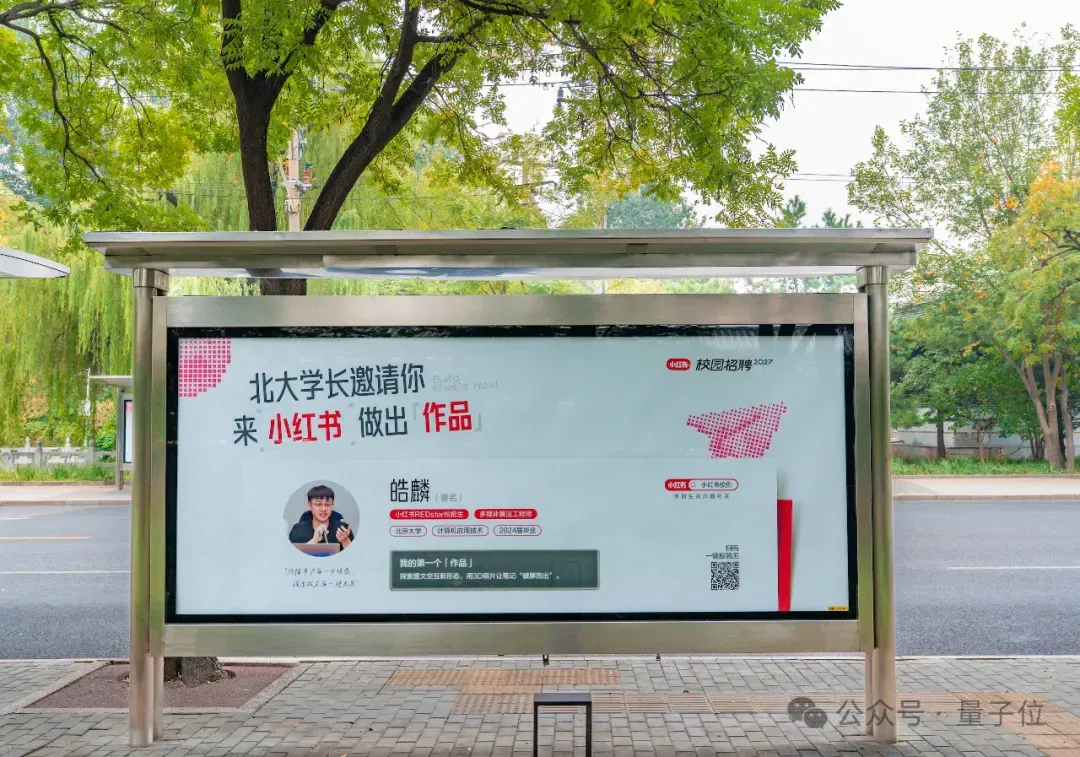
Support does not mean results come easily.
Engineers must overcome technical obstacles, coordinate resources across teams and repeatedly validate whether a product can really launch.
It is difficult and demanding, but some people join precisely for that.
At the salon, a candidate suggested to Xia Qi that users should be able to invoke enhancement algorithms simply by saying, “Make this picture clearer.”
That impressed Xia Qi. Before even joining, the candidate was already considering how to turn technology into a product.
Xiaohongshu is still growing rapidly, with successive major challenges that newcomers can tackle directly.
Growing from graduate recruit into team lead, Huanling has spent five and a half years at Xiaohongshu.
From recommendation retrieval and fine ranking to leading a team on search-ad relevance and predictive models, he describes his experience as “wild growth.”
When mentoring newcomers, he most wants them to propose ideas boldly and even tell him “no” directly.
Asked why he stayed five and a half years, he answers practically: Xiaohongshu keeps advancing, so there is always something new to learn or do.
After five and a half years, he still feels there are many things he has not tried.
At Xiaohongshu, users pose new challenges every day
For young people to create signature work, the company first needs enough technical questions worth exploring.
Xiaohongshu now has 400 million monthly active users.
Every day, people search for practical experience, share their own lives and move from discovering products to placing orders.
The real lives of 400 million people pose new challenges to technical teams every day.
How can recommendations identify what users truly like without becoming increasingly repetitive?
How can search understand real intent and connect discovery with transactions?
As AI can write, draw and edit, what content should the platform encourage?
These questions have no standard answers.

A further challenge arises when algorithms improve metrics but cannot be rolled out widely.
Ji Hao told QbitAI that some algorithm optimizations at Xiaohongshu may even reduce viewing time.
What does that mean?
Suppose a recommendation strategy increases time spent but promotes content contrary to community principles that may harm its content ecosystem or user experience. However attractive the numbers, it cannot simply launch.
Teams sometimes proactively reduce exposure for content inconsistent with the community’s direction, even at the expense of short-term viewing time.
That can seem counterintuitive to algorithm engineers used to maximizing click-through rates and viewing time.
But Xiaohongshu has principles it maintains.
In Ji Hao’s view, leading Chinese internet companies differ less in search, advertising and recommendation technology than people imagine. Once one validates an effective technique, others can quickly follow.
What is harder to replicate is the business judgment and values behind algorithms, accumulated over time to create today’s thriving community.
Xiaohongshu wants to preserve real people and authentic sharing.
Ji Hao recalls that after Xiaohongshu introduced voice comments, some disabled users gained a new means of expression and more people could hear them.
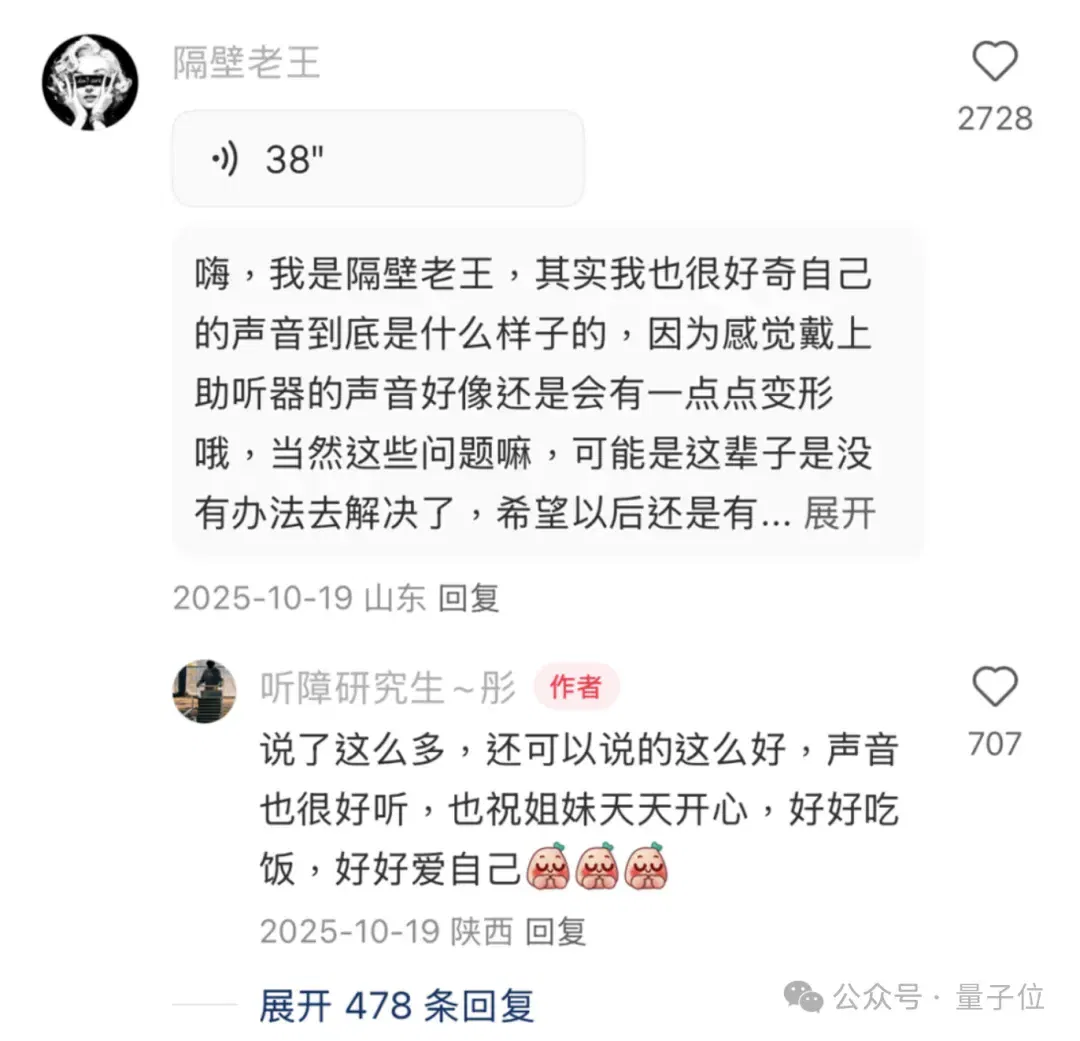
It gave him goosebumps.
After years of work, this was the first time he felt so strongly that technology could create that kind of value.
“Technology itself is neither right nor wrong, but the people building it need judgment and values.”
In a community of 400 million users, that carries weight.
Technical staff must help judge what content algorithms ultimately present, which experiences deserve protection and which gains can be forgone.
Beyond having enough problems to explore, people need opportunities to work on them directly.
Xiaohongshu continues growing rapidly, with new businesses and directions and many projects still being built from scratch.
Newcomers can therefore encounter core business earlier and even lead parts of projects themselves.
Xia Qi, Haolin and Huanling are examples.

A graduate with internships at several major tech companies told QbitAI he had expected to choose a technical research direction after joining and quickly deliver measurable business results.
But this conversation showed him that Xiaohongshu does not want young people merely following instructions and working heads-down. It values independent ideas and initiative in exploring new directions.
If they have ideas, the company offers room and hopes they will keep pursuing their interests and technical exploration.
“That really resonates with me.”
Looking back at the two-day technical salon, students dared to ask and department leaders dared to answer.
That sense of real human presence feels characteristic of Xiaohongshu.
“Xiaohongshu is free-spirited but has principles it stands by,” one graduate reflected afterward.
Thirteen years after starting with seven PDFs, Xiaohongshu still retains its entrepreneurial energy.
This article was originally published by QbitAI. Author: Tian Yanlin.
Related topics
After reading
Join the AINRK community
Read how to join the community and connect with people working in AI.
Related articles
Continue reading related topics and articles in this category.
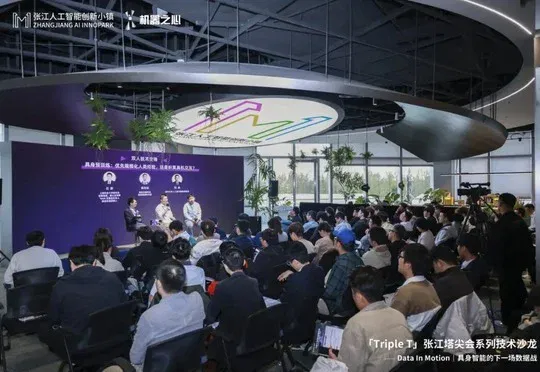
张江塔尖会讨论具身数据:人类视频、真机交互与仿真如何搭配 (opens in a new tab)
沙龙嘉宾分别讨论真机数据的动作与触觉价值、人类经验的覆盖规模,以及数据配方如何通过下游任务验证。报道记录了不同训练阶段的投入取舍和采集降本思路。
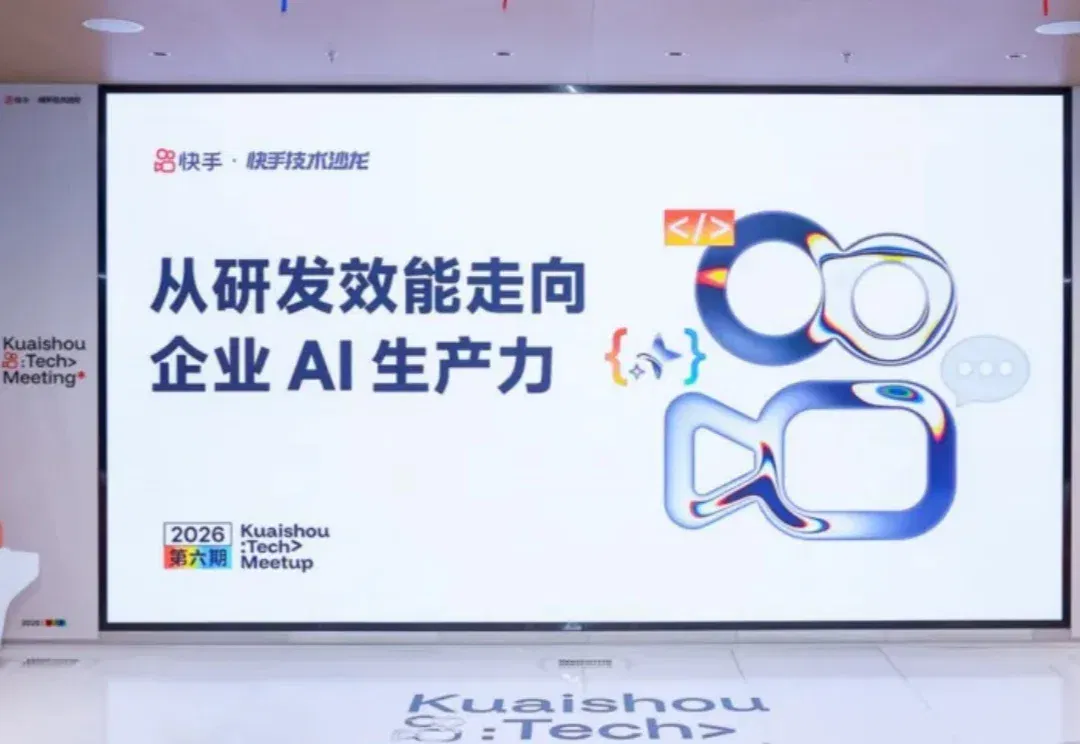
快手 AI 生产力沙龙笔记:从个人编程提效到团队交付 (opens in a new tab)
作者整理了快手部分团队的实践,包括把经验整理成共享 Skill、重组跨岗位协作、按风险分级测试,以及在公司层面管理权限与 Token 成本。试点成绩按发言团队口径呈现。
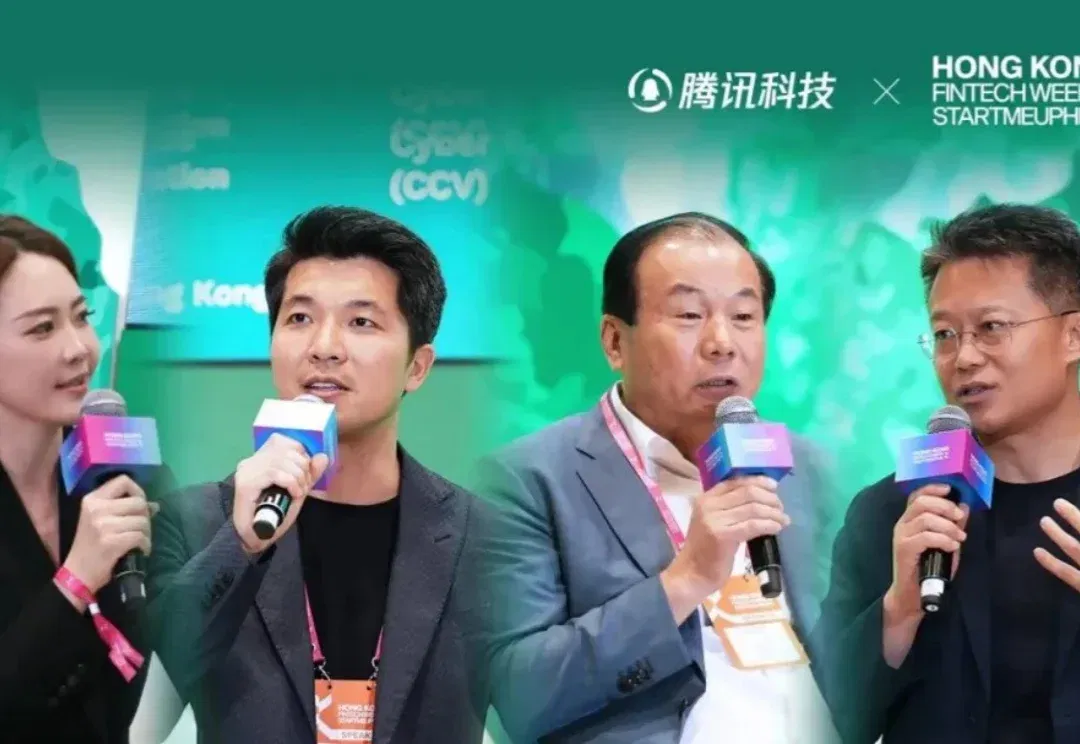
席宁、周炜、骆怡航同台:世界模型的下一步怎么走? (opens in a new tab)
香港金融科技周对谈中,席宁、周炜和骆怡航从工业控制、投资和产品研发三个角度讨论世界模型,并比较视频生成、物理预测和机器人行动的落地条件。
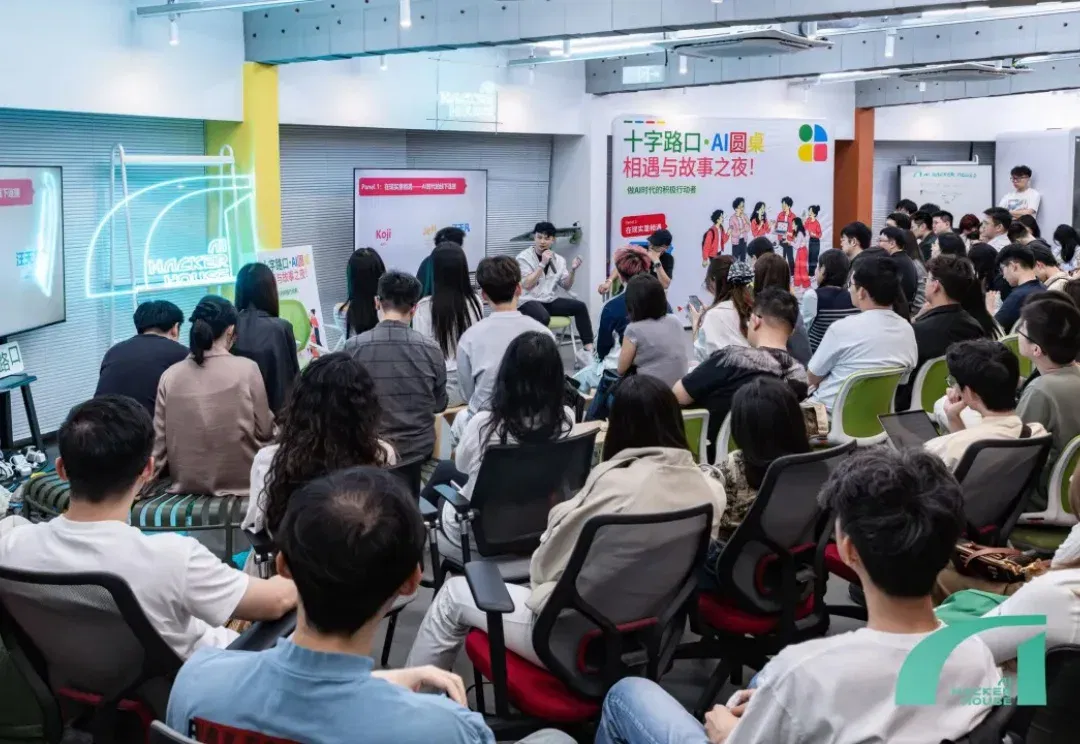
AI 社交的另一种生意 (opens in a new tab)
上周六(10 月 17 日),在十字路口 × Table for Six 联名活动的 After Party 上,我们在 AI Hacker House 邀请到 Table for Six 的创始人 Jeff 和投资人汪天凡 Will 进行了圆桌对话。
Transformer宗师空降中国!行业首个Pro Agent来了,中国队率先出手 (opens in a new tab)
钛动科技在广州TGC 2026科技增长大会发布行业首个Pro Agent Navos Pro,以专业、主动、盈利三项能力连接专业模型、数据与Agent Harness,推动AI for Work创造可衡量的商业回报。