Loopcat explores first-person AI video stories through generated turns and character bonds

A hands-on report explores Loopcat’s dialogue and action inputs, video turns, branches and character creation, alongside Kaon’s background. Usage figures and model integrations are reported claims; interactive stories still need continuity across turns.

Interactive stories add relationship progression.
Douyin, Kuaishou and NetEase have recently been investing in interactive content.
At key moments in a story, viewers can choose what happens next. If the protagonist is about to make a mistake, they can intervene to change the plot.
To attract creators, Douyin has opened partnership channels for interactive dramas and film-games, NetEase Tianma updated its support policies this month, and Kuaishou launched a dedicated interactive film-game partnership program.
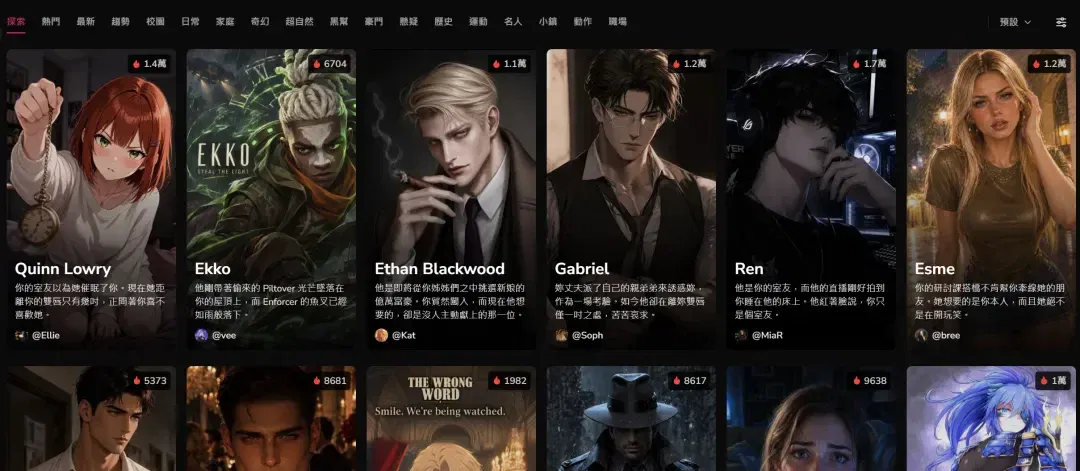
Amid these new formats, I discovered Loopcat, an interactive video-story product using a first-person perspective.
It gives viewers an input box where they can write what they want to say and do. AI then generates the next video scene, including the character’s response.
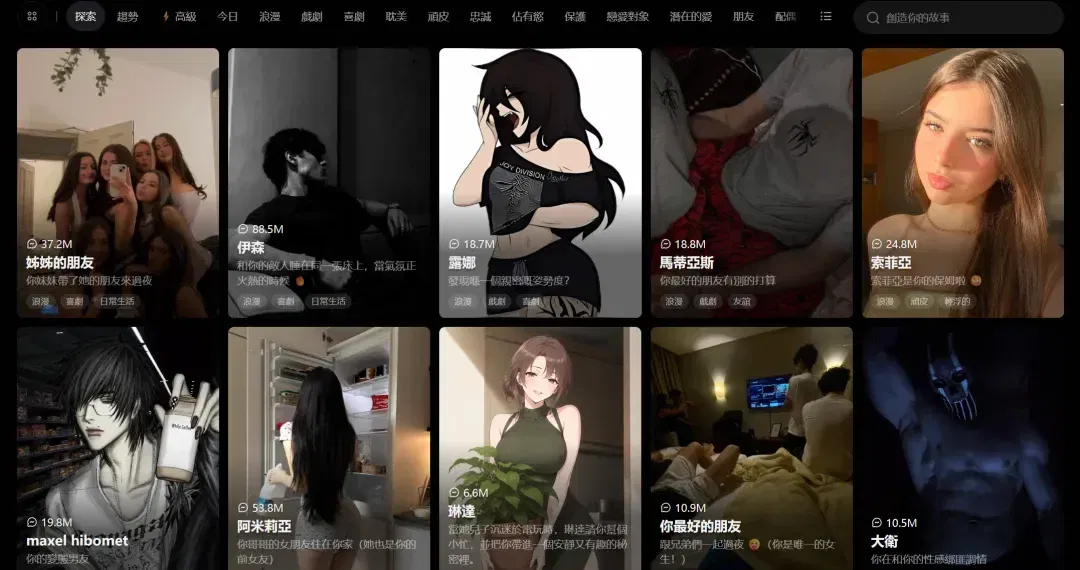
Loopcat lets you participate in a story as you watch. Its team, FlowGPT, previously built the AI character-companion product Emochi, which reached ten million downloads and more than three million daily active users.
Opening Loopcat reveals characters waiting to share a story with you. Each has an avatar and opening premise, alongside genre and relationship tags.
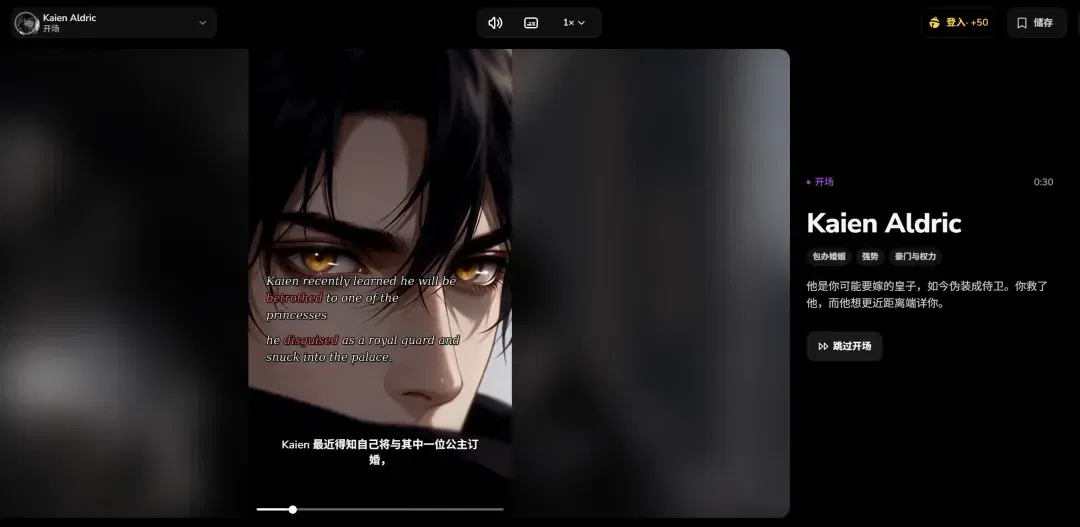
One character, Kaien Aldric, has a premise straight out of a short drama.
You play a princess who encounters an apparently ordinary guard. Your older sister is mistreating him, and you intervene.
The guard is actually a neighboring kingdom’s crown prince. A marriage alliance has already been arranged, and he is concealing his identity to observe the person he may marry.
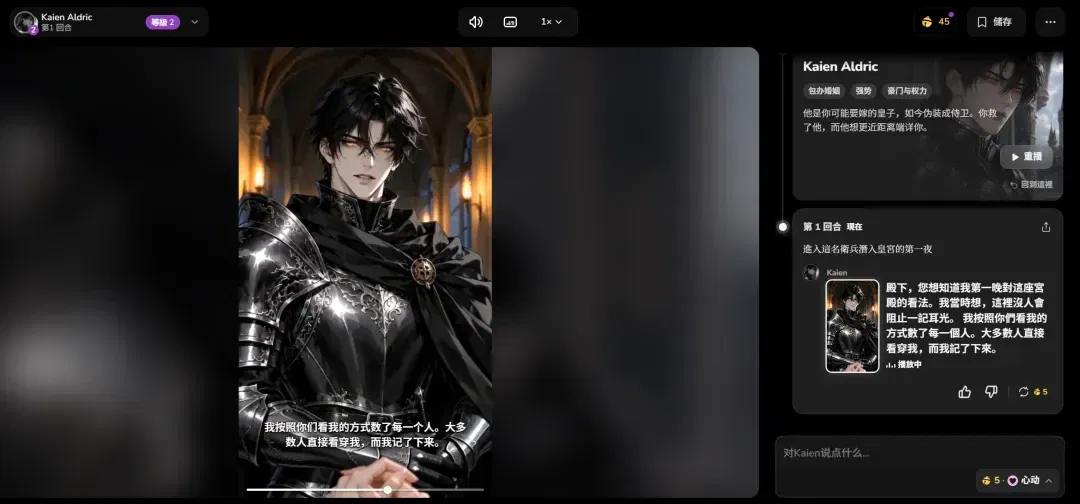
The premise establishes the conflict immediately. You save him without knowing who he is; he wants to approach you while hiding his purpose.
Users need not spend half an hour establishing the world. Something is already happening between the characters, and now it is their turn to speak.
With this opening, you might ask why he did not resist, or probe his identity.
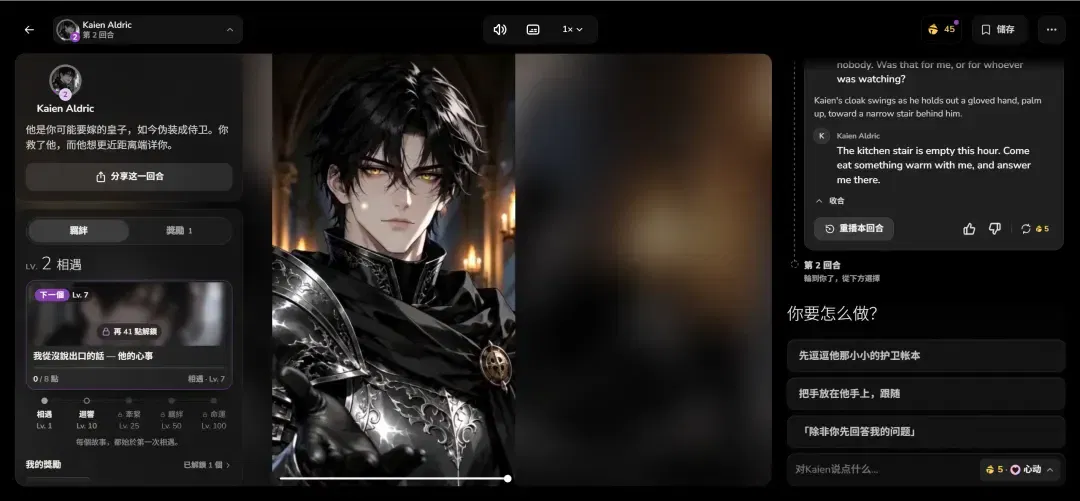
To give the story a different flavor, you can write an action—for instance, turning away and leaving him to explain what happened. These are possible inputs; AI performs the continuation.
Loopcat lets users participate in the scene unfolding now.
The character has just spoken, and you respond according to your current feelings. That becomes input for the story’s continued generation.
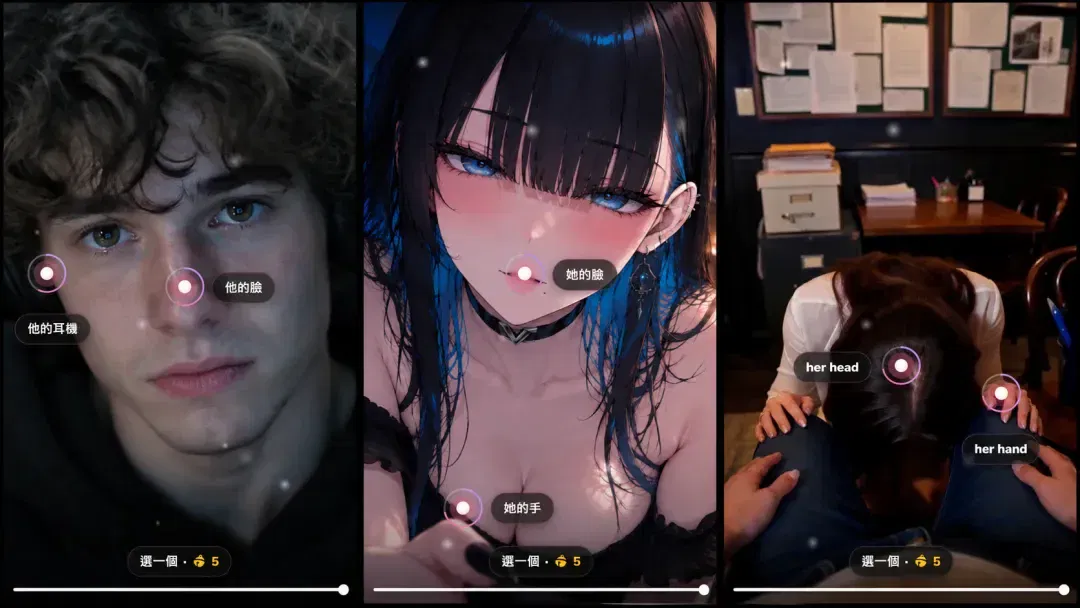
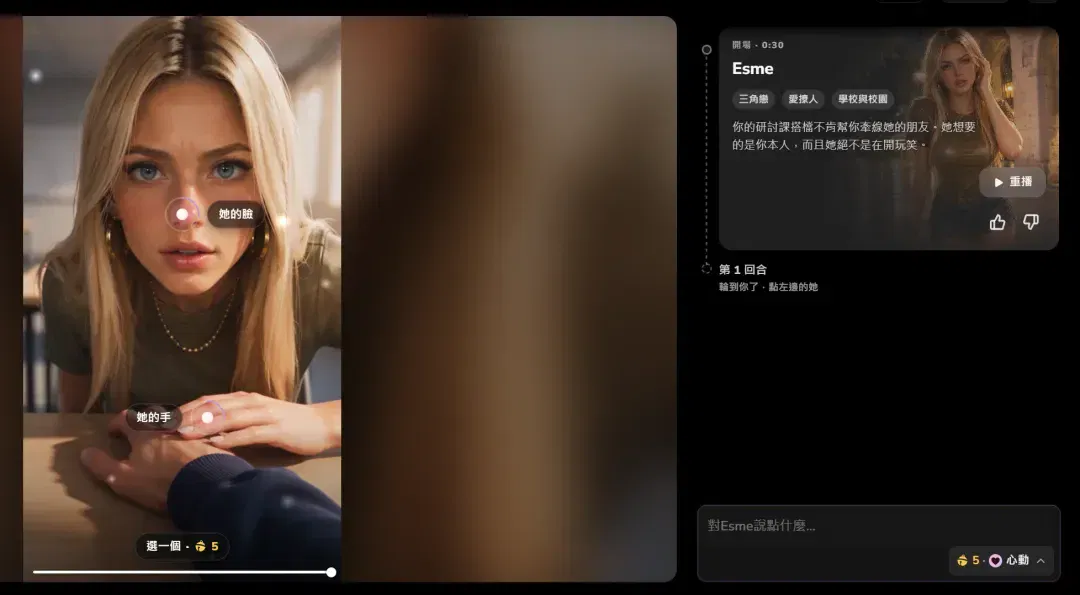
If you do not want to invent and type a response, you can choose a suggested reply. There are also clickable interactions within the image, letting users initiate actions at designated positions.
The story progresses in turns, each with corresponding dialogue and video. The timeline on the right records past events; replay a turn to watch it again.
A level appears beside each character. Clicking the avatar opens a separate relationship panel.

Our Kaien was level 2, at the Encounter stage. Later stages include Resonance at level 10, Connection at 25, Bond at 50 and Destiny at 100.
The relationship page also offers rewards to unlock, giving Loopcat an additional character-progression dimension.
Loopcat does not use the same viewing mode for every story. Crush focuses on first-person character interaction: the on-screen character builds a relationship with you, with AI companionship at the center.
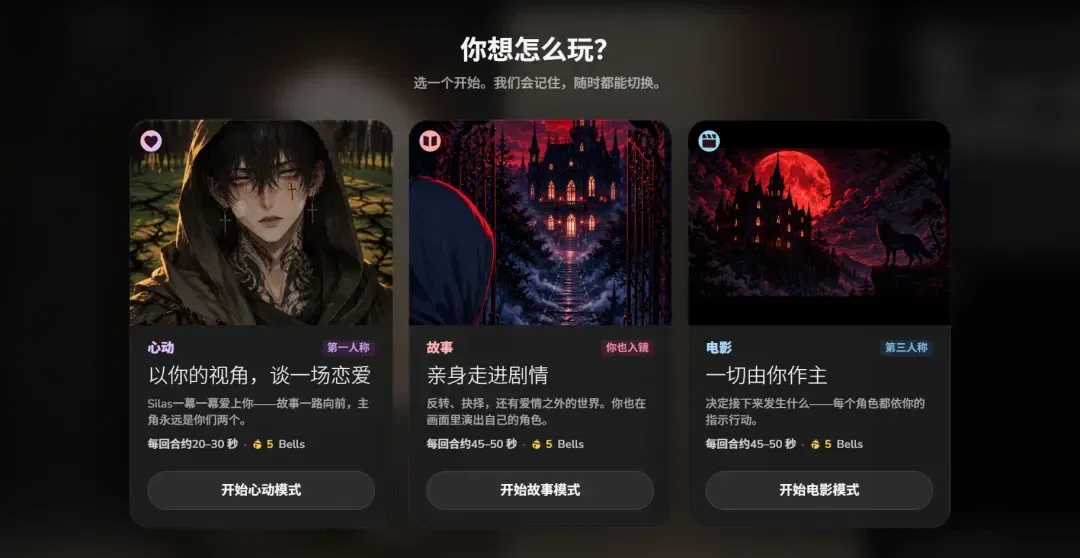
For a specific event, choose Story. Users act as participants and advance the plot through their decisions.
The princess meeting a disguised crown prince offers ready-made conflict. Questioning his background or continuing the relationship leads to different creative directions.

Sometimes the pleasure lies in directing how others perform. Movie mode offers that perspective.
Users can direct characters from behind the camera without writing themselves into the story.
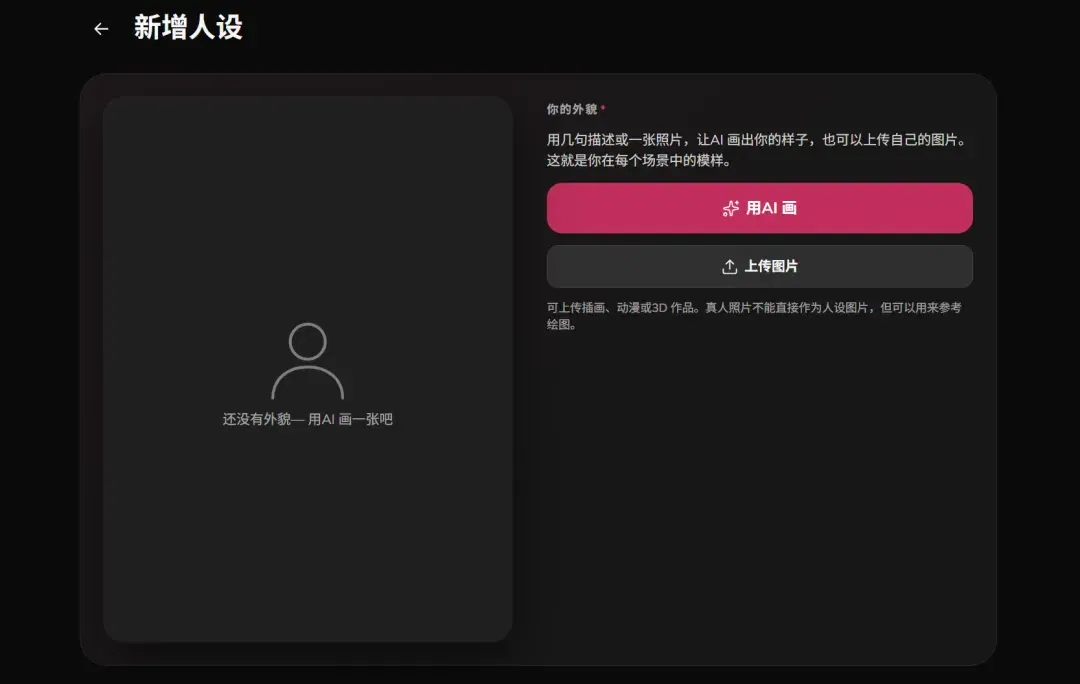
You can also define your own identity beforehand. Persona lets you enter a name, self-description and appearance, with the story continuing around that character.
The platform saves stories and branches for users to revisit.
Its character library also welcomes creators. User-created characters can become publicly discoverable and playable after review.
Loopcat’s creation interface supports drafting from a single sentence. Uploading images or video can also give AI material for brainstorming before you refine the settings.

Upload a character image or have AI draw one, then enter a name and gender. The adjacent AI button can help develop the persona.
Next, create the opening film.
Choosing AI production generates video from the opening you entered. The selected character image is used in both the opening and subsequent visuals. A free ten-second opening film is available here.

Alternatively, use an existing video as the opening. Uploads may run from five seconds to three minutes and must be no larger than 150 MB.
Users can also share clips and stories through short links, letting friends continue where they stopped. Earlier input can be edited before trying generation again.

This suits collaborative storytelling with friends. One person leaves the situation awkward, then hands it over; the next person’s continuation may be entirely unexpected.
Story links thereby gain something like the properties of game saves, naturally giving people something to discuss when shared.
User participation in creation is already familiar territory for the FlowGPT team.
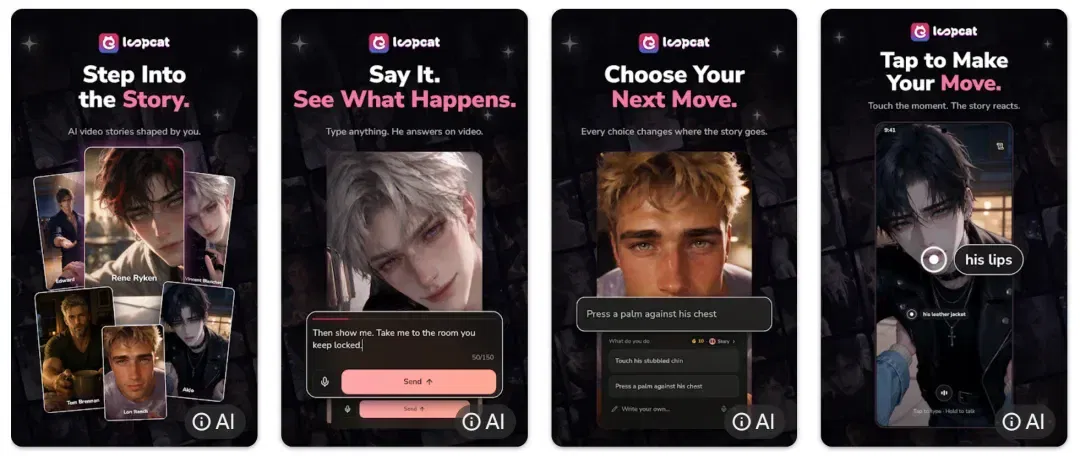
In 2023, it built a community for creating, sharing and modifying AI prompts and agents. Emochi followed, focusing on character interactions and personalized stories.
Building on those experiences, the team added video performances to Loopcat’s characters, letting players’ dialogue and actions influence generation of the next scene.
Several model sources support the visuals. Loopcat integrates MiniMax’s video-generation capabilities alongside the team’s own image and video models.

Character creation also calls ByteDance’s Seedance and Seedream.
The team now operates as Kaon and continues researching personalized generation, allowing models to adjust responses based on user interactions.
Another team with consumer-AI experience is also exploring this interaction.
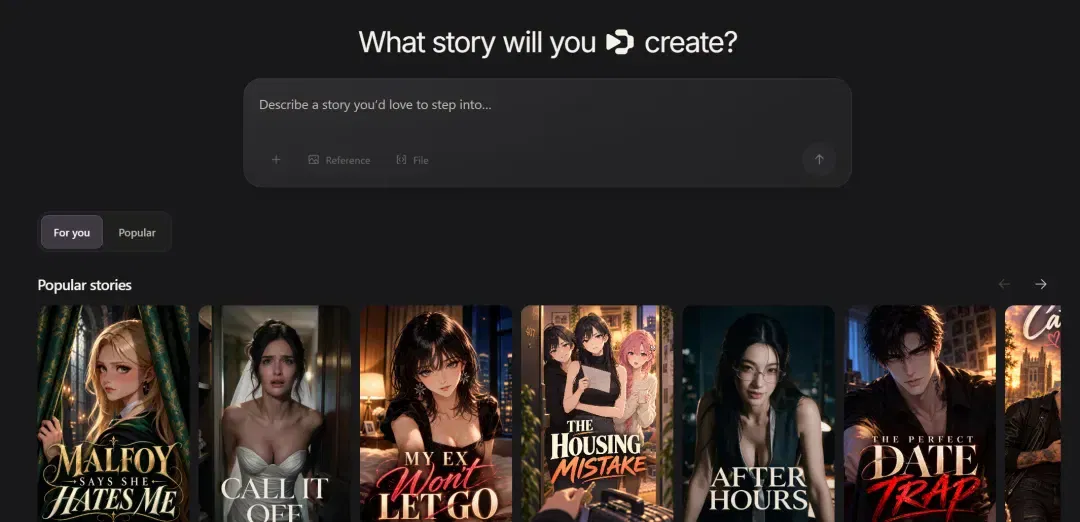
Its new product, Daydream, similarly lets users write actions and generates corresponding video clips. Users can play the protagonist or take the director’s role.
Daydream comes from Friends for Humanity, which previously developed the iMessage AI assistant Fae.
On October 21 this year, Tomo announced its acquisition of Fae, whose brand and user community would gradually merge into Tomo.
It introduces changing numerical scores into stories, with each player decision potentially affecting them.
Daydream Studio lets creators arrange characters, locations, story objectives and endings in advance. Users can also choose the video model, clip duration and visual quality.
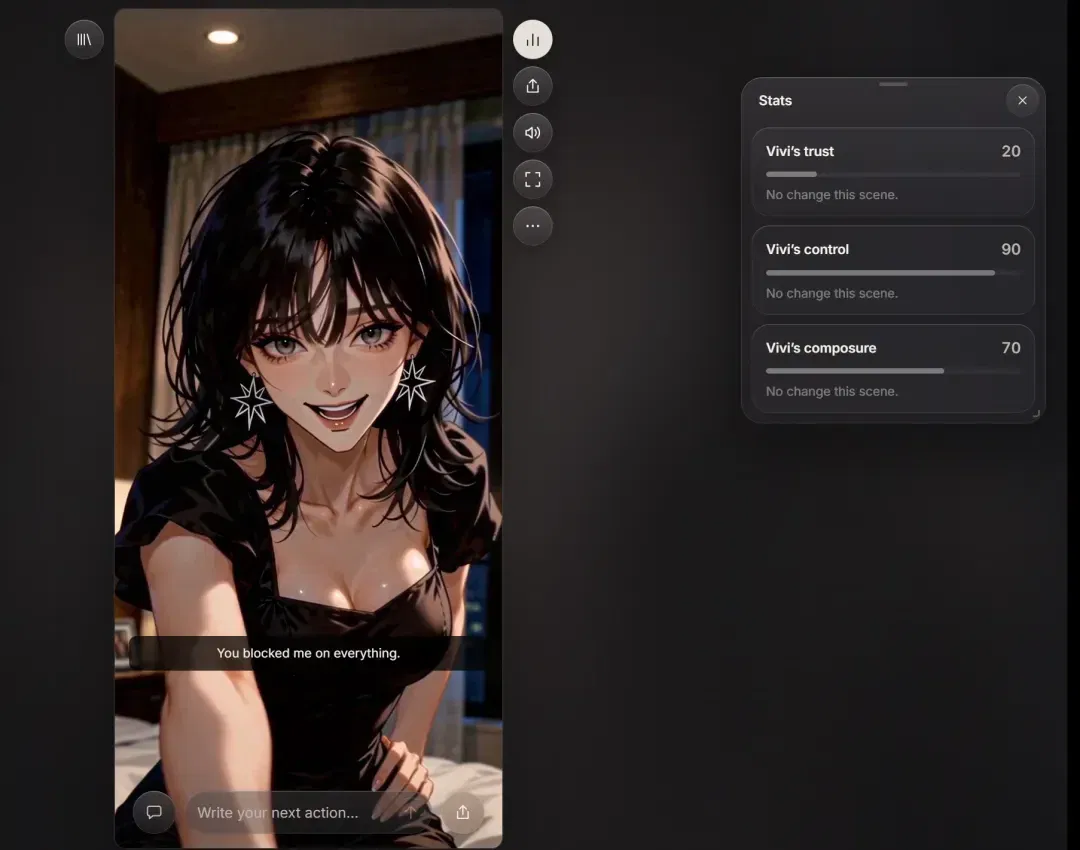
With objectives, players need not invent every next step from nothing. People open these stories for entertainment. If they must stop after every scene to devise the plot again, playing can start to feel like homework.
Providing ready-made guidance alongside room for improvisation makes participation easier.
Kaon, the team behind Loopcat, also evaluates models through sustained, multi-turn exchanges. It built a Session AB evaluation system for conversational experiences, using the same model configuration throughout an exchange and observing users’ subsequent reactions.
This includes the effect of one response on later interaction in the assessment.
Although that research concerns conversation, it also offers a perspective for AI film-games. A single line may be impressive, but players experience an entire story moving forward coherently.

The choices a player made earlier need to be reflected in the later story, and the characters should also remember the interactions that happened before. Content that users write themselves needs to leave its mark on the story.
When we scroll through videos, recommendation algorithms often predict our preferences accurately.
The difference is that everything the algorithm pushes to you has already been produced. A series needs to accommodate the tastes of a large audience, and your preferences will mostly only be used to adjust the results of the next recommendation.
AI interactive stories offer a different possibility: those niche preferences that are difficult to satisfy in mass-market content can also play a part in determining where the story goes next.
Personalization no longer stops at recommending content; it permeates the story itself. Following this direction, the same opening can give rise to radically different plot choices.
Loopcat turns AI companionship into video stories you can participate in. The appeal of first-person interactive video is becoming someone in the story yourself.
You can help create your own story while keeping the surprise of seeing the next scene for the first time.
This article was originally published by Xiagu AI. Author: Xiagu Content Team.
Related topics
After reading
Join the AINRK community
Read how to join the community and connect with people working in AI.
Related articles
Continue reading related topics and articles in this category.

NetEase Tianma launches with interactive dramas, branching saves and paid content (opens in a new tab)
Dujia tests Tianma’s interactive and conventional short dramas, branching stories, saves and paid unlocks, and outlines creator incentives. The catalog remains limited, and long-term retention still needs observation.

Prelulu explores real-time video stories, with character memory and costs central (opens in a new tab)
Prelulu combines text, voice and real-time avatar calls and lets creators define characters. The team is exploring environments that change with the plot; a complete interactive world remains to be developed.
快手上线“互动内容世界”,尝试为轻互动作品提供独立入口 (opens in a new tab)
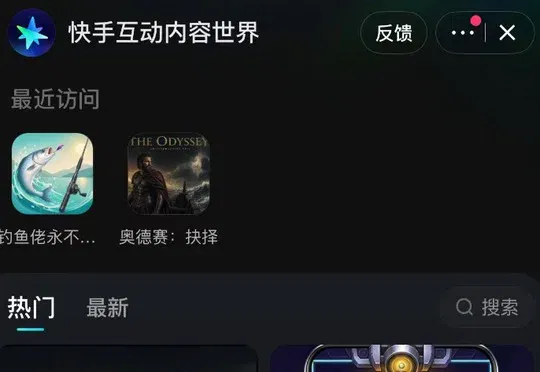
据《读佳》体验,快手的“互动内容世界”以独立入口和作品卡片承载互动叙事、模拟与休闲小游戏,并提供创作者标识和访问记录。文章将其与其他平台的轻互动布局作比较;目前内容池仍小,持续爆款和创作者变现模式尚待验证。

独家|半图科技完成新一轮超千万美元融资,以人类行为模型切入3D AI互动 (opens in a new tab)
Z Potentials 独家获悉,上海半图科技(SemiGraph)已完成单轮超过千万美元融资,由联想创投等多家国内及海外一线资本领投,老股东IDG资本持续加码。本轮融资将主要用于人类行为模型研发、数据体系建设、团队扩充,以及AI原生3D互动场景的产品化落地。

前米哈游大佬出手,让「赛博老婆」活过来!已获千万美元融资 (opens in a new tab)
未来数字世界会是什么样? 在全球计算机图形学学术界 TOP1 顶会——SIGGRAPH,已经透露了信号。 在前沿论文中,有极大比例,都在死磕同一个主题——「人」。从身体关节的精确驱动、面部表情的微妙肌肉牵扯,到角色的骨骼建模与动画控制,甚至精细到头发的物理模拟。 为什么?因为图形学最大的落地场景是游戏和影视,其中,「人」永远是最核心的元素,是受众产生情感连接的锚点,也是承载商业价值的载体。 最近两年,极具行业分量的 ACM SIGGRAPH 「时间检验奖」,都重磅颁发给了动画方向研究。 这无疑释放了一个强烈的风向标:无论渲染技术多么花哨,环境多么逼真,让角色「动」得像个真正的人,依然是下一代体