Mirasim hands-on: video editing, 3D web creation and multi-agent coordination
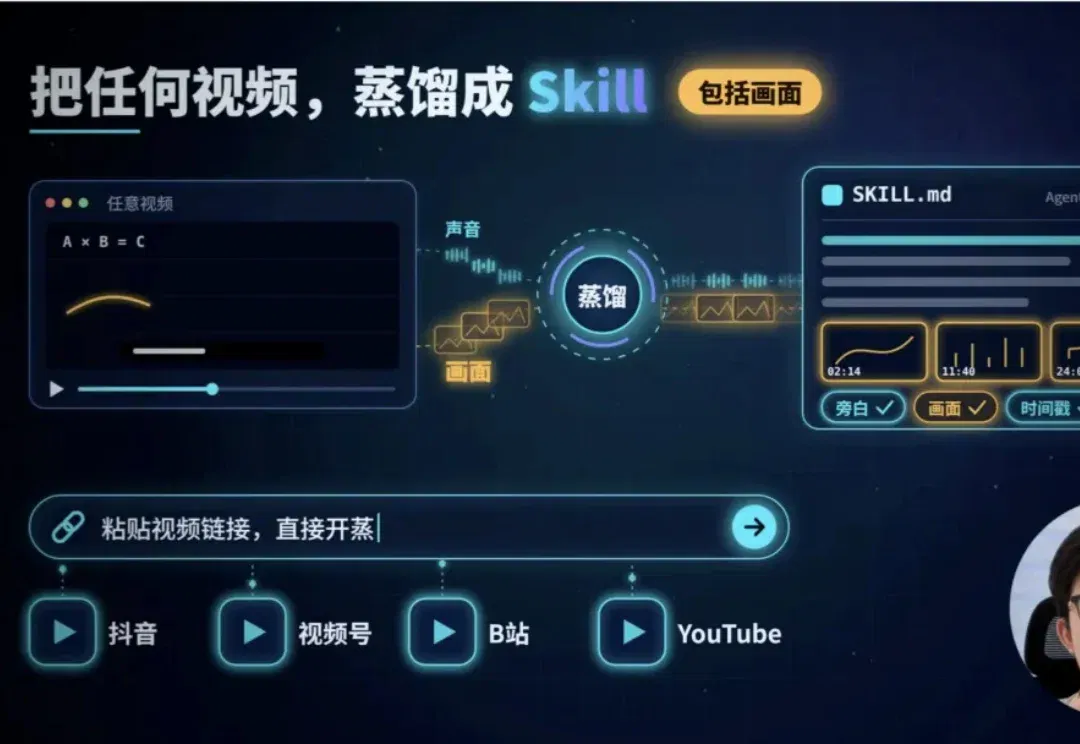
Daishudi uses third-party agent tool Mirasim for editing, 3D creation and project changes, then explores sessions and orchestration. Costs, model identities and discounts are author reports; output quality cannot verify model provenance or continued availability.
Editorial correction (November 18, 2026): Third-party model identities, discounts and availability have not been independently verified. This hands-on experience does not guarantee account security or compatibility with every application.
Hello, I am Daishudi, long tormented by Claude.
A couple of days ago, I saw something so surreal on X that I was stunned.

An account seller rode a motorcycle 1,500 kilometers from Bali to Sumatra, buying Claude accounts door to door. They met people, completed KYC identity verification on-site and posed for photos afterward.
The whiteboard in the photo read: “Indonesian brothers supporting Chinese research and Chinese AI. China No.1!” I could not keep a straight face.
Most absurdly, one local older woman, who may never have written a line of code, had three Claude accounts in her name and somehow became a cornerstone of Chinese research 🤣
At first I laughed. Then it stopped seeming quite so funny.
Anthropic’s risk controls have tightened over the past two years: IP addresses, device fingerprints, payment cards, then KYC with documents and facial verification. Ultimately it all asks whether the person behind the screen is a real person it is willing to serve.
Two thousand years ago, Sima Qian wrote in the Biographies of Merchants that the bustling world comes and goes in pursuit of profit. It is all driven by interests.
Honestly, I have little standing to laugh, because I am at the very end of this chain myself.
Longtime followers know I have lost count of how many Claude accounts of mine were banned. In July, I complained that Anthropic was an obnoxious company I disliked but could do nothing about. Recently, I used $20 Pro accounts bought on Taobao; after half a month, they stopped working because KYC was required.
But Claude Fable 5.2 is so damn impressive that people feel compelled to use it. It is a love–hate relationship.
Recently, though, I found a way to use Fable 5.2 with usage-based billing at half Claude’s official API price, without maintaining accounts or relying on account sellers.
It is an agent tool I had not heard of before, called Mirasim.
I have lately been searching X for popular posts from small accounts. A couple of days ago, I found someone with only fourteen followers whose post had over seven thousand views.
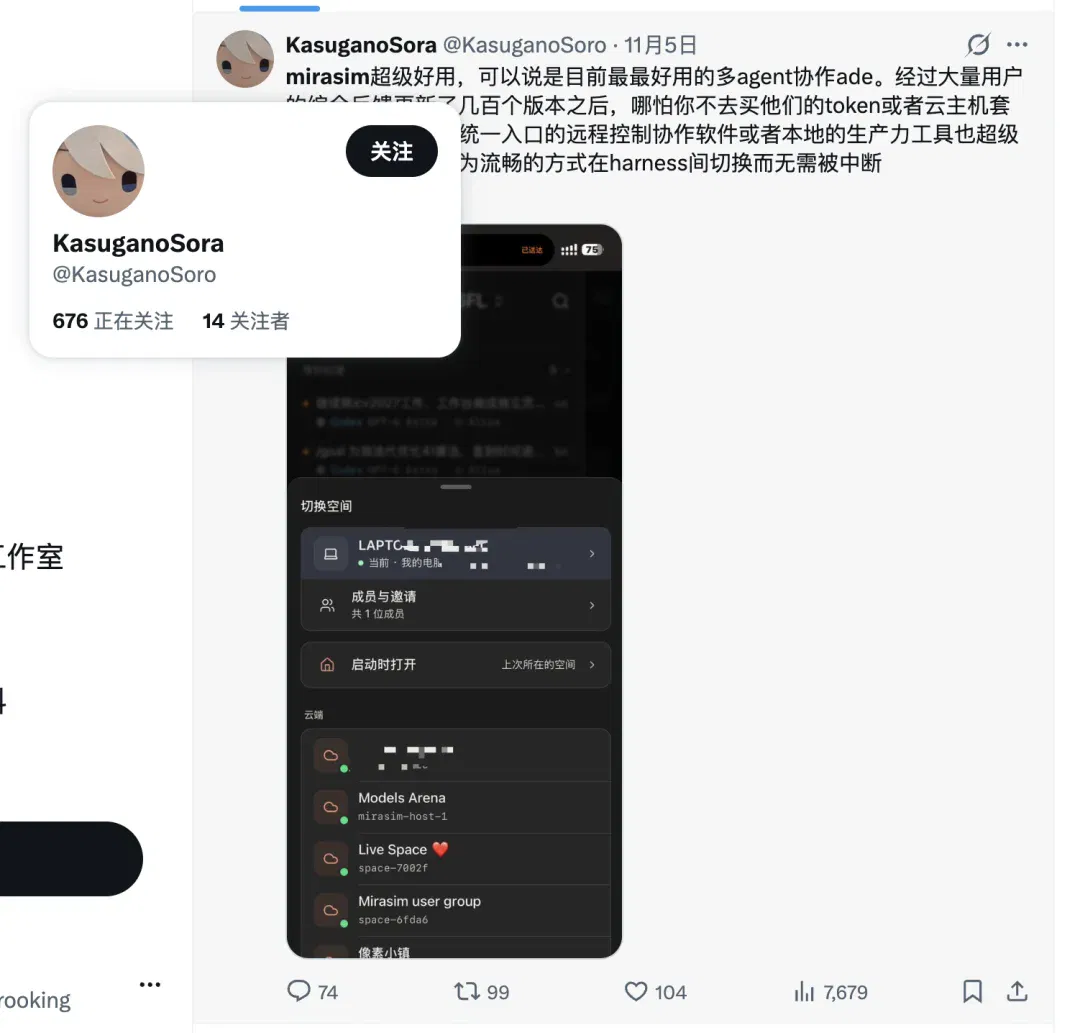
The post mentioned Mirasim. I searched, found other bloggers recommending it and decided to try.
On Sunday, I wanted Fable 5.2 to edit a video. After running for a while, another $20 Pro account I had bought hit its limit. I reluctantly switched to Codex, which produced this:
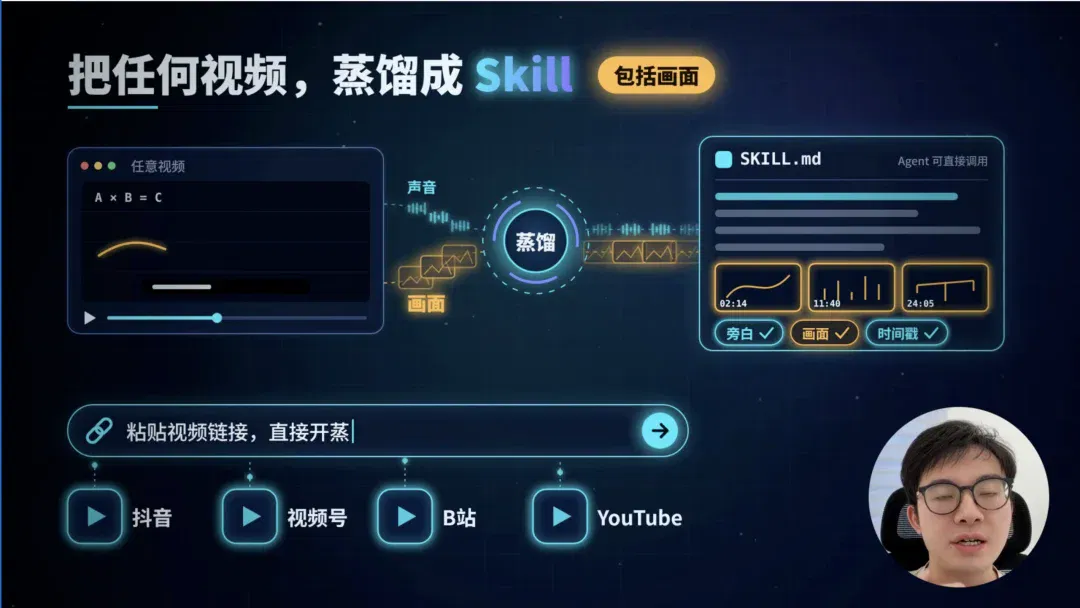
It was painfully ugly.
So I installed Mirasim, bought some credits and handed the editing task back to Fable 5.2 through Mirasim.
First, here is the finished result:
It is the best result I have seen from any AI editing tool, by a huge margin. Seriously impressive.
Installing Mirasim takes three steps and around three minutes:
1. Download it from the official website for Mac, Windows or Linux, then sign in with GitHub or email.

2. Follow the instructions to install Claude Code and select Mirasim credits.
3. Switch the model to Fable 5.2.
I like not having to configure a separate API key. With relay services, entering addresses and keys and checking connectivity was tedious. It can also use your own local agents, which I discuss below.
1. Editing short videos
Here is how I used it to edit:
First, organize your assets in a directory, then give it that directory:
A four-minute, twenty-seven-second talking-head recording, actual screen recordings and nine AI animations I had generated with Seedance2.5 flash a couple of days earlier.
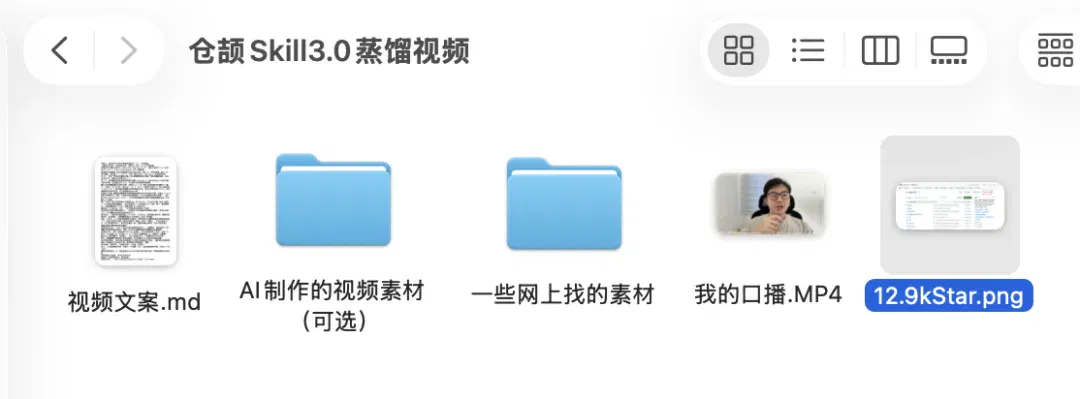
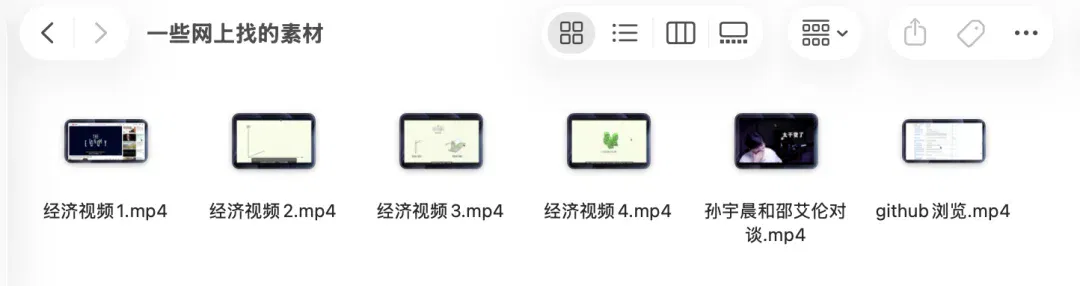
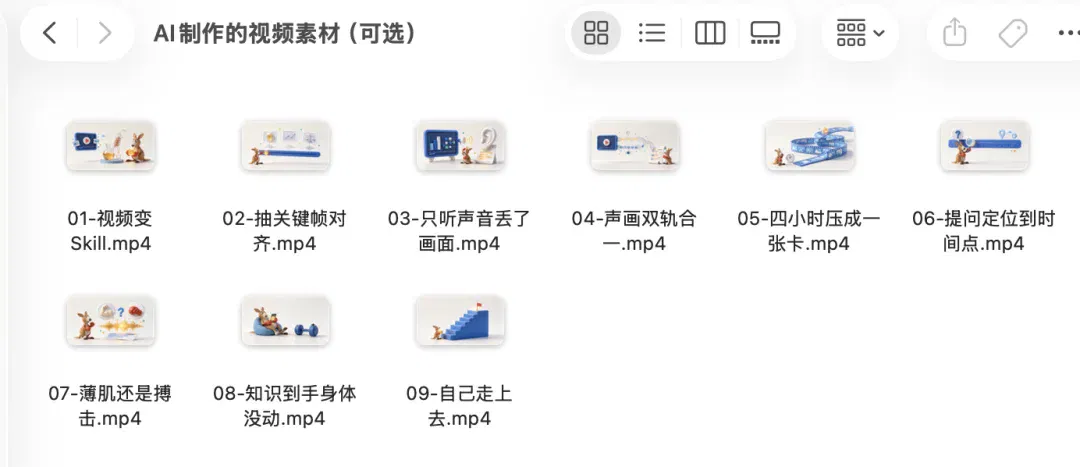
I asked it to edit to the standard of popular Bilibili videos and design the motion effects itself, as shown below.
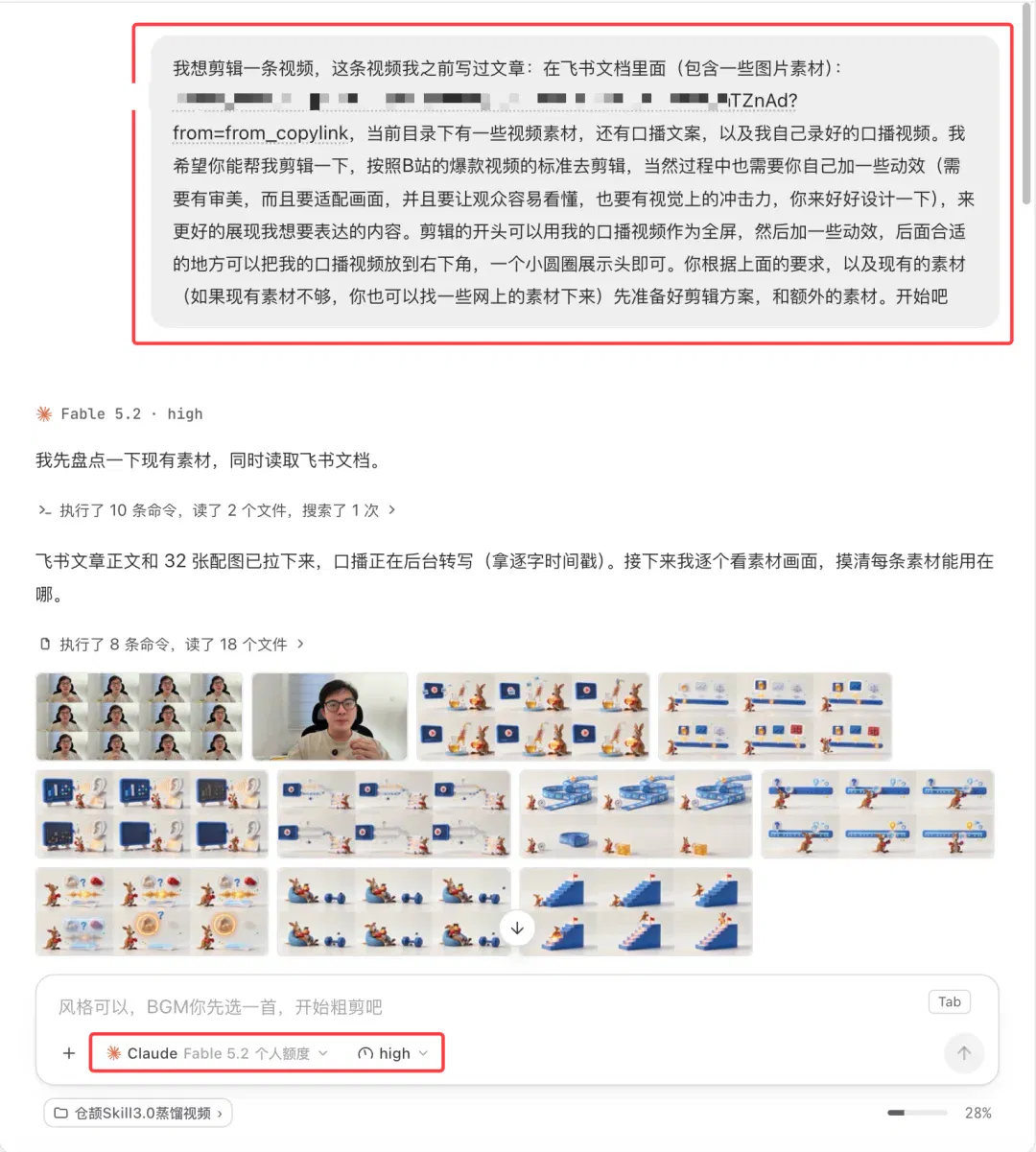
After twenty minutes, it first delivered a detailed editing plan.

It finished the edit in one hour and twenty-two minutes. The result was genuinely striking!
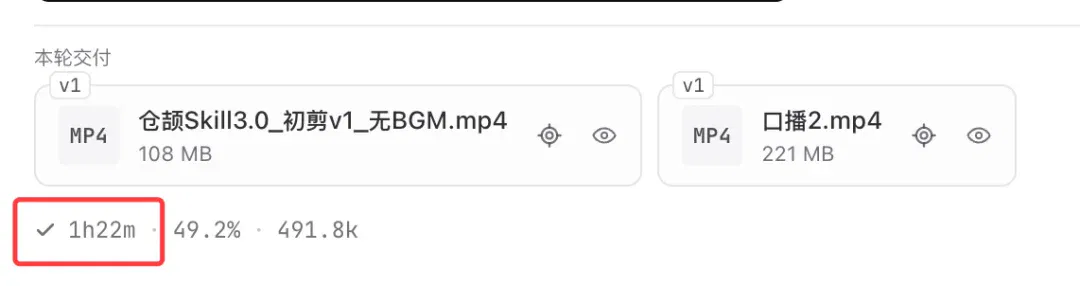
Then I got carried away, handing over unfinished tasks that other agents had struggled with.
I wanted both to finish the work and to test Mirasim’s Fable 5.2 for readers. Anyone who has used relay services knows the fear of buying access to a watered-down version of Claude.
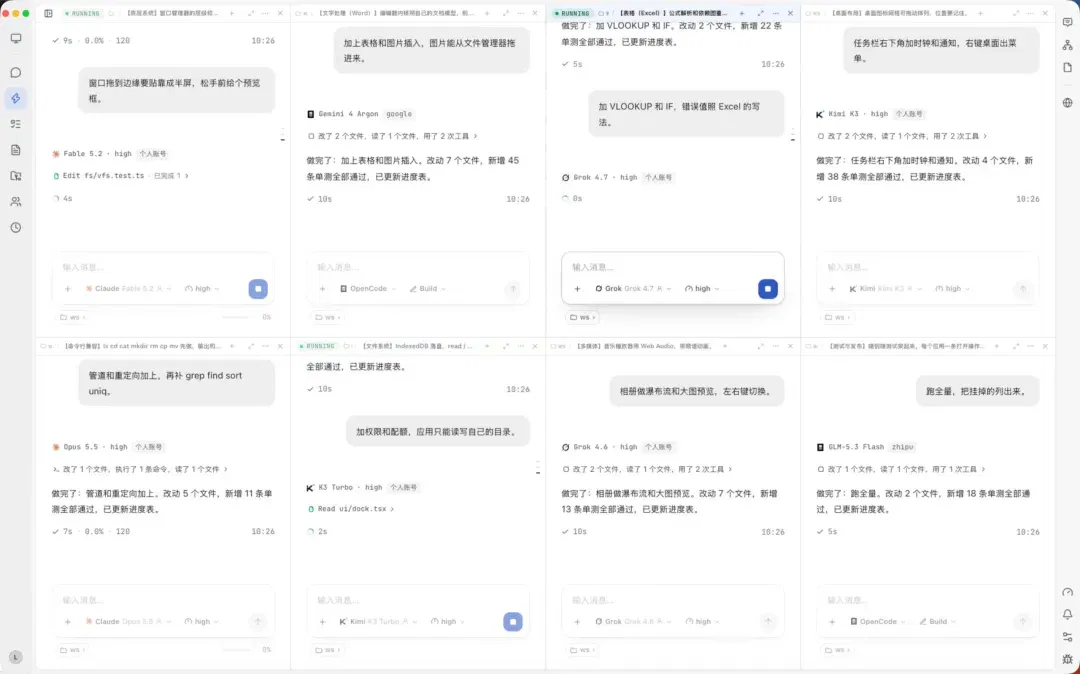
Mirasim lets you open one window on the left and several on the right, supporting up to eight side-by-side sessions. On Tuesday afternoon, I ran four simultaneously at my busiest.
2. Building a dreamlike 3D underwater world in a few hundred kilobytes
To test its authenticity, I first created a dreamlike underwater world in HTML.
I love the sea and find the underwater world captivating. I have followed OK Ge’s videos since early 2023 and longed for it.
I gave Mirasim a long underwater description and asked for a Three.js web page generated entirely in code, without external images.
It worked for fifty-four minutes without interruption, very steadily. After another optimization round, it produced a realistic ocean world. The HTML was only 194 KB.
P.S. The prompt drew on Kazi Ge’s template, with Gemini Carbon writing the central description. It was beautiful!
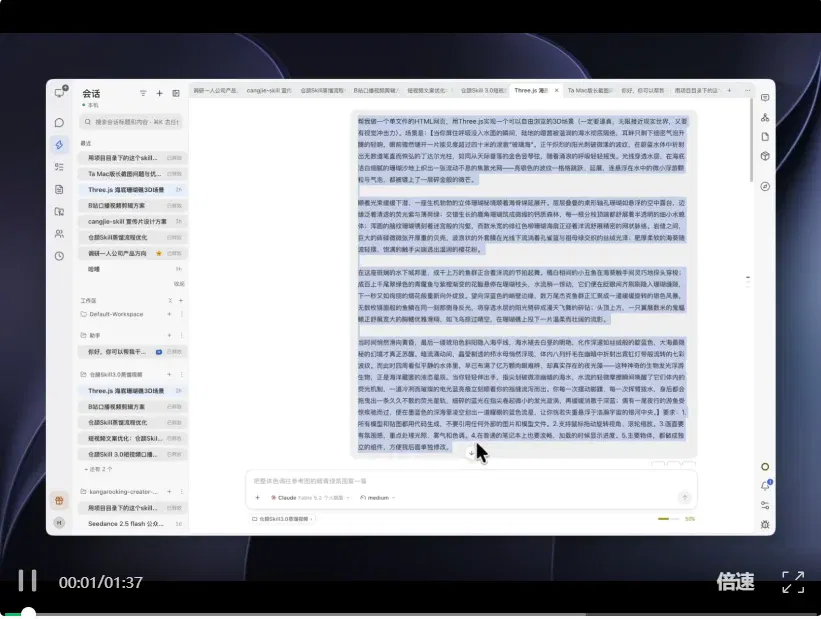
Light shafts penetrate the surface, moving patterns of light cover the sand, and twelve thousand wave forms beyond the cliffs create an ocean storm.
There are beautiful coral reefs, small fish, jellyfish, glowing effects, humpback whales, sharks, turtles and a shipwreck.
I played with it for ages like a child. It felt dreamlike.
3. Improving open-source projects—very useful
First was my open-source Cangjie Skill project, with 13K stars.
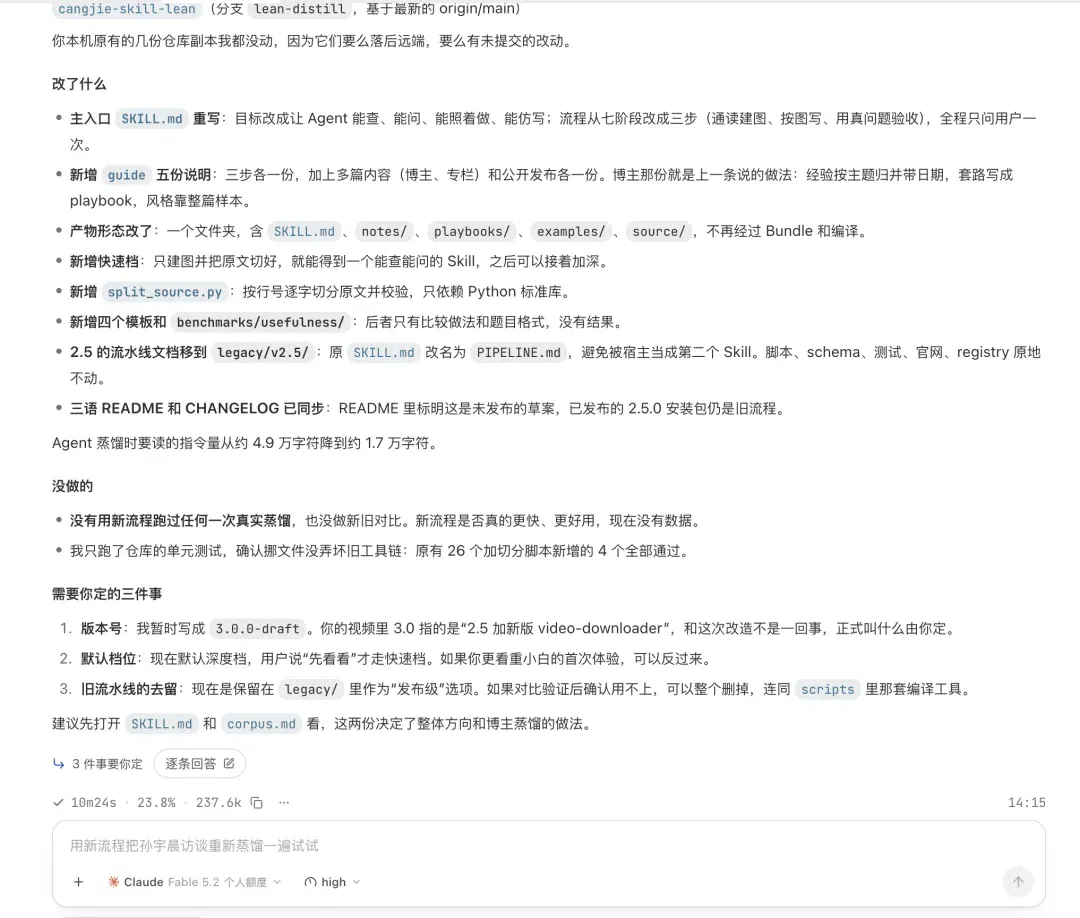
I told it Cangjie was insufficiently general, slow to distill and token-hungry. Should we simplify?
I added this instruction: do not assume my definition of the problem is correct.
After its changes, the instructions an agent must read during distillation fell from 49,000 characters to 17,000, and seven stages became three steps. It also proactively added the following:
Next was Tuo, the AI-native screenshot tool I open-sourced in August and use every day.
Its scrolling screenshots had never worked well, failing to capture complete WeChat histories or Codex conversations.
I had tried many rounds of fixes with Codex without success. I did not understand why such a mature feature was so difficult.
I gave this difficult task to Mirasim.
It listed ten causes of incomplete screenshots. The worst was that when scrolling did not work at all, the program reported: “Reached the bottom of the scroll region; capture complete.” This really was Tuo’s biggest scrolling-screenshot bug.

It then launched several agents in parallel, changed about a hundred files and passed all 283 unit tests. I did not ask it to run a practical test; instead, it gave me a checklist. Purely to save tokens, I planned to leave testing to Codex.
Before asking Codex to test, I tried it myself. It already worked. Impressive!
The author tried scrolling screenshots in several applications, including WeChat histories. These individual examples do not guarantee coverage of every app or system environment.

4. Making a product promotional film
Next I asked Mirasim to make a new promotional film for Cangjie Skill.
I requested a one-minute video generated entirely in code, without image or video models. After several rounds discussing the design, I let it start.

Damn, it was impressive. Sixty seconds, with roughly 2,700 books on the background wall. The entire film was rendered in code, including code-synthesized music.
It easily beat the version I had previously generated directly with Opus 5.5—although discussing the requirements over several rounds may also explain the difference.
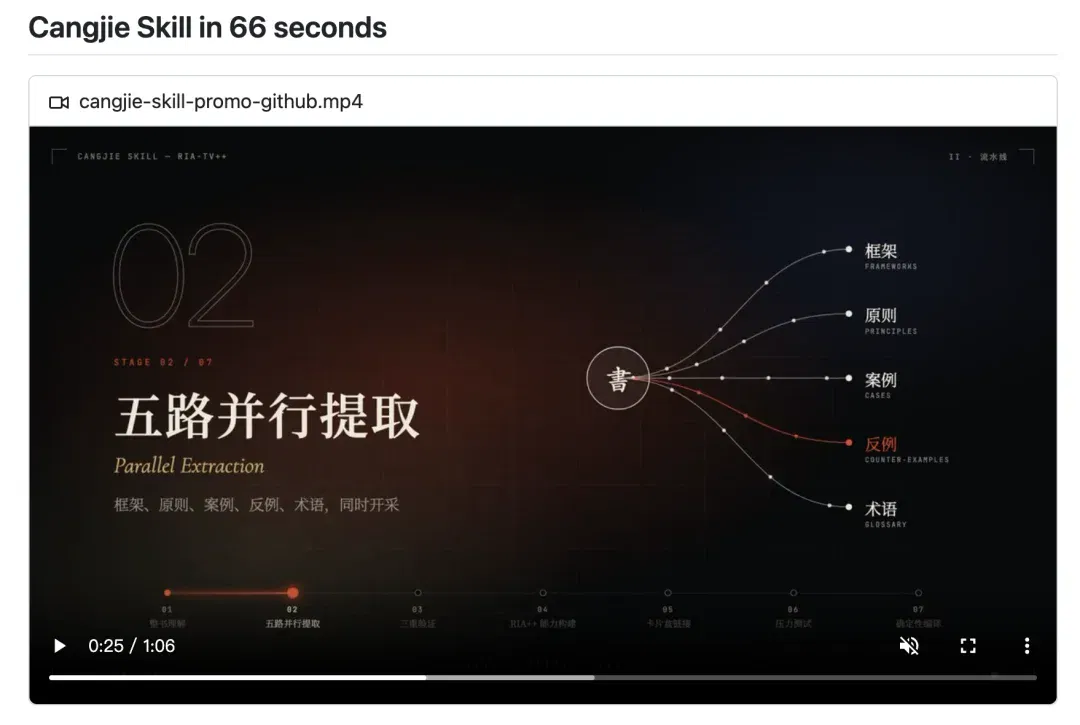
This code-to-video capability could make excellent educational explainers.
So is it authentic, and is it expensive?
The author cannot technically verify the identity of models actually called by the third-party platform. Output quality and personal experience cannot replace independent verification of model provenance, routing and version.
After using Fable5.2, it feels as though there are only two kinds of models: Fable5.2 and everything else. The difference feels clear. Every task I ran through Mirasim with Fable5.2 left me satisfied.
Now money. Mirasim itself is free; model credits cost money. The Claude range is currently priced at half the official API rate, paid as you use it.
Across all five tasks, I spent about $140 in Mirasim credits. I did not buy that amount upfront; Mirasim plus Fable 5.2 worked so well that I kept topping up to finish everything.
I then discovered that top-ups currently receive double credits: $20 buys $40 in credits.
So, this time, using Fable5.2 High throughout actually cost me around $70. Editing my four-minute video cost about $20. A human editor’s market rate for a four-minute video is roughly 400 yuan, not necessarily with better results or faster delivery. Editors know a single video can take hours.
For my editing needs, at least, that looks very cost-effective.
The author says the platform offered API discounts for some models during the trial, including OpenAI-related offers. Discounts, routing, billing and validity depend on the third-party platform’s actual terms and should not be understood as uniform official model-vendor prices.
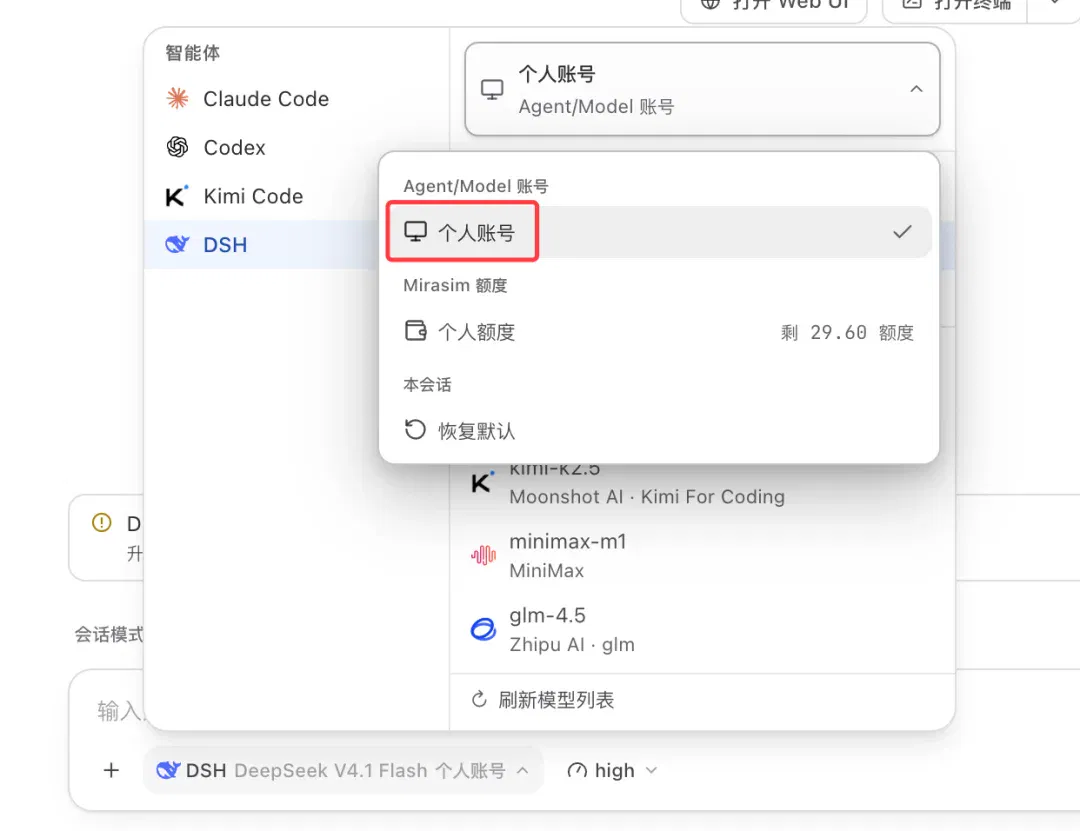
If you already have local-agent allowances, you need not top up Mirasim. You can use it as a routing tool without altering your existing setup.
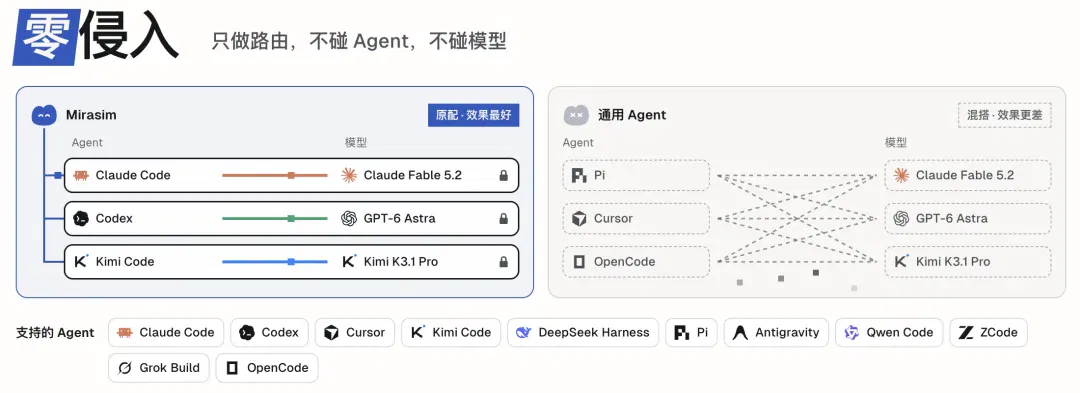
You can bring almost all your local agents into Mirasim—it supports eleven agents—and use its features while continuing to use those agents’ existing allowances. Simply choose a personal account.
By this point in agent development, many people probably have numerous agents installed, sometimes straining their memory. Managing them alone can be difficult.
Something to manage agents is urgently needed.
DeepSeek’s long Super-agent article late last month addressed this.
Mirasim also implements a Super-agent, with two modes I found.
One is Session mode, used throughout my examples. You open windows and monitor each agent, much as in new Codex or WorkBuddy conversations. Mirasim supports eight windows at once.
The other is Bot mode. Tell Mira Bot what you need, and it delegates to suitable agent assistants.
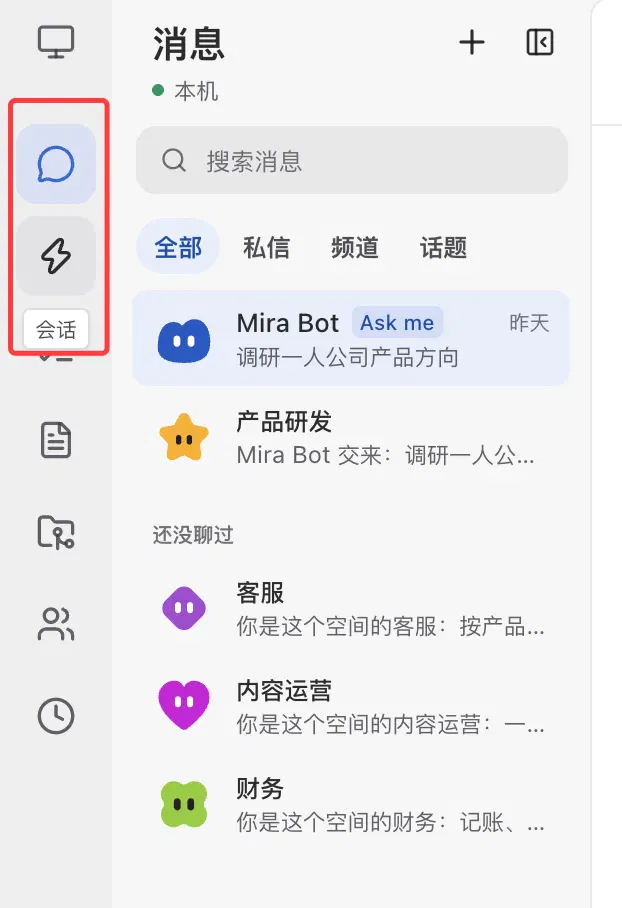
I chose a “one-person company” assistant group with product development, customer service, content operations and finance, assigning four different models.
Opus5.5 suits product development. DeepSeek handles simpler customer-service work. Gemini 4 Carbon writes well, so I assigned content operations to it, and GLM handles finance.
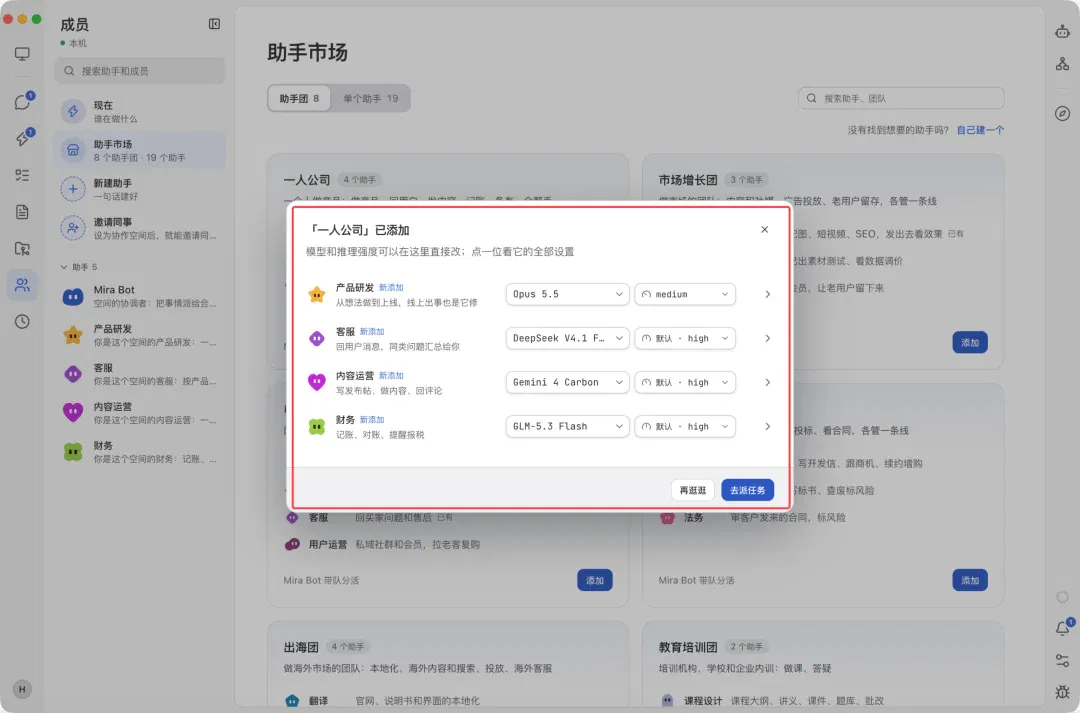
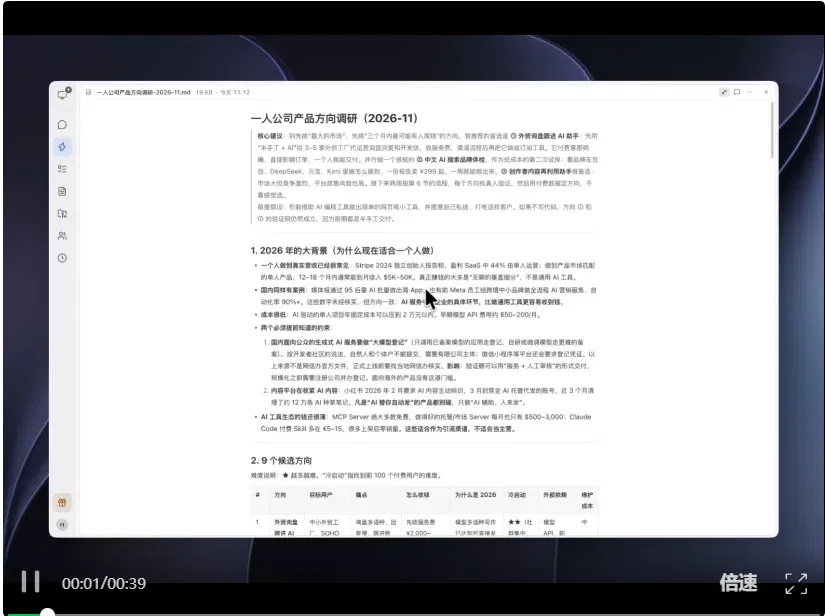
I told Mira Bot I did not yet know what product to make and asked it to research possibilities.
It delegated the task to product development and recorded my lack of a chosen direction in the other assistants’ contexts.
Mira Bot ultimately produced a valuable report with nine candidate directions. I found it very useful. Anyone unsure what to build with AI should look; these directions seem worth testing cheaply.

It reminded me of the dialogue between Han Xin and Liu Bang in Records of the Grand Historian.
Liu Bang asked how many troops he could command. Han Xin replied, “No more than a hundred thousand, Your Majesty.” Asked about himself, he said, “The more, the better.” Liu Bang laughed: “Then how did I capture you?” Han Xin replied, “Your Majesty is not skilled at commanding soldiers, but at commanding commanders.”
We mostly use agents by commanding soldiers, overseeing one window at a time. Super-agents aim to let ordinary people command commanders. In the AI-plus-one-person-company era, it resembles hiring someone to assign work to every agent and monitor progress. Train Mira Bot well—it is itself similar to a personal agent—and you might even save the cost of an employee.
Three small design details deserve mention.
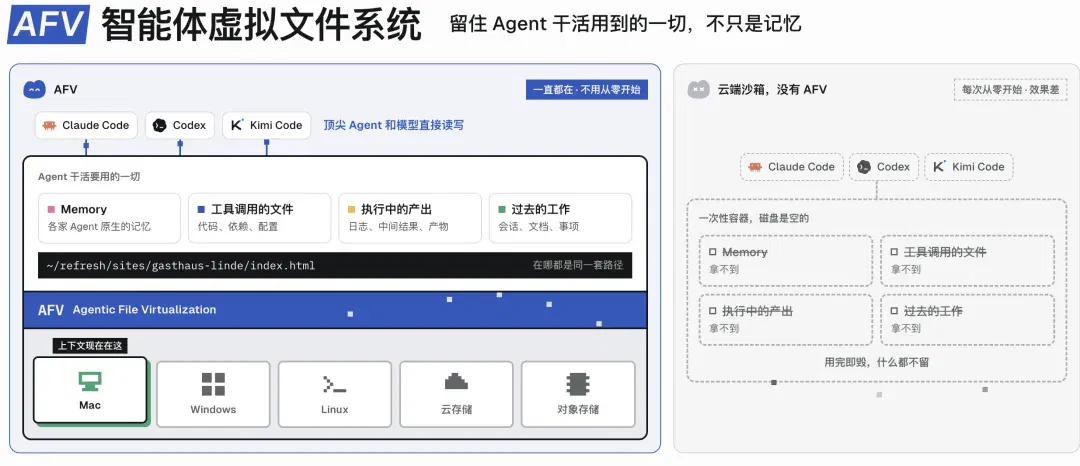
Even a new session knows what I did in other sessions.
From the documentation, it appears to use an agent virtual file system called AFV that retains everything agents use for work, not just memories.
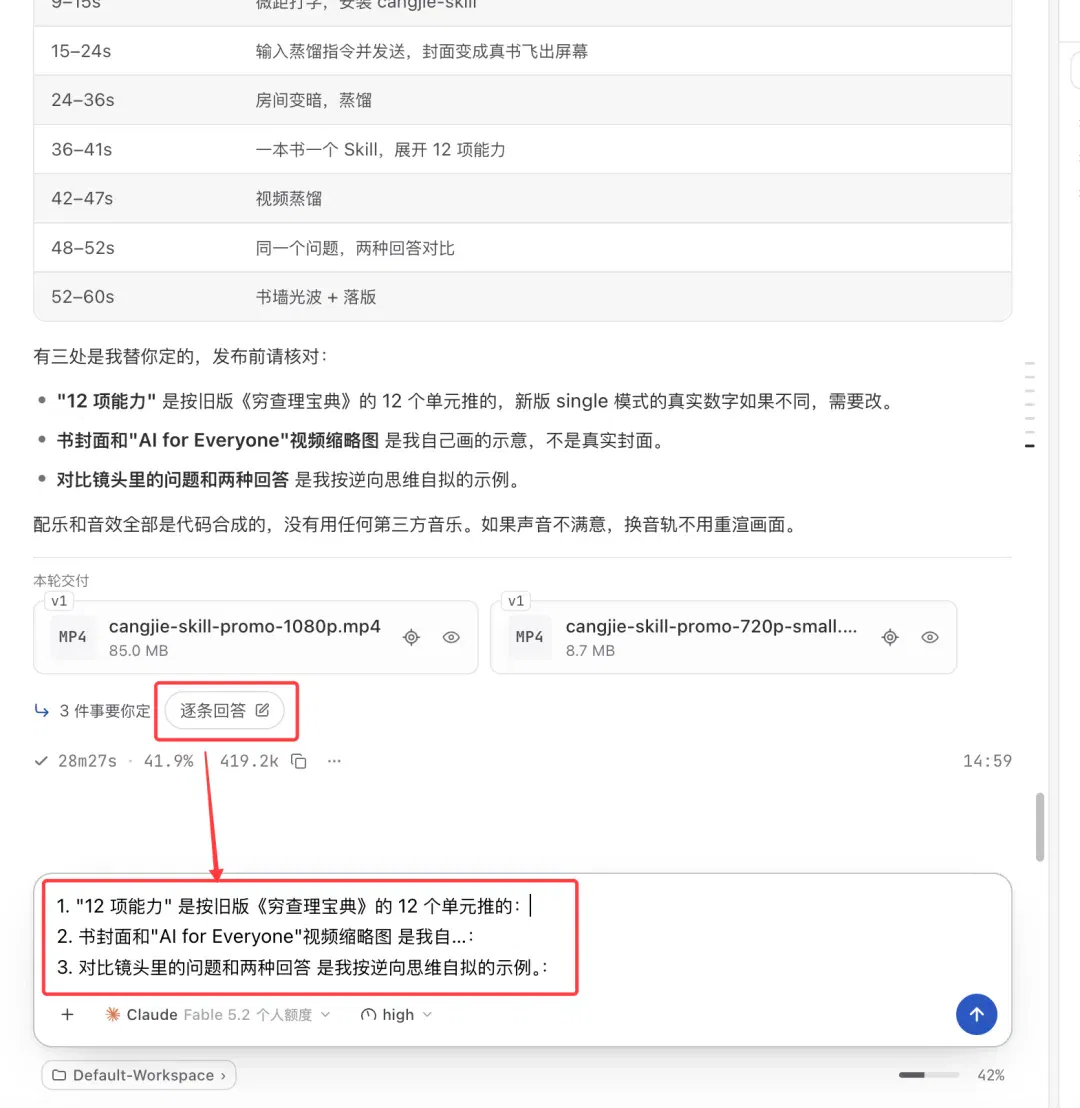
Then there is another rather nice little design detail. People who often use agents will probably have encountered this: most of the time, after an agent finishes a task, it asks you to confirm some questions. Previously, I always had to type the responses manually into the chat box myself as “1.xxxx 2.xxxxx 3.xxxxx...”
Mirasim can put these into the input box with one click, which is convenient.
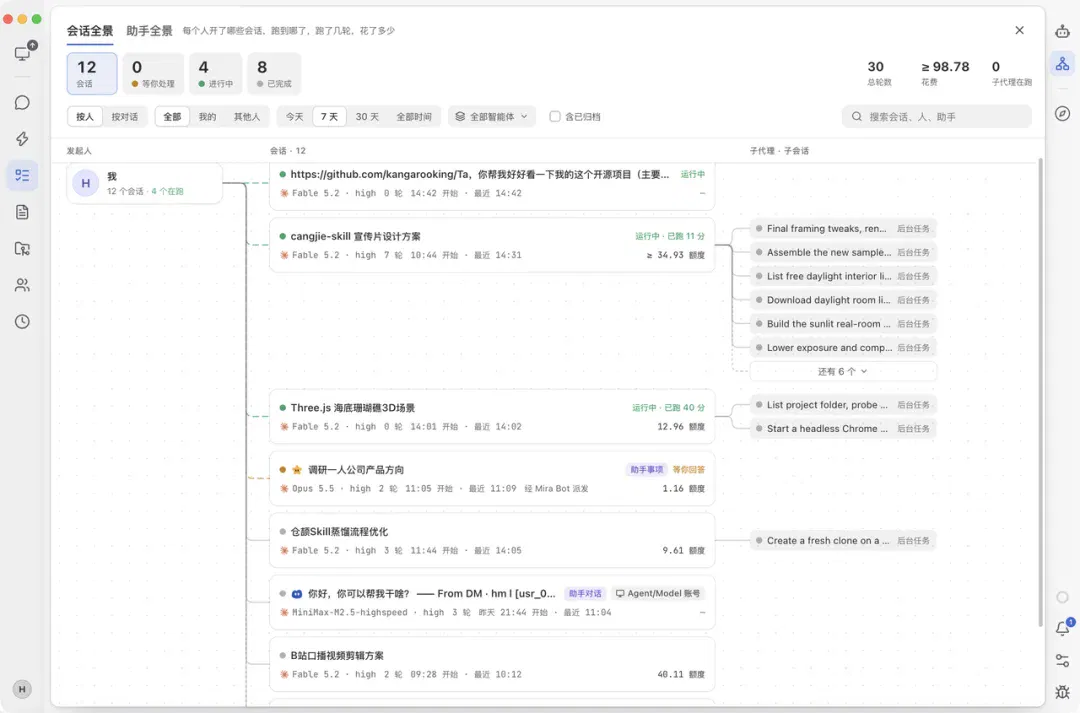
It also offers a clear global view of all agents’ tasks, showing which are running and which await your confirmation.
These are small details, but such improvements stand out to someone like me who spends every day working with agents. I need these little surprises.
Finally
Honestly, Mirasim has so many features that it is somewhat complex. I do not think it suits beginners yet; it is better for developers with some agent experience.
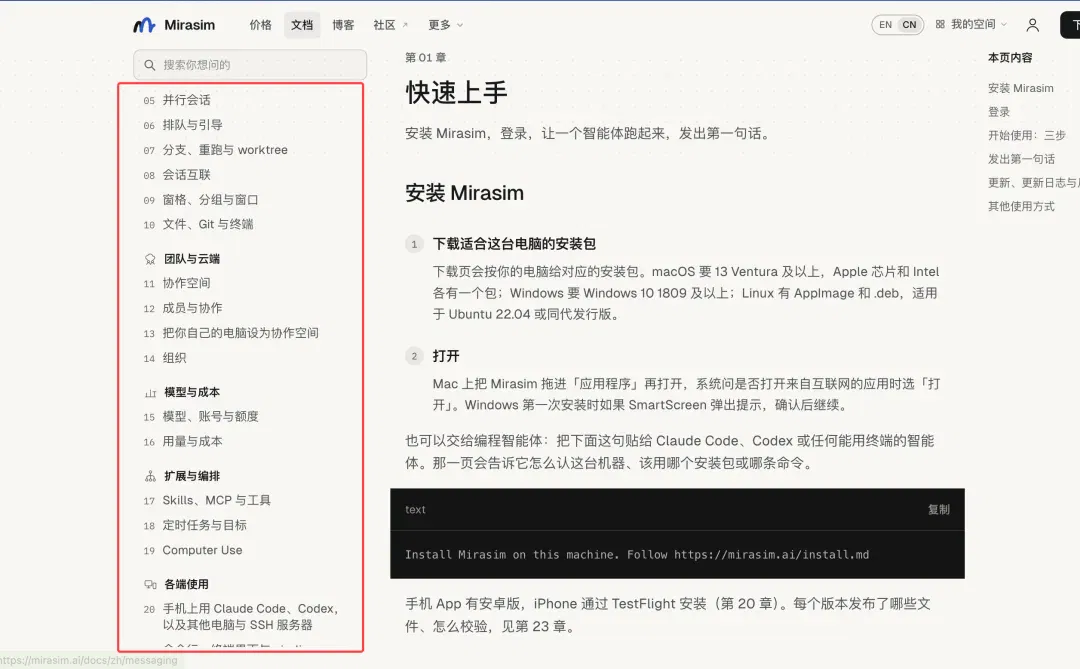
The learning curve is fairly high. Over these two days I mainly used Session and Bot modes and feel I have not explored the other 70% 🤣
The company itself also says models can occasionally be slow and sessions may be interrupted, although I did not encounter that.
When using its credits, requests are forwarded through its infrastructure. I only ran my own open-source projects, so that did not bother me. You should assess sensitive company code yourself.
Its updates are fast, though: at least three during my two days of use.

Back to the Indonesian woman from the opening.
She reminded me of Samuel Slater. Eighteenth-century Britain prohibited textile-machinery exports and even skilled-worker emigration to protect its technology. In 1789, twenty-one-year-old Slater memorized the structure of water-powered spinning machinery, posed as a farmhand and boarded a ship to America.
Back in Britain he was called “Slater the Traitor”; Americans later called him the father of the American Industrial Revolution.
More than two hundred years later, the story seems little changed. This time, though, we are the ones outside.
I am not saying account sellers are great. Using models through accounts bought from older women leaves downstream users carrying the risk of sudden account loss. After so many bans, I know how unpleasant it is.
So usage-based channels such as Mirasim are attractive when they cost half as much.
The author finds the tool’s features convenient to explore. Third-party access still requires checking service terms, data handling and model provenance; account restrictions and service interruptions cannot be ruled out.
This article was originally published by Daishudi. Author: Daishudi.
Related topics
After reading
Join the AINRK community
Read how to join the community and connect with people working in AI.
Related articles
Continue reading related topics and articles in this category.
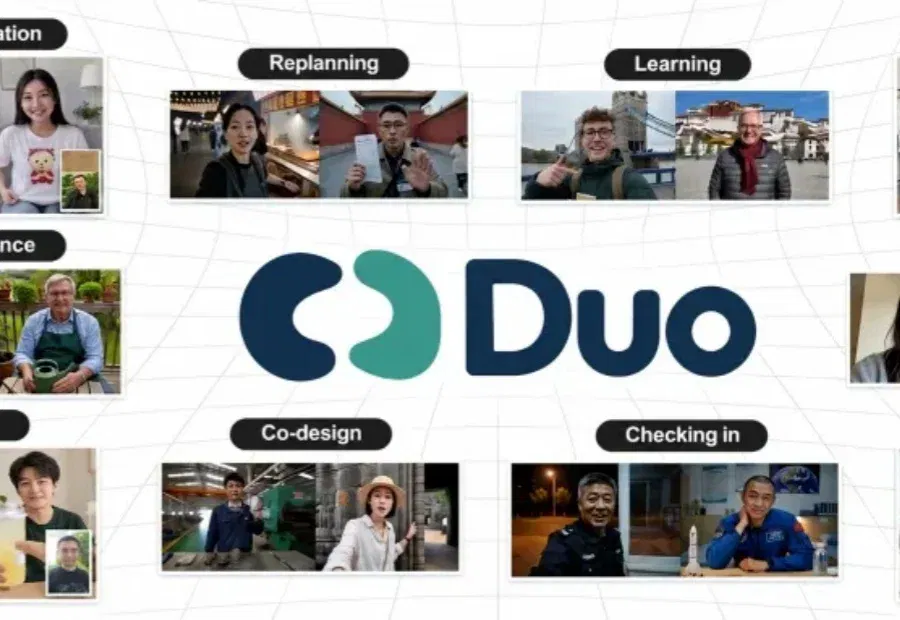
蚂蚁与西湖心辰介绍Duo v1,探索全双工视听交互 (opens in a new tab)
Duo v1通过Intent与Realization模块衔接交互决策和音视频生成。文章报告30组交互、180项检查中通过168项,内容响应度为73.3%;复杂意图理解与长程一致性仍是团队后续优化方向。
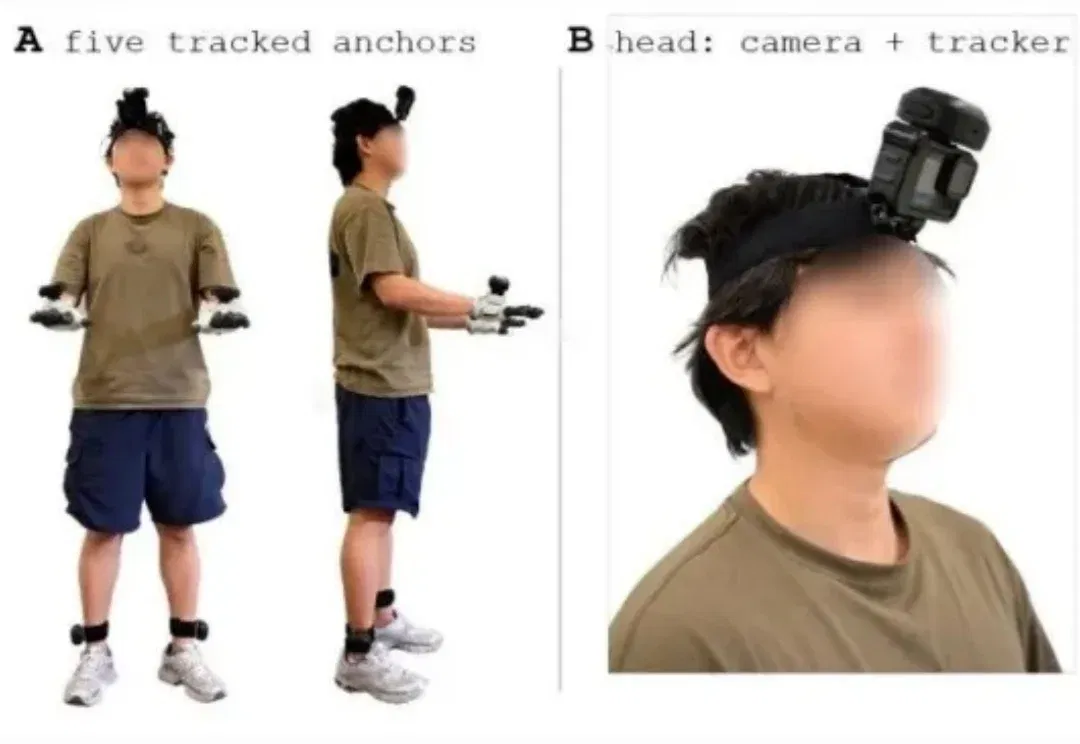
EgoExplorer captures mobile manipulation with five trackers and a camera (opens in a new tab)
Shanghai AI Lab presents a wearable capture system using trackers, gloves and a camera, plus C³ motion reconstruction, and releases 100 hours of data and code. Reconstruction and multimodal generation are assessed separately; humanoid transfer is shown only in simulation.
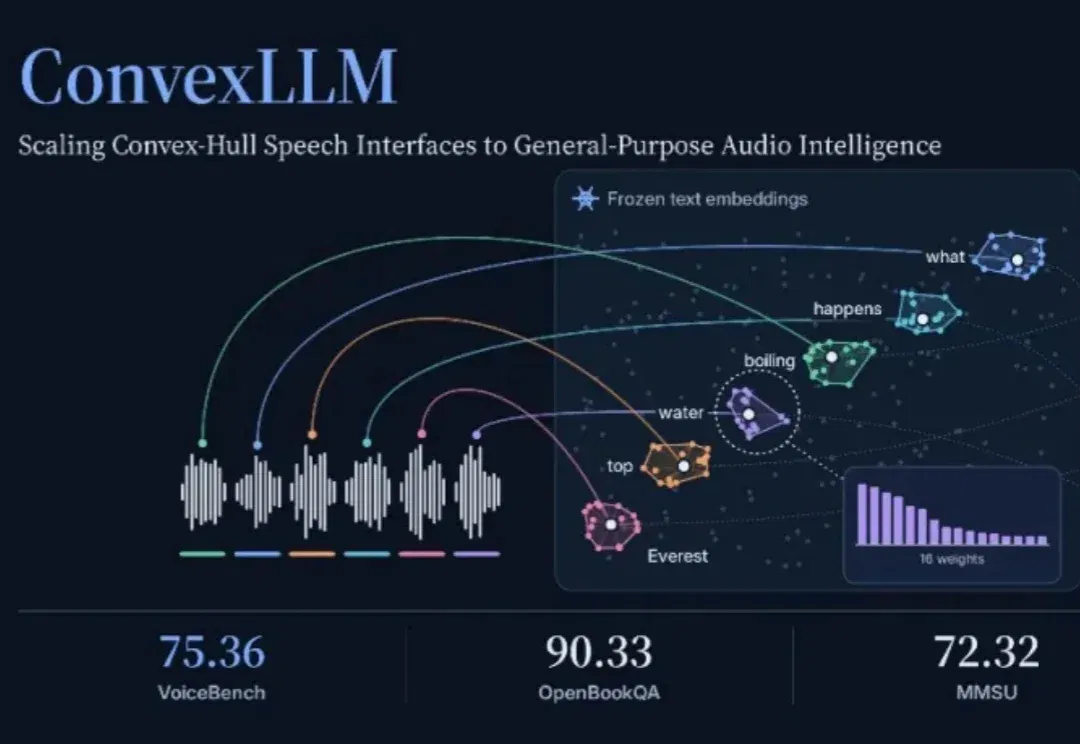
ConvexLLM connects speech to language models through frozen text embeddings (opens in a new tab)
Researchers at CUHK-Shenzhen and Microsoft propose C-Gate, mapping audio into convex combinations of frozen text embeddings. The paper reports VoiceBench gains against its listed open-model baselines, while audio understanding and transcription still involve trade-offs.
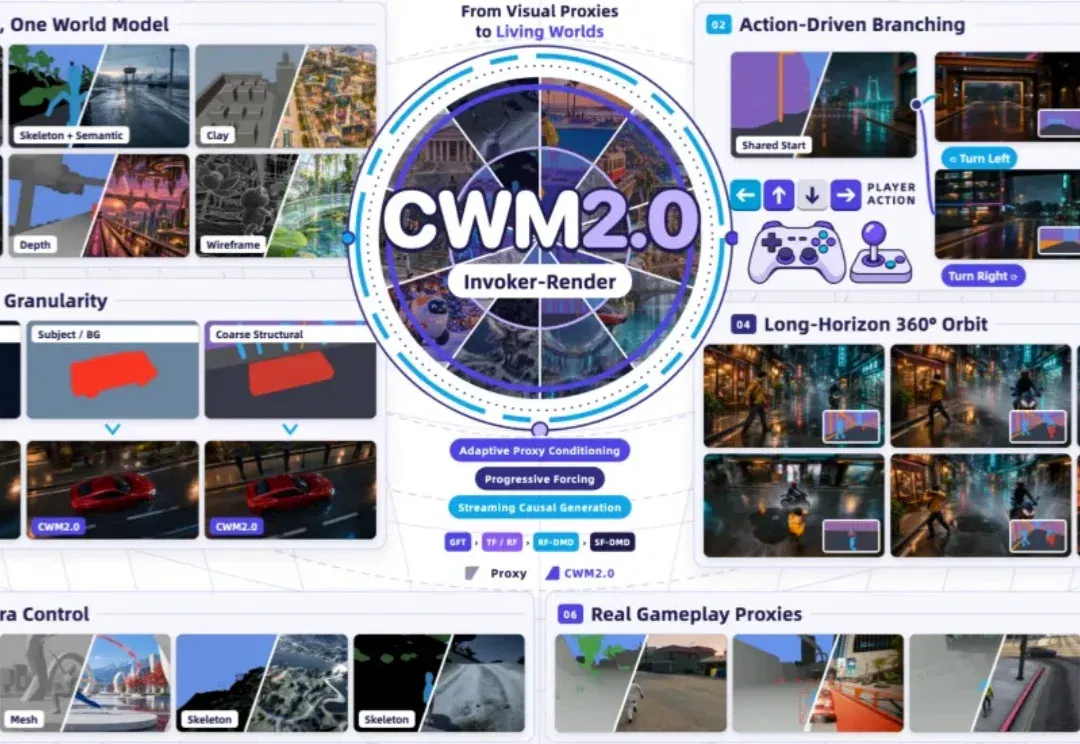
CWM2.0 open-sources generative rendering with a 30-minute racing demo (opens in a new tab)
Teams from Ant, Westlake University and Zhejiang University use a structured Proxy to control scene state and Invoker-Render to generate visuals, releasing eight-GPU streaming inference. The long demo and 140 evaluations cover specified scenes, not arbitrary stable worlds.
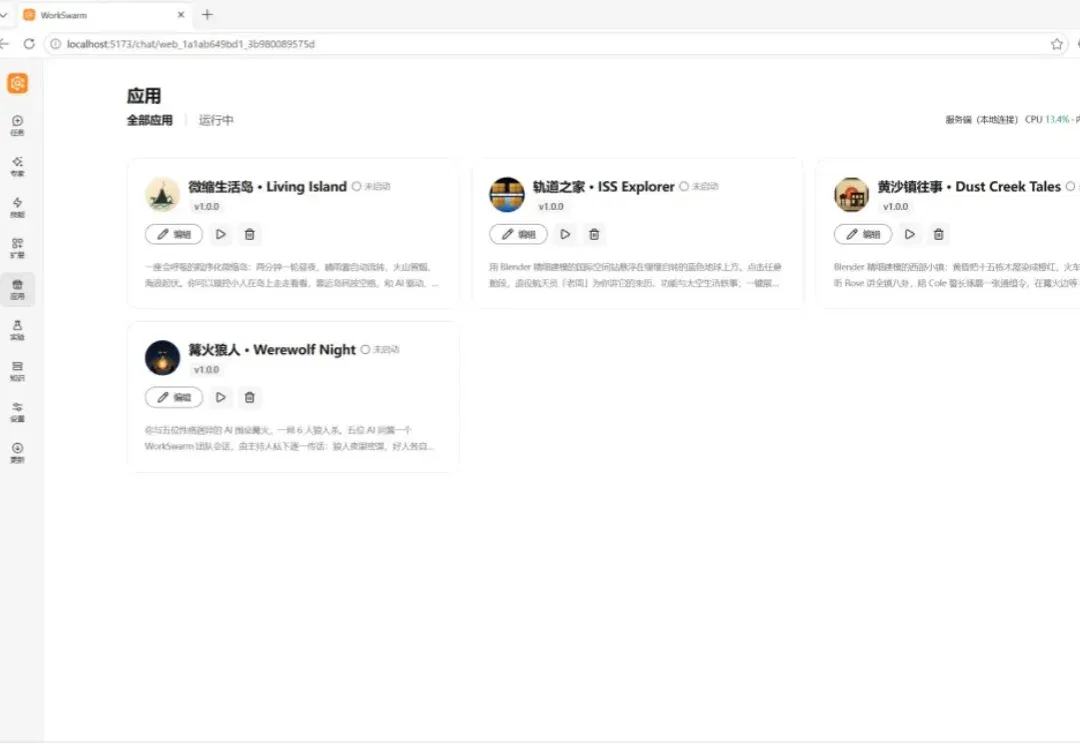
openJiuwen presents a Harnessless approach for reusing AgentOS execution tools (opens in a new tab)
openJiuwen uses app-development and swarm demos to show how built-in harness capabilities support sessions, tools and app management. Applications still define business rules and permissions; remote deployment and some capabilities remain planned or exploratory.