
Know AI. See What’s Next.



Slide 1 of 5: 姜宇辉的AI分身:知识助手与“另一个自己”之间
Latest news
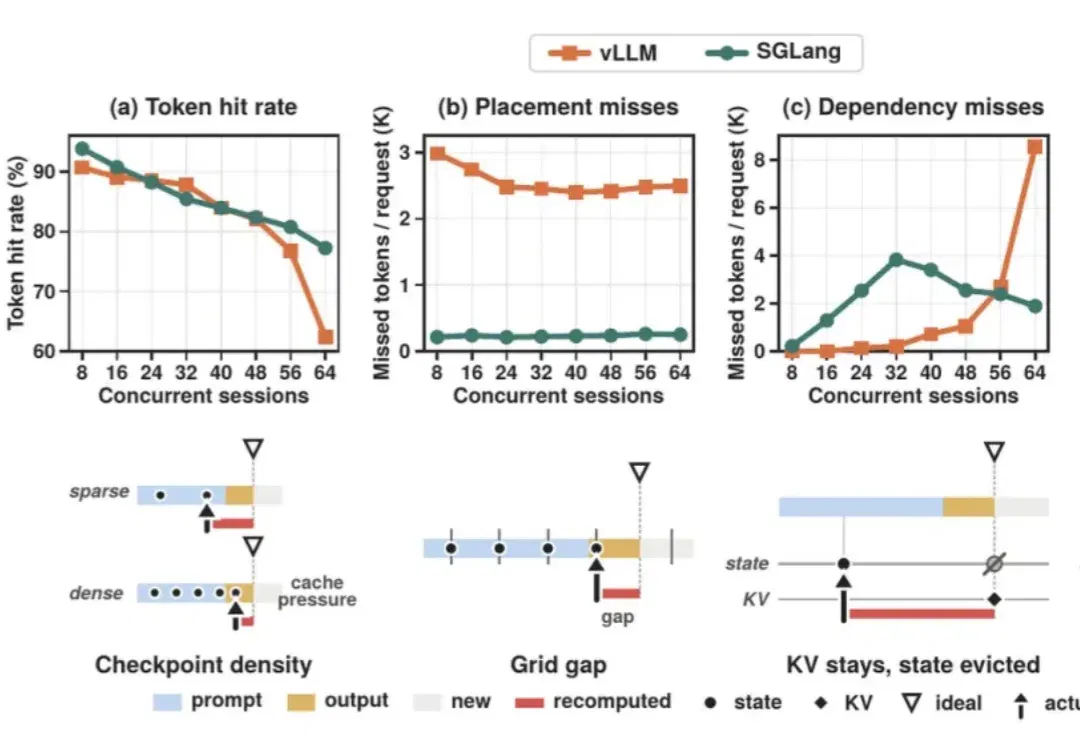
FlashStates jointly manages recurrent state and KV caches for hybrid model inference (opens in a new tab)
FlashStates manages recurrent state and KV caches together for hybrids using KDA, GDN and Mamba-style layers. The team tests prefix reuse, prefill speed and tiered-cache benefits on B200 GPUs with long-context workloads.

SingularityBench tests AI infrastructure optimization; Opus 5.5 exceeds five selected baselines (opens in a new tab)
SingularityBench compares agents with selected systems on six infrastructure tasks. Opus 5.5 with Claude Code scores about 1.25 overall; this does not establish complete recursive self-improvement or superiority over all human engineering.
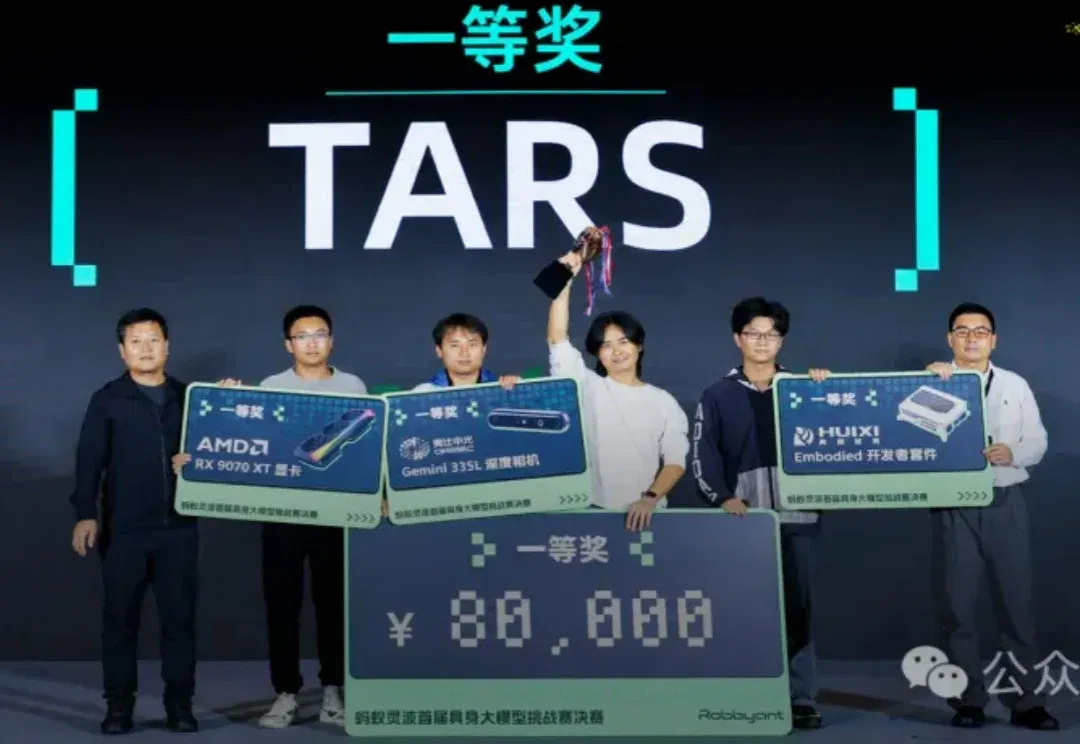
LingBot robotics challenge ends: 48 hours on real robots test data and engineering (opens in a new tab)
Fifteen teams reached the LingBot challenge finals, tackling produce sorting, transparent-object storage and dual-arm work. TARS won with 82.50 points. The report highlights additional data collection, gravity compensation and on-site adaptation.
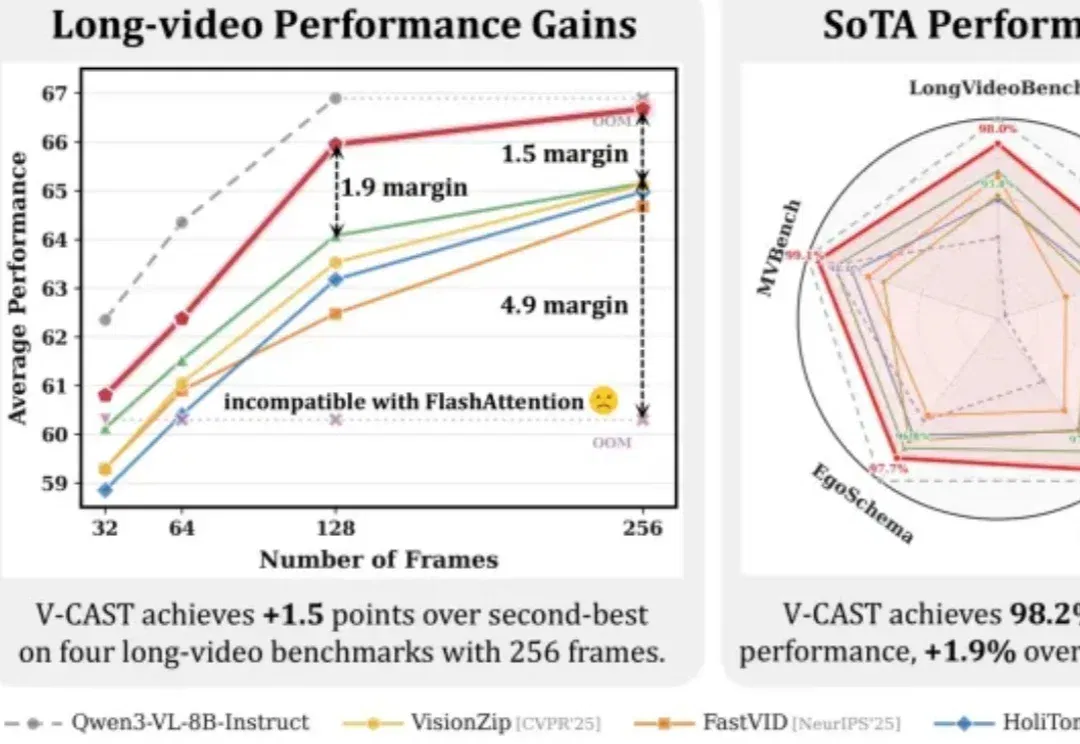
V-CAST proposes training-free video-token compression, testing performance and runtime across models (opens in a new tab)
V-CAST allocates token budgets using video changes while preserving spatial and temporal coordinates. Accuracy, memory and end-to-end runtime gains vary across the team's tests; halving runtime applies to a specific audiovisual configuration.

Inside Ulanqab's data-center boom: deadlines, operations and local returns (opens in a new tab)
LatePost interviews construction workers, suppliers, operators and residents in Ulanqab, documenting the gap between computing investment and limited permanent jobs, alongside changes in electricity, rents and tax revenue.

Alibaba releases Qwen4-Max, expanding multimodal and industry-agent workflows (opens in a new tab)
The report covers Qwen4-Max's architecture, million-token context and long-horizon delivery examples. Work360 and AII show different cost reductions; complex open-ended tasks remain a weakness, while smaller models are planned for later open release.

Geodesic releases NovaAtom-Lite and reports all-atom structure-prediction results (opens in a new tab)
Geodesic reports antibody–antigen and protein–ligand benchmark gains with NovaAtom-Lite and tests hints and multi-candidate sampling. Structure-prediction scores do not establish drug approvals, clinical effectiveness or a timetable for curing diseases.

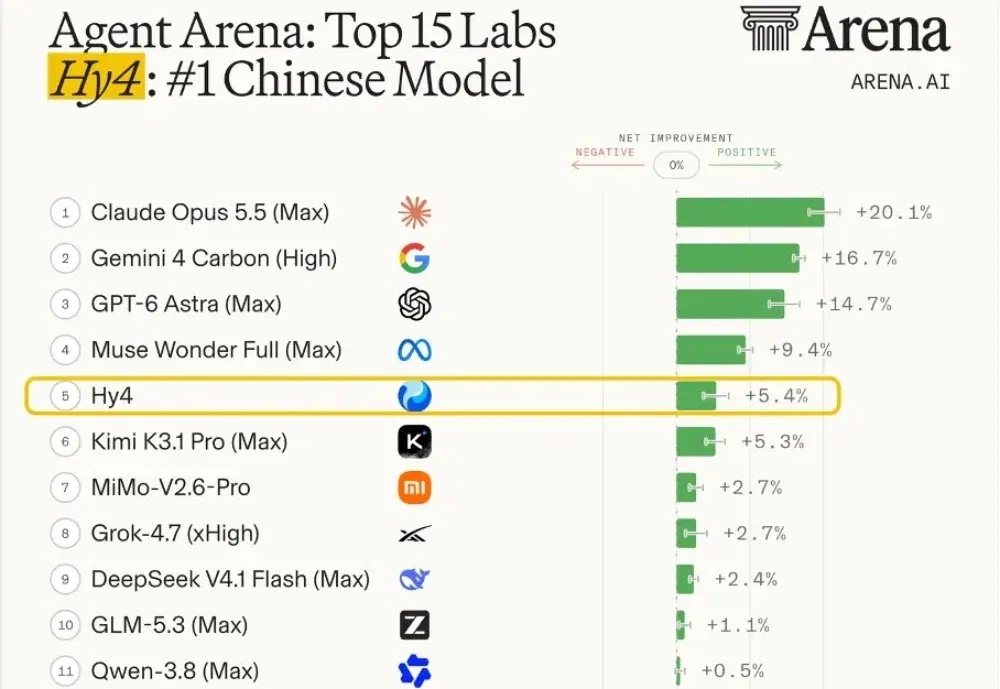
Tencent launches Hy4 flash; Zhidx tests office work, animation and 3D tasks (opens in a new tab)
The report compares API prices, internal work-task tests and creative examples for Hy4 flash. It records lower model-call costs while noting weaknesses in subtitle synchronization, structural detail, aesthetics and self-checking.
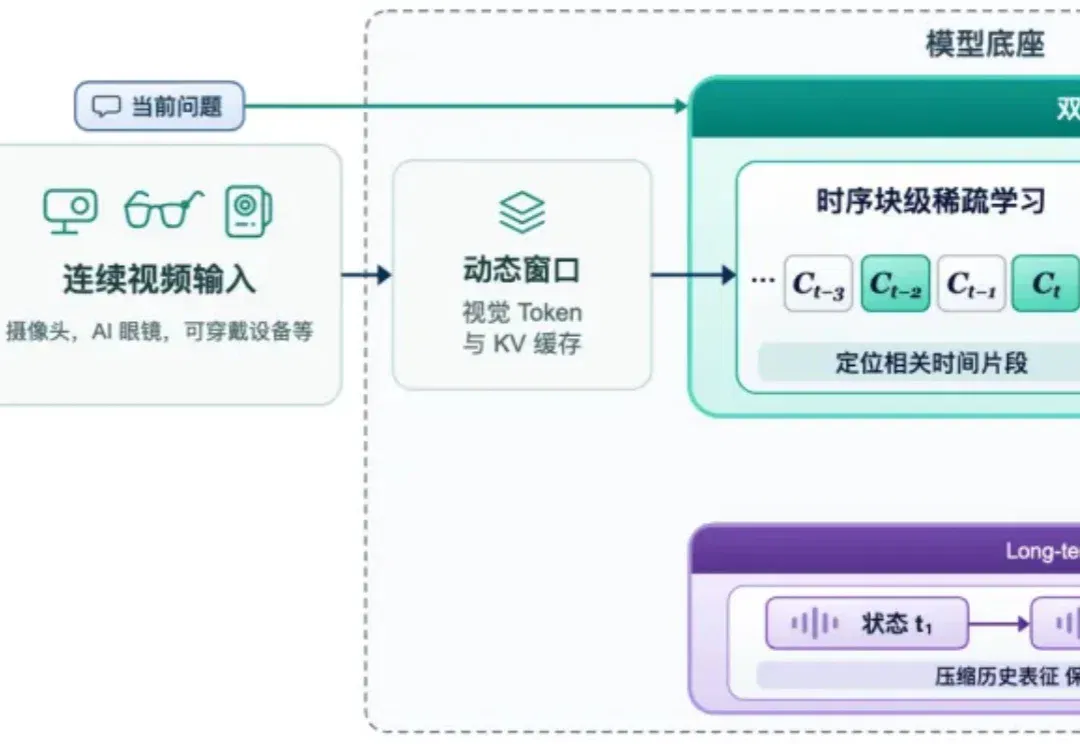
Weitu AI presents a streaming-video brain combining sparse perception and long-term memory (opens in a new tab)
Weitu AI selects temporal segments and spatial features to control compute costs, reporting OVBench and S-EMBER results and exploring continuous video understanding for glasses, offices and industry. Outcomes depend on devices, deployment and task conditions.

Zaowutan reportedly raises tens of millions of yuan for hardware R&D agent Xiaotanzi (opens in a new tab)
Z Potentials describes Zaowutan’s electronics model, engineering-object ontology and digital workers, alongside a robot prototype’s design and initial build. Funding will support models and enterprise delivery; broader developer access remains planned.
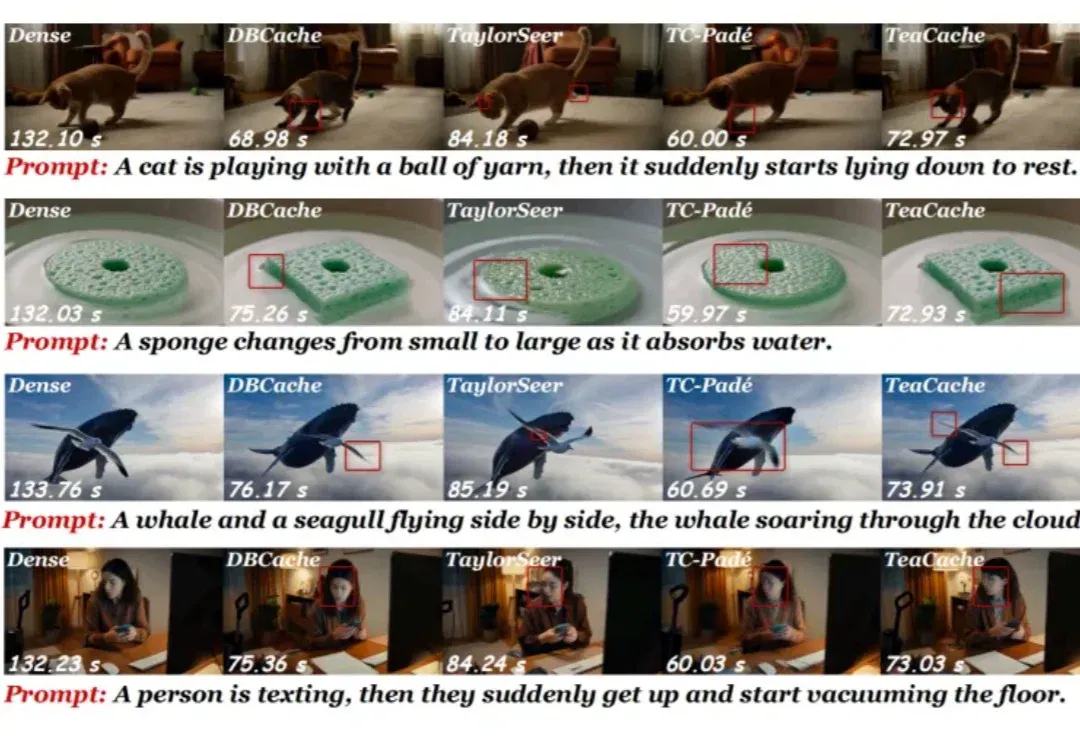
Shishi introduces multimodal inference services combining cache reuse and token compression (opens in a new tab)
Shishi reports average 2.48-times video-inference acceleration over Dense in launch tests, alongside GPU-memory scheduling, asset understanding and structured context for generation. Results apply to the demonstrated settings.

Report traces falsely attributed papers and journals’ misuse of researchers’ names (opens in a new tab)
Synced summarizes a THE investigation and researchers’ responses about false authorship, indexing and verification. The journals’ lack of response remains attributed to the source; AI-detector scores alone cannot establish origin or identity.
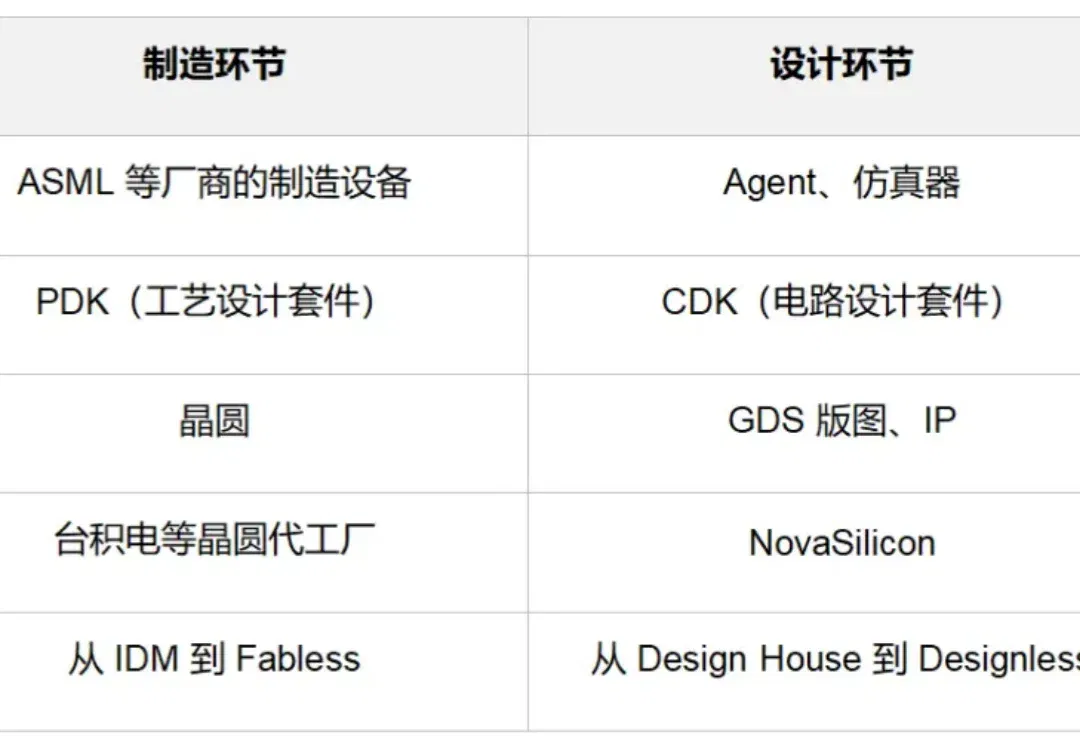
NovaSilicon proposes CDK and compares analog-layout and digital-floorplanning agents (opens in a new tab)
Two NovaSilicon papers report results on forty analog-layout tasks and one industrial floorplan, comparing general models, specialized systems and human references. The limited evaluations do not replace tape-out validation or prove an industry-wide Designless shift.
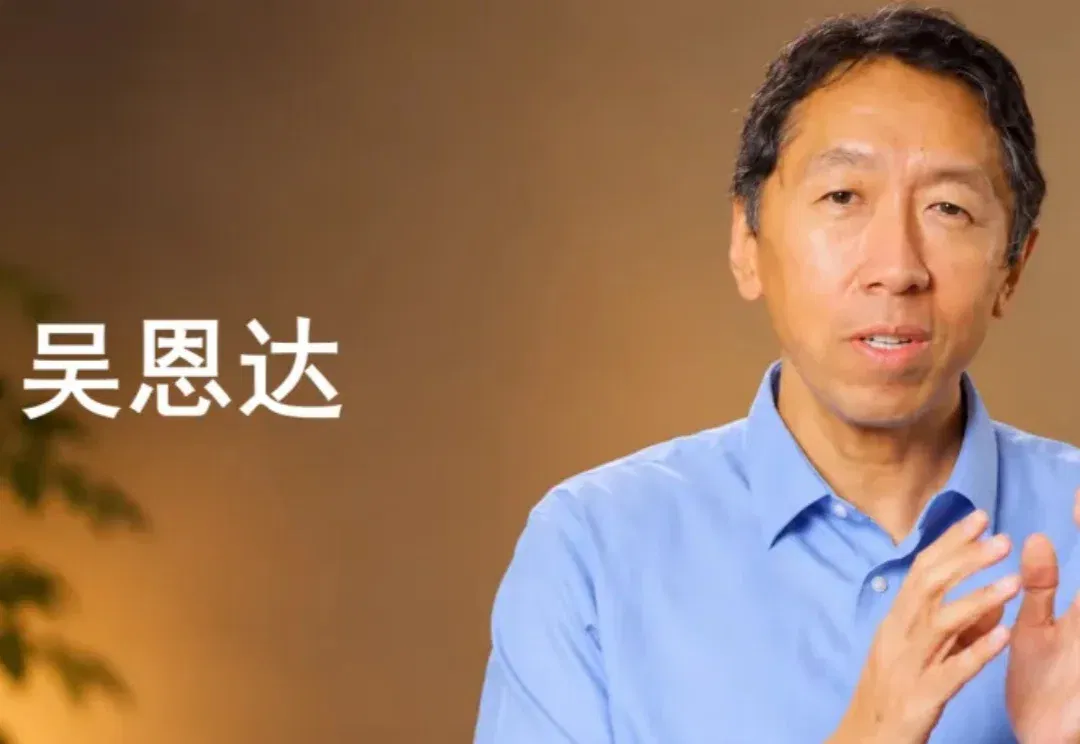
Andrew Ng’s four AI-engineering capabilities: applications, foundations, agents and product judgment (opens in a new tab)
An edited Neo4j interview emphasizes cost, latency, reliability and security trade-offs, alongside the business context and governance needed for agent-ready enterprise data. The four-part skills map draws on job descriptions and interviews.

Mollick on agent collaboration: why improving 3D worlds turned into lengthy approvals (opens in a new tab)
Ethan Mollick describes repeated themes, expanding rules and subsequent adjustments in Fable 5.2 multi-team creation. He argues long-running execution still needs human judgment about work quality, purpose and when to stop.
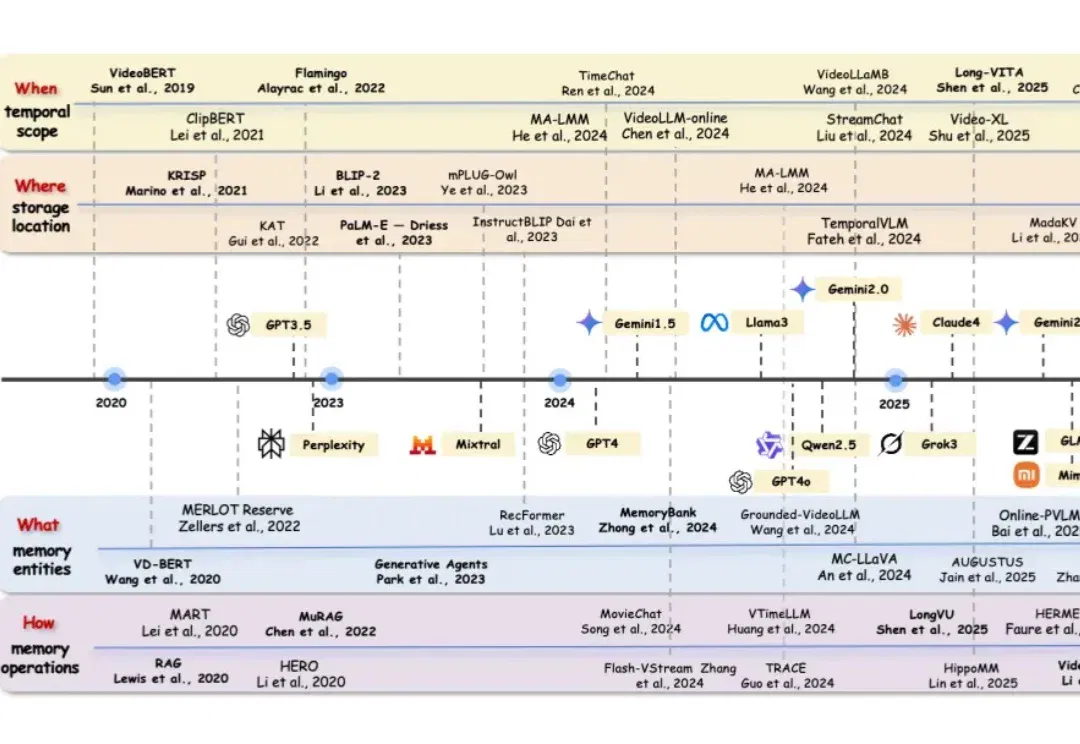
VLM memory survey organizes research by time, location, content and operations (opens in a new tab)
Researchers review more than 300 studies and nearly 70 benchmarks across video, embodied intelligence, multimodal retrieval and personal assistants, discussing compression, evidence traceability and the risks of outdated information.
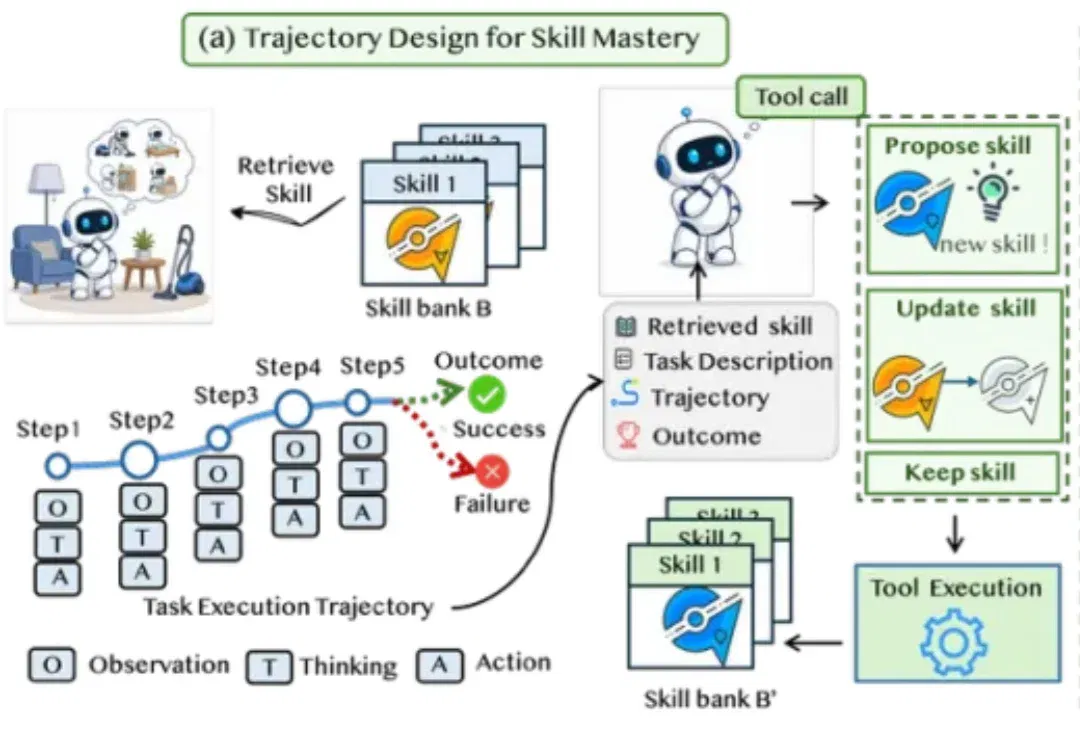
SkillMaster jointly learns task execution and skill editing, evaluating downstream reuse (opens in a new tab)
SkillMaster trains one policy to create, update and retain external skills, rewarding changes on related probe tasks. The method is evaluated in ALFWorld, WebShop and search-based question answering.
Tongxin Intelligence raises seed and angel funding for AGI inference-chip design (opens in a new tab)
The BIGAI-incubated team outlines Vector, Tensor and AGI Core units, planning FPGA validation before further design, tapeout and production. The proposed architecture's commercial efficiency remains to be demonstrated.
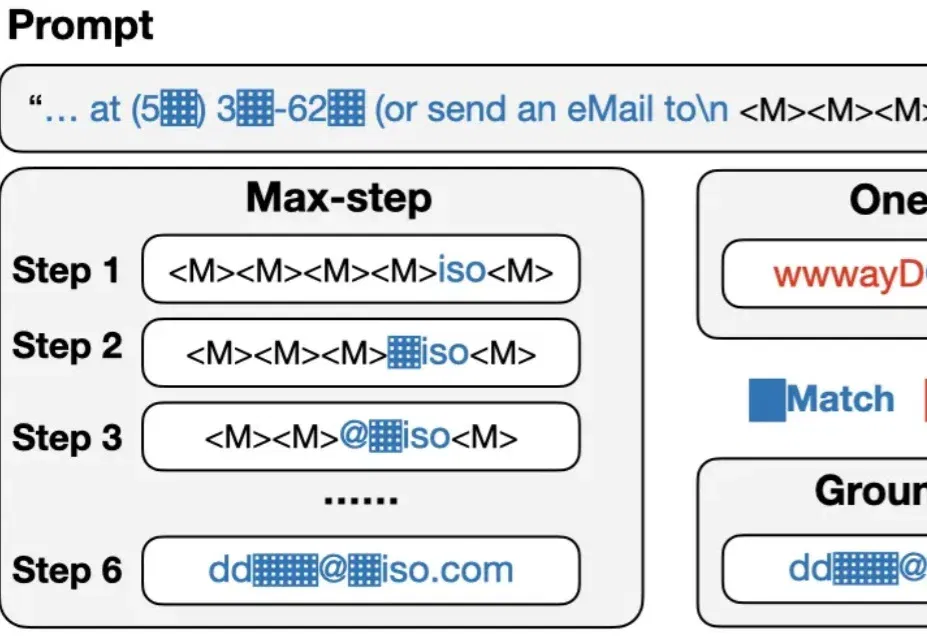
Aalborg study examines how diffusion-language-model sampling affects training-data extraction (opens in a new tab)
The paper compares masked completion with autoregressive models, finding that finer sampling steps can increase reproduction probability in matched tasks. The results do not establish that diffusion models are safer in every setting.

Always-on personal intelligence survey connects sensing, memory and action in a continuing loop (opens in a new tab)
Researchers from nine universities propose operational continuity, durable state, L0–L5 levels and HALO diagnostics. Evidence for feedback loops and memory-guided sensing remains weak; findings depend on public documentation and the systems examined.