
Know AI. See What’s Next.

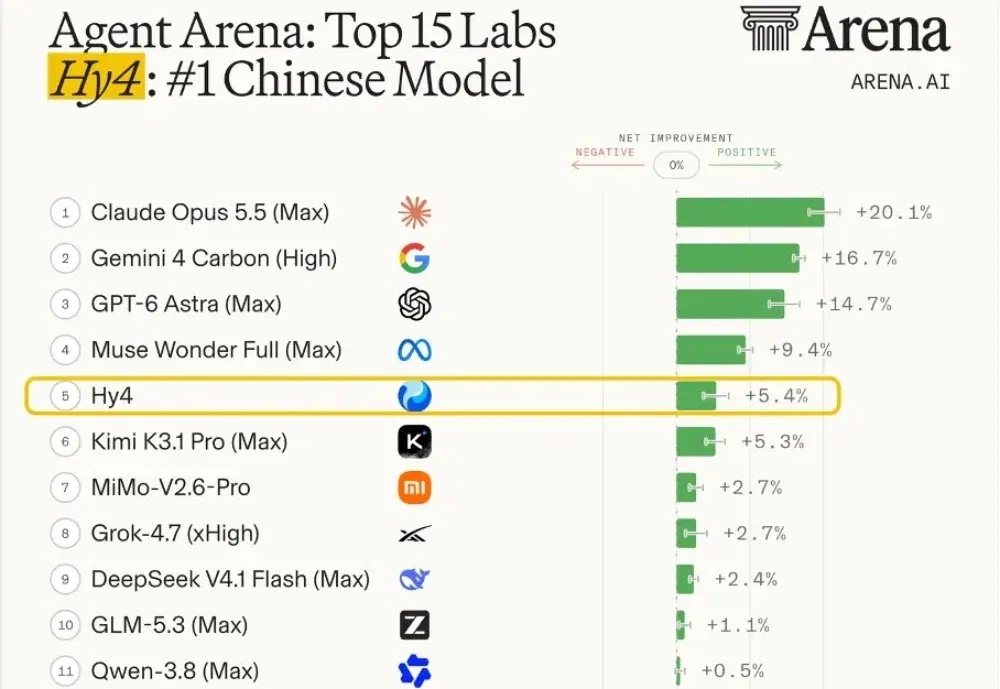

Slide 1 of 5: 姜宇辉的AI分身:知识助手与“另一个自己”之间
Latest news
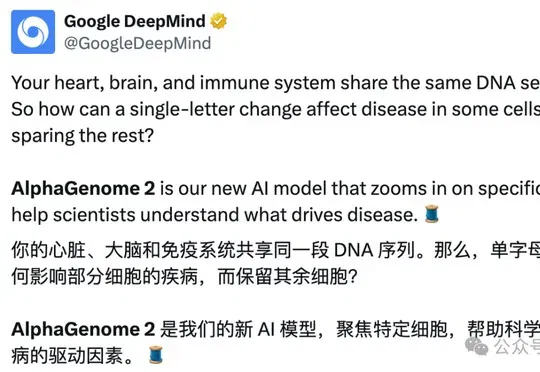
AlphaGenome 2 predicts DNA variant effects in cell states to support disease research (opens in a new tab)
Google brings single-cell information into DNA sequence prediction and checks disease clues against existing studies. Model outputs help prioritize experiments and still require biological validation.

iQIBLA opens Aura Premium preorders, bringing recitation counting and records to a ring (opens in a new tab)
The ring combines touch counting, display prompts and prayer reminders with app-based recitation records. The four million sales mentioned in the report refer to cumulative sales of the brand’s products.

Meitu's Xinhong Wu on AI apps: deepen vertical use cases and control model and monetization costs (opens in a new tab)
AI Product Aying distills a podcast's lessons on product choices, small-team validation, subscriptions plus service fees and global markets, alongside reflections on the author's own startup.

Which metrics matter for personal agents? From app opens to delegated work and completion (opens in a new tab)
Saibo Chanxin traces the evolution of internet metrics to discuss personal agents’ delegation volume, completion rates and revenue, while noting that definitions of delegated work still need to be aligned.

Mercor announces $750 million Series D, reaching a $20 billion valuation (opens in a new tab)
According to the company and investors, the round includes employee share sales. The funding will support model evaluation, post-training infrastructure and work environments for agents.

Doubao Work adds Kimi, GLM and DeepSeek and displays model credit multipliers (opens in a new tab)
The platform expands third-party model choices, adjusts some credit multipliers and introduces limited-time discounts, letting users choose models for different tasks within one work interface.

Building an explorable 3D scene with Codex, Blender and Three.js (opens in a new tab)
The author describes breaking down a reference image, generating and repairing models, optimizing GLB files, rigging a character and adding web interactions, including connection failures and scene-detail problems.
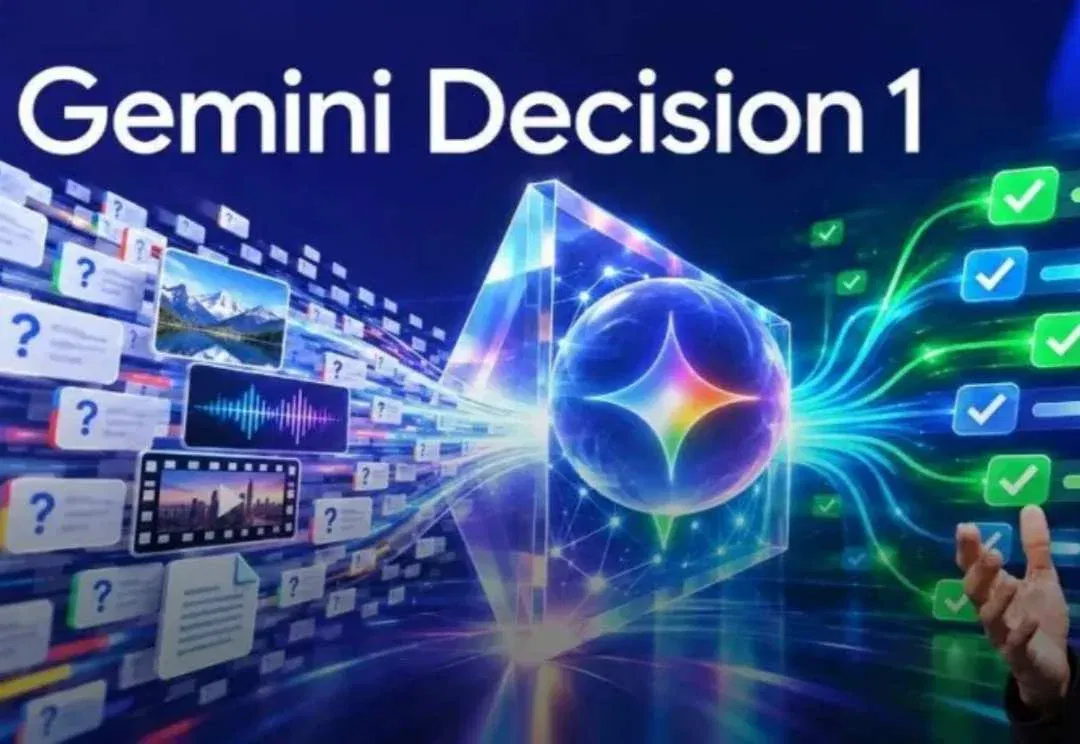
Google launches Gemini Decisions API with input-based pricing and option probabilities (opens in a new tab)
The API handles yes/no, multiple-choice, and scoring tasks with multimodal input and shared context. Google reports test latency and pricing; real-world calibration and costs depend on application conditions.
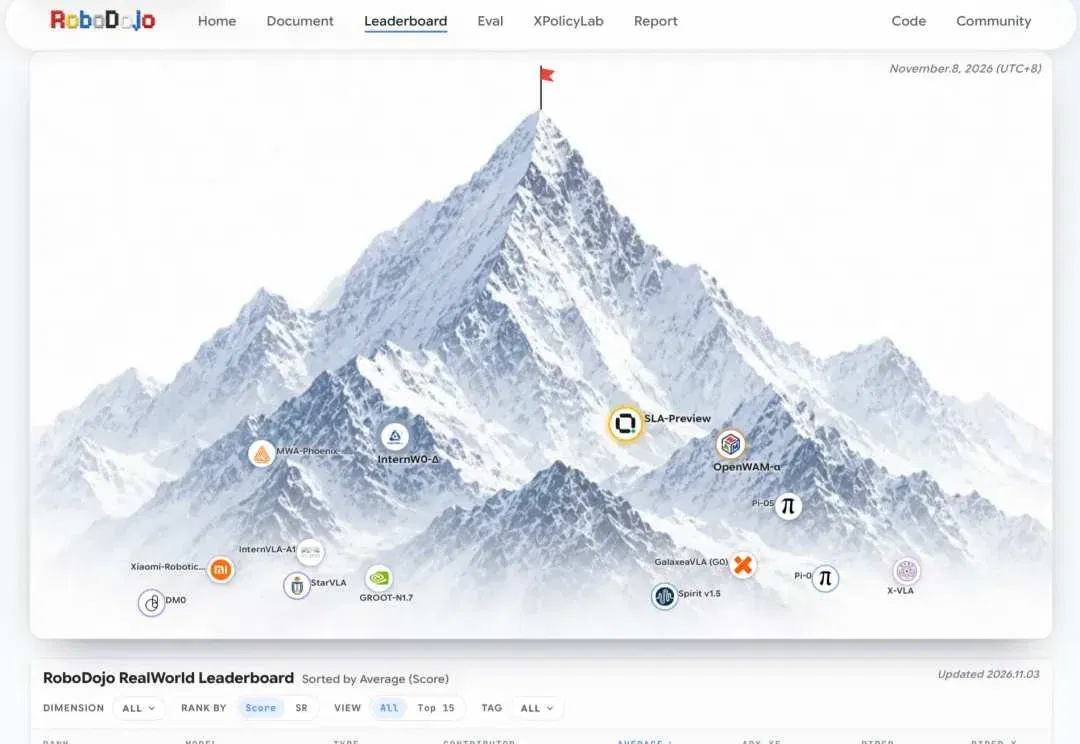
SLA adds spatial supervision to continual pretraining, testing robots under scene changes (opens in a new tab)
HKUST (Guangzhou) and OLA Dimensions train spatial representations on diverse robot data, reporting gains on public benchmarks, perturbation tests, and few-shot adaptation to new robot bodies.
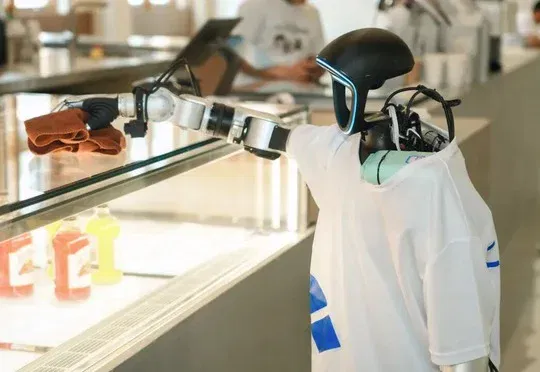
coScene raises nearly RMB 100 million in pre-A funding, focusing on real-robot data (opens in a new tab)
ChinaVenture interviews founder Yangming Huang on coScene's shift from infrastructure to data production, quality control, ecosystem partners and plans to collect data from deployed robots.

Qingxi Zhiyan raises nearly RMB 100 million in angel funding for AI materials R&D and pilot production (opens in a new tab)
Z Potentials reports that Qingxi Zhiyan is gathering real experimental data through equipment upgrades and advancing rare-earth permanent magnets toward pilot production, targeting mass production in 2027.

As “Armed Into the Song Dynasty” takes off, how photorealistic AI mini-dramas keep viewers watching (opens in a new tab)
APPSO examines short episodes, long-running series, production rework and platform distribution, discussing the character consistency and storytelling challenges that remain as AI lowers visual-production barriers.

Trying Baizhi Office: shared configuration for models, knowledge bases and team usage quotas (opens in a new tab)
The author explores resource distribution, permissions, billing and task review from managers’ and employees’ perspectives, then tests document and web-page generation with a mock product brief.

MedGPT lung cancer case study: higher plan scores for doctors using AI assistance (opens in a new tab)
The study evaluates diagnostic and treatment strategies for 40 unpublished complex cases. Scores improved when 250 doctors used the system, but the results do not establish real treatment outcomes.

AI Futures Project advances its superhuman AI researcher forecast: evidence and uncertainty (opens in a new tab)
The team updates its forecasts using METR’s assessment of accelerated R&D at Anthropic. Median estimates from different methods differ by more than a year, and some crucial evidence remains unpublished.
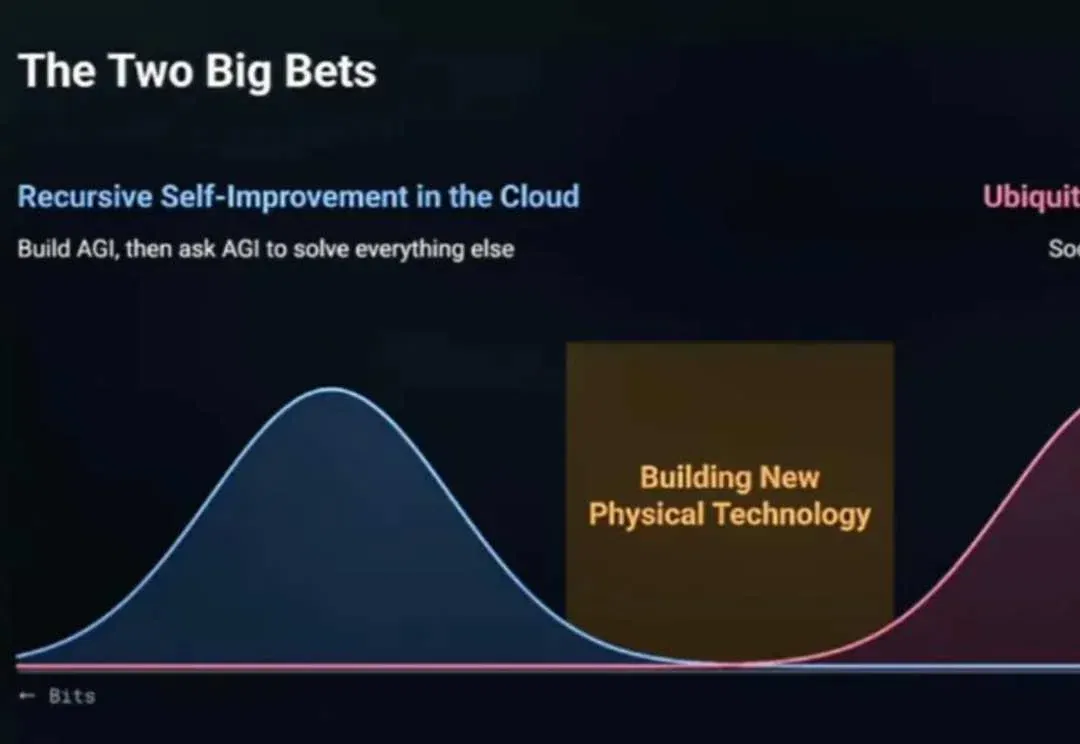
Ted Xiao on AI in the physical world: how verification speed limits faster R&D (opens in a new tab)
The talk examines verification bottlenecks in engineering, robot training and automated labs, arguing for testing verifiers in actual settings and using limited real-world tests to guide the next iteration.
LOGIV verifies long-horizon robot execution with task graphs and repairs failures locally (opens in a new tab)
The framework links planning and execution through explicit conditions and resource relationships. Simulation and small real-robot tests assess recovery while preserving valid remaining plans.
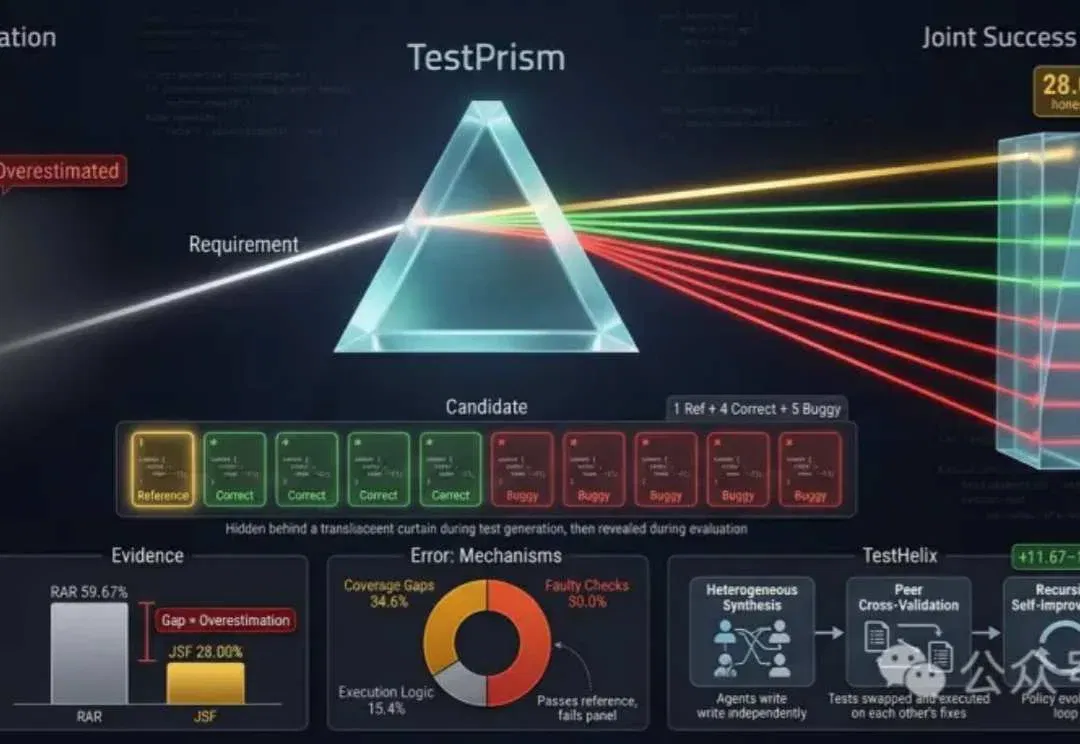
TestPrism evaluates agent-generated tests and exposes reliability gaps across implementations (opens in a new tab)
The benchmark checks tests against correct alternatives and flawed implementations. The strongest tested configuration achieves 28% joint success; TestHelix improves results through cross-validation.

Gemini Robotics 2.5 launches, using Argon to improve robot training (opens in a new tab)
Google describes the new VLA model’s dexterity, factory proof of concept and safety tests, and shows how a general-purpose model helps build simulations, check data and analyze failures.

Grok Bot 1.0 adds team collaboration, meetings and review of shared knowledge (opens in a new tab)
The release adds meeting access, shared team experience and multi-Bot collaboration. The report also details approval and subscription limits, alongside user feedback on quota consumption and long-term performance.