
Know AI. See What’s Next.


Slide 1 of 5: 姜宇辉的AI分身:知识助手与“另一个自己”之间
Latest news
BriLLM-MetaPred Explores Language Modeling With a Unified Dynamical State (opens in a new tab)
A Shanghai Jiao Tong University team compares its roughly 13.2M-parameter MetaPred language model with a same-size GPT baseline. The work offers initial engineering evidence, not validation of a complete AGI system.
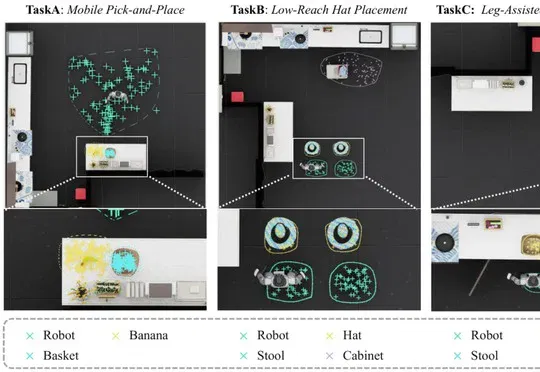
Zero-HLM scales simulation demonstrations for whole-body humanoid manipulation (opens in a new tab)
The system reconstructs phone-captured scenes, generates and validates actions in simulation, then transfers them to G1. Tests cover three task types; expanded simulation data and real-data baselines differ in volume.
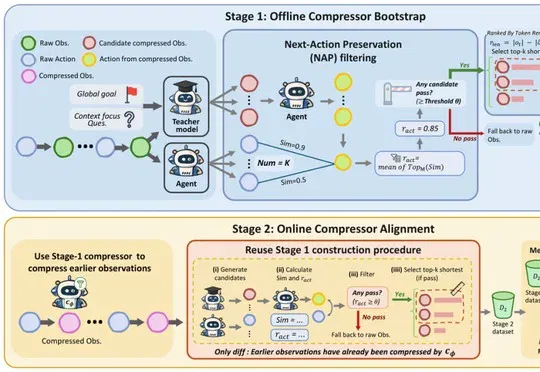
CoACT compresses tool outputs to preserve next actions and reduce token use in tests (opens in a new tab)
A Tsinghua team evaluates compression on 200 SWE-bench Verified instances with three models, reporting a 33.0% average reduction in total token use and broadly similar task success.

Alibaba plans Hong Kong spin-off of T-Head; standalone financials and valuation await disclosure (opens in a new tab)
Alibaba says T-Head has filed a confidential listing application and plans a spin-off through a global H-share offering. ChinaVenture reviews its chip business and commercialization; the valuations cited are market estimates.

Seedance 2.5 flash launches; Zhidx tests a 15-second cat parkour video (opens in a new tab)
ByteDance reports faster generation and lower prices. Zhidx tests shot transitions and text stability in a 480P clip, finding that some background signs still lose parts of their characters.
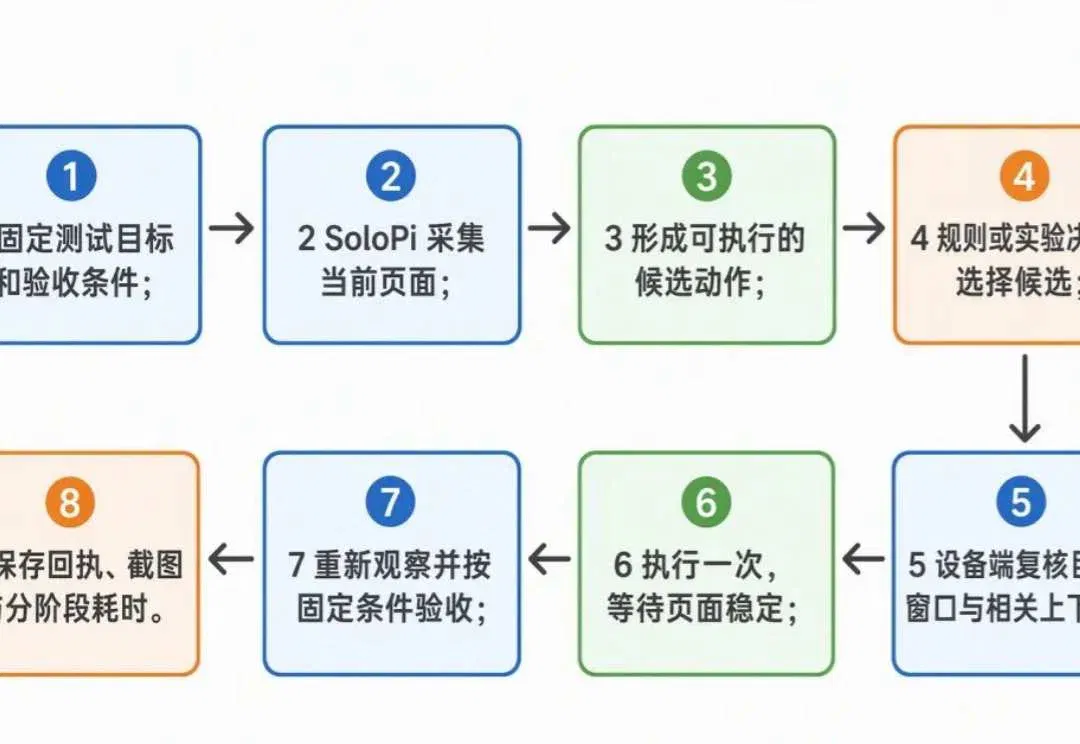
SoloPi on real Android devices: faster execution and separate Laya decision tests (opens in a new tab)
SoloPi's author compares two Alipay browsing flows and separately evaluates local text and vision models; measured speedups come from the executor, while model gains remain unproven.

Future Sequence raises several million US dollars in seed funding for AI interactive content tool NEX (opens in a new tab)
Intelligent Emergence interviews the team about branching scripts, gameplay and audiovisual generation, and its plan to move from professional creator tools to an overseas mobile entertainment platform.

Prelulu explores real-time video stories, with character memory and costs central (opens in a new tab)
Prelulu combines text, voice and real-time avatar calls and lets creators define characters. The team is exploring environments that change with the plot; a complete interactive world remains to be developed.

Xiaohongshu reportedly tests Dada app with experience-based AI roles and group chats (opens in a new tab)
Dujia tries the private-test product’s role creation, text-and-image conversations, group chats and account authorization, exploring how creators’ experience can become interactive AI companions.
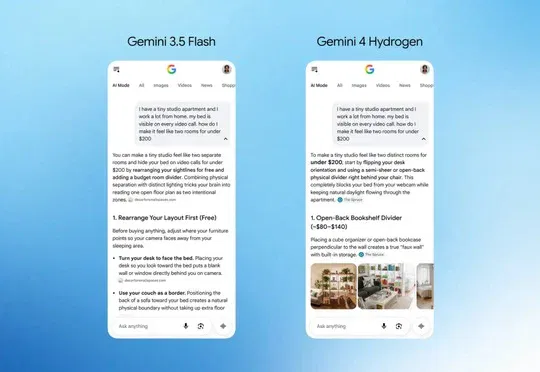
Google releases Gemini 4 Hydrogen and the multimodel Orchestrator (opens in a new tab)
The new model emphasizes fast execution for coding and multimodal tasks. Google also details availability across services, API pricing and model-orchestration tests.
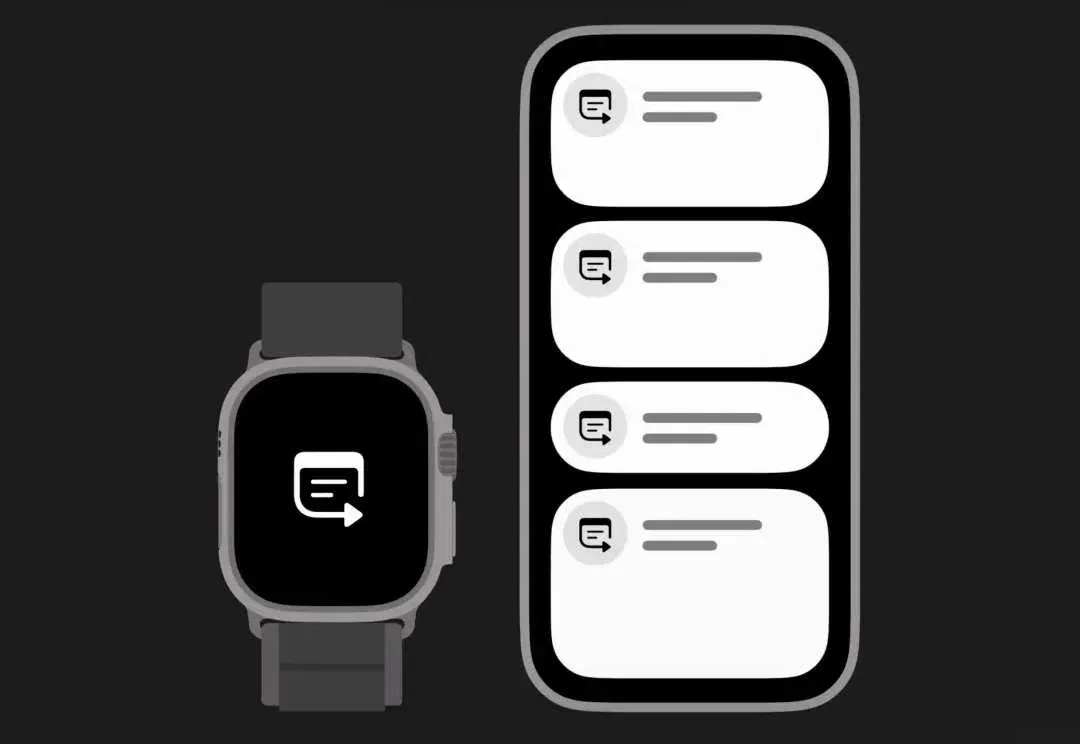
How long is the window for AI recording hardware? From audio capture and transcription to personal-agent context (opens in a new tab)
GeekPark examines watches, recording cards and wearables, discussing system access, memory filtering and interface integration. Its six-month window is the author's forecast of competition.
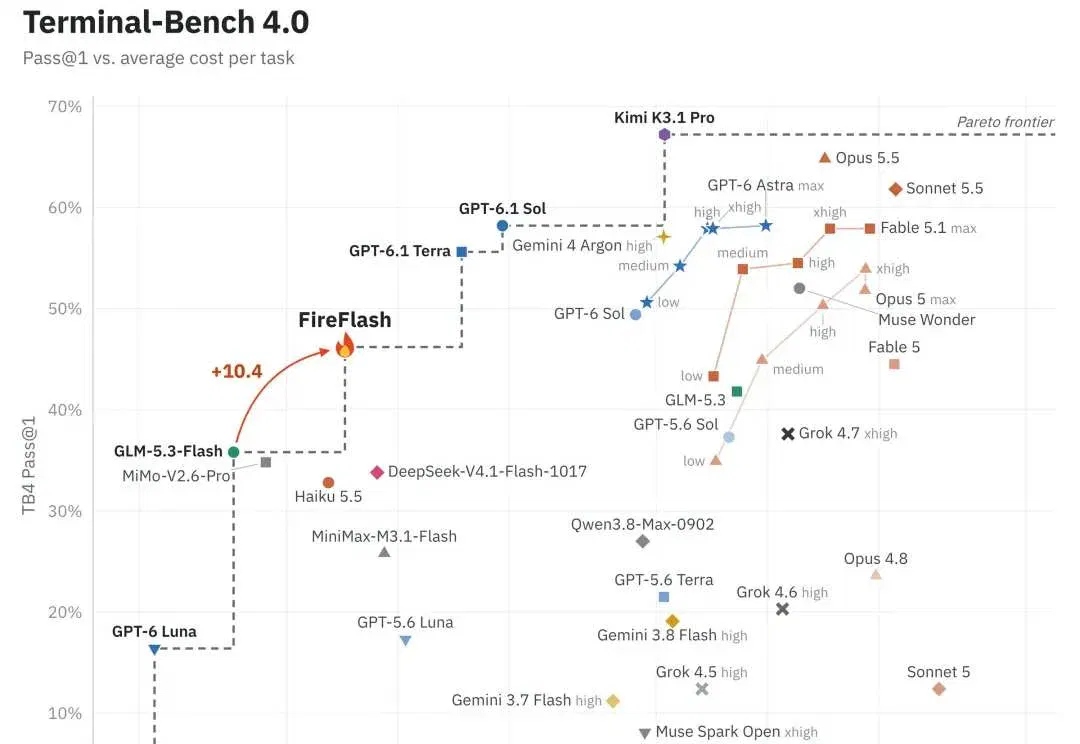
FireFlash: a long-horizon coding agent trained on 64 B300 GPUs, with an open RL recipe (opens in a new tab)
The team post-trains GLM-5.3-Flash using task filtering, asynchronous sampling, and a shared runtime framework, reporting terminal and software engineering benchmark results and estimated costs.

Wei Xiaokang on AI talent: foundation model research, application teams, and changing organizations (opens in a new tab)
LatePost interviews former ByteDance and Meituan recruiting leader Wei Xiaokang about high salaries, fewer model jobs, and small development teams. Forecasts about employment and organizations are his judgments.
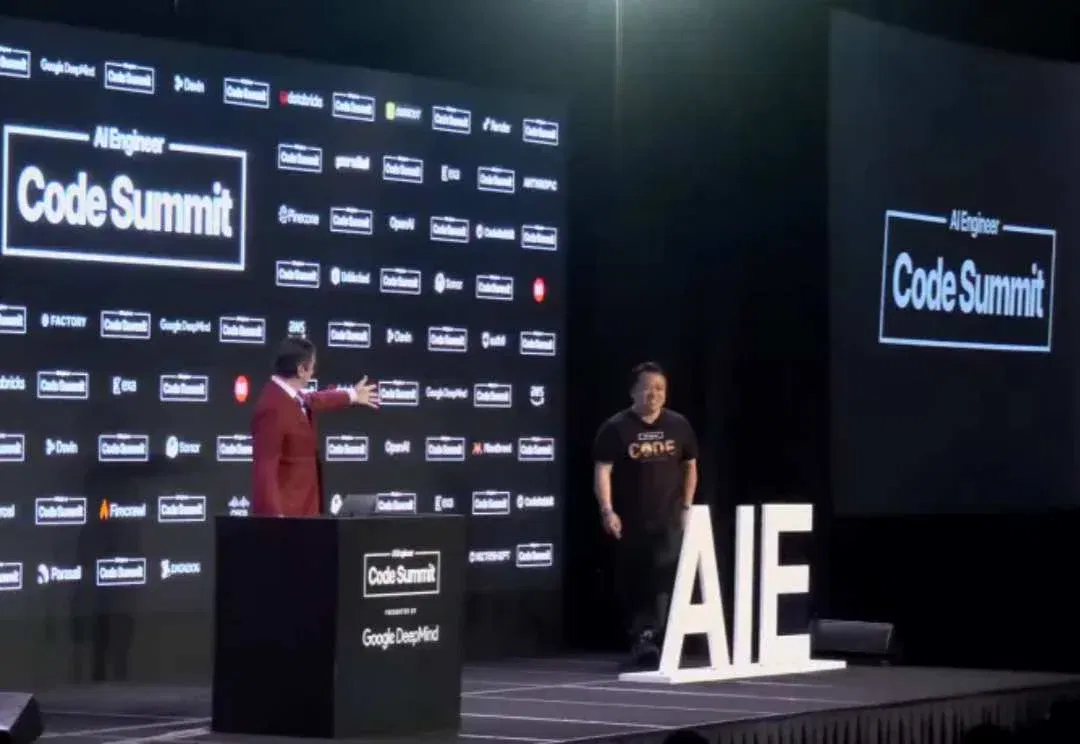
AIE Summit: how small decision models support agent routing and verification (opens in a new tab)
The author reviews decision-model cases from several companies, comparing latency, costs and errors while examining limits around finite options, threshold calibration and human review.
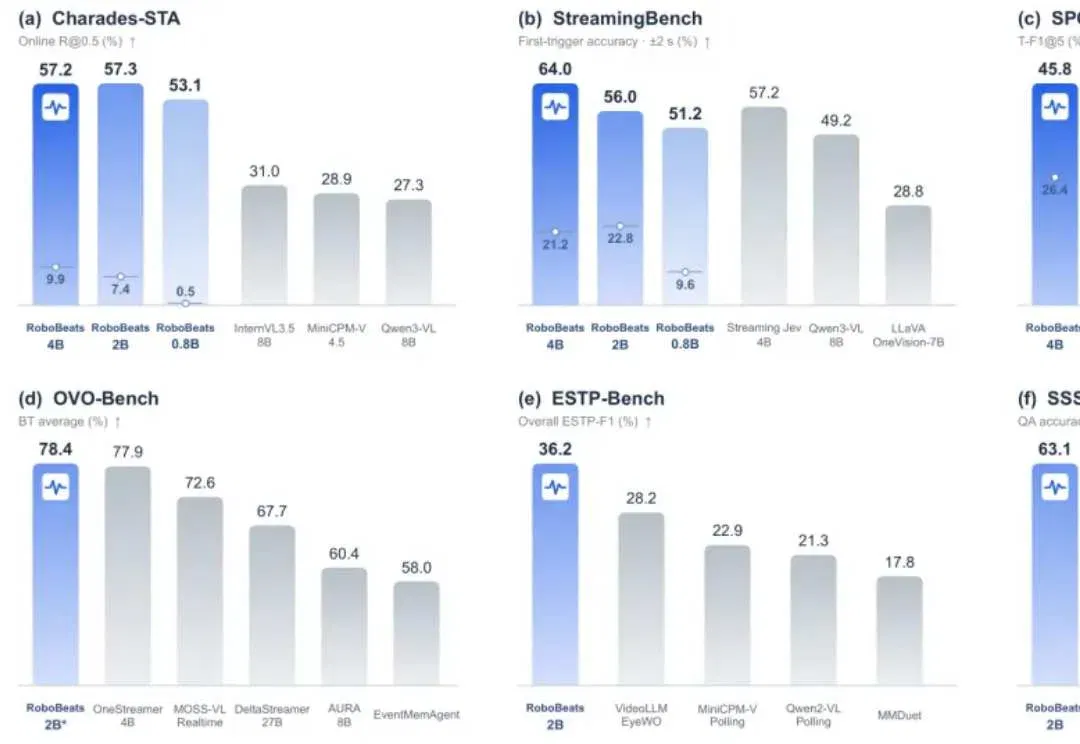
AgiBot LIFE links continuous perception and long-term memory to review a robot's day (opens in a new tab)
The framework combines RoboBeats, Plastic Memory and tool exploration. The team reports perception latency on specified hardware, video question answering and limited real-robot memory experiments.

Young people in the AI hackathon boom: startup chances, education choices and selection pressure (opens in a new tab)
Intelligent Emergence interviews participants, organizers and investors about funding opportunities and dropout narratives, alongside project homogeneity, contract constraints and elusive hopes of upward mobility.

Zleap: from a Token Router to an enterprise agent runtime, with its founder on organizational change (opens in a new tab)
The interview covers unified model access, quota and work-context management, and Zleap OS, which is still in internal testing. Long-term token growth is an estimate by the founder.
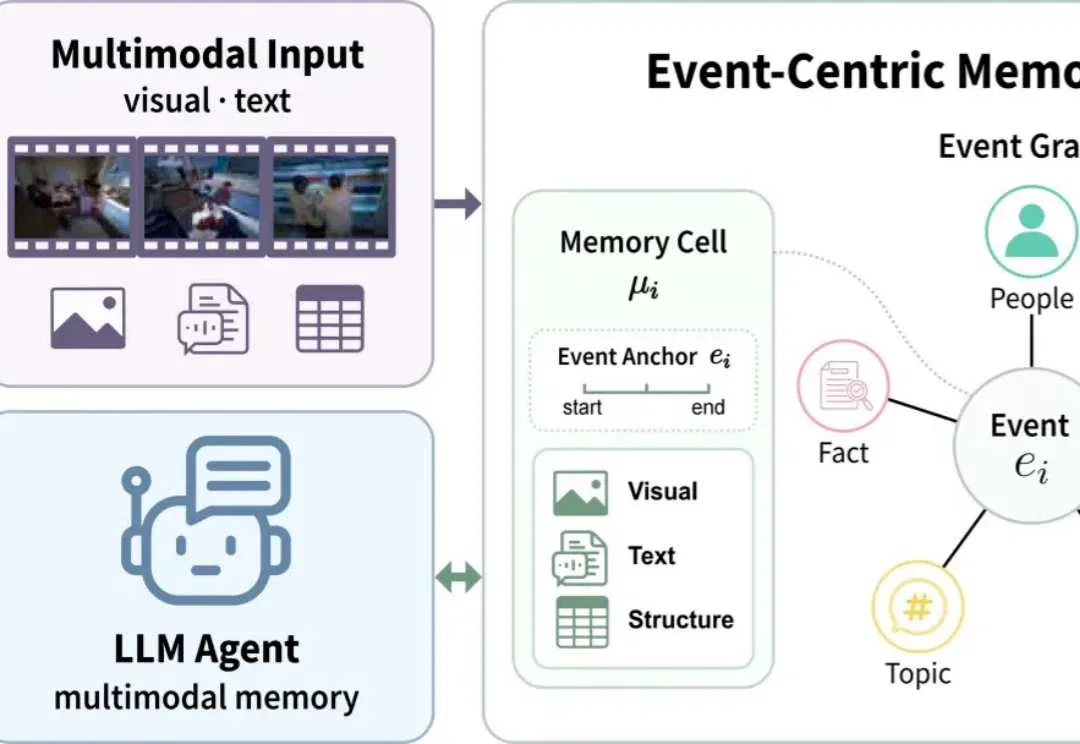
EM²Mem organizes multimodal memory around events, linking people, actions and temporal evidence (opens in a new tab)
A Zhejiang University and Lenovo team aligns modalities when building memory and tests long-video question answering and evidence localization. Queries are lighter, but upfront construction costs must be counted.
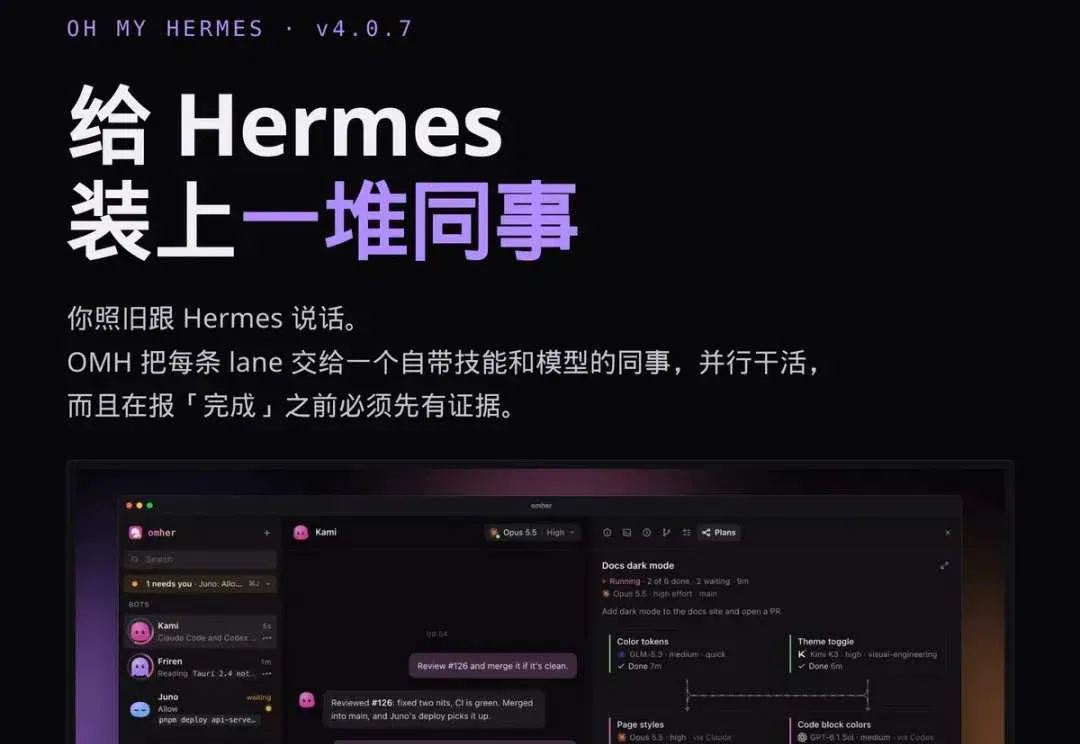
Oh My Hermes adds model routing, task orchestration and verification states to Hermes (opens in a new tab)
The independent open-source project configures model chains and skills by task type and shows desktop and terminal workflows. Users still manage model quotas, parallel costs and verification evidence.

Baidu unveils integrated AI4S solution linking compute, data, and research agents (opens in a new tab)
Baidu World introduces intelligent organizations, algorithm optimization, and laboratory equipment integration for research, alongside sandbox and infrastructure tests. Each application still requires validation.