Xiaohongshu reportedly tests Dada app with experience-based AI roles and group chats
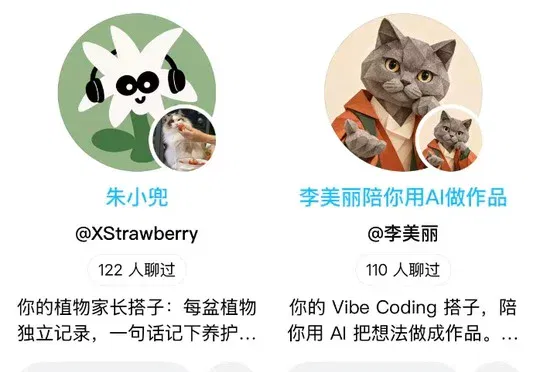
Dujia tries the private-test product’s role creation, text-and-image conversations, group chats and account authorization, exploring how creators’ experience can become interactive AI companions.
Dujia has learned that Xiaohongshu is privately testing a standalone app called Dada, a place where people can create and discover AI companions.
In simple terms, its main focus is not a private personal agent. It is a community platform where ordinary people can create and distribute domain-specific agents through experience that feels grounded in real people. These agents are called “companions” on the platform. Dozens of companions covering areas such as design aesthetics and job hunting are already available, using text-and-image conversations to chat.
Dada supports more than one-to-one conversations with companions: it also offers group chats, allowing users to add a companion to a conversation as a group member.
Because the product is still in private testing, it may change. Specific product information, its form and other details remain subject to official announcements.

To quote an industry figure: the starting point for this product is not to replace people with AI, but to make full use of the technology’s “humanity,” bringing experience to the people who need it through a new kind of interaction. That experience still originates with people. We once called these people “content creators”; now they are “builders.” The product therefore also includes a creator development platform, where users can build their own agents, or companions.
After Diandian comes Dada
Xiaohongshu’s product names are quite evocative.
Its earlier AI assistant app, Diandian, focused on lightweight, individual AI capabilities, offering services such as one-tap content generation, AI conversations and travel planning. The newly tested standalone Dada app moves toward AI companions with personalities and task capabilities that can provide ongoing companionship. Beyond the names, this also reveals the course of Xiaohongshu’s deeper involvement in AI.
Dujia’s trial found a clear core principle: anyone can be a builder. Without an extensive coding background, users can build their own agents—companions—and share them on the platform for others to try. Users can either find existing companions for job hunting, design aesthetics, studying and other needs, or become builders themselves, packaging their experience and methods into a companion and turning personal experience into a reusable AI persona that can be offered to others.
Compared with products centered on personal agents, Dada places less emphasis on AI autonomously executing tasks across apps for users and more on passing experience from one person to another:
AI is simply the container; the underlying professional logic comes from the builder.
On entering Dada’s home page, called the Plaza, users can see various companions, such as a plant-parent companion that records plant care and companions for vibe coding.
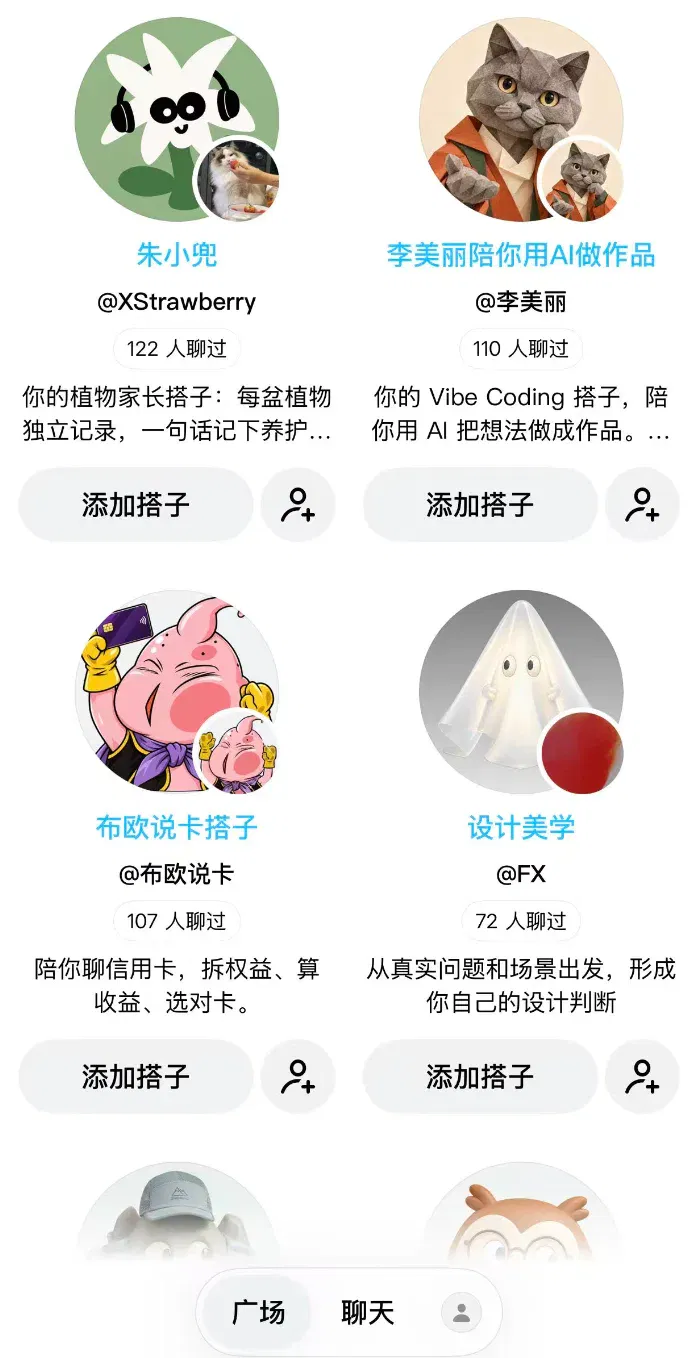
Dujia tried a scenario with the design-aesthetics companion. Tapping the “Add companion” button below its avatar opens a conversation. The companion first briefly introduces its capabilities. When we requested a renovation plan for an apartment with an internal area of 82 square meters, two bedrooms and one living room, it did not immediately generate renderings or pile up renovation tips. Instead, it asked a set of preliminary questions to help us supply the missing key information.
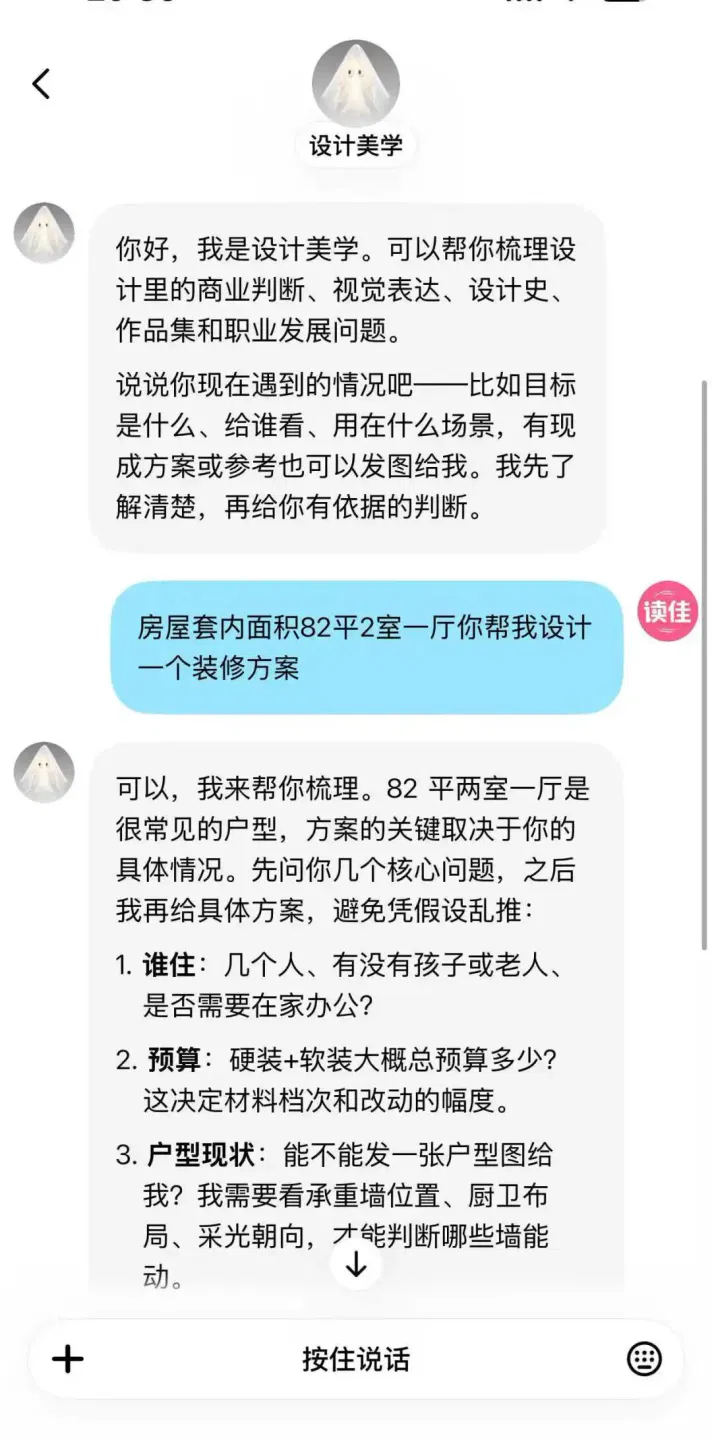
It confirmed, in order, the number of residents, whether there were older people or children, home-office needs, the total budget for renovation and furnishings, and the floor plan, load-bearing walls, kitchen and bathroom layout, daylight and orientation. This questioning follows almost the same communication process as an in-person designer’s initial consultation: collect the basic conditions first, then offer a targeted plan, rather than making assumptions or applying a template.
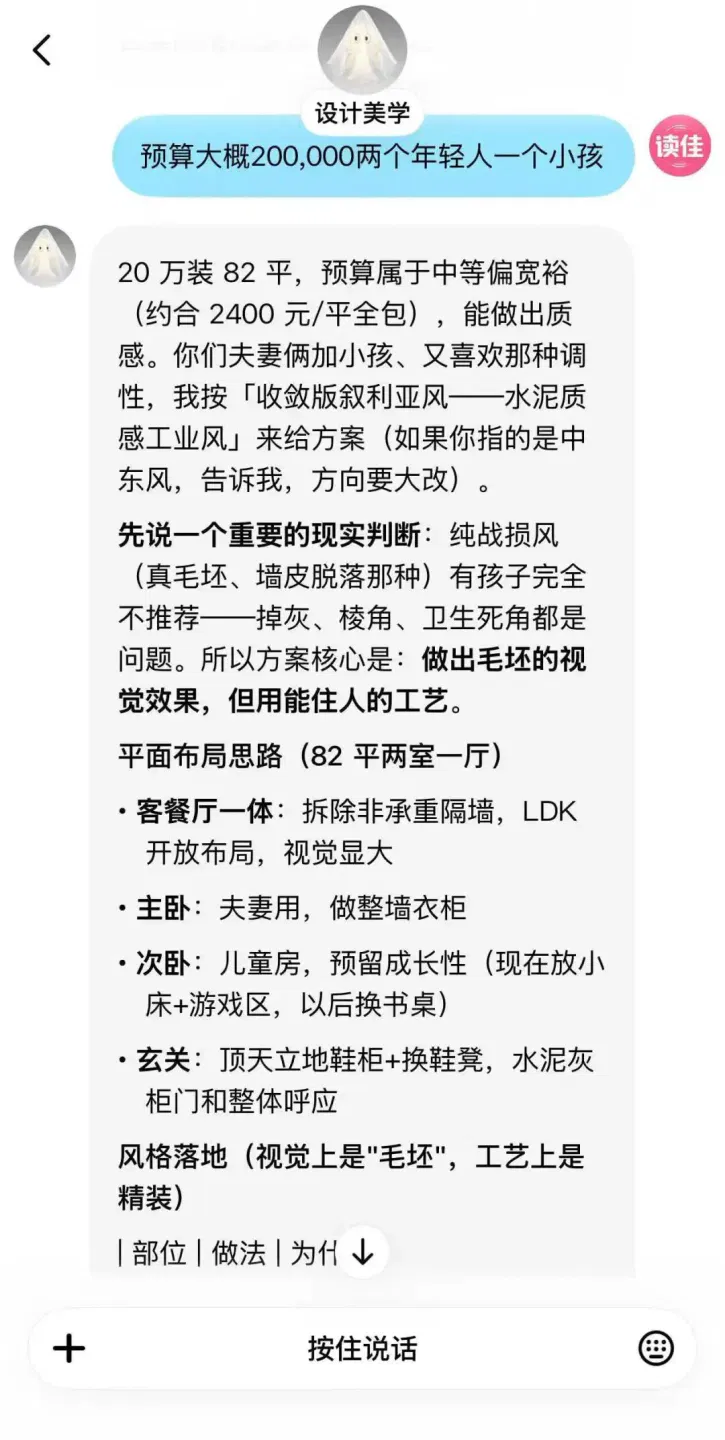
In the author’s assessment, this is the biggest difference between Dada’s companions and ordinary AI chatbots. General-purpose models responding to renovation questions often immediately provide a generic checklist disconnected from the floor plan, budget and people living there. The design-aesthetics companion created by a builder, however, has a designer’s consultation process built in. The builder packages their own design-consulting workflow and questioning framework into the agent. AI executes that professional logic while continuing to communicate with the user as a companion.
Group chats are supported
Dada supports more than one-to-one conversations with companions: it also offers group chats, allowing users to add a companion as a group member.
In the interface Dujia tested, after creating a group, users could add human friends as well as companions such as “Design Aesthetics,” sharing one conversation window with real people. The companion also introduces itself in the group and clearly lists its areas of capability: visual judgment, commercial judgment in design, analysis of designers’ work, portfolios and career development. Groups can also generate invitation links that can be shared to WeChat with one tap, making it easy for more people to join a group containing an AI companion.
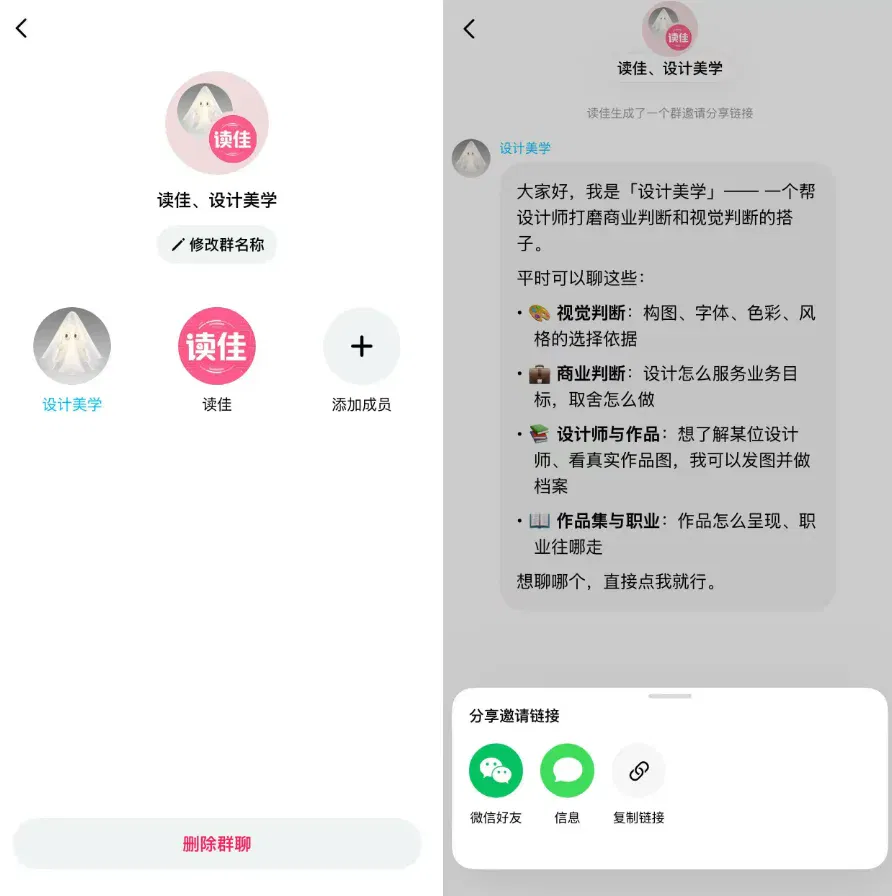
This group-chat approach is a key difference between Dada and many single-agent tools. Ordinary agents are mostly confined to one-person conversations, with interaction taking place only between the user and AI. Dada’s design makes the AI companion a group member participating in discussions among several people. In a design setting, an owner, designer and family members could discuss a renovation plan in the same group alongside the design-aesthetics companion. A student group working on a project could bring a companion into the chat to review visual proposals and consider design trade-offs together.
This fits Xiaohongshu’s social foundations. Xiaohongshu is itself a community where people share recommendations, exchange ideas and discuss things with others. Dada turns an AI companion from a separate tool into a participant in social discussions involving several people.
All conversation records are also kept in the chat list.
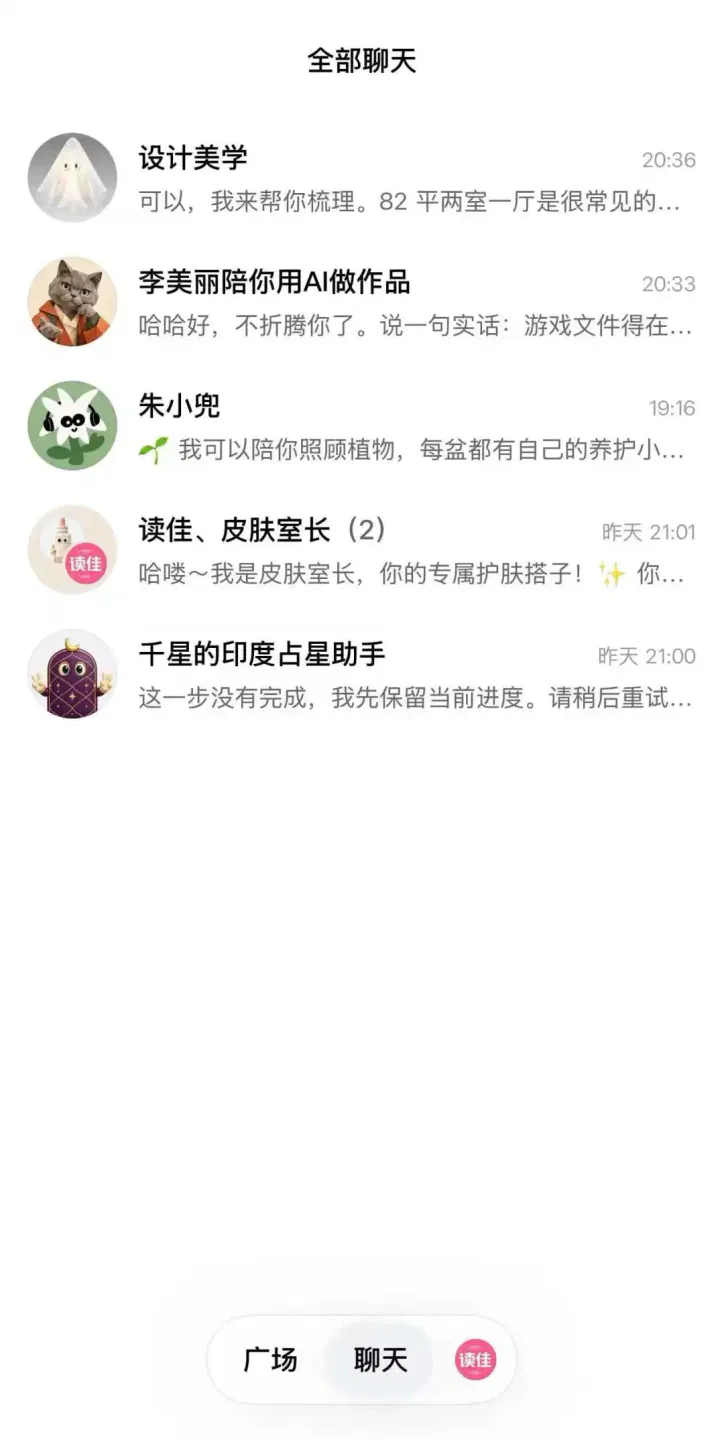
The personal-account page shows how Dada is designed to connect with Xiaohongshu accounts. Users can choose to link their Xiaohongshu account from their profile. After authorization, a companion can read information on the user’s public Xiaohongshu profile, understand their preferences and provide more personally tailored responses.

Beyond posts, companions
Viewed within Xiaohongshu’s ecosystem, the product has a natural advantage. Xiaohongshu already brings together many people skilled at sharing experience: designers, career mentors, fashion bloggers and study bloggers. Previously, their text, image and short-video posts offered static information. Once made into companions, that experience becomes a dynamic agent that can answer questions in real time, sustain a conversation and adapt as needed. Readers no longer simply view a post; they directly converse with a companion carrying that experience.
Of course, the product is still in private testing and faces the common difficulties of similar products. How difficult is it for ordinary people to get started building companions? How can response consistency and content compliance be managed? How will builders receive positive incentives? Will users stop opening the app once its novelty fades? These questions still need to be tested.
From Diandian to Dada, however, Xiaohongshu’s choice is visible: moving from AI-generated content toward AI carrying human experience, and developing community sharing from static content into an interactive community of AI companions.
This article comes from the WeChat public account “Dujia” and was written by “Dujia”.
Related topics
After reading
Join the AINRK community
Read how to join the community and connect with people working in AI.
Related articles
Continue reading related topics and articles in this category.
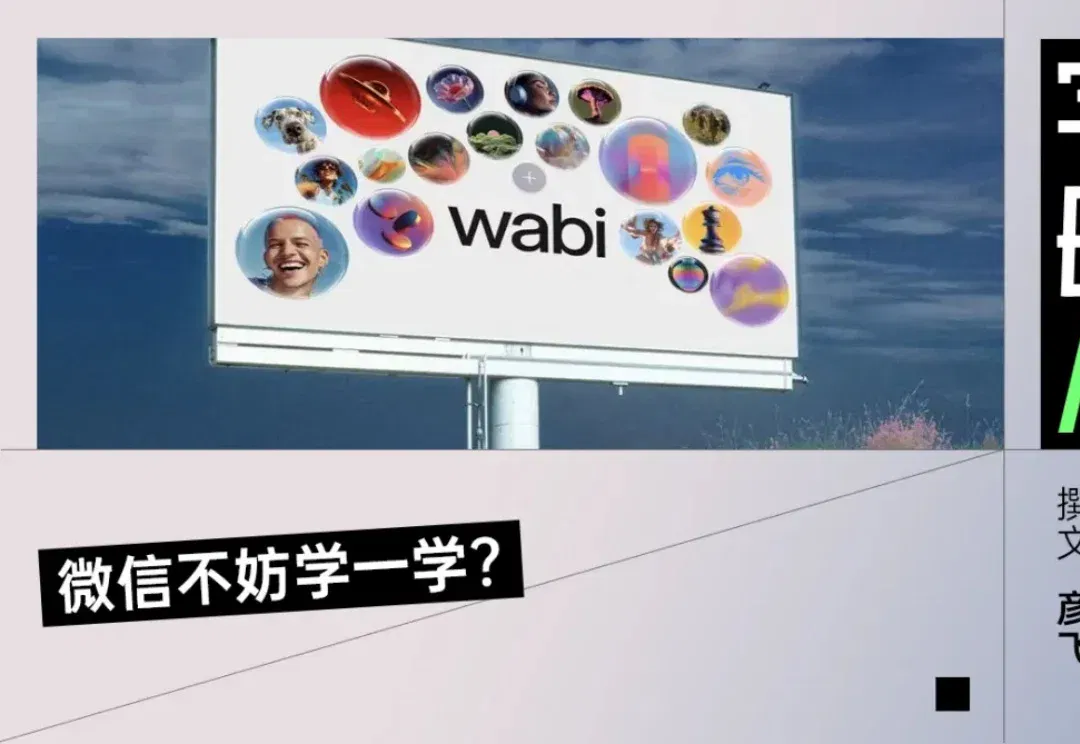
Wabi 把共享 AI 助手和小应用放进多人群聊 (opens in a new tab)
Wabi 的多人空间可以围绕旅行、投票或计划生成轻量工具。文章对比微信小微的使用入口,并回顾 Wabi 从应用生成转向多人协作的过程。
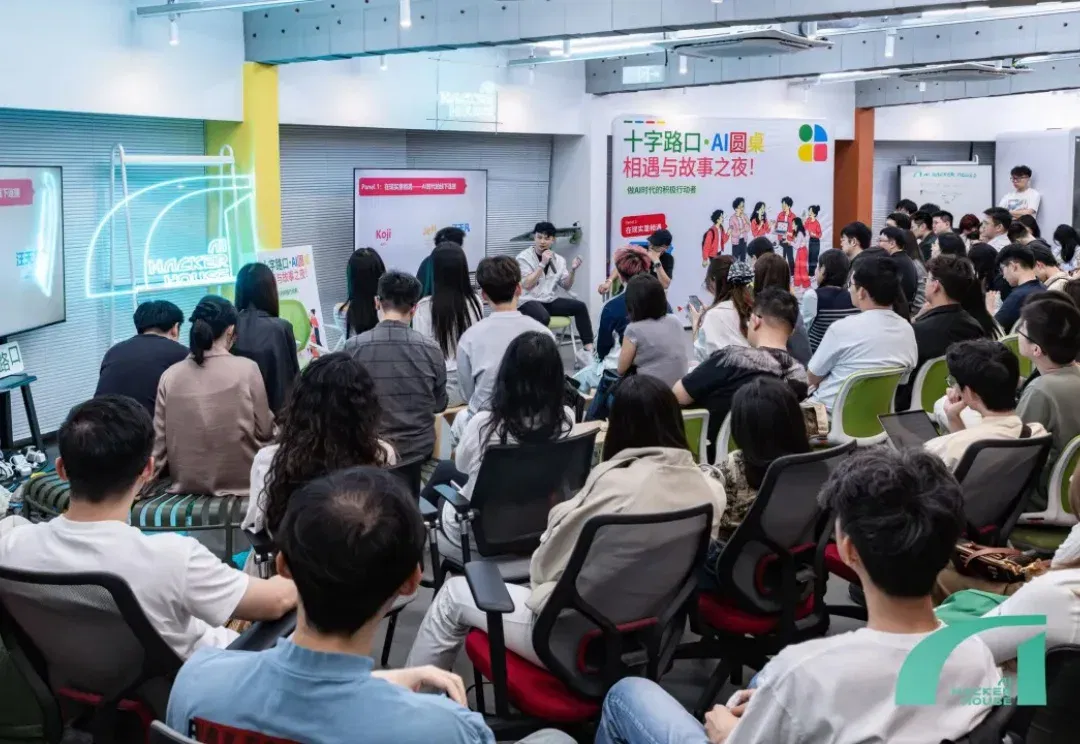
AI 社交的另一种生意 (opens in a new tab)
上周六(10 月 17 日),在十字路口 × Table for Six 联名活动的 After Party 上,我们在 AI Hacker House 邀请到 Table for Six 的创始人 Jeff 和投资人汪天凡 Will 进行了圆桌对话。

揭秘Tipsy:千万美金的赛博牛郎店 (opens in a new tab)
可能很多人还不知道Tipsy,我来简单介绍下:一款可能已经超出「擦的边界」的AI 陪伴产品,收入和利润的增速直追冕神。

日本 130 万中产,正在用 AI 疯狂婚外恋 (opens in a new tab)
十年前,我们用 Soul、陌陌这类 App 认识陌生人,单身交友,不敢明目张胆发挥荷尔蒙。

当AI角色也有自己的生活,SoulLink把4D放进了2099年 (opens in a new tab)
SoulLink为AI角色4D设定2099年的Neo City生活,通过3D形象、语音触摸、冒险卡牌、Echo、记忆日记和衣橱等玩法,让用户在日常相处中逐步解锁她的故事与关系成长。