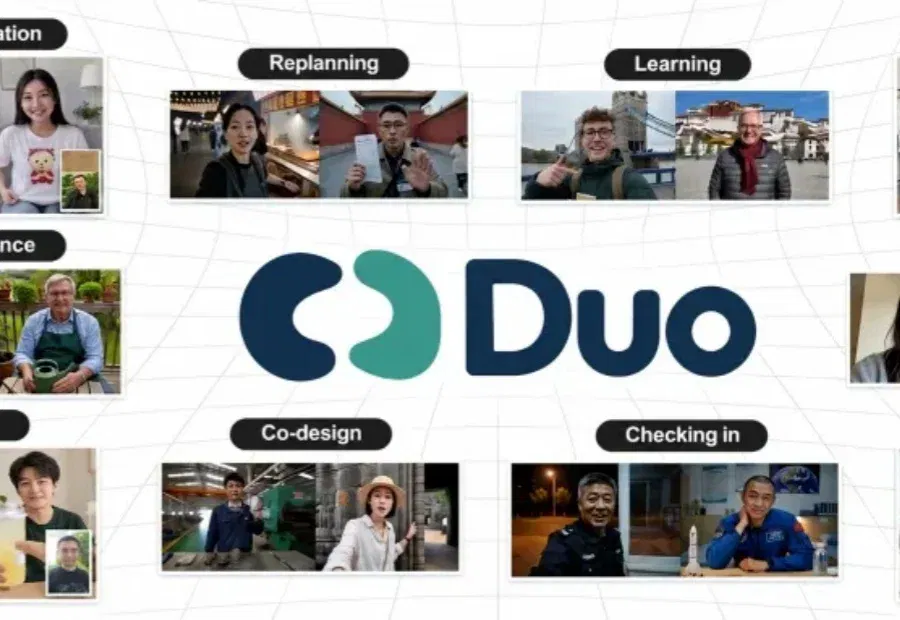
蚂蚁与西湖心辰介绍Duo v1,探索全双工视听交互 (opens in a new tab)
Duo v1通过Intent与Realization模块衔接交互决策和音视频生成。文章报告30组交互、180项检查中通过168项,内容响应度为73.3%;复杂意图理解与长程一致性仍是团队后续优化方向。
Categories
Practical guides to AI tools, models and related technologies.
Duo v1通过Intent与Realization模块衔接交互决策和音视频生成。文章报告30组交互、180项检查中通过168项,内容响应度为73.3%;复杂意图理解与长程一致性仍是团队后续优化方向。
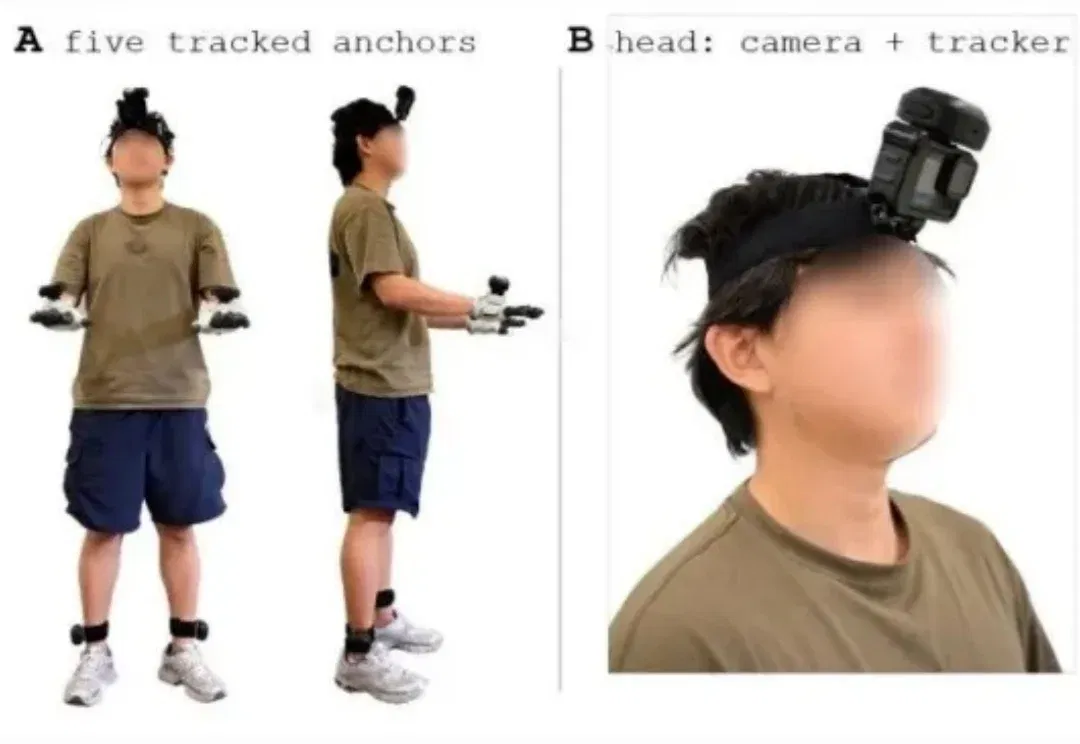
Shanghai AI Lab presents a wearable capture system using trackers, gloves and a camera, plus C³ motion reconstruction, and releases 100 hours of data and code. Reconstruction and multimodal generation are assessed separately; humanoid transfer is shown only in simulation.

Researchers at CUHK-Shenzhen and Microsoft propose C-Gate, mapping audio into convex combinations of frozen text embeddings. The paper reports VoiceBench gains against its listed open-model baselines, while audio understanding and transcription still involve trade-offs.

Teams from Ant, Westlake University and Zhejiang University use a structured Proxy to control scene state and Invoker-Render to generate visuals, releasing eight-GPU streaming inference. The long demo and 140 evaluations cover specified scenes, not arbitrary stable worlds.

openJiuwen uses app-development and swarm demos to show how built-in harness capabilities support sessions, tools and app management. Applications still define business rules and permissions; remote deployment and some capabilities remain planned or exploratory.

The team describes its Business Harness design for fast and slow paths, shared state, Actor orchestration and dynamic permissions. Formal verification covers the modeled core permission state machine; it does not replace security checks of the full deployment, external interfaces or implementation.
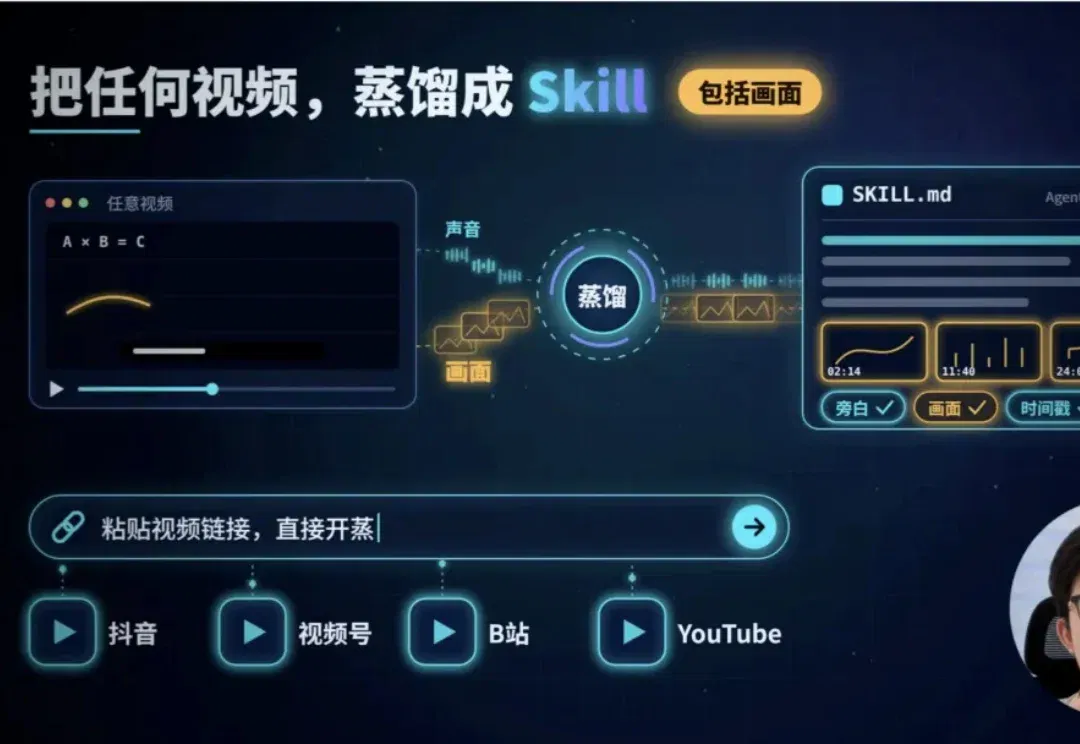
Daishudi uses third-party agent tool Mirasim for editing, 3D creation and project changes, then explores sessions and orchestration. Costs, model identities and discounts are author reports; output quality cannot verify model provenance or continued availability.

UIUC and collaborators propose A2D, training a question generator with frozen teacher–student disagreement and compatibility signals before on-policy distillation. The paper reports gains in math, code and agent tasks; its learning-value proxy has limits.
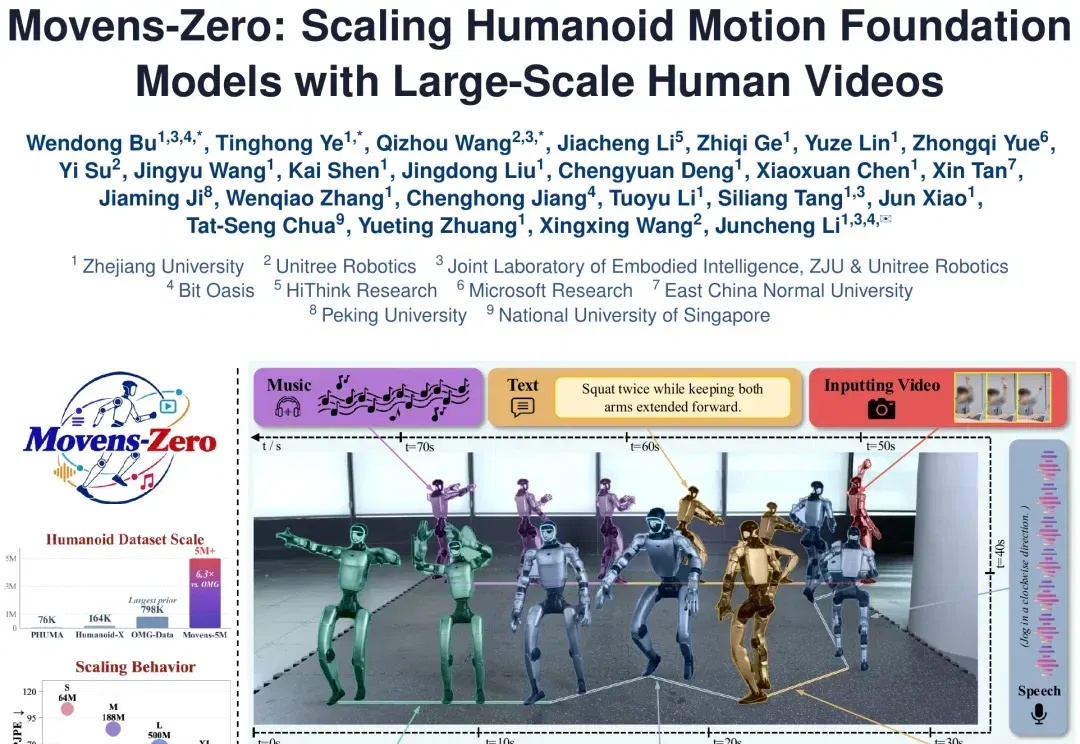
Movens-5M pairs five million simulation-validated robot motions with text, video, speech and music. The team trains Movens-Zero and demonstrates it on a Unitree G1, using scaling experiments to examine gains from more data and larger motion experts.
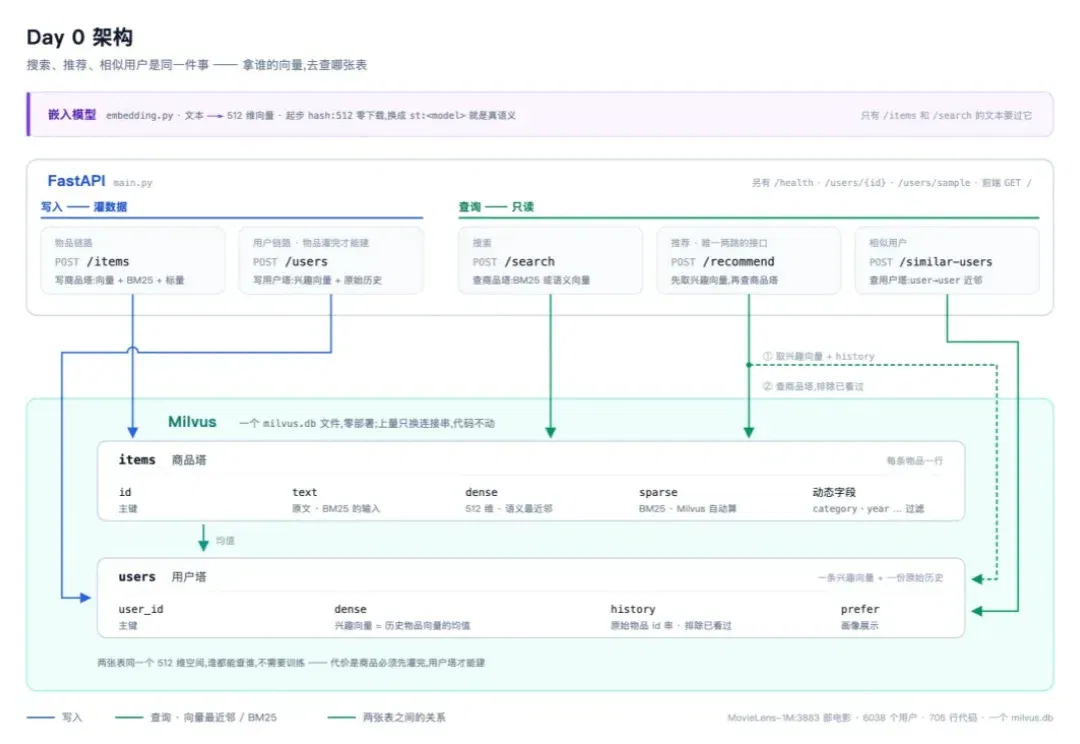
A Zilliz author builds local search, recommendation and similar-user APIs with FastAPI, Milvus Lite and MovieLens data, first checking the flow with hash vectors before switching to embeddings. The examples validate a local prototype; quality needs separate evaluation.
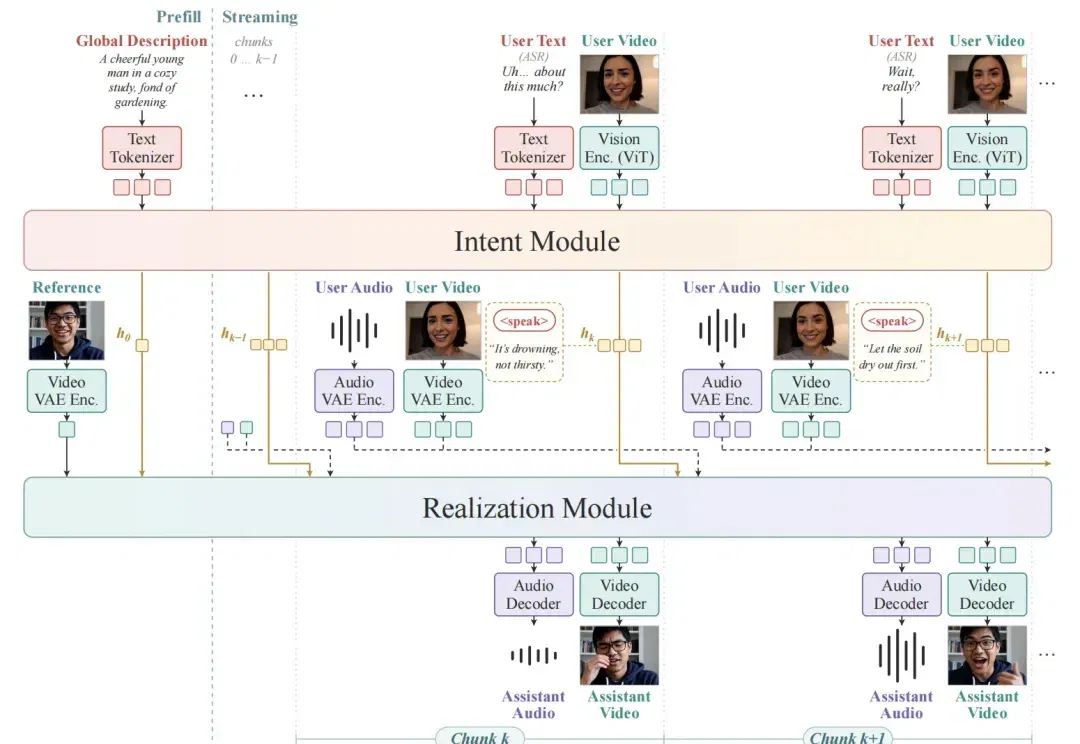
An Ant team and Westlake Xinchen present Duo v1, combining intent decisions with audiovisual generation for continuous interaction, and release models and code. The team reports 30 cases and 180 human checks; the work remains an early research demonstration.
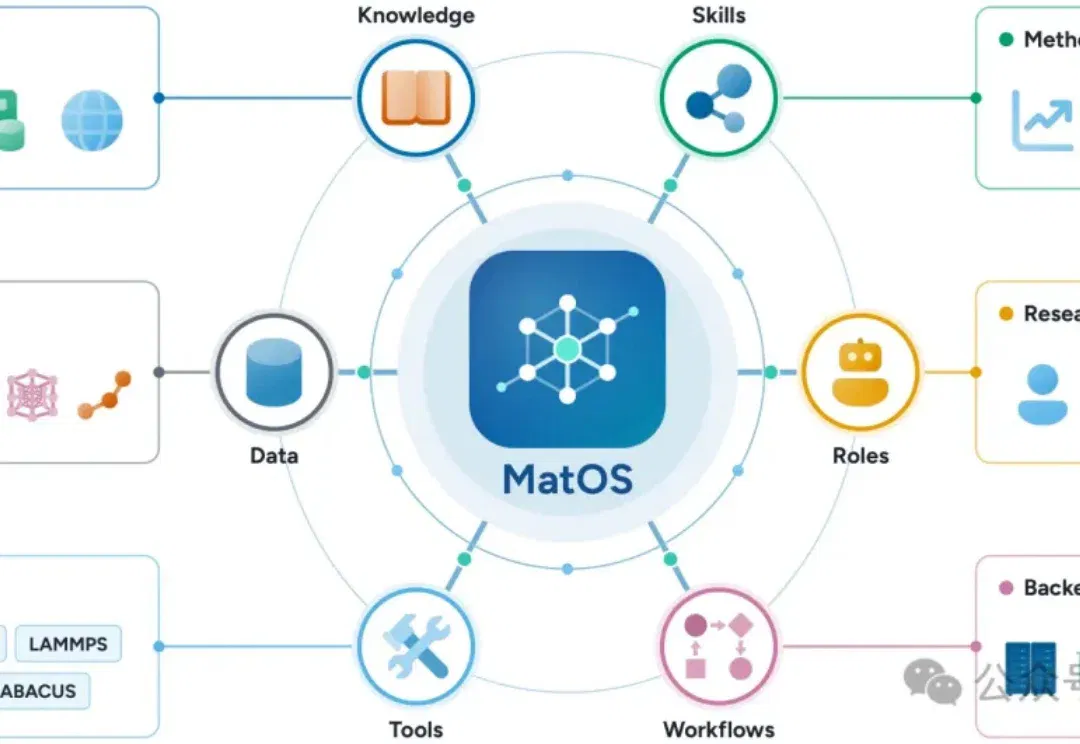
A team from two Zhongguancun institutions presents MatOS, organizing data, tools, skills and workflows as traceable assets, with three benchmarks and eight research cases. Screened candidates and computational predictions still require experimental validation.

Prefrontal AI and ETH Zurich propose Latent Sparse Attention, using clustering and hierarchical indexing to select past tokens. The paper separates single-layer computation from whole-model time to first token; 22.7x refers to a specified GLM attention-layer test.

A Grid Robotics position paper proposes capability and responsibility levels around S0/S1/S2 roles, independent verification and time budgets. It examines the engineering needed to connect general-purpose models to physical systems; the framework is the team's proposal.
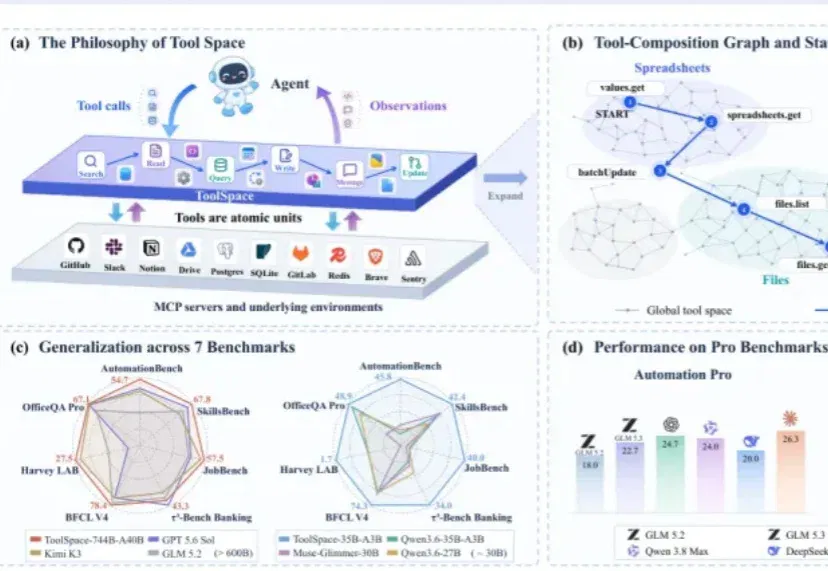
Researchers from Renmin, Fudan and other universities introduce ToolSpace, building tool-composition graphs from execution traces to synthesize verifiable tasks. Its 744B model averages 56.6 on the paper's seven benchmarks, matching the listed Claude Opus 5 average.
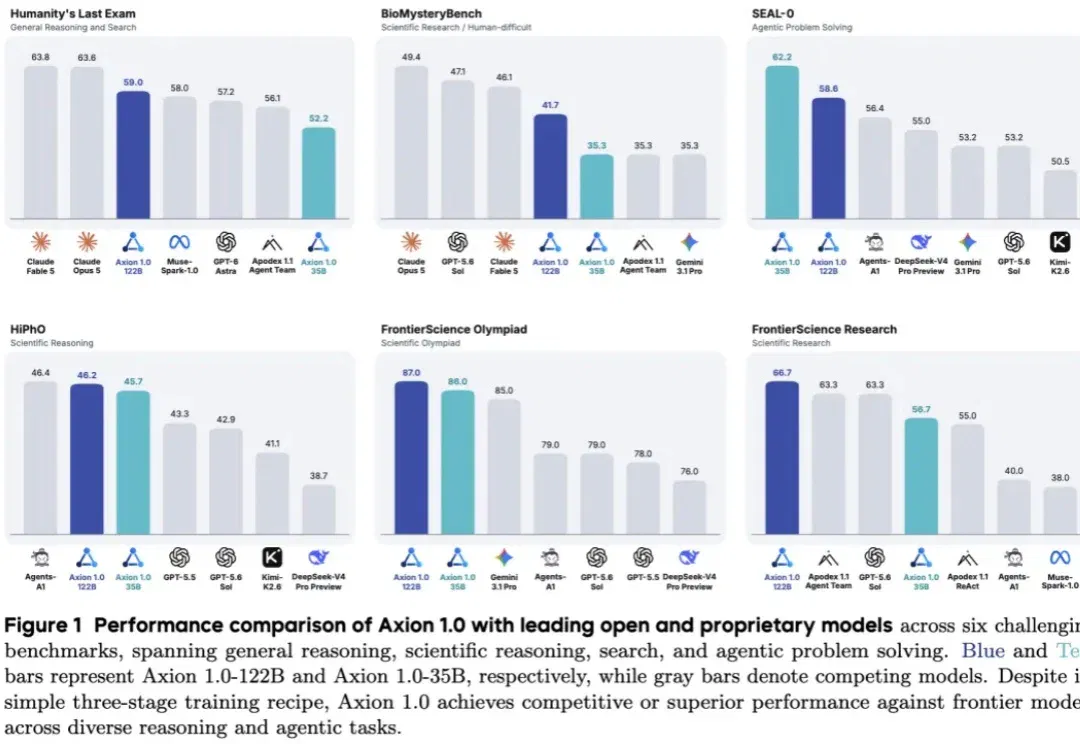
Researchers from Duke, ByteDance and other institutions present Axion 1.0, using supervised fine-tuning for reasoning and information acquisition followed by reinforcement learning. The paper reports mathematics, science and information-search results and releases training materials.
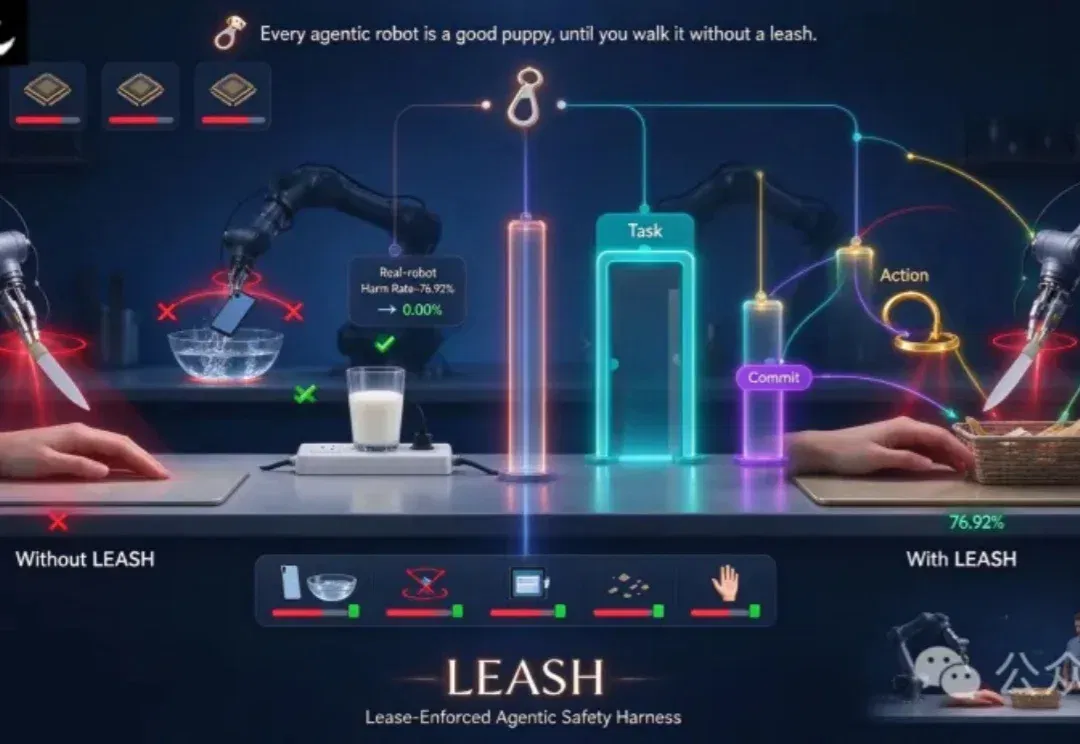
RoboRisk evaluates model-controlled robots on 92 simulated and thirteen physical tasks, testing LEASH’s three gates. Some configurations incurred no harm in the physical sample; this does not guarantee safety in open environments.
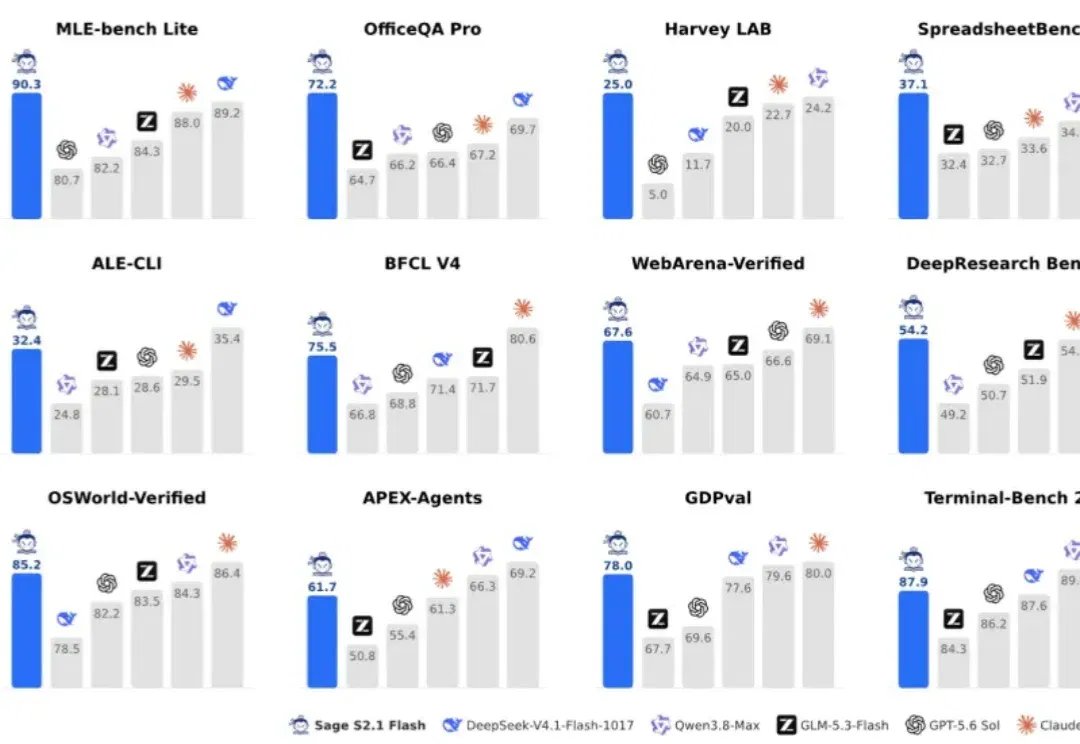
Sage-S2.1 Flash supports scientific data and demonstrates 3D Slicer, Blender, QGIS and CAD workflows. Its team reports 90.3 on MLE-bench Lite; rankings apply to the listed models and evaluation settings.
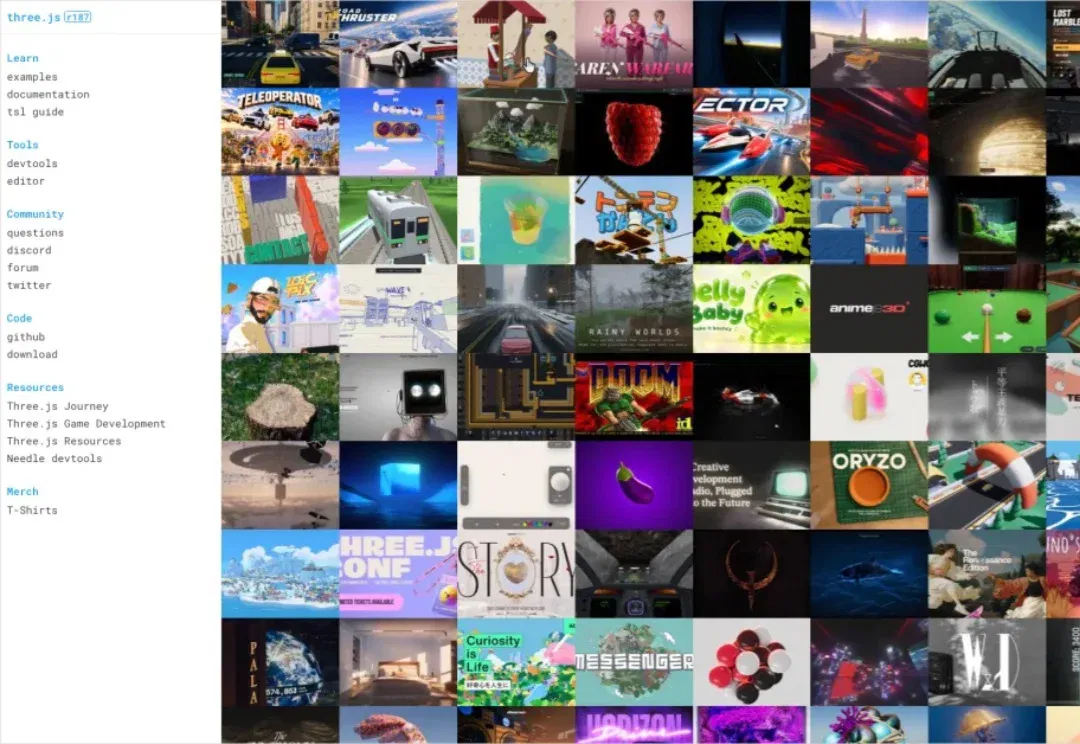
Starting with a 1.4 MB game example, the author explains how Three.js and procedural generation reduce external assets, then shares prompts for 3D scenes, a Rubik's Cube and animation. File sizes, visuals and model preferences apply to the examples described.
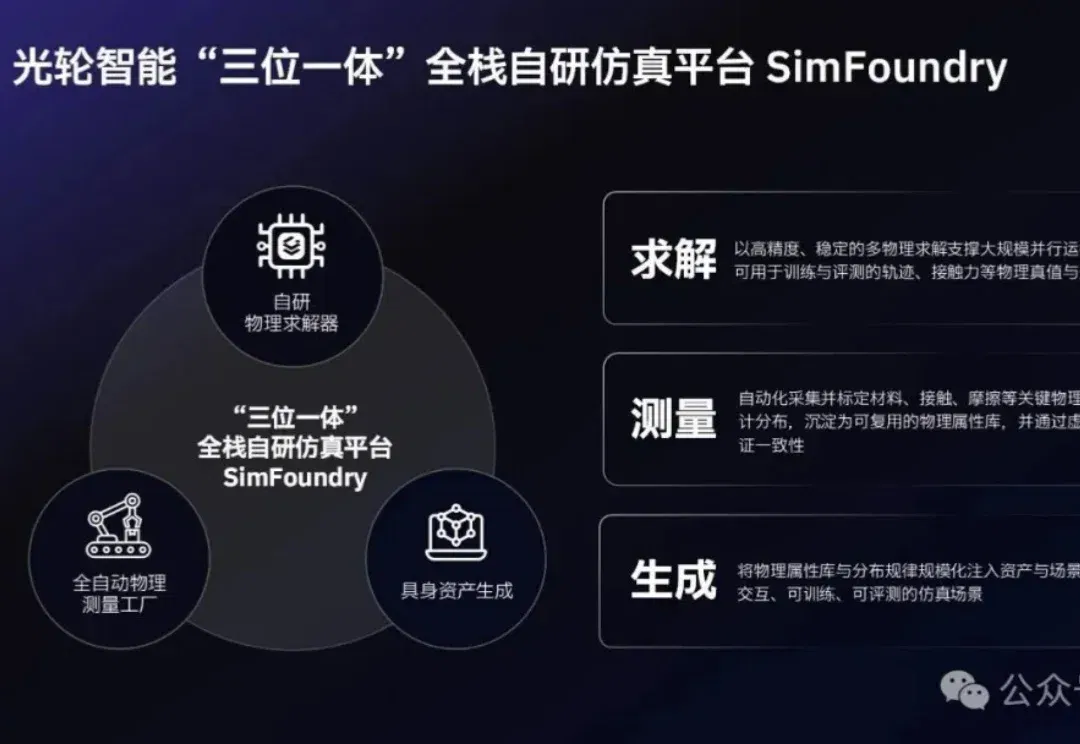
Lightwheel introduces robot reinforcement-learning environments during CoRL, demonstrating an over-eight-minute simulated car-repair task with dexterous hands, tools and deformable objects. The product links task construction, calibration, training and independent evaluation.
Join the conversation
Read how to join the community. No sign-in is required to read articles.