Sage-S2.1 Flash opens scientific software workflows and reports agent benchmark results
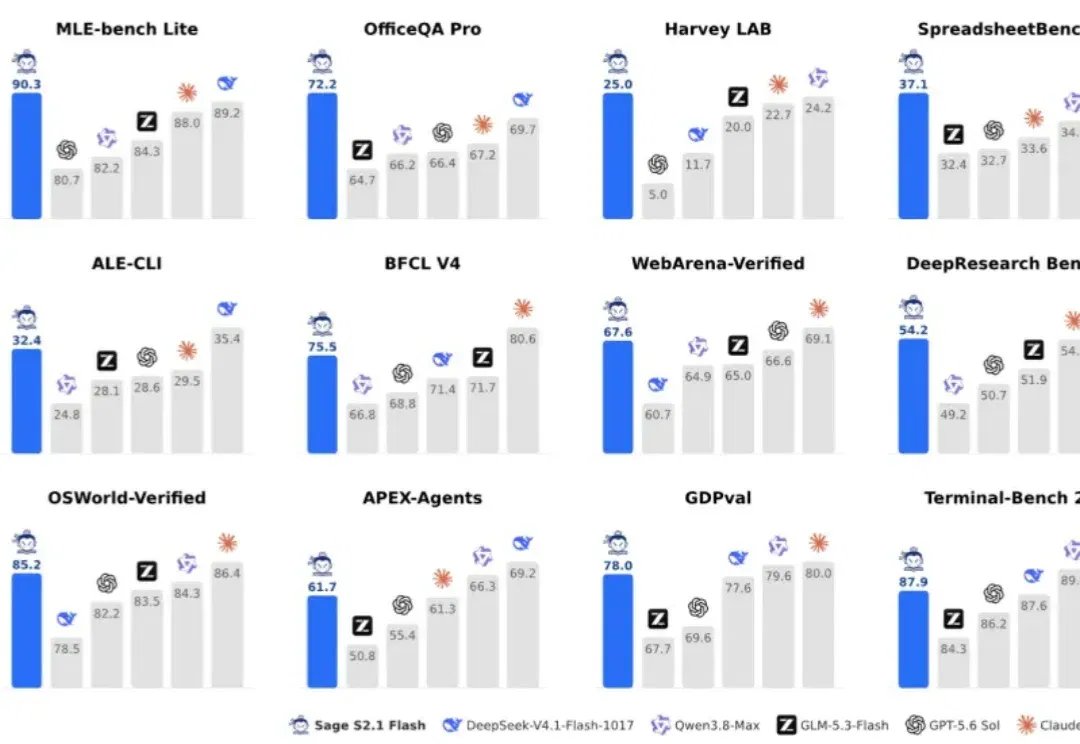
Sage-S2.1 Flash supports scientific data and demonstrates 3D Slicer, Blender, QGIS and CAD workflows. Its team reports 90.3 on MLE-bench Lite; rankings apply to the listed models and evaluation settings.
Making AI an assistant in AI development, Sage-S2.1 Flash demonstrates AI4AI potential. The newly released, open-source scientific multimodal model scored 90.3 on a machine-learning engineering benchmark, showing its ability to participate in ML R&D.
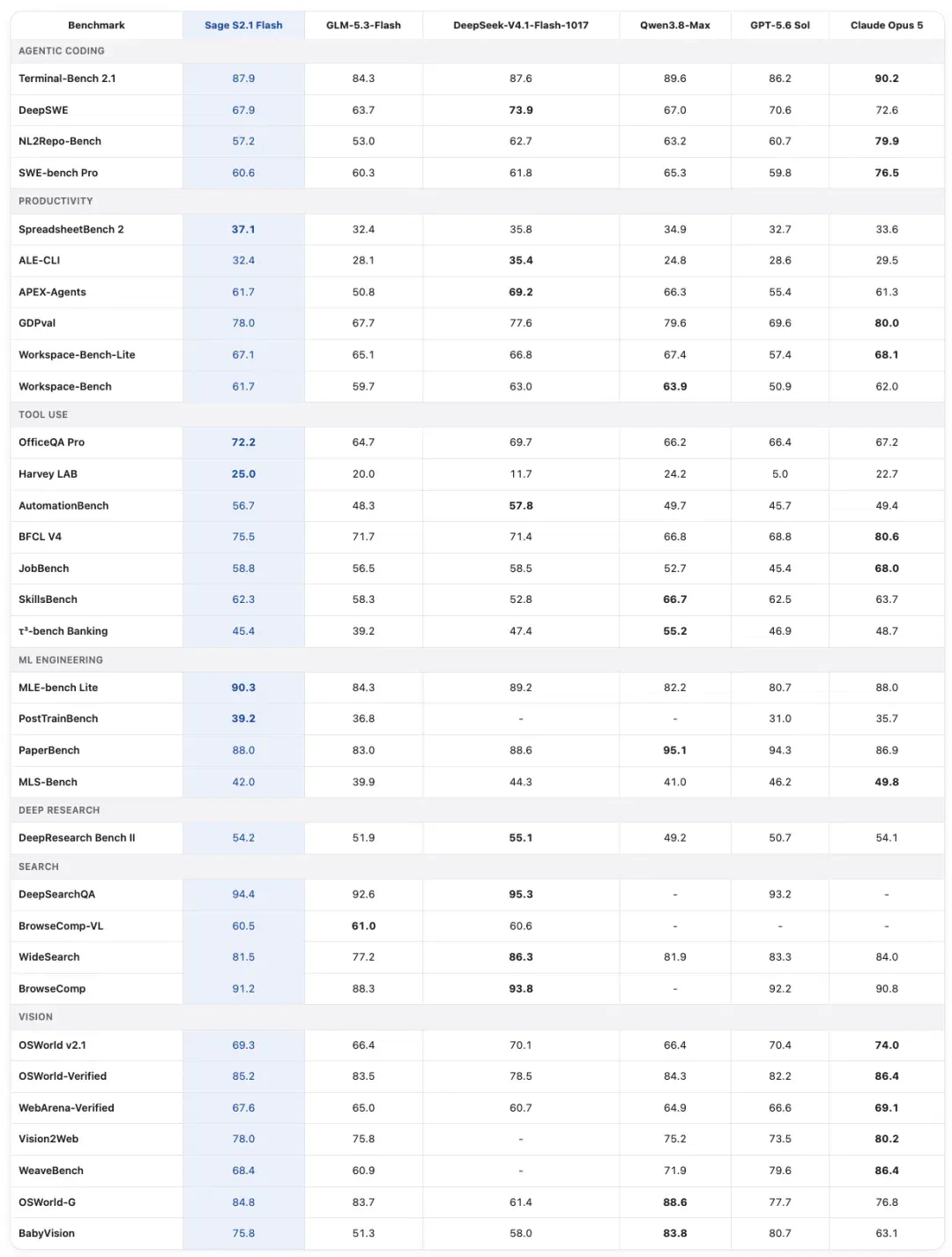
It also scored 72.2 on complex office-document processing and 37.1 on spreadsheets. Across those three benchmarks and legal-document task Harvey LAB, it exceeded DeepSeek-V4.1-Flash-1017 and Claude Opus 5, ranking first among the listed comparison models.
Shanghai AI Laboratory released it with Fudan University, the Chinese Academy of Sciences’ Institute of Software, Renmin University, CAS Institute of Automation, East China Normal University, Harbin Institute of Technology, Peking University and others. The aim is a full AI-driven AI/science workflow and efficient, trustworthy research and professional-software operation.
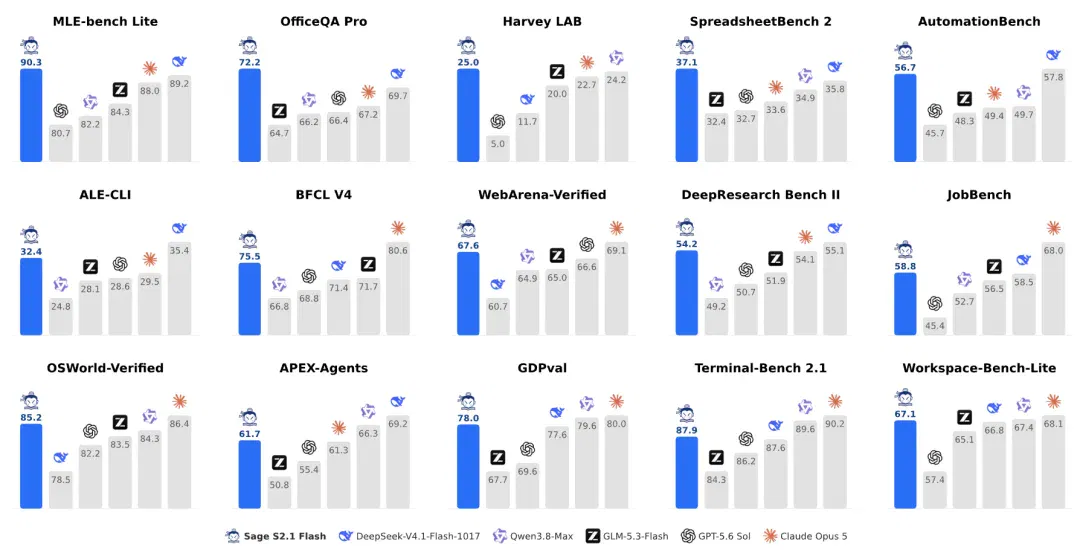
Figure 1 | General agent capability evaluation
- Try it: https://discovery.intern-ai.org.cn/token-plan/home
- ModelScope: https://www.modelscope.cn/models/Shanghai_AI_Laboratory/Sage-S2.1-Flash
- Huggingface: https://huggingface.co/internlm/Sage-S2.1-Flash
- Technical report: https://github.com/InternLM/Sage-S2.1-Flash/blob/main/sage_s2.1_tech_report.pdf

Scientific software in practice: from analysis to 3D modeling
Intermediate results often determine the next method in complex research. Sage uses specialist software and checks original slices, remote-sensing imagery, assembly views and EEG waveforms to verify results and adjust subsequent steps.
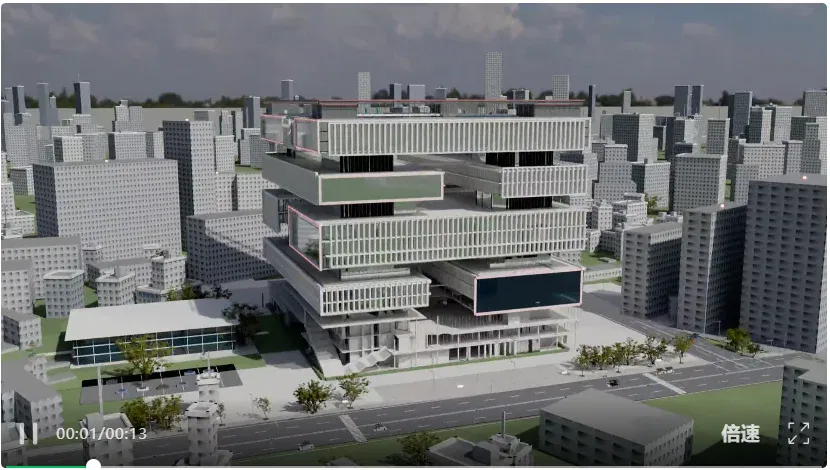
CT analysis: reconstruct bones and check original slices
After restoring slice order, it extracts bony regions by density thresholds in 3D Slicer, reconstructs a skeleton and examines rib–spine relationships from several angles.
Finding a local bony projection, it checks adjacent original slices and records the verified preliminary observation in a report.
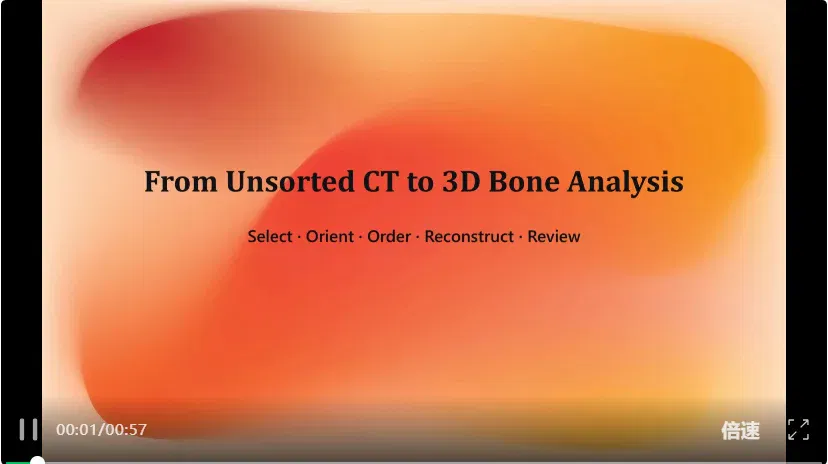
Architectural reconstruction: editable 3D projects from multi-view photographs
In the building-reconstruction task, the inputs are photographs taken from multiple angles of the architecture at Shanghai AI Laboratory's new campus, along with nighttime reference images. Using these, Sage-S2.1 Flash analyzes the building's layered volumes, cantilevers, and curtain-wall structures, builds a three-dimensional scene in Blender, and then gradually adds glass materials, metal grilles, and interior lighting.
During production, the model places rendering previews alongside the reference photographs for comparison, checking building proportions, the layers of lighting, and camera composition, before modifying the model and visual effects.
The deliverables are an architectural presentation video and a .blend file. The project can be reopened, edited and rendered, retaining structures, materials and lighting.
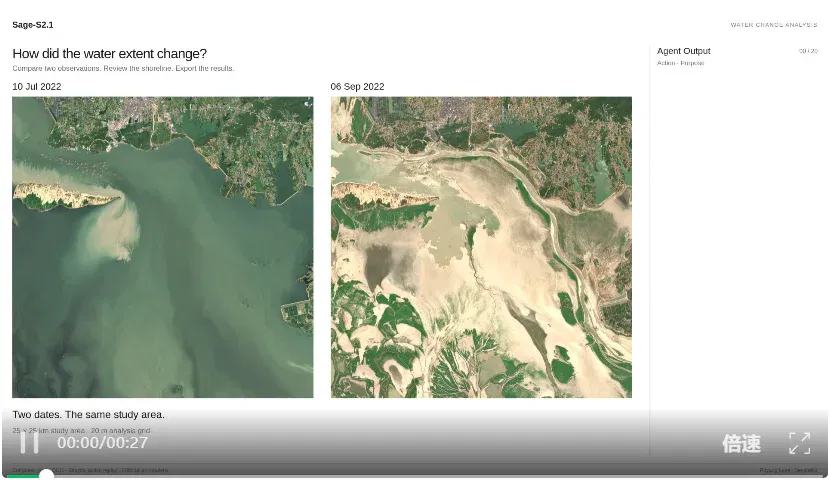
Poyang Lake analysis: consistent comparison areas and checked shorelines
In the analysis of changes in the waters of Poyang Lake, Sage-S2.1 Flash uses multispectral data to extract candidate water areas, then overlays the results on the original color imagery and zooms in to inspect the lakeshore. The boundary between shallow water and wet shoals can easily affect judgments about the water boundary, so the model focuses on checking these locations to decide whether the extraction rules should be adjusted.
Area statistics use only the study region valid in both image periods, ensuring consistent scope. Outputs include change maps, area tables and a QGIS project for revisiting original shoreline imagery.
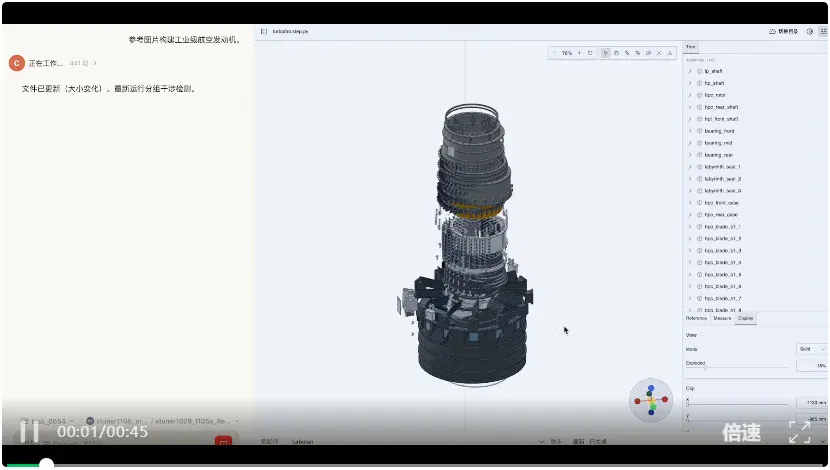
Parametric engine modeling: reference-based assembly and interference checks
Sage-S2.1 Flash identifies the overall engine configuration, external contours, and component layout from reference images, works out the relative dimensions and assembly relationships of the components, and completes parametric modeling and assembly of the whole engine in a CAD environment.
After completing the assembly of the whole engine, the model checks all the components for interference in their assembled positions and fixes any issues. The editable CAD model and rendered images it ultimately produces allow engineers to review component positions, assembly relationships, and the overall configuration, providing a basis for subsequent manufacturability assessments and design iterations.
Scientific multimodal reasoning: molecules, sequences and experimental signals
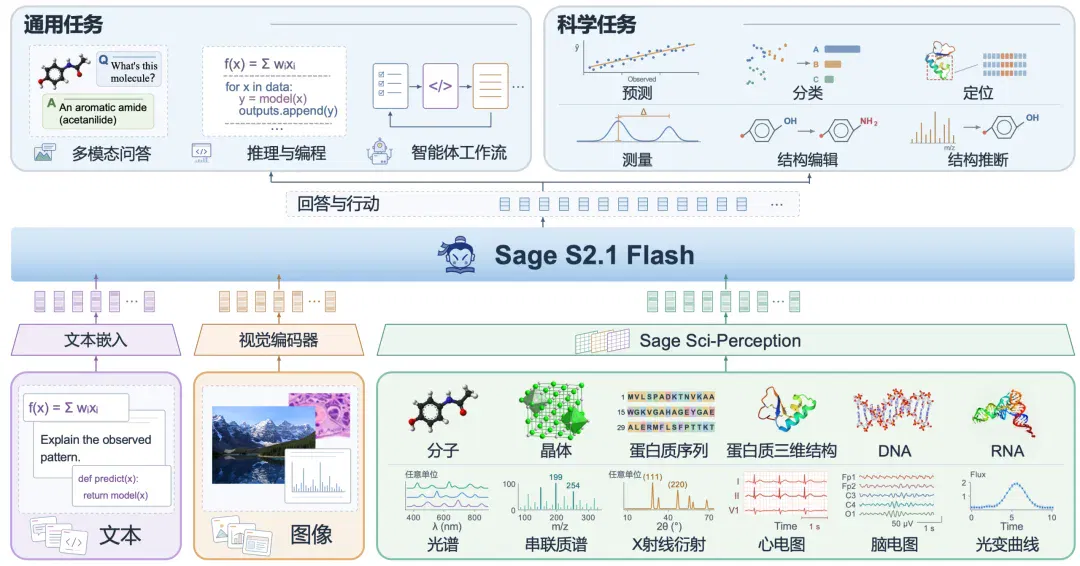
Figure 2 | Unified scientific multimodal representation architecture
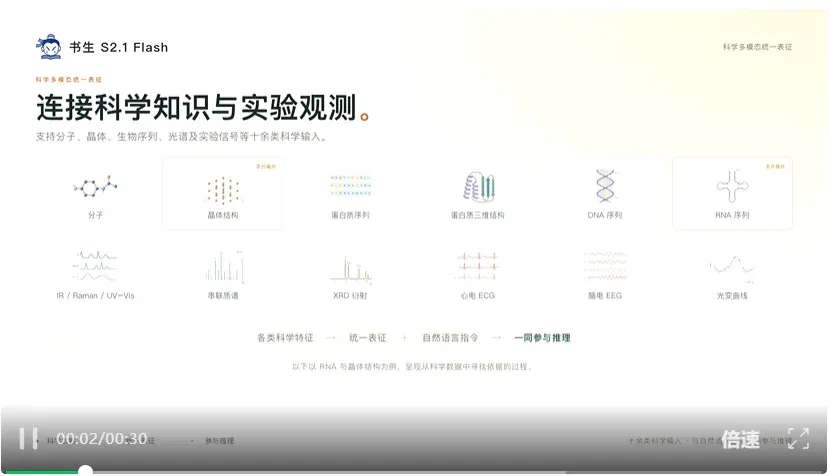
The evidence for a scientific question may be hidden in the spatial arrangement of atoms in a crystal or in local features of a protein sequence, or it may be reflected in the positions and intensities of spectral peaks. The model needs to understand the structure of each of these types of data and then carry out analysis in conjunction with the researcher's instructions.
Sage supports many scientific data types: molecular graphs, crystal structures, protein sequences and 3D structures, DNA, RNA, spectra, mass spectra, X-ray diffraction, ECG, EEG, light curves and over a dozen scientific input categories. The different types of data each undergo their own feature encoding and projection and participate in computation together with natural-language instructions, for tasks such as prediction, classification, site localization, quantitative analysis, and structural inference.
During analysis, the model also checks intermediate results such as images and waveforms to determine whether the method needs to be adjusted. For example, a local structure in a three-dimensional reconstruction can be checked against the original slices; changes before and after EEG processing can be compared on the same scale.
General evaluation: 33 benchmarks and several leading results
A scientific research task often requires consulting reference material, writing code, calling tools, and going back through the processing steps when something abnormal occurs. These general-purpose agent evaluations provide a reference for observing the model's performance in those stages.
In comprehensive evaluation, Sage placed first on four and second on seven of 33 general agent benchmarks.
On machine-learning engineering benchmark MLE-bench Lite, Sage scored 90.3, exceeding the runner-up’s 89.2 by 1.1 points.
The other first-place results were OfficeQA Pro (72.2), Harvey LAB (25.0) and SpreadsheetBench 2 (37.1). These three benchmarks respectively assess the analysis and processing of complex office documents; the analysis of complex legal documents and delivery of professional outputs; and spreadsheet completion, error correction, and visualization.
It ranked second on AutomationBench, ALE-CLI, BFCL V4, WebArena-Verified, DeepResearch Bench II, JobBench and OSWorld-Verified.
From the .blend file for an architectural scene, to the QGIS project for analyzing changes in water areas, to an editable CAD assembly model, these demonstrations leave behind outputs that can continue to be inspected and modified. Researchers can revisit the original data, review the processing steps, and continue their work on that basis.
Sage benchmarks its pricing against GLM 5.3 Flash, with a launch promotion: through December 9, prices are 1% of that model’s; December 10–31, 10%. New users also receive substantial free credits, lowering trial and usage costs.
Try it at Shusheng Duanyan: https://discovery.intern-ai.org.cn/token-plan/home
This article was originally published by Synced. Author: Synced.
Related topics
After reading
Join the AINRK community
Read how to join the community and connect with people working in AI.
Related articles
Continue reading related topics and articles in this category.
首次国产大模型攻克世界级数学难题!北上广三地联手 (opens in a new tab)
大湾区大学许地生教授团队与上海AI实验室借助书生-S2科学基础模型证明Ghys猜想在复余维一情形下成立,北京大学董彬教授、刘若川院士团队随后完成形式化验证。
蚂蚁与西湖心辰介绍Duo v1,探索全双工视听交互 (opens in a new tab)
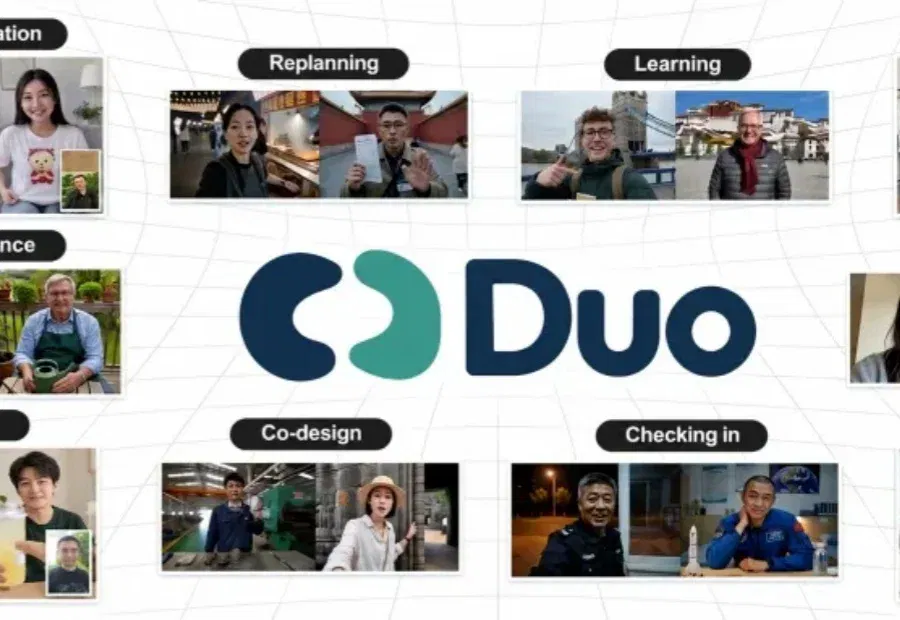
Duo v1通过Intent与Realization模块衔接交互决策和音视频生成。文章报告30组交互、180项检查中通过168项,内容响应度为73.3%;复杂意图理解与长程一致性仍是团队后续优化方向。
EgoExplorer captures mobile manipulation with five trackers and a camera (opens in a new tab)
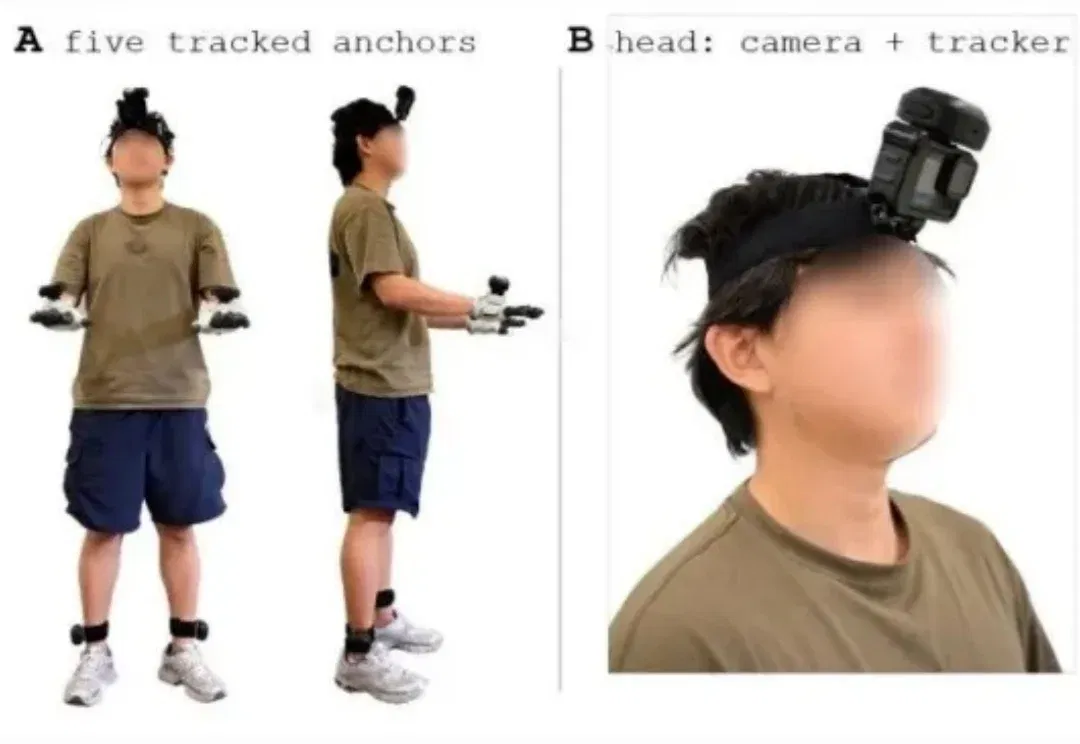
Shanghai AI Lab presents a wearable capture system using trackers, gloves and a camera, plus C³ motion reconstruction, and releases 100 hours of data and code. Reconstruction and multimodal generation are assessed separately; humanoid transfer is shown only in simulation.
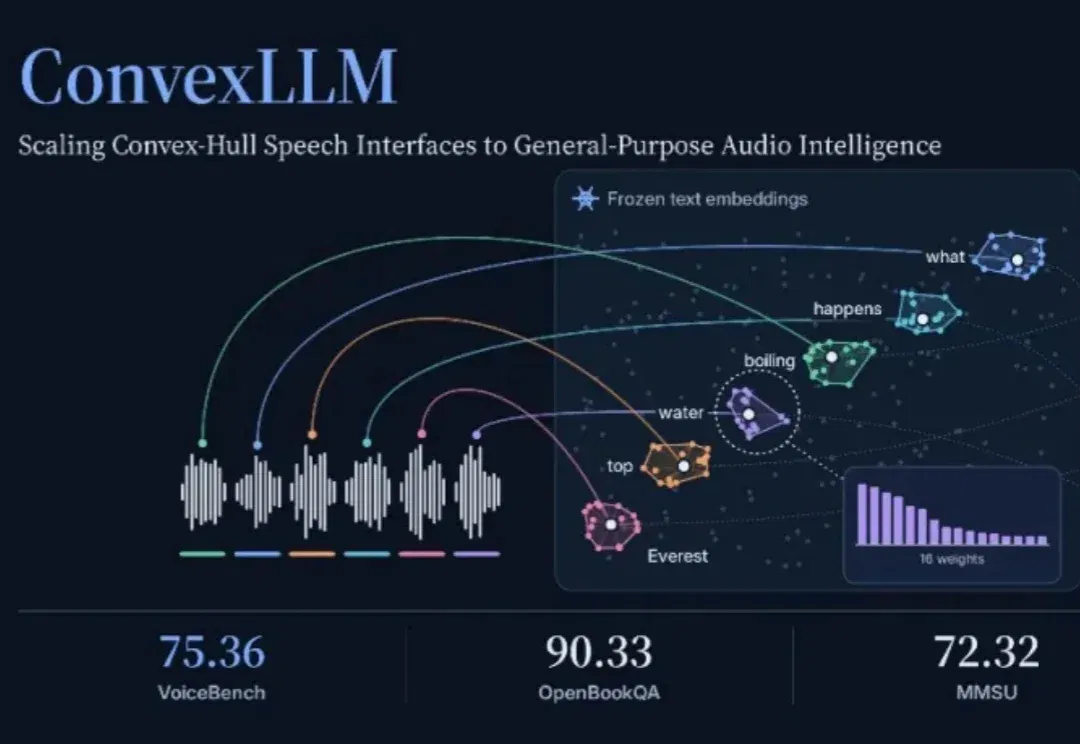
ConvexLLM connects speech to language models through frozen text embeddings (opens in a new tab)
Researchers at CUHK-Shenzhen and Microsoft propose C-Gate, mapping audio into convex combinations of frozen text embeddings. The paper reports VoiceBench gains against its listed open-model baselines, while audio understanding and transcription still involve trade-offs.
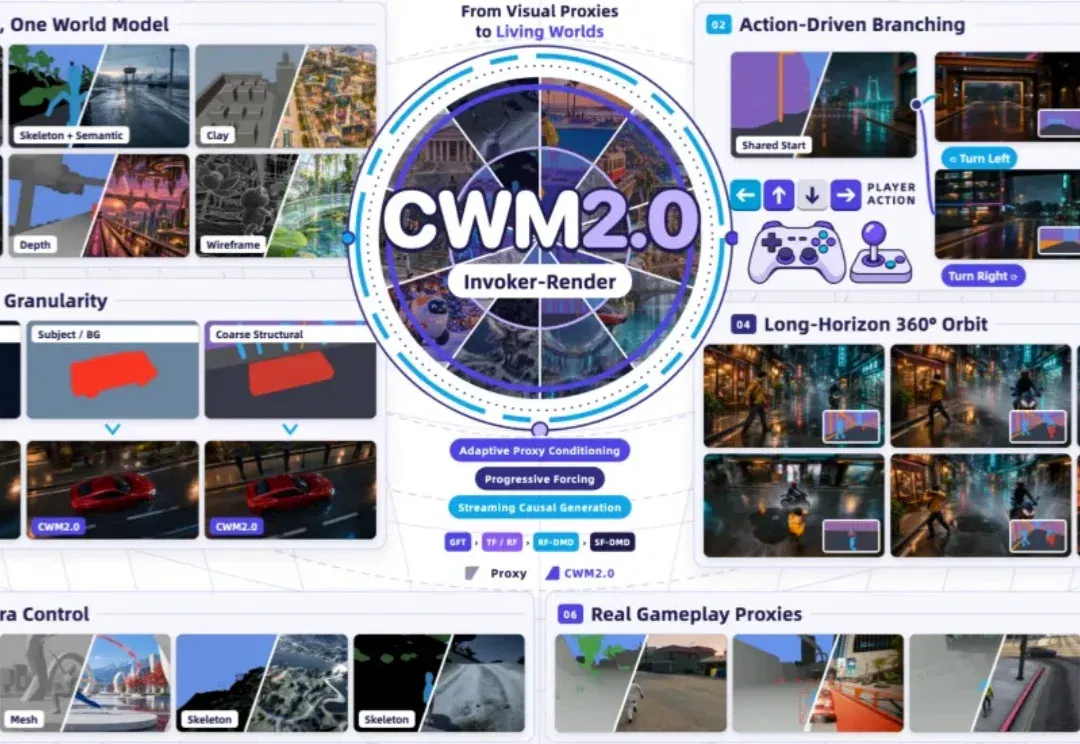
CWM2.0 open-sources generative rendering with a 30-minute racing demo (opens in a new tab)
Teams from Ant, Westlake University and Zhejiang University use a structured Proxy to control scene state and Invoker-Render to generate visuals, releasing eight-GPU streaming inference. The long demo and 140 evaluations cover specified scenes, not arbitrary stable worlds.