Orca launches Bots beta: assign work from your phone or Slack, review it in the IDE
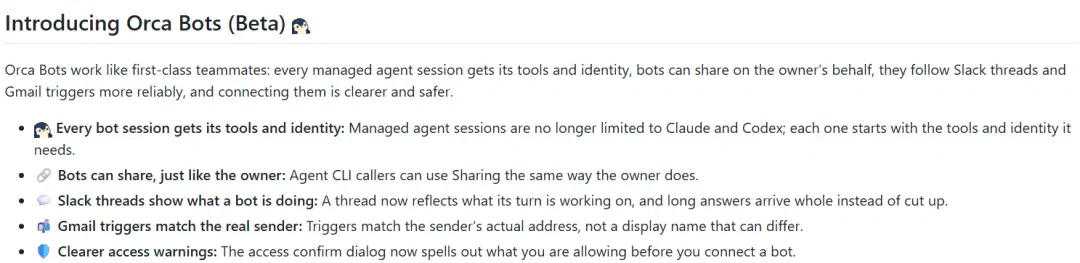
Orca v1.4.265 introduced a Bots beta that accepts work from phones, Slack and GitHub, runs agents in separate worktrees and brings results back to the IDE. Later updates add recovery and task states. Bots use the selected agent's existing account and plan.
On November 20, Beijing time, the open-source agent development environment Orca introduced the Bots beta in v1.4.265, connecting its existing multi-agent execution and collaboration capabilities to everyday work channels.
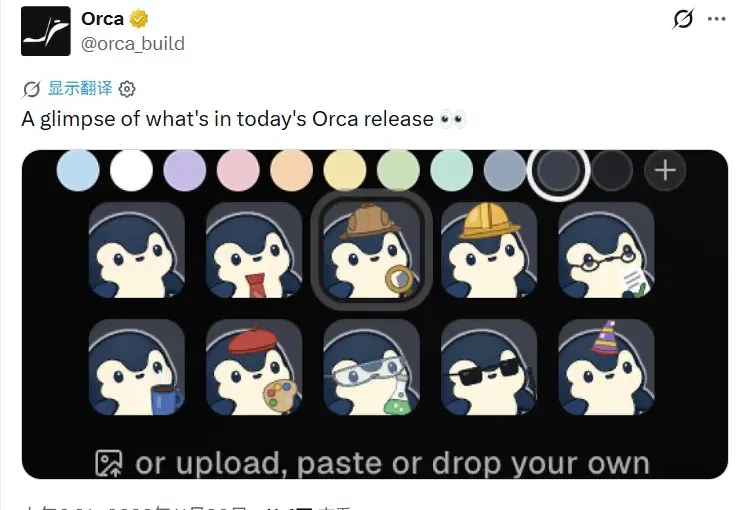
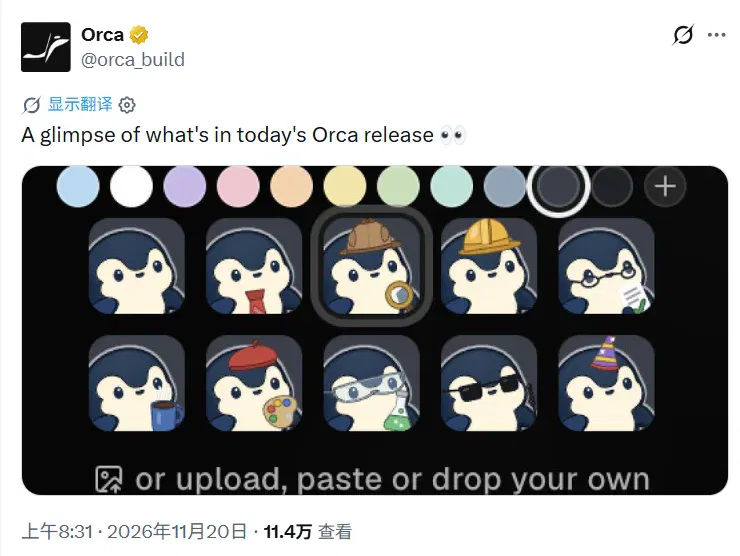
The release was decidedly low-key. In its X post at 08:31 that day, the official account offered just one line: "Look what's in today's Orca update."
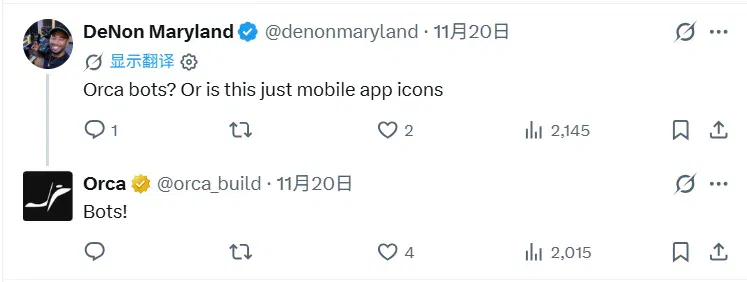
Someone in the replies asked whether it was Bots or a mobile app icon. The official account answered directly: “Bots!”
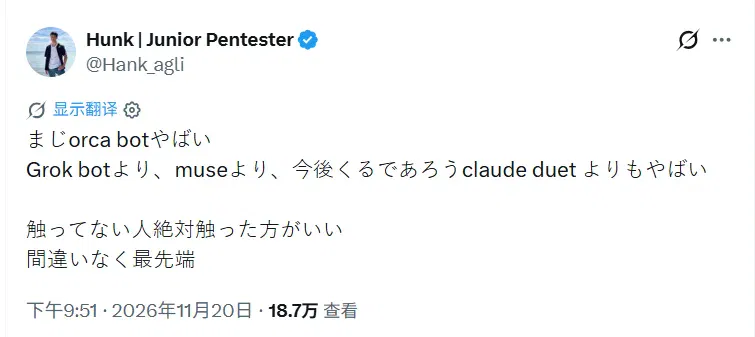
Some users were more emphatic. X user @Hank_agli wrote that Orca Bot was "even more powerful" than Grok Bot, Muse and even the Claude Duet he had been looking forward to.
A few days later, another update followed.
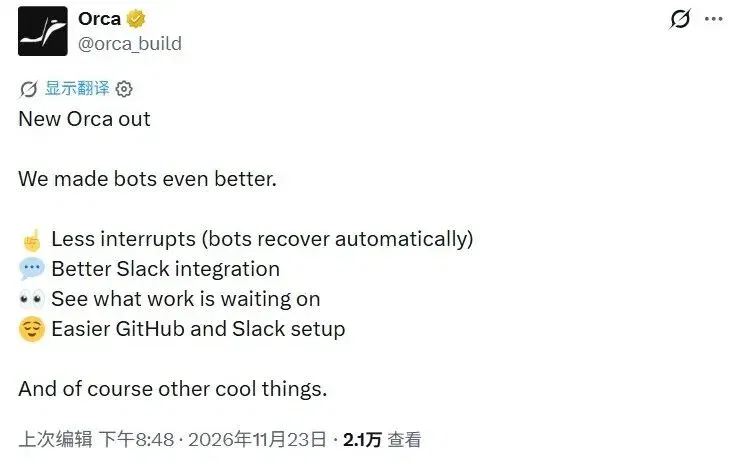
Released on November 23, Beijing time, v1.4.272 added further support for resuming interrupted work, retrying from Slack and waiting task states.
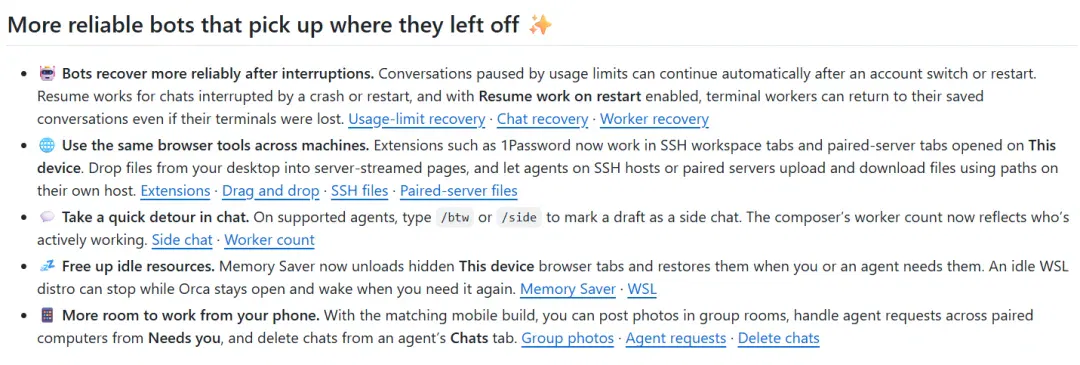
The official account also described these improvements on X that evening.
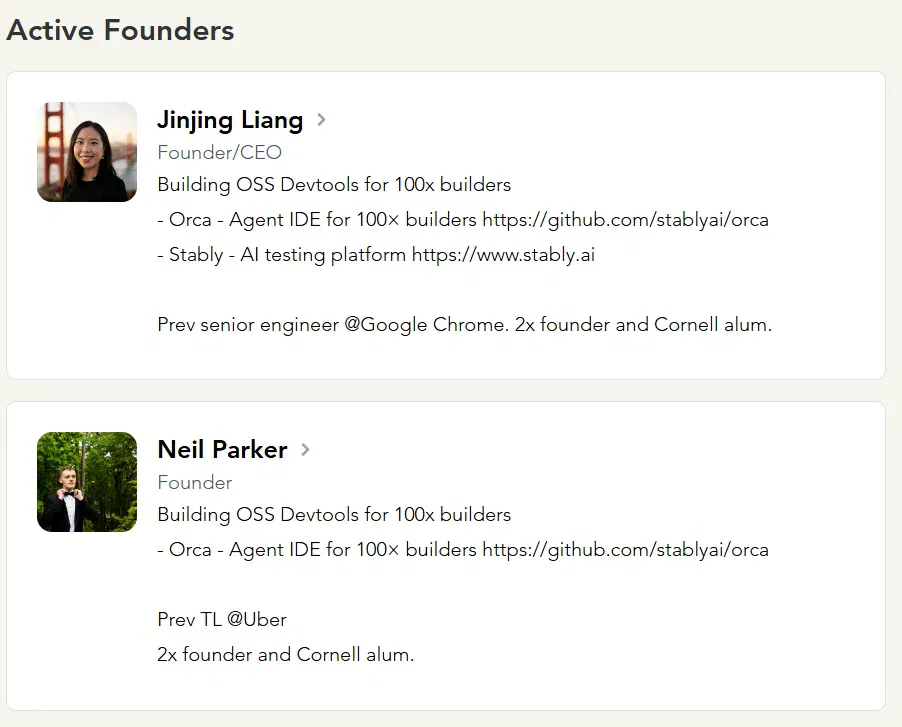
Stably AI, the company behind the project, was co-founded by former Google Chrome senior engineer Jinjing Liang and former Uber tech lead Neil Parker.
Launched in March this year, the open-source Orca project had by this point attracted about 135,000 GitHub stars.
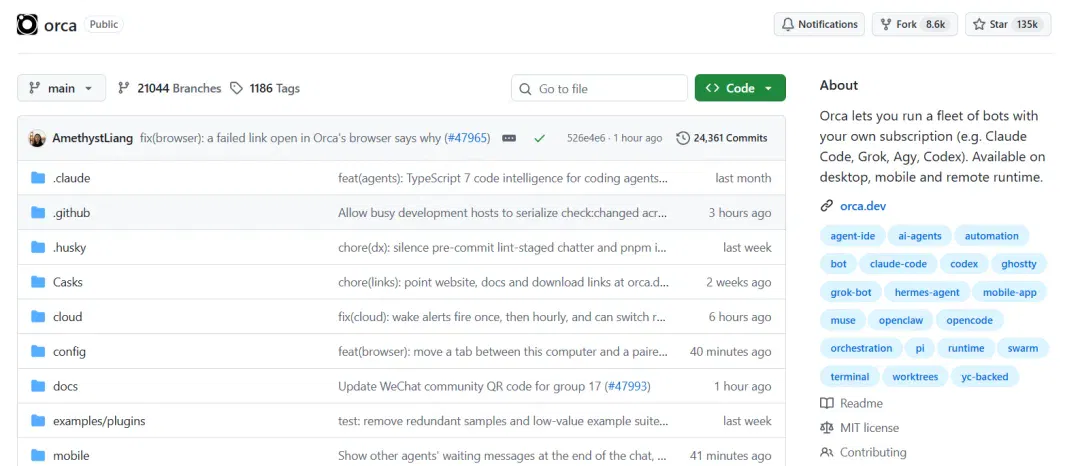
The focus of this Bots update is concrete: give coding agents an ongoing responsibility, so users can keep assigning work, checking progress and taking over even after leaving the development window.
01
Assign work from your phone or Slack
24 templates give each Bot a role
Orca describes the new Bots offering in straightforward terms: “Bots inside your agent IDE”—putting Bots inside the agent development environment.
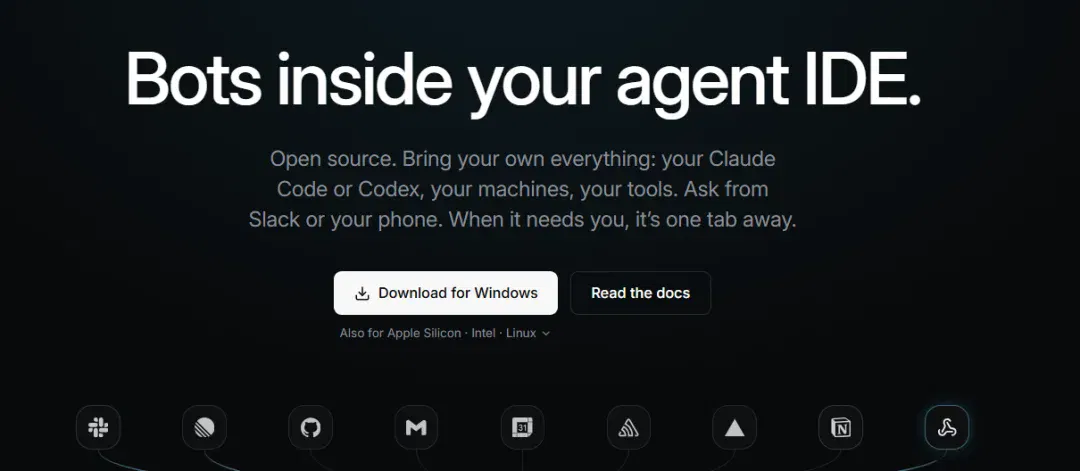
Another line captures how it works: “Start anywhere. Finish in the IDE.”
Assign a task from your phone, Slack, GitHub or another entry point, then return to the IDE to inspect the result and take over.
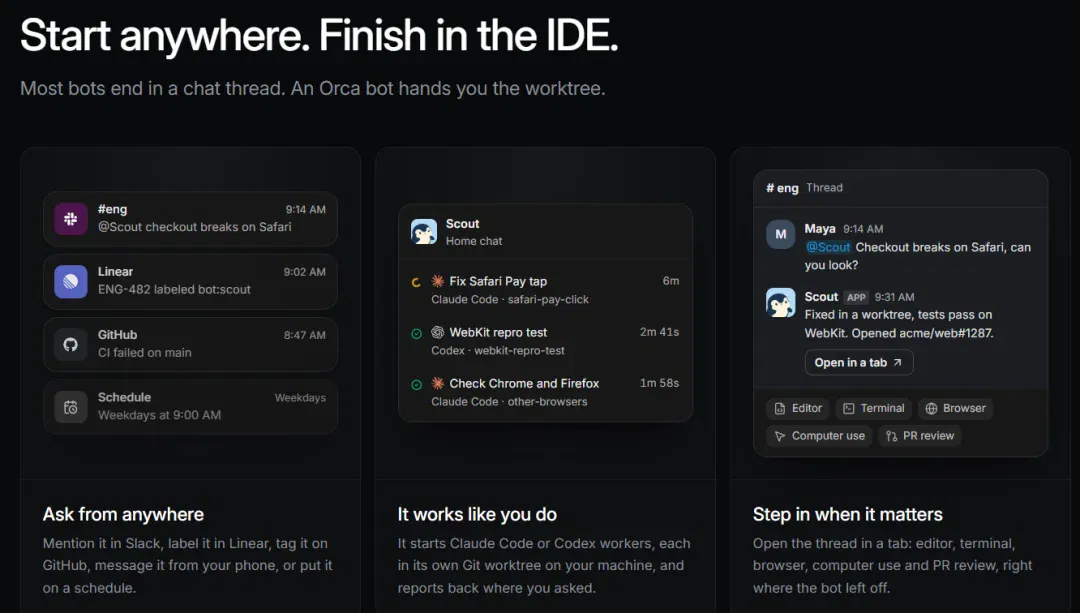
In the workflow demonstrated by the team, a Bot that receives a coding task calls on execution agents such as Claude Code or Codex, works in a separate Git worktree, and sends the result back to the channel where the task originated.
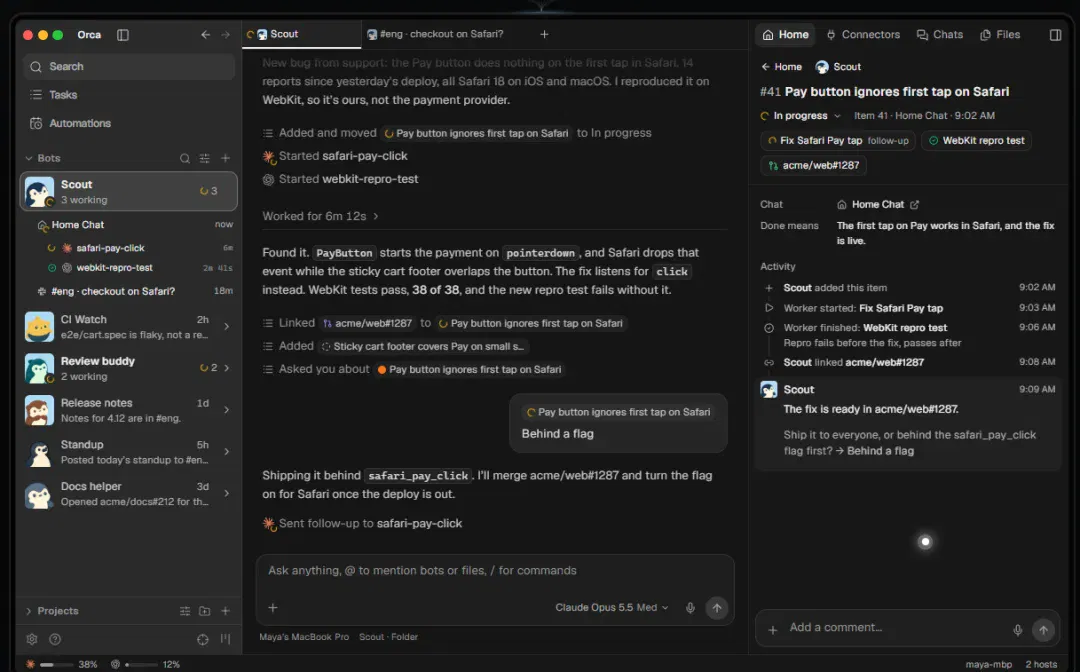
When creating a Bot, users give it a name, describe its responsibilities, and choose which agent and which machine it will run on.
They can also start with a template, then tell it which repository to look after and where to report.
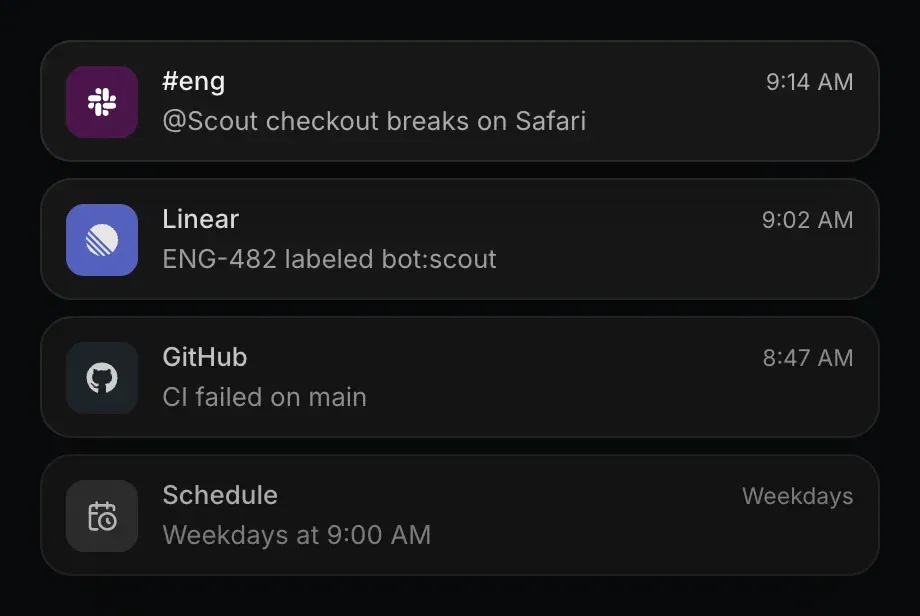
Once the connections are configured, users can mention the Bot in a Slack channel or send it a direct message; assign work in GitHub issues or PRs; or, in Linear, mention the Orca app and the Bot's name, or add the relevant label.
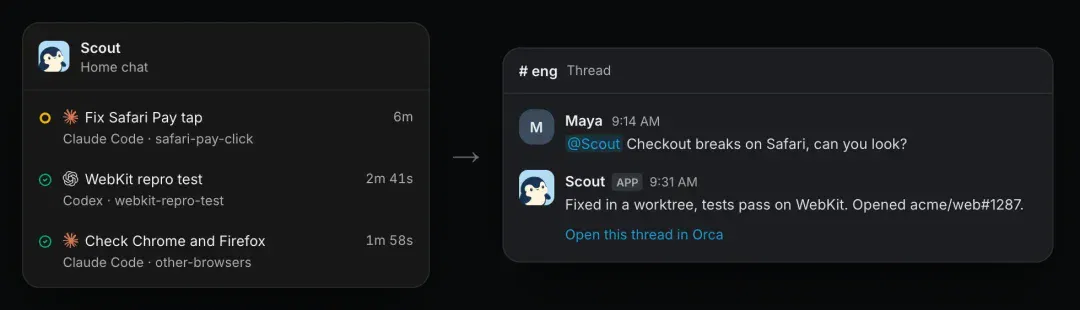
The official documentation illustrates the complete workflow with a Safari checkout bug.
After a team member reports the problem in Slack, the Bot starts an execution agent, reproduces the bug in a separate workspace, records the steps and identifies the cause.
In that example's configuration, it first asks whether it should start the fix. After receiving approval, it edits the code, runs tests and opens a pull request (PR).
To inspect the code, users can jump from the Slack thread back into Orca and open the execution agent's Git worktree—its separate code workspace.
The editor, terminal and browser remain there, making it easy to inspect the changes or carry on with the work directly.
Beyond one-off assignments, Bots can also take on recurring work.
The team currently provides 24 templates, including bug investigation, PR review, continuous integration (CI) failure analysis, release notes and documentation maintenance.
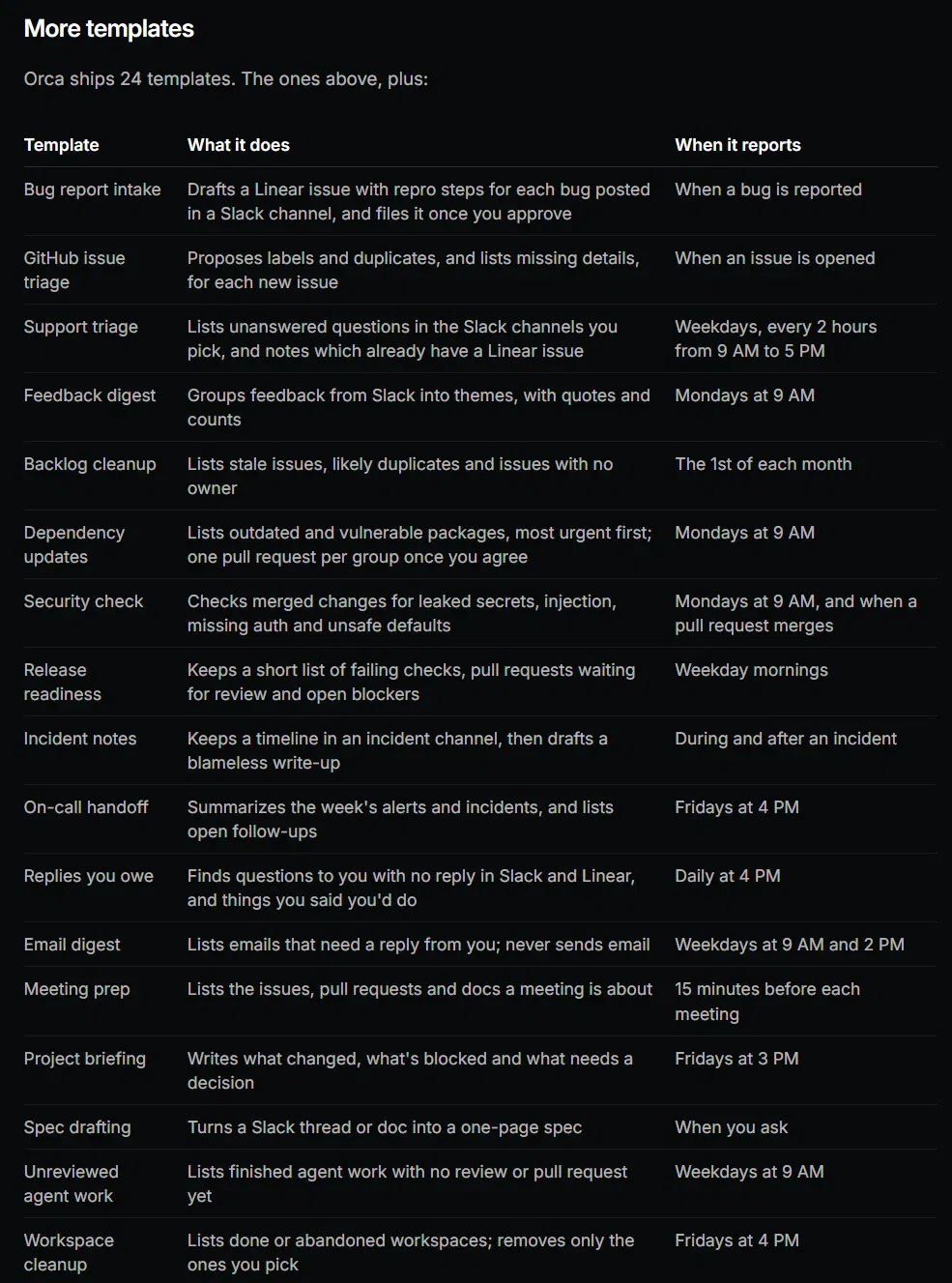
Users can specify a schedule, or trigger work with a new issue, a failed check or a review request.
Scheduled tasks in the templates are initially disabled and must be enabled after configuration.
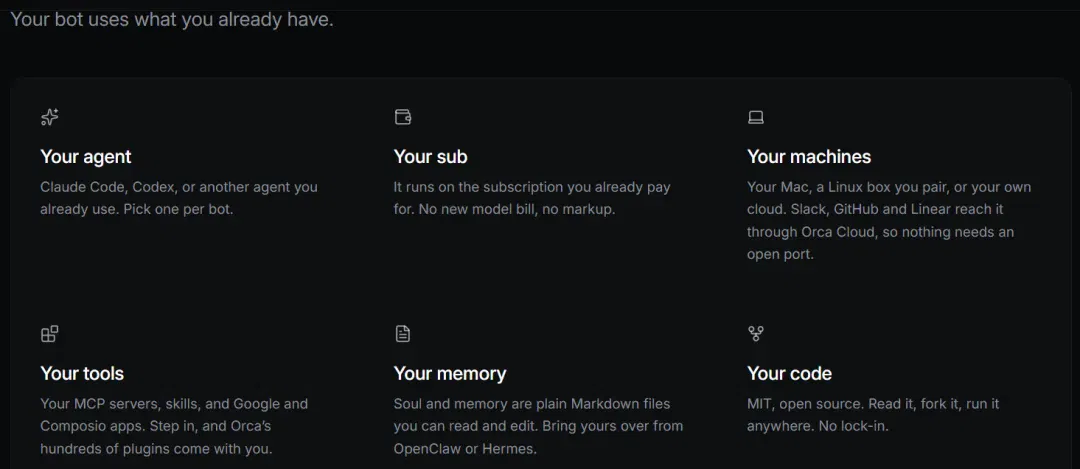
Each Bot has its own responsibilities, memory and automations.
Identity settings and memory are stored as Markdown files. Users can inspect and edit them, and import related content from OpenClaw or Hermes.
Models and tools follow the user's existing setup: a Bot uses the chosen agent's login and subscription, with consumption counted toward the corresponding plan. It can also connect to existing MCP services and Skills.
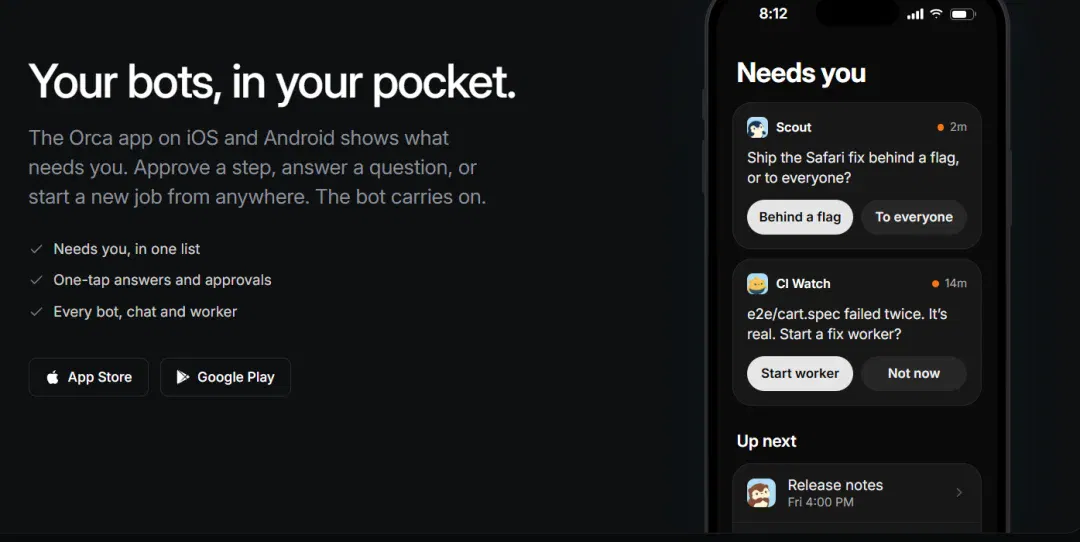
The mobile experience primarily addresses being away from the computer: checking which tasks need attention, answering an agent's questions, approving steps or starting new work.
This workflow builds on Orca's existing collaboration capabilities.
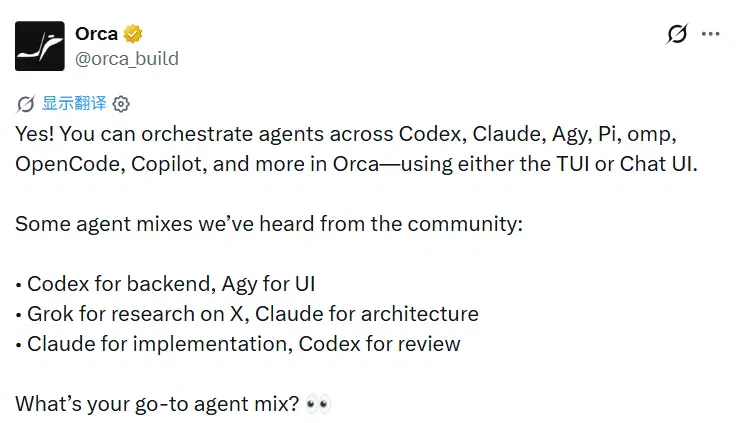
As early as November 14, the official account had introduced cross-agent orchestration:
Codex can write the backend while Agy builds the interface, or Claude can handle implementation while Codex reviews it. Bots add persistent roles, memory and external task entry points.
The range of supported scenarios continued to expand in the days after release.
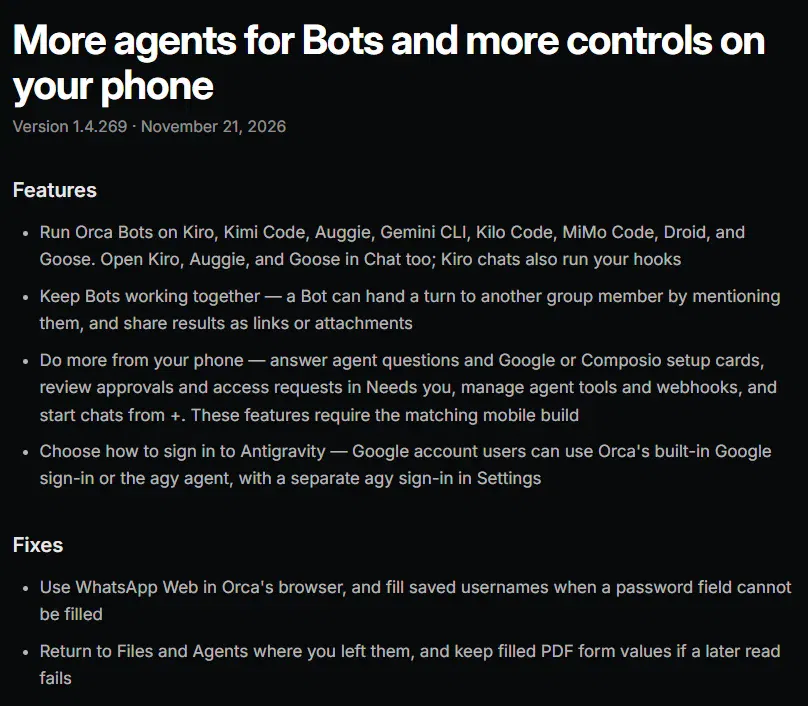
On November 21, the official changelog added support for agents including Kimi Code, Gemini CLI, MiMo Code, and allowed Bots to hand work over by mentioning group members.
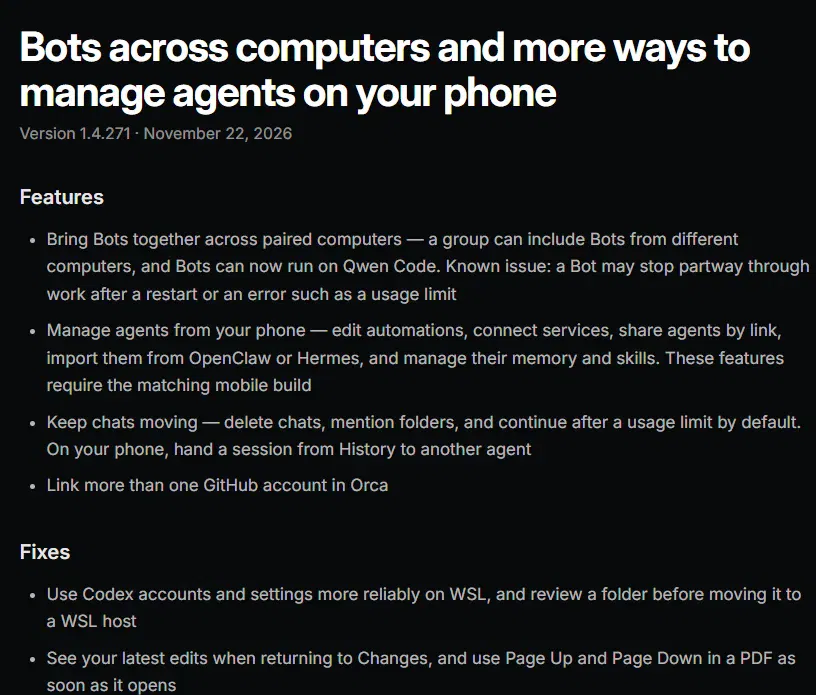
On November 22, it added Bot groups spanning paired computers and Qwen Code support.
02
A former Chrome senior engineer's startup journey
From AI testing to Orca
Jinjing Liang, the Chinese entrepreneur behind Orca, is Stably AI's co-founder and CEO.
She earned her Cornell University bachelor's and master's degrees in computer science, then spent about five years as a Google software engineer, including a role as a senior engineer on Chrome.
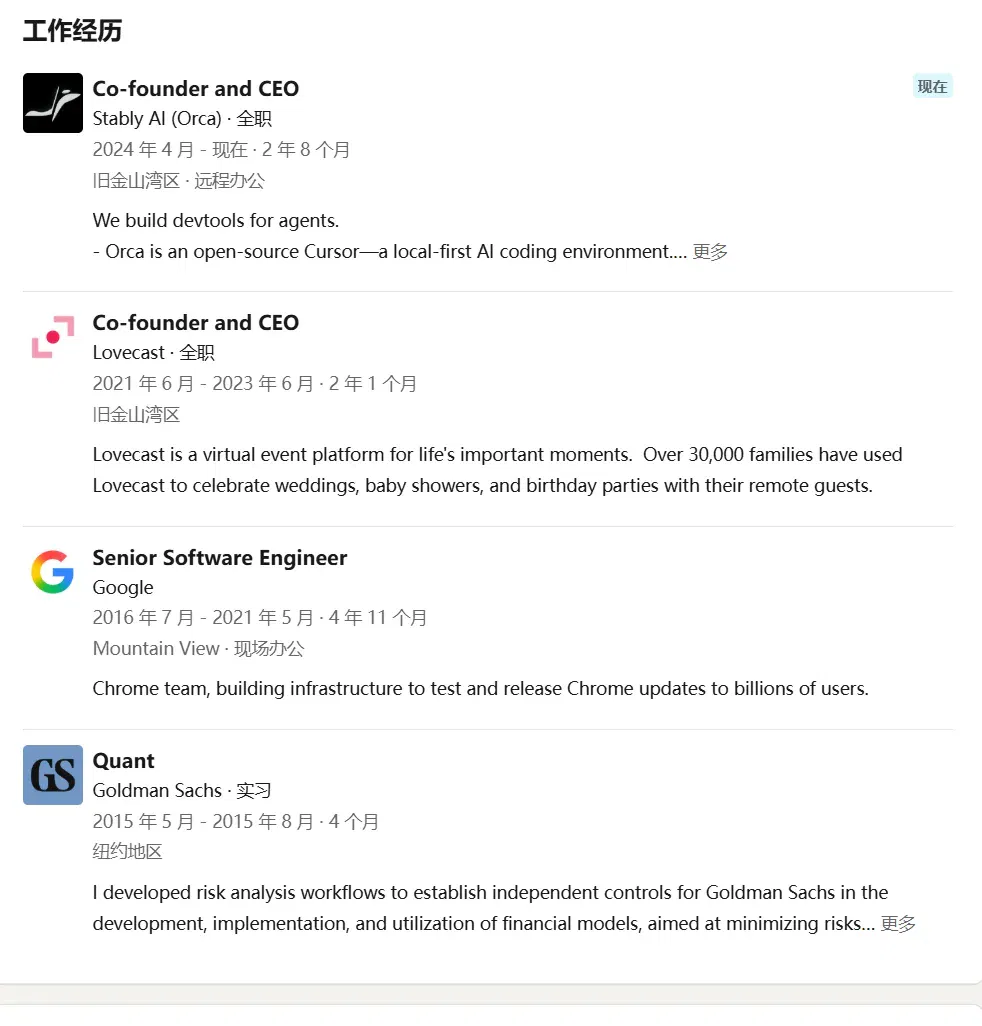
At Google, she helped build Chrome's testing and release infrastructure, supporting software delivery for a browser serving billions of users.
Testing, releases and developer tools would remain recurring interests in her later ventures.
Her first startup, however, was far removed from programming tools.
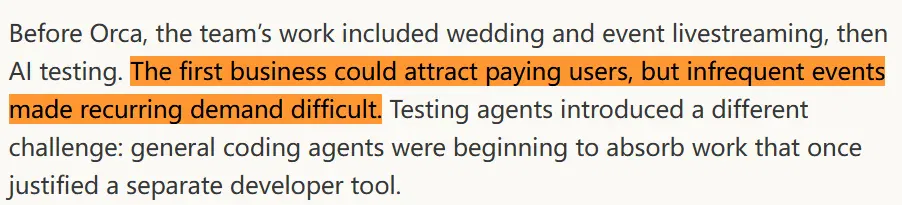
Before Stably AI, Liang founded the wedding livestreaming platform Lovecast, helping family and friends who could not attend watch weddings remotely.

Reflecting on that experience in public interviews, she said the product could attract paying customers, but weddings were infrequent events, making continued usage and user retention obstacles to growth.
She subsequently turned to business software services.
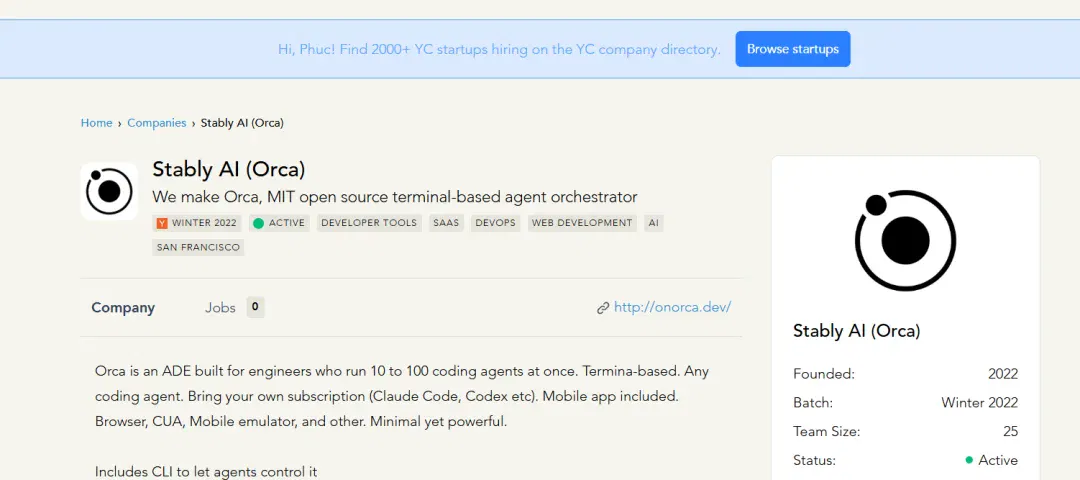
Founded in 2022, Stably AI was selected for Y Combinator's winter batch. Its product focused on AI-powered automated testing, helping teams create and maintain tests and run relevant checks in response to code changes.
This time, she had returned to the familiar territory of software engineering.
But as general-purpose coding agents improved, specialized testing tools also faced new competition.
As she recalled in interviews, the team changed direction again, bringing the session management capabilities it had developed for testing agents into Orca.

Moving from AI testing to an agent development environment, Liang began tackling a different set of questions:
when multiple agents work simultaneously, which branch owns each task, which processes are still running, and which results need human review?
She is also a heavy user herself.
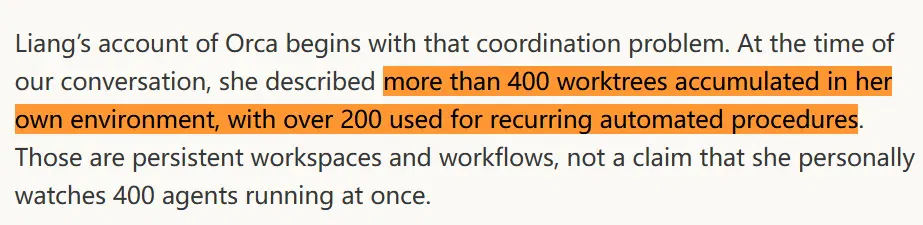
In an interview this year, she said her own work environment had accumulated more than 400 worktrees, over 200 of them used for recurring automated workflows.
She also described a detail that affects product iteration:

If updating the application means losing large numbers of terminal and agent sessions, users will hesitate to upgrade. Preserving working state and restoring sessions are therefore engineering problems Orca itself needs to solve.
This Bots update continues along that path: tasks can arrive from external channels, execution state can be preserved, and interrupted work can resume.
This article comes from "Zhixingxing AI"; author: "Zhixingxing AI".
Related topics
After reading
Join the AINRK community
Read how to join the community and connect with people working in AI.
Related articles
Continue reading related topics and articles in this category.
别让AI一上来就“进厂打螺丝”:智源悟界·Orca要先教模型理解世界如何变化 (opens in a new tab)
智源研究院悟界·RoboBrain Orca Team发布的技术报告Orca: The World is in Your Mind,想探索的正是这个问题。也有评论认为,Orca更接近早期通用世界模型的形态,即先学习世界如何变化,再将这种世界表征读出到理解、预测和行动任务中。
UCSD首个智能体浏览器发布!多页面设计,颠覆传统交互 (opens in a new tab)
加州大学最新推出Orca浏览器,把拥挤标签页变成可随意拖拽、并排比较的无限画布,让AI替你同时点按钮、填表单。你只需像指挥家一样扫一眼全局、下指令,就能让上百个网页和智能体自动完成搜索、整理、汇总,全程可控。

Clients question lawyers with AI advice: trust and communication pressure in legal consultations (opens in a new tab)
New Weekly interviews lawyers about clients questioning mediation and repeatedly rewriting documents with AI, alongside its help with research and drafting. Accounts of lawyer Huang Qin's death come from her firm's obituary and colleagues; they do not establish medical causation involving AI.
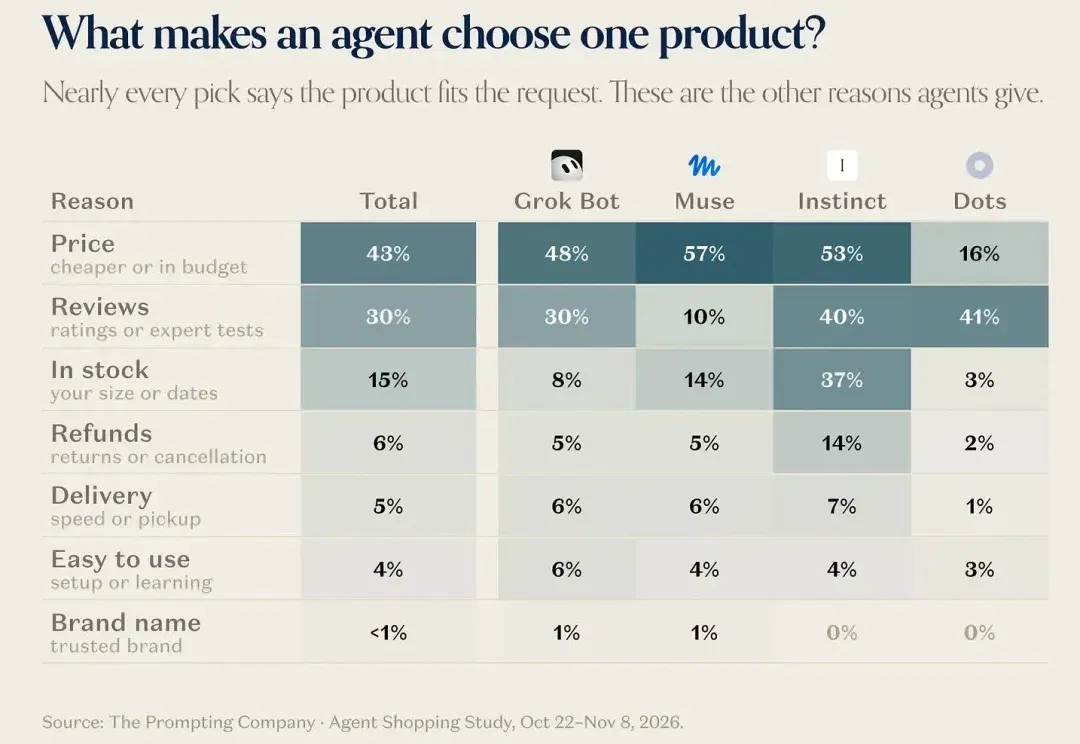
a16z Studies 11,307 AI Shopping Runs: Overlapping Picks, Channels and Checkout Barriers (opens in a new tab)
a16z and The Prompting Company test four agents across 1,270 prompts and 11,307 runs, alongside separate YipitData spending samples. Recommendations vary with use cases and merchant policies; 81% guest-checkout progress means reaching the form's end, not payment conversion.
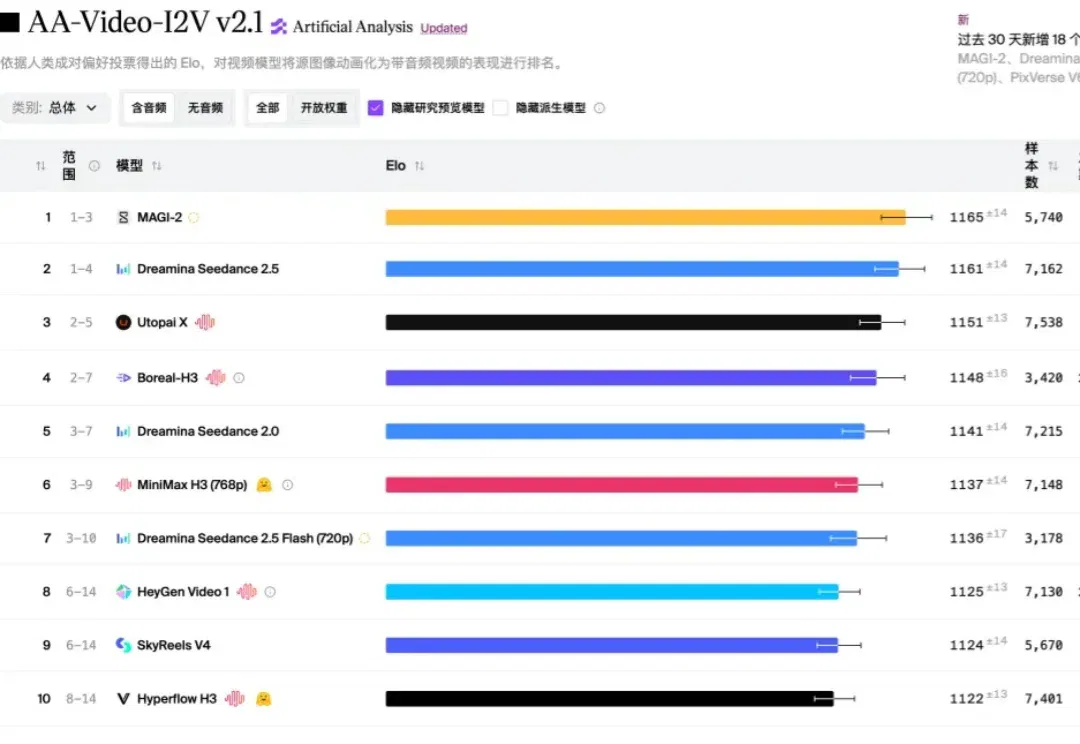
Testing MAGI-2: 30-second video, mixed references and editing, with open weights planned (opens in a new tab)
APPSO tests MAGI-2's long takes, mixed references, language edits and stylization in LibTV. The 480B model led AA's image-to-video ranking by Elo point estimate at reporting time. RMB 0.5/second is a 1080p list price; full-version weights remain planned and examples do not verify all tasks.