Clients question lawyers with AI advice: trust and communication pressure in legal consultations

New Weekly interviews lawyers about clients questioning mediation and repeatedly rewriting documents with AI, alongside its help with research and drafting. Accounts of lawyer Huang Qin's death come from her firm's obituary and colleagues; they do not establish medical causation involving AI.
Editor's fact check (November 26, 2026): This is a New Weekly report based on interviews with lawyers; the cases and professional experiences remain attributed to the interviewees. The account of lawyer Huang Qin's death and the surrounding communication comes from the cited law-firm obituary and colleagues. The article provides no medical determination of cause of death, so it cannot establish medical or legal causation between AI use, a particular client's conduct, and her death. Its analysis of AI answers, litigation outcomes, and responsibility is likewise not a judicial determination in any individual case. The “without legitimate grounds” condition in Article 46 of the Legal Aid Law must be understood in full; Article 48 separately specifies circumstances in which the legal aid institution decides to terminate assistance.Beijing Municipal Bureau of Justice: Legal Aid Law of the People's Republic of China (opens in a new tab)
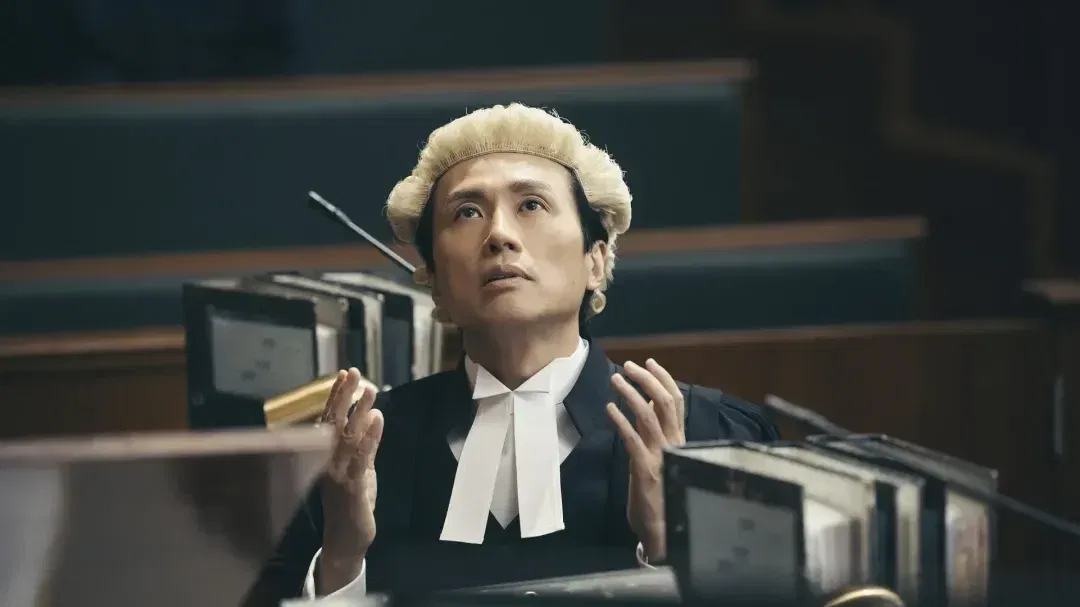
News of a lawyer's sudden death recently attracted widespread attention, bringing AI's impact on the legal profession into public debate. Huang Qin has fallen, but the discussion about the tug-of-war between AI and people is far from over.
Some clients would rather trust AI-generated legal opinions, which may contain hallucinations, fabrications, or repealed legal provisions, and use them to question their lawyers' professional judgment. Lawyers must explain more, provide a backstop, and endure the emotional strain of being distrusted. Technology ought to share the burden of anxiety, yet certain stubborn forms of misuse push all the pressure onto the end of the decision-making chain and the people responsible for the case.
“You come every day. Your case has worn me out, and you still don't trust me. It breaks my heart.”
After saying this, 48-year-old lawyer Huang Qin collapsed and never regained consciousness.
On November 13, Hubei Fengye Law Firm issued an obituary stating that its 48-year-old lawyer Huang Qin, exhausted by sustained high-pressure work and emotional strain, had collapsed while communicating with Mr. Duan, a legal aid recipient, and died despite every effort to save her.
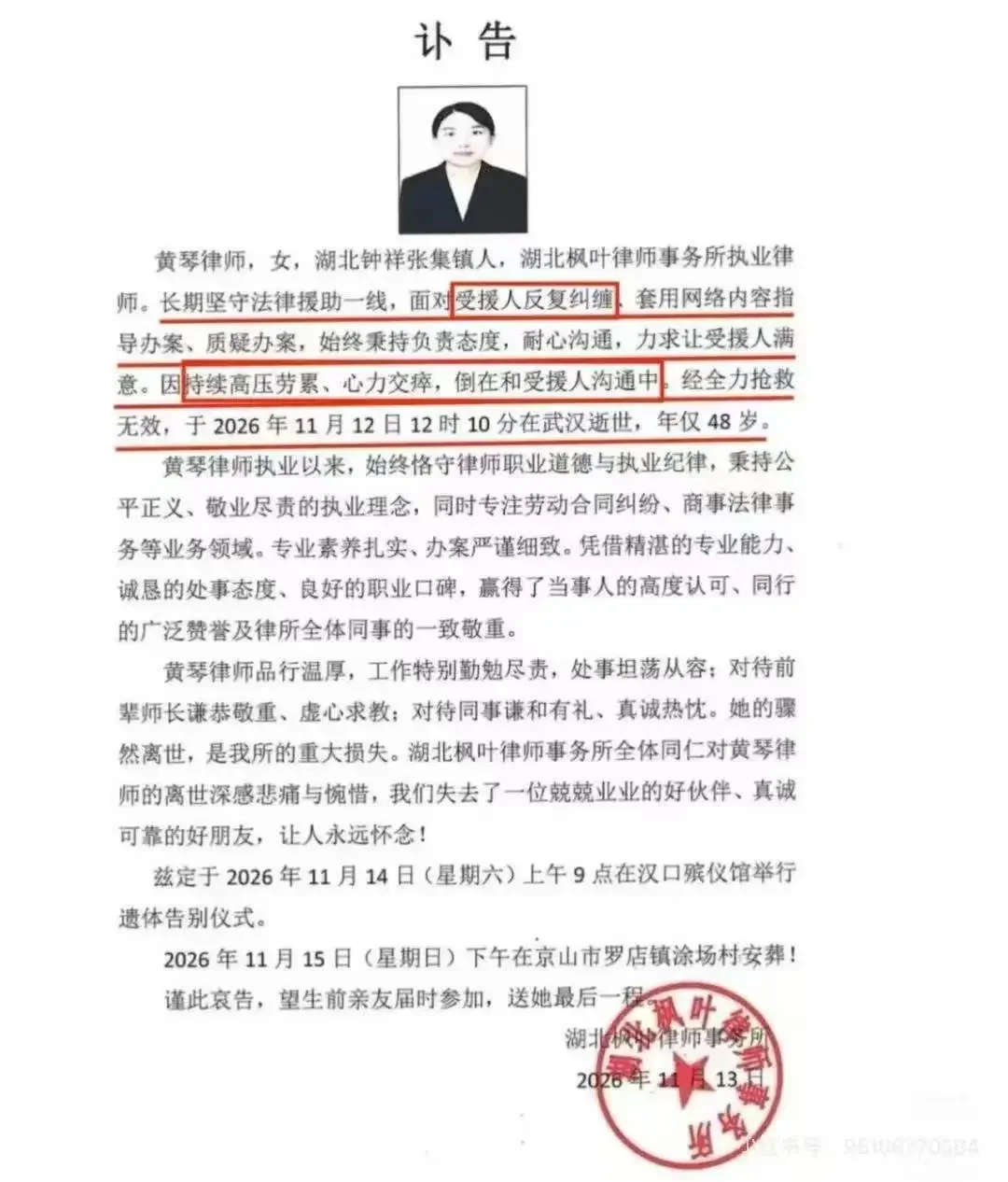
According to other lawyers at the firm and its obituary, Mr. Duan persistently sought legal advice from AI during the case and insisted that Huang follow it. His repeated demands had dragged the case out for three or four months.
Colleagues saw Huang as conscientious and responsible: “No matter how troublesome something was, she never complained.” From her chat records, they learned that Mr. Duan was still texting and calling her at 9 p.m., causing major disruption to her work and life.
“AI says this judge's ruling is wrong”
Starting around 2025, Lin Liming, a lawyer at Beijing Yingke (Dongguan) Law Firm, clearly noticed more clients arriving for consultations with AI legal advice. In one dispute involving a company he advised, the opposing party sent a complaint letter with obvious signs of AI use, even citing a nonexistent law.
Lin handled a complicated divorce case. A hearing had taken place and mediation had continued for a month, with the two sides largely reaching a settlement. Only one property among the couple's joint assets remained unresolved: because it had been mortgaged to secure a third party's loan, the judge said it would not be dealt with in that case.
At that point, the client suddenly refused to confirm the settlement, citing concerns. After repeated discussions over nearly two weeks, Lin finally learned that the client had consulted AI. It said the judge was wrong not to deal with the property, leading the client to suspect that Lin's handling of the case was also flawed.

Searching social media for “using AI to litigate” brings up both warnings and tutorials. (Image: Xiaohongshu screenshot)
Lin realized that AI had led the client astray. After understanding the specifics and concerns, he accurately entered the objective facts into AI, which then gave an answer fully consistent with his legal judgment. He sent the client screenshots of the precise question and the matching AI reply. Only then did the client let go of the concerns and confirm the settlement, but nearly a month had been lost, consuming considerable effort from the lawyer, mediator, and judge.
Lin says that in complex cases, clients who fail to describe the whole situation when asking AI will inevitably get incorrect answers. Even with a complete description, complex cases are more prone to AI hallucinations, and fabricated legal provisions and precedents are not uncommon. Clients may then misunderstand and question their lawyers, affecting both the lawyers' work and protection of clients' interests, as well as the allocation of judicial resources in court mediation and adjudication.
In his experience, excessive reliance on AI can trigger a crisis of trust between lawyer and client. Mediation that could have finished in one or two weeks may stretch to one or two months. Clients may also use AI advice to interfere with their lawyers' courtroom strategy, departing from practical judicial experience.

More and more people turn to AI for legal advice. (Image: @Xiaocao Lvshi Ya)
Before AI, he also encountered difficult cases, such as incomplete evidence or courts failing to establish the facts. Supplementing evidence and addressing court oversights are external conflicts that can be resolved through objective evidence and logical reasoning. A client led astray by AI, however, creates an internal conflict touching the very foundation of the lawyer-client relationship.
Lin believes clients who trust AI excessively and use it to question a lawyer's competence can significantly drain the lawyer physically and mentally. Lawyers and clients should be comrades in the same trench, he says. Once a client is led astray, the lawyer must face a comrade's cold skepticism while “fighting the external battle,” potentially finding it impossible to advance.
AI that keeps flattering clients
makes lawyers more exhausted
“In my entire career, I had never spoken so harshly to a client.”
Even after some time had passed, Xie He, a lawyer at Guangzhou Luoya Law Firm, still felt deeply exhausted when recalling this demanding case.
The client wanted the police to open a case against her husband and needed a legal document. After signing the representation agreement, she repeatedly revised the document with AI and demanded that Xie follow its changes. Xie's explanations got nowhere, and she eventually revised it as the client wanted.
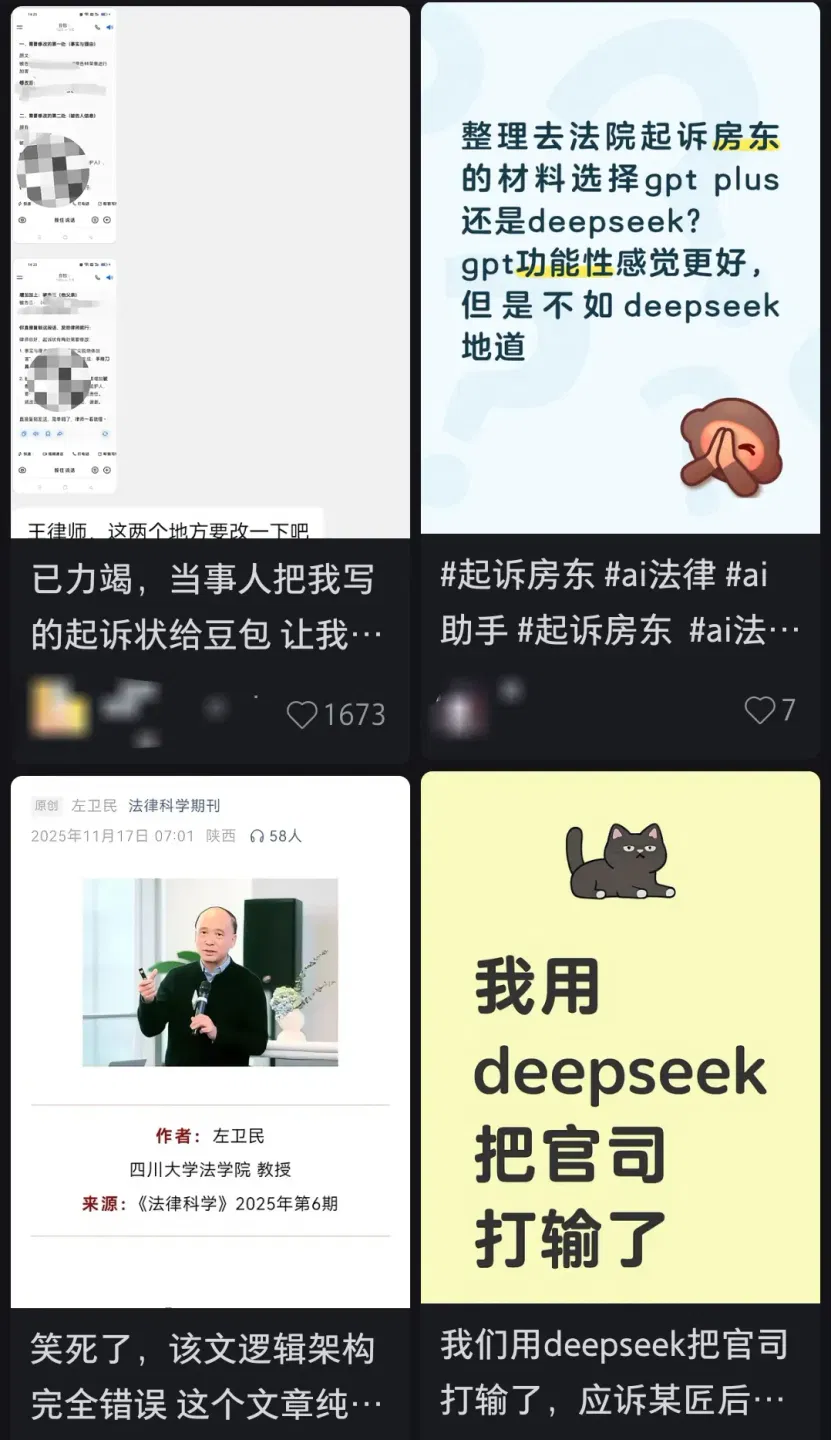
More AI tools are entering real litigation. But some lawyers believe AI tends to flatter users when answering questions. (Image: Xiaohongshu screenshot)
Having read the client's AI conversations, Xie found many expressions unprofessional, emotional, and irrelevant to the case. They could affect the lawyer's judgment, make the document less concise, and blur its focus: “People see it and immediately think it looks unprofessional. Even if the content really makes sense, they may not want to read further.”
AI advice can also expose lawyers to professional risks. Xie says that if a client insists on AI's approach but the lawyer does not follow it, and the case is lost, the client will very likely demand: “I told you to add that and you didn't. Maybe we would have won if you had?”
(Image: Nothing but the Truth)
She could still tolerate those things. But when the client sent a legal document Xie had written directly to AI for rewriting, she could no longer hold back and sent a long message: the AI-generated material adapted her thinking and work without her consent. If there were a problem with the final judgment, it would be the lawyer, rather than AI, facing fault-based compensation liability and professional disciplinary sanctions.
Xie recently received a consultation about an administrative lawsuit brought by an individual against a government authority. The client had initially relied entirely on AI, even going through the first-instance proceedings without a lawyer and asking AI in advance how to prepare for the hearing. But AI merely listed statutory elements, without knowing which actual stage of a hearing required emphasis on the disputed issues. Its account of the hearing procedure differed greatly from reality, causing the client to squander the first-instance opportunity.

(Image: A Guilty Conscience)
Xie feels rather like a factory woman seeing the spinning jenny for the first time, watching AI gradually reshape people's understanding of “going to court.”
She told New Weekly that this client, who had tried using AI at first instance, found her by searching an AI app for lawyer recommendations. AI genuinely saves lawyers time in document processing and case research, but sometimes makes them expend additional effort explaining things, increasing communication costs and emotional labor.
So she still finds it difficult to conclude whether technological development is adding to lawyers' burdens or also creating opportunities.
The more responsible, the more emotionally exhausted
Xie says legal aid work is mostly done by passionate, idealistic young lawyers. Early in their careers, they choose to join the legal aid roster. Although remuneration is limited, it can provide a relatively steady flow of cases and help them build experience and recognition.
When a case arises, the justice bureau randomly assigns a lawyer; that was how Huang Qin became involved. Article 46 of the Legal Aid Law of the People's Republic of China states: “After accepting an assignment, legal aid personnel shall not refuse, delay, or terminate legal aid services without legitimate grounds.”
In the interviews, both Lin and Xie said clients using AI to direct lawyers were more common in free legal aid and cases with smaller amounts at stake. Xie suggests this may be because legal aid lawyers are randomly assigned, rather than personally chosen. Clients may naturally place less trust in a free, randomly assigned lawyer, believing that the lawyer may not remain professional and responsible in such a case.
If clients' distrust was difficult to make visible before AI, its arrival has given that distrust a concrete outlet and room to operate.
AI can create an illusion of knowledge and foster dependence, especially in people lacking professional knowledge and judgment. Clients without systematic legal education or practical experience cannot distinguish many apparently reliable but flawed answers. Yet they use those answers to question their lawyers' attitudes and professionalism, making matters that were originally clear difficult to explain.

(Image: The Attorney)
Recalling her friends in legal aid, Xie says most are conscientious and responsible, contrary to the prejudice that “free means irresponsible.” Dealing with all kinds of clients is a normal part of the profession, she believes. With overly self-assured clients who distrust lawyers, a lawyer must either comply initially and adjust later, or adopt a firmer stance while handling the case.
Based on the firm's obituary and colleagues' accounts, the original report links the client's reliance on AI advice to the additional communication pressure on Huang Qin. It interprets her situation in terms of respecting the client's views while protecting the client's rights. This is journalistic analysis; it cannot establish her precise thoughts or the medical causation of her death. All the pressure ultimately fell on her alone, but none of this had to happen.
“Responsible lawyers suffer this way. An irresponsible one would have stopped bothering long ago.” Thinking of his late colleague, Lin still feels deep regret.
(At the interviewee's request, Xie He is a pseudonym.)
This article is from New Weekly, by Zhang Wenxi.
Related topics
After reading
Join the AINRK community
Read how to join the community and connect with people working in AI.
Related articles
Continue reading related topics and articles in this category.
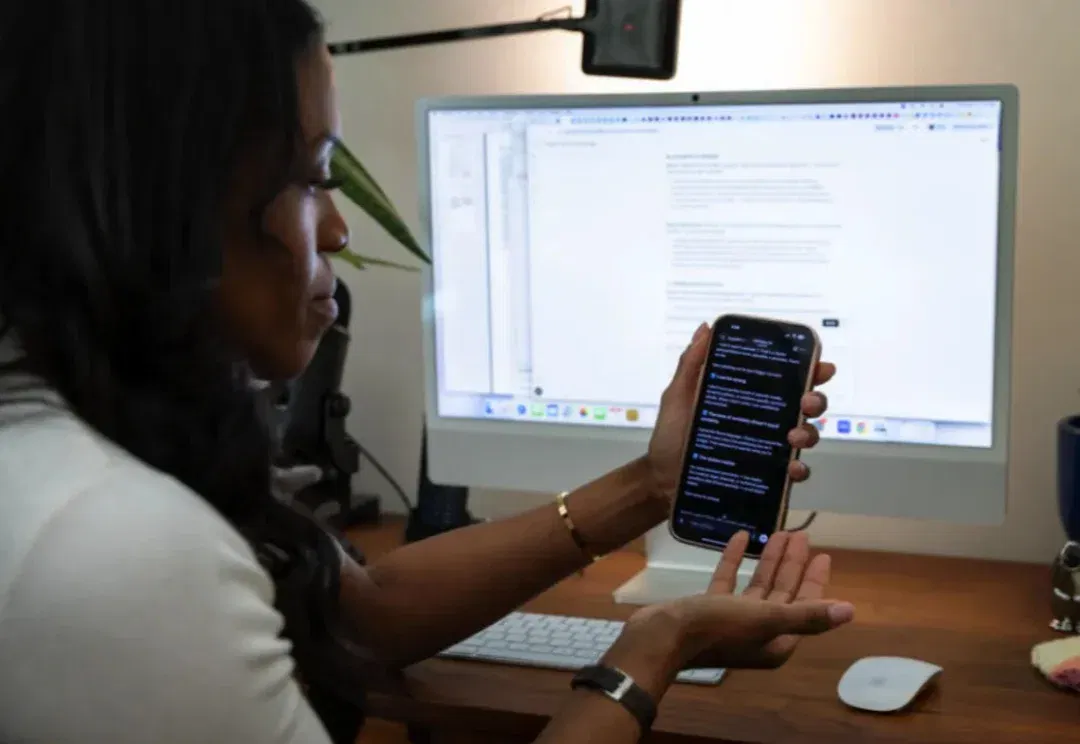
他带着 AI 去打官司,结果让对面躺赢了 (opens in a new tab)
「我明天要见心理咨询师,」一位居住在波士顿的年轻妈妈,正在规划第二天的行程,不过,这话她既不是说给丈夫听的,也不是说给孩子听的,而是说给 Claude 听的。「帮我捋一捋上次咨询之后我们聊过什么,有什么该拿出来说的。」
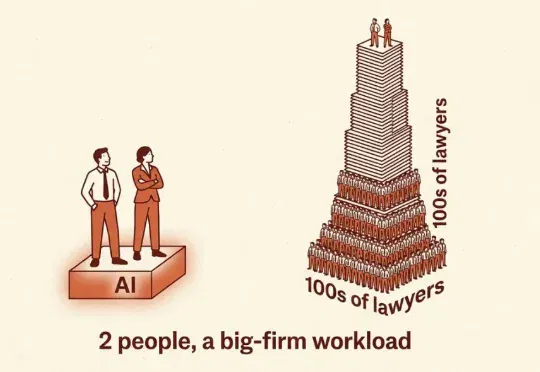
两个人的律所,干翻几百人的大所:一个 ex-Davis Polk 律师怎么用 AI 执业 (opens in a new tab)
我老把一句话挂在嘴边:小而 AI 的团队,会把又大又慢的团队干掉。可这话说久了,自己都觉得像句口号。直到我读到这篇——而且它偏偏来自律师业,那个最讲资历、最堆人头、最保守的行业。作者 Zack Shapiro,前 Davis Polk 律师、耶鲁法学院出身。他讲了一个晚上。
当任何人都能用 AI 把公司告上法庭,法官们慌了 (opens in a new tab)
AI 正在把法庭变成一个任何人都能进入的擂台。
80亿美元的法律AI,每6个回答就有1个在瞎编 (opens in a new tab)
AI能帮你写法律文书,但它也可能帮你编造6个根本不存在的判例。

“老登”想裁员,“小登”想摸鱼:AI在律师行业的真实生态|聊天实录 (opens in a new tab)
你是否遇到过客户拿着AI起草的合同条款,质疑你的修改建议?你是否用AI解决过重复、枯燥、看起来没什么用的基础工作?随着AI渗入法律行业,有人认为它是年轻律师弯道超车的机会,也有人认为它是行业跟风的“噱头”。