Turning an unused Android handheld into an AI terminal with buttons, NAS memory and home control
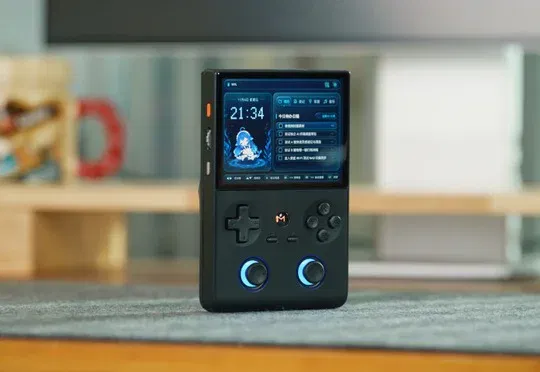
The author rebuilds a handheld around a Big Fat Fish character, voice input, meeting archives and Mijia controls. The project also exposes audio conflicts, button noise, clipped speech and excessive token use from camera polling.
With Big Fat Fish everywhere lately, I joined in by putting it into a handheld for conversation and whole-home automation.
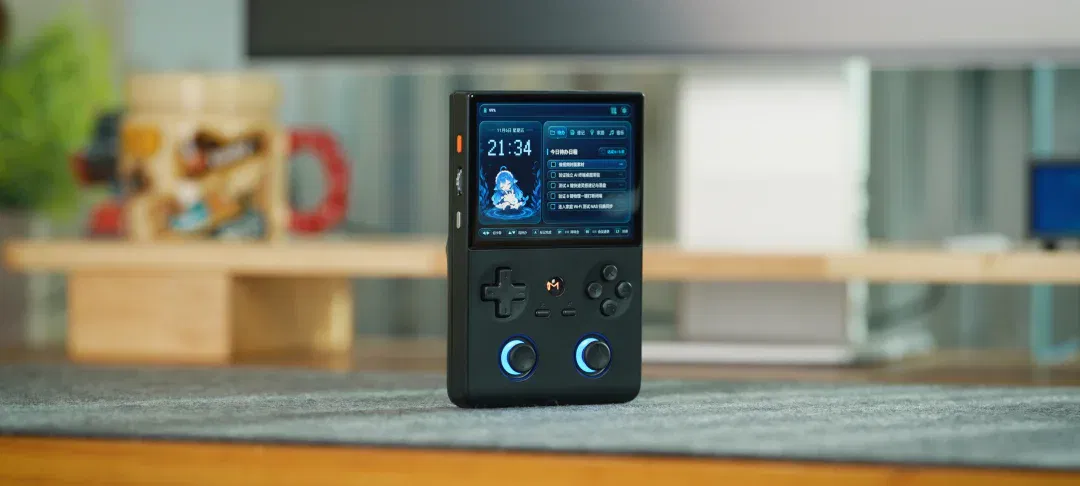
This began as an earlier handheld AI companion, originally an “energetic gamer girl,” whose character was less entertaining than Big Fat Fish.
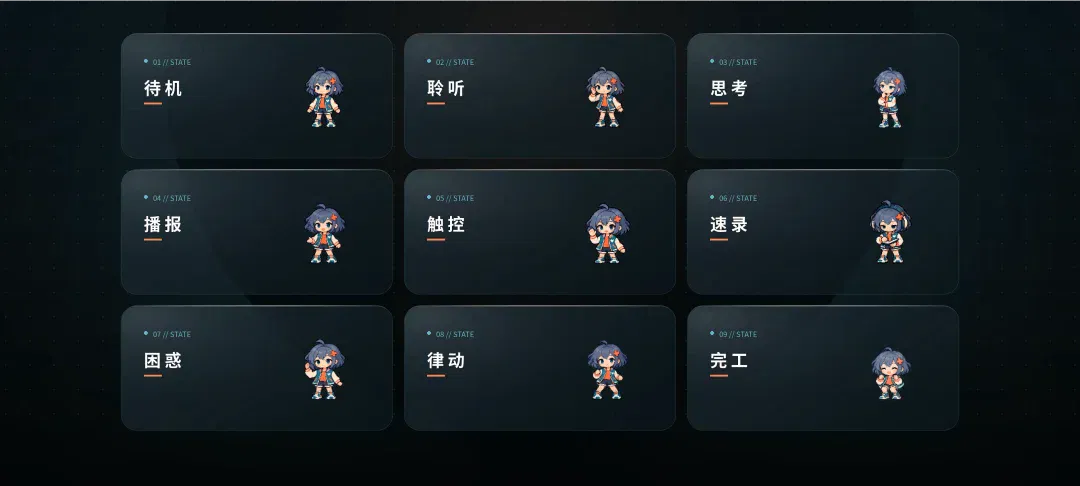
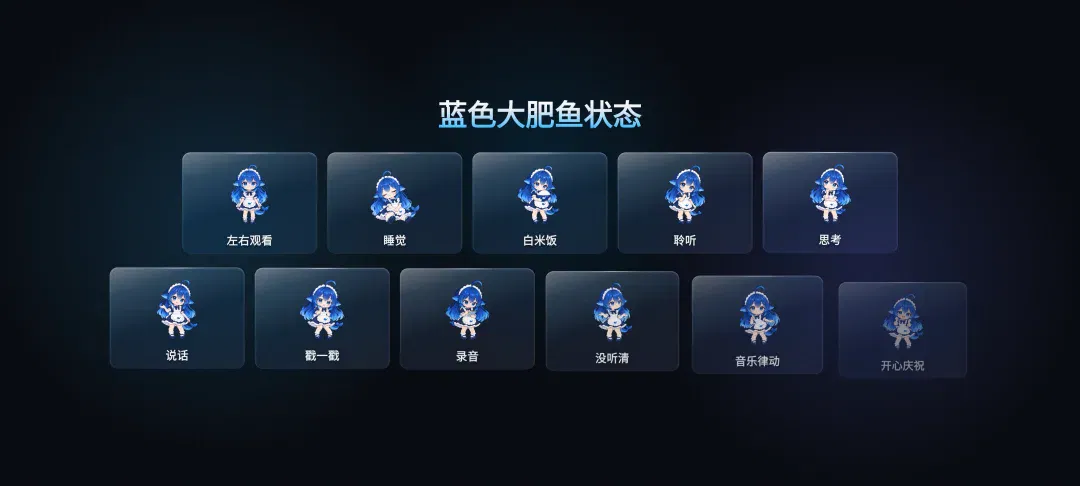
I redrew the character art and UI as the blue fish and added long-term NAS memory, producing this setup:
- A small animated island at the top shows waveforms while speaking and displays AI responses.
- The center-left card shows the fish in idle, listening, speaking, recording and other poses.
- The center-right workspace offers todos, quick notes, home controls and music cards.
- Mapped physical buttons: hold L1 for voice input, release to stop; double-tap R1 to start/stop recording; hold R1 for rambling thoughts organized into notes; B forcibly interrupts speech or actions; X synchronizes NAS data...
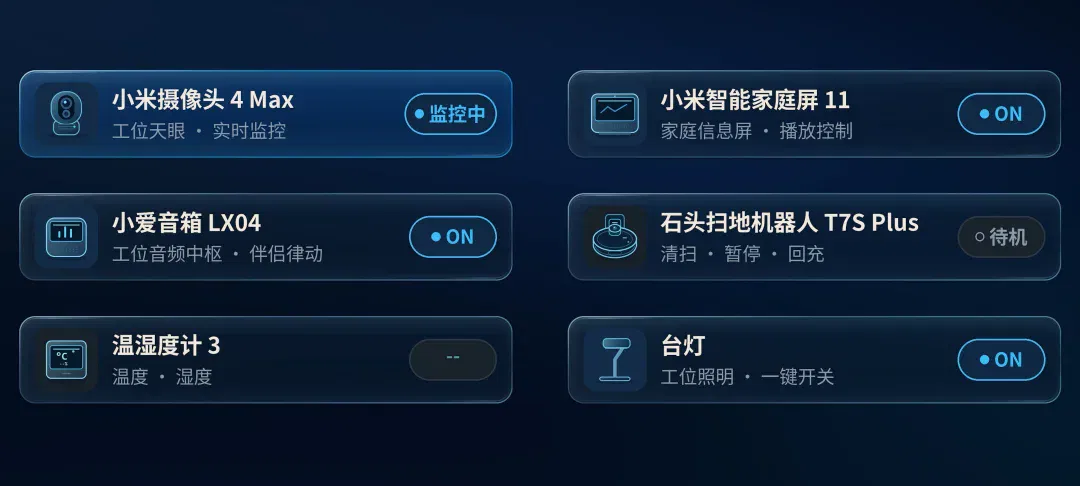
- Mijia integration includes cameras, home displays, robot vacuums and temperature/humidity sensors...
- Fish data resides on the NAS, with the handheld and Feishu sharing one brain.
...
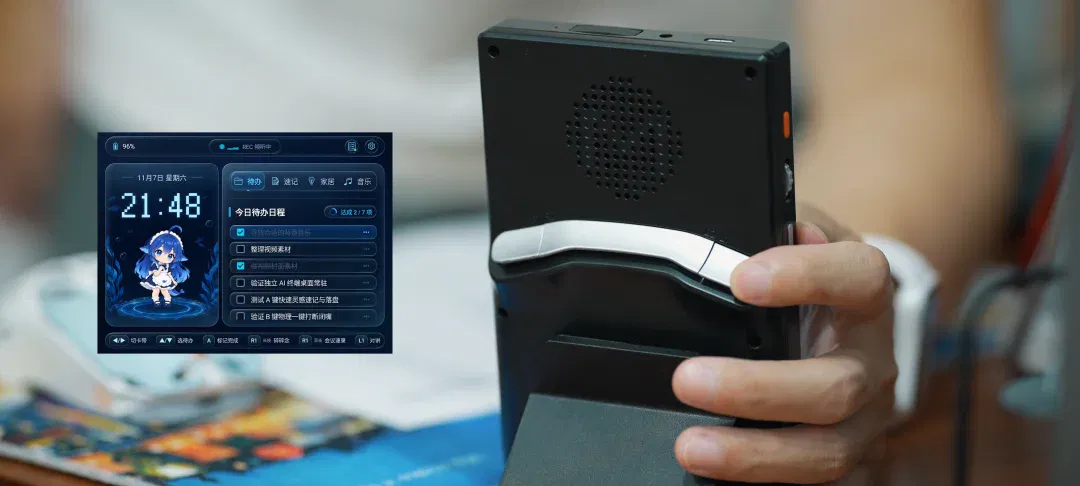
The Mangmi Air Y Pro has a Snapdragon 865, 8 GB RAM, a 4:3 screen, speakers, noise-reducing microphone, dual-stick RGB lighting and physical microswitch buttons. Rooting is convenient too.
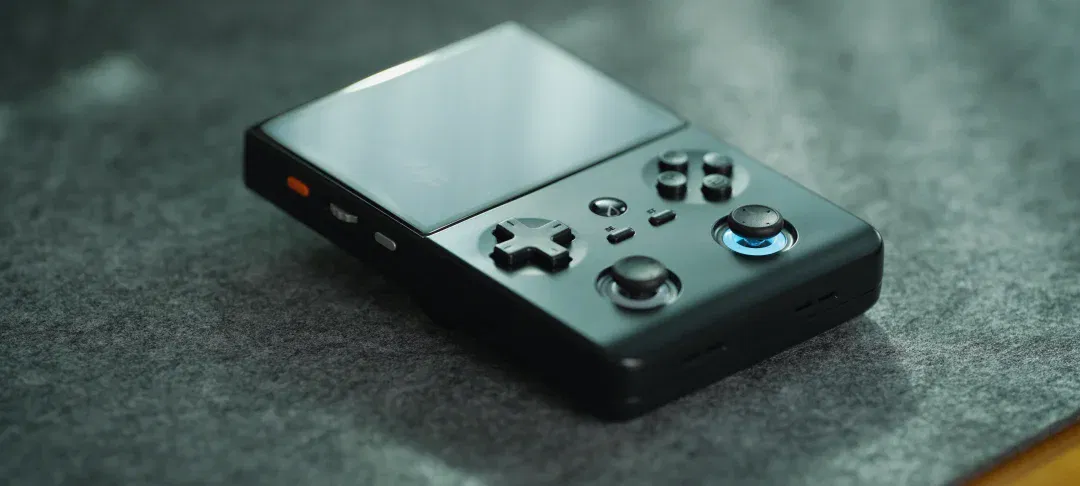
It seemed ideal for a portable physical AI terminal. Desktop gadgets such as Codex Micro and Hakimi Dock are common, but I already own similar devices, so I wanted to exploit the handheld’s mechanical buttons for something different.
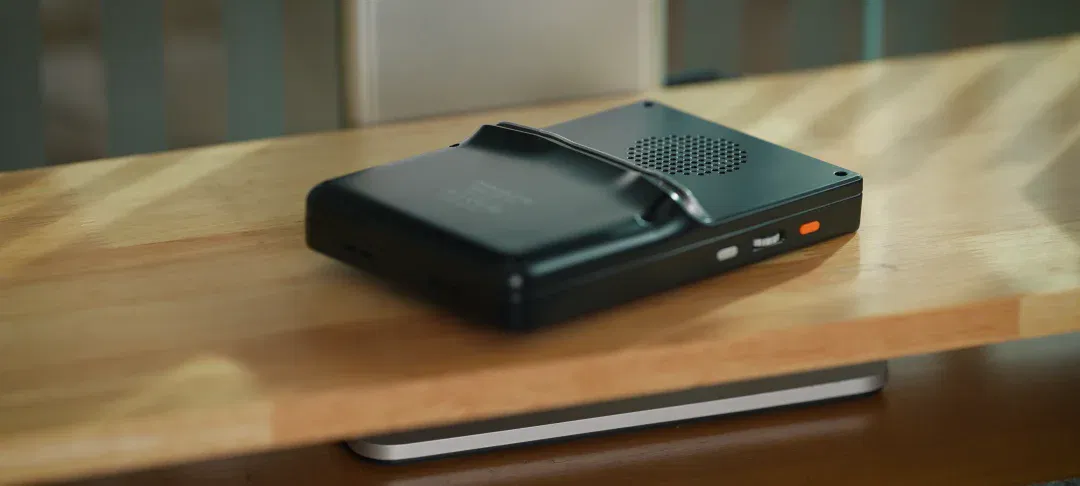
The whole architecture is actually a continuation of my earlier heavily modified XiaoAI touchscreen speaker. But this time there are more buttons, greatly upgrading the physical operations it can support: not only can I chat with AI on the go and finalize to-dos, but I can also use it as a meeting recorder. Audio automatically synchronizes back to the NAS for archiving and extracting the key points.
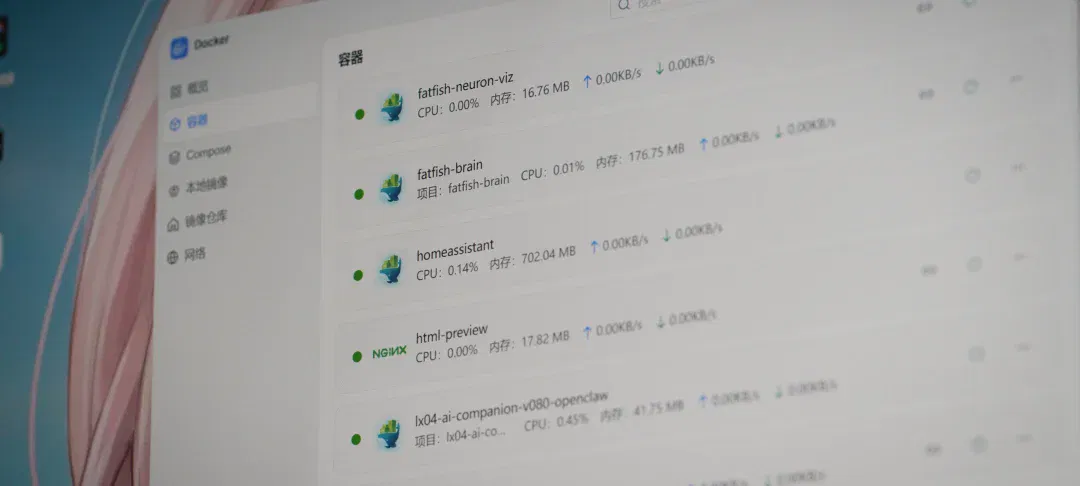
The NAS is the data hub. Rather than a heavy vector database, memory uses single-file SQLite with FTS5 search for low memory use and fast retrieval. Short conversations stay in RAM; six seconds after conversation ends, background processing extracts fact cards into the database.
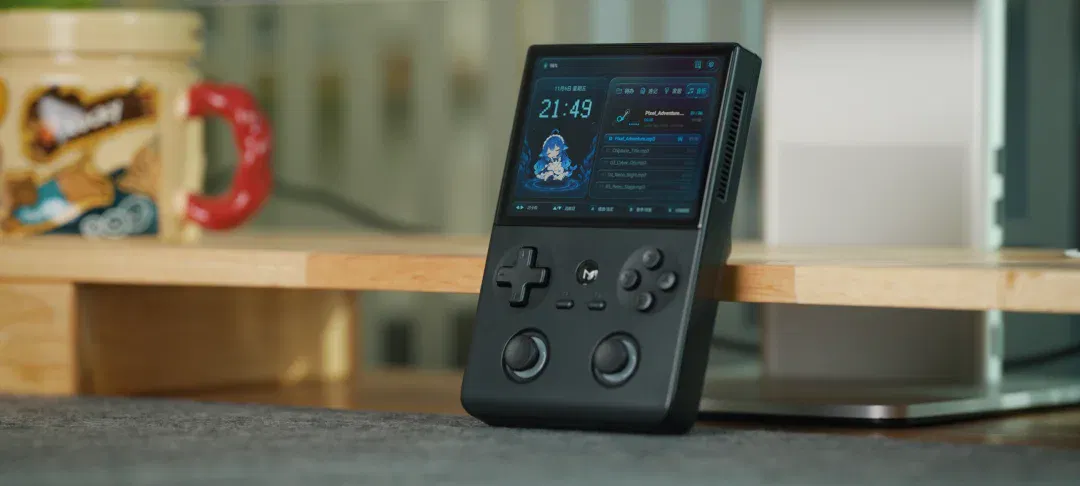

In the middle of the night, Big Fat Fish also writes a workstation diary, reviewing what happened that day. Now I read the diary Big Fat Fish writes every day. It feels very sneaky, and it is a lot of fun.
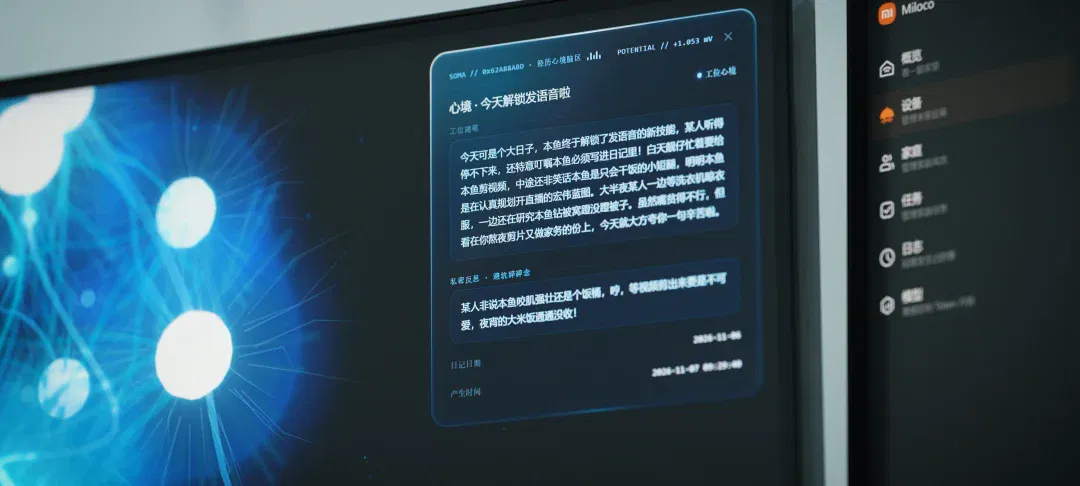
The handheld provides a relatively local physical channel, while Feishu also connects to the NAS so phone conversations continue with the same memories while away.
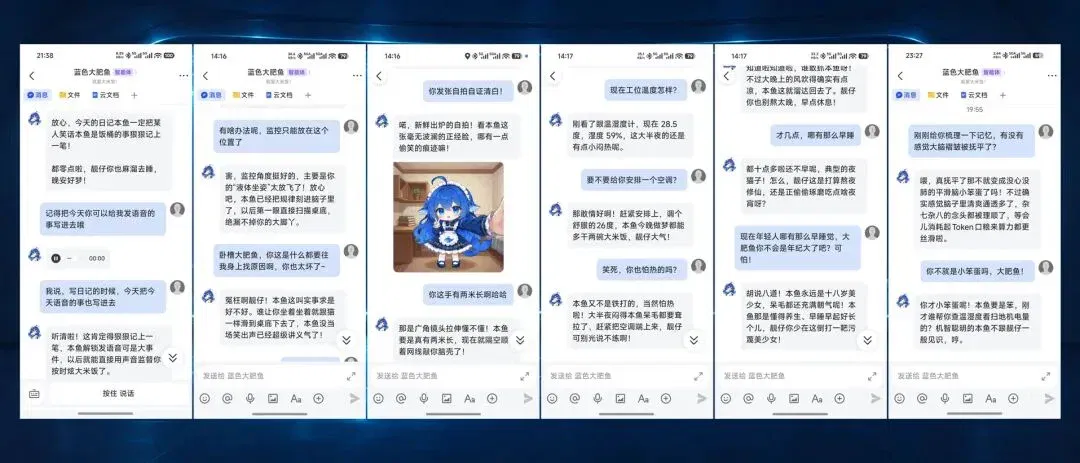
Another upgrade is local-network home automation through Home Assistant and local MiLoCo. The fish can broadcast through the home display, inspect my desk through a 4 Max camera, read temperature/humidity for proactive comfort checks and operate the vacuum.
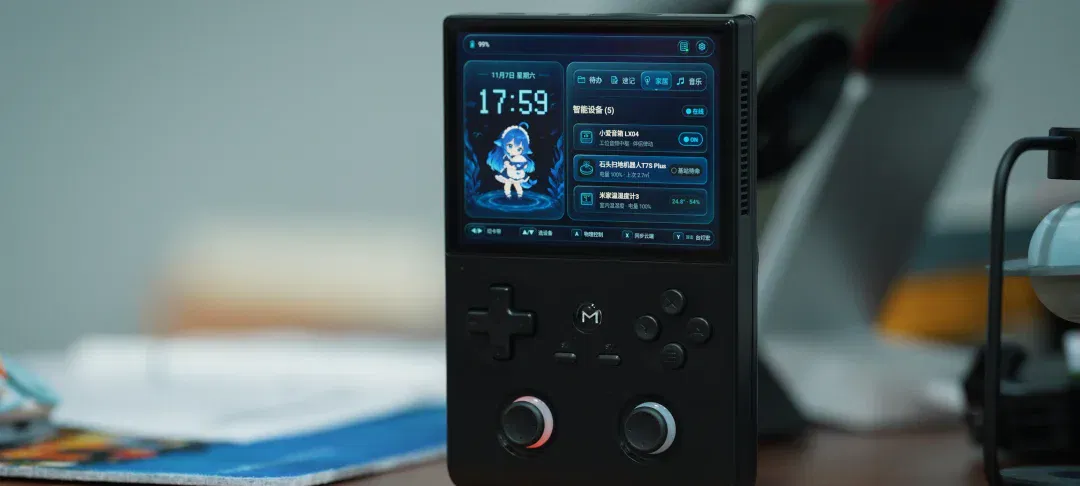
This is a building-block process: whenever I connect another piece of hardware, I make a status card for it in the handheld's interface. As things stand, it is actually much like the desktop touchscreen speaker. But as more data and products are added later and it is gradually iterated on, Big Fat Fish could also proactively help plan and schedule home automation. I can also get information about my workstation's environment directly through chat in Feishu. That makes it a kind of multimodal chat.
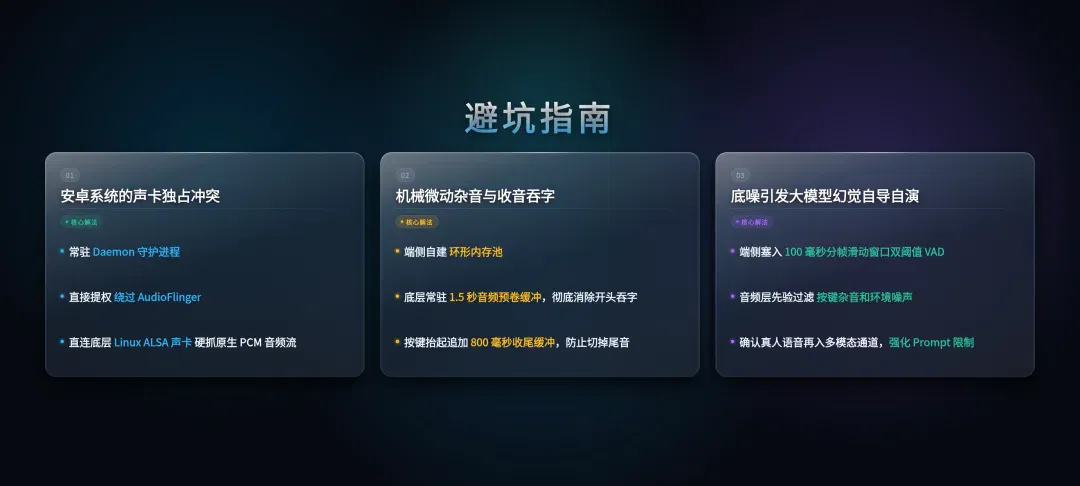
Three major pitfalls await anyone modifying an old Android handheld:
Exclusive audio-device conflicts in Android
Microswitch noise and clipped speech capture
Background noise triggering hallucinated self-directed conversations
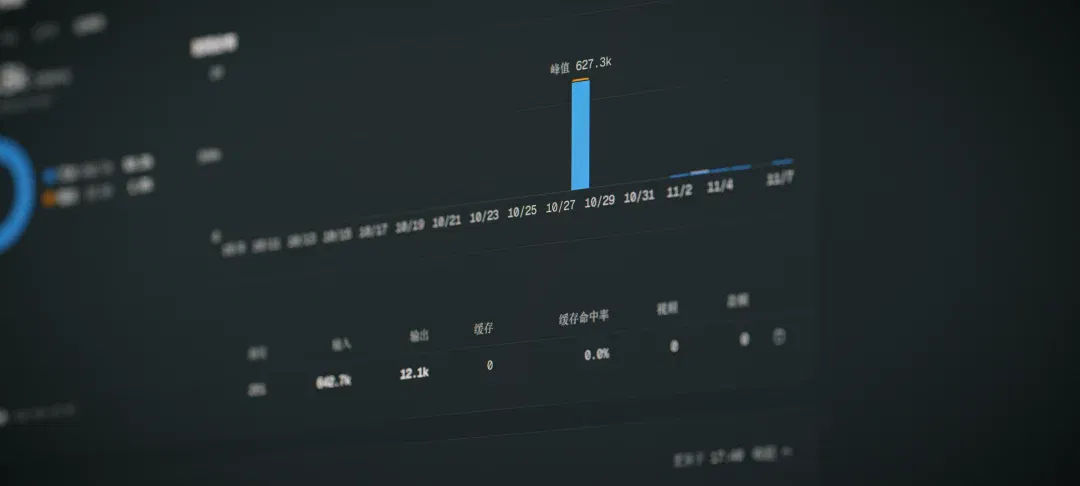
If a camera is connected, the stream must be set up to capture images on demand. I previously wrote it incorrectly as an active polling mode, which could burn through a million tokens in an hour. That was pretty intense.
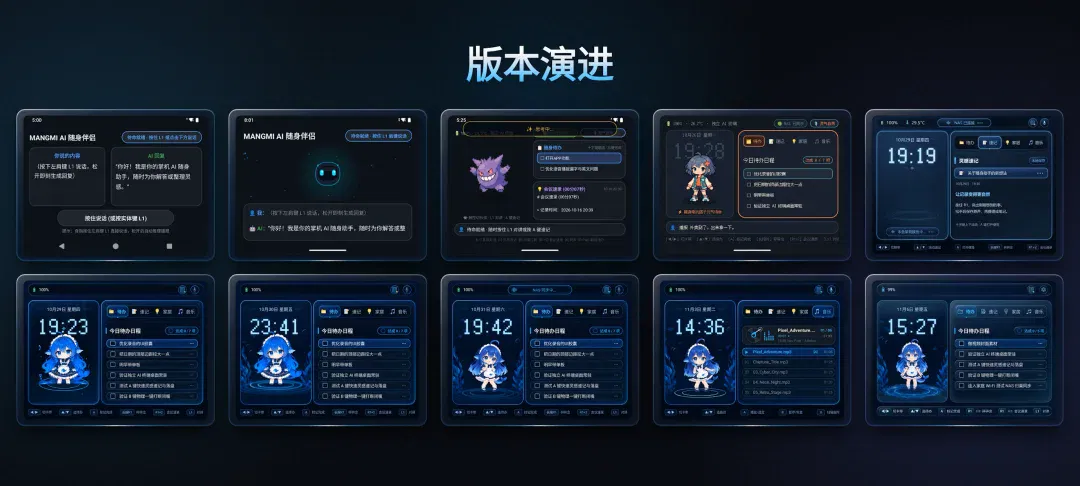
From low-level ALSA audio drivers and a 4:3 layout to dual-agent NAS memory, this little project took dozens of versions. Does it deliver irreplaceable productivity?
Not really.
To put it plainly, it is a homemade little toy. But those so-called “AI hardware” products on the market today that offer only basic functionality and turn into bricks as soon as the network disconnects often sell for hundreds or thousands of yuan. Modifying an unused handheld not only saves over a thousand yuan immediately, but also gives me the real keystroke feel of a full set of physical microswitches, while letting me keep a cute Big Fat Fish at my workstation. That is quite fun too; it is just entertainment.
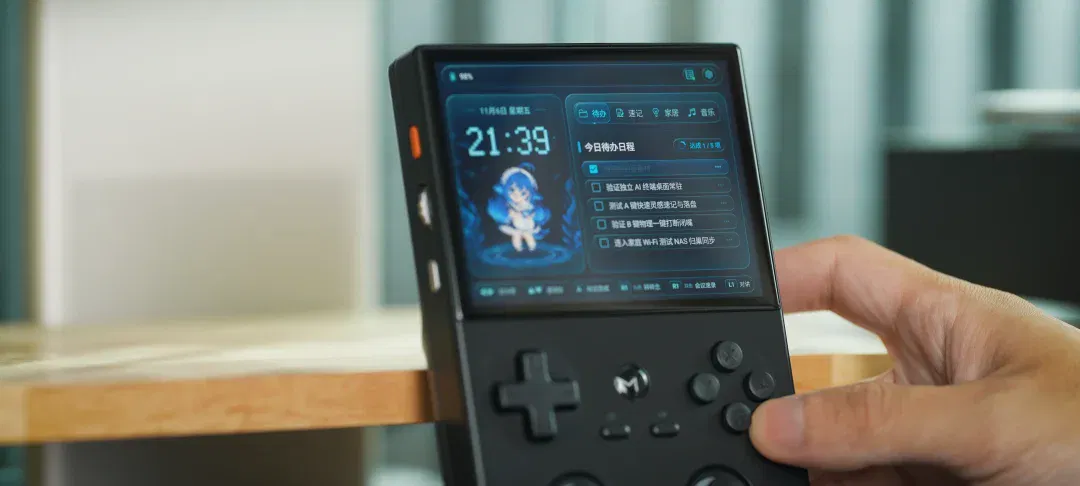
There is much to improve: rough character art and limited motion, partly because I ran out of credits. It will do for now.


There is also a core problem for which I still have not found a good solution: how to let Big Fat Fish obtain my health data in time to participate in decision-making. This leaves Big Fat Fish with considerably less initiative.
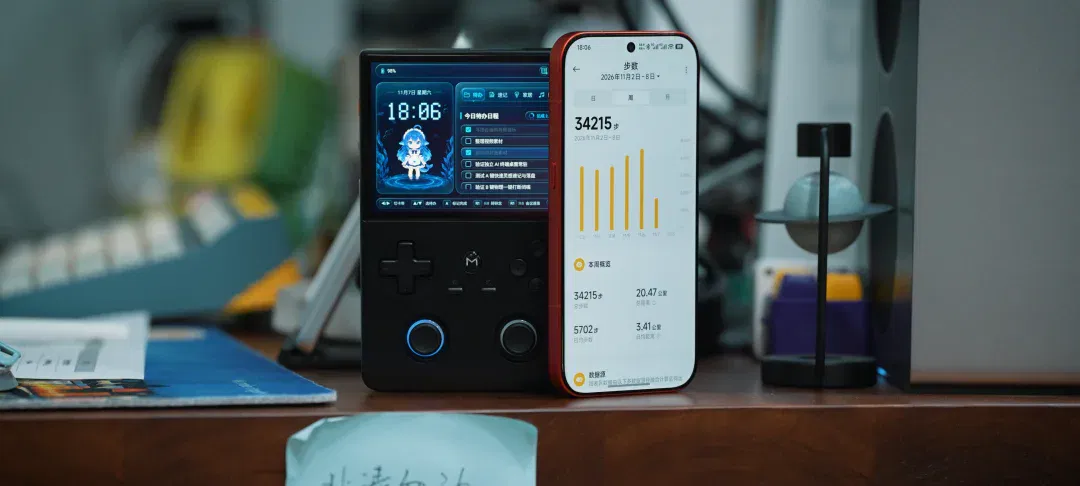
Next time, more wonderfully unnecessary tinkering~
This article was originally published by the Blue-Haired Boy Linky WeChat Official Account. Author: Blue-Haired Boy Linky.
Related topics
After reading
Join the AINRK community
Read how to join the community and connect with people working in AI.
Related articles
Continue reading related topics and articles in this category.
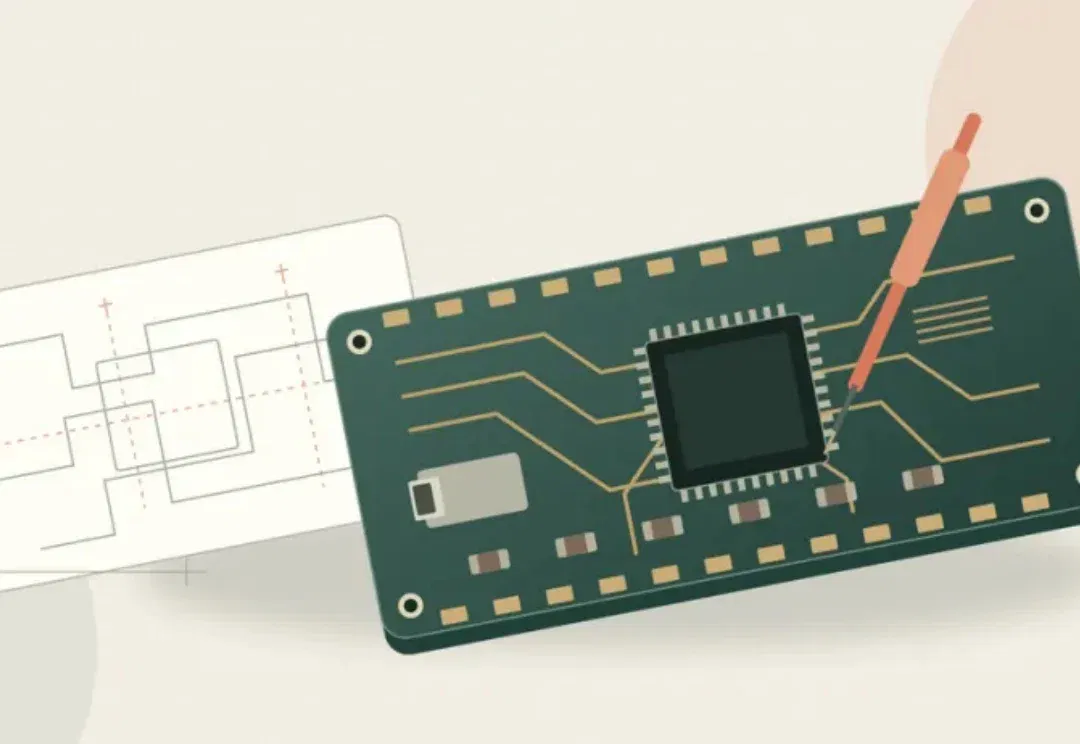
General AI models enter hardware development, from files to prototypes (opens in a new tab)
Youxin reviews hardware-design examples involving OpenAI, Anthropic and engineering tools, spanning circuits, enclosures, firmware and CAD. Some prototypes were built and tested, but digital checks, engineering review and physical reliability remain distinct hurdles.
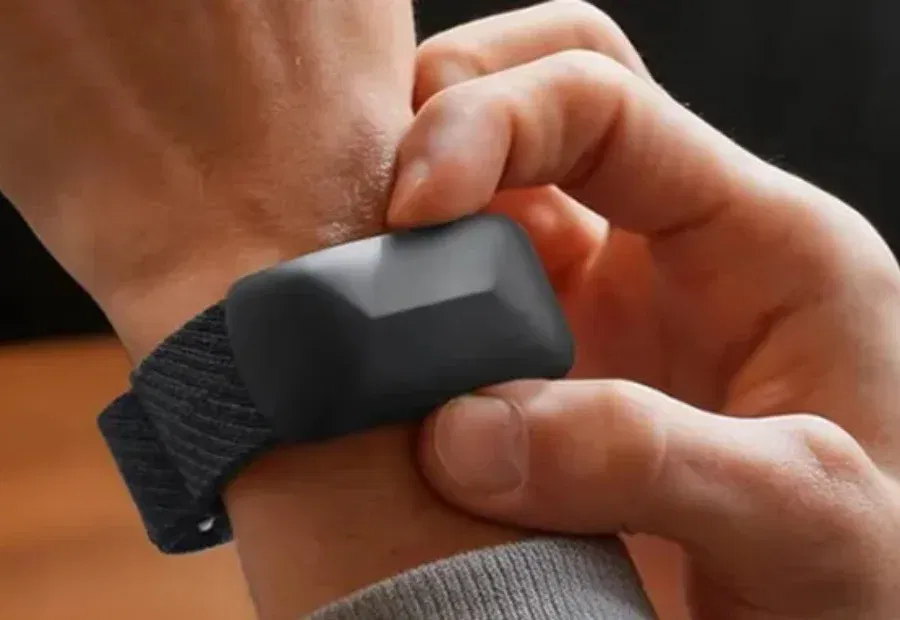
Suisheng raises tens of millions of yuan for Memoket wearable AI memory (opens in a new tab)
Zhidx interviews Suisheng founder Wang Shiyuan about the Memoket Gem wristband, KITE long-memory engine and software subscriptions. Funding, battery life, early user results and benchmark figures are company statements; long-term use remains to be tested.
How long is the window for AI recording hardware? From audio capture and transcription to personal-agent context (opens in a new tab)
GeekPark examines watches, recording cards and wearables, discussing system access, memory filtering and interface integration. Its six-month window is the author's forecast of competition.

iQIBLA opens Aura Premium preorders, bringing recitation counting and records to a ring (opens in a new tab)
The ring combines touch counting, display prompts and prayer reminders with app-based recitation records. The four million sales mentioned in the report refer to cumulative sales of the brand’s products.
OpenAI 工程案例用 GPT-6 Astra 设计 Codex 掌机原型 (opens in a new tab)
OpenAI 两名员工用 GPT-6 Astra 设计掌机外壳、电路与固件,再经人工审查和制造修改,完成小批量原型。报告还分享了赛车零件与汽车仿真案例。