56倍加速生成式策略:西交大提出EfficientFlow,迈向高效具身智能
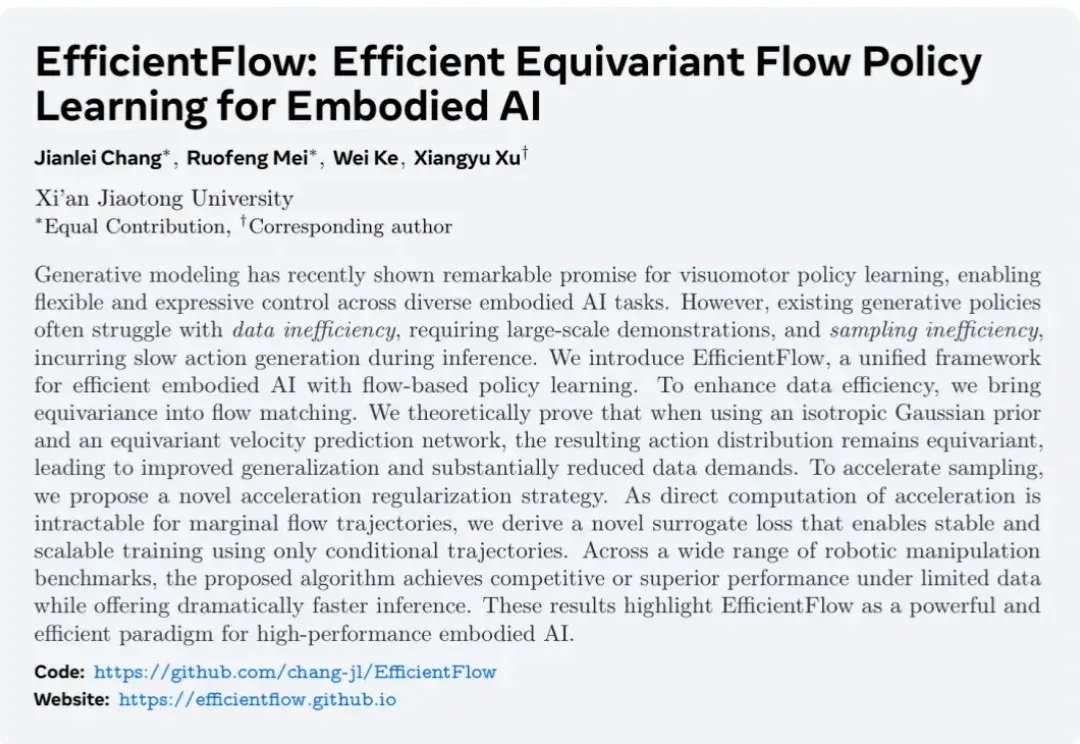
生成式模型正在成为机器人和具身智能领域的重要范式,它能够从高维视觉观测中直接生成复杂、灵活的动作策略,在操作、抓取等任务中表现亮眼。但在真实系统中,这类方法仍面临两大「硬伤」:一是训练极度依赖大规模演示数据,二是推理阶段需要大量迭代,动作生成太慢,难以实时控制。
生成式模型正在成为机器人和具身智能领域的重要范式,它能够从高维视觉观测中直接生成复杂、灵活的动作策略,在操作、抓取等任务中表现亮眼。但在真实系统中,这类方法仍面临两大「硬伤」:一是训练极度依赖大规模演示数据,二是推理阶段需要大量迭代,动作生成太慢,难以实时控制。
针对这一核心瓶颈,西安交通大学研究团队提出了全新的生成式策略学习方法EfficientFlow。该方法通过将等变建模与高效流匹配(Flow Matching)深度融合,在显著提升数据效率的同时,大幅压缩推理所需的迭代步数,在多个机器人操作基准上实现了 SOTA 的性能,并将推理速度提升一个数量级以上。
相关论文《EfficientFlow: Efficient Equivariant Flow Policy Learning for Embodied AI》已被 AAAI 2026 接收,代码已开源。
- 论文地址:https://arxiv.org/pdf/2512.02020
- 项目主页:https://efficientflow.github.io/
- GitHub:https://github.com/chang-jl/EfficientFlow
技术亮点:用物理直觉重塑生成式策略
1. 加速度正则化:让生成轨迹更直、更快
传统流匹配的一大痛点是学习到的流场曲率过大,导致推理时仍需多步迭代才能拟合。
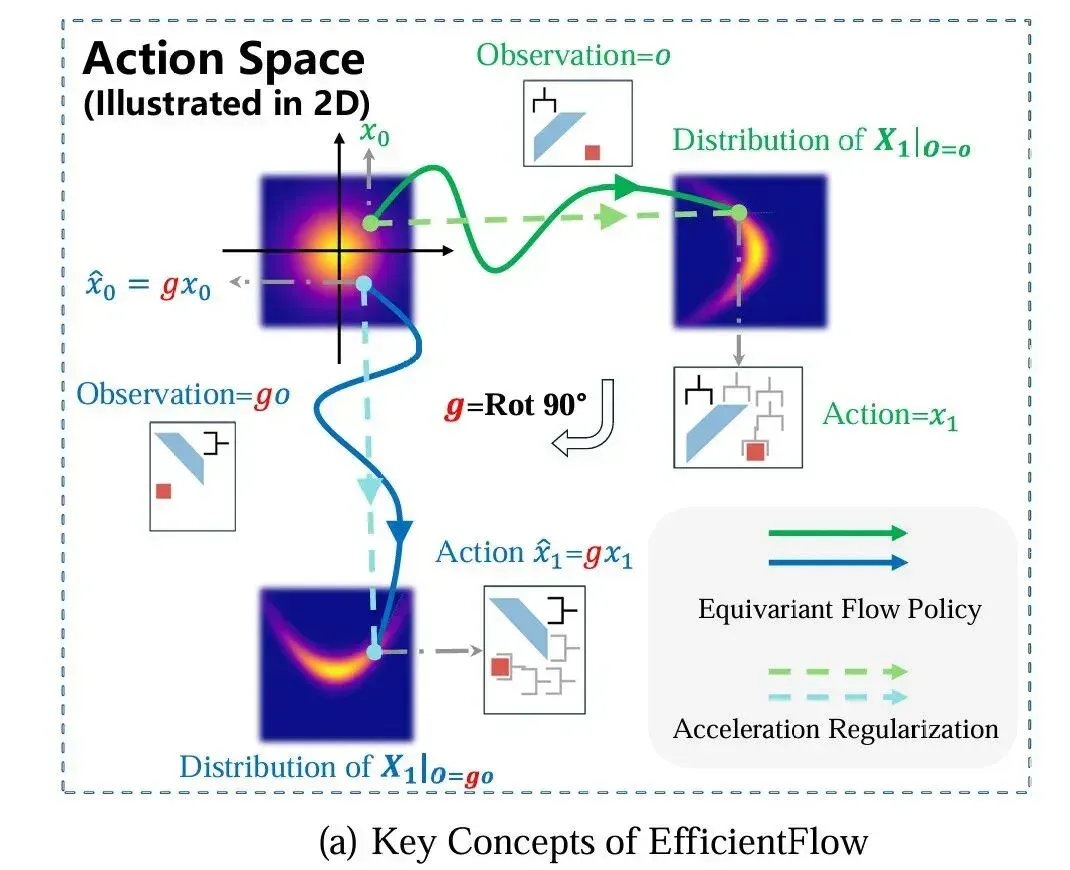
怎么让生成轨迹变直? EfficientFlow 的设计灵感源于物理直觉:现实中平滑的运动,往往加速度很小。 因此,EfficientFlow 在损失函数中引入了加速度正则项,鼓励样本从噪声分布向数据分布演化的过程也是平滑且接近匀速的:


加速度正则项可以近似为:




2. 等变网络:让模型学会「举一反三」
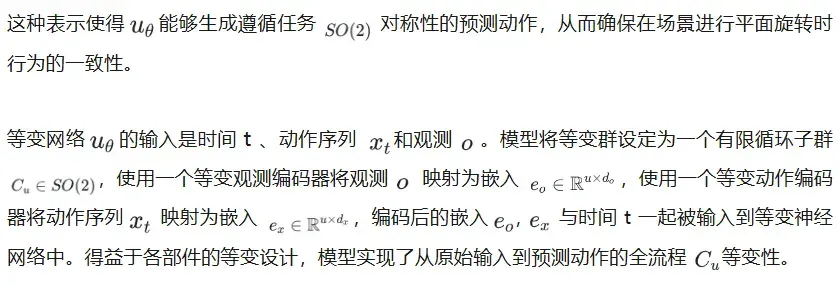
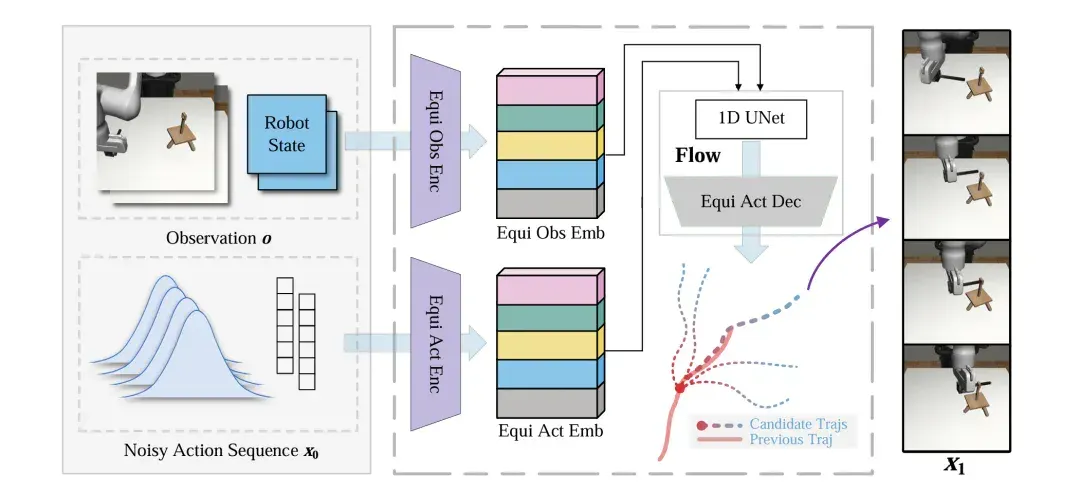
EfficientFlow 等变设计的核心逻辑非常直观:如果输入的视觉场景旋转了一定角度,那么机器人输出的动作自然也该跟随旋转相同的角度。这带来了巨大的数据优势,相当于一条数据就可以产生多条数据的效果。模型只需学习物体在一个角度下的操作,就能自动泛化到多个旋转角度,真正实现了「举一反三」。


3. 时间一致性策略:快,还要稳
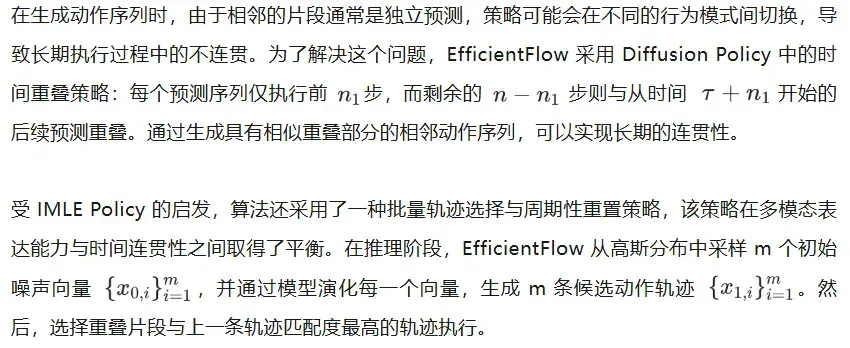
为了保持模型探索多样化行为的能力,模型引入了周期性重置:每 10 个预测周期,从批次中随机选择一条轨迹进行执行,而不是选择最小化重叠距离的那一条。这种方法在保持多模态性的同时提高了时间一致性,并且由于并行化处理,批量化设计确保了推理时间的额外开销极小。
实验效果:少数据、少步数,也能打 SOTA
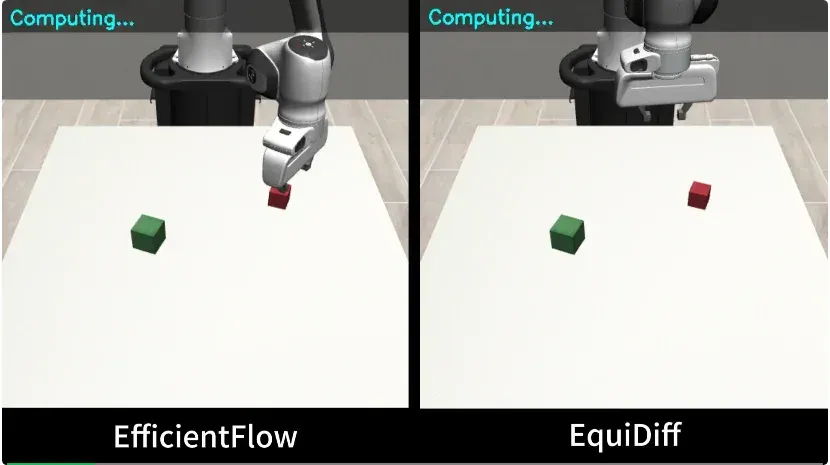
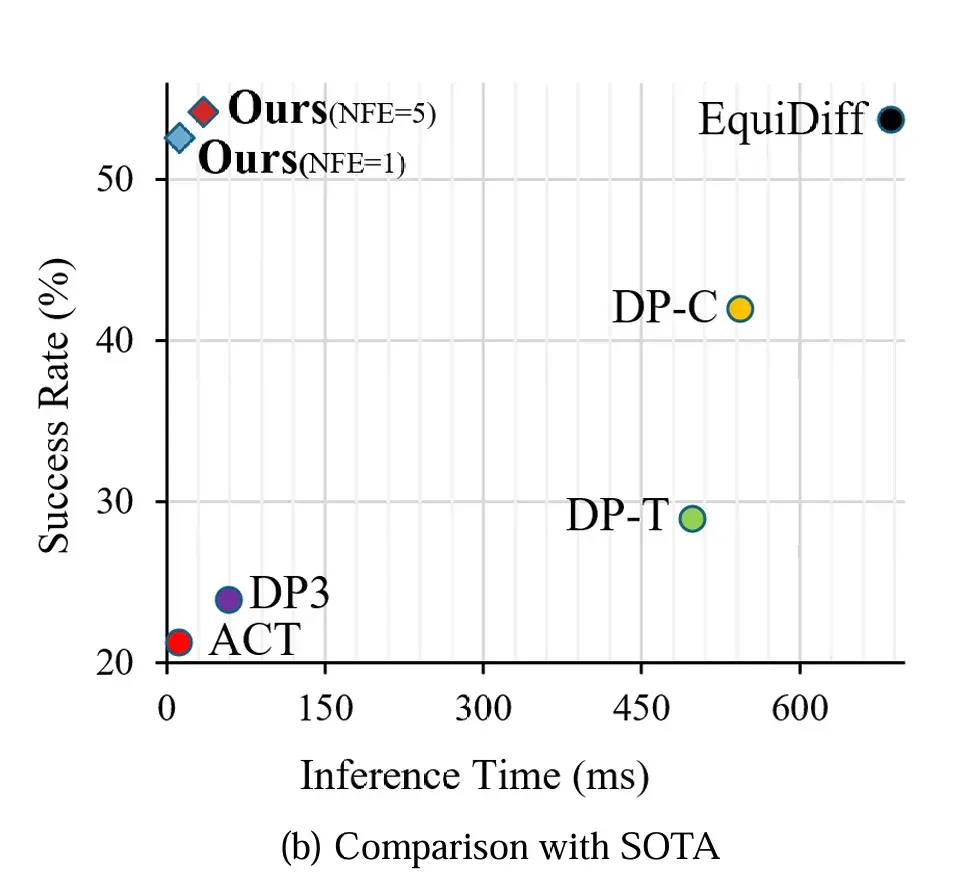
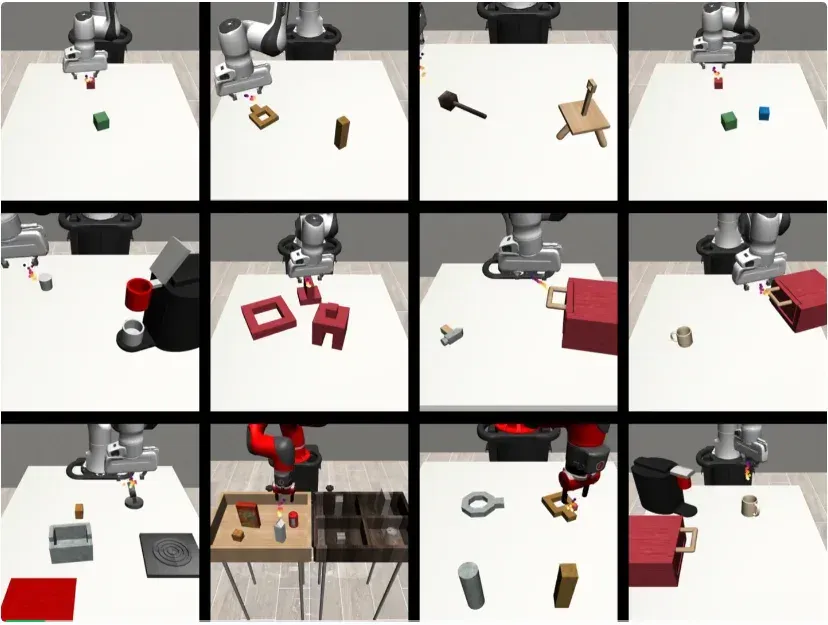
在 MimicGen 等多个机器人操作基准中,EfficientFlow 在有限数据条件下展现出媲美甚至超过现有 SOTA 方法的成功率。更关键的是推理效率:在 1 步推理下,EfficientFlow 就能接近 EquiDiff 100 步推理的平均性能,单步推理速度提升 56 倍,5 步推理也有近20 倍加速。消融实验进一步表明,加速度正则化与等变建模缺一不可,共同构成了高效生成式策略的关键。
文章来自于“机器之心”,作者 “西安交通大学硕士生常建磊和博士生梅若风”。
Related topics
After reading
Join the AINRK community
Read how to join the community and connect with people working in AI.
Related articles
Continue reading related topics and articles in this category.

Oxford researcher proposes cognitive symbionts for wearable AI augmentation and governance (opens in a new tab)
Hao Fei's perspective paper proposes cognitive symbionts and AI-Augmented Human Intelligence, covering long-term memory, wearables, proactive help and governance. Privacy, low latency and lifelong companionship are design goals, not verified product guarantees.
ConvexLLM connects speech to language models through frozen text embeddings (opens in a new tab)
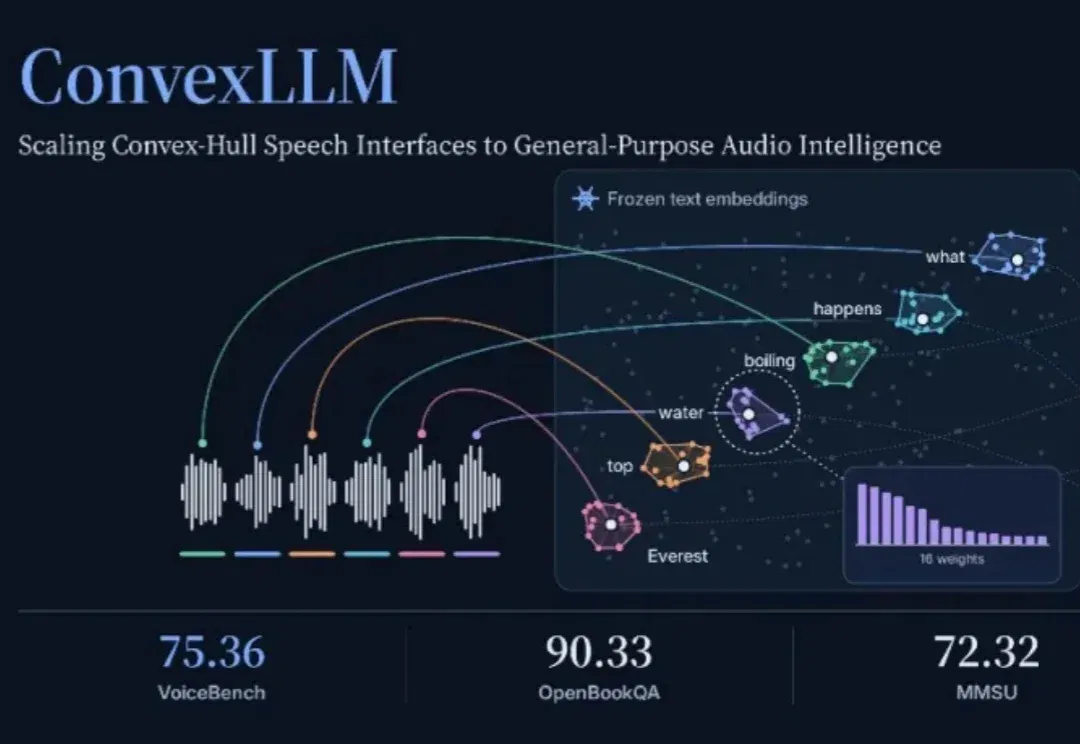
Researchers at CUHK-Shenzhen and Microsoft propose C-Gate, mapping audio into convex combinations of frozen text embeddings. The paper reports VoiceBench gains against its listed open-model baselines, while audio understanding and transcription still involve trade-offs.
CWM2.0 open-sources generative rendering with a 30-minute racing demo (opens in a new tab)
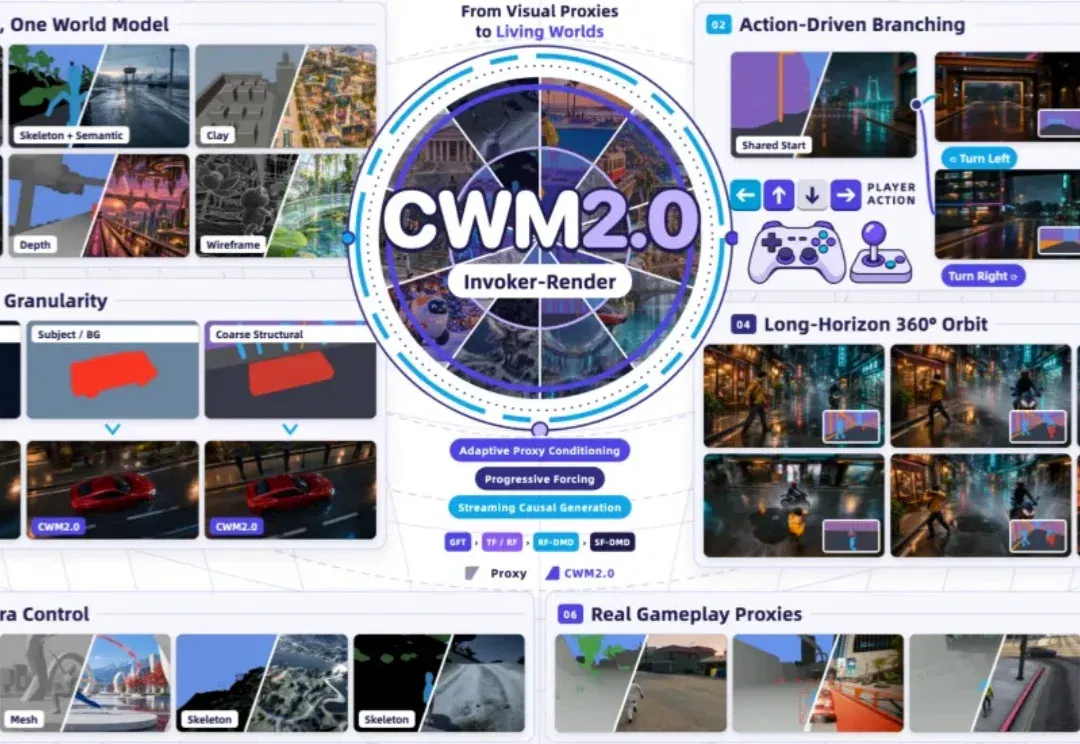
Teams from Ant, Westlake University and Zhejiang University use a structured Proxy to control scene state and Invoker-Render to generate visuals, releasing eight-GPU streaming inference. The long demo and 140 evaluations cover specified scenes, not arbitrary stable worlds.

Ankole outlines multi-user agent architecture: events, permissions and organizational memory (opens in a new tab)
The team describes its Business Harness design for fast and slow paths, shared state, Actor orchestration and dynamic permissions. Formal verification covers the modeled core permission state machine; it does not replace security checks of the full deployment, external interfaces or implementation.
openJiuwen presents a Harnessless approach for reusing AgentOS execution tools (opens in a new tab)
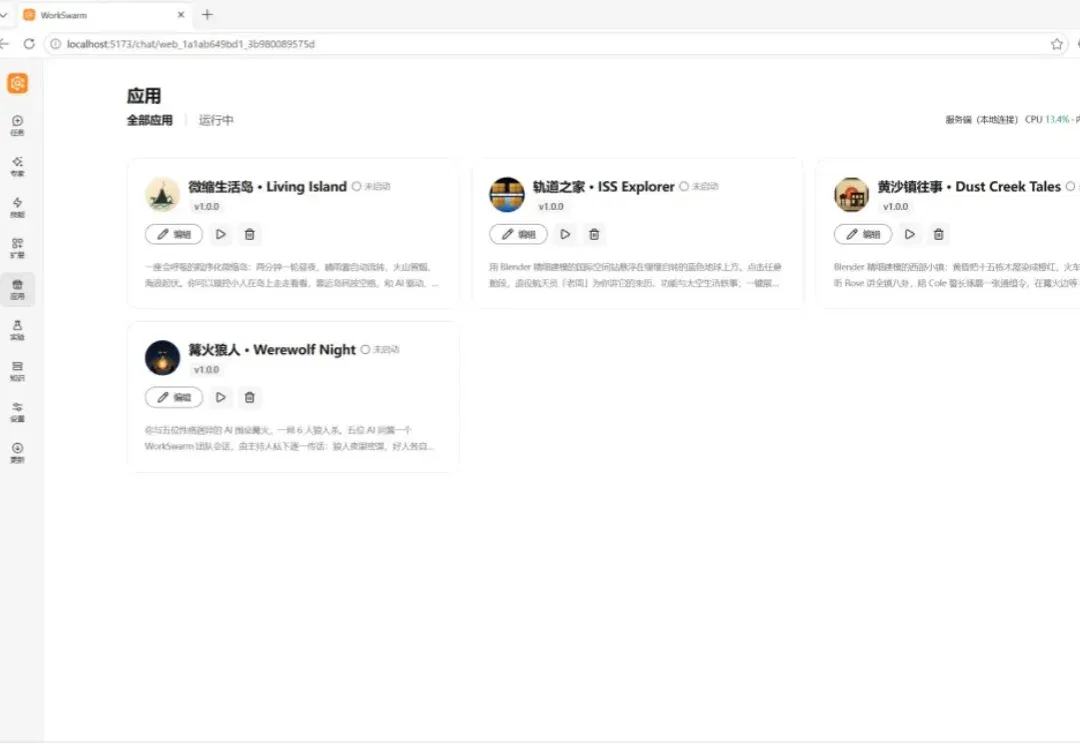
openJiuwen uses app-development and swarm demos to show how built-in harness capabilities support sessions, tools and app management. Applications still define business rules and permissions; remote deployment and some capabilities remain planned or exploratory.