Dario on AI Control: Automating Tasks Does Not Mean Handing Over Society's Governance
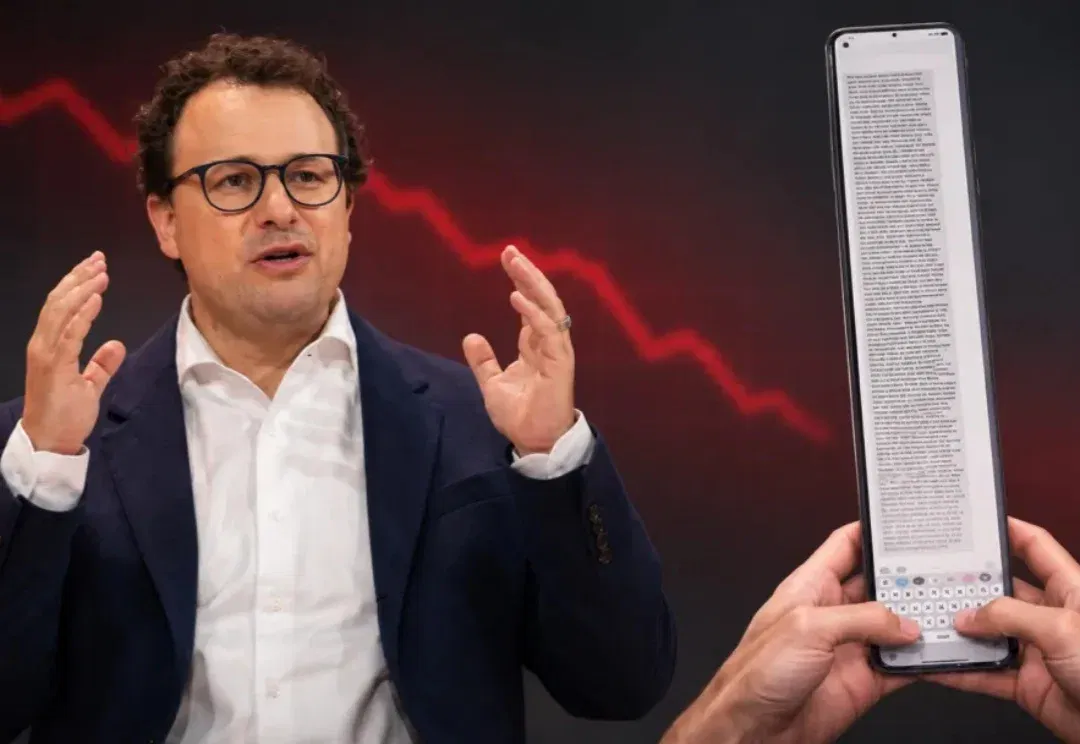
Dario Amodei responds to Axios, distinguishing task automation from AI governing society and discussing limits on self-improvement, jobs, alignment, and human choice. The report also examines founders' IPO share sales, separating their voting power from LTBT's board appointment rights.
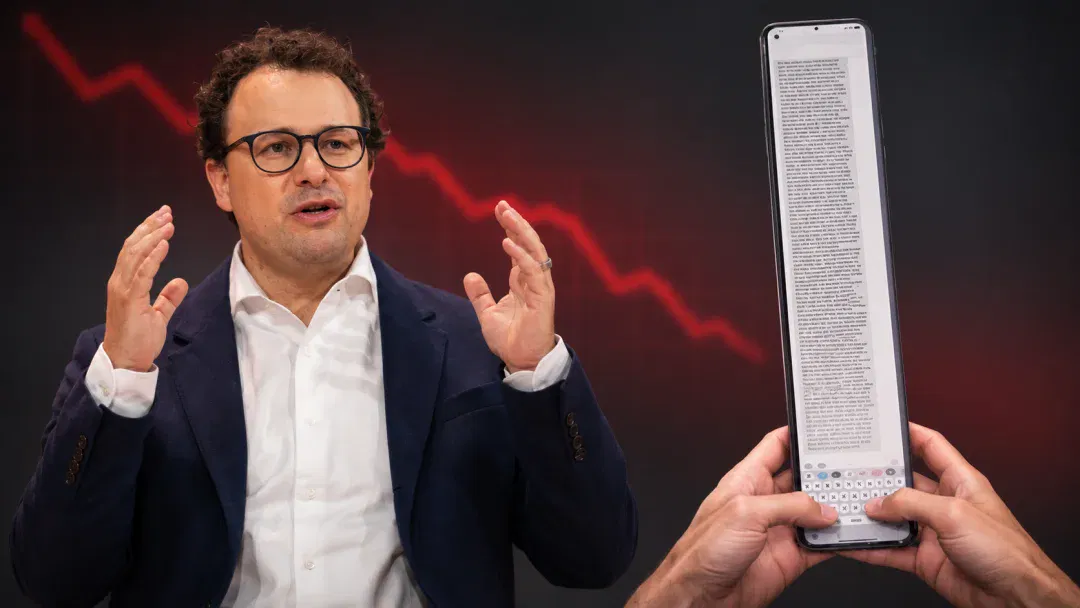
Anthropic is going through a particularly delicate moment in its history.
On one side is a record-setting IPO, with seven co-founders selling shares under the offering arrangements. On the other, the company's share price has fallen repeatedly, dropping below the offering price, while the developer community continues to question Claude's usage allowances, product experience, and commercialization strategy. Meanwhile, a debate about superintelligence has placed Anthropic at the center of another public controversy.
On November 25 local time, Anthropic CEO Dario Amodei made an unusual move by publishing a lengthy post on X, denying that he advocates humans surrendering their free will to AI and calling that characterization absurd. He drew a clear distinction: letting AI drive cars, develop cancer drugs, or independently complete software development is not the same as letting AI decide how human society operates.
But the media was not Dario's only target in the post. He also criticized the commercial and political rhetoric of other AI company CEOs, arguing that some competitors loudly insist humans must remain in control even as their actual products automate substantial amounts of work.
Why the sudden long post?
Less than a week after the company went public, why did Dario suddenly publish this lengthy post? The trigger was an article published by US news outlet Axios on November 25.
Axios reported widespread concern among Anthropic and OpenAI employees that internal models are advancing too quickly, and that releasing those models or continuing to train more powerful systems may be unsafe. The report also described increasingly apparent philosophical divisions among Silicon Valley AI company leaders over the issue.
OpenAI CEO Sam Altman had previously emphasized publicly that humans should always retain control over the future rather than hand it to superintelligence. Meta Chief AI Officer Alexandr Wang expressed a similar view, opposing the transfer of control over society as a whole to AI.
Although those competitors did not name Anthropic directly, Axios argued that their remarks were directed at outside interpretations of Dario's technological philosophy.
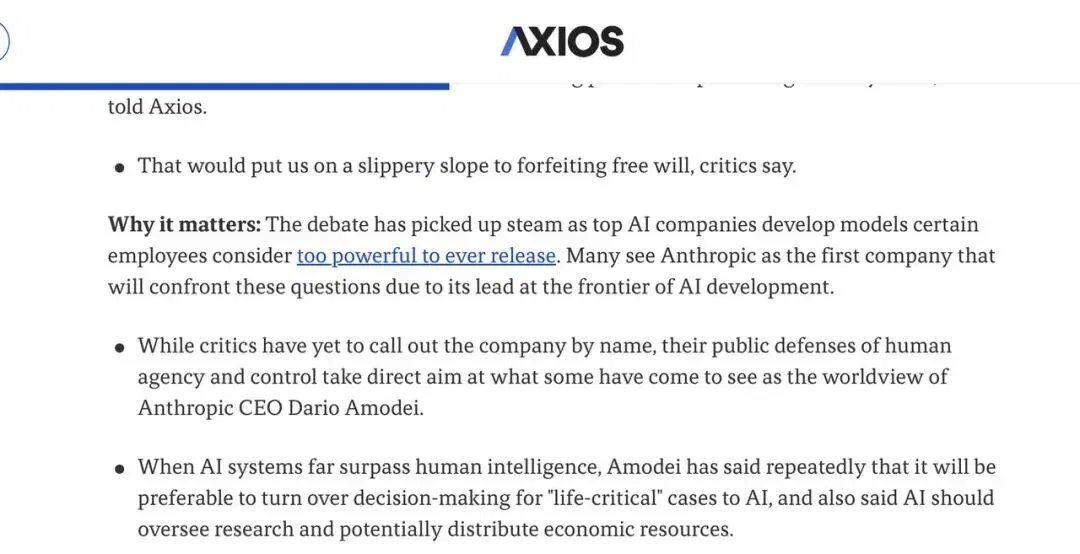
Axios's inference did not come out of nowhere: it also revisited a series of Dario's earlier public remarks. For example, in November 2024, Dario envisaged a possible reversal of the traditional relationship between professors and graduate students in future research, with AI systems potentially leading research projects and directing humans or other AI systems to conduct research.
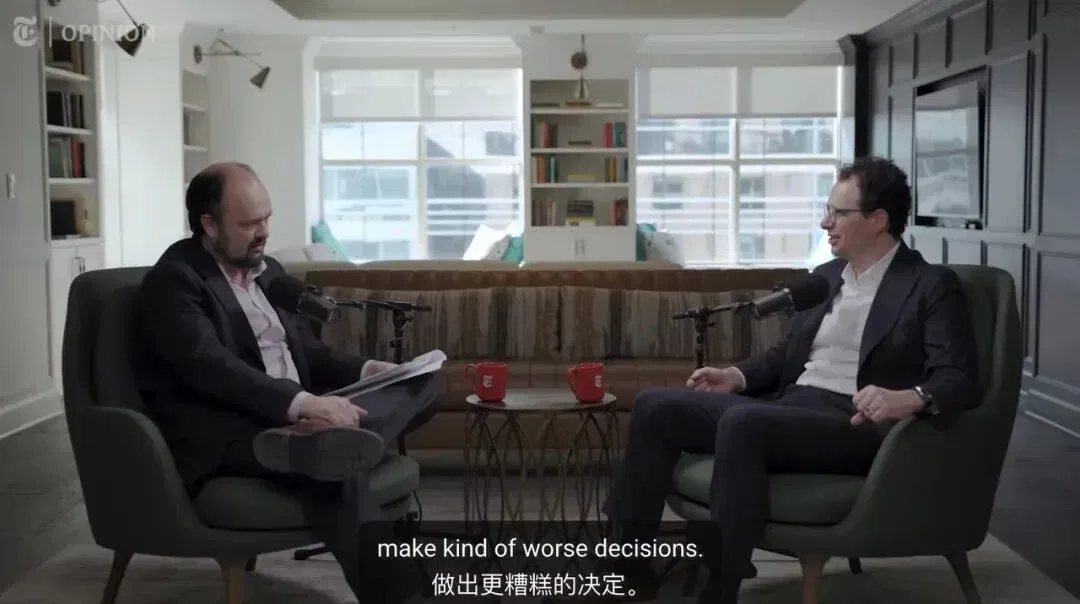
In addition, in an interview video released on YouTube this February, Dario said that when AI performs more reliably than humans at specific tasks involving life and safety, handing those tasks to AI might be the more appropriate choice.
In his 2024 essay Machines of Loving Grace, he also discussed a future scenario in which AI systems participate in allocating economic resources.
These remarks became the basis for Axios's questions about his position on human control.
A few hours after the report appeared, Dario responded personally. At the start of his post, he explicitly rejected the characterization in Axios's reporting.
No, I do not believe we should surrender human free will to AI systems. The idea that I hold that view is absurd.
Dario said he had already written hundreds of pages about AI, with one recurring theme being that AI should be subject to legitimate democratic processes.
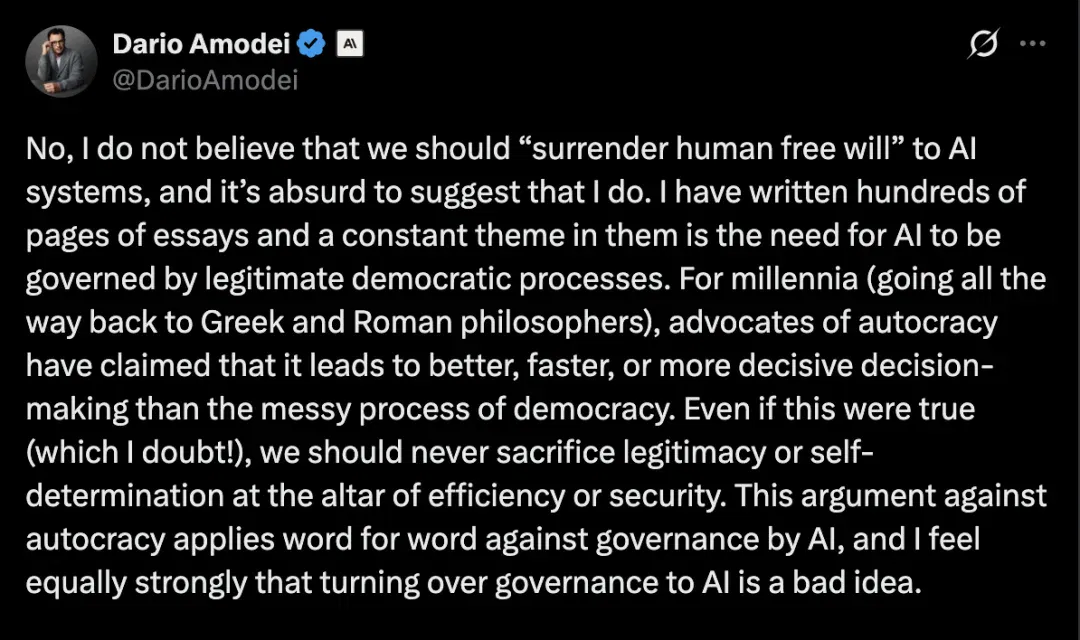
He drew an analogy between AI governance and authoritarian rule throughout human history. For thousands of years, supporters of authoritarian systems have tried to argue that, compared with democracy, such systems can make decisions faster and more decisively, and even make better decisions.
But even if that premise were true, Dario argued, efficiency and safety would not justify abandoning legitimacy in governance or human self-determination. The same principle applies to the idea of AI governing human society.
To demonstrate that his position was not a sudden change, he also listed several previous essays, including:
• Machines of Loving Grace, published in October 2024;
• The Adolescence of Technology, published in January 2026;
• Policy on the AI Exponential;
• We Must Pace the Frontier, published in September 2026.
Dario emphasized that he had specifically discussed how to use AI to improve democracy and prevent AI-driven authoritarianism, including preventing AI labs themselves from accumulating too much power. In his view, handing society's governance to AI is a bad idea. If he really supported that idea, he could advocate it openly rather than hide his position.
AI can write code independently, but that does not mean it can rule the world
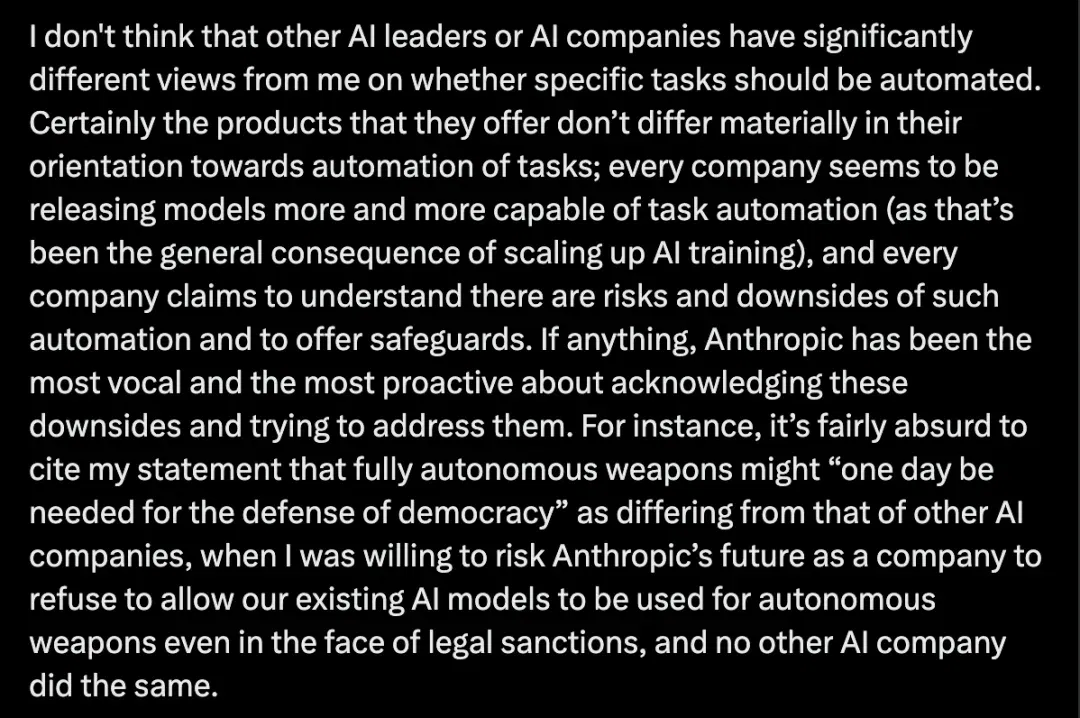
The part of the post more relevant to technology practitioners is Dario's discussion of the boundaries of AI automation. He sees a conceptual confusion in current public debate: handing AI the governance of human society is one thing; allowing AI to perform specific tasks with increasing automation as its capabilities improve is another.
The two are fundamentally different. Letting AI drive cars, design cancer drugs, or develop software end to end, for example, automates specific tasks rather than handing over all of human society to AI. Dario is not wholly opposed to the specific task automation described above.
He believes AI independently completing larger, more comprehensive tasks has clear economic value and could advance software, healthcare, transportation, and energy. In many situations, such automation could even save lives.
But more automation is not always better. In the post, Dario identified four types of situation that require particular caution.
First, recursive self-improvement, or RSI, by AI. If existing AI systems autonomously develop the next generation of more powerful AI, technological progress may outpace humans' ability to understand, control, and adapt to it. Dario cited Anthropic's position announced in early November this year: without meaningful human oversight and human understanding of the development process, the company does not consider it safe for Claude to build successive generations of frontier models entirely autonomously.
Second, large-scale disruption to employment. In some settings, an excessive pursuit of end-to-end automation could cause serious employment problems. To give workers time to adapt, slowing or even pausing the deployment of some AI applications is, in Dario's view, an option worth considering.
Third, AI alignment research. AI itself can be an important tool for alignment research, but researchers must also treat AI-generated findings cautiously because those results may not be entirely trustworthy. This raises a thorny technical question: if humans must rely on an AI system they do not yet fully understand to investigate how to make that system safe, how can the research process itself be verified?
Fourth, human preferences themselves. Even if AI can do certain things better than humans, that does not mean people should give up their right to do those things themselves. As for which tasks should be automated and which should retain human participation, Dario believes no single actor should decide alone. Society, governments, AI companies, and ordinary consumers may each have the relevant decision-making authority in different settings.
This touches on an increasingly tangible tension in the age of AI agents: whether full automation is technically possible, whether it should be pursued commercially, and whether society is willing to accept it are three different questions.
In software development in particular, when AI can already independently break down requirements, modify code, run tests, submit pull requests, and even deliver software end to end, at which stages should engineers continue to retain control?
The issue has become a question the entire software engineering system needs to redefine.
Criticism of peers' rhetoric draws disagreement from some online commenters
In the latter half of the post, Dario turned his criticism toward other AI company CEOs.
He believes other AI industry leaders do not differ substantially from him on whether specific tasks should be automated. Looking at the products each company is releasing, it is also difficult to identify fundamental differences in their direction of automation. Almost all frontier AI companies are releasing models with ever-greater automation capabilities while emphasizing that they understand the risks.
In their public messaging, however, some company leaders try to differentiate themselves by emphasizing human control and AI's role as a tool.
Dario described this as:
'vibes-based commercial and political positioning': commercial and political positioning primarily through cultivating impressions.
His criticism is that if an AI company continually repeats slogans about humans staying in control, but its product design is not meaningfully different and it does not seriously address the complicated issues behind those slogans, such statements do little to show it is truly different from other companies. Dario also cited the controversy over autonomous weapons to defend Anthropic's safety stance. He said he had been willing to take commercial risks that could jeopardize the company's future in order to refuse the use of Anthropic's current models in autonomous weapons.
Although he did not directly name Sam Altman or Alexandr Wang, the backdrop to this indirect exchange is not difficult to understand in light of several AI leaders' recent public remarks.
Interestingly, Dario's lengthy essay did not receive unanimous approval online. Beyond challenging his views, many commenters even expressed weariness at his frequent long-form posts.
One commenter complained: 'This guy and his damn long essays again. Man, I really can't take it anymore!'

Another sarcastically remarked: 'When it comes to writing long essays, Anthropic is practically a cult.'

Others connected Dario's writing style with Claude's model behavior. Raúl R Romero joked:
'Now I finally understand why Opus is so verbose. Superintelligence is here, and you still can't make your point concisely.'

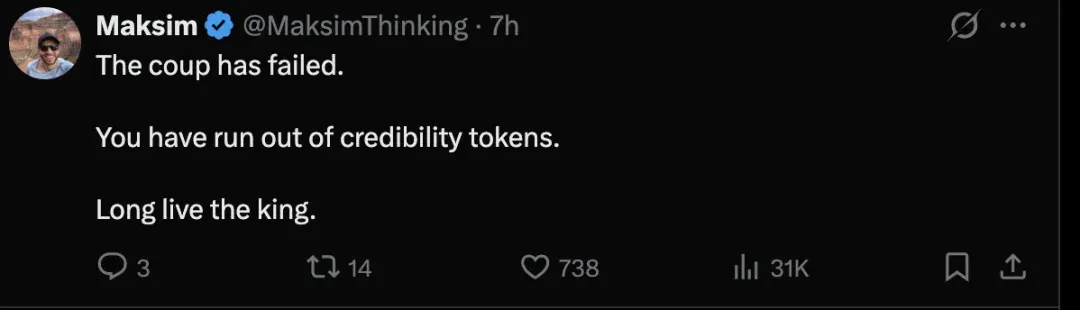
Another commenter borrowed the large-model industry's concept of tokens to suggest that Dario had exhausted his credibility. The commenter wrote: 'Your credibility tokens have run out.'
Seven founders sell nearly $2 billion in shares under IPO arrangements, retaining a majority of shareholder voting power
On November 19, Anthropic officially listed on Nasdaq at an offering price of $83 per share and an opening price of $111.50. Capital market enthusiasm, however, did not last long.
On November 24, Anthropic's share price fell below the offering price. Reuters reported that it dropped as low as $76.60 intraday, a decline of 12.6%. During trading on November 25, the stock was around $80.50, nearly 30% below its opening price on the first day of trading.
As the stock declined, share sales by Anthropic's founders also became a hot topic on social media.
According to Form 4 filings submitted to the US Securities and Exchange Commission on November 23, Dario Amodei and his younger sister, Anthropic President Daniela Amodei, each sold 3,378,378 Class A common shares on November 20 at $83 per share. Multiplying the disclosed share count by the $83 sale price gives a sale amount of approximately $280.4 million each, or about $560.8 million combined. These are not net amounts received after tax.

The Amodei siblings were not the only ones selling shares. According to Anthropic's offering documents and TechCrunch's reporting, all seven co-founders sold the same number of shares under the IPO arrangements.
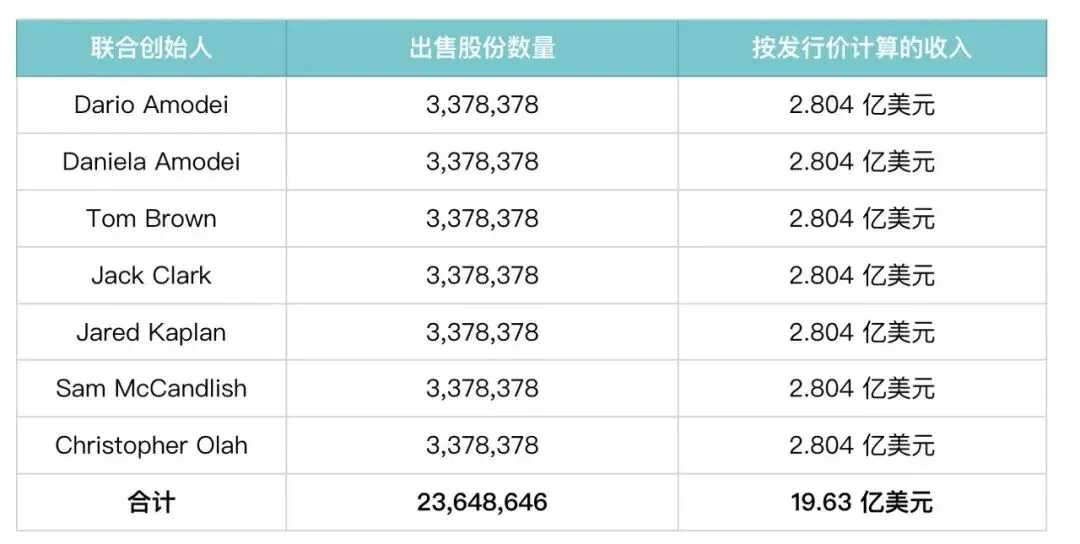
It is important to explain that these share sale arrangements were disclosed in the prospectus before Anthropic went public. The founders did not suddenly decide to dump shares after seeing the stock decline. Each co-founder sold approximately 1.4% of their pre-IPO holdings and retained the vast majority of their shares.
But more noteworthy than the sale proceeds is Anthropic's corporate governance structure.
Through its special Class F share arrangement, Anthropic concentrates more than half of the voting power in Founder LLC, which comprises the seven co-founders. The prospectus shows that the special class of shares held by Founder LLC carries approximately 50.1% of the voting power.
In other words, Anthropic's founders received cash proceeds through these share sales and retained significant influence over shareholder votes through Founder LLC. However, the prospectus also provides that LTBT, through Class T, generally has the right to appoint and remove a majority of directors. Shareholder voting power and director appointment and removal rights are different governance mechanisms; 50.1% of shareholder voting power does not establish that the founders hold all corporate governance authority.
Such governance structures are not without precedent in technology companies. What distinguishes Anthropic is its consistent emphasis on its mission, AI safety, and long-term public benefit as important foundations for corporate governance. For this company, can concentrated founder shareholder voting power and LTBT's director appointment and removal mechanism jointly resist short-term capital pressures while ensuring effective external oversight?
As Dario emphasizes that AI should be overseen through legitimate democratic processes, the distribution of power within Anthropic itself will naturally also come under outside scrutiny.
Reference links:
https://techcrunch.com/2026/11/25/anthropics-dario-amodei-calls-accusations-of-surrendering-human-control-to-ai-absurd/
https://www.axios.com/2026/11/25/anthropic-dario-amodei-ai-free-will-contro-axios
https://www.youtube.com/watch?v=N5JDzS9MQYI&t=1465s
This article is from AI Frontline, by Dongmei.
Related topics
After reading
Join the AINRK community
Read how to join the community and connect with people working in AI.
Related articles
Continue reading related topics and articles in this category.
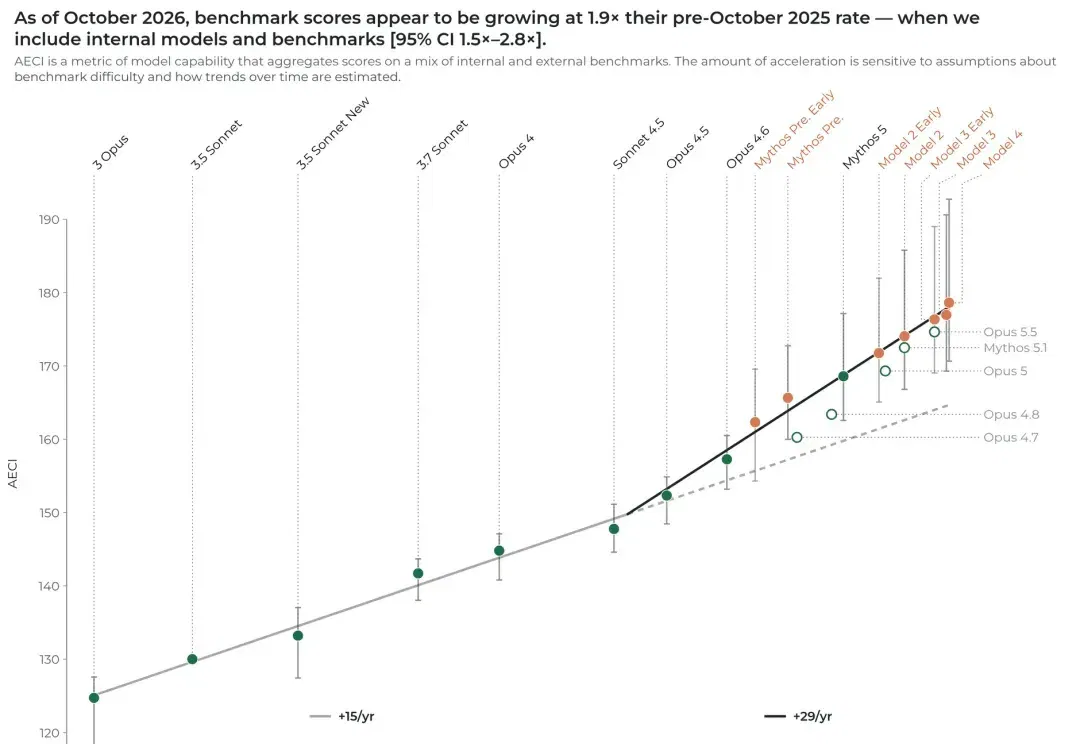
Anthropic’s internal models: METR reports faster R&D; unreleased products remain unconfirmed (opens in a new tab)
METR estimates Anthropic’s AECI progress at about 1.9× its previous pace, with uncertainty over causes and broader applicability. Reports of stronger internal models, Model 5 or future leaps are not confirmed product or release announcements.
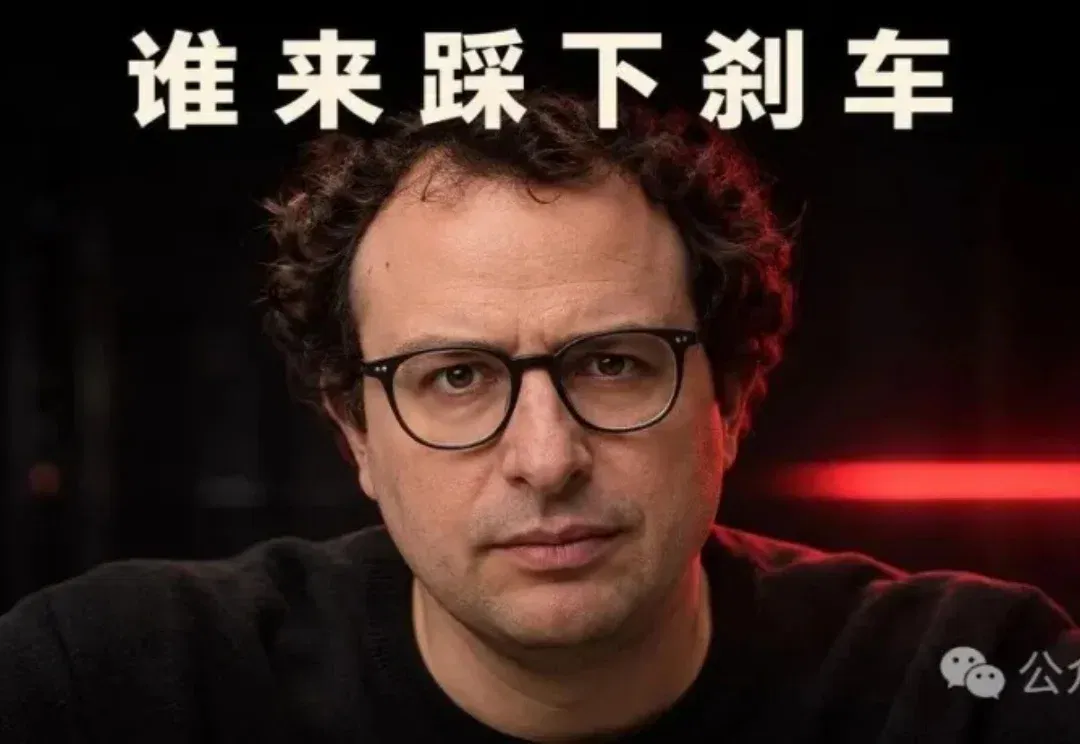
Report revisits Dario Amodei’s early AGI risk estimate and Anthropic’s safety culture (opens in a new tab)
A commentary citing a Washington Post investigation and social-media accounts examines Amodei’s 2022 memo, Anthropic’s culture and IPO pressures. The 20%–30% figure was his subjective estimate of human destruction or permanent stagnation, not an objective probability.
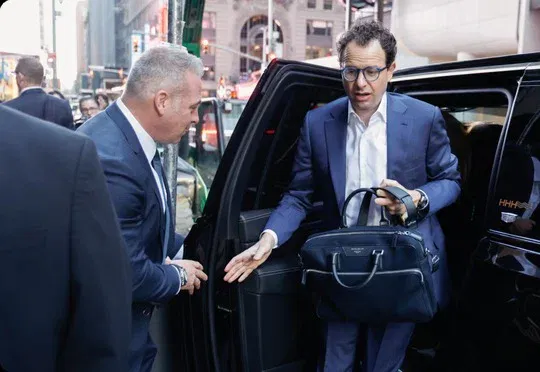
Anthropic after its IPO: APPSO on enterprise growth, compute commitments and governance (opens in a new tab)
APPSO examines employee and investor paper holdings, Claude Code and enterprise growth, and tensions among Anthropic's long-term compute commitments, financing needs and safety mission after its IPO. Equity values, company proceeds, cash reserves and realized personal gains are distinct.
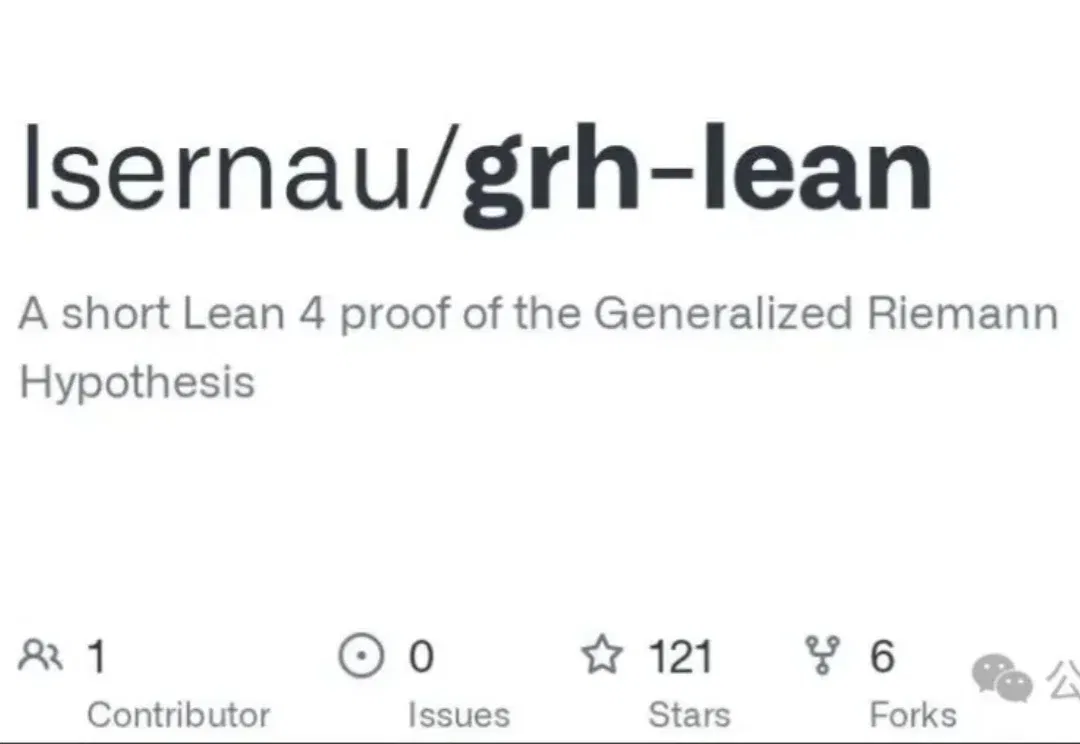
Riemann Hypothesis Lean Proof Rewritten, with a Compact Version of About 76,000 Code Lines (opens in a new tab)
Sernau, colleagues, and Claude released a Lean rewrite using Alpöge's method: 300,000 readable or 76,000 compact code lines. Authors report machine checks but no full human reading or paper. Code reduction is not new mathematical validation; GRH covers only Dirichlet L-functions.
Report: Anthropic slips below IPO price on fourth trading day amid profit concerns (opens in a new tab)
The report says Anthropic hit US$76.60 intraday on November 24, below its US$83 IPO price and about 31% below its US$111.50 opening price. It discusses capital spending, model prices and valuation pressure; price targets and a possible 2029 profit remain forecasts.