Testing MAGI-2: Strong camera work and stylization, with room to improve speech
Kazike's team tests MAGI-2 on long takes, physics, stylized animation and mixed references. The author praises camera control and prompt following while noting spatial, detail and speech flaws. It supports up to 30 seconds of 1080p audio-video; open weights remain planned.
Editorial fact-check (2026-11-26): Reading note: This article evaluates the author's selected examples. Its quality comparisons with different Seedance versions and the description "around 2.3" are personal characterizations, not conclusions from a standardized benchmark or an official model version. RMB 0.5 per second and "one-tenth" refer to the reported 1080p list prices; actual costs depend on the platform, task, retries and editing charges. Sand.ai's full model has 480B total parameters and about 28B active parameters. Releasing its weights remains a future plan, not an indication that they are already downloadable. Sand.ai: MAGI-2 full-version launch announcement. (opens in a new tab)
Early this morning, Sand.ai finally released its brand-new video model, MAGI-2.
After two years of hard work, Cao Yue and his team have finally, finally unveiled this model. I really have been waiting a long time. It may be one of the few challengers I have seen anywhere in AI video that can rival Seedance 2.5.
Longtime followers may remember that last October I wrote about their video performance model GAGA-1 (opens in a new tab). To be honest, its character performances were genuinely good for its time.
Then, in February this year, Seedance arrived and cast a shadow over the entire AI video industry. Even six months after its release, it still had not encountered a genuine challenger.
It was the same this time. When Sand.ai told me a few days ago that its new model was coming, my reaction was: oh, here comes another one. Honestly, I was not optimistic at all. All I could say was that I would find some time to test it.
I went in expecting little more than a laugh at its expense, with absolutely no expectations.
But honestly, after testing a few cases, the quality far exceeded what I had expected. If Seedance 2.5 is the current state of the art, I genuinely feel that Sand.ai's MAGI-2 reaches something like a Seedance 2.3 level. And at the same 1080p resolution, it costs only RMB 0.5 per second—one-tenth of Seedance 2.5's price, or 90% less, and even far below Seedance 2.5 Flash.
Just look at these two 30-second character-performance examples I casually generated in single attempts at the time.
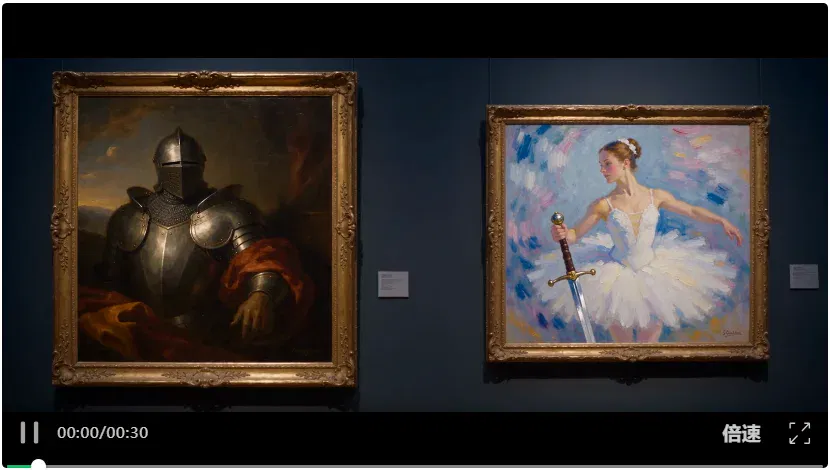
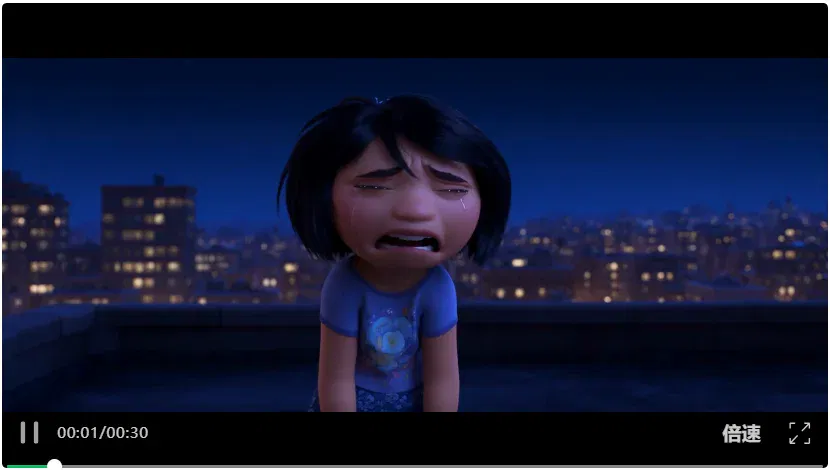
After watching those two videos, you can probably understand the sense of disbelief I felt.
I feel as though I could start a separate Zhihu discussion next time: "What exactly did Sand.ai get right...?"
Let me briefly run through MAGI-2's basic specifications.
It is a 480B omnimodal video model—yes, they actually disclosed its size—and probably the largest video model I currently know of. A single request supports up to 20 multimodal reference assets, including images, audio and video. It also supports local editing and generation of up to 30 seconds.
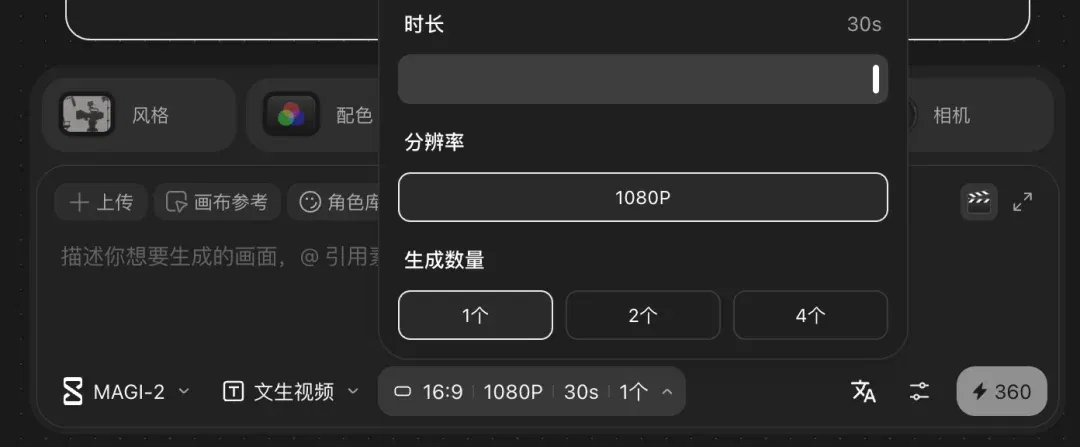
To summarize our own testing: audio is fairly average, roughly at Seedance 2.0's level, with the kind of sound you hear in many current AI short dramas. Visual texture also falls short of Seedance 2.5. But camera movement, prompt following, physical behavior and similar aspects are very strong, and the unusable-output rate is extremely low. I found getting good generations remarkably easy.
You have already seen the character performances above. Let me go through the other aspects one by one.
1. Camera movement
First, I think how much creative scope a video model offers depends heavily on the range of movement it supports. By movement, I mean not only characters' poses and actions, but even more importantly the model's overall camera work.
So when I first got access to MAGI-2's closed test, my immediate thought was to see how its camera movement performed. I prepared this prompt:
Shot with an iPhone camera: smoothly track a full-body side view of a female model wearing a coat. Move closer to the front side, accelerate slightly, arc around to the rear, then rise quickly overhead for a top-down shot. Descend rapidly along an arc to the front, hold a close-up of her face briefly, then accelerate backward and upward, settling gently into a high, wide view of the city.
Use a natural wide-angle look of approximately 28–35 mm. Keep sufficient distance in close shots to avoid stretching the face and limbs. Ease in and out of all upward and downward camera movements. Keep the character's actions at normal speed, with changes in rhythm coming mainly from the camera. As the camera moves, the background should show continuous parallax: larger displacement nearby and smaller displacement in the distance. Avoid making the entire city rotate like a flat texture.
Maintain one continuous take throughout. If a hidden cut is needed, make the transition only when clothing or a foreground building briefly obscures the frame. Ensure continuous movement and matching character proportions and spatial positions on both sides of the cut. Coordinate the music with the camera movement to create a strong sense of rhythm.
Here is what MAGI-2 produced in a single attempt.
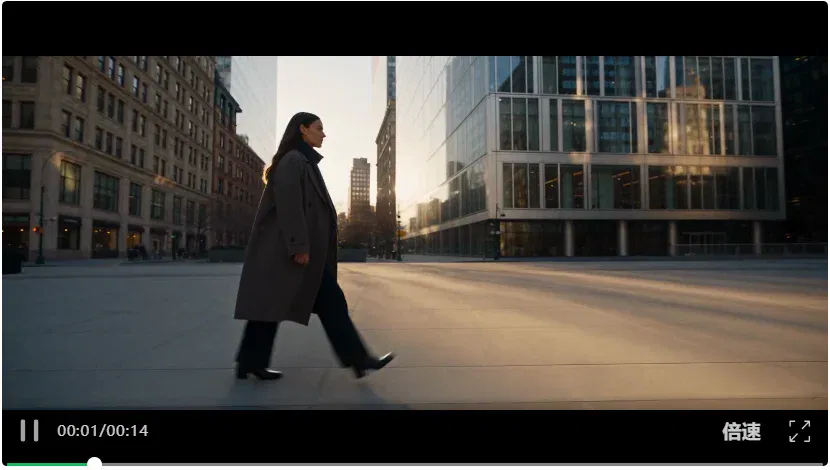
Unexpectedly, the result was very good. The camera movements were crisp and bold, with slowdowns and pauses at certain angles that gave it a naturally polished feel.
For this particular scene alone, I personally think MAGI-2 performed best among all video models, even including Seedance.
I even ran a blind comparison using outputs from other models and asked several colleagues at the company to judge them. They, too, favored MAGI-2.
Next, I gave it a more complicated request:
Shot with the native iPhone camera, natural lighting, evening sunset, one continuous take with naturally connected spaces:
At sunset, a white paper airplane flies from the rooftop of a school building to the south. The camera follows behind it over the roof edge as it dives into an open corridor on the floor below. The airplane enters a classroom, skims diagonally past desks and brushes the blackboard. The camera passes beneath a wing to the other side, accelerates around in front of the nose, and faces the airplane as it flies out through the rear door. At the end of the corridor outside that door is a wide, fully open window through which the sports field is visible. The airplane flies through the window and outside, banks gently into a turn, and glides diagonally downward along a row of windows, a few meters from the exterior wall. The camera looks down on the top of the airplane, then descends in an arc from the sports-field side to beneath a wing, looking up at its underside. Near the ground floor, the airplane turns through an open side entrance into the lobby. The camera circles back behind its tail, follows it through the lobby, and simultaneously rolls a full turn around its optical axis, returning exactly to level as it exits. It then skims close to the grass past the airplane's shadow, rises in an arc to wingtip height, and slows down with the airplane. End at the instant the airplane lands steadily in the palm of a European girl walking toward it, its paper wings trembling slightly. The airplane glides naturally throughout, drifting and trembling gently in the breeze; changes in speed come mainly from the camera. Nearby window frames sweep past quickly, distant floors are revealed in sequence, and every orbit retains clear, continuous spatial parallax.
Make sure the spaces connect continuously, one after another. The paper airplane must not pass through walls.
Here is the result this time:
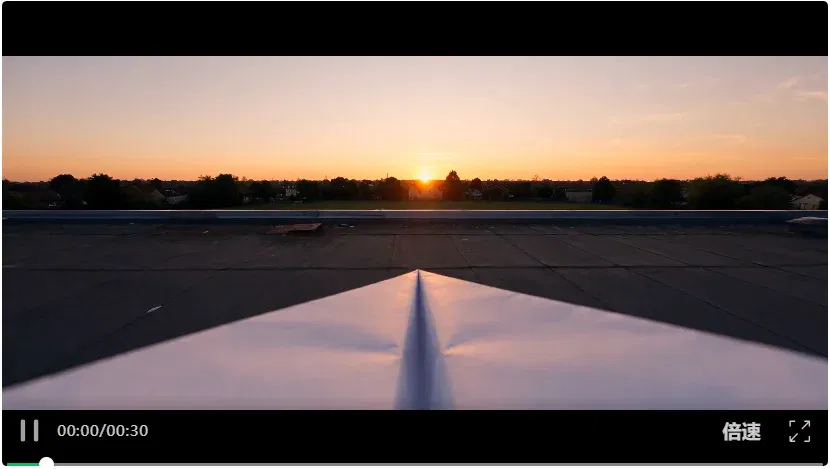
You can tell from the prompt alone that this tests not only camera movement, but also the AI's spatial understanding and structural accuracy across multiple settings. This is precisely what I regard as one of the biggest problems in video generation today. In fact, the original prompt included a stairwell, because moving through a stairwell is genuinely very complicated...
But neither MAGI-2 nor the other models I tried could depict the stairwell structure properly. Perhaps it really is a little too difficult for video models at their current stage...
Once I replaced the stairwell with an open window, the results became considerably more stable.
These two examples also show that MAGI-2 is unexpectedly strong at following instructions.
2. Physical behavior
For the next test, concerning physical laws, I combined multiple scenes that could demonstrate physical accuracy into a single video. I really packed in a lot. Here is the prompt I wrote:
The look of authentic, unprocessed handheld iPhone footage, real everyday natural light, no cinematic color grading or effects, with slight realistic hand shake. Use fast-paced match-on-action hard cuts, cutting cleanly into the next everyday scene at the instant of each burst or splash:
On a winter street, a sneaker forcefully kicks apart a half-meter-thick pile of snow, sending a fluffy cloud of snow exploding toward the camera → cut to a tiled home kitchen, where a large transparent glass jar full of colorful hard candies slips from someone's hands, hits the floor and shatters; broken glass and hundreds of candies bounce violently and roll in every direction → cut to an outdoor pool, where a young person wearing a sweatshirt slips on wet tiles and falls heavily into the water, throwing up a two-meter column of clear water and a shower of splashes → cut to a living-room floor, where a shaken large bottle of cola falls; a high-pressure jet of white foam erupts from the opening, spins wildly and knocks over a row of paper cups → cut to an outdoor clearing, where a hand uses a needle to pop a large transparent balloon filled with colored corn flour; the rubber membrane instantly tears and retracts, and colored powder explodes into billowing clouds that drift down. Keep normal speed throughout. Strictly follow real gravity, elastic collisions, fluid splashes and dust dispersion. No interpenetration, levitation or objects disappearing into thin air. No dialogue: only authentic phone-recorded sounds of kicking snow, breaking glass, bouncing candy, a loud splash into water, spraying soda and the balloon bursting.
Here is MAGI-2's response. To make the comparison clearer, I placed it alongside Seedance 2.5's output:
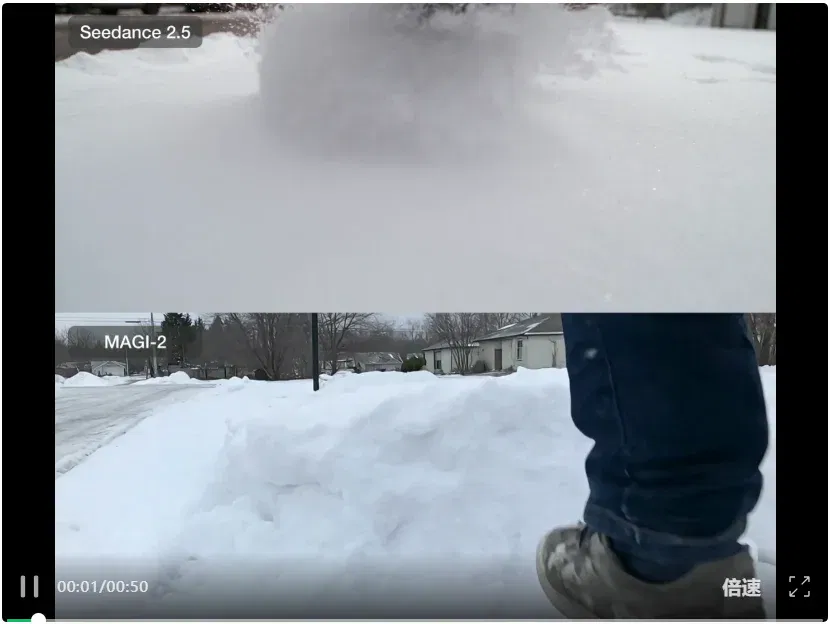
There are five short segments in total. Let's first look at MAGI-2's results.
There is almost nothing to fault in the first segment, kicking snow, or the third, falling into the pool. I think two others are worth discussing in more detail.
The first is the spraying cola. Set aside why the cola sprays so forcefully—perhaps too many Mentos were added—but the color of the liquid coming out is definitely wrong. I even specifically searched online to check:
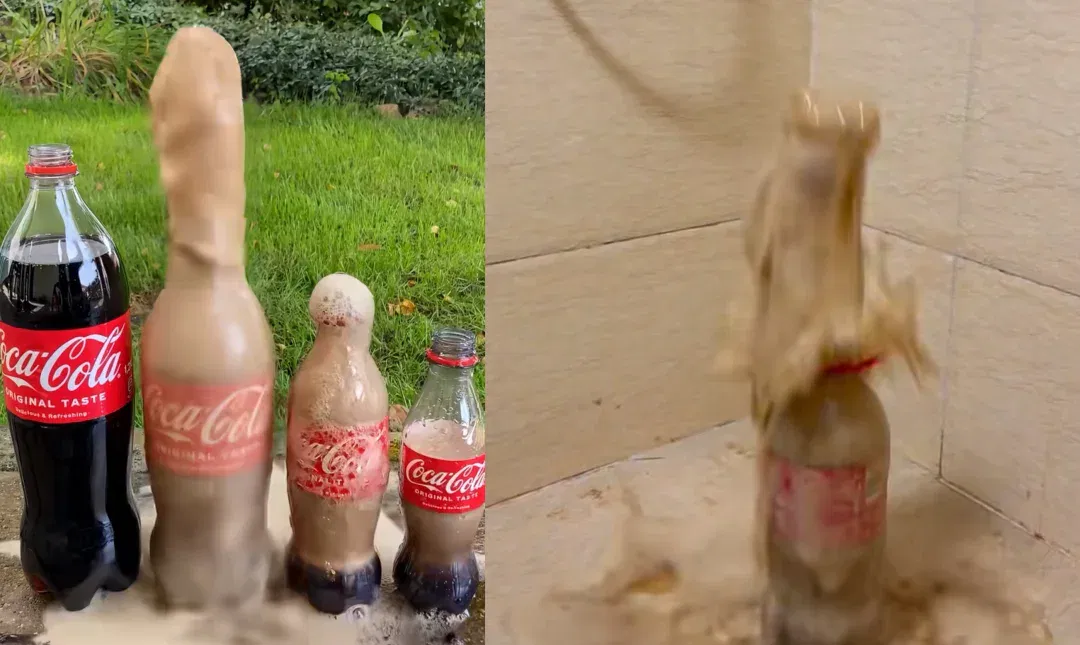
So perhaps the bottle in the video actually contains beer...
The second segment worth discussing, and the most detailed one, I think, is the glass candy jar:
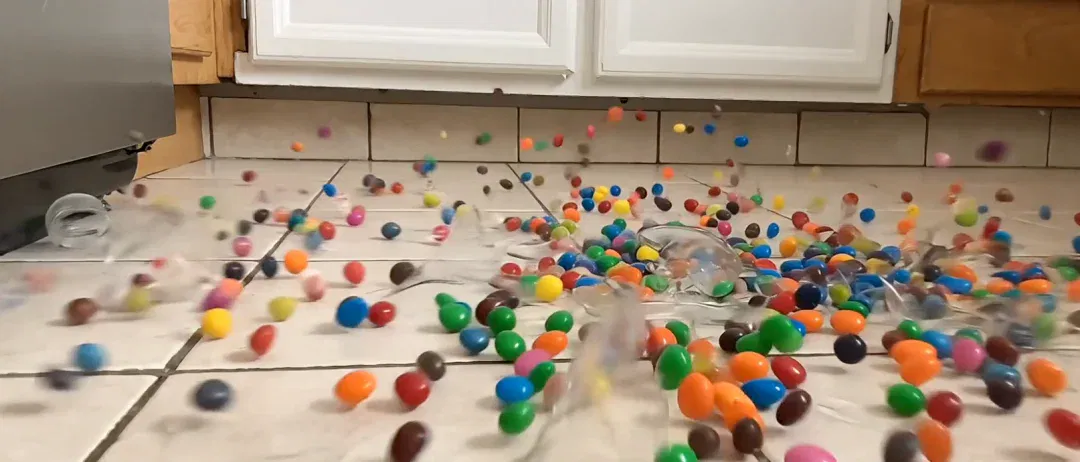
This is something of a tribute to my good friend DiDi_OK's incredibly impressive work Candy.
As you can see, there are flaws in this screenshot. They become noticeable when the video is slowed down. Although the flying candies bounce quite plausibly when they collide, a closer look reveals that many of them have already broken apart or become blurred.
Now go back and judge Seedance 2.5's output above by the same standard. Although there is still a small flaw with the cola bottle, apart from that it is somewhat stronger overall than MAGI-2.
But remember, this is Seedance 2.5, with so many scenes and physical laws involved. In that comparison, I think MAGI-2's physical behavior has already exceeded expectations by a considerable margin.
3. Stylization
Stylization can be considered one of MAGI-2's strengths. My first example for this was a paper-cut-style sequence.
Animate in the style of traditional Chinese intangible-cultural-heritage multilayer openwork paper cutting. Use warm, translucent ivory window paper as the base, with handcrafted vermilion, gilded-gold and indigo paper cutouts layered on top. Clearly preserve paper-fiber textures, intricate openwork serrated patterns, subtle realistic shadows between paper layers, and a slightly choppy handmade animation feel. Strictly avoid drifting into 3D rendering or smooth CG. As the camera pushes forward, flat indigo paper scrolls rustle, fold and rise into successive surging waves of cut paper. A vermilion paper-cut koi carved with exquisite openwork patterns leaps upstream through the waves, nimbly weaving between layered paper reefs and descending bolts of golden paper lightning. It then lashes its tail and surges toward a towering openwork golden-paper Dragon Gate. At the instant it clears the gate, red and gold paper pieces burst apart and spin rapidly through the air, assembling and recombining into a majestic, outstretched giant red-and-gold openwork paper dragon. It breaks through paper clouds and spirals upward. Red scraps flying everywhere turn into delicate window decorations and slowly settle into a magnificent, symmetrical paper-cut panorama. No dialogue. Include crisp sounds of paper folding and rubbing, rapid pipa strums and powerful Chinese drums.
Here is the generated video:
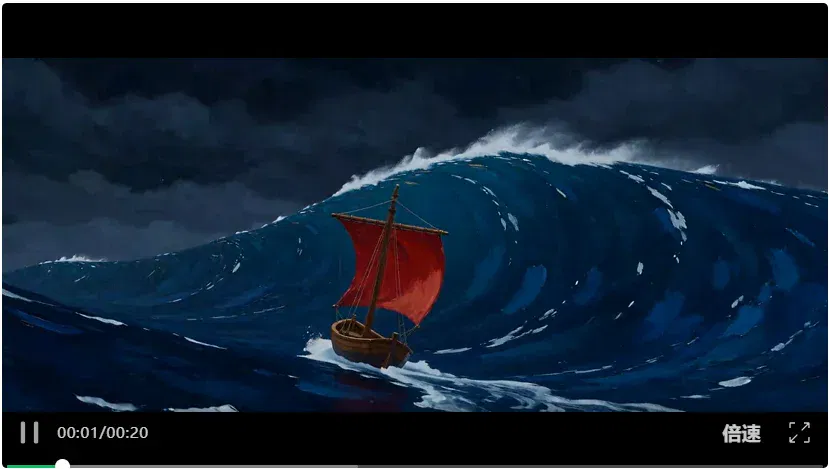
First, the model chose a continuous single take, so the whole sequence feels smooth.
But beyond that, watching the entire video, you notice places where current models could certainly make the imagery more elaborate, yet MAGI-2 holds back.
And that restraint is precisely one of its strengths:
Paper cutting stays paper cutting. It is almost impossible to pick out any other style.
On this point, MAGI-2 really is a model that follows instructions well.
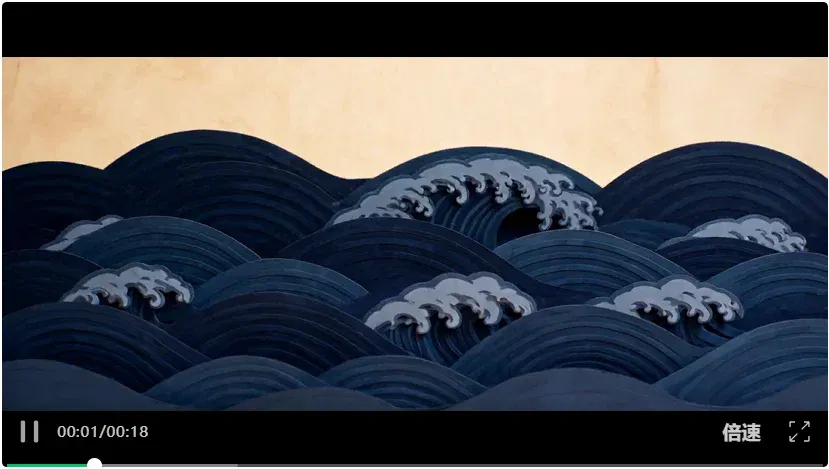
I also generated a video with the texture of oil paint, using this prompt:
Animate in a rich, heavily impastoed oil-painting style. Every frame must consist of thick oil paint piled in three-dimensional layers, pronounced palette-knife textures and strong swirling brushstrokes. Strictly avoid drifting into realistic cinematic imagery. On a deep-blue sea in a violent storm, a small wooden boat with a red sail struggles up towering oil-painted waves somewhat taller than the boat. A huge wave crashes hard against its bow, exploding into a skyful of thick ultramarine and golden-yellow paint spray. Magically, the splashed paint defies gravity, spirals upward with the gale into the black night sky, then blooms and spreads into brilliant swirling golden nebulae and flocks of glowing oil-painted seagulls. Light pierces the clouds and pours across the sea. The camera rises to look down on the little boat as it battles wind and waves toward a golden dawn. No dialogue; only crashing waves, howling wind and a grand crescendo of strings.
The result is also very good:
4. Advanced scenarios
MAGI-2 also supports multimodal inputs, so I prepared an interesting reference: the type of video that recently went viral across major platforms in China and abroad and inspired countless variations, known for short as Endless Love.
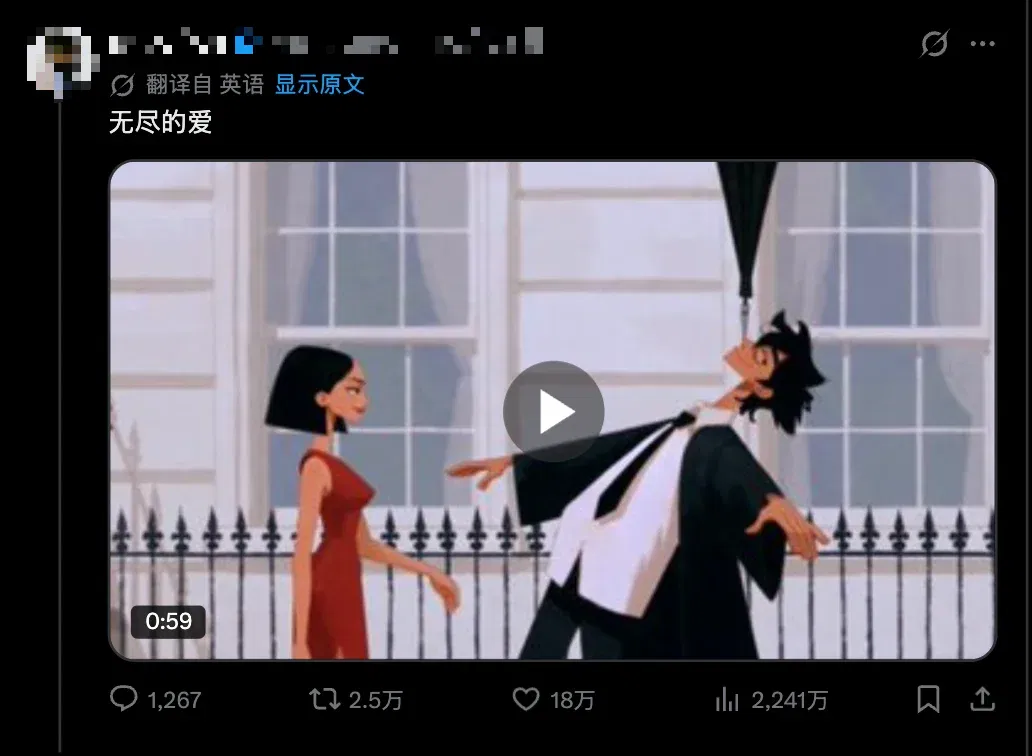
For this, I took a short excerpt from @antrofrog_ on X as a reference video.
I also used GPT to generate additional reference images for characters, props and settings, put them all on the canvas, then connected them to generate the video:
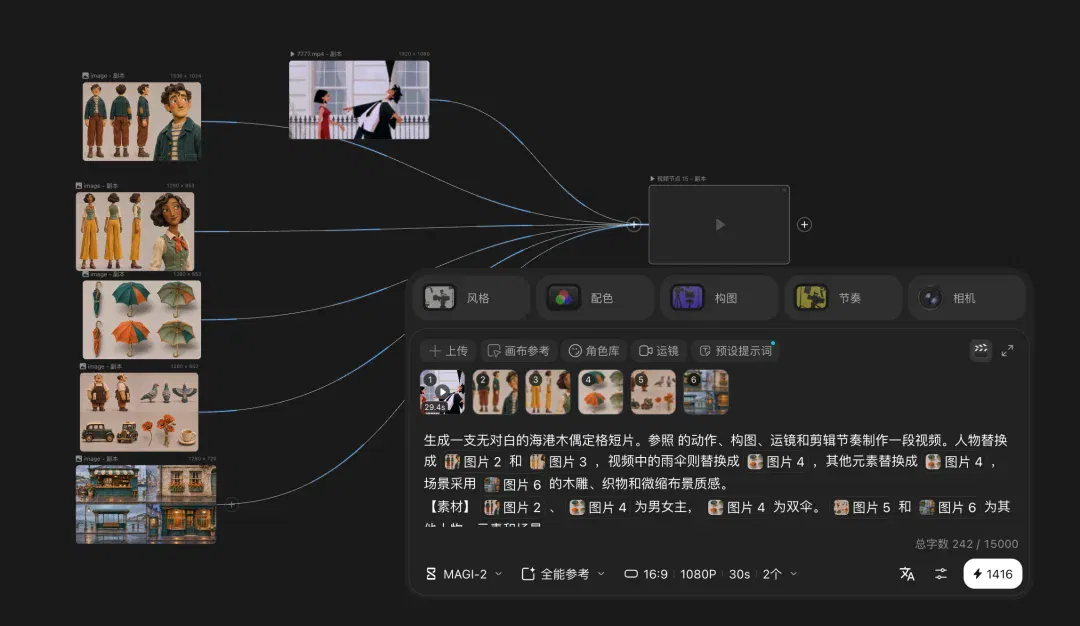
Here is the final result:
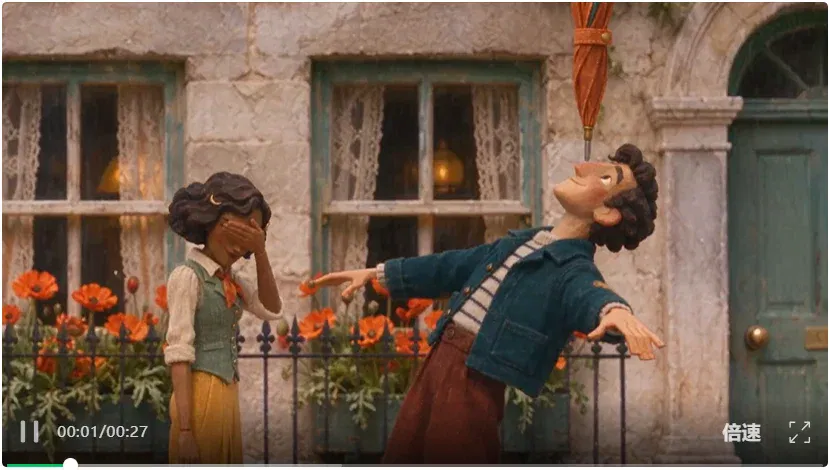
The consistency and stability are just so cool.
Then I borrowed another official video as a reference and adapted it:
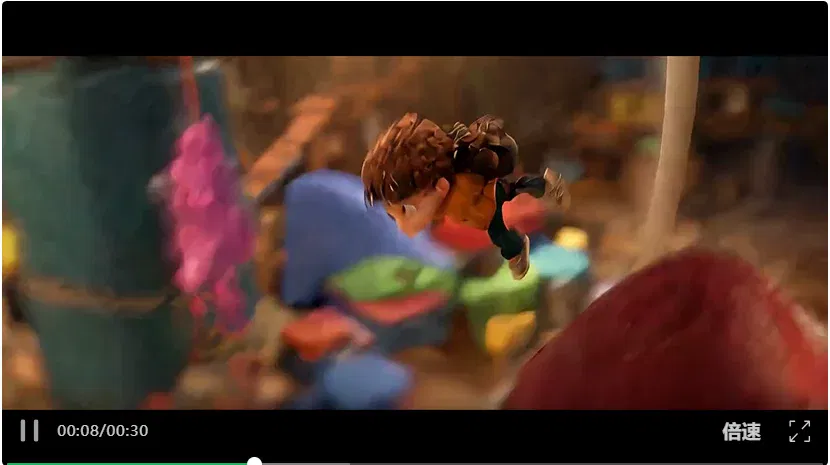
The result really is good.
But the prompt is so long that I will not include it in the article.
A final word
MAGI-2 is very good overall. Honestly, its video quality far exceeded my expectations. But there is one particularly disappointing flaw that I think still needs to be mentioned: the sound is a little weak, or rather it has a pronounced AI feel, roughly only at Seedance 2.0's level.
For example, I used the following prompt to ask MAGI-2 for a simple science demonstration:
Close Your Eyes and Listen to This Bottle | A science teacher's small tabletop experiment, without background music.
In a quiet classroom, a glass bottle containing a small amount of water sits on a table. The teacher picks up a small wooden mallet and says, inviting the audience to join in: "Close your eyes and remember this sound." She taps the bottle gently, leaves a beat, and lets the clear resonance fade naturally. She then adds water to the same bottle until it is half full, waits for the pouring sound to stop, and taps the same spot with the same force. It still has the same glass timbre, but the pitch is noticeably lower this time.
Only after the second sound has finished does the teacher ask: "Did you hear that? Was this one higher or lower?" She looks into the camera, gives the audience a beat to think, then smiles and reveals the answer: "Lower. When you tap the bottle, the water inside vibrates along with it." Both impact sounds must be synchronized with the exact instant the mallet touches the glass.
Here is what it produced:
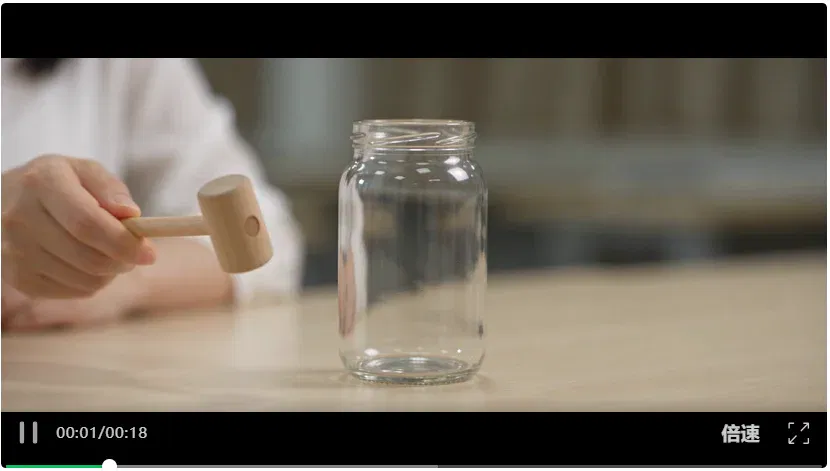
Despite my giving no instructions about the visuals, the overall presentation is quite natural, with a good sense of how to cut between shots. Almost everything feels pretty good—but the person's speaking voice really sounds far too AI-generated...
Sound should therefore count as MAGI-2's biggest current flaw, although the team says it will fill this capability gap as soon as possible.
Overall, I think MAGI-2's impressive results and relatively low price are already enough to appeal to the vast majority of users. At least, that is how I feel.
You can currently use the model on LibTV.

But something even more impressive is that Sand.ai says it plans to open-source MAGI-2 next...
All I can say is: well done!

In these examples from my own experience, MAGI-2 offers an appealing combination of performance and price, and shows me a new development in competition among video models.
Congratulations to Sand.ai.
Congratulations to MAGI-2.
And here's to everyone who refuses to accept the odds and finds a way through.
The show has finally begun.
This article comes from Digital Life Kazike and was written by Kazike and AIZ Xiaozhu.
Related topics
After reading
Join the AINRK community
Read how to join the community and connect with people working in AI.
Related articles
Continue reading related topics and articles in this category.
Testing MAGI-2: 30-second video, mixed references and editing, with open weights planned (opens in a new tab)
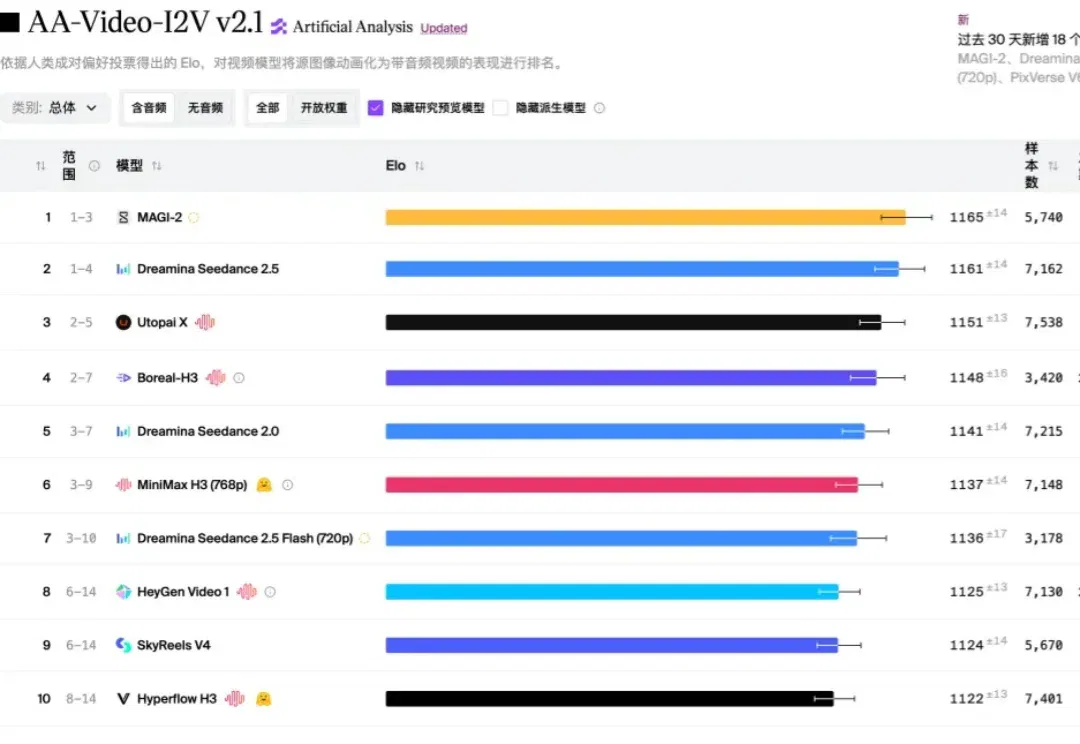
APPSO tests MAGI-2's long takes, mixed references, language edits and stylization in LibTV. The 480B model led AA's image-to-video ranking by Elo point estimate at reporting time. RMB 0.5/second is a 1080p list price; full-version weights remain planned and examples do not verify all tasks.

Sand.ai 完成 2 亿美元 A+ 轮融资,10 个月累计融资 3 亿美元 (opens in a new tab)
智东西报道,视频模型公司 Sand.ai 宣布完成 A+ 轮融资,并计划继续投入模型、推理基础设施和海外业务。报道还梳理了 MAGI 系列路线及 VidMuse 的公司披露数据。
深度|Sand.ai融资2亿美元,资本押注视频模型的开源未来 (opens in a new tab)
Sand.ai宣布完成2亿美元A+轮融资,并继续推进MAGI系列视频模型与开源生态。文章介绍MAGI-2 Preview的114B总参数、约6B单次激活参数及后续正式版计划;开源商业回报与赶超闭源模型仍需后续验证。

Yoroll Launches Interactive Short-Drama Adaptation Tool; Guaranteed Deals Depend on Project Terms (opens in a new tab)
Yoroll adapts finished short dramas with branches, generated shots and compositing, illustrated by the 30-episode Clutch Time. Platform guarantees depend on tiers, exclusivity and other terms; one-click adaptation does not ensure a guarantee, reliable output or distribution income.

Siltok on local AI video workstations: Tiered inference, generation time and cost trade-offs (opens in a new tab)
Siltok says Token Station runs H3 by coordinating VRAM, RAM and SSD storage. Its internal test generates 5 seconds at 1344×768 with 20 sampling steps in under 8 minutes. The interview examines workstations starting above RMB20,000, cloud costs and payback conditions.