AlterU wants AI mini-games to become social worlds where your avatar can enter others' creations
AlterU combines AI mini-game creation, feed browsing and digital identities, with examples including Kiss Wall, Hour Capsule and Block Hop. Its vision of persistent Reasoning Worlds remains distinct from current features; repetitive gameplay and limited creative control are still challenges.
Another you, inside a game.
Who would have thought Sheep a Sheep would still be going strong in 2026?
Its first level takes just a few casual taps, while the second seems impossible to clear. Four years later, this little sheep has unexpectedly made another move.
In late October, Sheep a Sheep began recruiting gaming livestreamers. By early November, its spinoff Xingqiu had held first place on WeChat's mini-game play chart for 61 consecutive days.
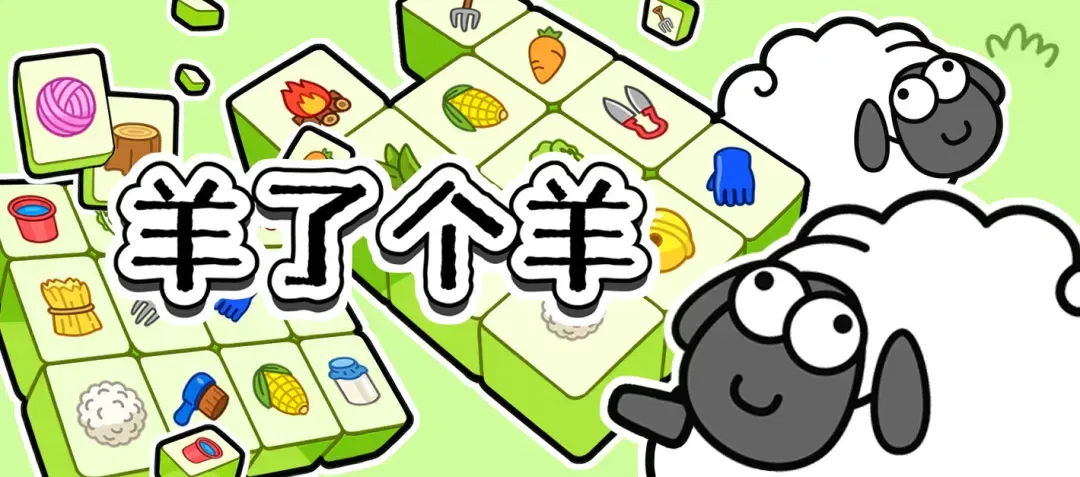
The gameplay in mini-games like these is not particularly complicated. Sometimes what keeps you holding your phone is that little competitive streak among friends: you have barely posted your score before a friend overtakes you, or you finally clear a level and cannot wait to show people you know.
A small event in a game becomes something to talk about.
To keep people playing mini-games, interaction among friends matters alongside enjoyable gameplay—especially now, when nobody is short of mini-games to play.

As AI creation tools become more widespread, making mini-games has also become quite easy. A single sentence can generate running, jumping, level-clearing, and other kinds of games.
Many platforms have adopted TikTok-like feeds: swipe down to switch games, and create and share your own whenever you like.
There are more games, and browsing them is convenient. But after playing a dozen or so, you may not even remember what you just played, let alone have formed much of a connection with other players.
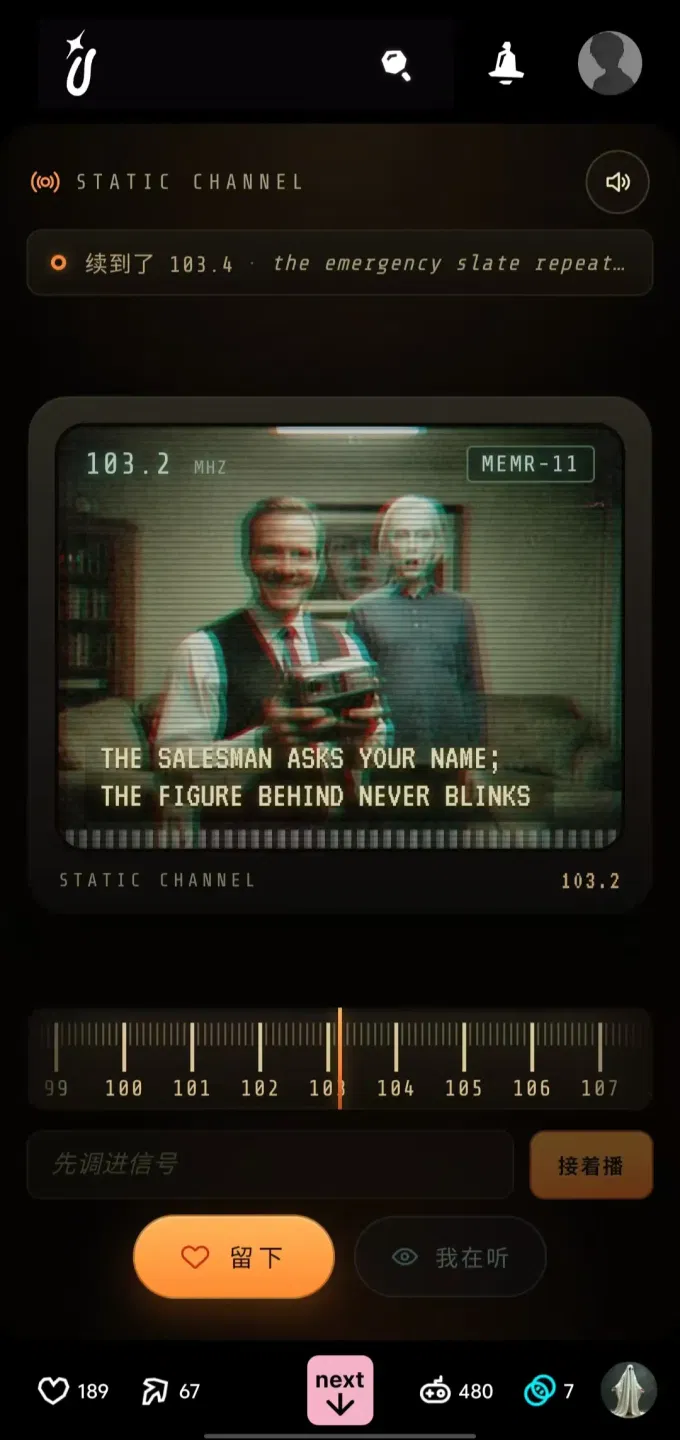
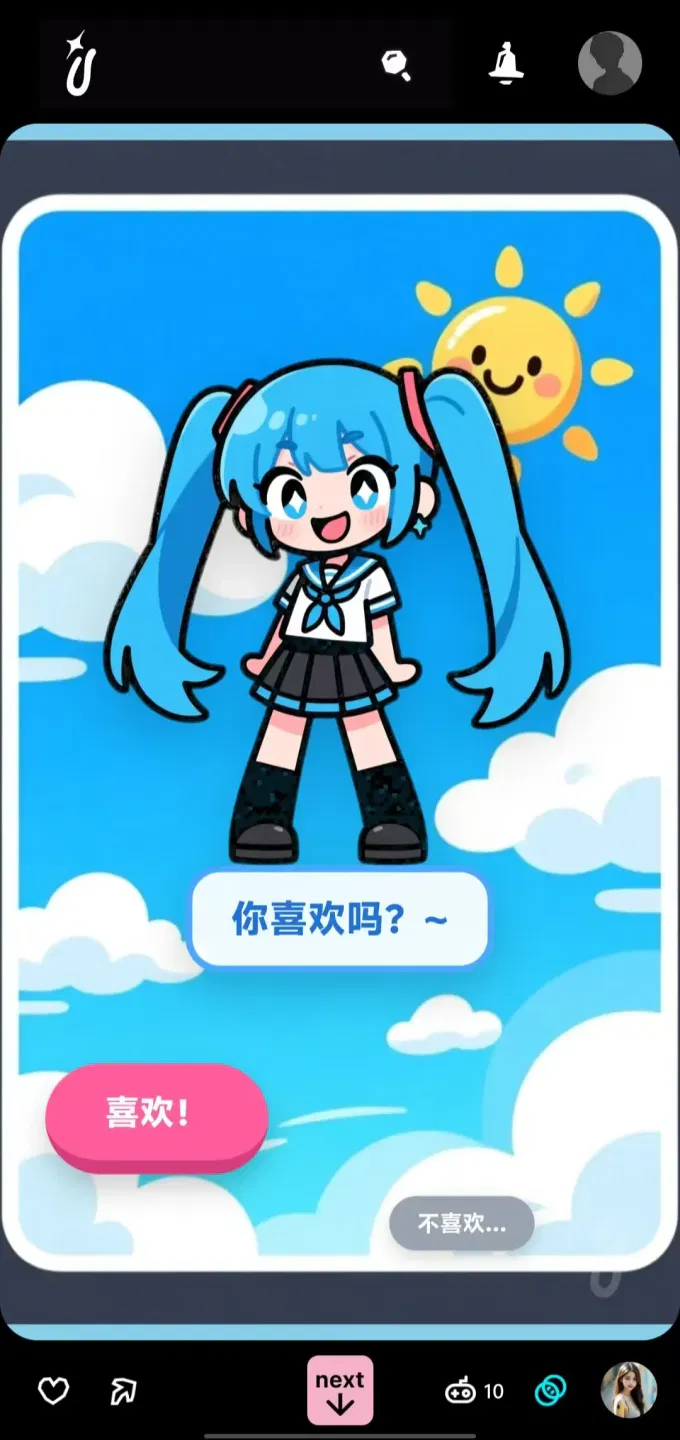
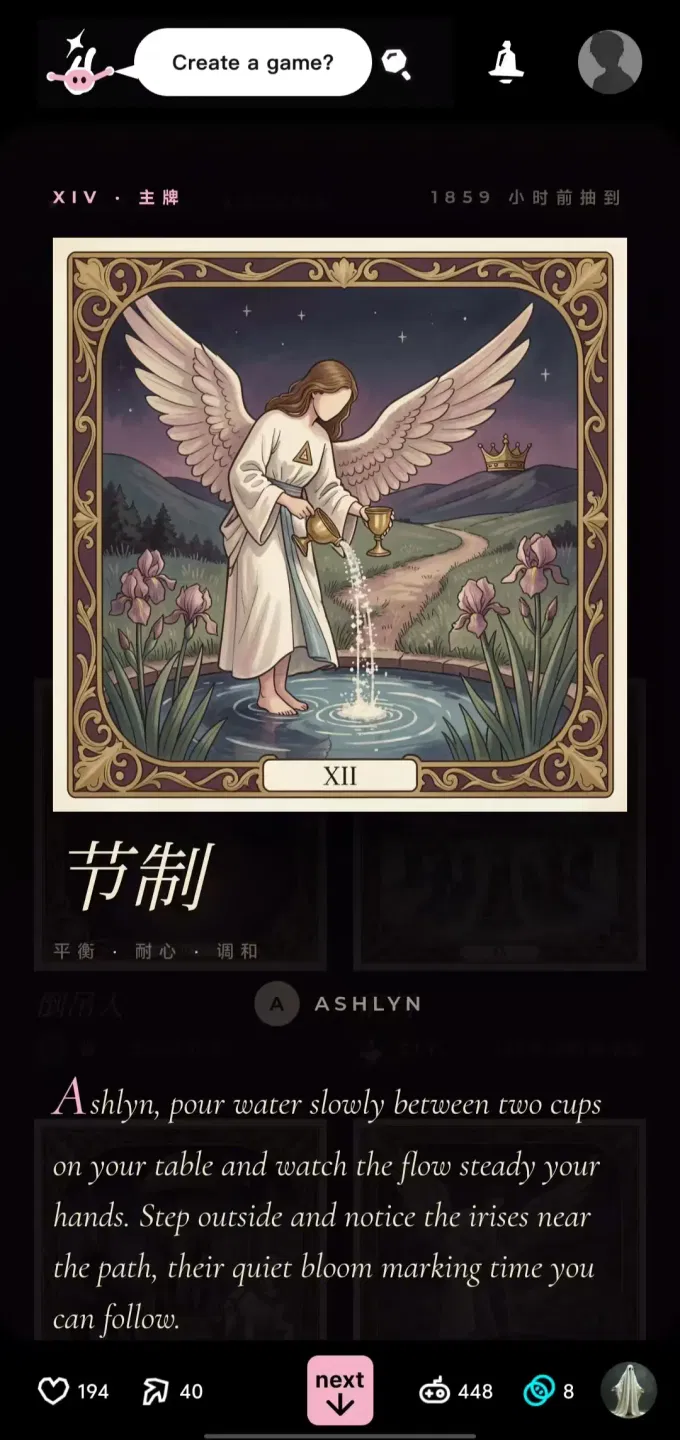
At first glance, AlterU looks much the same. But it also wants players' own digital likenesses to enter other people's creations, even making interactions between friends part of the game.
What you have created, whom you know, and the records you leave in a mini-game all have a chance to become part of other creations. The team calls this identity-centered approach AI social gaming.
Most AlterU games do not require you to study a whole page of instructions. A tap or a few swipes tells you roughly what to do. Anyone accustomed to scrolling short videos should recognize the rhythm.

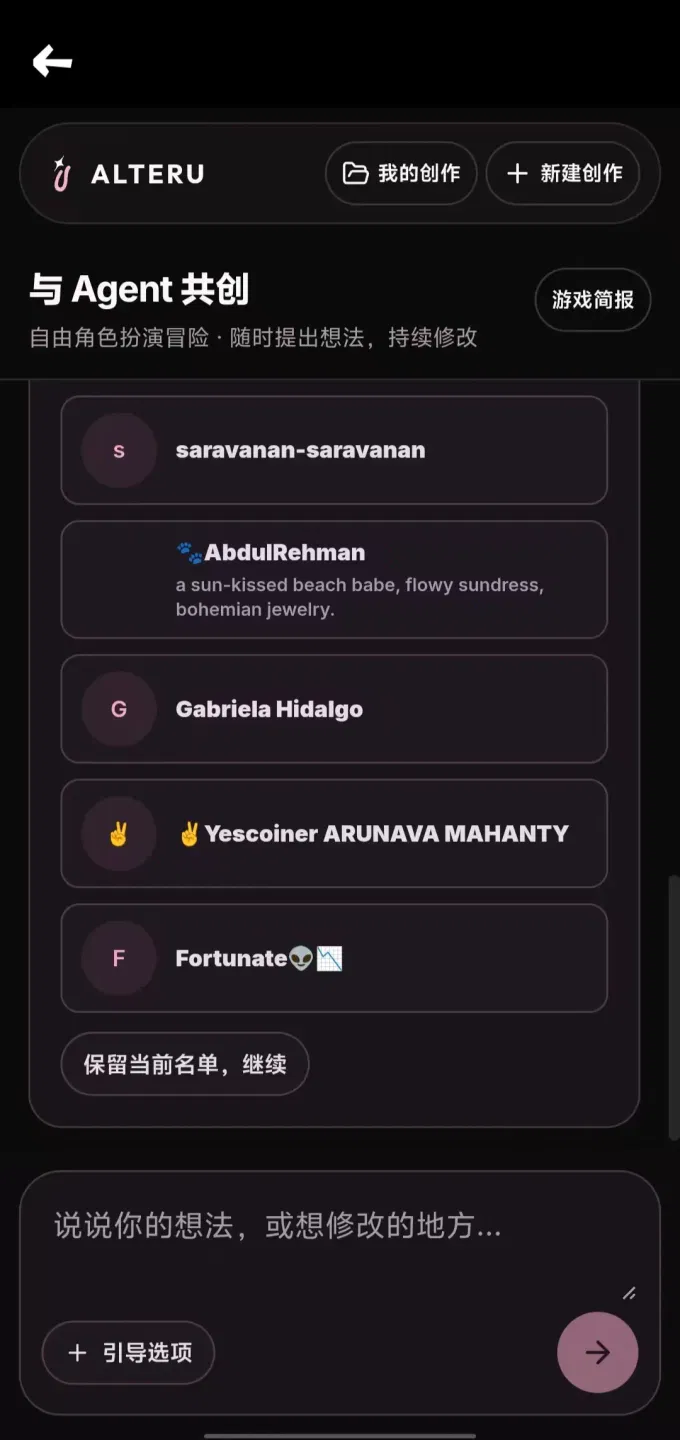

If you tire of existing games, AlterU also offers a creation entry point. You can modify an existing mini-game, adjusting its rules and replacing its story and artwork to make your own version.
Kiss Wall is a straightforward example: imagine an interactive wall where people's photos keep appearing.
After seeing someone's portrait, you tap the corresponding action, and AI incorporates the participants' likenesses into a new image of the two together.

Hour Capsule generates a virtual collectible around themes from different moments in time, resembling a small object sealed inside a transparent bag.
The bag might contain imagery related to current news, with the player's username, a serial number, and the creation time in the corner.
Each creation therefore has an owner, and friends opening the creation wall can see what others have recently collected.

Block Hop takes the link between identity and game characters further. It uses three-dimensional pixel characters, letting players jump through levels with different characters and even gradually incorporate their own appearance.
Imagine a friend opening a block-jumping game and finding a character that looks like you, then someone choosing that character to tackle a level. That offers more involvement than simply displaying an avatar.
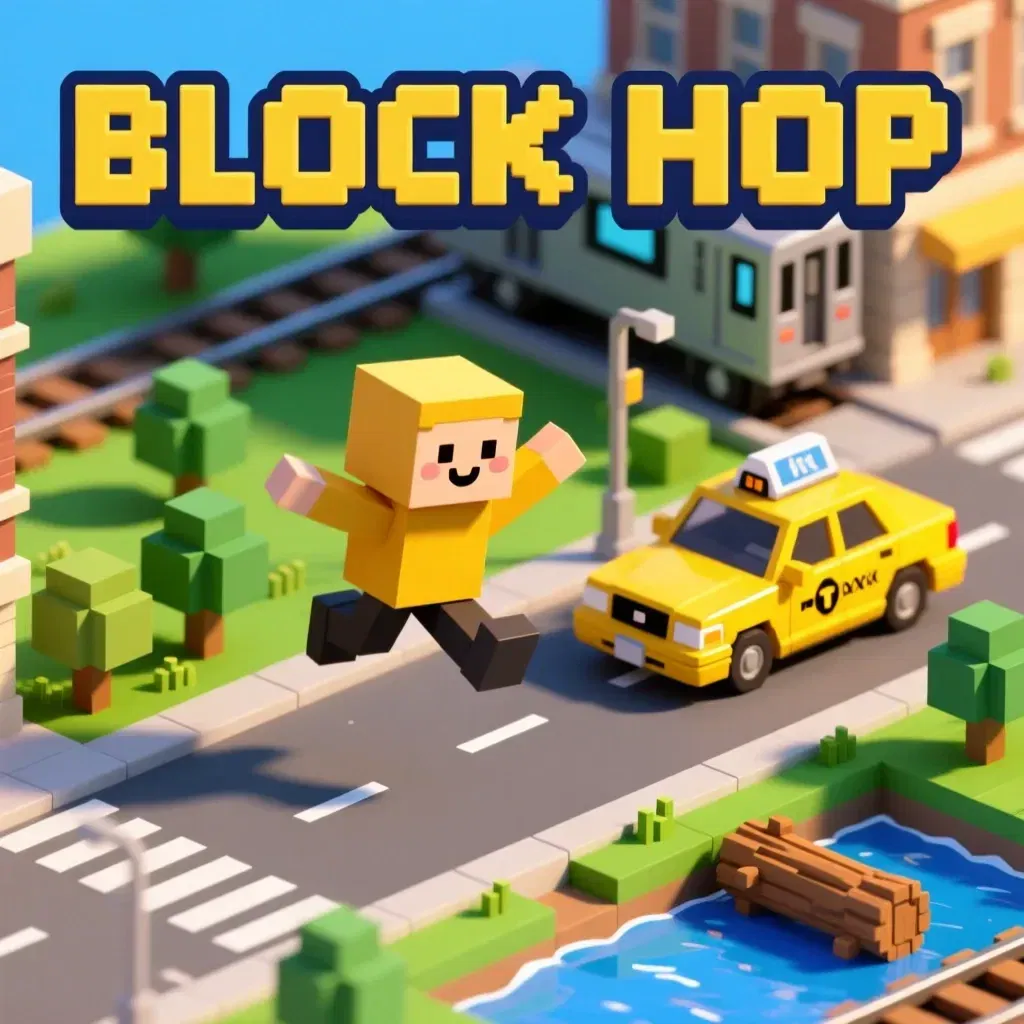
Beyond character appearances, AlterU also wants players' achievements to connect to the corresponding users. If you break a friend's record in a game, for example, that friend can receive a notification.
When someone modifies a mini-game you created, you can also see who did it. If you contribute to the same creation wall, you can see which new works have appeared recently.
These mechanisms are familiar: game leaderboards, challenges among friends, and sharing creations have existed for a long time. What AlterU wants to explore is letting players' identities participate in other people's game creation too.
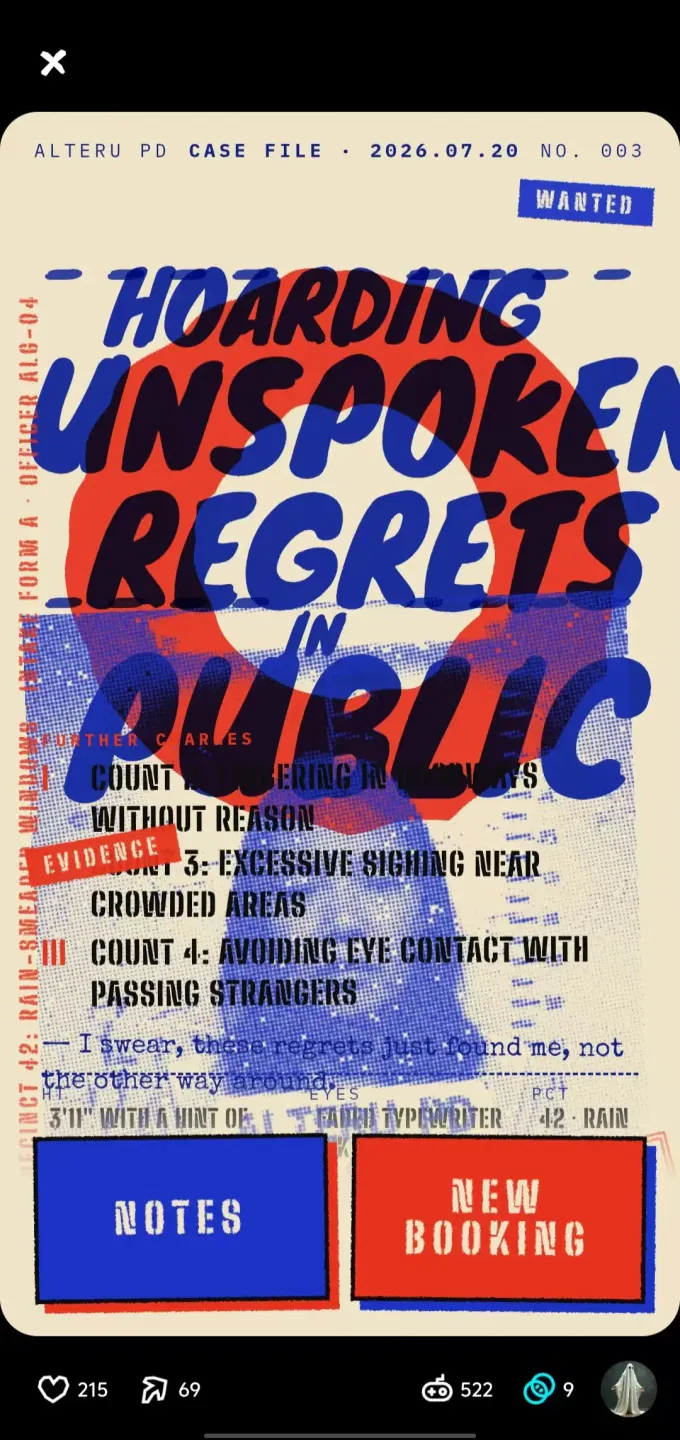
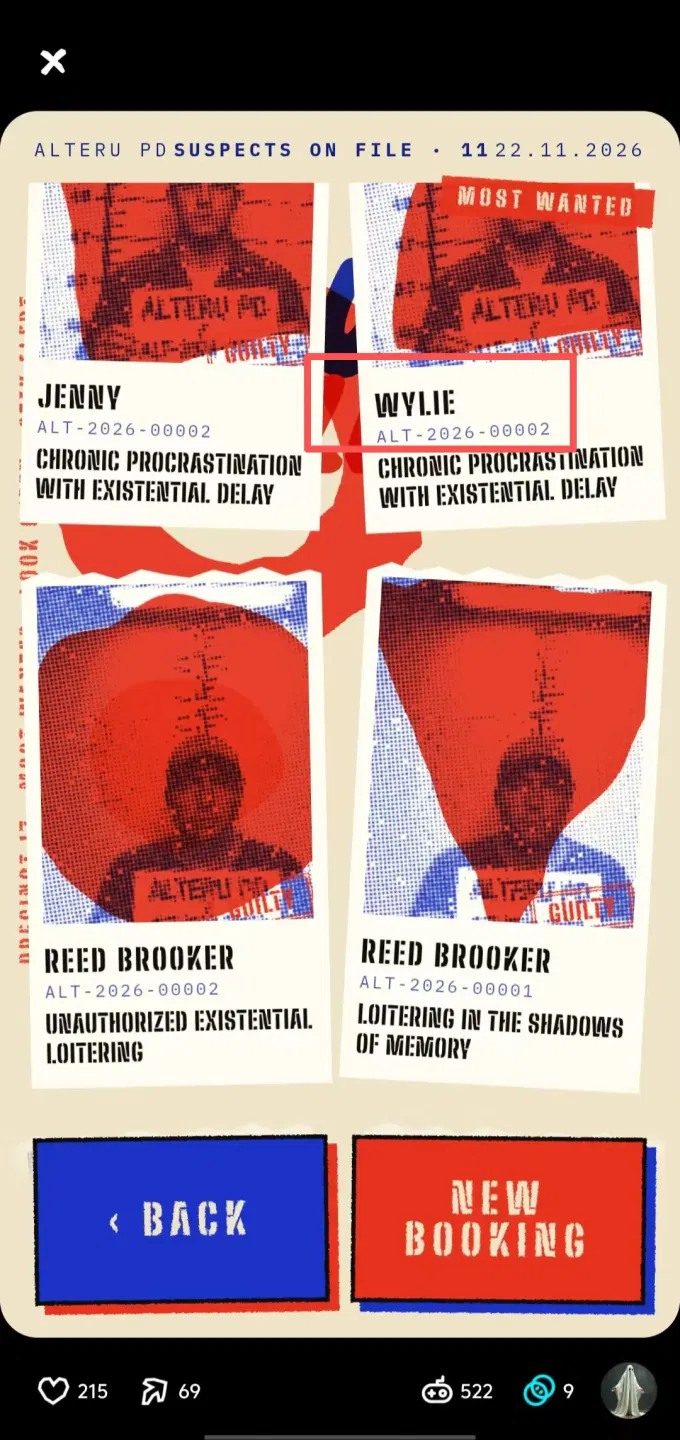
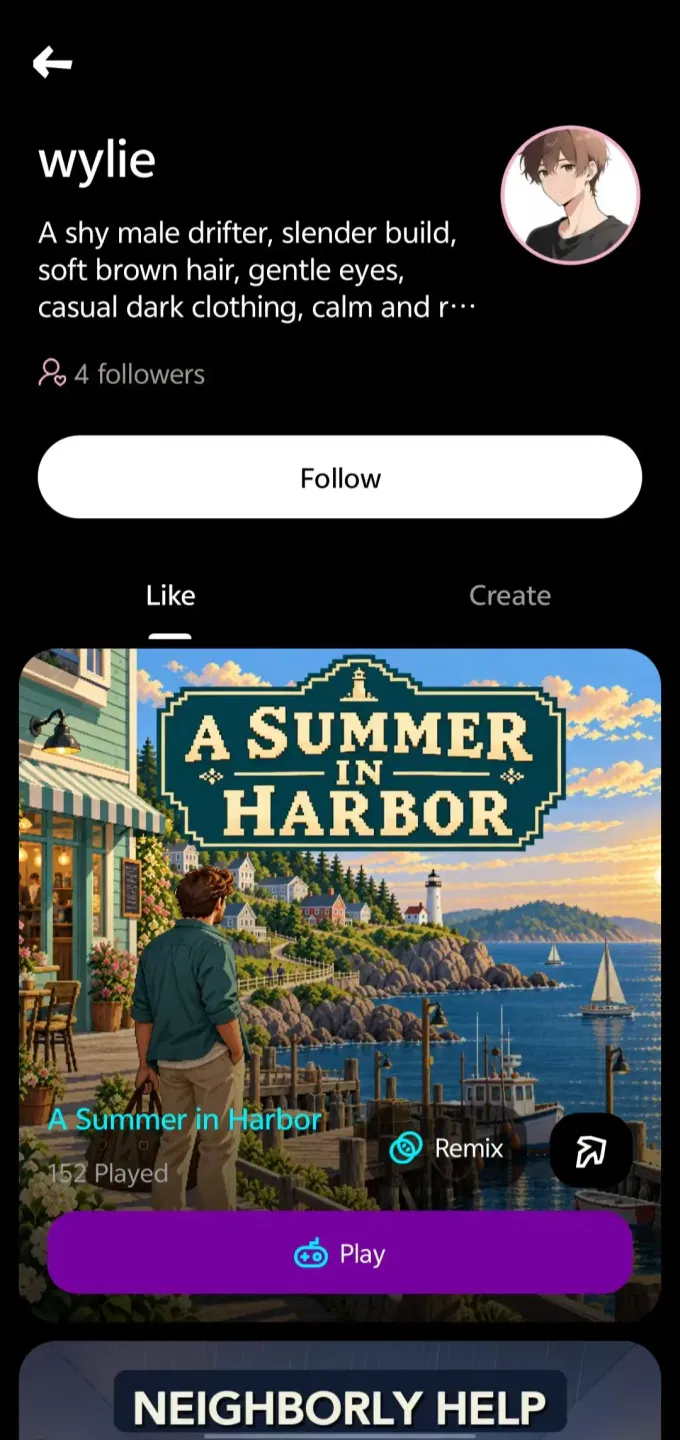
When creating a story, for example, you can cast yourself or invite friends to become characters. You can even select other players on the platform directly, or enter a nickname to find someone you want in the story.
This gives people a chance to connect through a game even if they do not know each other. You might become a supporting character in someone else's creation, or include other players from the platform in your own story.

AlterU has also released 52 pages of product training material detailing mini-game design, AI creation workflows, player-identity interactions, and the various problems the team encountered during development.
When designing a game, the team first considers the first two seconds after a player swipes to a new screen. If it starts with a complicated tutorial, the player may have swiped away already.

Some games therefore turn the first failure into the tutorial, letting players learn by trying once.
The team is also reluctant to make mini-games rely on consecutive daily check-ins to retain players. Countdowns, upcoming content, and little challenges that can be completed casually are all used to encourage further play.
These designs primarily concern the experience of playing mini-games. As for the AI avatars and social interactions mentioned earlier, the AlterU team has actually been exploring them for several years.
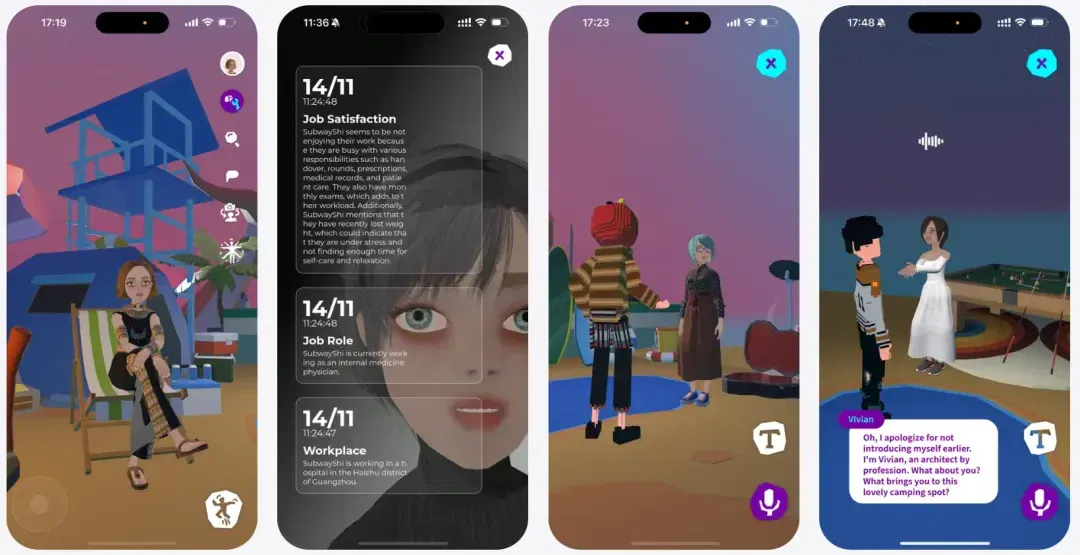
One product, AI Wave, focuses on AI companions with memory. Users can create their own virtual companions, chat and interact with them, and experience game-like AI companionship.
Another, Aigram, is closer to today's avatar-based social interaction. Users can create AI versions of themselves, record daily life, and let their virtual selves interact with friends' AI likenesses.
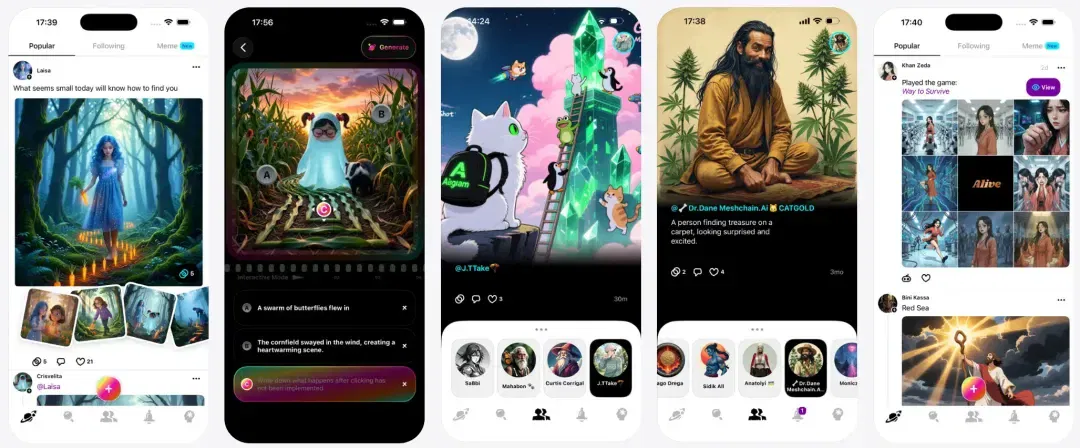
AlterU takes this further by introducing mini-games, giving these digital identities more activities to participate in.
AlterU founder Bo Chen also has an impressive background.
Chen graduated from Tsinghua University's Department of Electronic Engineering and joined Tencent in 2008. She served as technical director of WeChat's Pattern Recognition Center, responsible for AI-related technology development and team management at WeChat.

While studying at Tsinghua, she joined a laboratory working on intelligent image and text processing, researching text recognition and face recognition. After joining Tencent, she continued related technology development and helped establish the pattern recognition team in 2010.
Early on, the team developed handwriting recognition for QQ Input Method and QQ Huiyan, which combined face, image, and text recognition.

In 2012, the team formally joined WeChat's research and development organization. That October, Chen and speech-team lead Li Lu went to Guangzhou to discuss voice reminders with Allen Zhang. After a period of intensive development, the feature was ready in time for WeChat 4.5.
They subsequently helped develop voice search for WeChat contacts, voice reminders, Shake to identify songs, an enhanced Scan feature, and WeChat's own speech recognition in version 5.0.
These were major WeChat updates at the time and are now part of daily life for hundreds of millions of users.

Other team members have relevant experience too. Core member Junda co-founded Celer Network, worked on large-scale network infrastructure at Google, and participated in developing Project Fi.
Another member, Nathan, has worked at Meta and Apple and primarily handles user growth in the US consumer market.
The team also has experience in real-time game engines, interactive systems, and short-video content, making its next plans particularly interesting.

The team hopes future game worlds will remember what players have done.
You might enter a virtual town and help a character solve a problem, for example. When a friend later enters the same town, they might encounter the changes you left behind. Relationships between characters would change with interactions, allowing the story to continue.
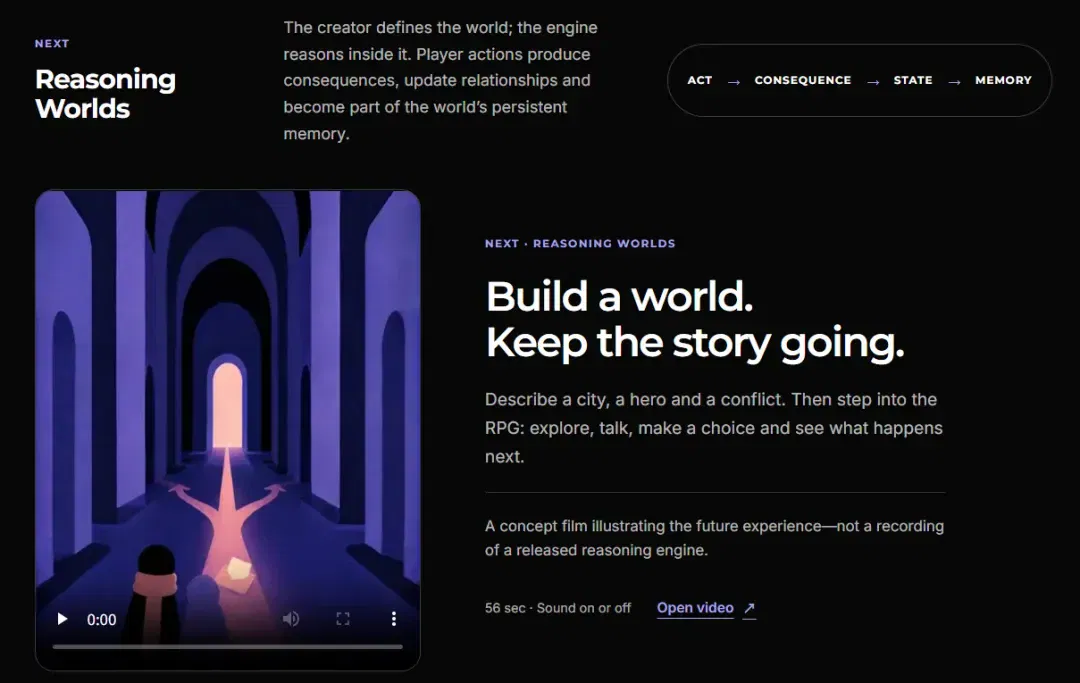
This direction is called Reasoning Worlds, focusing on enabling worlds to retain state and memory.
Characters could then respond to players' actions.
It sounds like an interactive story that never ends. You would not have to prepare the entire plot in advance, and friends' choices could change what happens next.
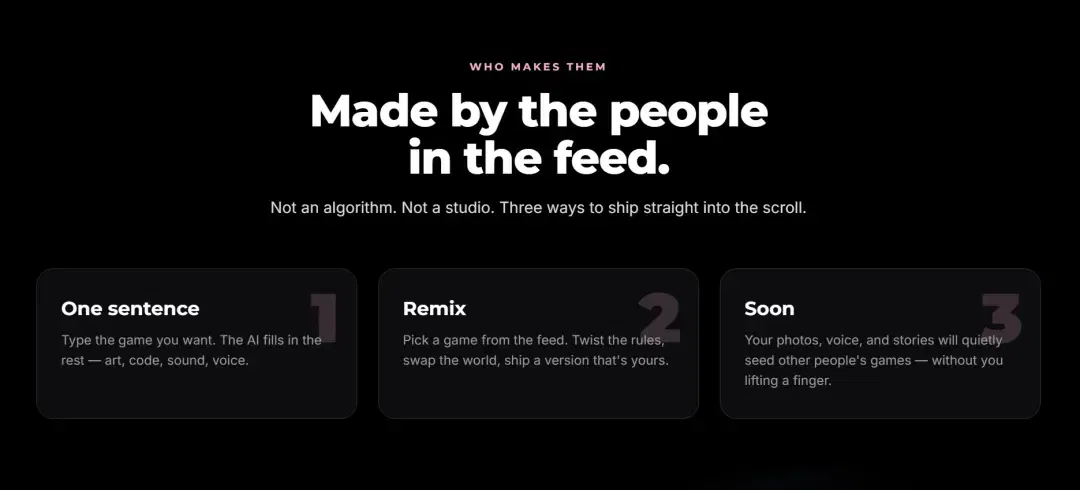
Still, the game world AlterU describes is some way from being fully realized. The more mature features today remain mini-game creation, feed browsing, and some identity-based interaction.
These mini-game platforms also face a less obvious problem. A vertically scrolling feed may look simple, but it requires a constant supply of games with sufficiently varied gameplay.
Mini-games generated from a few sentences often support only a few dozen seconds of play. Even when characters, backgrounds, and stories are changed, the rules still feel familiar. As generation gets faster, large numbers of similar creations can easily appear.

This also reflects current AI creation capabilities. Models can already write game code, but most users may not be able to describe their desired gameplay precisely.
For example, if you want a castle to move to a particular position, or a character to follow a specific route, a few sentences alone make it difficult to control every detail.
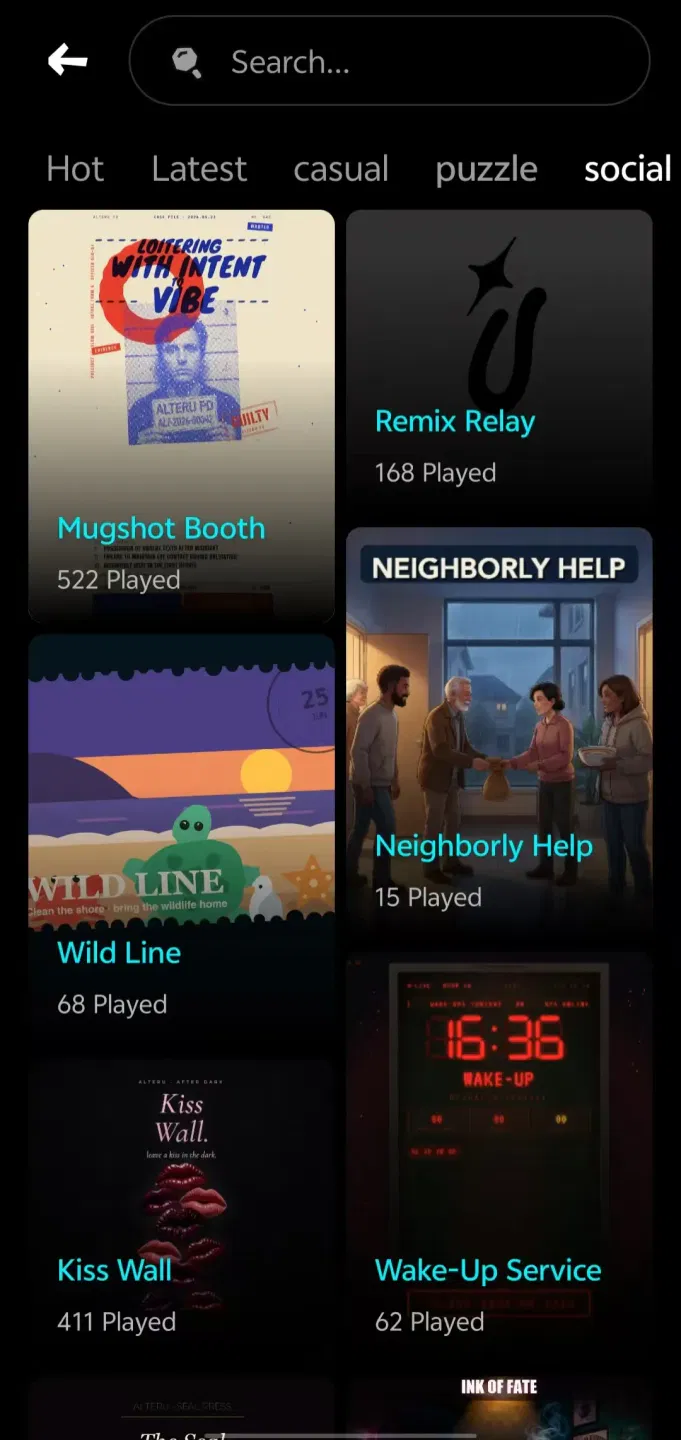
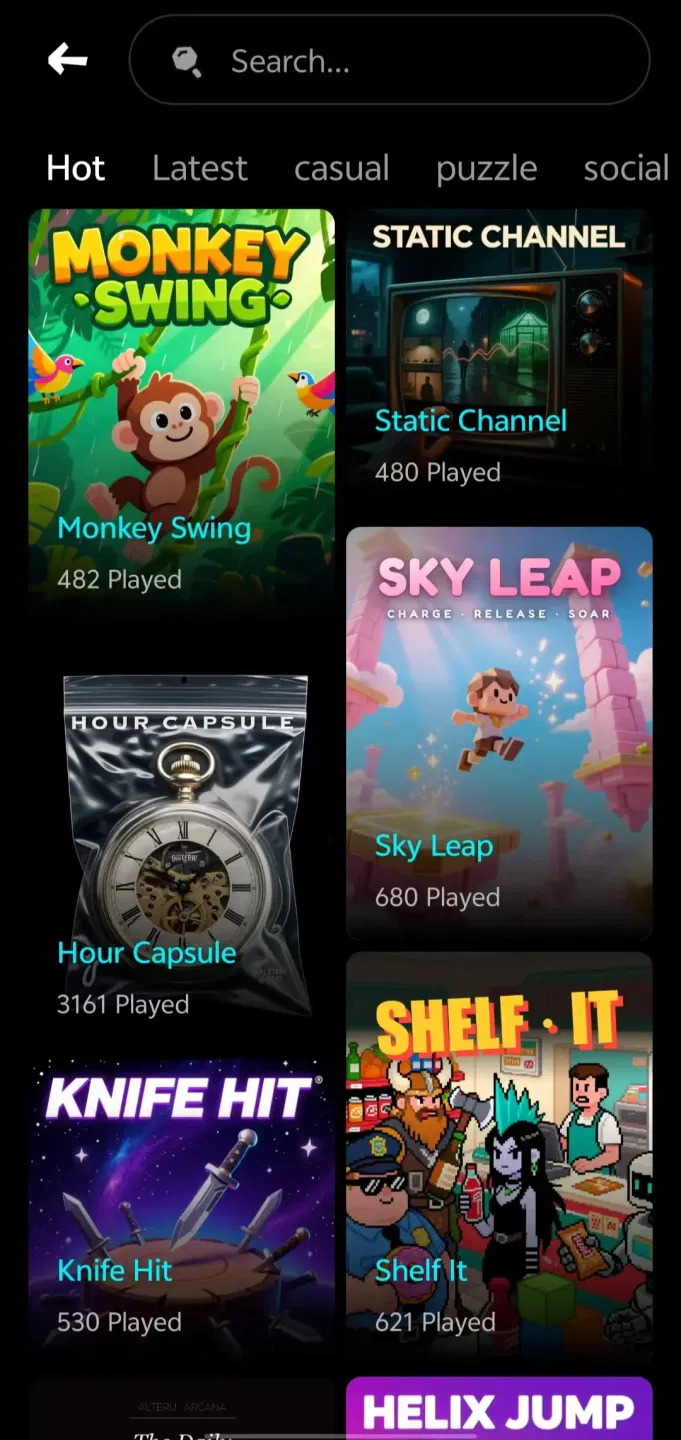
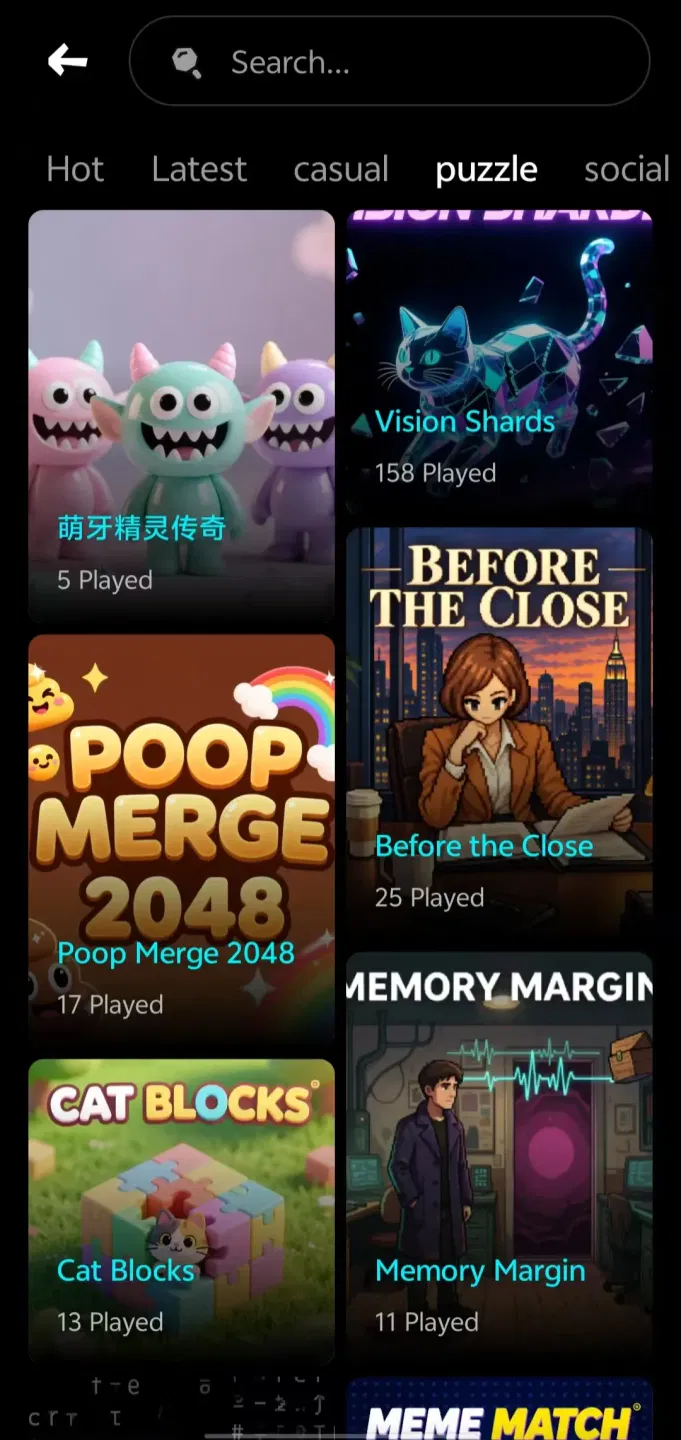
Of course, whether a game is fun and whether users want to help create it are two different questions.
Sometimes even an ordinary-looking game can become interesting simply because someone familiar appears in it.
Turn a friend into the villain of a story, or make a player you follow your teammate for a level. An otherwise ordinary game gains another reason to participate when specific people are part of it.
This article is from "Xiagu AI," by the "Xiagu Content Team."
Related topics
After reading
Join the AINRK community
Read how to join the community and connect with people working in AI.
Related articles
Continue reading related topics and articles in this category.
As AI coding accelerates, hiring data reveals shifting roles and skills (opens in a new tab)
APPSO combines model demonstrations with a tech-jobs report, distinguishing vacancies from actual hires and comparing engineering, design, FDE and security roles. Historical hiring trends cannot be attributed directly to a newly released model.
Future Sequence raises several million US dollars in seed funding for AI interactive content tool NEX (opens in a new tab)
Intelligent Emergence interviews the team about branching scripts, gameplay and audiovisual generation, and its plan to move from professional creator tools to an overseas mobile entertainment platform.

虚幻引擎 5.9 推出 MegaJam 预览版,引入智能体工作流与 Web 支持 (opens in a new tab)
Epic 称,这次预览版主要用智能体工作流移植部分 AI 工具并实现 Web 平台支持。相关功能仍属实验阶段,预览版测试周期短于常规版本。

EvoMeme 创作体验,从网页毛线游戏到本地 3D 赛车 (opens in a new tab)
体验者用盛趣游戏旗下 EvoMeme 网页端制作 2D 毛线游戏,再结合本地编程助手制作 3D 赛车,记录玩法简化、素材制作和内测限制。

Yam 将多角色互动带进 AI 恋爱模拟游戏 (opens in a new tab)
Yam 的网页产品提供赛季、章节和片段三种玩法。玩家可与多个角色发展剧情,创作者也能配置关系、场景并发布作品。