突发!美国商务部拟对中国机器人出手

美方官员被曝坦言,美国已流失下一代机器人配套产能。

美方官员被曝坦言,美国已流失下一代机器人配套产能。
智东西6月24日消息,今日凌晨,外媒Politico报道称,美国商务部长霍华德·卢特尼克(Howard Lutnick)私下在闭门圆桌会议中透露,可能会对进口的中国机器人采取行动。
参与这场会议的包括来自SpaceX、波士顿动力、摩根大通、高盛、西门子和洛克希尔自动化等公司的十多位高管,他们讨论的重点是如何扭转美国数十年来制造业持续离岸外包的局面,重建工业基础,以支撑从半导体到机器人各类产品的本土制造。
Politico援引三位出席会议的知情人士称,卢特尼克昨日在闭门会议上告诉高管,美国商务部正在研究拥有国家补贴的机器人进口,并暗示美国政府可能会在审查完后采取强硬行动。
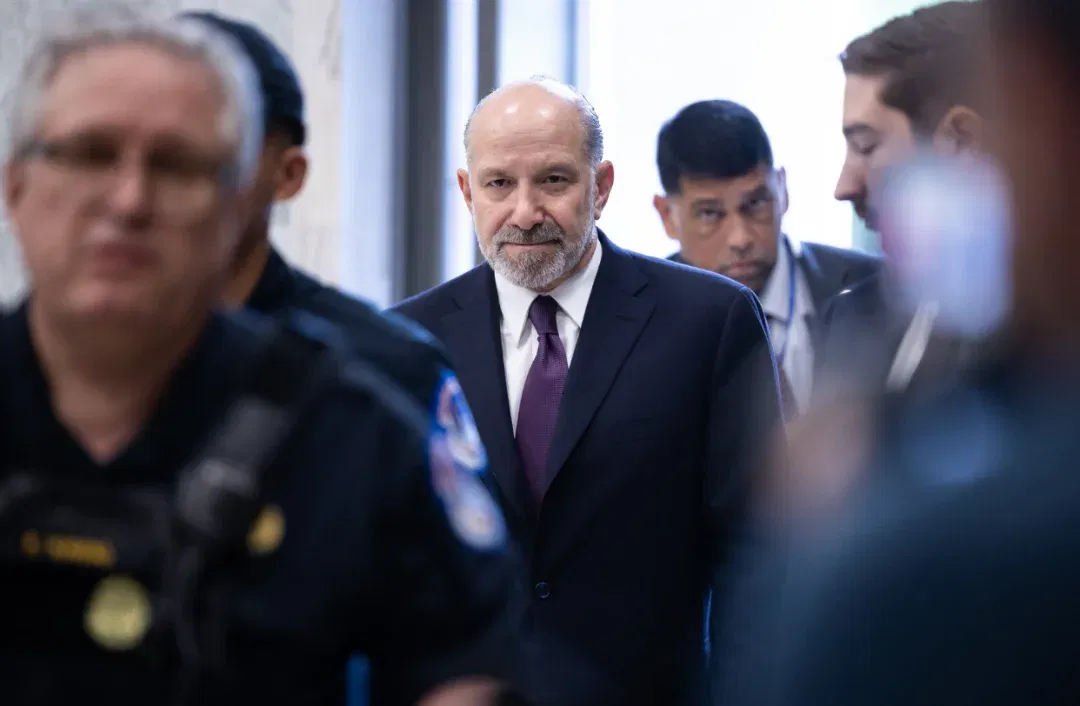
▲美国商务部长霍华德·卢特尼克(Howard Lutnick)(图源:Politico)
这或许意味着,美国政府正将机器人技术看作技术竞争的下一个战场。
Politico拿到的会议记录显示,卢特尼克称,机器军备时代即将到来,他们必须确保这类装备在美国本土生产,因此当下就要着手开展相关研究。
Politico在报道中提到,美国政府官员与行业领军企业均认为,美国已流失大量制造下一代机器人所需的产业配套产能,涵盖机床设备到各类核心零部件,美方目标是重建这套工业生态体系,避免中国进一步扩大在机器人制造领域的领先优势。
重建这套工业基础,既需要关税政策加持,也离不开大量资金投入。推进该工作的核心机构是美国的战略资本办公室(the Office of Strategic Capital),这一隶属美国国防部的部门专门发放低成本贷款,可以降低企业融资成本,吸引私人资本投资新建工厂、扩充产能。
在此基础上,美国战略资本办公室正为至少两家美国机器人企业办理贷款承保业务,分别是Foundation Robotics和Standard Bots。上述融资尚未敲定,且资金将配套私人资本共同投入。
Foundation Robotics成立于2024年,其创始人、CEO桑凯特·帕塔克(Sankaet Pathak)是前金融科技公司Synapse的创始人,联合创始人迈克·勒布朗(Mike LeBlanc)是前美国海军陆战队成员,该公司主要为美国国防制造人形机器人。
Standard Bots成立于2011年,是一家AI原生工业机器人公司,其主要业务是通过“无需编程”的协作机械臂,降低制造业自动化门槛,创始人、CEO为埃文·比尔德(Evan Beard)。
美国商务部尚未回应外媒Politico的置评请求。
文章来自于"智东西",作者 "程茜"。
Related topics
After reading
Join the AINRK community
Read how to join the community and connect with people working in AI.
Related articles
Continue reading related topics and articles in this category.
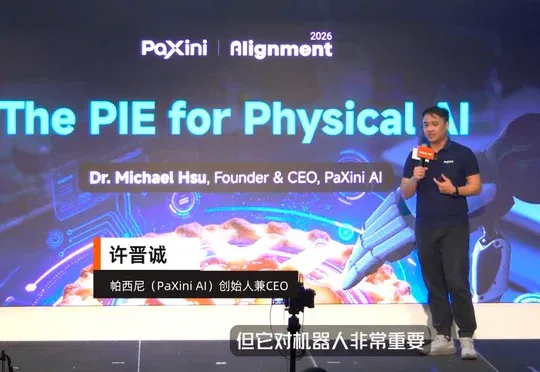
PaXini's Xu Jincheng on tactile sensing, embodied data and robotic execution (opens in a new tab)
In an ALIGNMENT conference talk, PaXini founder Xu Jincheng describes tactile sensors, data collection, VTLA models and execution hardware, discussing how perception, intelligence and execution work together. Product capabilities are claims disclosed in the talk.
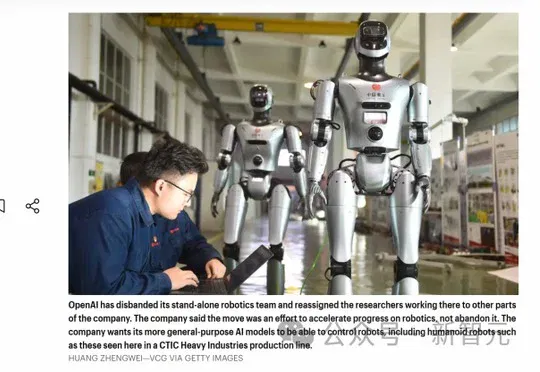
Embodied AI data supply: Maniformer's devices, processing pipeline and crowdsourcing approach (opens in a new tab)
The article examines robots' action-data needs and Maniformer's devices, 3D trajectory processing, validation and crowdsourcing. Capacity and usable-data rates are company disclosures; market size, valuation and the timing of an embodied AI “GPT moment” are forecasts or commentary.
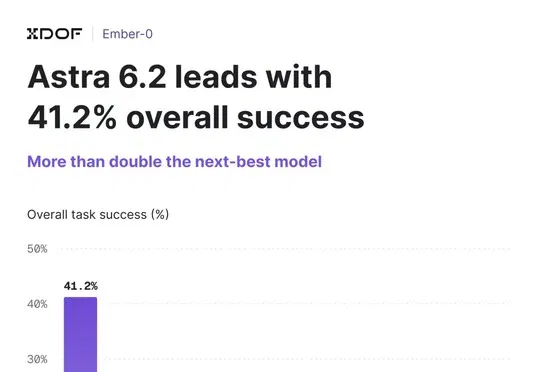
XDOF reports GPT-6.2 Astra reaches 41.2% average success across Ember-0’s 16 tasks (opens in a new tab)
XDOF reports GPT-6.2 Astra achieved a 41.2% equally weighted average success rate on 16 shared Ember-0 real dual-arm robot tasks, versus GPT-6 Astra’s 19.6%. First successes in knot tying and T-shirt unfolding apply to this benchmark’s record, not a universal ranking of embodied systems.
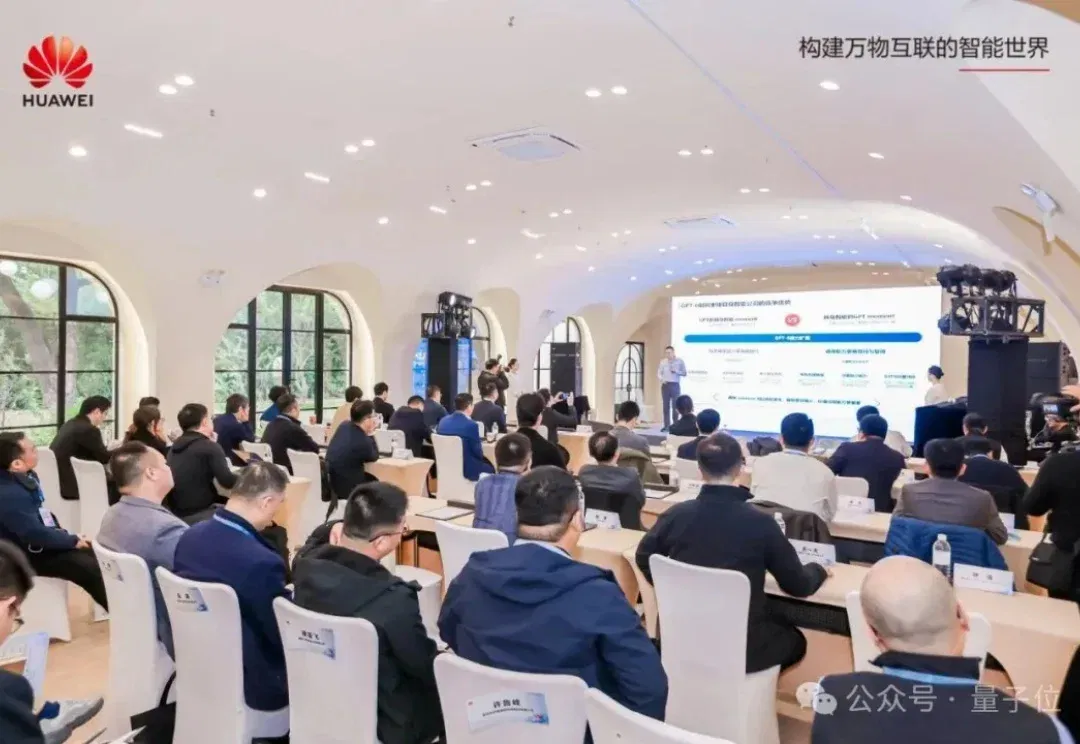
Huawei Cloud presents CloudRobo, advancing hands-on robotics training and deployment with partners (opens in a new tab)
Huawei Cloud outlined CloudRobo’s data, training, simulation and physical-robot deployment workflow at a forum, alongside university training and industry partnerships. The report examines compute scheduling, adaptation across robot bodies, real-world validation and R&D costs.
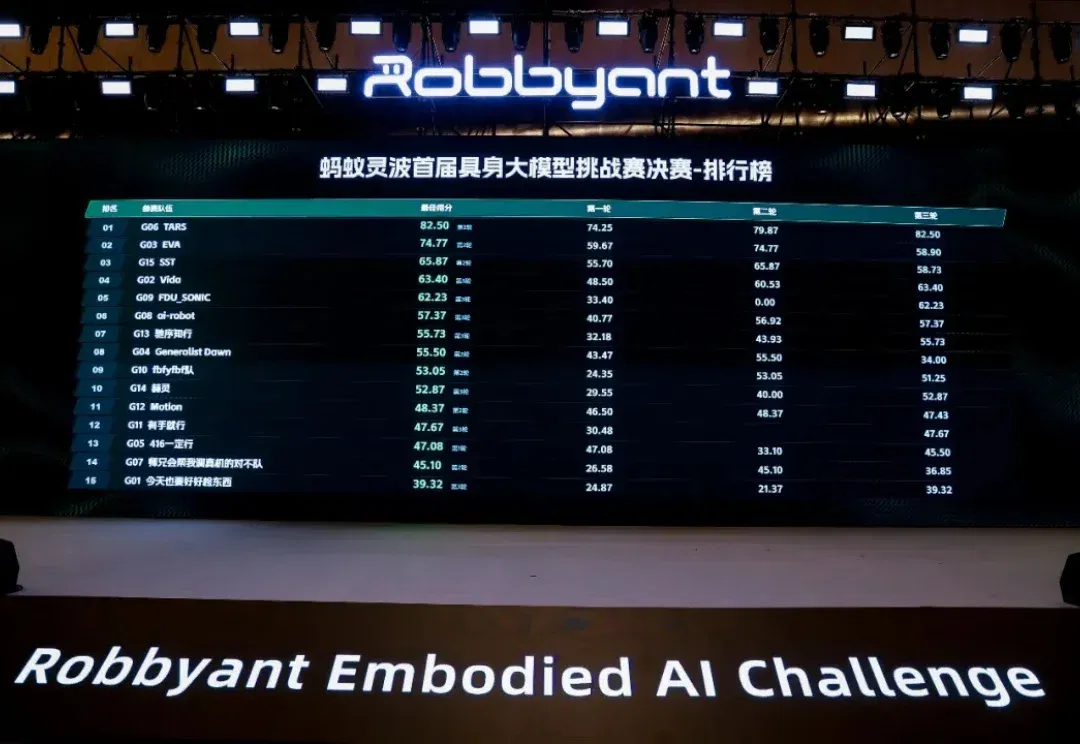
Ant Lingbo's robot challenge shows how developers address data and engineering gaps (opens in a new tab)
Fifteen finalist teams optimized LingBot-VLA 2.0 for 48 hours on a shared dual-arm platform and initial dataset. The report covers data feedback, visual prompting and gravity compensation, alongside hardware access, cross-embodiment adaptation and deployment-evaluation limits.