人类秒懂,AI崩溃:一个简单测试,就让GPT-5、Gemini等顶级模型集体“翻车”
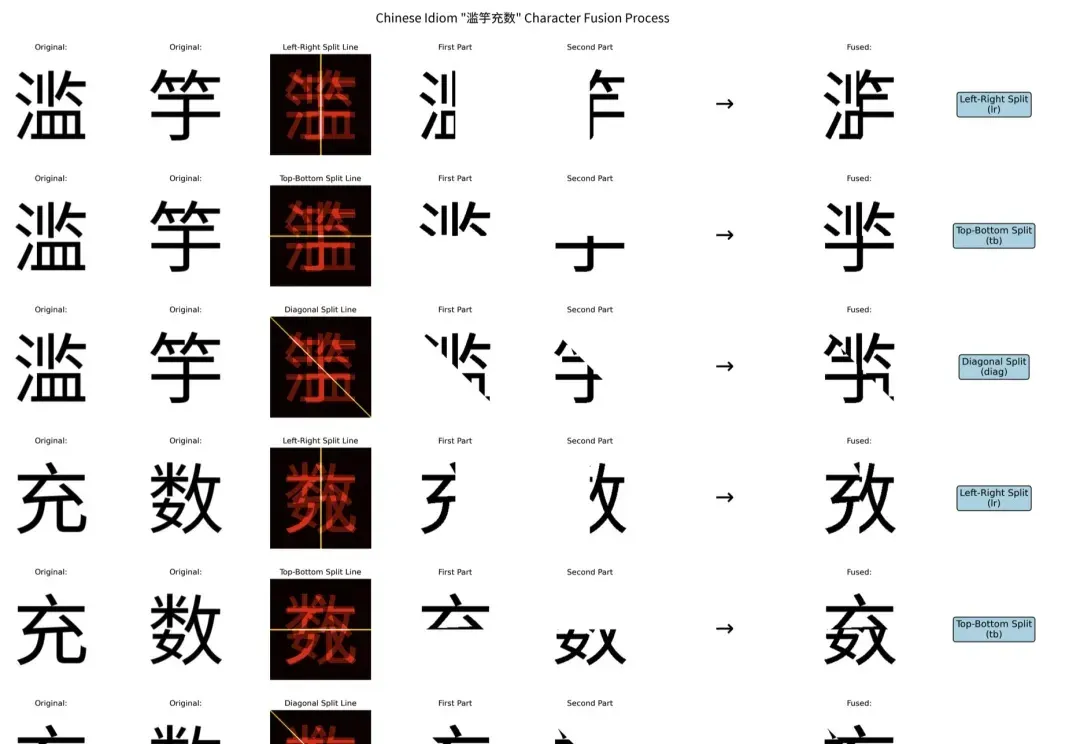
人类一眼就能看懂的文字,AI居然全军覆没。
人类一眼就能看懂的文字,AI居然全军覆没。
来自A*STAR、NUS、NTU、清华、南开等机构的研究团队,最近有个新发现:
不管是OpenAI的GPT-5、GPT-4o,还是谷歌Gemini、Anthropic Claude,甚至国内的Qwen、LLaVA,在面对一些“看得见但读不懂”的文字时,全都表现极差,直接“翻车”。
先切再叠,AI束手无策
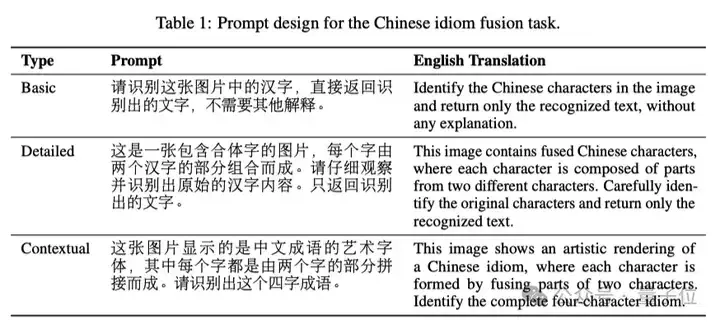
VYU团队设计了两个小实验:
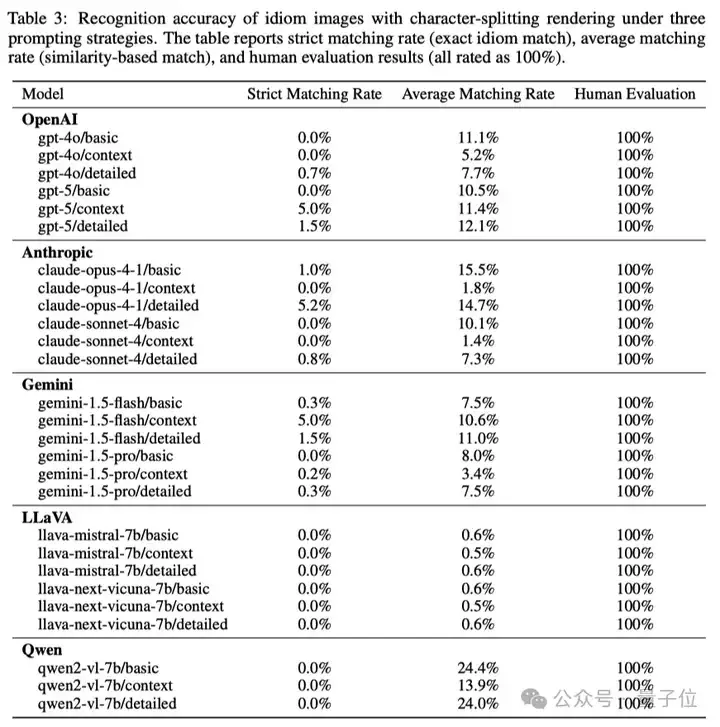
1、选取了100条四字成语,把每个汉字横切、竖切、斜切,再把碎片重新拼接。
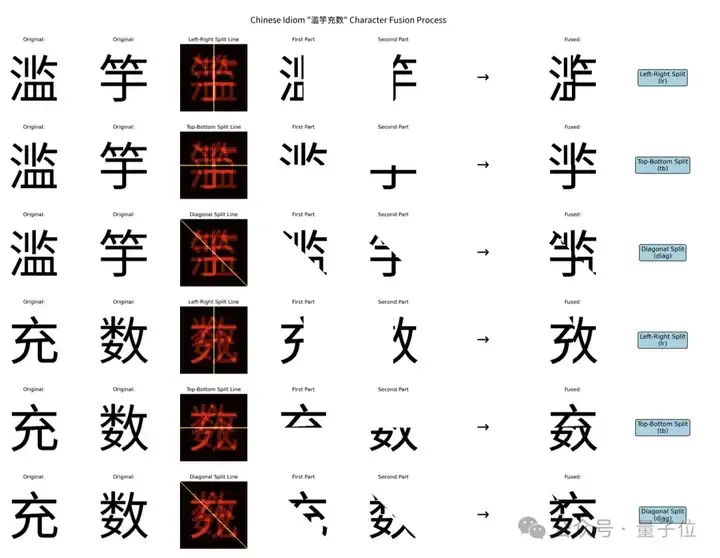
人类读起来毫无压力,AI却几乎全错。
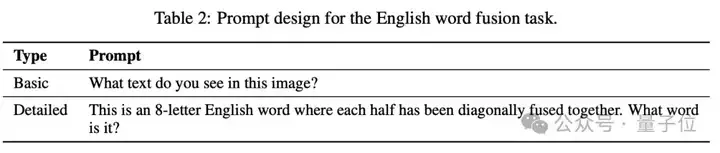
2、挑选了100个八字母英文单词,把前后两半分别用红色和绿色渲染,再叠加在一起。
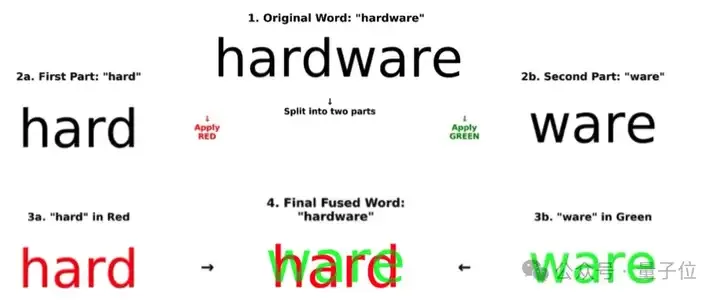
对人类来说,这几乎不构成挑战——因为我们的视觉系统对红/绿通道异常敏感,大脑能自动分离颜色,然后拼出完整的单词。
但对AI模型来说,结果却完全不同:
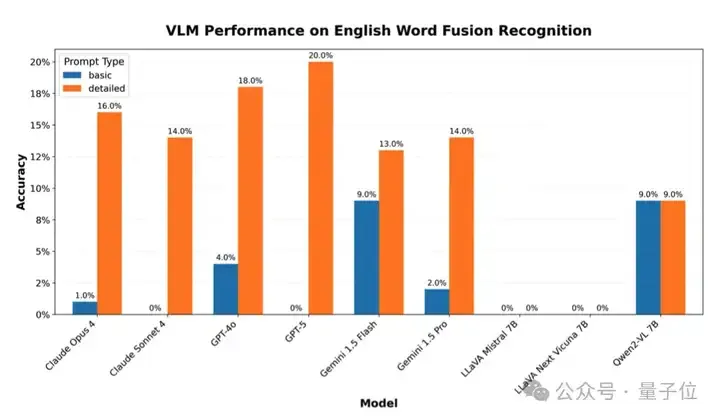
即使是最新发布的大模型,在这些问题上也屡屡碰壁。
无论是Gemini 2.5 Pro:
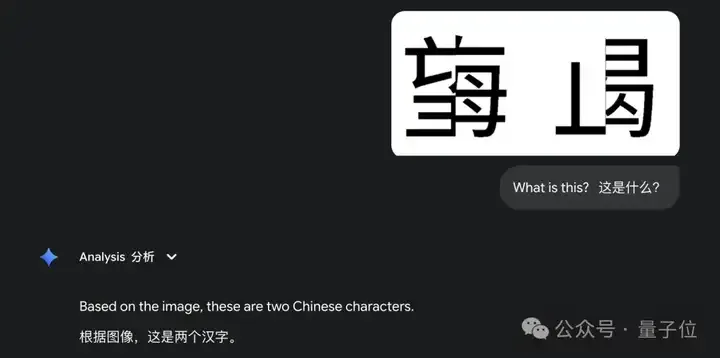
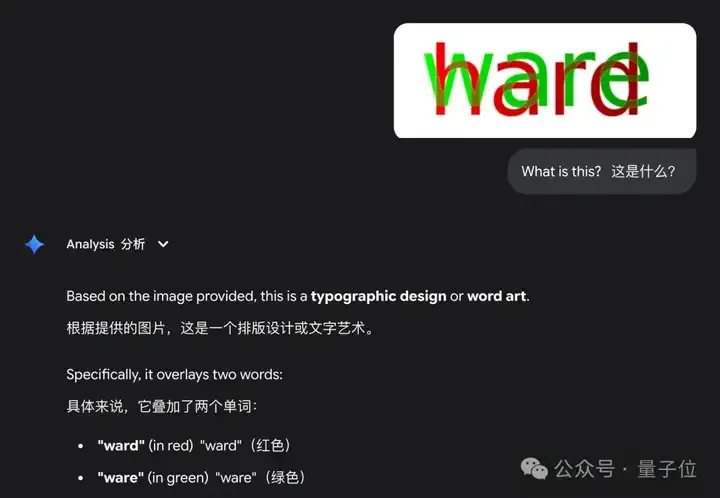
还是Kimi 2(Switch to 1.5 for visual understanding) :
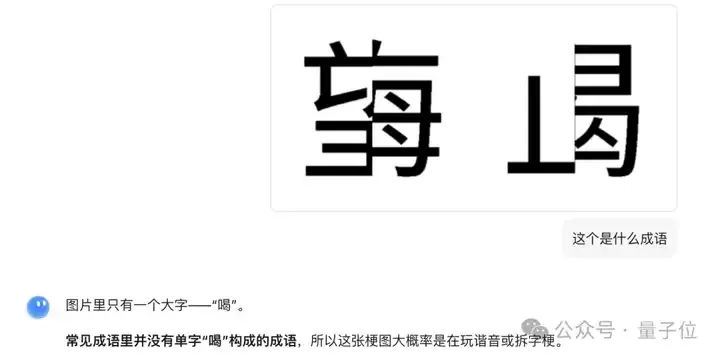
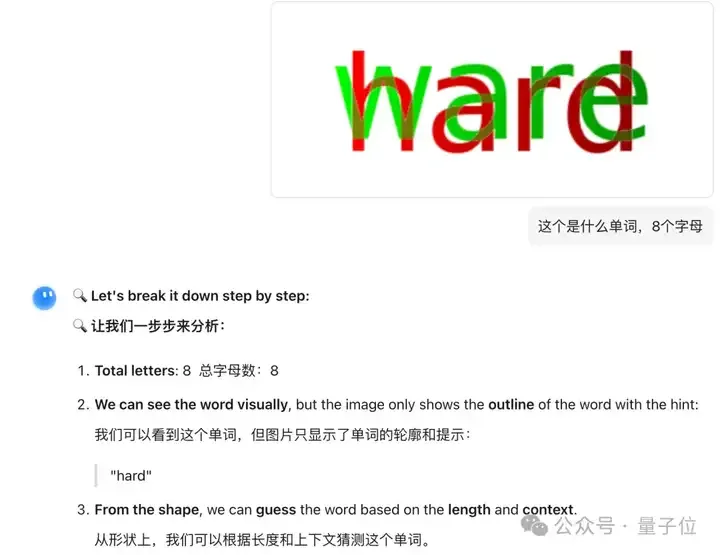
(PS:Kimi 2最终推测的答案是hardline)
又或者Qwen3-Max-Preview:
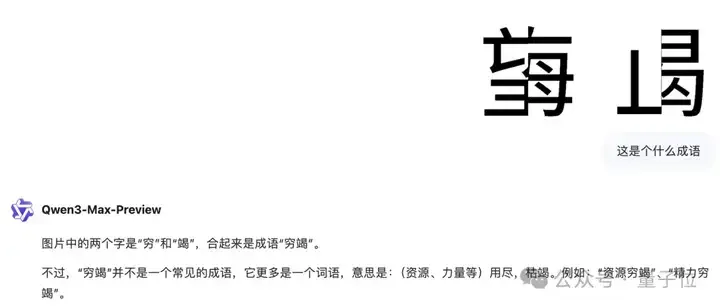
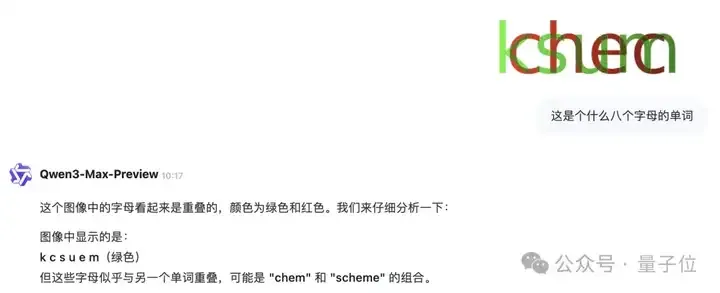
全都得不到正确的结果。
AI不懂符号分割与组合
对该现象进行分析,VYU团队认为,根本原因在于AI靠模式匹配,不懂文字结构。
人类之所以能“读懂”,是因为我们依赖结构先验——知道汉字由偏旁部首组成,知道英文是按字母组合的。
而大模型只是把文字当作“图片模式”来识别,没有符号分割与组合的机制。
于是,只要文字稍作扰动(但人类依旧能看懂),AI就会彻底崩溃。
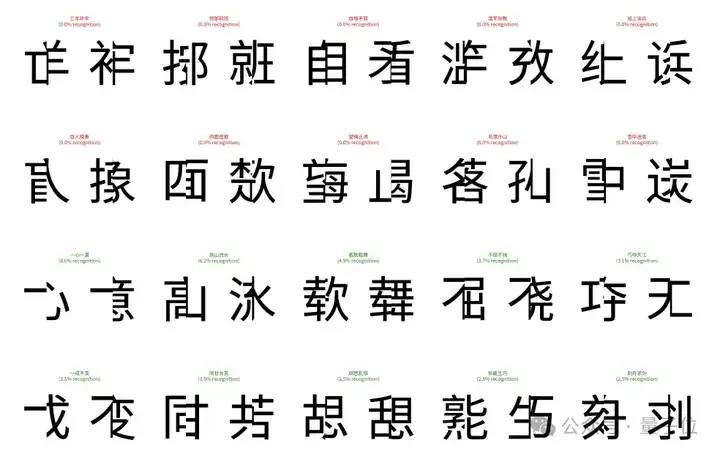
这个问题之所以值得研究,是因为它关系到AI落地的核心挑战:
- 在教育和无障碍应用里,AI可能无法正确识别“非标准文本”。
- 在历史文献与科学笔记整理中,AI无法像人类一样从残缺文字中恢复含义。
- 在安全场景里,攻击者甚至可以利用这种“盲点”绕过AI审查。
VYU团队认为,要想让AI拥有类似人类的韧性,必须重新思考VLMs如何整合视觉与文本——
也许需要新的训练数据、更注重分割的结构先验,或者全新的多模态融合方式。
更重要的是,这一结果也提醒我们:人类的阅读理解从来不是单一模态的过程,而是依赖多重感知与推理的综合能力。
论文链接:https://zjzac.github.io/publications/pdf/Visible_Yet_Unreadable__A_Systematic_Blind_Spot_of_Vision_Language_Models_Across_Writing_Systems__ArXiv.pdf
文章来自于“量子位”,作者“VYU团队”。
Related topics
After reading
Join the AINRK community
Read how to join the community and connect with people working in AI.
Related articles
Continue reading related topics and articles in this category.
ConvexLLM connects speech to language models through frozen text embeddings (opens in a new tab)
Researchers at CUHK-Shenzhen and Microsoft propose C-Gate, mapping audio into convex combinations of frozen text embeddings. The paper reports VoiceBench gains against its listed open-model baselines, while audio understanding and transcription still involve trade-offs.
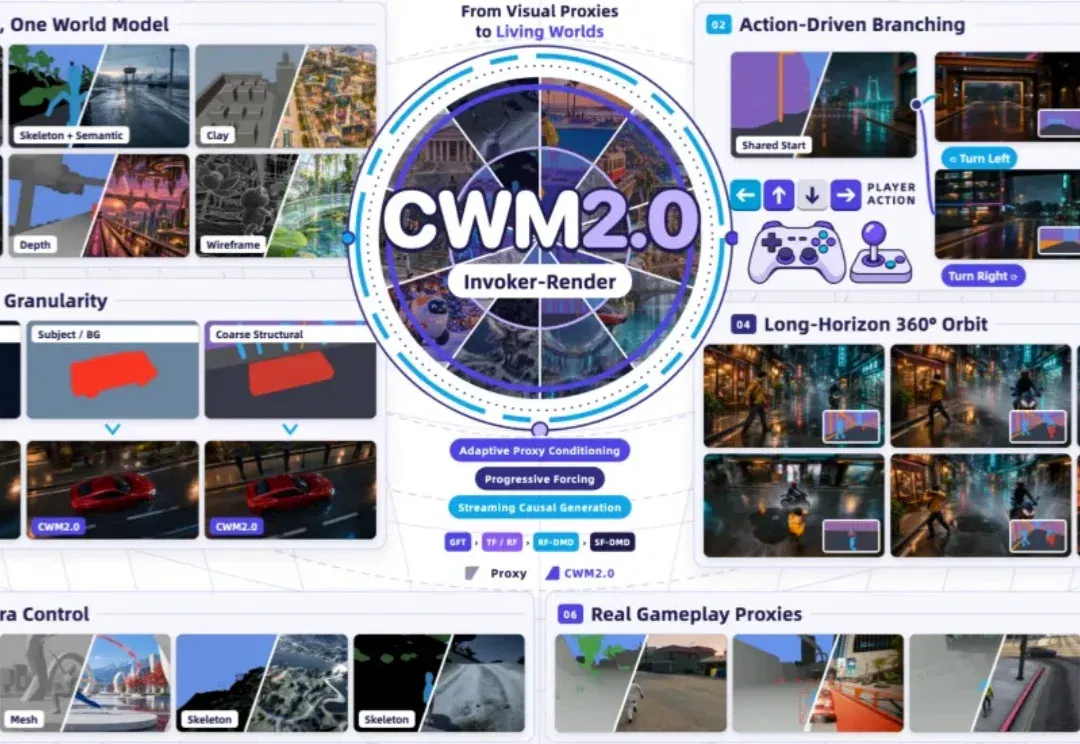
CWM2.0 open-sources generative rendering with a 30-minute racing demo (opens in a new tab)
Teams from Ant, Westlake University and Zhejiang University use a structured Proxy to control scene state and Invoker-Render to generate visuals, releasing eight-GPU streaming inference. The long demo and 140 evaluations cover specified scenes, not arbitrary stable worlds.
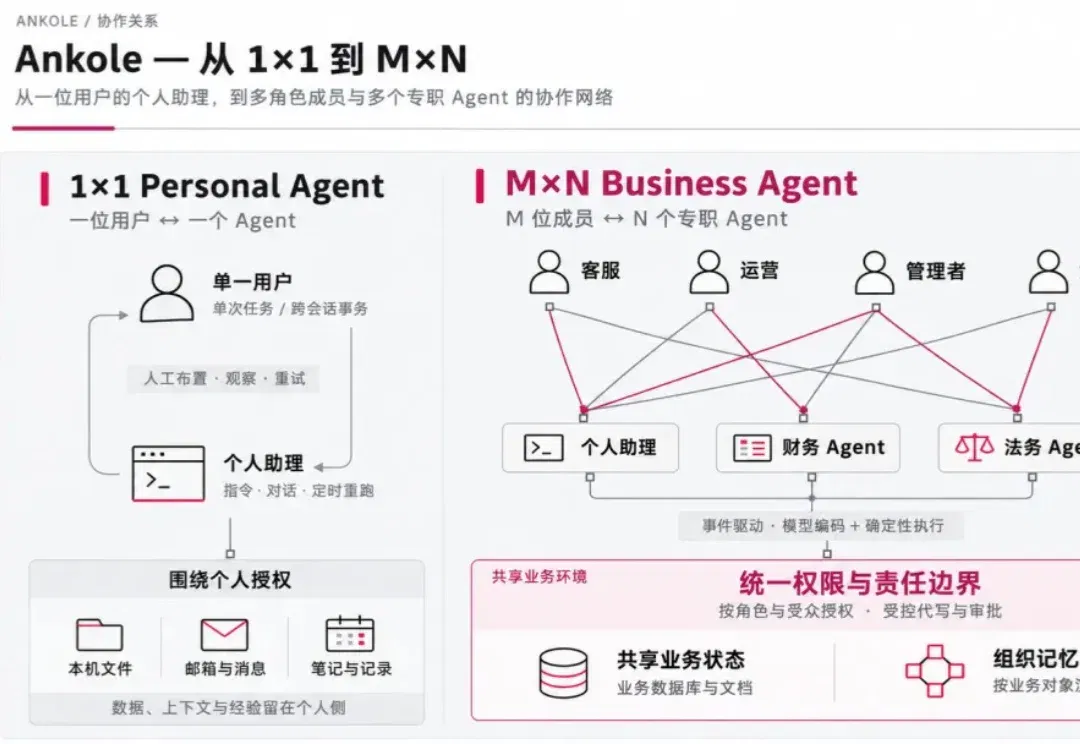
Ankole outlines multi-user agent architecture: events, permissions and organizational memory (opens in a new tab)
The team describes its Business Harness design for fast and slow paths, shared state, Actor orchestration and dynamic permissions. Formal verification covers the modeled core permission state machine; it does not replace security checks of the full deployment, external interfaces or implementation.
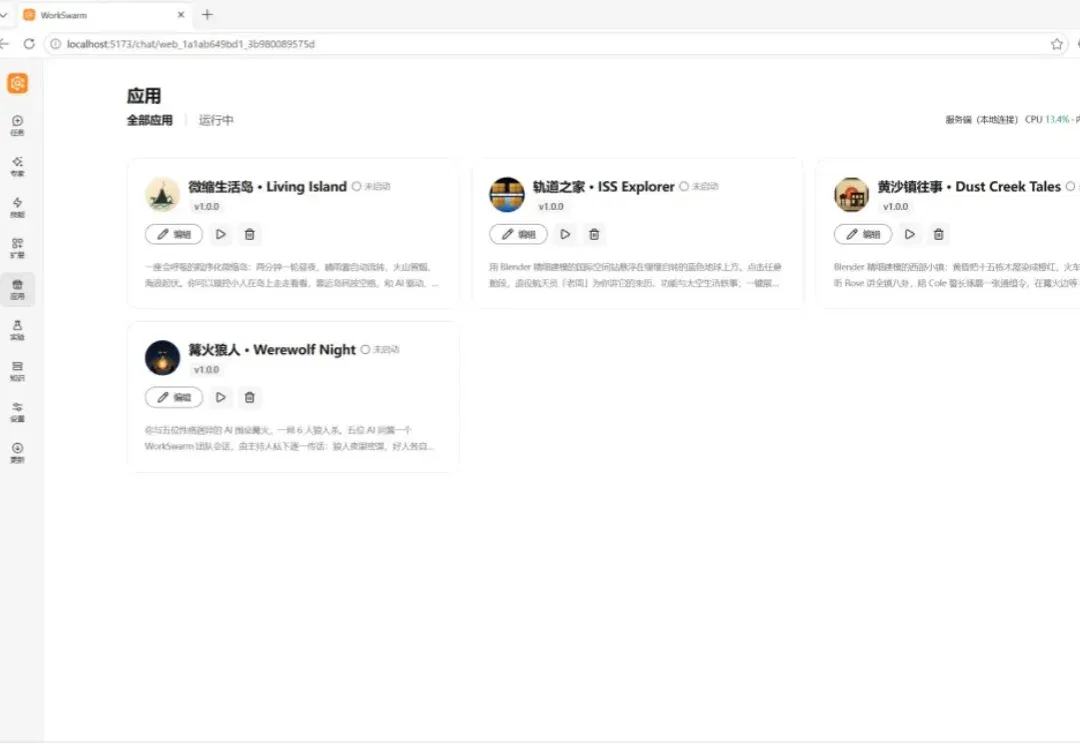
openJiuwen presents a Harnessless approach for reusing AgentOS execution tools (opens in a new tab)
openJiuwen uses app-development and swarm demos to show how built-in harness capabilities support sessions, tools and app management. Applications still define business rules and permissions; remote deployment and some capabilities remain planned or exploratory.
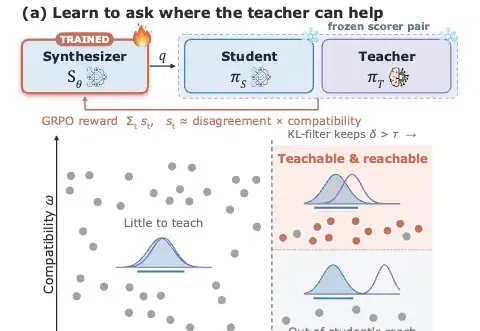
Ask-to-Distill optimizes training questions using teacher–student distribution signals (opens in a new tab)
UIUC and collaborators propose A2D, training a question generator with frozen teacher–student disagreement and compatibility signals before on-policy distillation. The paper reports gains in math, code and agent tasks; its learning-value proxy has limits.