Inside Peekie's Interactive Stories: Investigate a Virtual Phone and Chat with AI Characters

Peekie offers two modes on fictional phones: Cases asks players to compare clues, while Lives allows free-text interaction with AI characters. The report also looks at the team's PopPark community and discusses agreeable characters, secrets revealed too soon, and choices about long-term memory.

Immersive detective work inside a phone.
A horror short made with Manus also provides this report's starting point for examining interactive storytelling.
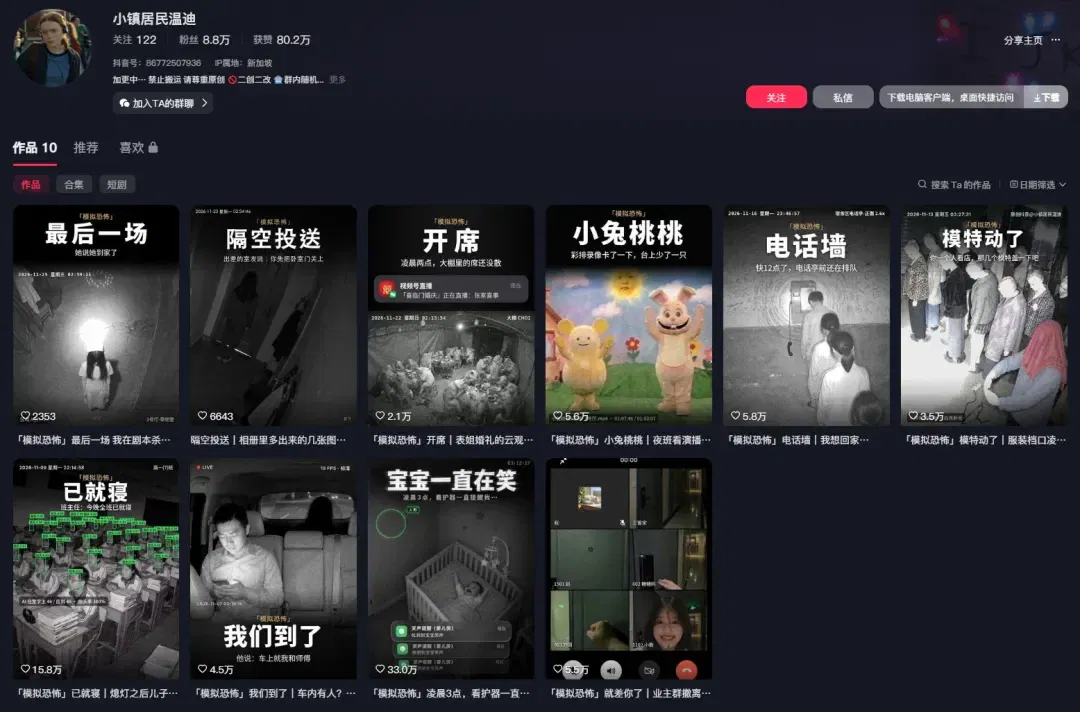
According to the original report, the account 'Small-Town Resident Wendy' shared a Chinese-style analog horror short made with Manus in mid-November, saying it took only three rounds of conversation with Manus and surpassed 10 million views within days of posting. This article has not independently verified either the number of production rounds or the view count.
People usually use Manus for research and reports. Who would have expected it to venture into horror stories too, drawing so many viewers?
When watching a mystery, it is hard to resist guessing along. Sometimes, guessing as the plot unfolds is not enough; it would be interesting to go inside and investigate for ourselves.
Peekie gives players that opportunity. Enter the story, and you find a stranger's virtual phone in front of you, with chats, photos, and calls to browse.
You need to spot what is wrong in this apparently ordinary information, then gradually piece together the secrets the characters have hidden.


The characters inside the phone can also chat directly with players and even arrange a time to meet, letting the plot develop in response to the player's actions.
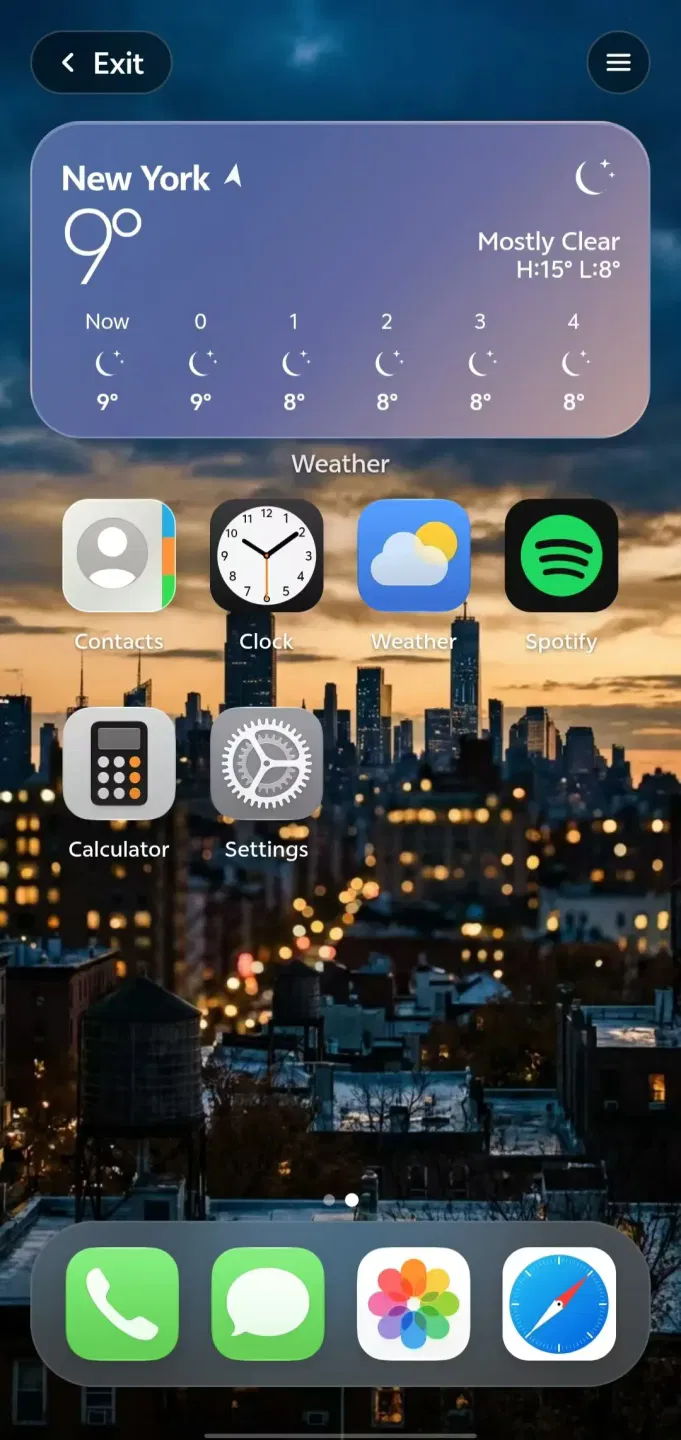
Open Peekie, and the most prominent feature is an interface closely resembling an everyday smartphone.
The lock screen, home screen, and familiar icons are all there. Text messages, calls, emails, photos, calendars, and social updates can all become part of a character's life.
Some screens even simulate commonly used services such as WhatsApp, Instagram, and Gmail, making it feel like browsing a device someone uses in daily life.
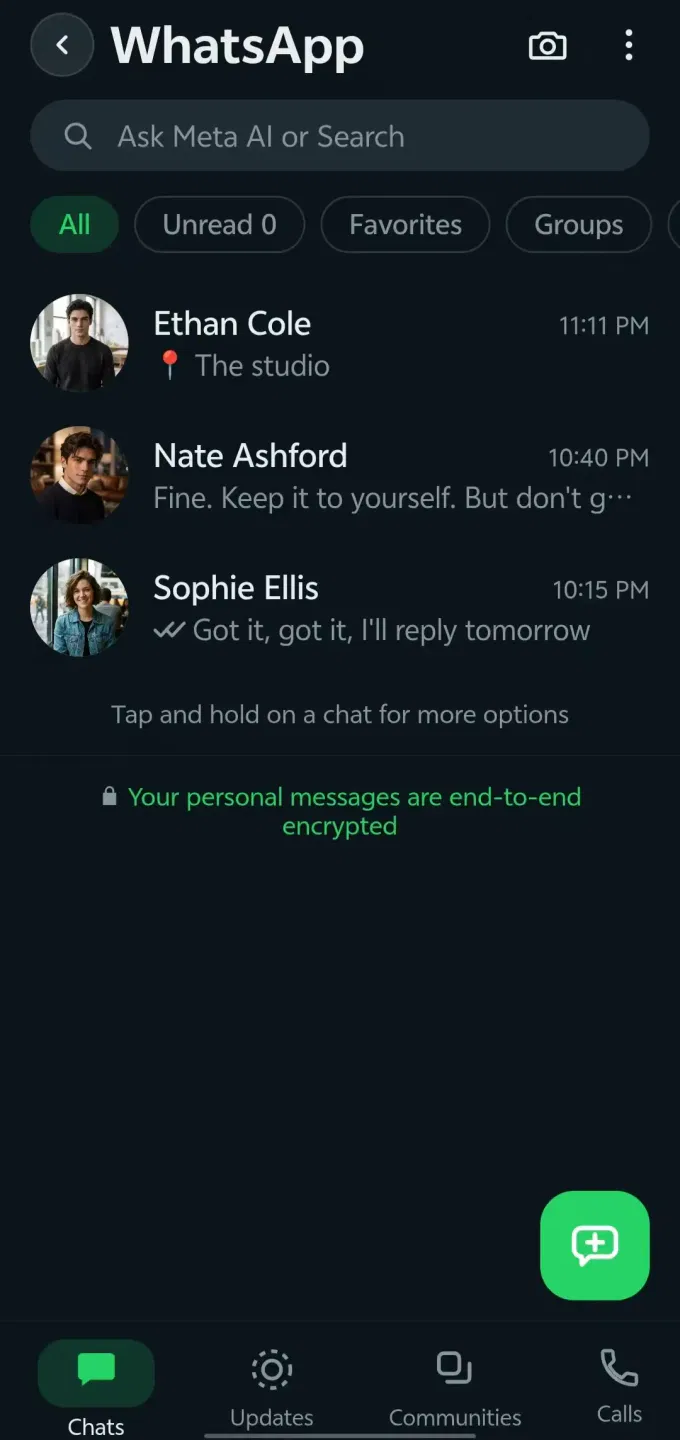


All the accounts, characters, and information here belong to fictional stories.
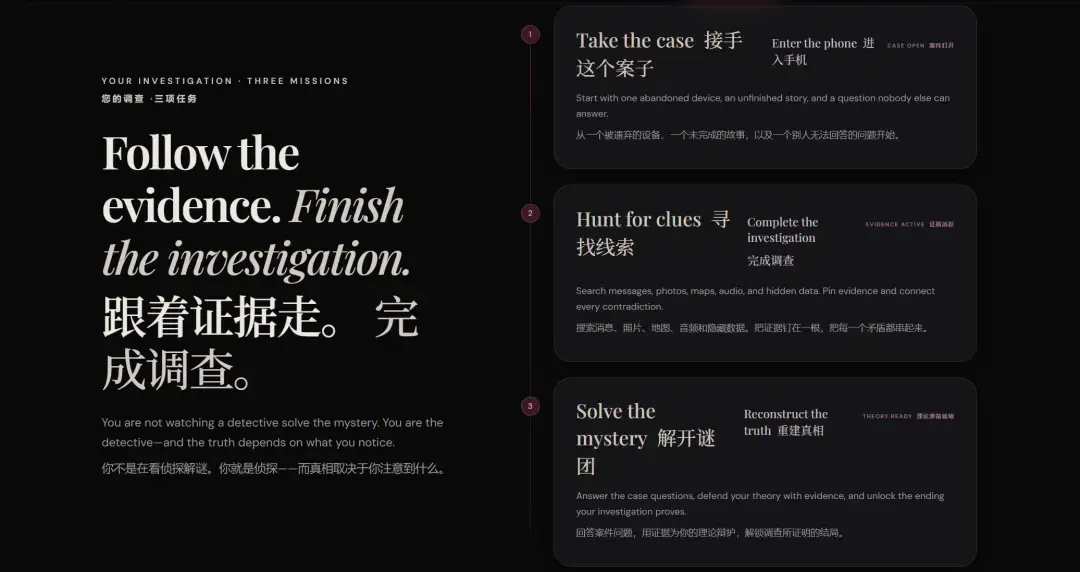
Its home screen currently has two main entry points, Cases and Lives. Cases is for investigating cases; Lives is for experiencing stories alongside characters.
Both use virtual phones, but what the player does is entirely different. To look for clues and solve a mystery, choose a case and investigate. To get to know characters, chat with them, or even change their relationships, enter Lives.
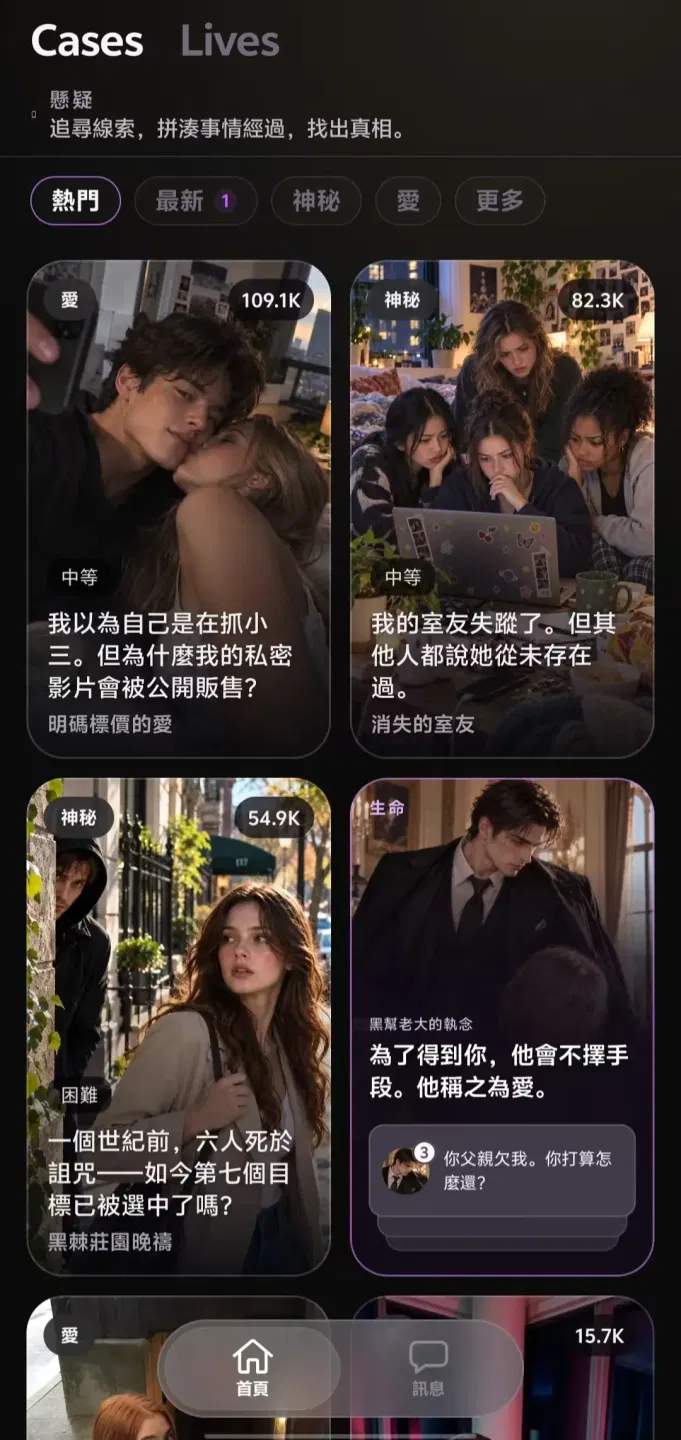
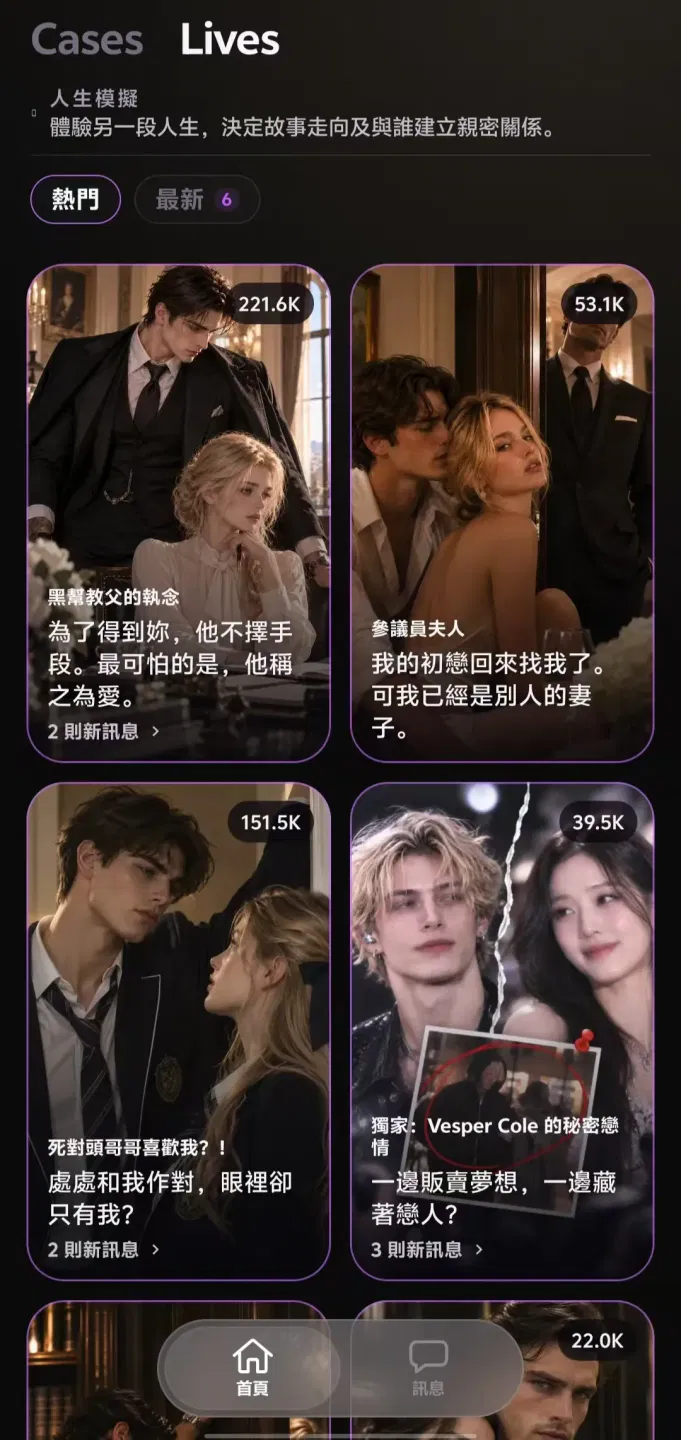
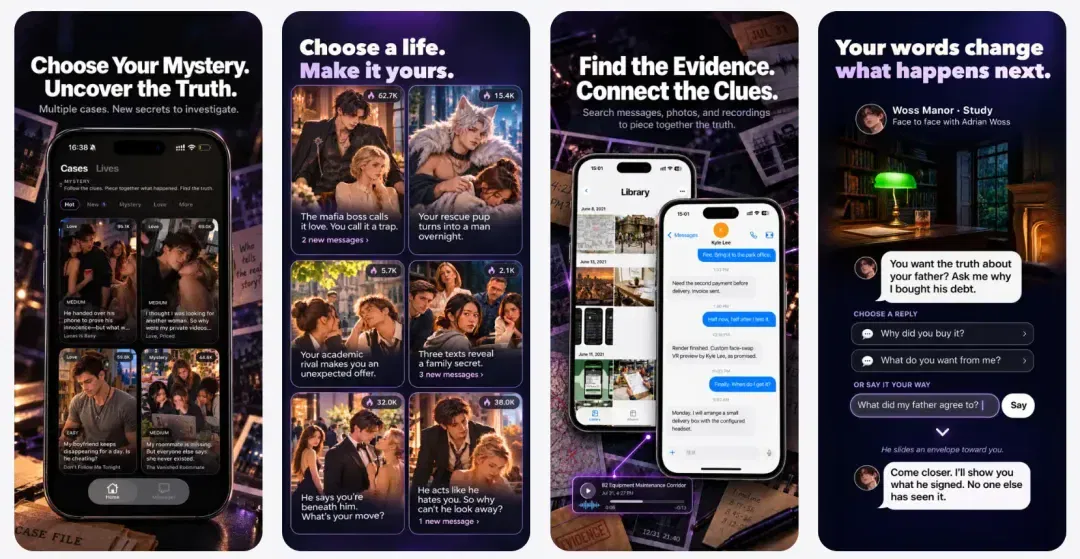
Cases shows introductions to different investigations, with difficulty levels marked on some stories. Disappearances, concealment, relationship disputes, and strange incidents can all provide the starting point.
Players usually enter the plot as someone connected to the events. A few messages first explain what has happened, then they receive a phone they can operate and start looking for answers hidden in everyday records.
In Don't Follow Me Tonight, for example, a young woman discovers that her boyfriend Casper has disappeared overnight several times in succession. Each disappearance seems to have been preceded by an argument between them.


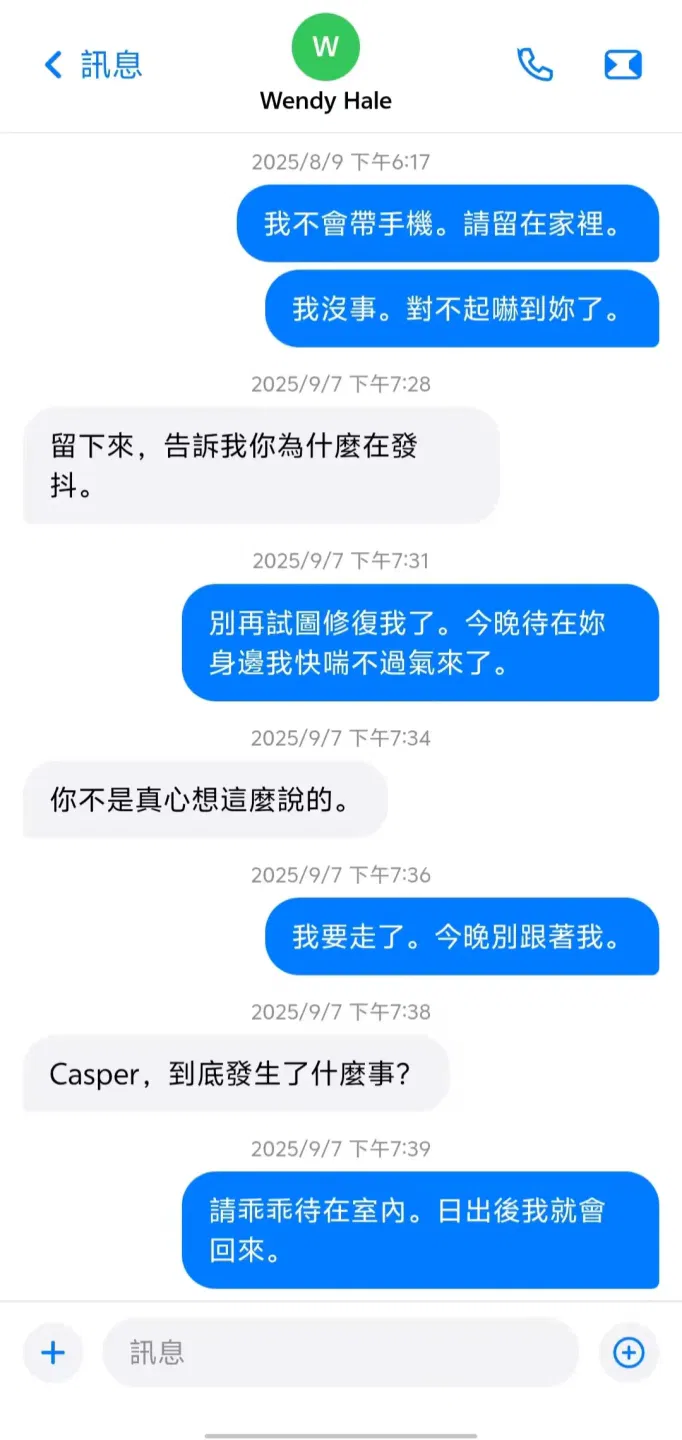
This time, however, her boyfriend has left his unlocked phone on the table. An intriguing question is right there: what exactly is he hiding?
Rather than watching a whole plot sequence from the sidelines, you have to swipe open the phone yourself, read the messages the characters left, and compare them with the call history.
At first, an argument looks like a minor disagreement between a couple. But when similar conversations recur and their timing matches the disappearances, things start to seem strange.


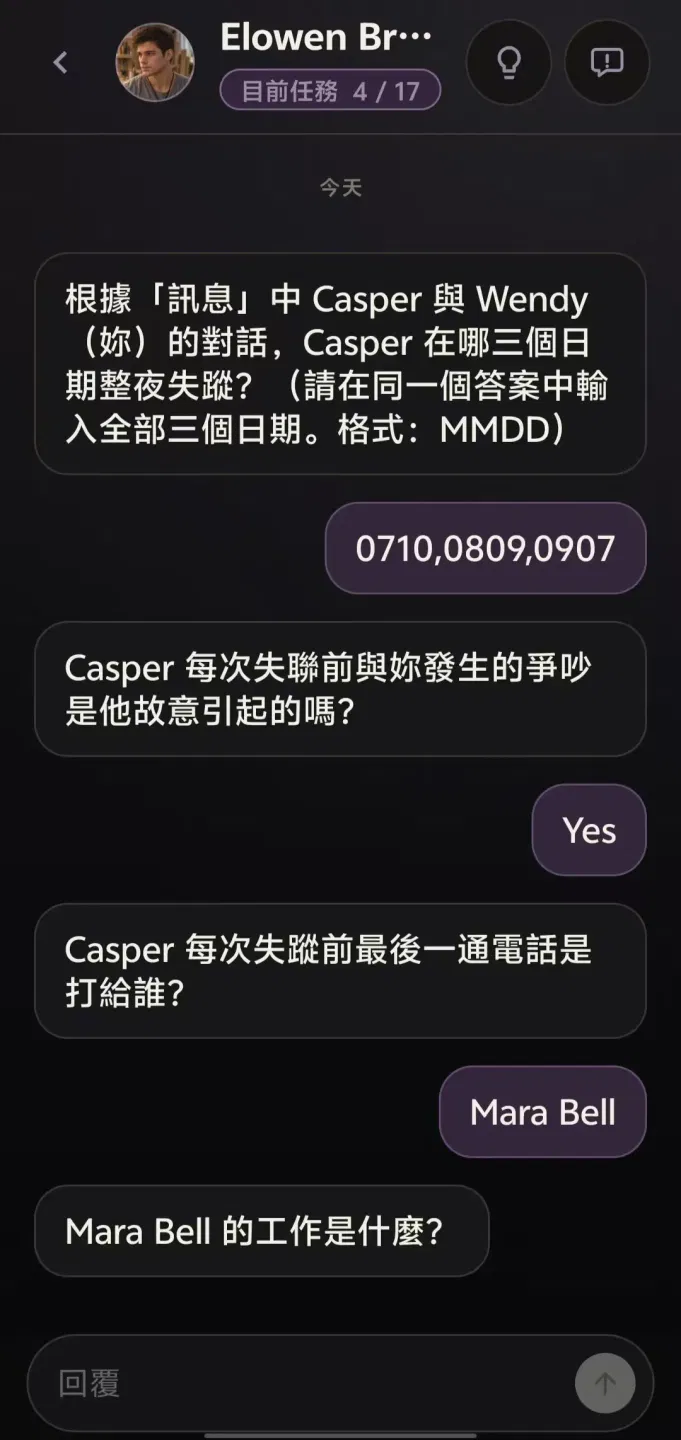
Looking further into the call history, you find that the last call before each disappearance points to the same person.
The pleasure of solving Peekie's mysteries lies in these seemingly insignificant details.
When someone sent a message, whether two contacts' accounts agree, or whether a photo's timestamp is suspicious: each seems ordinary in isolation.
Only after searching back and forth between pages and bringing the information together do the initially hazy relationships gradually become clear.
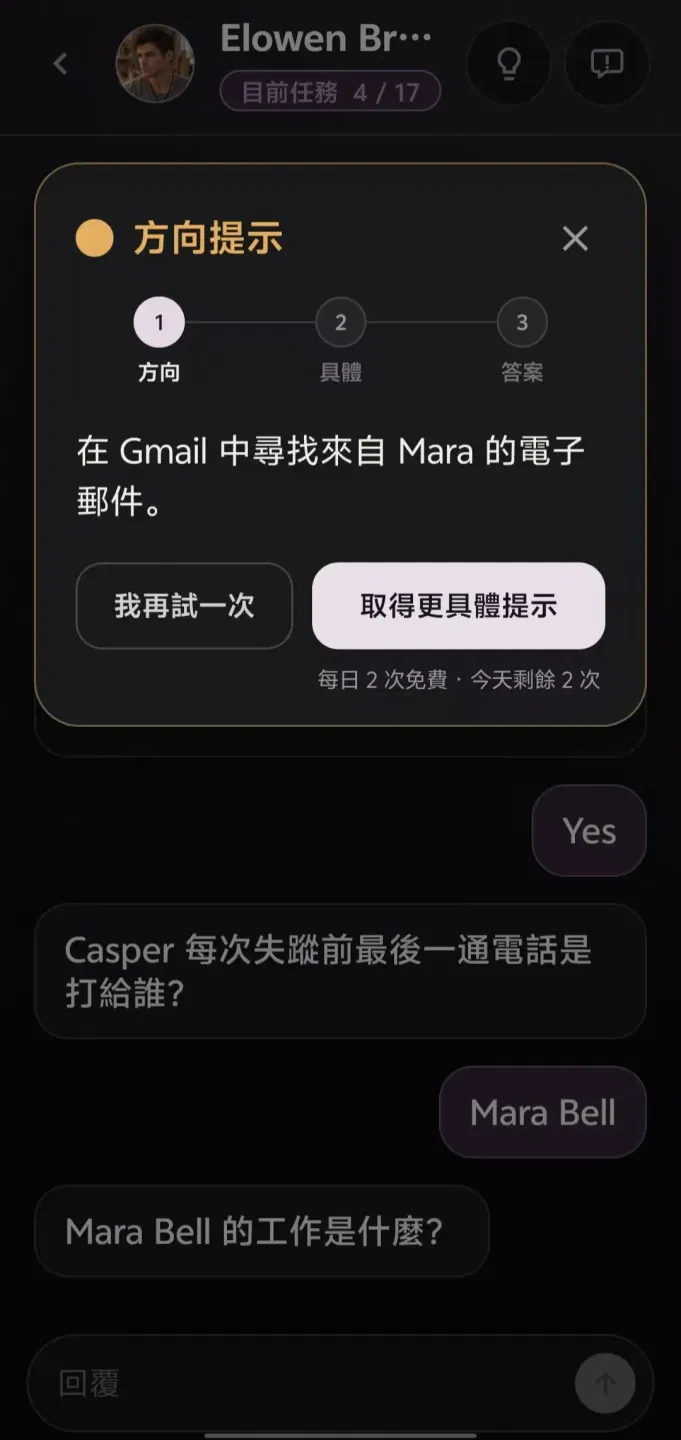

It mainly tests reading, memory, and the ability to connect information. For now, there are no complicated mechanical contraptions to solve.
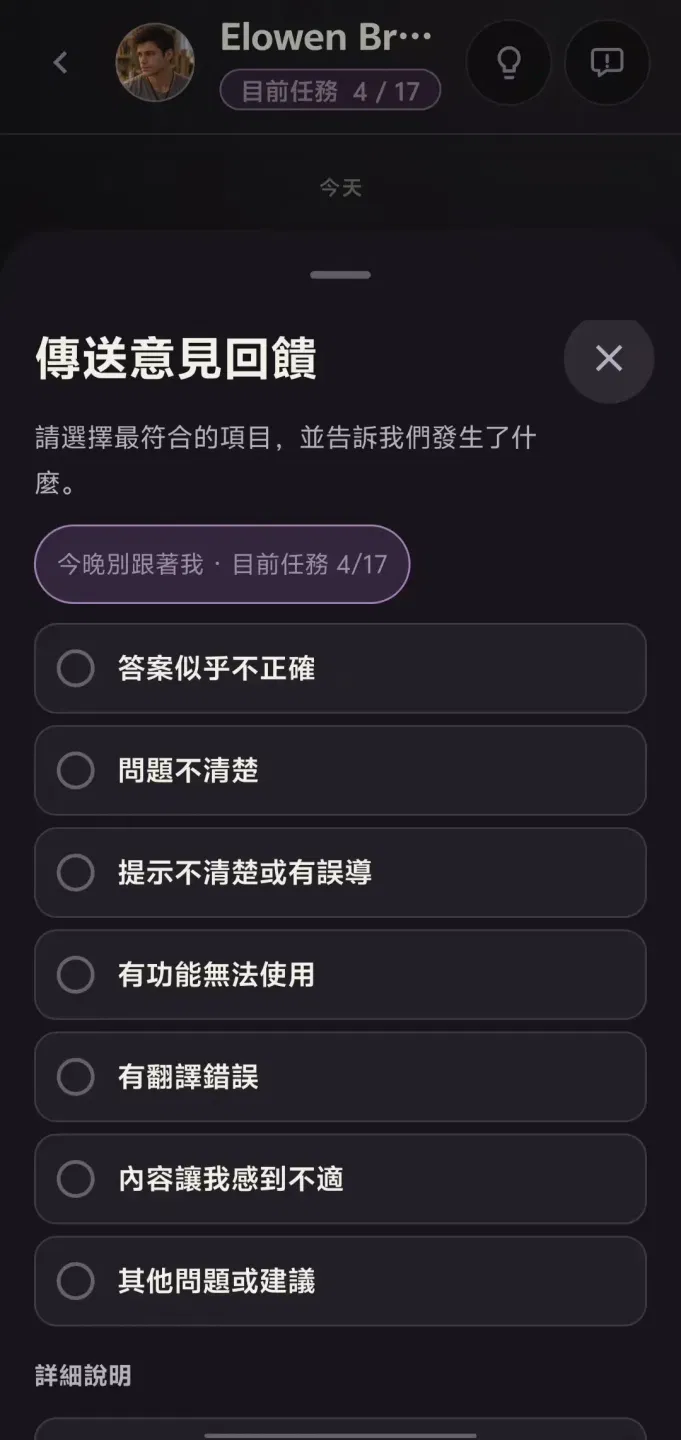
Cases also include explicit investigation tasks. The system tells players what to look for at that point, displays progress on the page, and provides access to hints.
After finding the evidence, players must type in the answer themselves and submit it correctly to advance. The pacing is fairly clearly defined too: a new investigation objective appears only after the current question is answered correctly. Hints are available when you cannot yet find the answer.
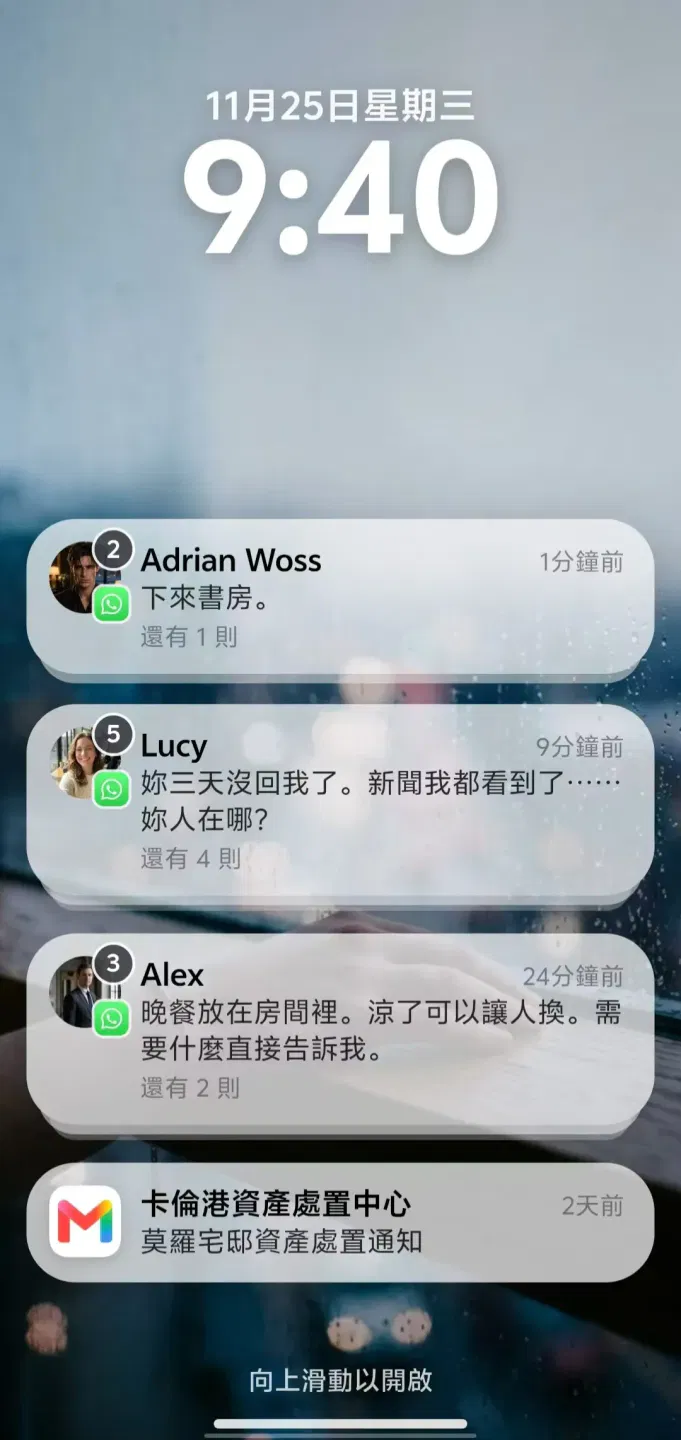
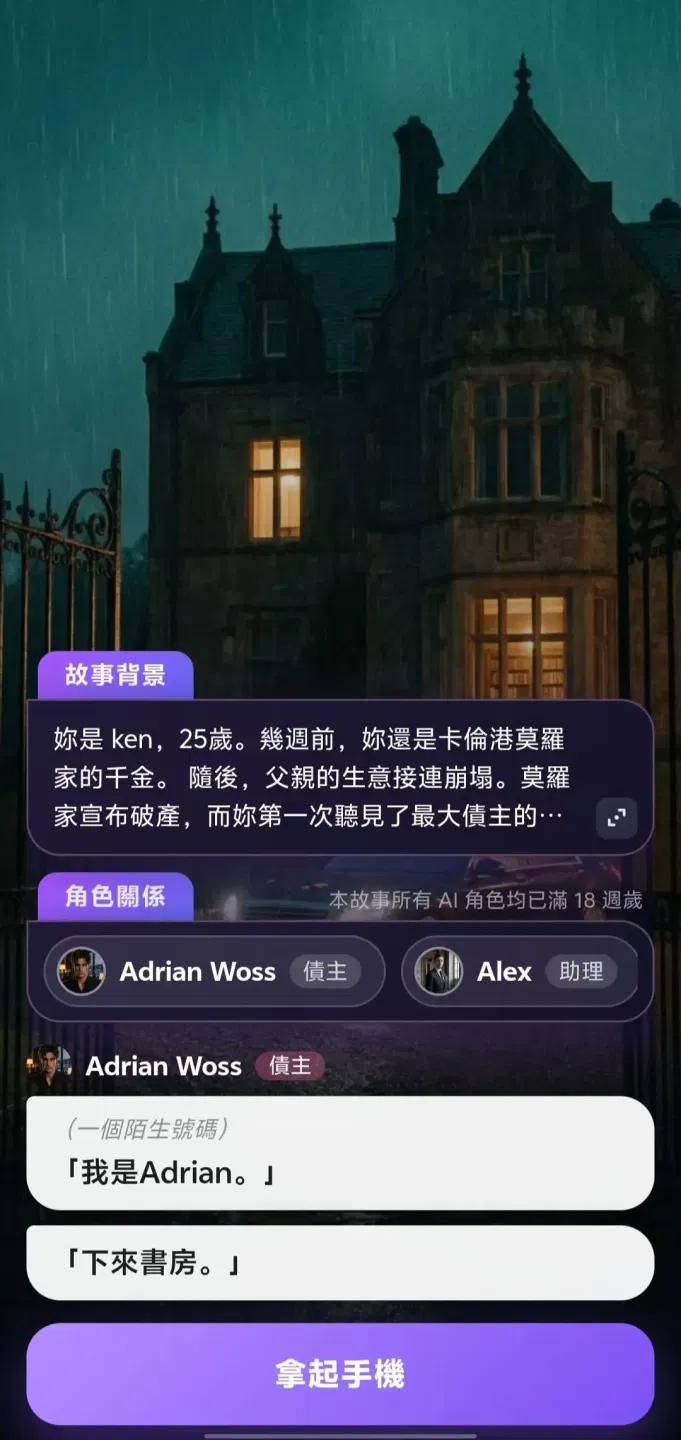

Of course, most of Peekie's story information comes through reading, and the opening chat requires waiting for characters to send their messages one by one. If you just want a few quick taps to reach the ending, the early stages may feel a little slow.
Besides searching through a phone for clues, Peekie adds interaction with AI characters through the Lives entry point.
Players can enter different characters' stories, view their chats and social updates, and type freely to communicate with them.


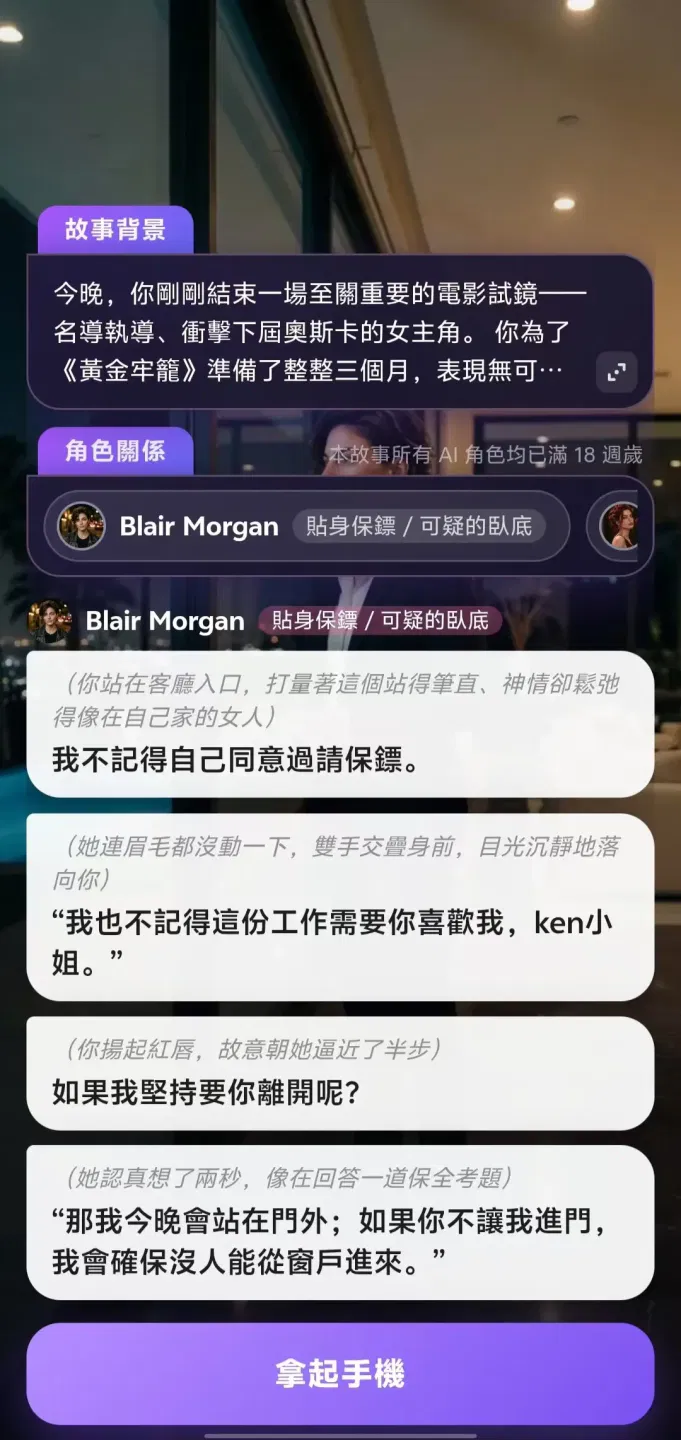
The AI responds to what players say, and new events may arise during the conversation. The system also offers suggested replies. If you do not know what to say, you can select one directly or edit it into what you want to say.
The themes in Lives currently lean toward romance, friendship, and interpersonal relationships, including misunderstandings, secrets, and various dramatic conflicts.
After entering an experience, you see characters' chat windows, social updates, and other information on the phone. Players can browse their posts, exchange messages with them, and share photos or give gifts using the features the story provides.
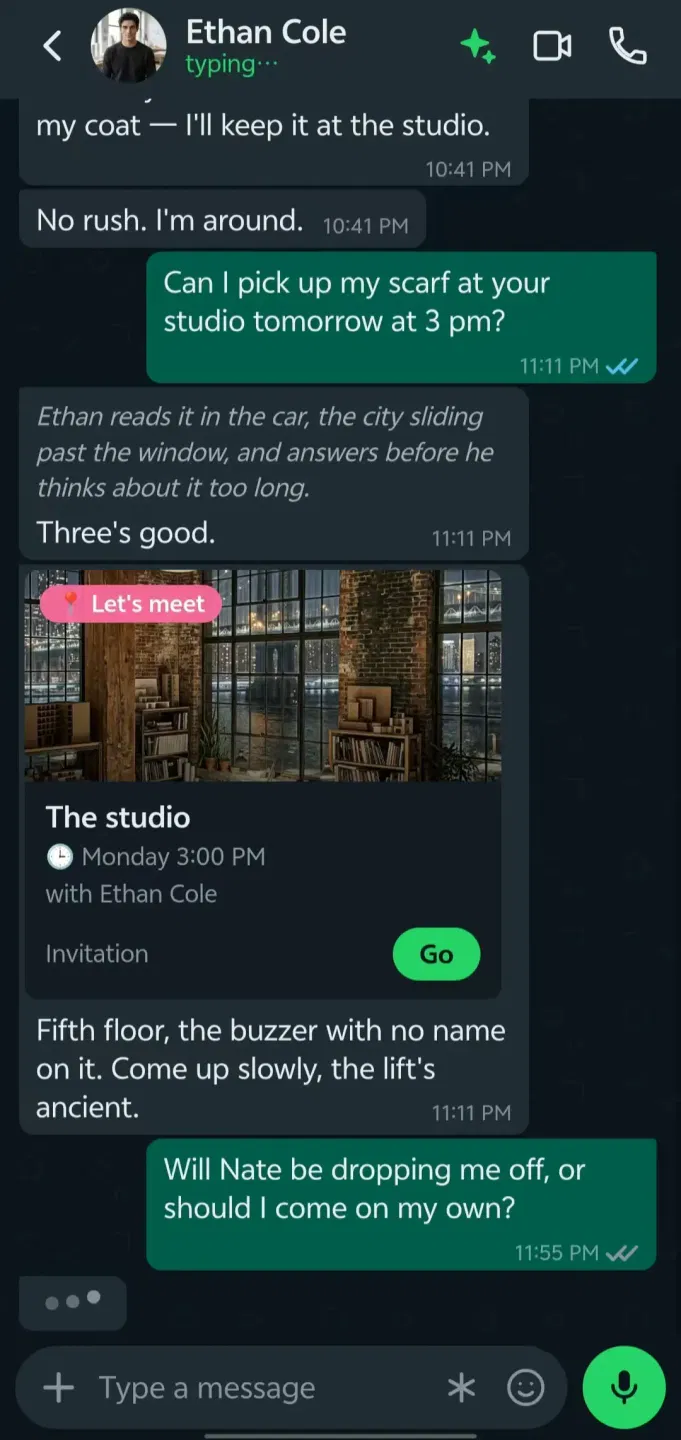
In Love Him or Leave Him, a message is typed to the character Ethan Cole asking whether it would be possible to visit his studio at three tomorrow afternoon to retrieve a scarf.
Ethan agrees to the time, and then an in-story meeting invitation card appears on screen, specifying Monday at 3 p.m., the studio, and Ethan as the person to meet, along with a clickable Go button.
He then adds details about the studio being on the fifth floor, the doorbell, and the old elevator.
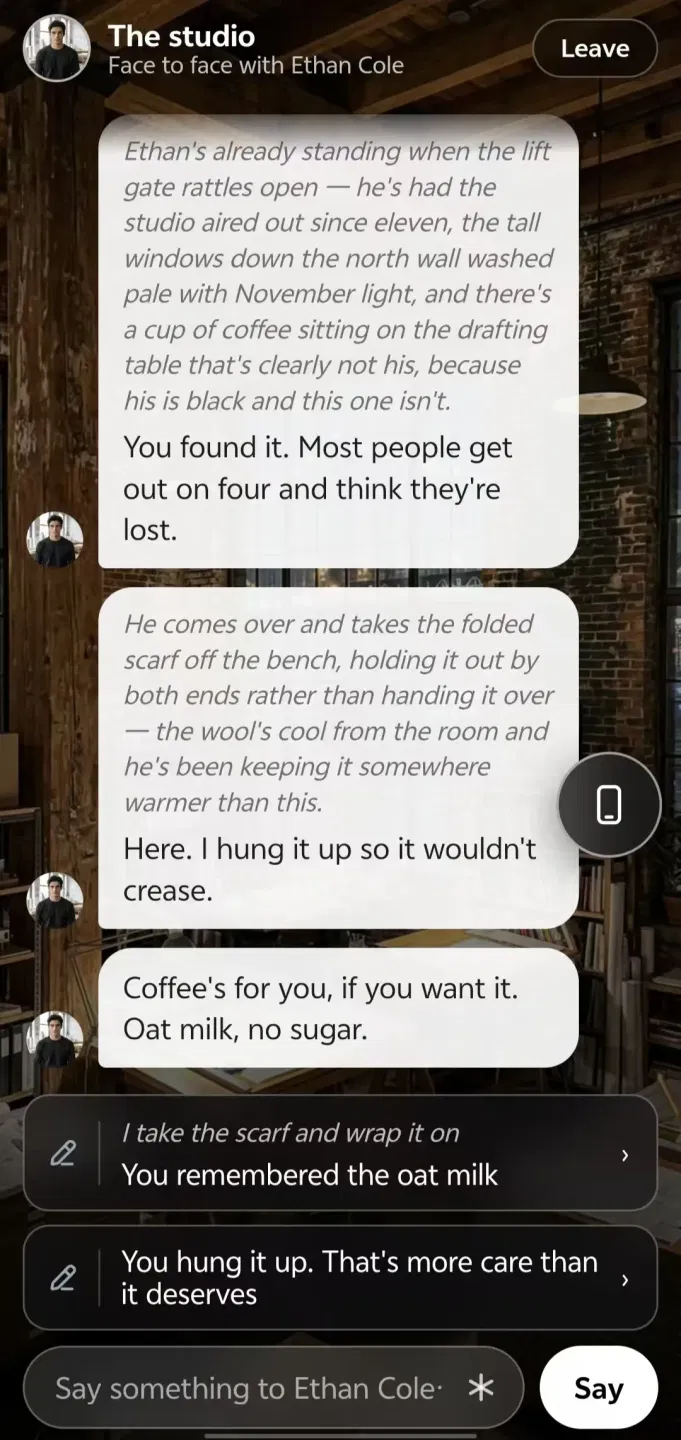
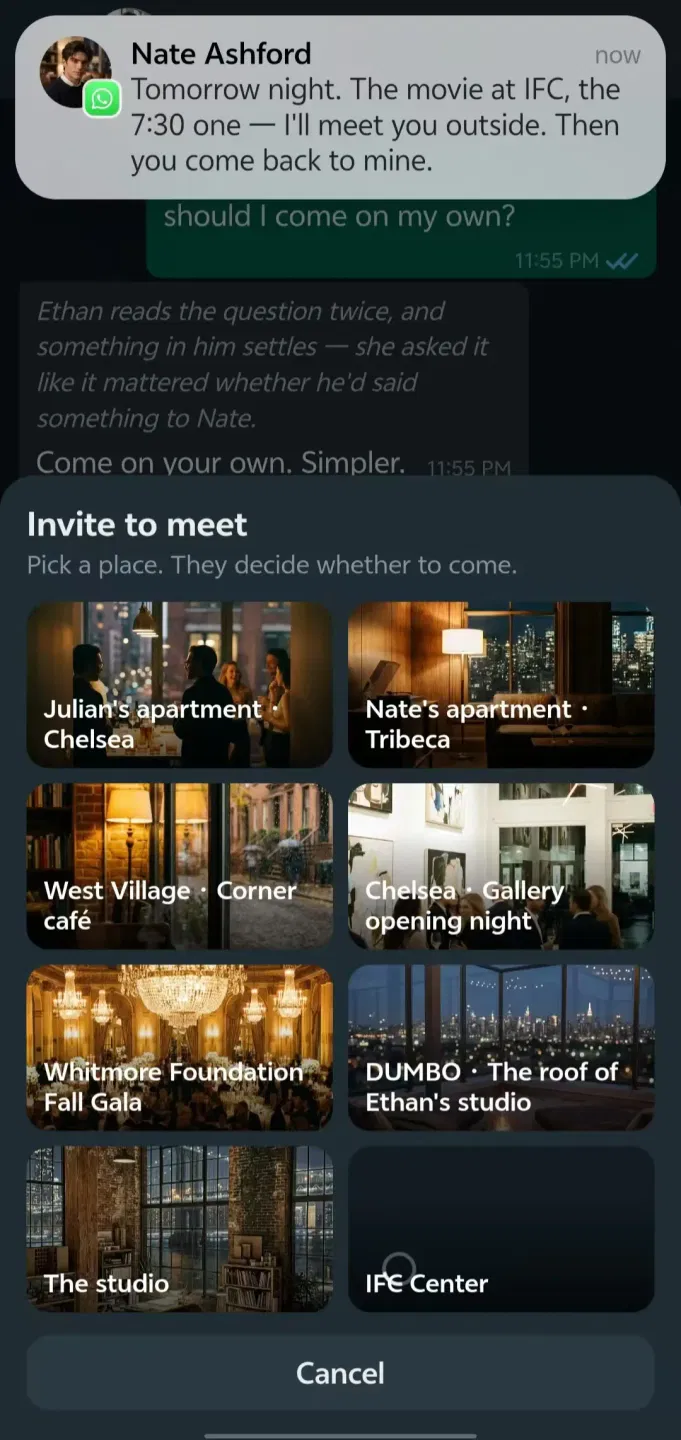
However, these AI interactive stories and the original phone-based cases remain two different styles of play. Cases has predesigned investigation tasks, with players seeking answers from evidence. Lives allows free-text input, with characters responding to the conversation.
Peekie also offers entry points for becoming a creator and submitting stories.
Interestingly, the team behind Peekie has also made an AI interactive community called PopPark.
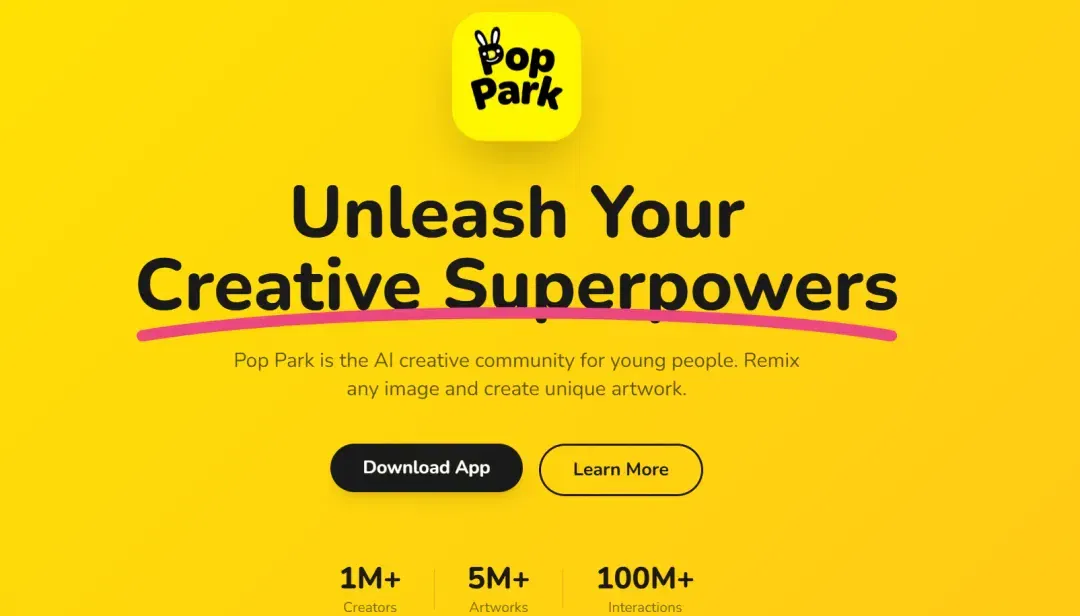
Both products try to involve users in stories, but PopPark's approach is more open. Users can not only experience content created by others, but also make their own.
PopPark is a little like a community of playable content. While browsing, you might encounter an interactive story, a minigame, a personality test, or even all kinds of imaginative life simulations.
Users need only enter a one-sentence idea for AI to help generate something interactive, then share it for others to try.
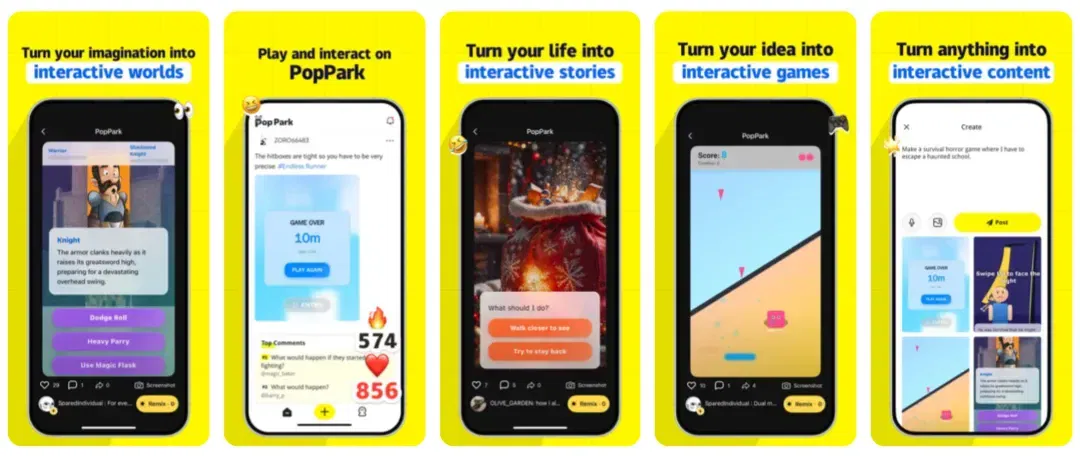
If something another person has made looks interesting, users can also rework it through Remix, modifying the setting or adding their own ideas so that one concept gives rise to different versions.
Peekie, by contrast, chooses the specific format of a virtual phone. The team prepares characters, cases, and the phone's various pieces of information in advance. Once inside, players can search for clues and participate in characters' lives through AI chats.
Mysteries and strange tales are also well suited to short videos.
This year's breakout AI supernatural short drama Ugly Fox attracted many viewers with a fox spirit's transformations and tales of an old mansion. The Inverted Land also drew considerable attention with its eerie dormitory corridors and rules-based horror.
Leave even a small detail unexplained in a story and people in the comments start guessing who the characters really are, sometimes replaying the visuals repeatedly to search for clues.

It is a bit like watching Detective Conan: you cannot resist guessing who is lying and trying to find the truth before the protagonist does. Peekie taps into the same fondness for puzzles, except players can also take part in the investigation themselves.
Filming the process of browsing a phone, suddenly discovering a suspicious message, or finding a crucial piece of evidence as a short video can likewise spark viewers' curiosity, making them wonder what other secrets the phone contains.
But a short video can stop at the most suspenseful moment, while an interactive story must accommodate the player's next choices. Adding AI characters introduces another difficulty in particular.
Characters may seem vivid when a conversation begins, but after chatting longer, it becomes easy to notice that they will go along with whatever the player says. Even two people who were originally enemies may make up after just a few exchanges.
If characters have no positions or lives of their own, players will soon realize they are merely talking to a chatbot that agrees with them at any moment.
In a mystery especially, characters may hold secrets they cannot reveal easily.
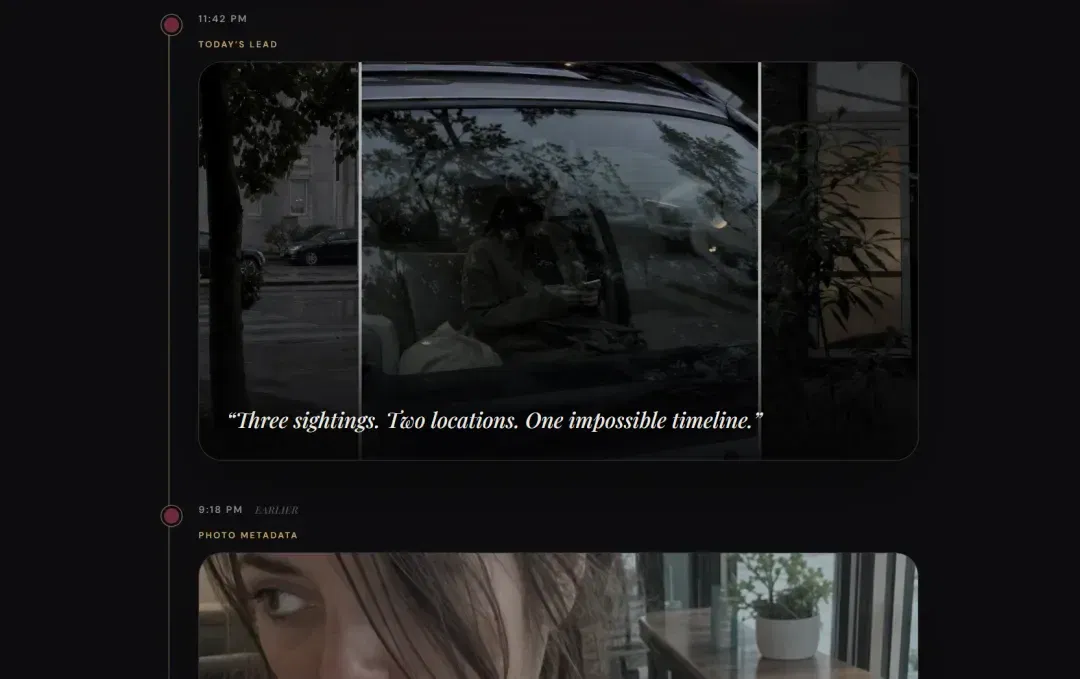
When players repeatedly question them with evidence in hand, characters might make excuses or deliberately conceal things. But if they explain everything after only a few exchanges, the carefully designed mystery loses much of its interest.
Giving AI long-term memory therefore also requires tradeoffs. Everyday pleasantries can gradually fade, while an important promise or betrayal may continue to influence a character's attitude long afterward.
Things said earlier and lies that have been exposed cannot simply lose their consequences as the conversation continues. Characters do not need to record everything like a database. What matters is retaining memories consistent with their own personalities.
After spending time with a story, players naturally want to know how unresolved mysteries will turn out and how their earlier choices will change what happens.
This article is from Xiagu AI, by the Xiagu Content Team.
Related topics
After reading
Join the AINRK community
Read how to join the community and connect with people working in AI.
Related articles
Continue reading related topics and articles in this category.

Reading Manus cofounder Zhang Tao's Peking University talk: model limits, paid demand and local agents (opens in a new tab)
A personal commentary on Zhang Tao's startup talk discusses abandoning an AI browser, building around model capabilities, validating paid demand and local agents. Video costs, ARR and internal evaluation gains are his account; the CapCut/AGI remark is a joke, not a technical conclusion.

Manus,刚刚悄悄发布了自己的 2.0 宣言 (opens in a new tab)
Manus 最好的产品演示,是它的团队自己。

浪子回头!Manus重启北京办公室大举招聘 (opens in a new tab)
昔日Agent顶流Manus,又杀回北京招人了。

超33亿元!Manus拿下国内Agent创企最大单笔融资,腾讯投了 (opens in a new tab)
老股东腾讯、红杉中国、真格基金加持。 智东西10月8日消息,刚刚,Manus母公司蝴蝶效应宣布近日已完成超5亿美元(约合人民币33.52亿元)新一轮融资。这是国内Agent原生创企获得的最大一笔融资。 本轮融资由博裕投资、IDG资本领投,老股东腾讯、红杉中国、真格基金继续加持。 今年9月,外媒彭博社就曾报道,蝴蝶效应计划以40亿美元(约合人民币268.3亿元)估值融资5亿美元(约合人民币33.5亿元),较此前20亿美元的估值,多了整整一倍,预计将会使Manus的母公司蝴蝶效应成为中国估值最高的AI Agent创企。 就在9月29日,Manus发布了Manus 2.0版本,以及多Agent群聊应
突发:Manus推出重构的 Manus 2.0 及自研 Cascade 框架 (opens in a new tab)
Manus 团队在从 Meta 强制拆解中恢复独立身份后,正式推出全架构重构的 Manus 2.0 及自研 Cascade 框架,并发布主打个人化的全新独立应用 Cue,传新估值升至 40 亿美元,腾讯成为重要外部股东。