Bilibili's “Solo AI Animation” Creators: Big Views Still Depend on Scripts and Platform Support
Interviews with Hongdou Xifan Zhong, Memingtang and other AI animators trace career changes, production rework and Bilibili support. Views and income reflect specific works, creators or platform figures—not millions of unique followers, typical earnings or one-click production.
After receiving a 2025 Top 100 Creator award in the guichu, or meme-remix, category, creator Hongdou Xifan Zhong hit a creative bottleneck. His income fell with it, far below its peak.
He decided to take a different path. This August, his AI animated series My Life as a Modern-Day Underworld Officer launched, bringing nearly 200,000 new followers to his account at once. Since signing with Bilibili, his earnings have passed the six-figure mark.
Lizhi Chengwei Eshou is a young couple who opened their Bilibili account only at the end of August. They then kept releasing bite-sized episodes of AI animation about monstrous beasts, gaining over 400,000 followers and earning close to RMB 1 million in a little over two months. Memingtang, who has a physics background, also switched to solo AI animation this year, was soon discovered and signed by Bilibili, and gained a stable income.
They are just some of the participants in this creative wave. On June 5, 2026, Bilibili launched UP Animation Theater. Within half a year, nearly 300 exclusive serialized animations spanning different subjects had appeared, four creators had received more than RMB 1 million in creative incentives, and over ten works had surpassed ten million views. Most of these creators are not professional animators. Using AI tools, they write scripts, draw storyboards, generate visuals and handle post-production themselves, then adjust their stories based on on-screen comments and discussion, continuing episode by episode.
One person can make an original animated series and earn substantial income from it. A year ago, even these creators would have found that hard to believe.
They Turned Things Around with a Solo Animated Series
"Our company even uses your videos as examples of how to create a sense of real human presence. The truly formidable ones really do work alone!"
On August 14, creator Hongdou Xifan Zhong (Hongdou below) launched My Life as a Modern-Day Underworld Officer. Within half an hour, hundreds of comments poured in. Some praised its unbeatable visual quality, saying they "kept wondering whether it was live action"; others enthusiastically discussed the character concepts, declaring, "This is what I want to watch."
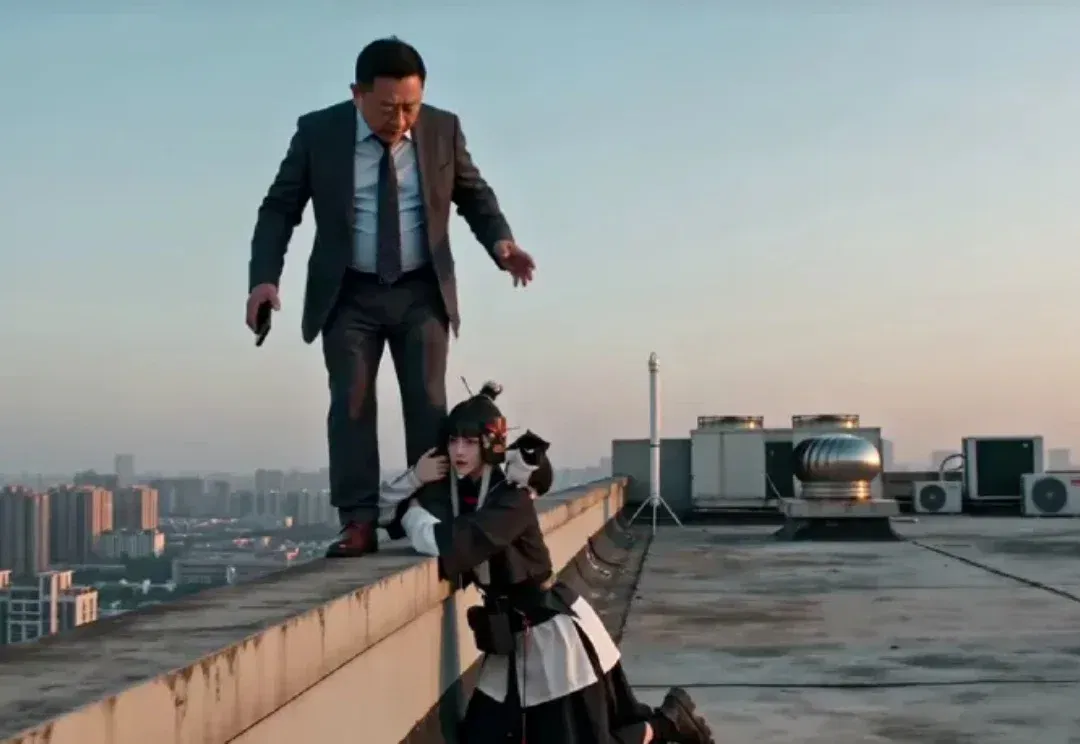
The series follows Qin Jiu, an underworld officer who comes to modern society to carry out assignments. The short opens with an embarrassing scene on the job: a man stands on a high-rise rooftop, preparing to end his life. Qin Jiu makes an imposing entrance, seemingly about to unleash earth-shaking magic. Instead, she suddenly slides onto her knees, rushes to his feet, clings tightly to his leg and begs him not to die.
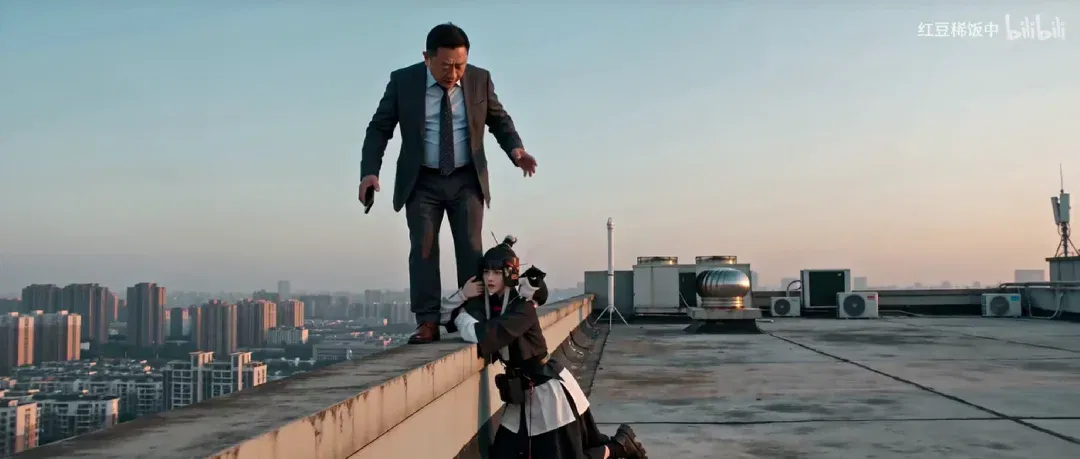
Image | The first scene Hongdou Xifan Zhong thought of
Hongdou writes the underworld as another world of ordinary workers. The supposedly majestic officer is glib but kind and softhearted, often handles things unconventionally and constantly causes trouble in the human world. Alongside the lighthearted comedy are touches of family affection, regret and human warmth.
The wildly imaginative premise and meme-remix humor were a perfect match for Bilibili viewers' tastes. The animation quickly attracted large audiences, with on-screen comments and discussion taking off too. Three days after launch, the episode exceeded two million views and peaked at number 23 on the platform-wide chart. After a week, views had surpassed six million.
Hongdou had not experienced this kind of popularity for a long time.
Born in 1994 in Jiaxing, Zhejiang, Hongdou released original songs in high school and dreamed of becoming an original musician. After graduating in environmental engineering from Xi'an University of Science and Technology, he followed his family's arrangements and joined Sinopec in Ningbo.
In 2018, while still working at the state-owned enterprise, he happened to open a guichu video on Bilibili. Finding it novel, he began teaching himself to make them using online tutorials. The genre was popular then. Soon, a video he made about Liu Xiao Ling Tong received over two million views and around RMB 10,000 in incentives, far more than his monthly Sinopec salary of RMB 6,000–7,000.
He subsequently quit and became a full-time creator. Those were the best years for guichu creators: the platform offered creative incentives, advertisers were willing to spend, and in a good market he could take two or three commercial commissions a month.
2025 was Hongdou's moment in the spotlight. He was named one of Bilibili's annual Top 100 Creators, fulfilling a wish he had held for years.
But after the award, his creativity stalled. Guichu depends on fresh memes, and over time new material grew scarce and new formats were hard to find. He often felt he was "rehashing old material." His income also dropped, far below its peak.
This May, Hongdou decided to try another route and began making videos with AI. Although the AI-generated visuals were rough, they unexpectedly suited guichu's comic character. His first AI short, His Life Was So Short It Could Be Told in Two Minutes, became a hit and now has around 2.775 million views. From then on, Hongdou felt that AI animation "seemed like a direction where sustained effort could produce sustained returns."
Starting in June, he changed direction and put all his energy into original AI animation. The inspiration for My Life as a Modern-Day Underworld Officer came from a friend who had previously written guichu lyrics for him and suggested a story about "an underworld office worker." Inspired, Hongdou rethought the relationship between the underworld and the human world and designed the characters and plot around it.
Underworld Officer has now reached its fifth episode, with over 20 million cumulative views and repeated inclusion in Bilibili's Weekly Must-Watch selection.
Hongdou signed with Bilibili's UP Animation Theater starting with his first original animation, Zhao Shanhe. The series shares revenue based on submitted video duration, and by October his income had passed the six-figure mark.
At almost the same time, creator Memingtang was also looking for a new way forward.
In mid-2025, he spent RMB 30,000 on a computer equipped with an RTX 5090 graphics card and decided to start making AI animation from scratch. He gave himself six months: if he could not achieve results, he would return to his previous line of work.
Memingtang studied physics as an undergraduate. As a youngster he dreamed of becoming a scientist, but when that path did not work out, he switched to game concept art. In his studio, the lead artist set the direction and drew sketches, which he and his colleagues divided up and refined. After more than three years, he increasingly disliked this way of working.
"A person is really just a component," Memingtang says. At work, a picture was split into several parts, each person responsible for only one, before they were assembled into a finished work. He rarely had the chance to draw something from beginning to end and felt it was difficult to improve further. Private commissions, by contrast, let him complete an entire picture independently, bringing a sense of achievement he did not find in the studio.
Later, he returned home to help his father run a power-grid operations and maintenance business, leading a small team on outsourced emergency repairs, new installations and other projects. After several years, industry margins grew thinner and personnel management exhausted him. Following repeated discussions with his father and wife, he decided to close the company.
He wanted to see whether he could stop drawing for others, avoid managing a team, and complete a work of his own independently.
At first, he tried making animation-derived shorts on Bilibili, gradually building an audience. Before the 2026 Spring Festival, Bilibili operations staff noticed him and subsequently signed him, providing relatively stable creator incentives.
With this income, Memingtang began focusing fully on original work. Combining a cultivation-fantasy world, scientific concepts and modern jokes, he created The Age of Scientific Cultivation. After half a year of serialization, the series had exceeded 21 million views, while his followers rose from 74,000 to 268,000.
Hongdou and Memingtang are just two participants in this creative wave. UP Animation Theater officially launched on June 5, 2026. Within half a year, nearly 300 exclusive serialized animations spanning different subjects had emerged there, with over ten exceeding ten million views.

Image | UP Animation Theater
The theater's creators show two distinctive characteristics: most are individuals or tiny crews of two to three people, and their varied backgrounds generally make them "nonprofessional animators" crossing over from other fields. They include former text-based gaming veterans, full-time illustrators, architectural designers and current students, as well as a former talent-agency boss who founded an animation studio.
This concentrated emergence of creators is inseparable from maturing AI technology. AI video tools have advanced rapidly over the past year or two, with visual stability and controllability far beyond what they once were. By lowering production barriers, AI has instead made the storytelling barrier visible. Viewers' expectations for AI animation are shifting from "watchable" to "worth watching over time."
Bilibili, which brings together many people who know how to tell stories, was among the earlier platforms to turn this into a system.
"Bilibili is my angel investor," Hongdou says. In eight years growing alongside the platform, it has provided not only cash and traffic incentives but also everyday content suggestions, copyright protection and more. This comprehensive support gives him the confidence to put all his energy into one work. UP Animation Theater has hundreds of creators like him.
In less than half a year, their work has been seen, discussed and followed, bringing returns they had not previously imagined.
Fast Tools, Slow Craft
Memingtang put himself through quite an ordeal for a single shot he had in mind.
In one episode of The Age of Scientific Cultivation, several protagonists are trapped inside a rapidly spinning pressure cooker. One spins around on the bottom, while the others run along the sides.
The image was already clear in Memingtang's mind, but AI simply could not understand it.
He first tried describing it in words, but the output was wrong. Next he made an untextured-model video for AI to reference the characters' movements and spatial relationships; that still failed. He then fed in storyboards, again without success.
In the end, he positioned models himself and combined them with more precise text descriptions, rerolling generations ten or twenty times before obtaining the image he wanted.
Making a series alone does not mean you can take creative shortcuts. Bilibili is known for content and hosts a large amount of high-quality long-form video. Standing out there requires polishing a work over and over.
"AI's greatest strength is creating dreams, but making them real requires refinement." The clearer the image in his head, the less Memingtang is willing to compromise.
Back when he was making shorts, he had already tried getting AI to help write scripts. AI's writing ability was being heavily hyped at the time, and he wanted to see what it could actually produce. He found that AI-generated stories were often just an "average": well ordered, but rarely offering anything truly fresh.
He adjusts dialogue and shots to fit the visuals, but never changes the main storyline casually.
Before starting The Age of Scientific Cultivation, Memingtang had already built a long-form outline of the main plot. He needed to know what the characters would experience and where the story would go. For every episode, he personally refines the plot, dialogue and storyboards piece by piece.
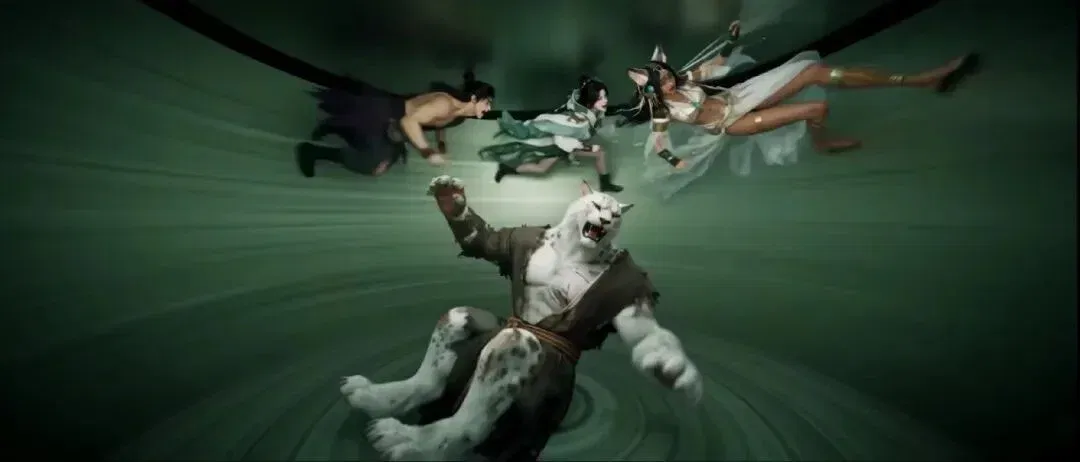
Image | The shot in Memingtang's mind
In July, before My Life as a Modern-Day Underworld Officer launched, Hongdou made Zhao Shanhe. Like Memingtang, he also experienced the frustrations of AI-written scripts.
After deciding to make original animation, Hongdou chose a subject with many fight scenes—yet fights are among AI's toughest challenges. In Zhao Shanhe, characters' movements were hard to control, shots were unsatisfactory, and the script relied heavily on AI generation.
After finally finishing it, Hongdou looked back and found that even he was not very satisfied. The attempt left him dispirited for nearly 20 days.
After his friend proposed the underworld-officer concept, several scenes quickly sprang to Hongdou's mind: one saving someone on a rooftop, another escorting a departed soul back to the underworld.
He gave these ideas to his friend, hoping the friend would write a script following his thinking. But neither could persuade the other. Hongdou disliked what his friend wrote, while his friend thought Hongdou's proposed arrangements were wrong.
The script was revised again and again, and Hongdou could never resist taking it back to readjust. He later recalled often "furiously rejecting my friend's scripts" during that period.
Once the first episode was finished, his friend instead came to approve of his choices.
Qin Jiu's personality gradually took shape through this process. Initially, she resembled the elf in Frieren: Beyond Journey's End, somewhat slow to understand human emotions. Later, she became a crafty underworld old hand who loves little tricks but is kindhearted underneath.
When Hongdou first encountered AI animation, he did not even know what "shot/reverse shot" or the "axis" meant. He could only follow online tutorials to learn storyboarding and shot blocking from scratch.
By the fourth episode, he wanted to film a chase entering a school, using a long take to carry the characters' movements continuously.
He spent two full days on a shot lasting over 40 seconds, generating it about 40 times. There was actually an easier way: split the long take into several ordinary shots and cut between them, avoiding repeated generation.
Hongdou refused. This chase was meant to be the episode's highlight; conveying it with a few casually edited shots would be too ordinary.
Today, Hongdou typically spends around 20 days making one animated episode, half writing the script and half producing the video. When busy, he sits down at the computer at 9:30 a.m. and works until 10 p.m.
Sometimes a single shot takes two days to refine. "As long as I finally get the image I wanted," Hongdou says, "the torment passes."
A Series Comes Alive When Someone Gets the Jokes
Memingtang recently encountered something interesting. In The Age of Scientific Cultivation, he had the protagonist hide in a metal cage to avoid electric shocks. To his surprise, many viewers immediately recognized the Faraday-cage principle in their on-screen comments: using a metal enclosure to shield against an external electric field.
This interaction—the feeling of "being understood"—filled him with creative motivation. He discovered that some viewers rewatch the animation several times, searching for clues in unassuming shots and character movements, and even predicting later plot developments.
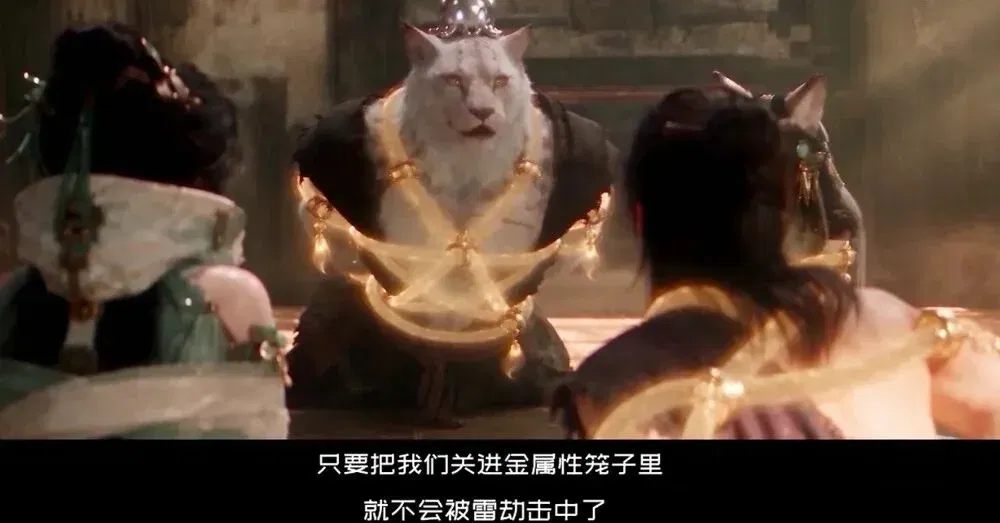
Image | Many viewers immediately recognized the Faraday-cage principle
Memingtang is a longtime Bilibili user. When learning editing or exploring AI creation in the past, he habitually came here for tutorials whenever he encountered something he did not understand.
Now that he is a creator himself, he has learned many new things from his audience too.
When the senior female disciple first appeared in The Age of Scientific Cultivation, someone noticed her "narrowed eyes," and Memingtang quickly adjusted her appearance. Others pointed out that the "centipede-style fasteners" on the protagonist's clothing were inappropriate. He had not realized this before and changed that design after hearing it too.
He is willing to hear viewers' thoughts on the pacing. But the main storyline and the characters' eventual directions remain his decisions.
In early 2026, Bilibili held a creative event, and operations staff sought creators in a group chat, giving Memingtang the opportunity to sign. Just after signing a personal exclusive contract, operations staff gave him a creative assignment.
He produced a work to match it, which not only received platform recommendations but also reached the trending chart.
Memingtang has now signed with Bilibili twice. Besides his personal exclusive contract, The Age of Scientific Cultivation has a separate series cooperation agreement. Copyright remains his, while Bilibili receives exclusive agency rights. When traffic is weak, operations staff analyze the data and offer optimization suggestions based on experience; they also help when a work is mistakenly traffic-restricted or pirated.
Memingtang says that after signing, it felt as though he had a "salary."
After My Life as a Modern-Day Underworld Officer launched, Hongdou calculated the costs: video generation alone averaged more than RMB 20,000 per episode. For difficult shots, he might revise the prompt repeatedly and generate visuals dozens of times, yet still find no satisfactory result.
For an independent creator, that is no small sum. Without the credits given out during updream's beta test, Hongdou might well have been unable to continue.
updream is an AI creation platform where creators can directly call video-generation models. The platform also distributes compute credits to creators, offsetting part of the computing power they would otherwise have to buy themselves.
In Hongdou's words, this "effectively lets the platform cover my costs."
Beyond UP Animation Theater, Bilibili has been rolling out more AIGC incentive programs. AI Film Studio offers tiered incentives of up to RMB 1 million for quality content based on real interaction data. The AI Monthly Competition has a million-yuan prize pool, with up to RMB 200,000 per round, and competitions and awards every month.
Hongdou is not the only Bilibili creator earning returns from original AI animation.
Creator Lizhi Chengwei Eshou opened a Bilibili account only at the end of August, then kept releasing beast-themed AI animation. In a little over two months, the account gained more than 410,000 followers, surpassed 30 million views and earned close to RMB 1 million. UP Animation Theater also specifically advanced copyright protection and merchandise development for the creator. Bandiaozi Bill is a current graduate student in organic chemistry at the Chinese Academy of Sciences. In July, he made the AI animation Legend of Extraordinary People, which quickly surpassed one million views.
Roushu Effects, with a background in game post-production, created Heaven's Office; full-time illustrator Paojiao Xiaoji's Witch Development Plan is already a hit with over ten million views; architectural designer Mengyou Niuyouguo crossed over to make The Alien Thief Libei; and the former chairman of Banana Entertainment established an AI animation studio and released Singing Against the Light, whose series compilation surpassed one million views less than a month after launch.

Image | Singing Against the Light, released by the former chairman of Banana Entertainment
Almost all these works were made by one person or a small team.
For solo animated series to flourish, two kinds of soil are needed: an audience willing to rewatch an animation several times and catch every joke, and a system that genuinely sustains creation, with commissioning editors, operations and commercialization all indispensable.
A series comes alive when viewers get its jokes; creators dare to keep telling stories when a platform supports them. From the content ecosystem to the support system, UP Animation Theater has all of this in place. It is no accident that solo series have appeared here.
Hongdou has recently begun wondering whether Qin Jiu and Cui Jue could step outside My Life as a Modern-Day Underworld Officer.
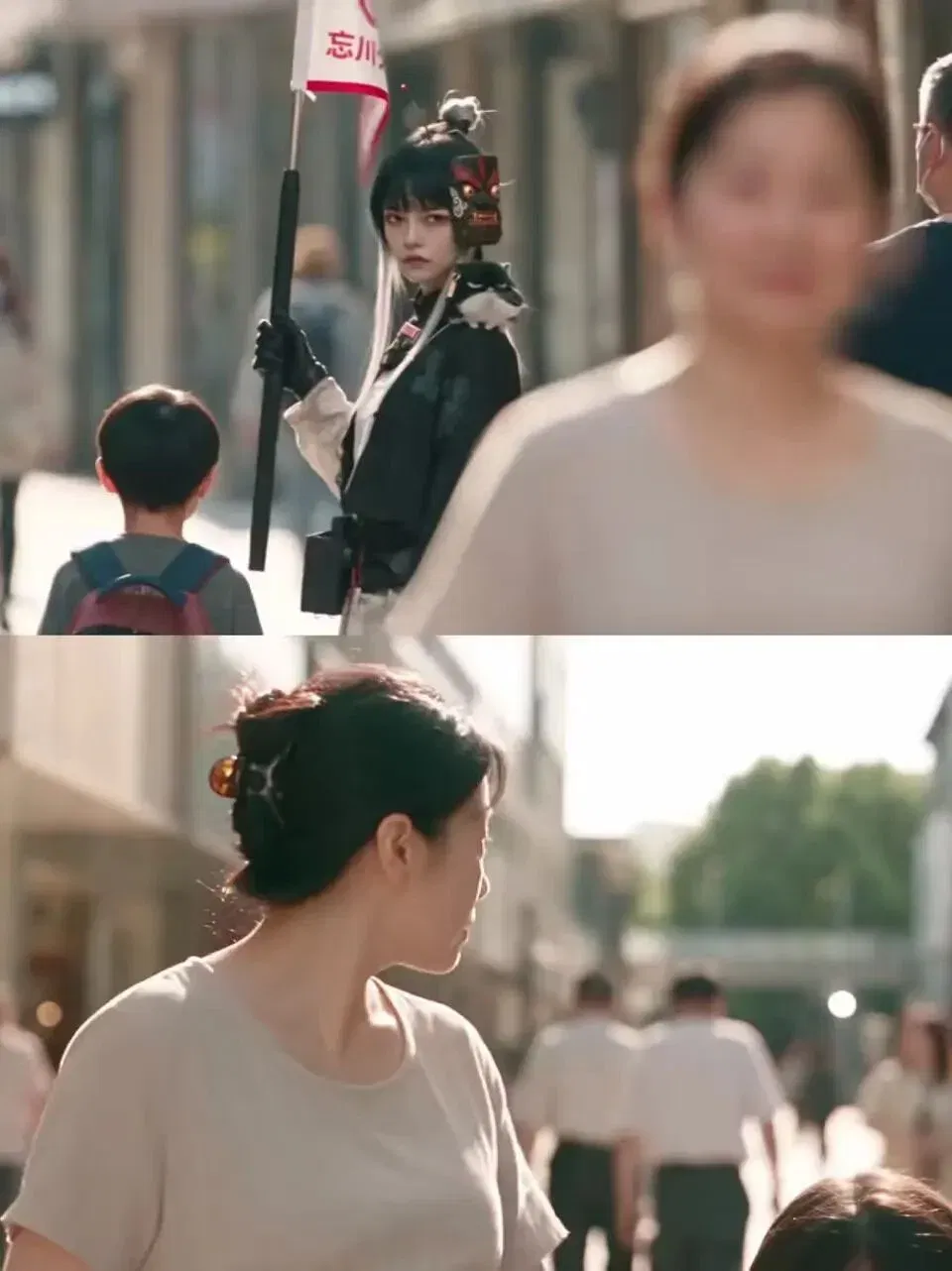
Image | "Repeatedly looking back" in My Life as a Modern-Day Underworld Officer
He has started planning separate Bilibili accounts for Qin Jiu and Cui Jue: when a new episode releases, several accounts could submit it jointly. Between episodes, Qin Jiu could make her own vlogs, share everyday life or tell underworld stories that did not make it into the main series.
This way, Qin Jiu would not have to appear only when another episode comes out. Even without a new story, she could occasionally update her life like other creators.
Maintaining the current release schedule, however, already occupies all of Hongdou's time. He is beginning to consider recruiting a few more people and setting up a studio. One more helper might enable weekly episodes. With more people, an update every three to five days might also be possible.
Once an individual's creation enters the theater, they can choose to expand or keep working alone.
Memingtang thinks exactly the opposite. In the game company, he was accustomed to completing a work together with people in different roles. Now, on The Age of Scientific Cultivation, he controls everything from scripts and storyboards to the final visuals. It is hard work, but he no longer has to divide the story in his mind among others.
The Age of Scientific Cultivation still has a long story to tell, and he intends to keep making it alone.
The biggest fear in making animation alone is not running out of inspiration, but being unable to carry on halfway through. Bilibili has recognized the real difficulties of these "one-person crews" and is trying to respond through UP Animation Theater—at least ensuring that the stories and ideas one person wants to express do not so easily stop halfway for lack of funding, traffic, operations support and professional resources.
This article comes from "AI Story Project," written by "Tian Mi."
Related topics
After reading
Join the AINRK community
Read how to join the community and connect with people working in AI.
Related articles
Continue reading related topics and articles in this category.
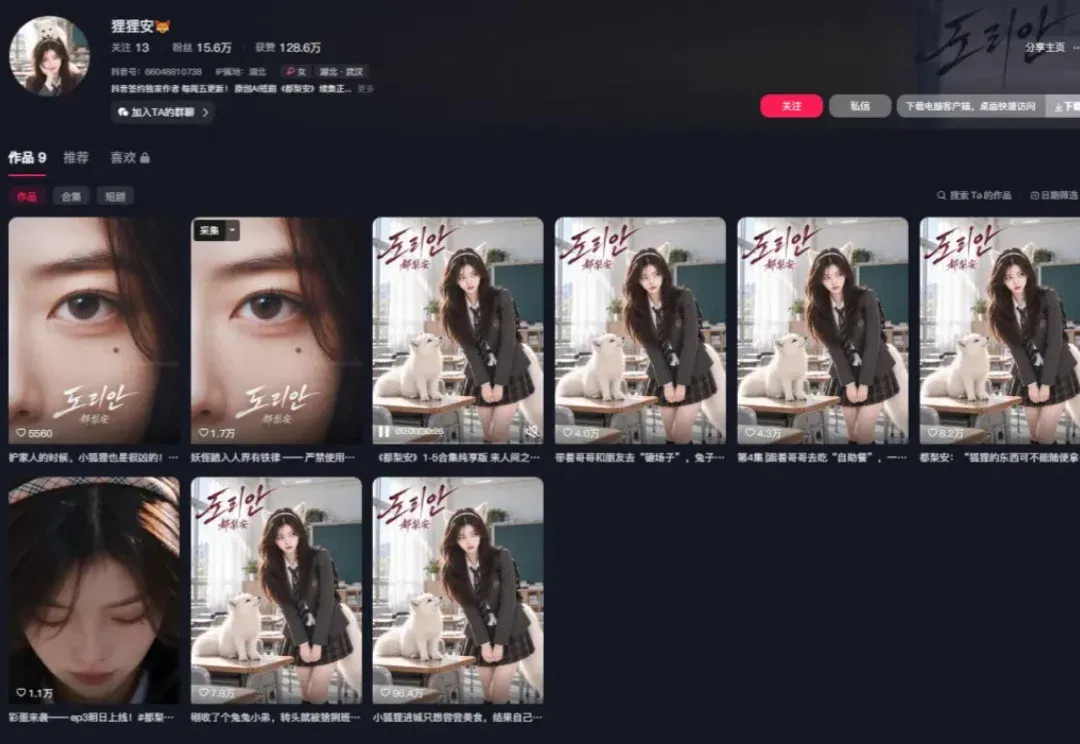
Dulian’s three-person team: about RMB 1,000 in compute per episode, labor extra (opens in a new tab)
FoST interviews Lili’an about Dulian’s scripting, character master images, shot repairs and RunningHub collaboration. The team puts compute for a five- to six-minute 1080P episode at about RMB 1,000, with labor separate; three people still repeatedly check the story and details.
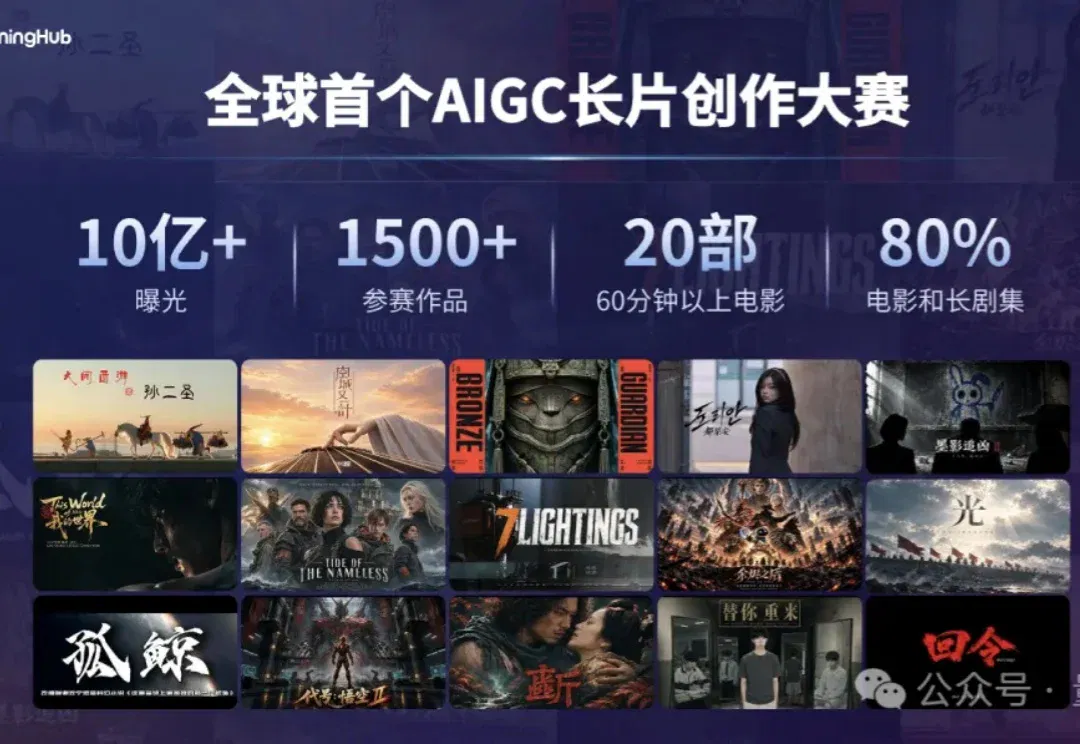
RunningHub competition concludes, showcasing an AI filmmaking toolchain (opens in a new tab)
Using entries such as Codename: Wukong, Dulian and Lone Whale, QbitAI examines RunningHub’s script breakdown, 3D previsualization and local repair tools, alongside its announced IP licensing, creator support and distribution plans.
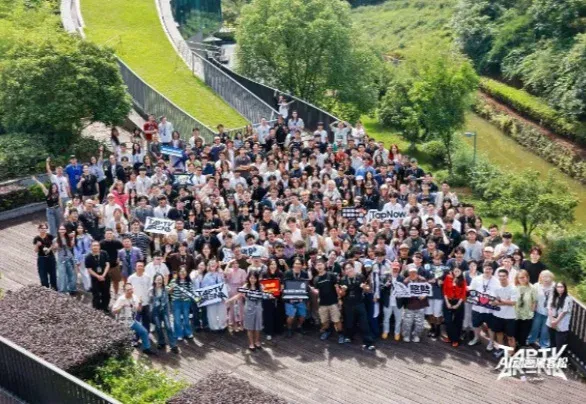
我在全球最大规模AI动画黑客松,见证了AI影像创作生态的崛起|独家 (opens in a new tab)
同样是36小时AI动画黑客松,从24支团队手忙脚乱搓出优质率约40%的AI短片,到110支AI创作者团队火力全开、用60%以上的精彩作品冲击观众的视网膜,才过去多久呢?

独家|AIGC厂牌竞技元年:当动画从一年压缩至36小时,我们在北京看到了什么? (opens in a new tab)
过去,一部动画短片的诞生往往需要数月甚至一年的漫长周期。从分镜、原画、建模到渲染,每一个环节都堆砌着密集的人力与时间成本。但在上周末,北京三里屯的一场活动,彻底颠覆了这一传统认知。
做视频的「Cursor」,Anijam重写动画创作流程丨涌现新项目 (opens in a new tab)
视频创作正在从操作工具,变成一场人与Agent之间的对话。