HolyMolly links AI-generated 3D assets with game creation and interactive communities

The article follows Tripo's move from generating assets to building games, covering text-based creation, Remix and examples. It also examines interaction continuity, gameplay and runtime quality as the platform explores an interactive-content community.

Another contender for a game-version TikTok.
The Little Prince has gone viral online again.
This time, creator Sac made a 3D game based on the book's story.
The planet where the Little Prince lived becomes a place players can walk around. Players follow the story through different scenes, seeing images they previously had to complete in their imaginations.
A video of the game attracted nearly four million social-media views.
The project took only sixteen days. Sac used Claude Opus 5.5 for code and game construction, Tripo for 3D models, and Blender and other tools for scene processing.
AI-3D users will know Tripo: enter a description or upload an image to obtain a three-dimensional model.
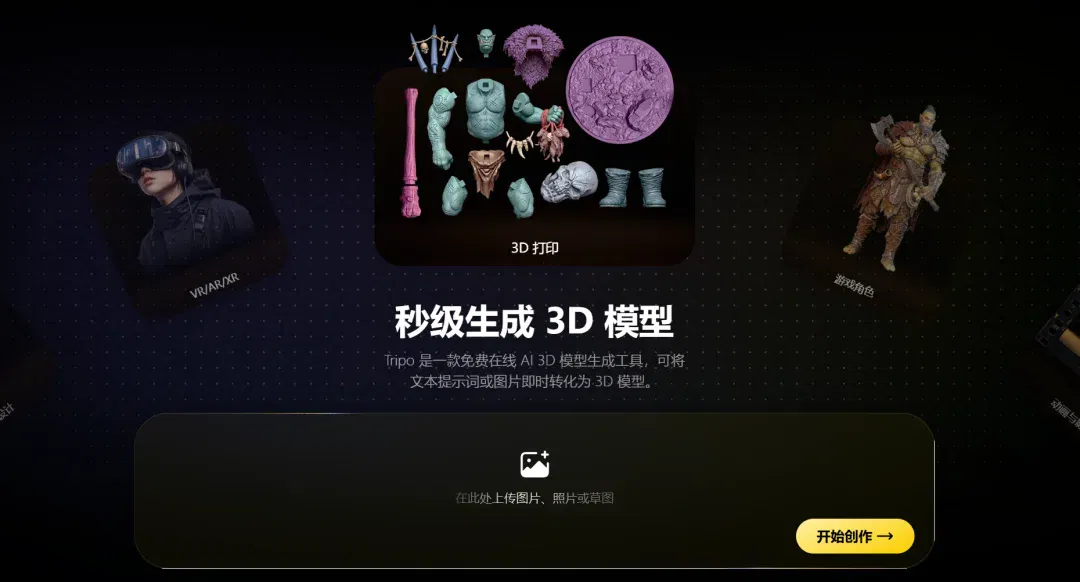
Such tools can make toys, characters, props and entire game-asset sets. Tripo provided the 3D assets that made The Little Prince's scenes possible.
Meanwhile, the team behind Tripo is also advancing a game project called HolyMolly. On opening it, users can both try 3D games created by others and build virtual worlds of their own.
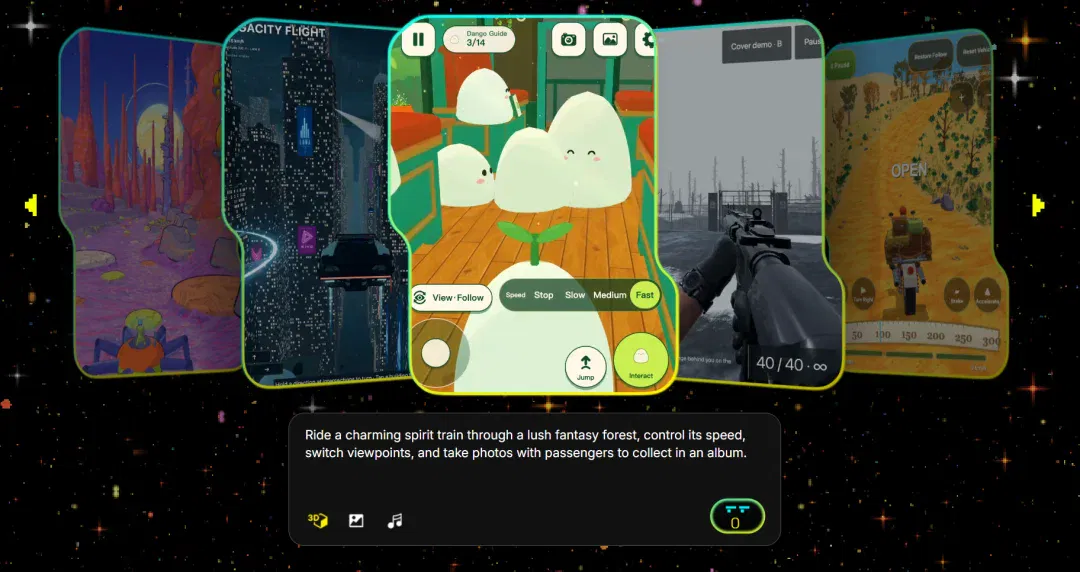
HolyMolly's homepage presents games one after another, using familiar feed-style navigation.
Click an interesting work, and it switches to the corresponding playable scene.
Some content suits portrait controls, while other works use landscape. Select one and start exploring.
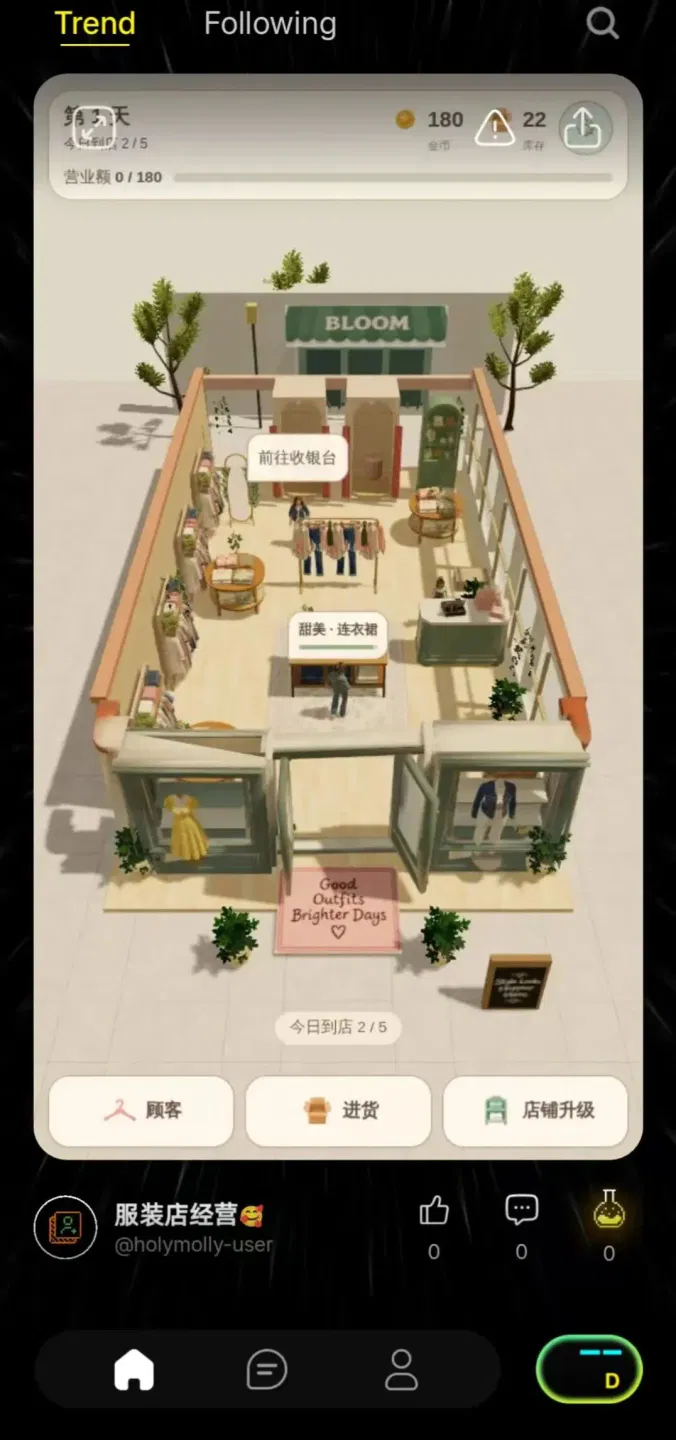
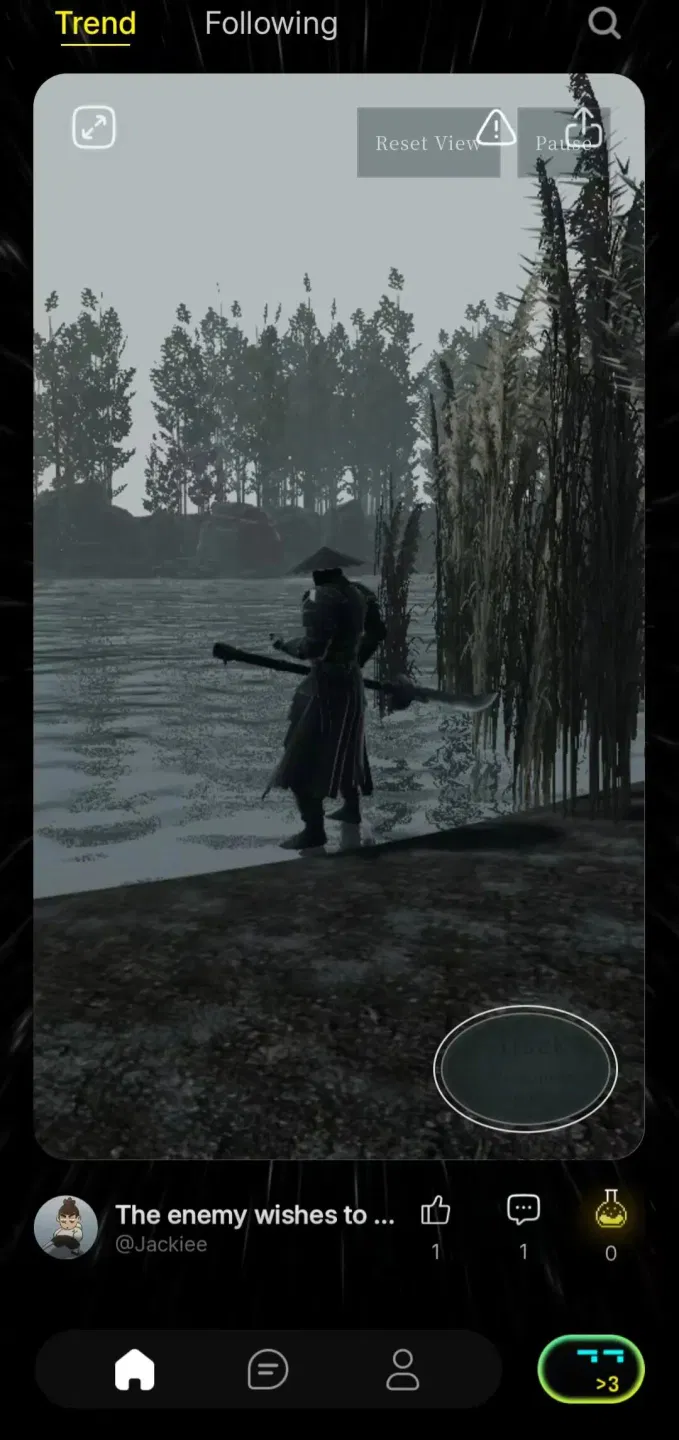
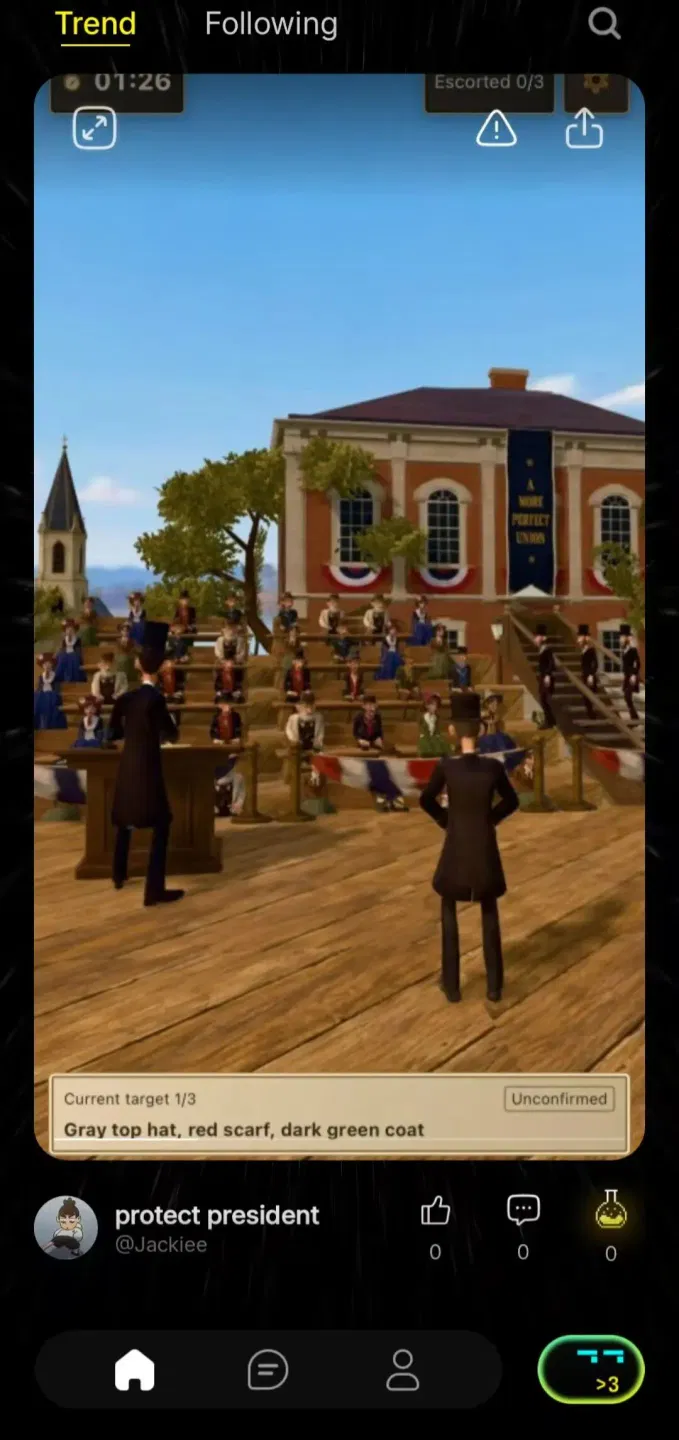
Some focus on relaxed exploration, atmosphere and character activity. Others have mini-game structures requiring movement, finding targets or completing specified actions.
When you find a work you like, check whether Remix is enabled. Some creators allow others to modify their existing work.
For entirely original ideas, HolyMolly has a separate creation entry. Describe the game you want and let AI handle it, with a weekly allowance of five hundred credits.
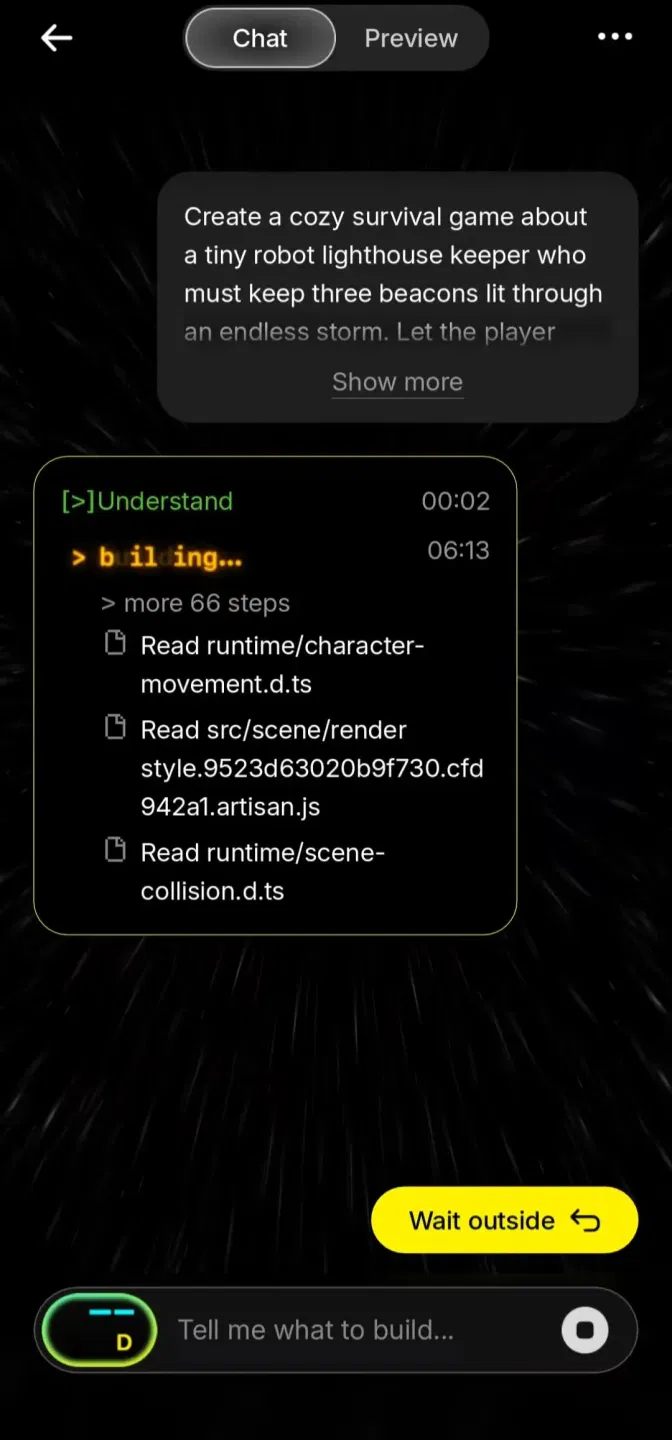
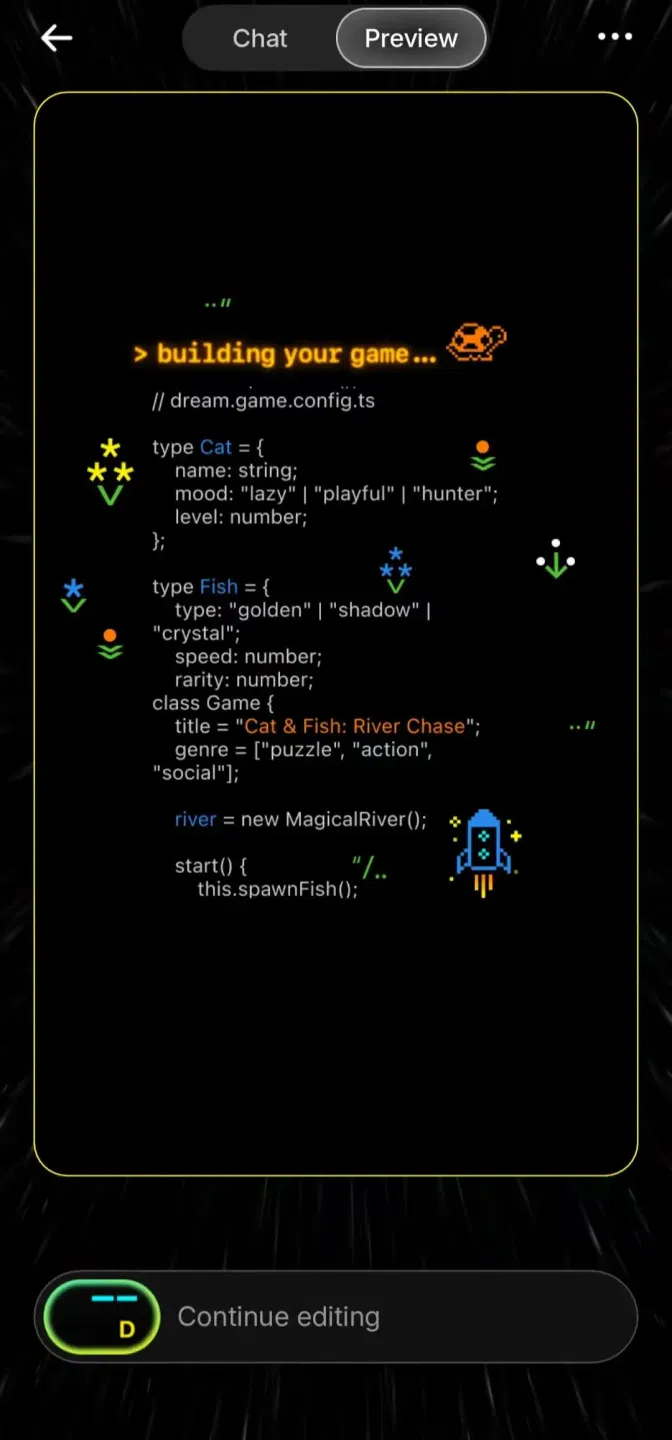
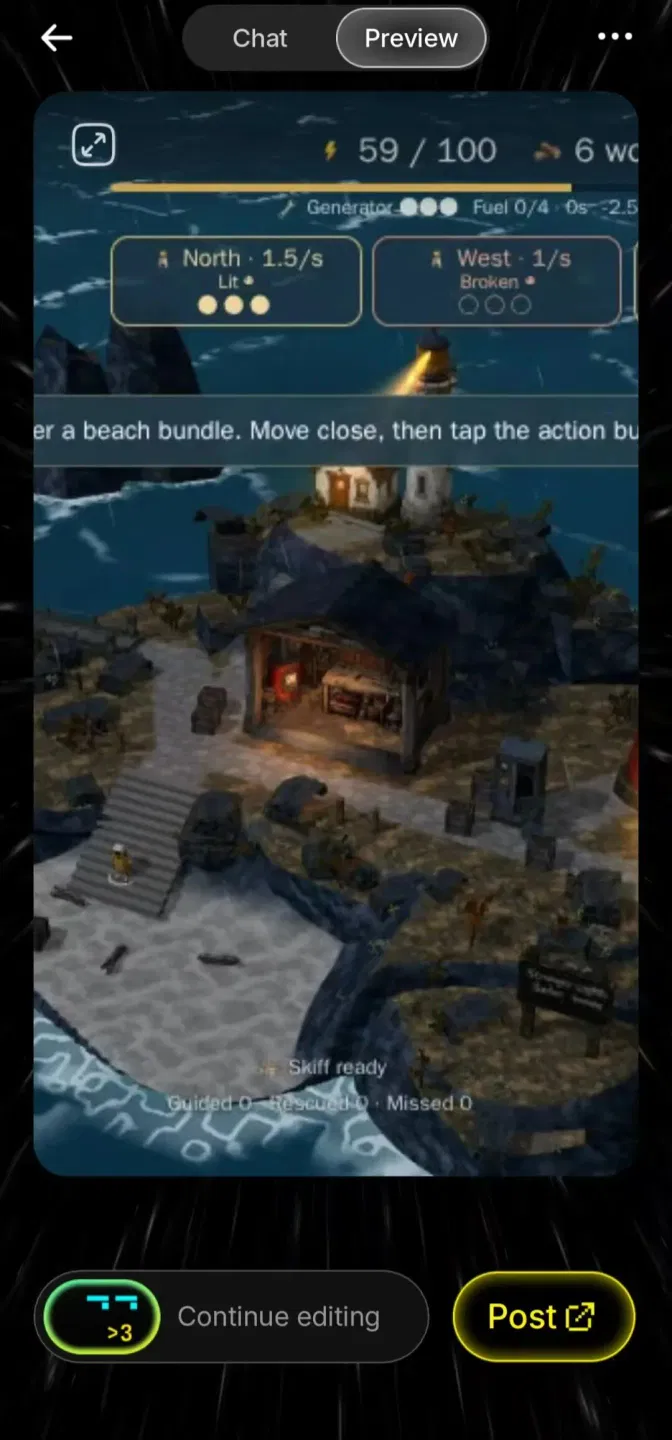
For an explorable ancient town, for example, describe its streets, protagonist and tasks players should complete.
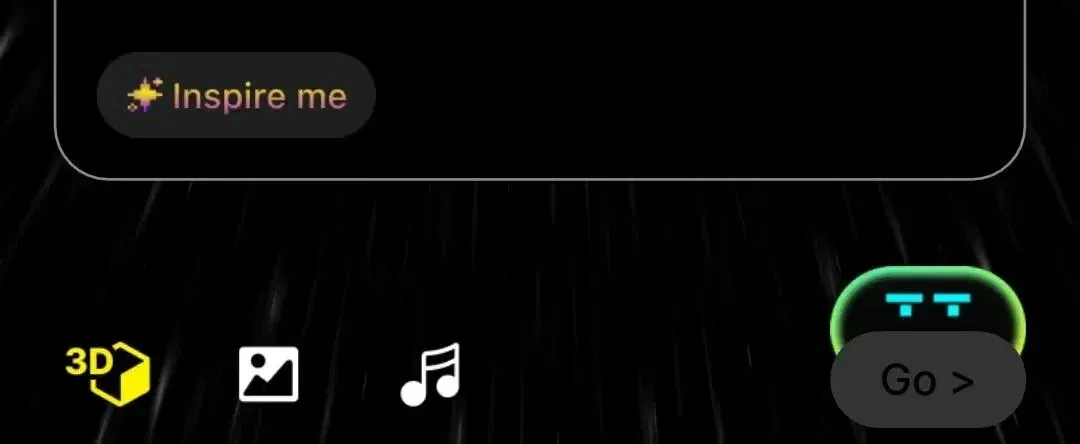
In addition to entering text, creators can upload images and music. If they have a reference image, it can at least help describe the art style, the appearance of buildings, and the look of characters more clearly;
music can also help establish the atmosphere of the entire work. A lighthearted forest adventure and a gloomy dungeon would obviously call for different accompanying sounds.
There were early clues to Tripo's move into a game platform.
At the beginning, VAST considered letting users make interactive content. It found that building a decent 3D scene could consume substantial effort in modeling alone.
Modeling, texturing, rigging and animation each require specialist tools. The team therefore first focused on asset generation, gradually developing Tripo into a toolkit for creators and developers.
That technical accumulation matters for games. A 2D image can become a poster or illustration simply by looking good.
A 3D game character is much more complicated. Players can walk behind it and may control its running, jumping and fighting.
Its surface cannot have arbitrary holes, textures must follow movement, and skeleton and animation must match. An object that displays well alone may clip in an engine or consume too much performance.

HolyMolly is not actually a recent product.
As early as 2023, it experimented with an Unreal Engine 5 interactive-content community.
Developers could upload games, levels or simple 3D scenes through a plugin, and players could enter them directly through the platform.

The platform has also designed a portal gun, which players can use to travel randomly between different works. Even if a creator has built only a garden or made an interactive level that is not yet finished, they can still share it for other people to play.
HolyMolly later released a Sandbox app for freely assembling scenes from existing buildings, terrain and props. The team also explored autonomous AI game development.
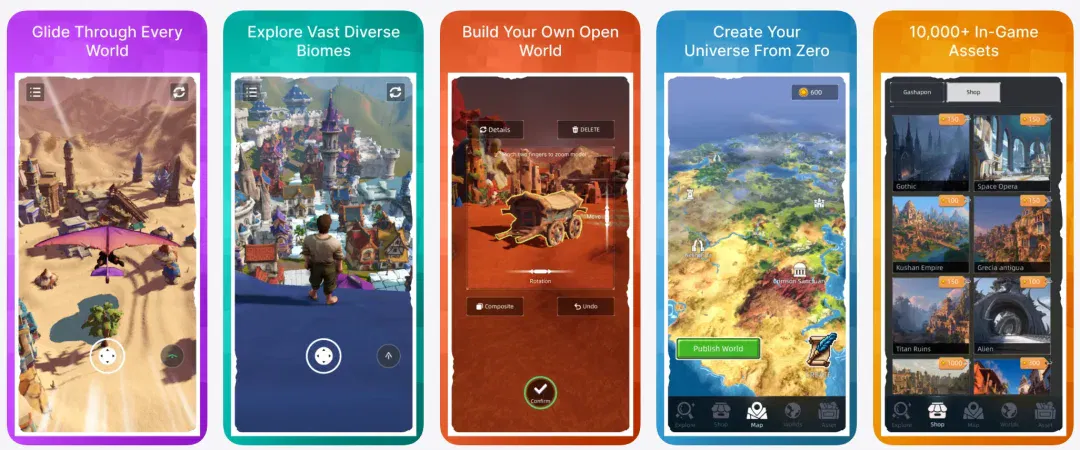
Now, as AI 3D generation and programming capabilities develop, HolyMolly is beginning to let users generate games directly from text descriptions. The creation process also removes many of the cumbersome operations involved in traditional game development.
HolyMolly can already show some fairly polished works.
Tripo's earlier world-building hackathon produced a group of interactive games made with HolyMolly.
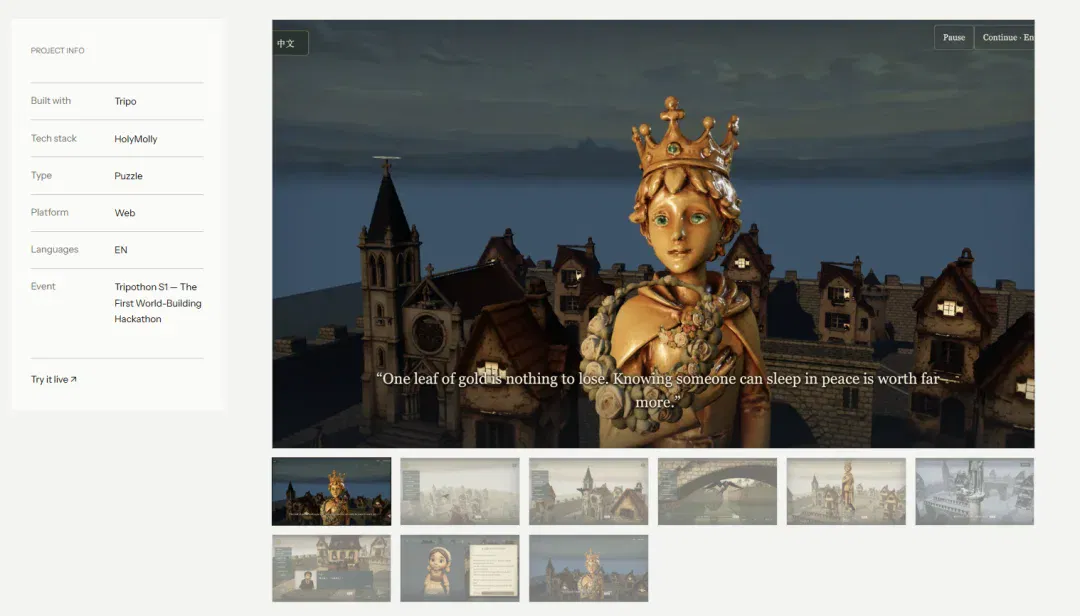
In The Happy Prince, for example, a creator transformed Oscar Wilde's fairy tale into a small town at dusk.
Players become a swallow flying between rooftops and the clock tower, hearing residents' troubles and deciding who receives gold leaves from the prince's statue.
Wrong deliveries change the story, and repeated mistakes can trigger a sad ending.
Tripo generated the roofs, tower, prince's statue, swallow and residents as 3D assets, while HolyMolly organized story, exploration and endings.
Beyond creation tools, Tripo recently introduced a standalone mobile game, Triaplo.
Its miniature dark-fantasy style has characters fighting, exploring and collecting equipment in a small world, closer to a conventional action RPG.
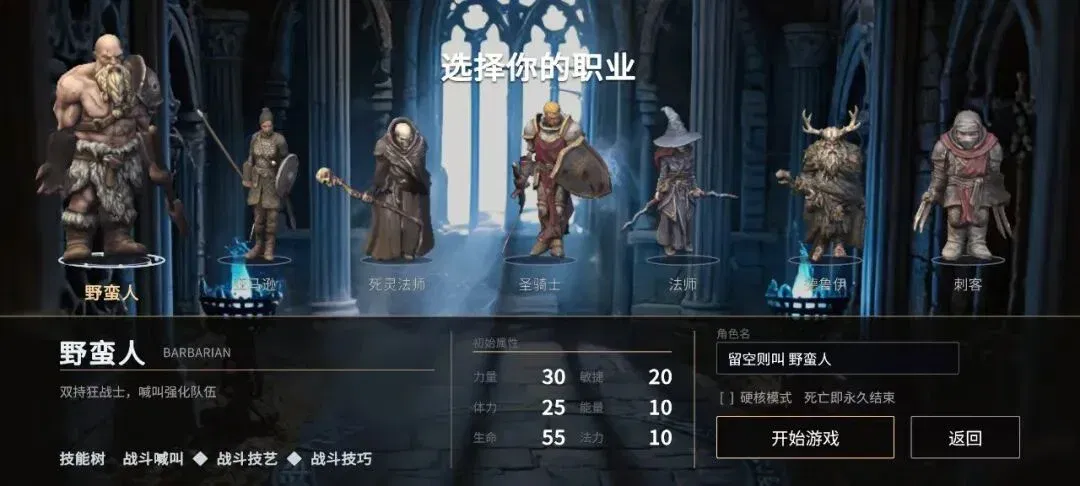
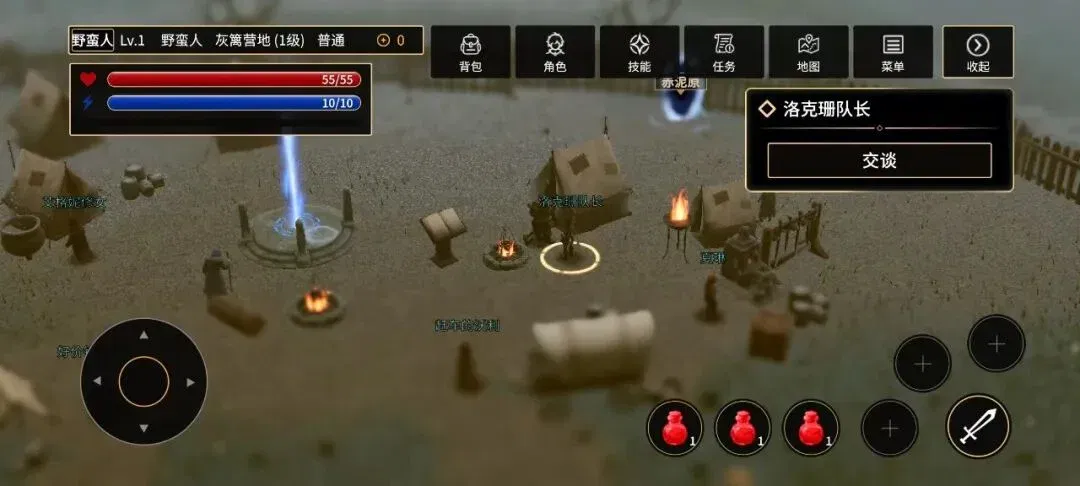
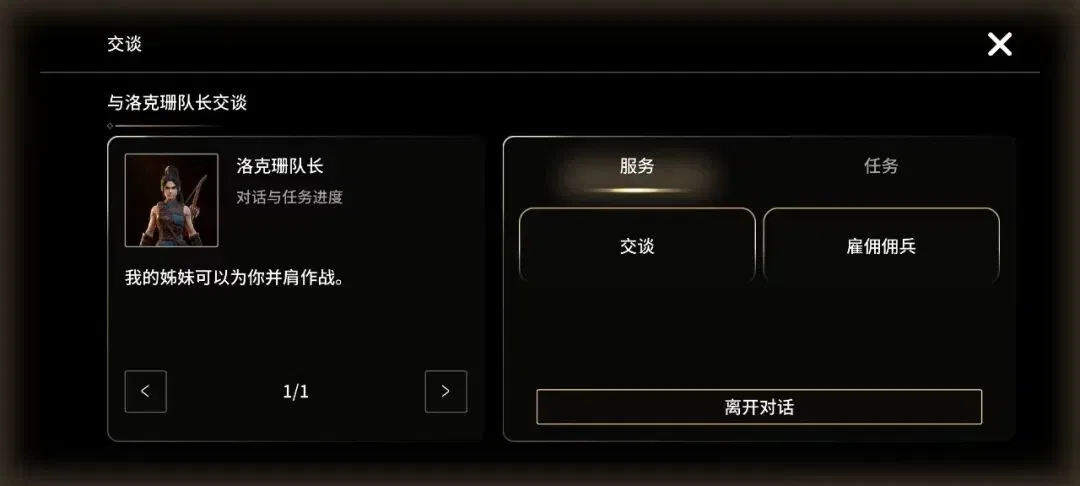

The team is experimenting both with user-created games and with directly supplying games to play.
AI-generated games are already highly competitive.
Kunlun's GameWave (opens in a new tab) also seeks to connect game creation and consumption.
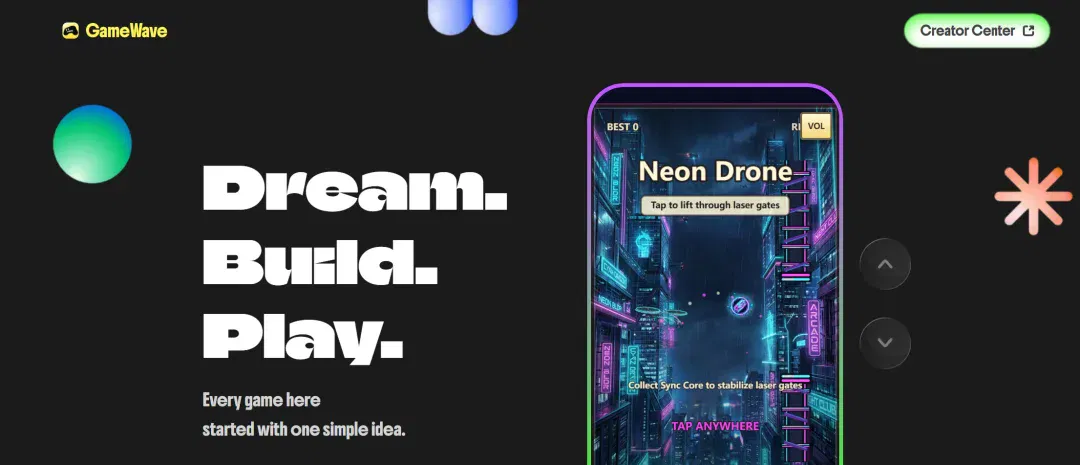
Users generate code and art with several AI capabilities, while platform recommendations help games gain exposure.
Kunlun disclosed this third quarter that GameWave had accumulated tens of millions of global creators and users.
Many AI coding tools can now generate browser games, including 3D works made with Three.js.

Being web-based does not limit a game to two-dimensional graphics. The key to comparing these products therefore remains the graphics, interaction and running experience of the finished games.
Another startup to watch is Wanaka. Focused on 3D game creation, it built a WebGPU-based real-time engine, aiming to let people create with AI, an editor and physics, then play with friends.
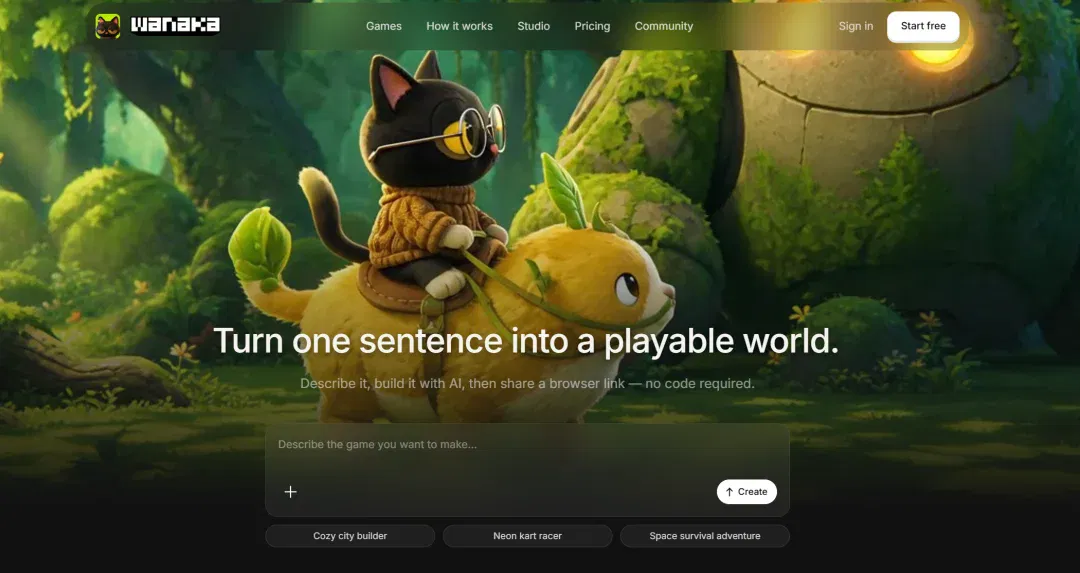
Founder Zhang Yang worked at Xiaomi and ByteDance, then founded social product LiveIn and educational app Answer AI.
Wanaka wants a platform combining creation and social interaction, emphasizing its real-time engine and multiplayer features.
For a competitor with a background closest to Tripo's, however, Meshy deserves mention.

It too is known for AI-generated characters, props and environments, and now offers its own game entry point.
Meshy's 3D Games page contains browser-playable racing, puzzle, adventure and creative mini-games.
Creators can use Meshy Agent or other AI coding tools to build games around generated models.

Meshy also formed a dedicated Meshy Game Studio and developed Black Box.
A working game clearly requires more than 3D models.
VAST founder Song Yachen previously said user-created virtual worlds require solving at least two problems.
First, the visible models and scenes must be generated. Then the creator still needs to determine how characters act, what players can do, and which rules govern the entire world.
Tripo has accumulated substantial technology for the first; HolyMolly is making the second easier.
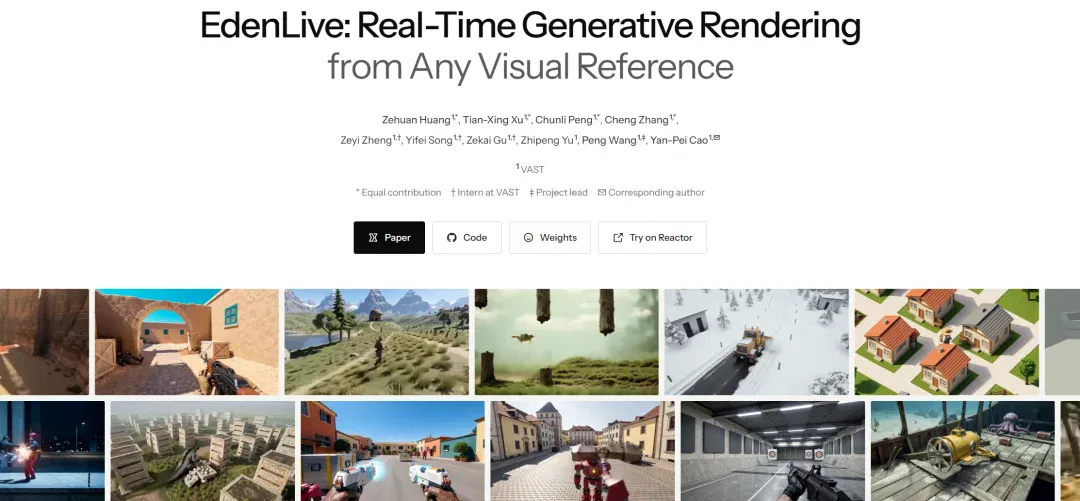
Both companies have also expanded research into real-time interactive worlds. Tripo's team released EdenLive, while Meshy's researchers introduced Mora.
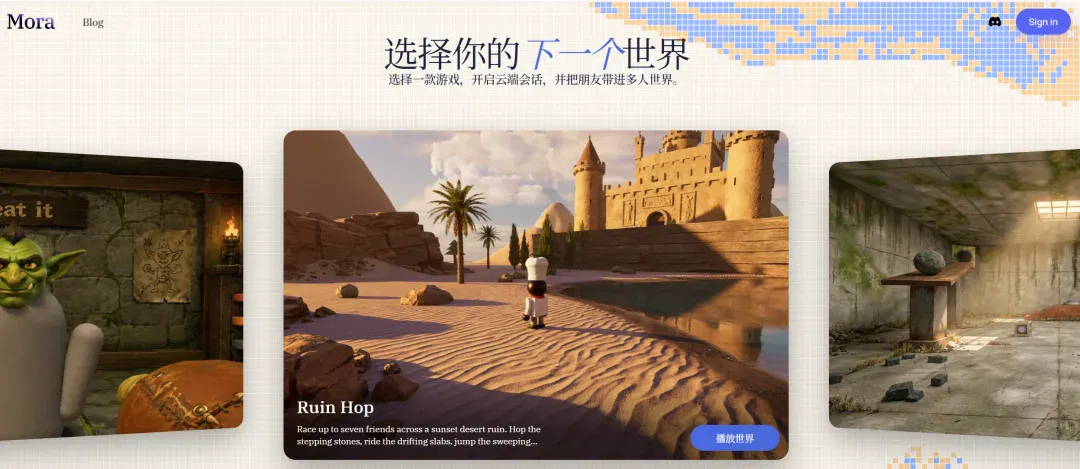
Those technologies may sound distant, but HolyMolly makes them easier to understand.
Imagining a town is easy. Maintaining coherent interaction is harder.
Every opened door needs feedback, NPCs must follow their logic, and previous actions must persist when players leave and return.
Even if the graphics are beautiful, users will probably be unwilling to keep struggling with a game if characters constantly get stuck in walls or tasks stop working halfway through.
HolyMolly starts with a familiar entertainment form. For professionals, Tripo remains a 3D-asset production toolkit.
In HolyMolly, users instead encounter a game world where they control characters, explore and share.
However magical production may be, players still need to have fun once the game opens.
This article was originally published by the WeChat account Xiagu AI. Author: Xiagu AI.
Related topics
After reading
Join the AINRK community
Read how to join the community and connect with people working in AI.
Related articles
Continue reading related topics and articles in this category.

Building an explorable 3D scene with Codex, Blender and Three.js (opens in a new tab)
The author describes breaking down a reference image, generating and repairing models, optimizing GLB files, rigging a character and adding web interactions, including connection failures and scene-detail problems.
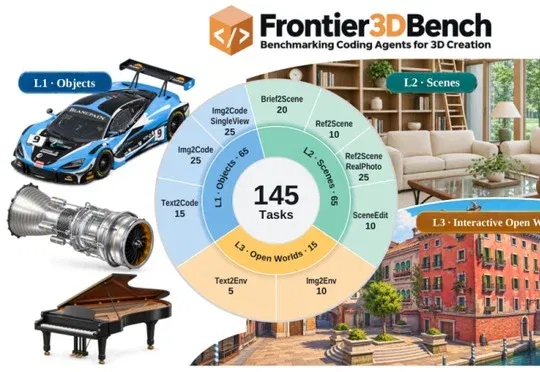
Frontier3DBench 测量智能体制作 3D 物体、场景与开放世界的能力 (opens in a new tab)
Einsia AI 用 Blender 和 Unreal Engine 中的 145 项任务比较 11 种模型与工具组合。评测发现连续移动、避障和状态管理比局部交互更容易失分。
VAST 受访者谈 Agent 与3D创作:原生网格、分层世界模型和研究机会 (opens in a new tab)
VAST 研究者围绕 Tripo、Project Eden 与创作者案例,讨论可编辑3D资产如何接入智能体流程,以及显式状态与实时渲染的分工。文章也介绍人才计划和团队经历;性能、融资与职业体验均保留公司及受访者口径。

腾讯 Motus AI:把骨骼、蒙皮与动作生成接入游戏动画流程 (opens in a new tab)
读佳介绍腾讯 Motus AI 的角色动画工作台,涉及骨骼和蒙皮生成、文本或视频生动作、精修与资产排错。文章以动作规划和节点画布的体验,讨论它如何接入动画师现有流程及后续落地效率的检验。
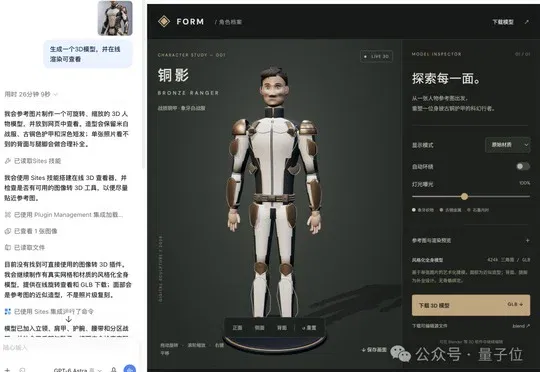
国产AI 3D大模型Hi3D来了!开源可商用,PK干掉GPT-6 (opens in a new tab)
Hi3D正式开放V1.0模型代码,这款基于Sparc3D、约用200万个3D资产训练的国产可商用模型支持研究与部署,最新V3.0达到2048³分辨率并由Hi3D Agent用于3D创作。