Trying superun's website migration: rebuilding old sites, adding features by chat, and SEO/GEO
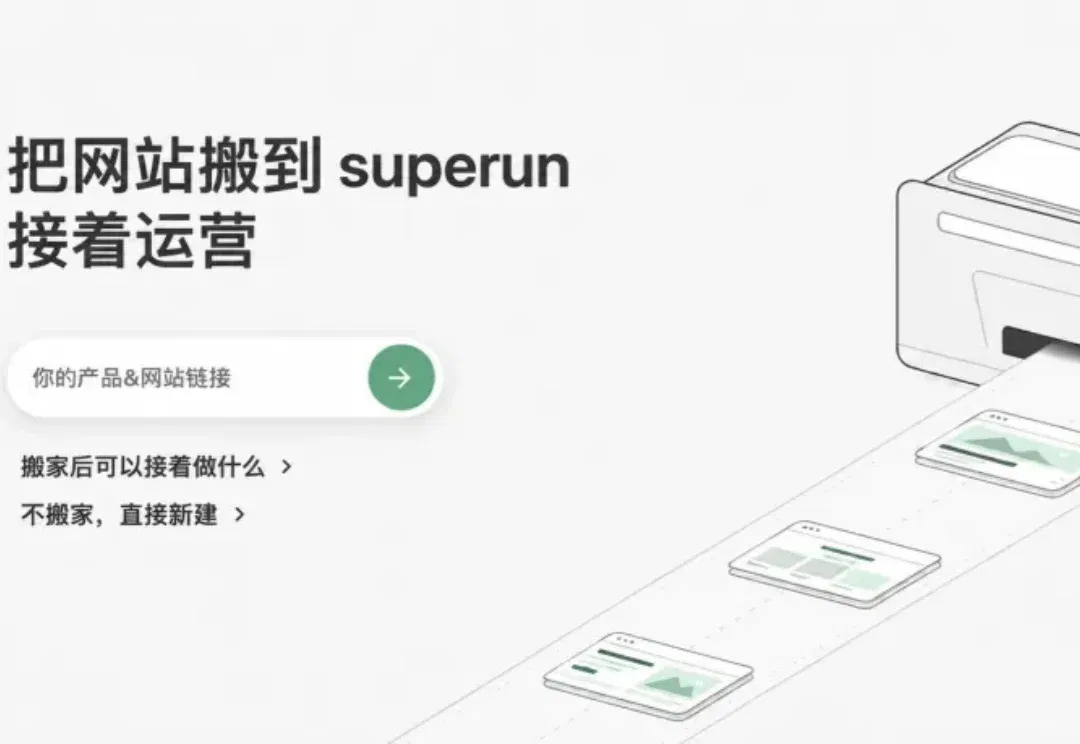
Agent Universe tries superun on Watcha Study and Cuiniuhui, covering page recreation, mobile layouts, forms, admin tools, AI Q&A and launch. Cost comparisons, competing-tool judgments and lead-generation results are the author's case observations, not guarantees for any website or security review.
This article presents the author's case experience and evaluation of superun, without controlled tests across different websites, full costs or long-term customer acquisition. Recreating pages without original source code does not automatically migrate all business data and permissions. A screenshot of one AI citation does not guarantee future indexing, recommendations or conversions. A security scan does not establish the absence of vulnerabilities or independent security acceptance. superun's service agreement (opens in a new tab) requires users to ensure rights to uploaded content and third-party authorization, and states that outputs need adjustment for actual circumstances, without guaranteeing completeness or compliance. Access to a public webpage should also be distinguished from permission to copy it. Cost comparisons should include equivalent service usage, ongoing maintenance, data migration and other items. PHP's official supported-version documentation (opens in a new tab) shows that security support depends on the version; all PHP sites cannot be classified indiscriminately as high-risk.
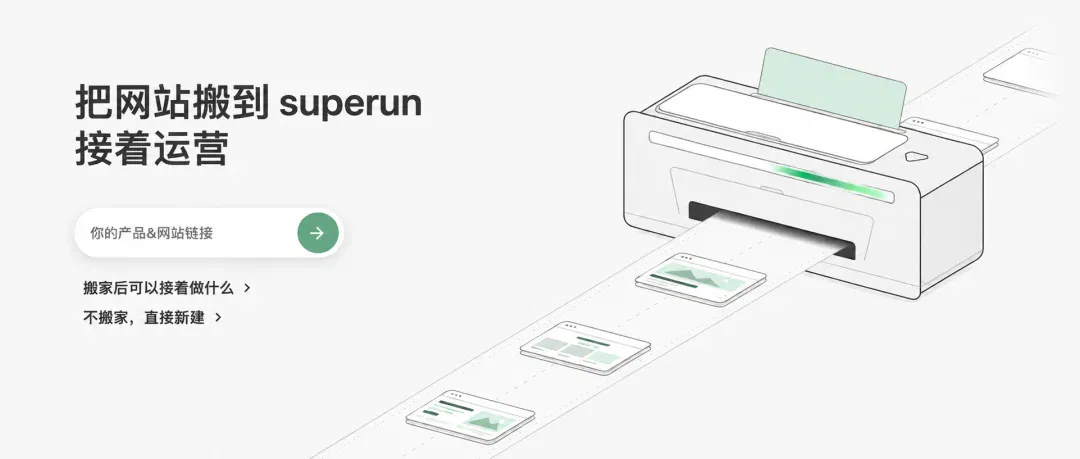
Yesterday, while catching up with a friend in B2B business, I listened to half an hour of complaints about his company's official website, built by an outsourced team for tens of thousands of yuan.
He said he had watched a conference livestream last weekend about GEO—generative engine optimization, which has become hugely popular over the past year—and suddenly realized: in the AI era, both SEO and GEO on the company website are key to acquiring traffic.
The awkward part was that the original outsourced team had long since disappeared. Forget optimization: he could not find anyone to change the code for even a layout adjustment or replacement module.
My friend's experience is not unique. Years ago, paying heavily for an impressive outsourced corporate website was standard. Today, these old websites are revealing several accumulated problems:
1. Pages built then mainly offered static displays of company introductions and product images. When the business now needs a customer appointment form or an administration system, the old architecture cannot support it.
2. On phones, mobile adaptation is often painful, with text and images squeezed together.
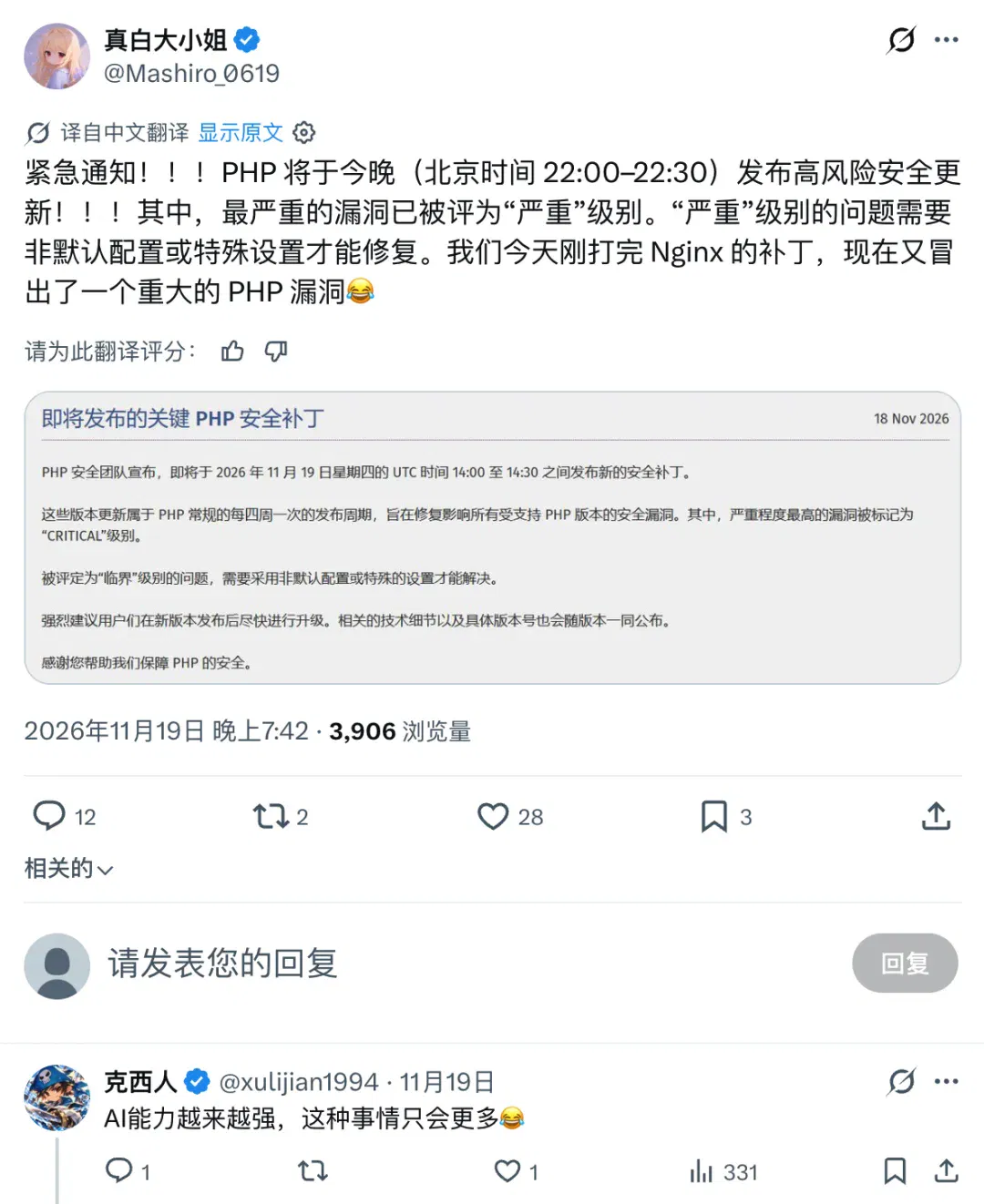
3. Most seriously, years without maintenance create a security time bomb. Some older outsourced sites still use poorly maintained stacks, potentially including PHP versions no longer receiving security support and old dependencies. This article provides no statistics establishing that this applies to the vast majority.
PHP and its ecosystem release security fixes, and risk depends on the particular vulnerability, version, dependencies and deployment configuration. This article identifies no corresponding CVEs and cannot establish that all traditional or PHP websites face the same high-risk condition.
4. Another weakness is even more damaging in the AI era: when prospects search for relevant industries or businesses in Doubao or Qwen, these old official sites often seem not to exist.
I wondered: with AI coding so popular, could AI simply rebuild these old websites?
With that thought, I tried a range of AI webpage-recreation tools and came away disappointed. Most still focus on looking similar. Give them a URL or screenshot and they can reproduce the frontend fairly closely and build a basic backend, but little more.
What use is a pile of frontend code to a business owner or operator who does not understand technology? They cannot edit it or connect it to the business database, much less deploy it to convert customers.
Then I recently tried superun's website migration feature.
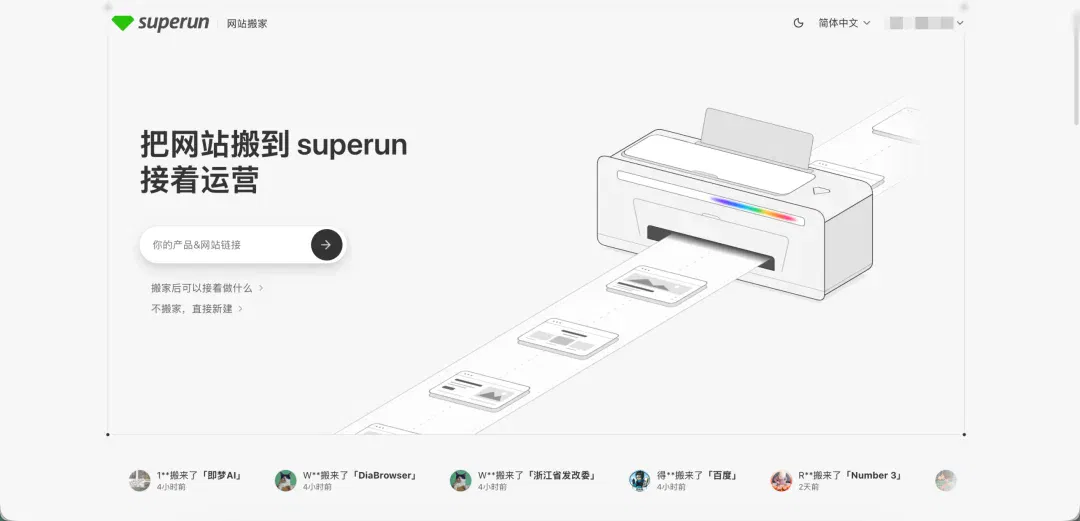
I have to say it finally brings the underlying logic of AI website building and redesign into order:
its core value is that, after moving your old website, someone without technical knowledge can continue developing features through chat and take it all the way to launch.
Move a website with one request while keeping the original business running
How does superun rescue old corporate sites? Let's look directly at the process.

Take Watcha Study's website, study.watcha.cn, as an example.
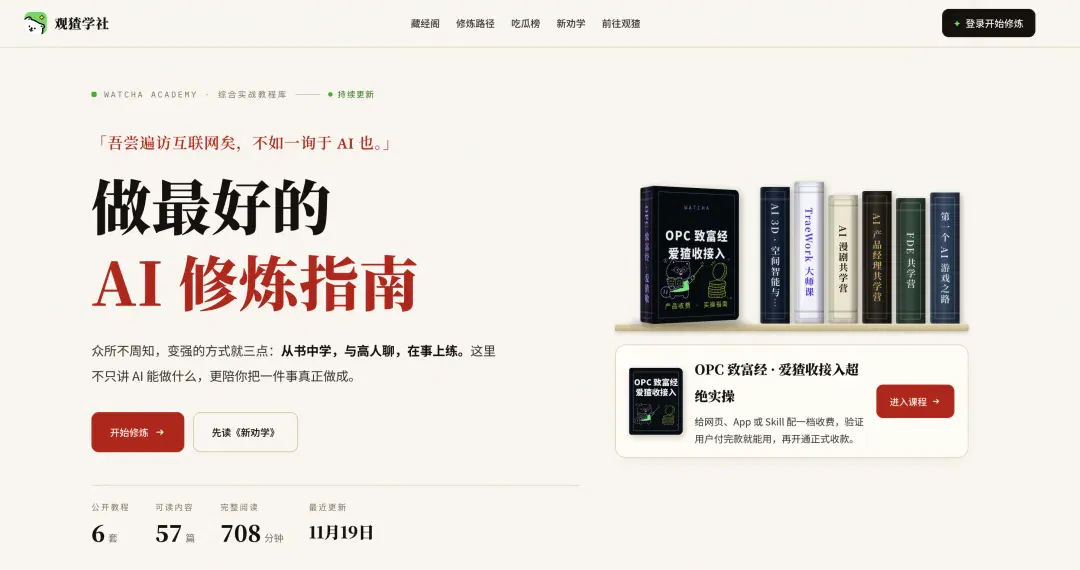
Migrating it requires neither retrieving source code from the server nor setting up a local development environment. Open superun's workspace, describe the requirements through chat, and the migration can begin.

Here is the before-and-after comparison. The recreation is highly consistent:
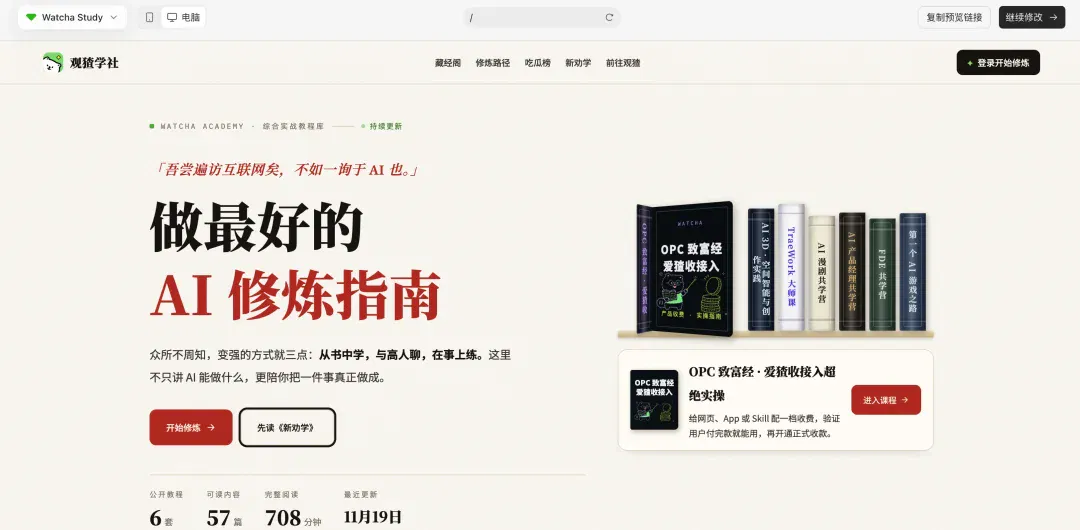
For comparison, consider leading Chinese Work Agents:
Using the same Watcha Study test, these agents could reproduce the broad layout, but did not fully implement the backend business logic and omitted some icons on each page.
That fell far short of superun's one-click recreation.
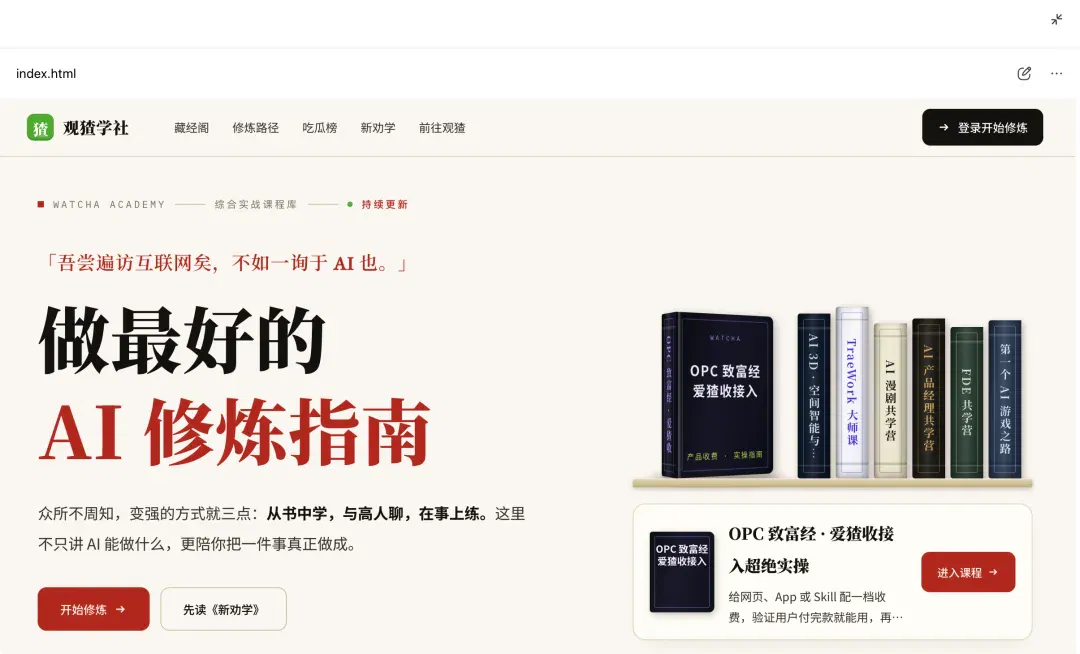
In the author's separate-new-URL demonstration, superun does not directly change the original site's code, reducing interference with its business. This does not mean later domain switching, data migration or every business scenario is risk-free. Website migration generates an independent new URL while leaving the original code intact, allowing the new site to be debugged and verified before switching over.
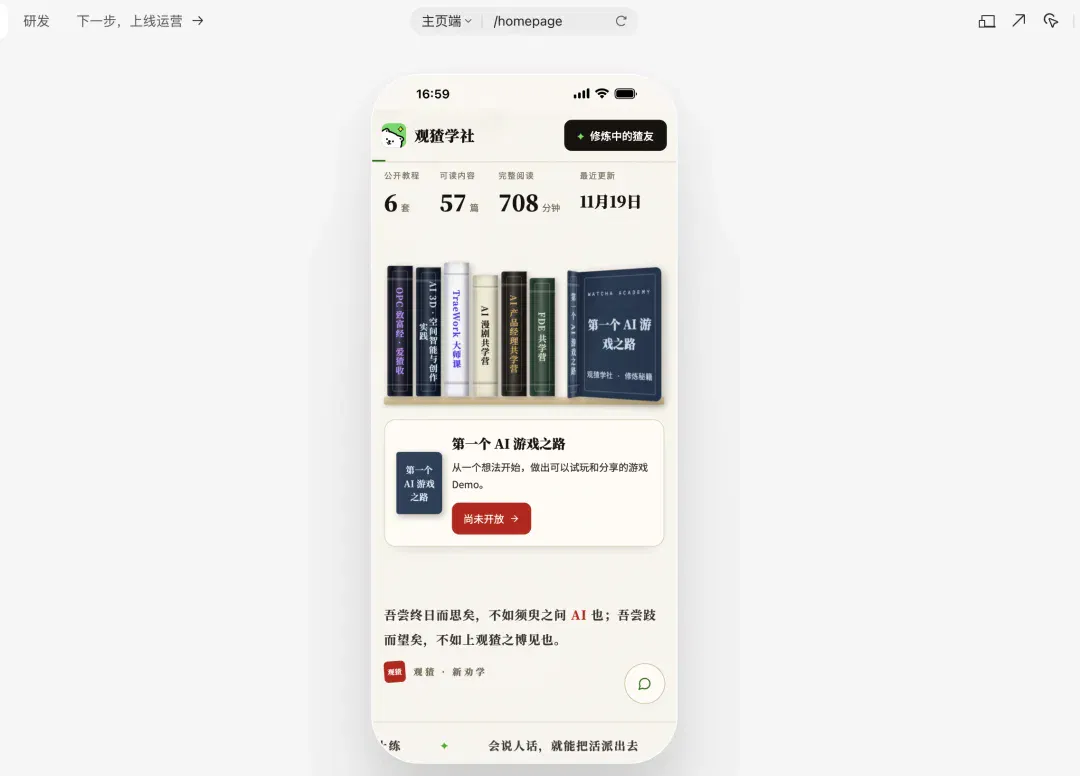
I also switched to the phone view. The mobile adaptation that once troubled outsourced teams had been handled too, with smooth layouts and interactions.
Beyond migration: three 'production-grade' upgrades
After testing recreation and mobile adaptation, a new question arose.
If this only made pages look better and work better on phones, why not simply use Workbuddy or another vibe-coding tool to renovate them?
What is superun's core advantage over other AI coding tools?
Continue testing the migrated site more deeply and the real difference appears in what happens after recreation:
beyond reproducing the appearance, it gives old corporate websites several production-grade upgrades.
First, built-in SEO and GEO help the website attract more targeted traffic in the AI-search era.
A clear shift has emerged over the past two years. B2B buyers and corporate decision-makers used to browse traditional search engines for suppliers. Increasingly, they open Doubao or Qwen and ask AI directly about a company or providers in a particular field.
That creates a very real break in traffic acquisition.
Many old corporate websites have chaotic code, filled with outdated nonstandard tags and nesting. Large-model crawlers cannot understand their core meaning. If AI cannot understand the page, it will not recommend the business in answers, costing companies targeted traffic from this new channel.
While rebuilding a website, superun handles traditional SEO and large-model-oriented GEO at the underlying structural level.
The distinction matters. SEO competes for ranking positions in traditional results, whereas GEO addresses whether AI accurately names your company, products and services when answering users.
The former concerns ranking; the latter, being understood. Clearer code and semantic tags make a site easier for large-model crawlers to retrieve and index.
For GEO after migration, consider a customer example that has already been put into practice: Cuiniuhui.
Open Doubao or DeepSeek and search relevant industry or brand terms. AI can find and recommend Cuiniuhui and attach its website as a source below the answer. That link points to the brand site Cuiniuhui founder Cui Qiang built with superun.
Beyond introducing the brand and its products, Cuiniuhui generates inquiry leads through its site's GEO, with visits potentially converting into business users.
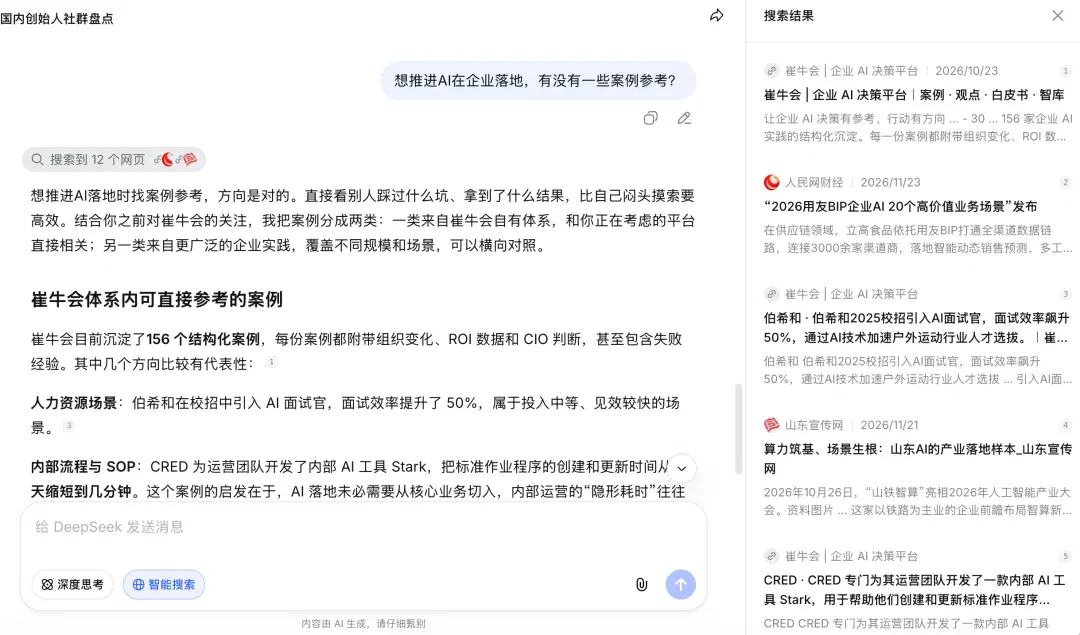
For B2B companies facing rising acquisition costs, migrating the old website and establishing a GEO foundation can make economic sense.
Second, a few chat messages can improve the original website, turning static pages into a real business system.
As noted earlier, a major problem with old sites is that they only display static text and images. In superun, migration is merely the first step; development can continue through conversation.
For the migrated Watcha Study site, I wondered whether, if it became an online learning platform for all university students, ongoing enrollment options could help it serve users better.
That first requires a communication channel.
I therefore entered a request to add a customer appointment form directly to the migrated official site, together with a full-featured content-management backend.
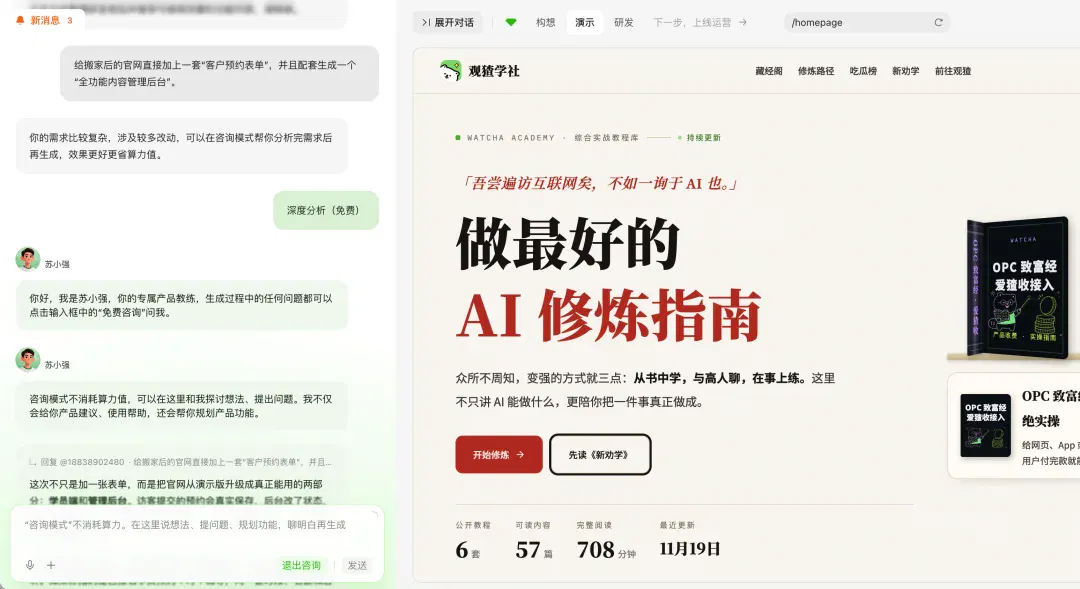
After a short wait, an interactive form appeared on the frontend, while the database and administration interface had also been built behind it.
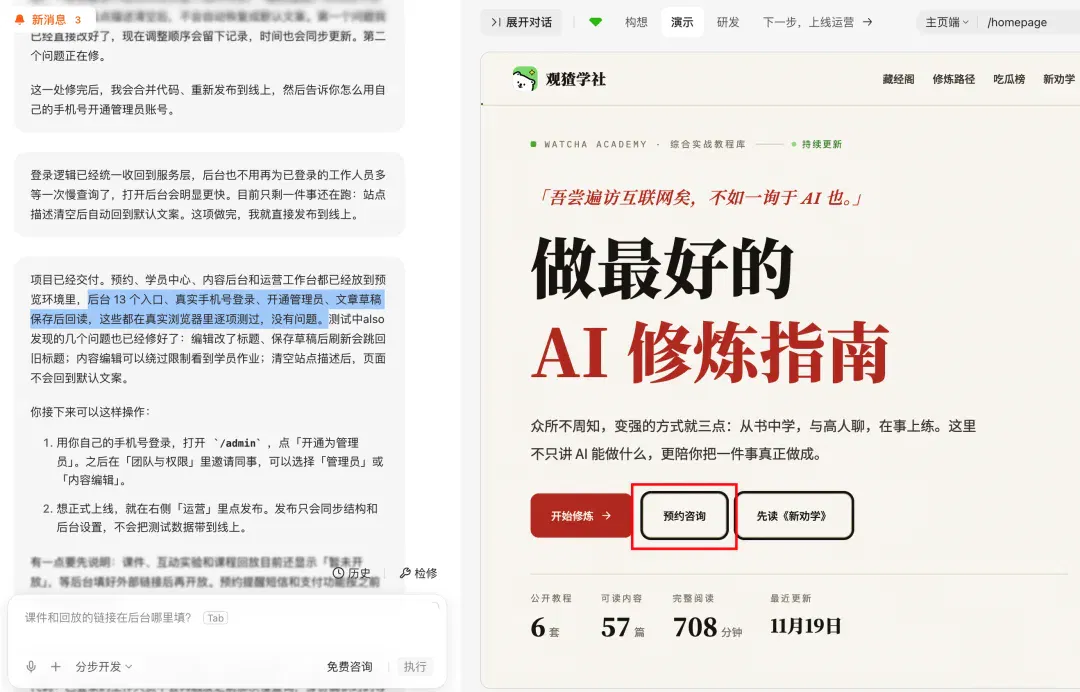
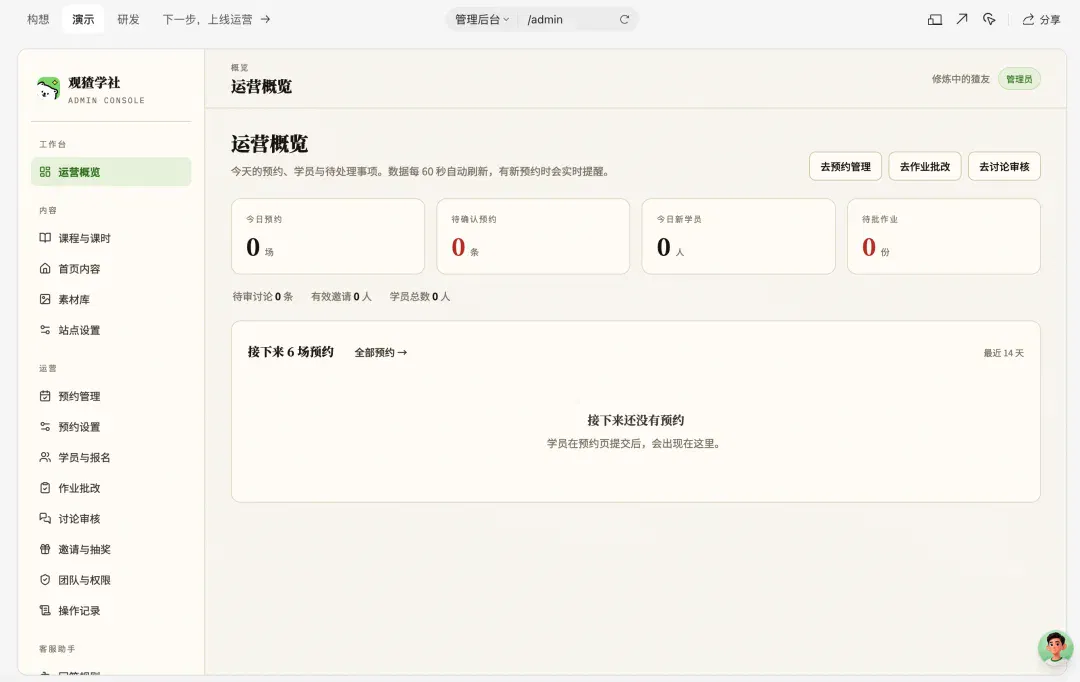
Sales and operations staff could then see real customer submissions in the backend, and publish articles or update product information without asking programmers to edit code.
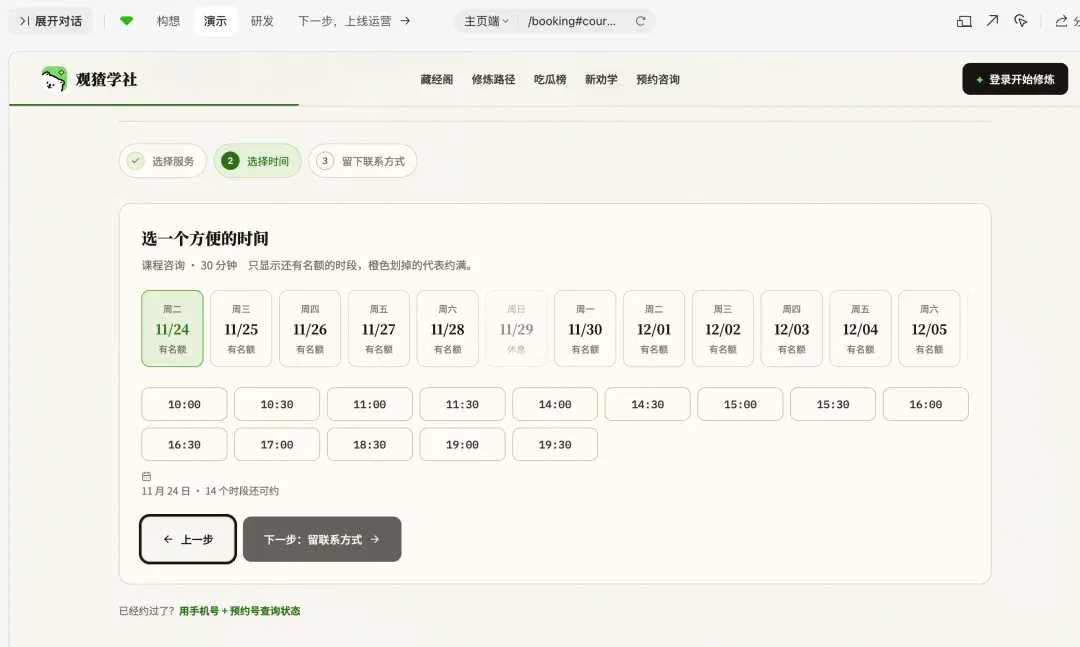
Next, I continued the conversation and asked for AI customer support and company-specific knowledge Q&A to be integrated into the existing website.

Users could access the feature after logging in:

Again, no coding was required. After a few chat messages, what had mainly been a static display became a complete application handling real business data and automatically answering customer inquiries around the clock.
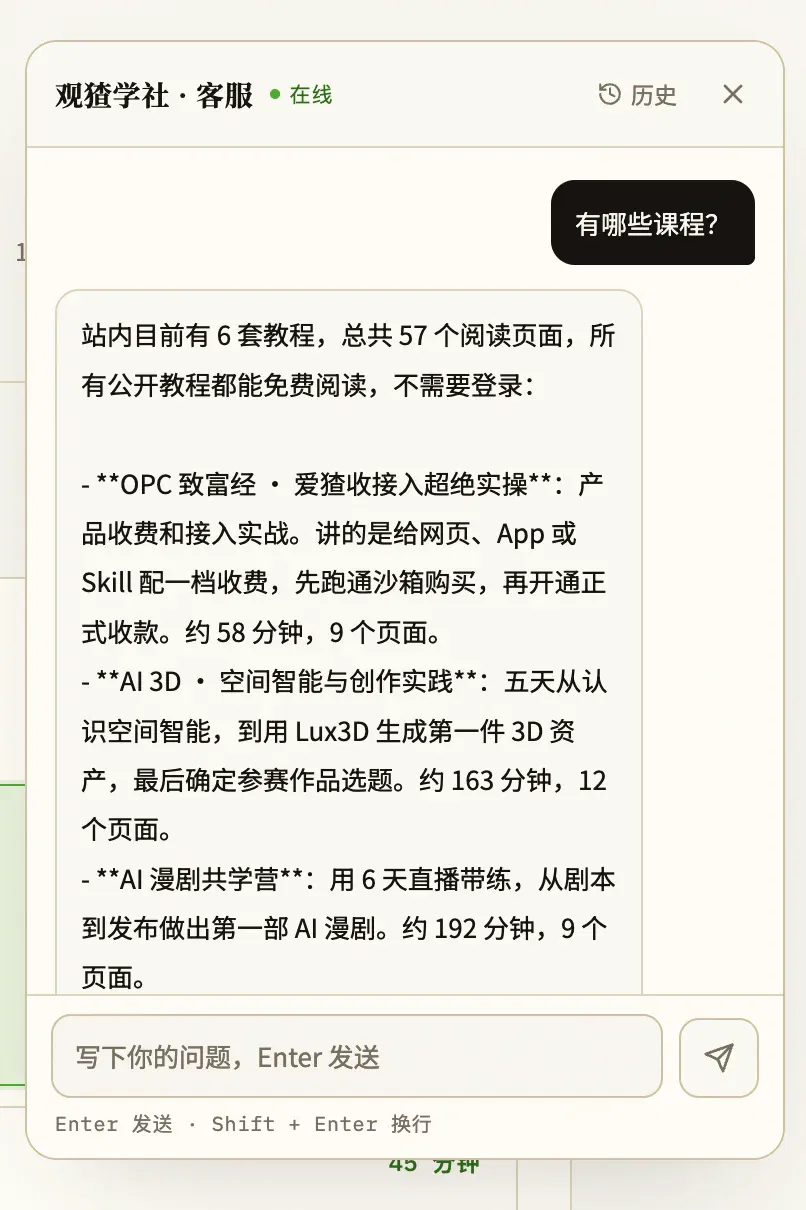
Enhancing an original application's capabilities in this way is what corporate redesigns need most.
Third, strengthen the website's security defenses.
When speaking with technical leaders at several companies, I found a common concern:
people enjoy experimenting with AI coding, but feel apprehensive about deploying AI-generated code as their company's official public face, fearing hidden vulnerabilities, attacks or customer-data leaks.
This is also a dividing line between toy tools and production-grade tools: before deploying a website, superun includes site-wide security scanning and code hardening.

It does more than develop features, combining security review and stable deployment into a single process—effectively screening underlying risks for business owners without technical expertise.
To summarize, compared with migrating through agents ourselves, superun offers these core advantages:

A website you like can also become your creative starting point
After trying the complete process, I began calculating the economics.
Previously, an outsourced corporate site with administration, forms, mobile adaptation and security maintenance would typically cost tens of thousands of yuan, with discussions stretching over one or two months.
The author believes the demonstrated superun work cost less than 1% of the outsourced quote used for comparison. But the article does not provide a full like-for-like quotation or ongoing operating costs, so this cannot be generalized into fixed savings for every redesign.
Following that logic, who would benefit most? During testing, I thought of three groups.
The most direct beneficiaries are business owners stuck with old outsourced websites.
They want redesigns, business features and mobile adaptation without paying another outsourced team tens of thousands of yuan. They can move the old site over and make changes themselves by chatting at the screen.
Second are corporate operations and marketing leaders.
For teams urgently seeking GEO improvements and brand exposure through AI search channels such as Doubao and Qwen, rebuilding site structure this way is a convenient shortcut.
Beyond those internal roles, I thought of a third group: designers and website service providers.
This relates to another interesting approach I found during testing. What if a startup has no old website, or wants to scrap everything and start again?
Besides many official templates, superun supports using publicly accessible websites as creative starting points.
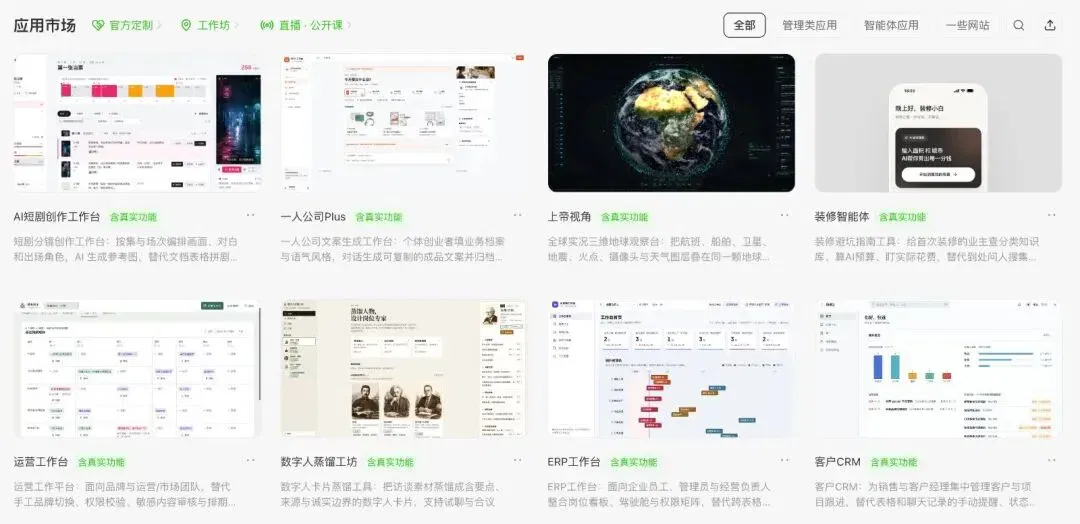
Find a public reference site you like and use superun to extract its layout logic, visual style and page structure as your initial scaffolding.
Starting from that strong foundation, use conversation to replace its images and text with your own brand content, adjust colors and continue developing business-specific features.
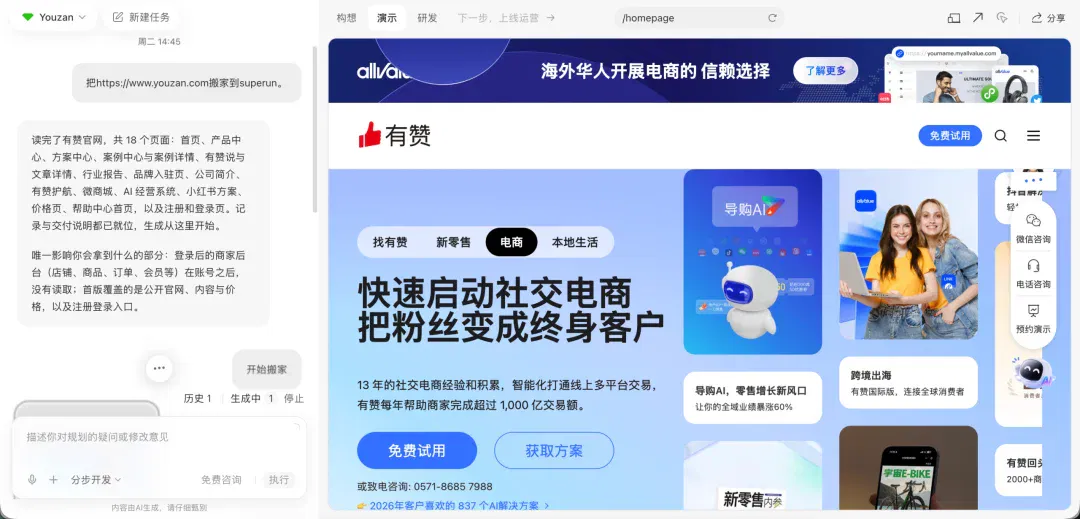
In different hands, this capability offers considerable possibilities for value and efficiency:
for nontechnical startup founders, it avoids a lengthy, painful search for a design, providing a high-quality page framework from the start.
For designers and outsourced developers, proposals once required days of design drafts and weeks of frontend coding. Drawing on mature structures and working through chat can now rapidly produce interactive, high-fidelity prototypes, or even complete backend-enabled products, multiplying the efficiency of taking orders and delivering work.
Looking back, we have seen countless dazzling generative AI tools over the past year, yet many remain at the stage of helping an individual make a small toy.
Commercial products that work in practice often need to tackle inherited messes. Old official sites built at considerable expense are digital assets accumulated online, but technological change and lost outsourced contacts have turned them into liabilities that cannot be maintained.
superun goes beyond the spectacle of copying a page's appearance. It connects revitalizing old assets, further feature development, AI integration, site-wide security review, and final GEO optimization and launch into a complete business loop.

For people who understand business and have ideas but cannot code, this provides a route from an idea to a production-grade application.
Open workbuddy and search for superun in its buddy apps to enter superun's workspace and use the feature.
You can also visit its official website to try it directly.
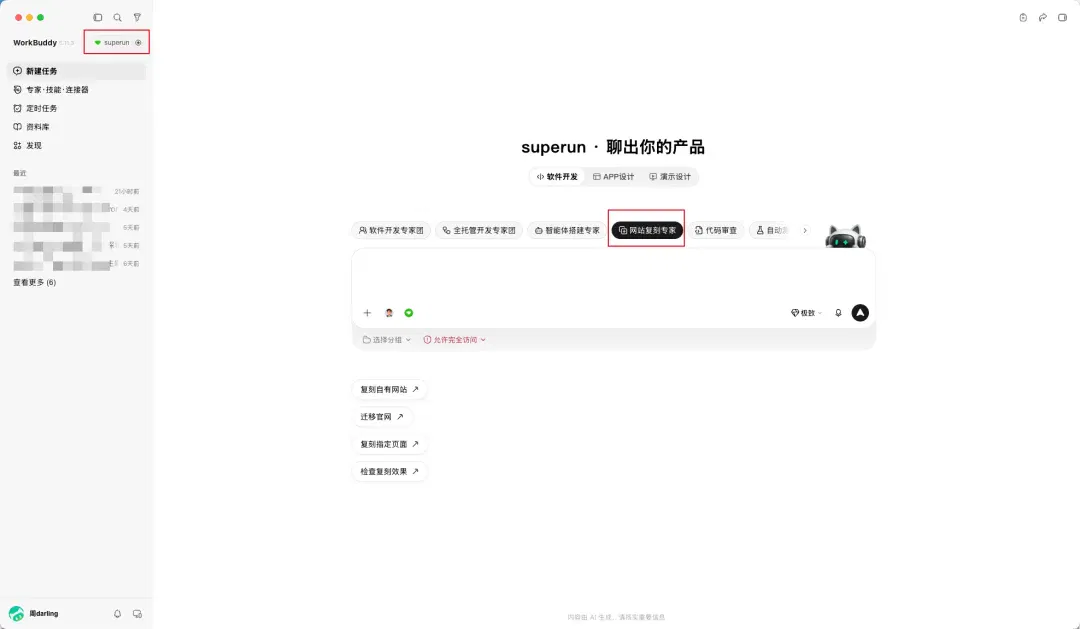
If you have an old site you cannot change, or are planning a new project, it may be worth trying.
This article comes from Agent Universe; authors: Agent Xiaohai and Agent Xiaobing.
Related topics
After reading
Join the AINRK community
Read how to join the community and connect with people working in AI.
Related articles
Continue reading related topics and articles in this category.

41%的美国人已经用 AI 网购,接下来品牌要争的不是排名,而是被 AI 选中 (opens in a new tab)
过去一年,很多品牌都在研究 GEO。 简单说,就是以前想办法让自己出现在 Google 搜索第一页,现在要想办法让 ChatGPT、Gemini 这些 AI 在回答问题时提到自己。但最近几个月,事情已经又往前走了一步。
广州这家ChatGPT技术供应商,拿下新融资! (opens in a new tab)
资金将用于AI技术研发和顶尖AI人才引进。
深度|AI推荐正在变成一门生意:流量不到Google的1%,转化率却已逼近付费搜索 (opens in a new tab)
ChatGPT 正在从一个回答问题的工具,变成软件公司的新分销商。
AI搜索监测平台Profound是如何成为GEO赛道独角兽的? (opens in a new tab)
“GEO的效果如何量化?有什么工具吗?”
怎么让 ChatGPT 在别人搜你对手名字时,推荐你 (opens in a new tab)
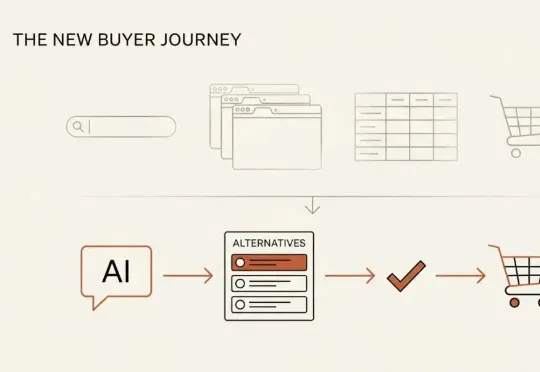
以前:搜 Google → 开 8 个标签页 → 对比功能 → 约演示 → 买。现在:搜那个默认大牌 → 再搜「某某大牌 的替代品」→ 从冒出来的 3 个名字里挑一个 → 约演示 → 买。整条对比研究,被 AI 一次答复压缩成了「三选一」