Nex-N2.6 Hands-On: Personal Tests Across Harnesses and Computer Use
The author tests Nex-N2.6, post-trained from GLM-5.3-Flash, in bubble code and Aegis on a galaxy page, Three.js, code-generated video and Jianying editing. Its 321B-scale weights are open; smoothness and comparisons with closed models reflect personal cases, not a comprehensive evaluation.
Editor's fact check (2026-11-24): This article describes the author's case-based experiences with a self-built harness and workbench. Visual impressions, smoothness and comparisons with GPT or Codex do not constitute a comprehensive evaluation under standardized conditions. Official claims of improvements across harnesses and on long tasks should likewise be understood within their specific test scope; 321B total parameters alone cannot establish everyday speed, cost or compatibility with every tool. The event underlying the RH video is the formalized proof submitted collaboratively by Levent Alpöge and Claude and subsequently verified, not a proof completed by Claude alone; 4 minutes 23 seconds is the video's duration, not the production time. Shanghai Academy of AI's official Nex-N2.6 release; (opens in a new tab)Official Nex-N2.6 model repository; (opens in a new tab)Joint RH verification statement from the Lean and Mathlib communities (opens in a new tab)
I had not browsed the open-source community for a long time. While looking through open-source models on Hugging Face over the past couple of days,
I saw that the Shanghai Academy of AI had recently open-sourced the Nex-N2.6 model. They had released the N2.5 version back in September; I had not expected another iteration so quickly.
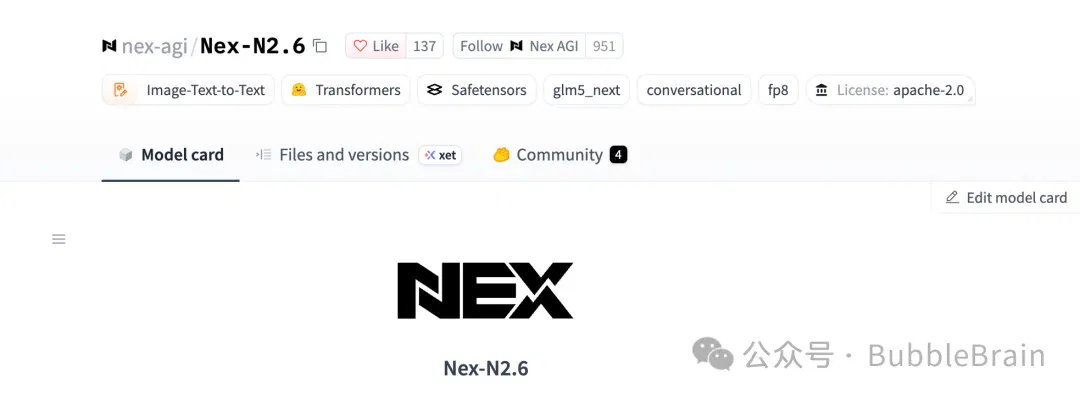
I took a quick look and thought it seemed like a pretty good model.
Let me briefly introduce Nex-N2.6.
This model was post-trained from GLM-5.3 Flash. It has 321B parameters and supports text, image and video inputs.
Leaving everything else aside, I have always thought the 300B parameter scale is excellent: fast enough while still maintaining quality, and just right for everyday work.
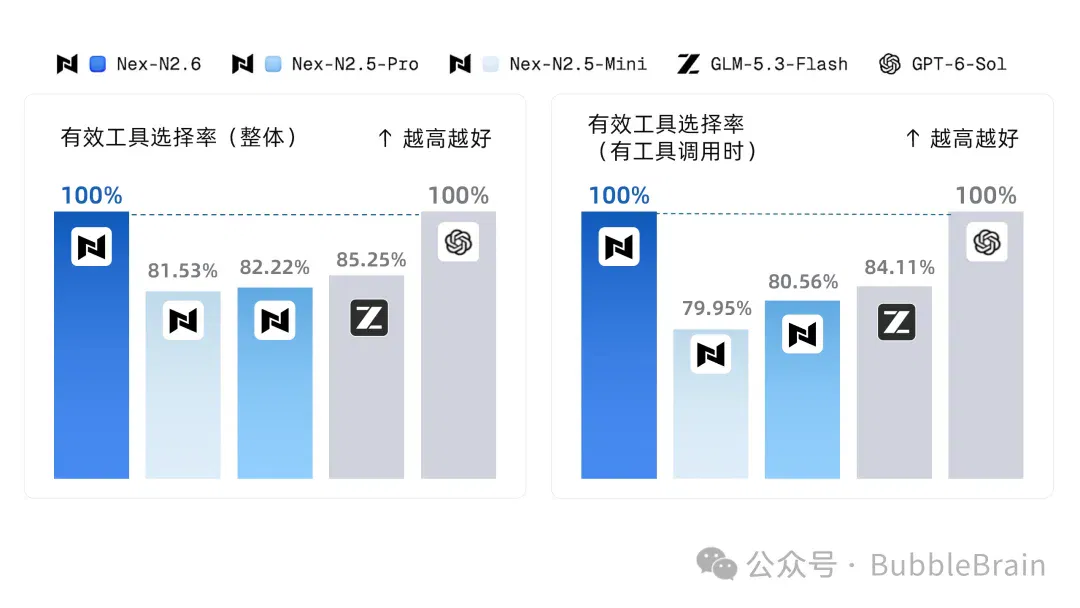
In this generation, Nex-N2.6 focuses on improving adaptability across different harnesses, avoiding excessive fitting to a particular harness.
According to the official description, the new version's post-training recipe can substantially address going around in circles on long tasks and cross-harness overfitting, making it truly plug-and-play.
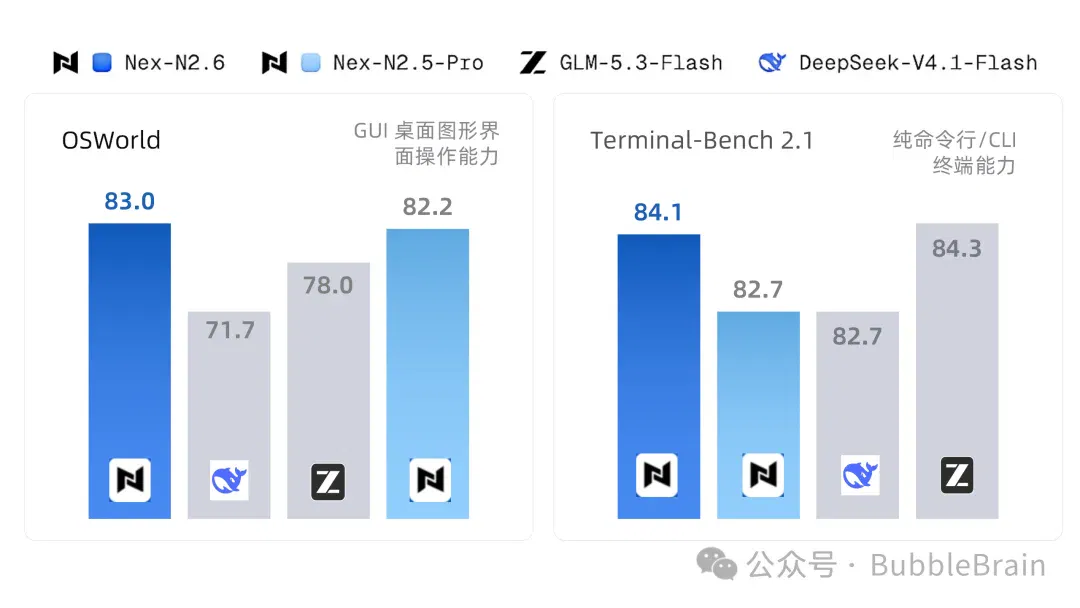
The new model also further improves its currently much-discussed Computer Use capabilities, making it more practical for everyday tasks.
The model is currently also available to use for free on the MOSS open platform.

So, in the spirit of taking full advantage of a free offer, I first connected it to the harness I wrote myself, bubble code.
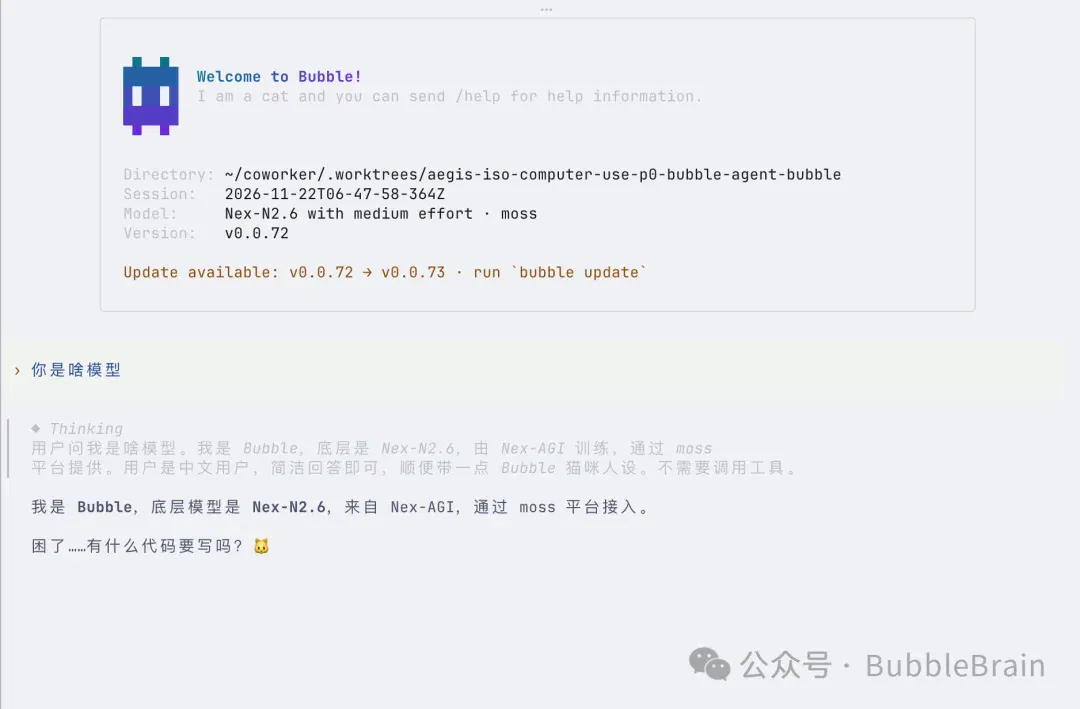
At the same time, I could test how this model performed in different harnesses.
I started with a simpler request to try it out:
I used a prompt from X user MiaAI_lab to create a rotating spiral galaxy in space:
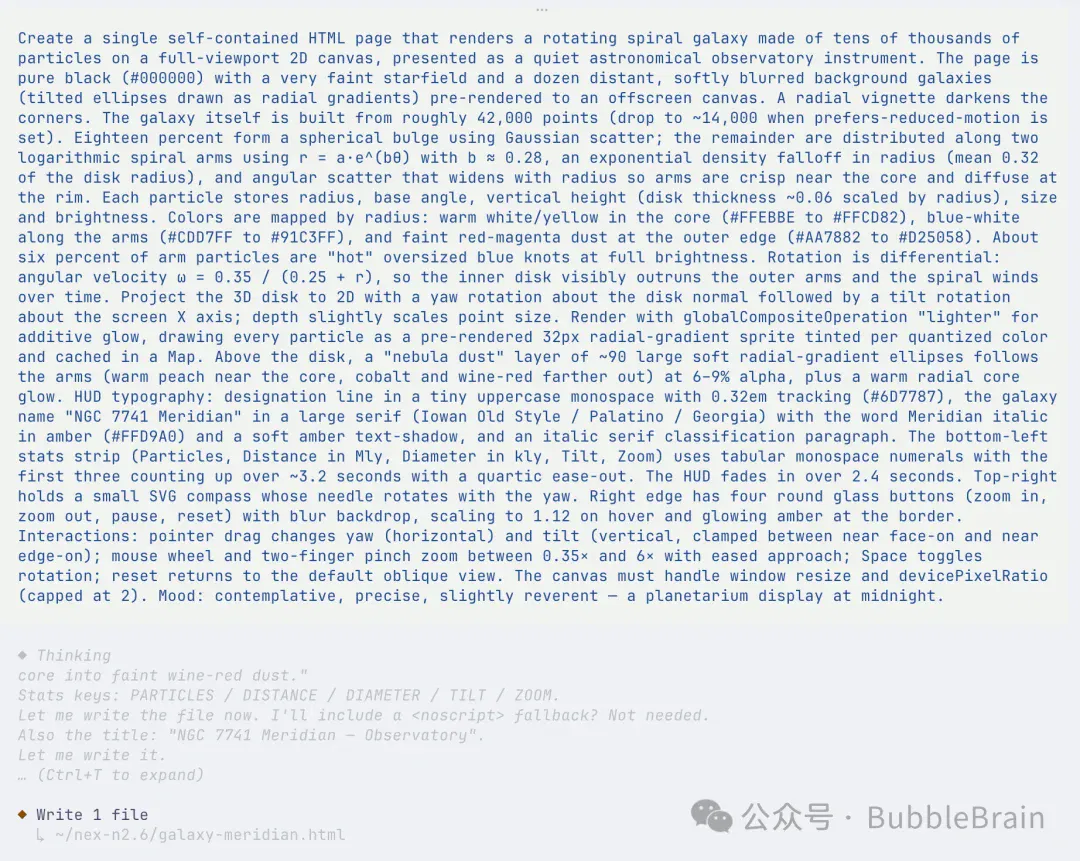
It seemed able to implement this kind of basic frontend effect without any problems, and the speed was quite good too—very smooth.
Then I used a prompt from Kazike to test the model's ability to write Three.js, asking it to make a stunning effect:
Prompt · PROMPT
"Please use Three.js to create an interactive 3D web page themed 'The End of Time.' Fully apply your very best aesthetic judgment, artistic design and 3D programming skills, taking composition, lighting and shadows, materials, particles, animation and spatial atmosphere to the limit. The scene must have a stunning visual impact and allow free interaction with the mouse. There are no restrictions on your creativity or technical approach; demonstrate the upper limit of your abilities as much as possible. Please directly complete development, execution and testing, and deliver a work that is genuinely playable."

I thought this effect was spectacular—visually even more impressive than what I had seen GPT produce at the time. It really was quite stunning.
For the third case, I had recently seen the news that Levent Alpöge and Claude had collaborated on a formalized proof of the Riemann hypothesis. So I asked it to use the bb-video skill to make a video entirely through code.
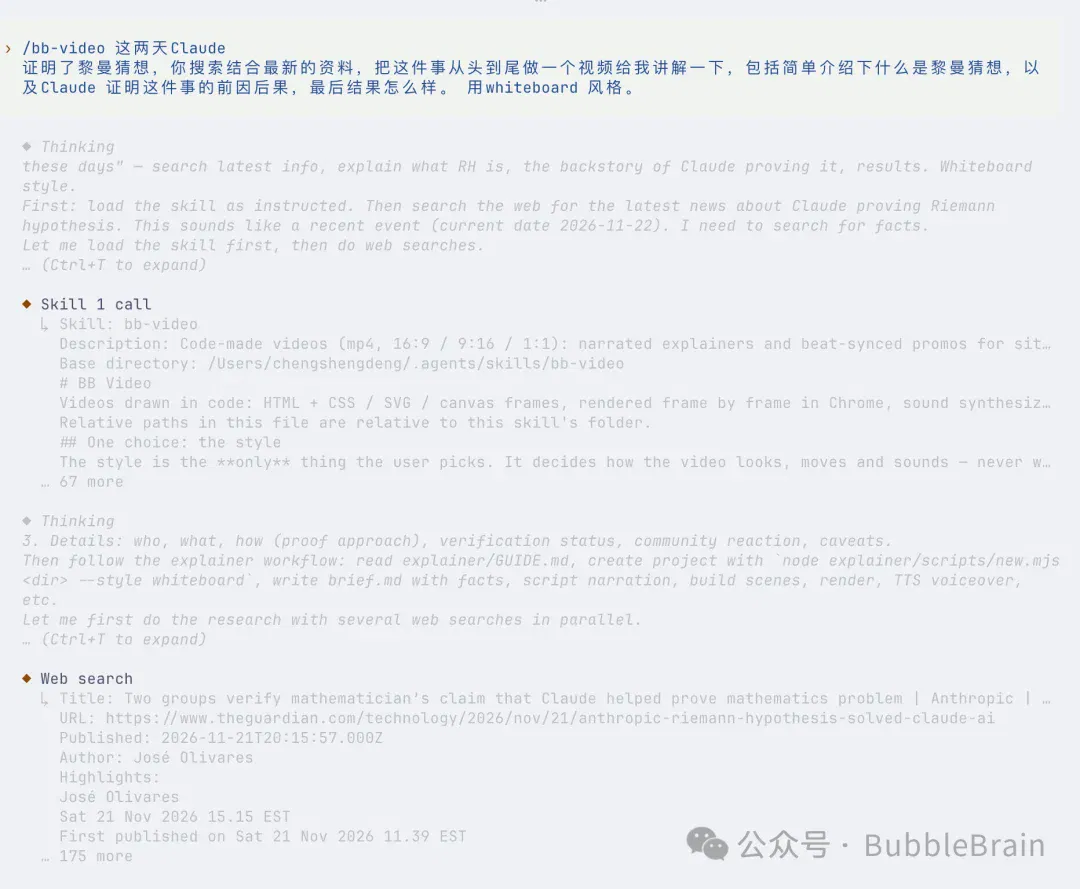
It needed to search for relevant information first, then call tools to generate audio and visuals, coordinated with animation, to explain the background and full story to me.
Video · 01

It made the 4-minute-23-second video quite quickly, with a very clear explanation of the content and the right style too.
Then I tried something else. Since its computer-use capabilities were so good, I also tried asking it to do some video editing.
Here I used Aegis, the agent workbench I built myself.
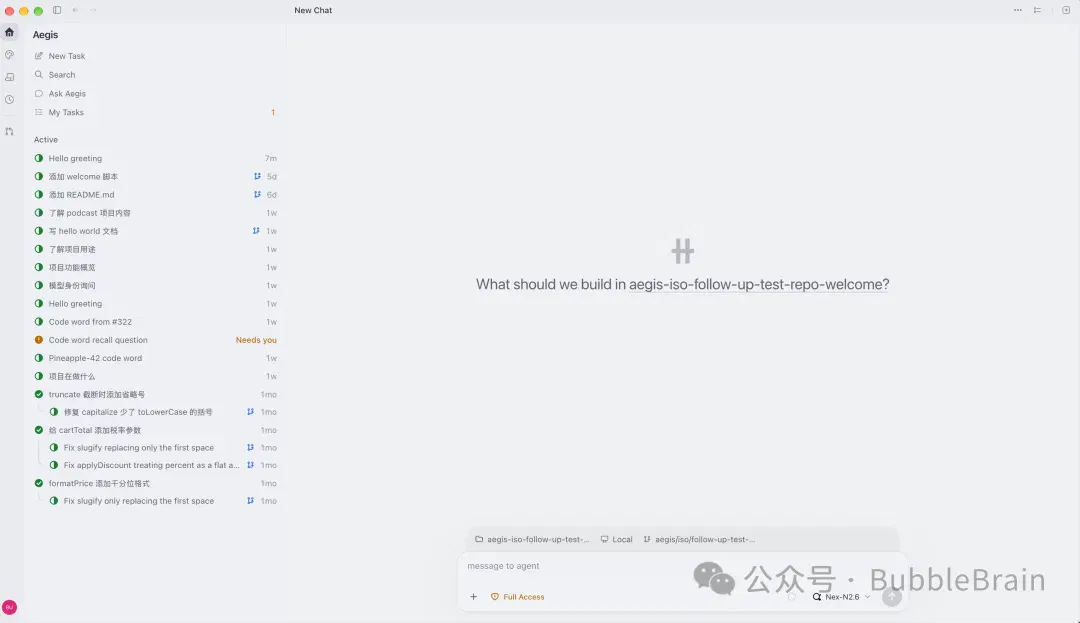
It was still configured with bubble code, the agent I wrote myself. I simply felt that, for computer use, a GUI made things more intuitive to see.
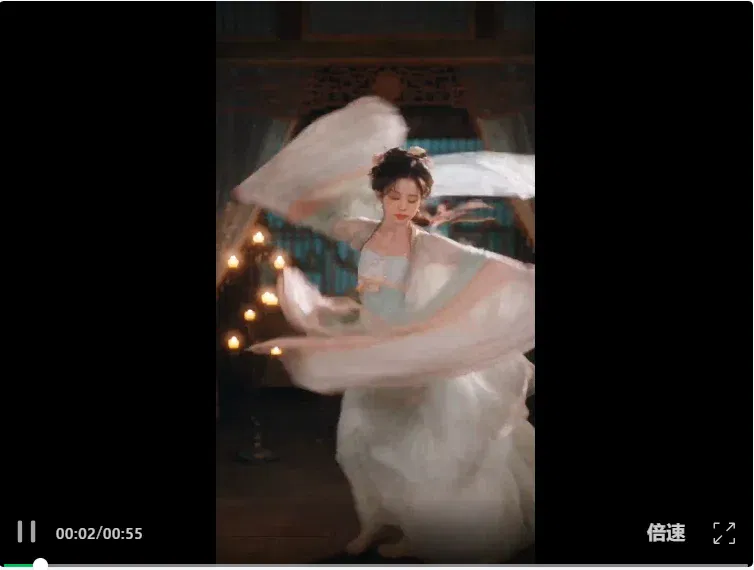
I gave it five clips, each 30 seconds long, all showing women dancing in historical costumes. I wanted it to use my local Jianying installation to edit a compilation of cuts and add suitable music.
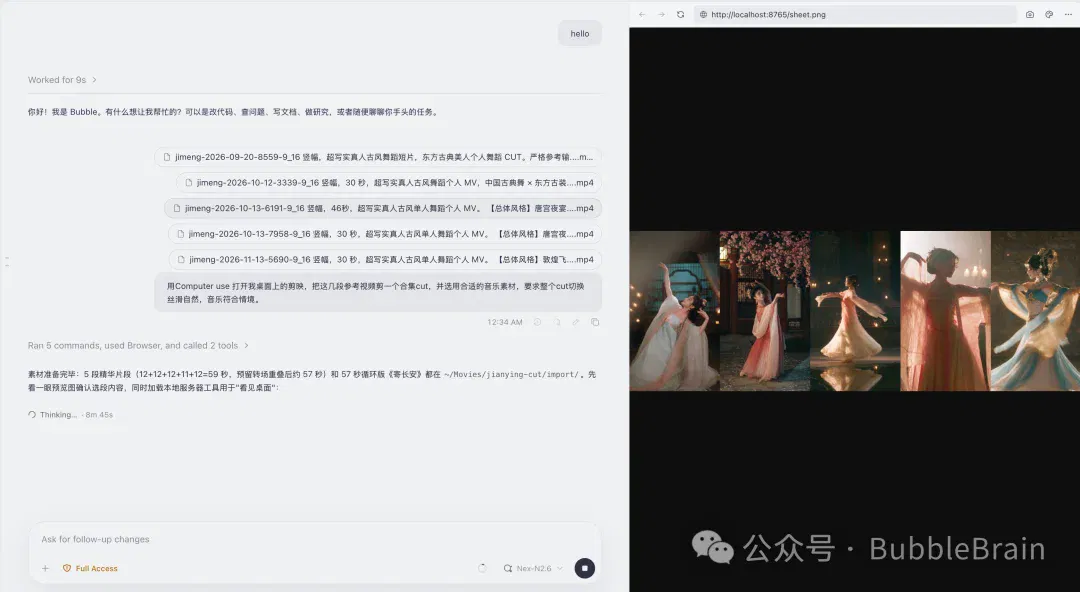
An interesting detail was that it also found several music assets I already had locally and asked whether it could use them directly.

After I agreed, it organized the assets, then began importing them into Jianying and operating the software itself.
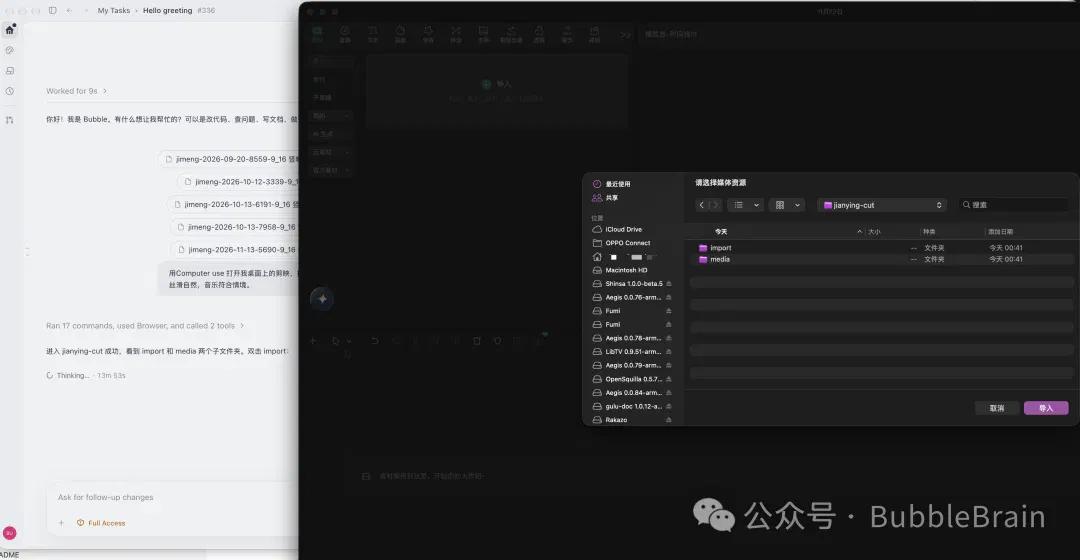
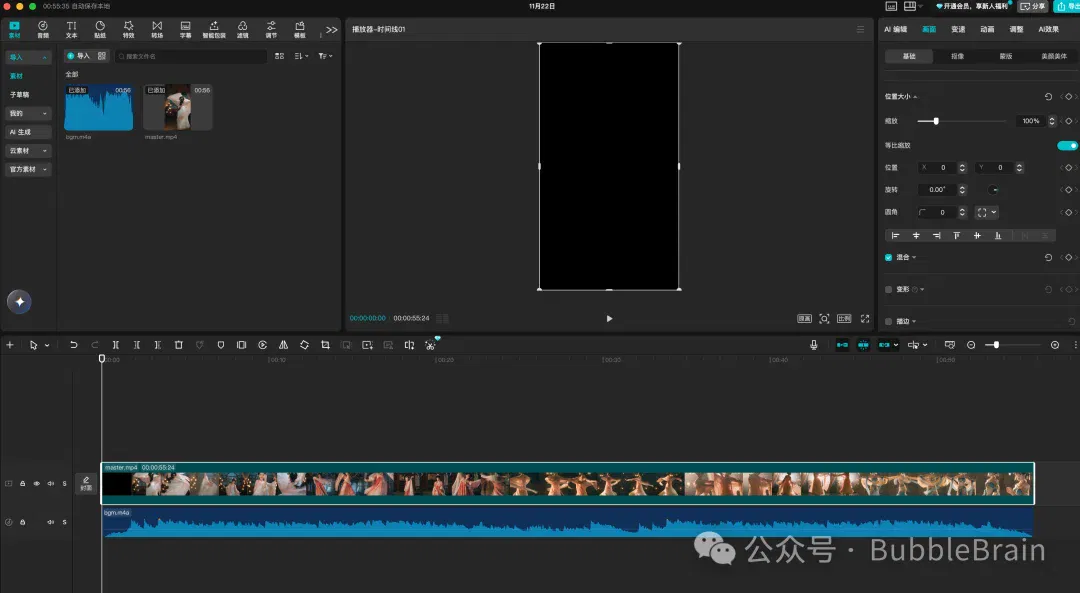
The overall process was actually fairly quick and was finished in a little while. Let us look directly at the result:
Video · 02
Previously, I had mostly used Codex for computer use. Most tasks were things like filling out a form, writing something, or doing a little editing like this.
The whole process consumes a lot of tokens because it has to keep checking information about interface elements. Spending tokens on these everyday tasks really did feel rather extravagant to me.
More importantly, it left me unable to do without Codex, even though it has now become so bad that I only use it for routine work...
Fortunately, there is now a better choice for these everyday tasks: Nex-N2.6 plus my own harness. Whether making everyday videos or editing footage, I did not really encounter any feeling of incompatibility.
Top closed-source flagships may determine the ceiling of intelligence, but what can truly turn Computer Use and long-horizon agents into everyday utilities are precisely these open-source models that slot into your own workbench, work out of the box and are ready whenever you need them.
Perhaps that is the appeal of open source.
This article comes from "BubbleBrain," written by "BB Da Tiancai."
Related topics
After reading
Join the AINRK community
Read how to join the community and connect with people working in AI.
Related articles
Continue reading related topics and articles in this category.
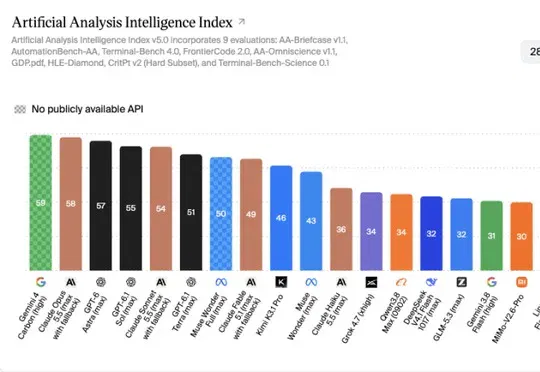
开源模型亟需另开一桌 (opens in a new tab)
葬 AI 在这篇评论中质疑综合榜单与实际使用体验之间的落差,主张围绕真实任务、速度与成本构建细分评测,并计划发起开源 Benchmark 社区。文章对厂商和榜单的判断具有鲜明个人立场,社区成果仍待陆续发布,不应把评论性归因当作已证实的行业事实。
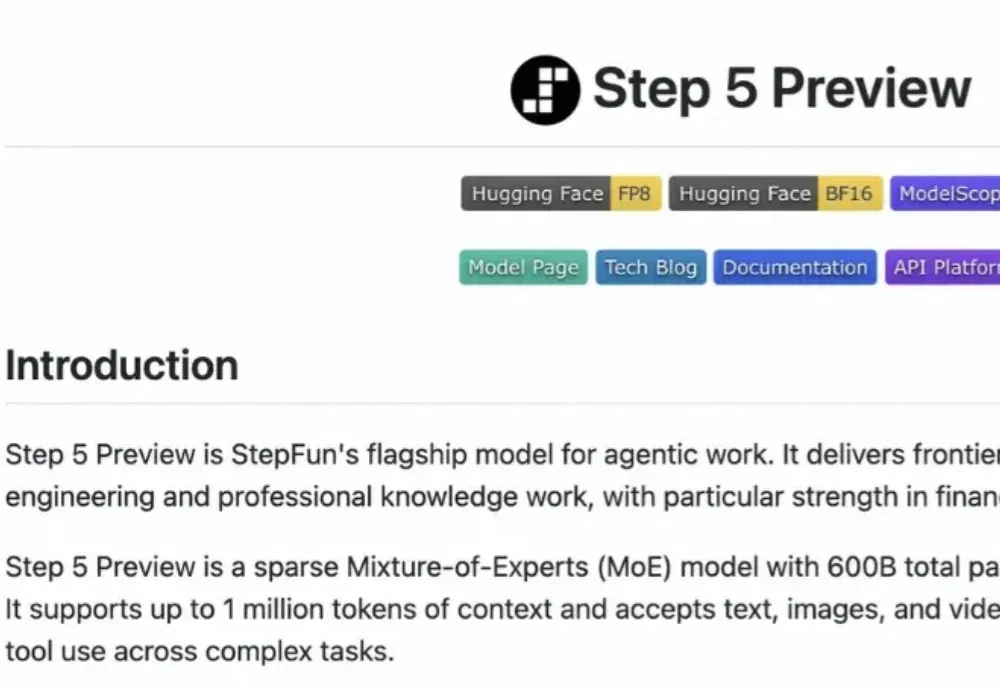
OpenRouter周榜全球第二,这个国产模型终于开源了 (opens in a new tab)
在能力、成本、稳定性之间寻找最优解。 智东西10月15日报道,今天,一款刚登上OpenRouter Token全球使用量周榜第二的大模型,开源了! 阶跃星辰正式开放Step 5 Preview的模型权重,BF16、FP8两个版本同步上线HuggingFace和ModelScope。 Hugging Face: https://huggingface.co/stepfun-ai/Step-5-Preview ModelScope: https://modelscope.cn/models/stepfun-ai/Step-5-Preview Step 5 Preview采用稀疏MoE架构,总参数量

刚刚,Meta亮出美国最强开源权重模型!两台Mac Studio就能跑 (opens in a new tab)
刚刚,Meta宣布重磅消息:Muse Spark Open正式开源。
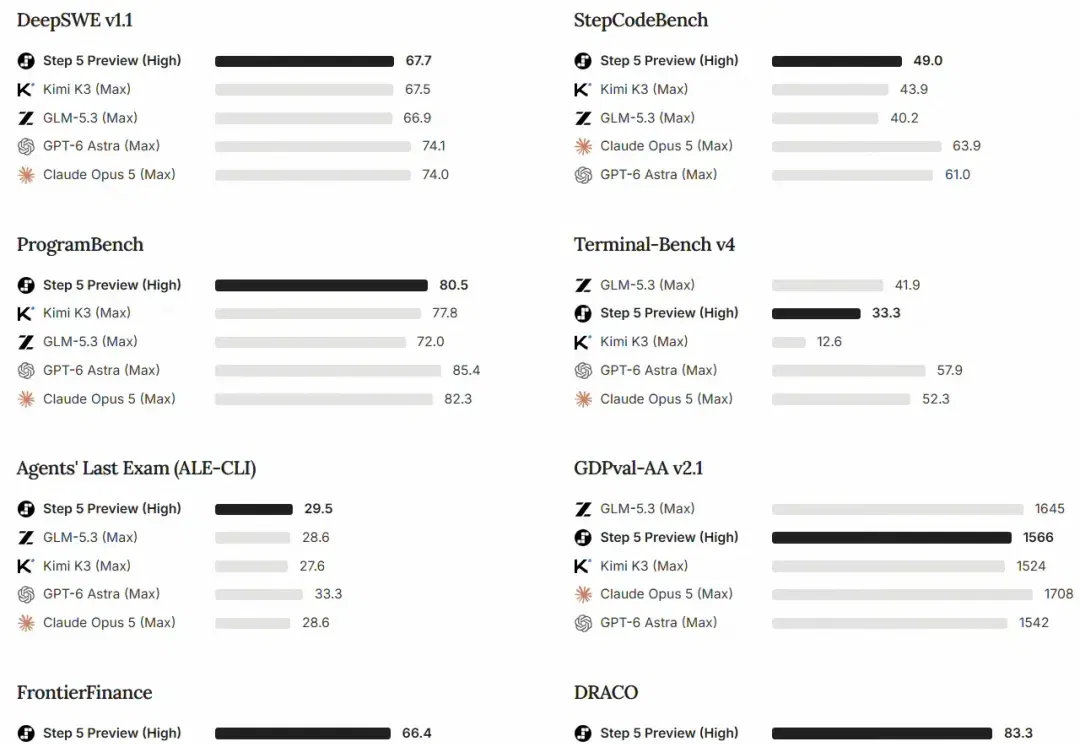
全球领先!千卡超节点算力巨无霸,成功点亮 (opens in a new tab)
2026 年 10 月 15 日,阶跃星辰正式开源新一代旗舰模型 Step 5 Preview,在 AI 编程、软件工程、专业知识工作、金融等任务上达到前沿水平。
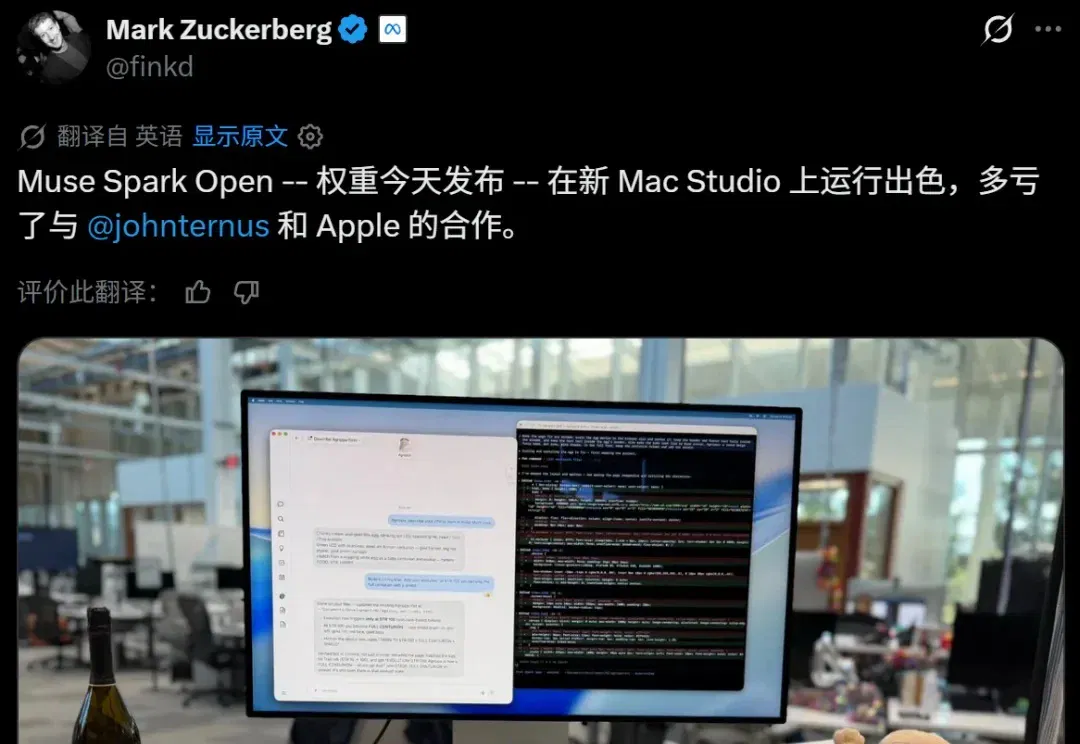
Meta杀回开源:816B新模型,两台Mac Studio就能跑 (opens in a new tab)
没想到 Meta 重回开源的方式,是和苹果携手。