Danqi Chen joins Noeri part-time as the startup raises $110M for continual-learning AI
Danqi Chen says she joined Noeri part-time. Founded by Yejin Choi and Carlos Guestrin, it advocates Plural Intelligence, using enterprise data to optimize models, tools and workflows with human review of every change.
Princeton computer-science associate professor Danqi Chen has joined a newly unveiled AI company.
Early this morning, Chen revealed on social media that she joined Noeri part-time two months ago. She is quite excited about the team's research direction, with a particular interest in applications of AI to scientific discovery. She hopes to enable every scientist to use AI to tackle their most difficult research problems.
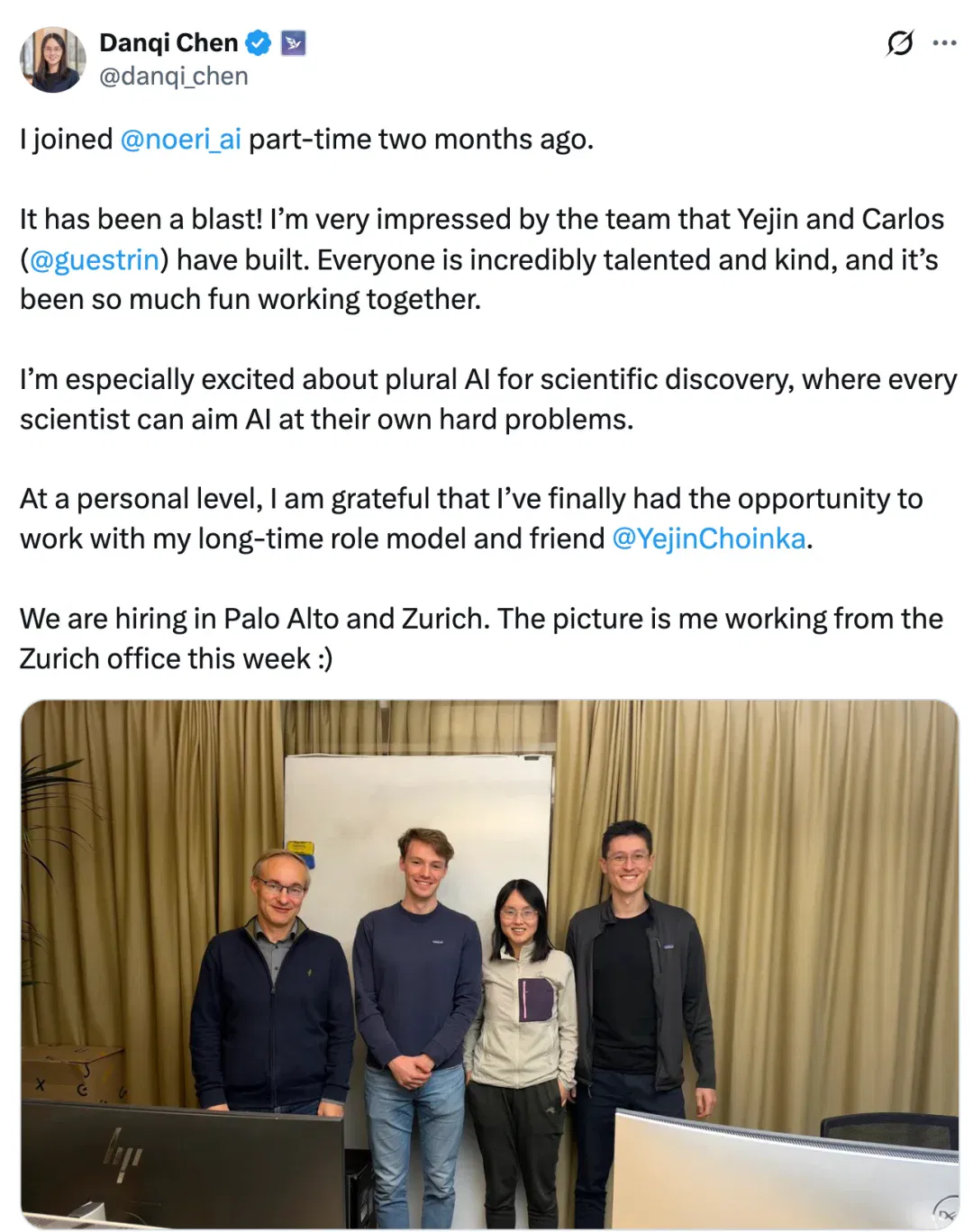
Founded by Stanford computer-science professors Yejin Choi and Carlos Guestrin, Noeri focuses on AI systems that continually learn and improve. It aims to help enterprises use their own data and business experience to build proprietary AI that accumulates experience and improves through real work.
Alongside its unveiling, Noeri announced $110 million in funding, led by Menlo Ventures with Madrona Venture Group, Kindred Ventures, Wing Venture Capital and NEA, plus strategic investors NVIDIA, Cisco Investments, Snowflake and others.
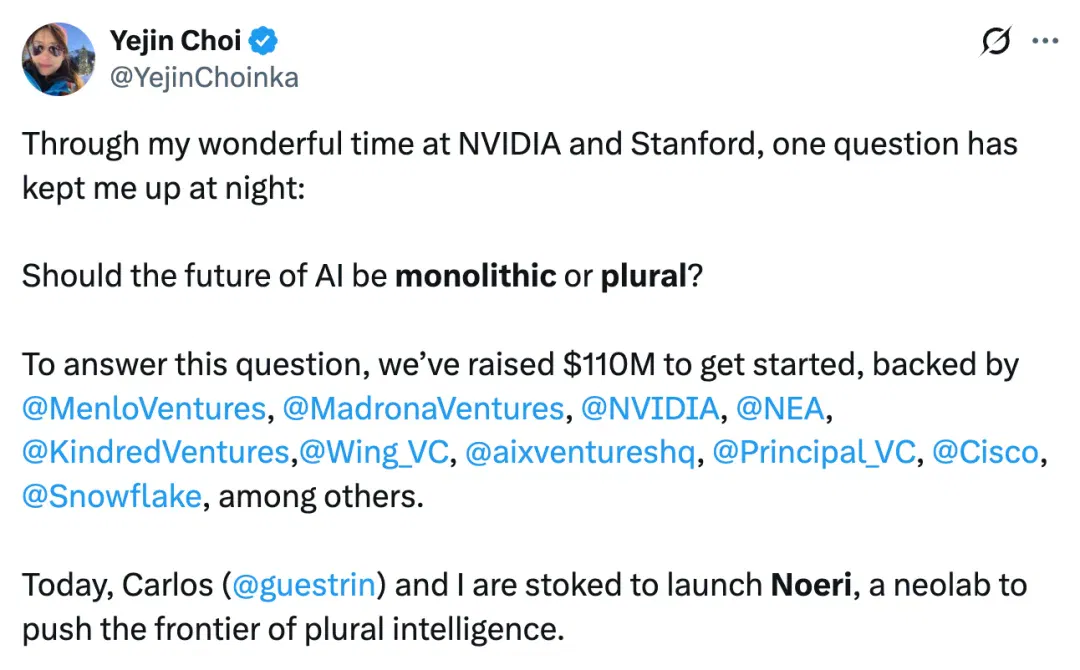
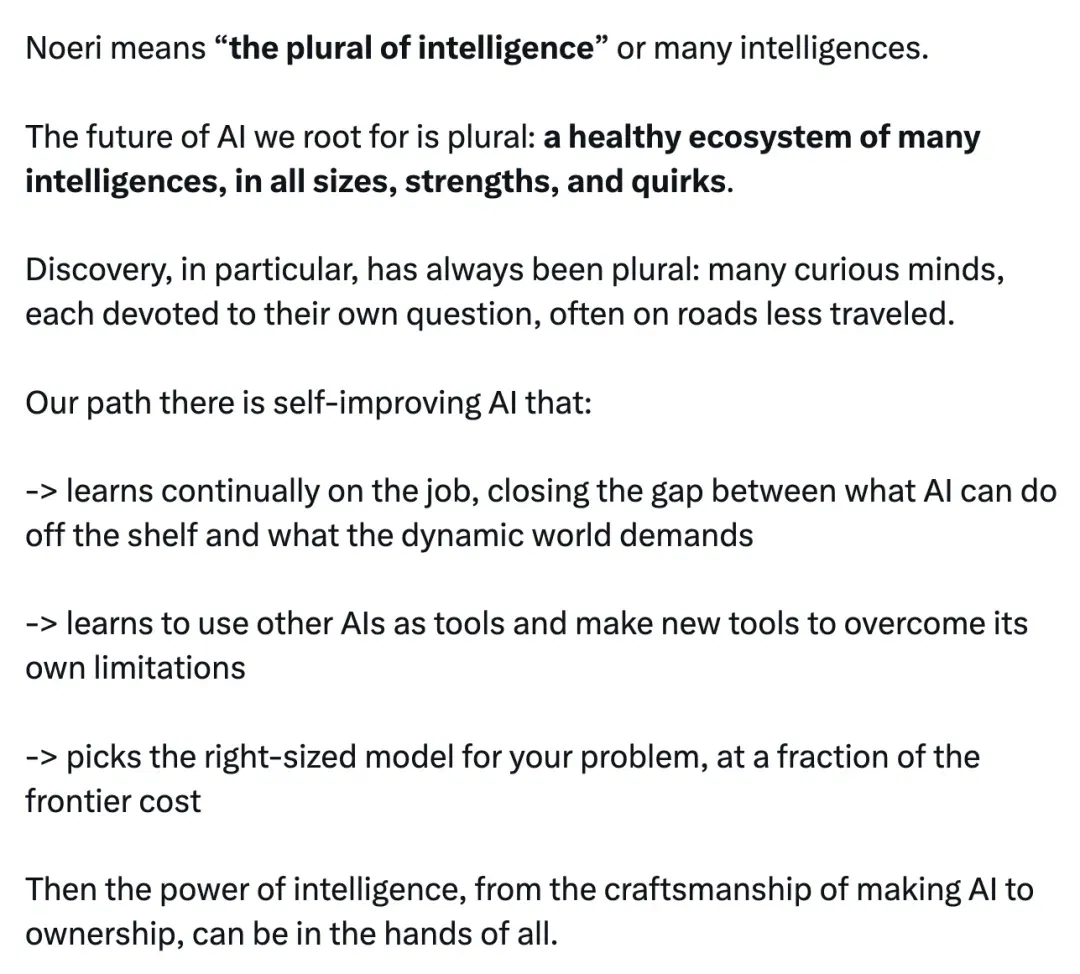
The team has proposed a distinctive concept: Plural Intelligence. In its view, future AI should consist of intelligent systems of different sizes and with different specialties, with every organization and individual able to build, control, and continually improve their own AI.
Danqi Chen joins:
who is behind Noeri?
The two principal founders bring substantial AI research experience.
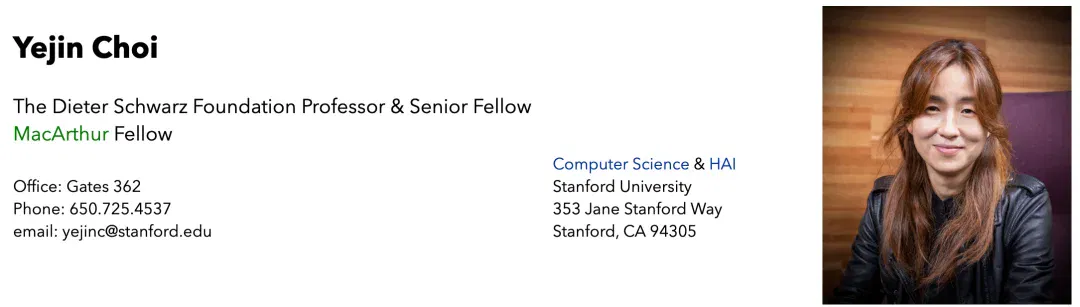
Yejin Choi is a Stanford computer-science professor and HAI senior fellow, researching commonsense reasoning, NLP, LLMs and alignment. She previously taught at the University of Washington, served as senior research manager at Ai2 and as senior research director and distinguished scientist at NVIDIA. She joined Stanford in January 2025.
Carlos Guestrin is an experienced machine-learning researcher and entrepreneur.
If you have used machine-learning tools, you have probably heard of XGBoost, which he co-created with Tianqi Chen. It is a widely used open-source machine-learning tool. He also co-founded the machine-learning company Turi, which Apple acquired in 2016. After joining Apple, Guestrin served as senior director of machine learning and AI, helping Apple establish an AI and machine-learning research and development center in Seattle.
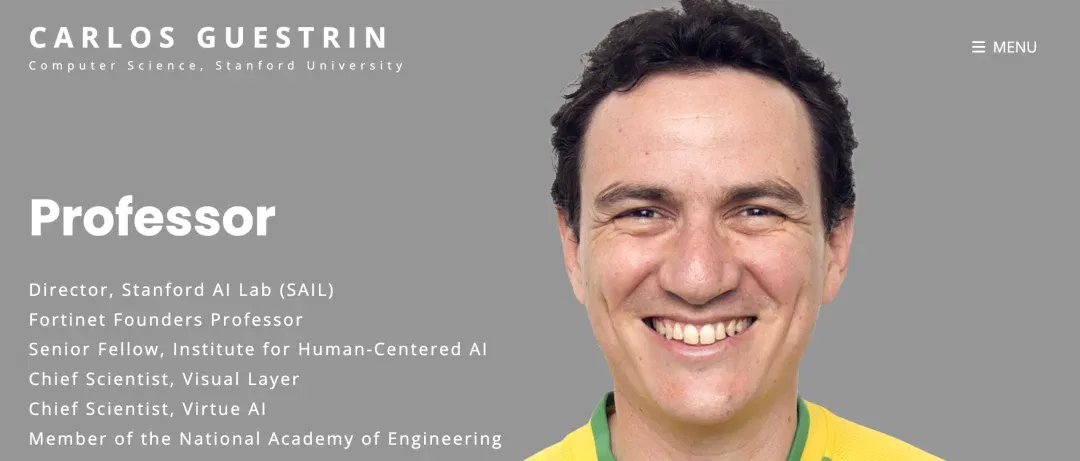
They now serve as Noeri’s co-CEOs.
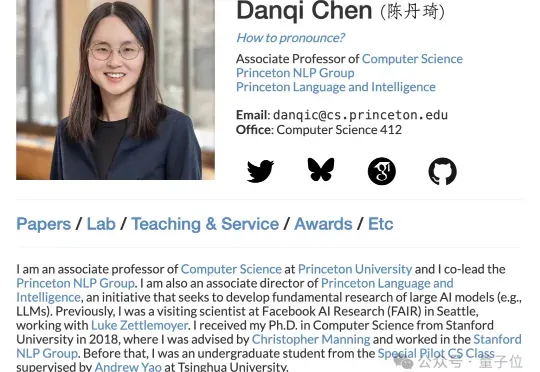
Danqi Chen's arrival brings another important strand of research to the team. She is currently an associate professor in Princeton University's Department of Computer Science and co-leads the Princeton NLP group. She also serves as associate director of the Princeton Language and Intelligence initiative, which is dedicated to foundational research on large-scale AI, such as LLMs. She is also one of the authors of RoBERTa.
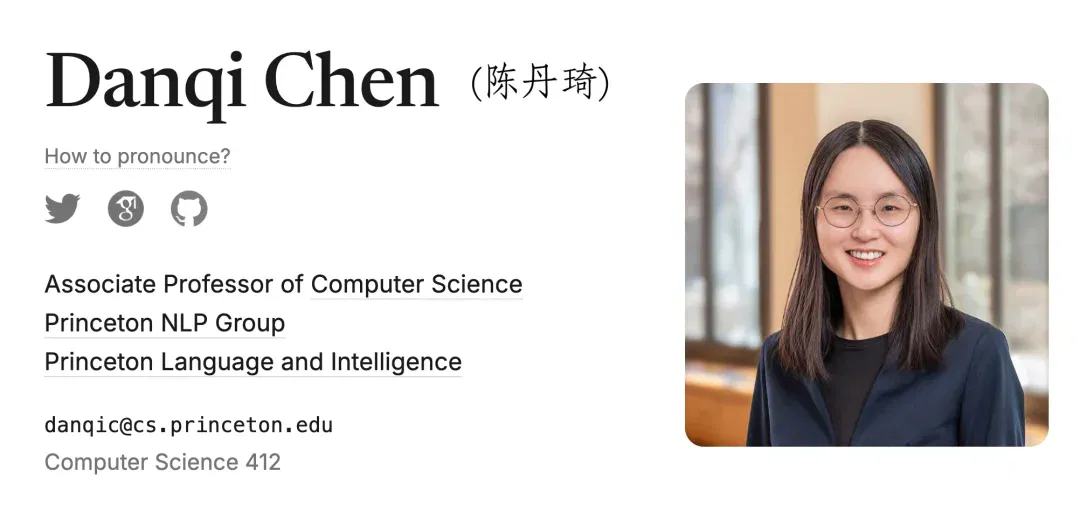
In her post, she highlighted her pleasure at working with longtime role model and friend Yejin Choi.
Looking at the composition of its team, Noeri brings together researchers in natural-language processing, machine learning, reinforcement learning, agents, scientific computing, and other fields. It clearly hopes to advance academic research and practical AI product development along the same path.
Teaching AI to improve AI:
what does Noeri plan?
Its aim is clear: AI systems that continually learn and improve.
At present, the parameters of most AI models are largely fixed once training is complete. When a model is deployed inside an enterprise and encounters new business data and workflows, it often still requires people to adjust the prompts and the way tools are called, or even to retrain the model.
Adapting AI to a business therefore typically requires a specialized engineering team.
Noeri wants AI to do that work.
According to the product introduction published by the company, Noeri will study the enterprise's own data and workflows and optimize the entire AI system around specific tasks. The scope of what it can adjust includes:
- Instructions and skills: improve instructions, skills and execution strategies from actual performance.
- Tools and orchestration: adjust configurations and calls to improve model–tool collaboration.
- Model selection: choose appropriate models for each stage according to difficulty and cost.
- Model optimization: when needed, optimize models themselves, including underlying parameters, for enterprise tasks.
Every change includes an explanation and requires human review and confirmation, a process compared to code review.
It supports both closed-source models and open-weight models, and can also adapt as new models emerge. Customers can retain their own data, as well as ownership of the workflows and models developed through the system, but must still comply with the relevant license agreements for third-party models.
Noeri hopes to enable AI to continually accumulate experience through real work. The system will learn from the enterprise's data, workflows, and interactions during task execution, and use what it learns to improve its own capabilities.
Experience and corrections from each task can inform subsequent optimization.
In terms of its product form, Noeri is more like an AI engineer that can work continuously. It is responsible for studying existing workflows, finding room for improvement in the system, and proposing optimization plans; every change must undergo human review.
Plural Intelligence:
why is it central to Noeri?
The name itself reflects the founders’ view of AI’s future.
They explain Noeri as “The Plural of Intelligence.” Their vision essay describes two development paths.
One possibility is that a single company develops and controls a superintelligence, leaving other companies and individuals with no choice but to depend on it. The other is an ecosystem made up of large numbers of AI systems with different sizes and capabilities. Each intelligent system is specialized for particular regions, groups of people, or problems, and shaped by the people and organizations that truly understand those problems. They favor the latter.
A practical business issue underlies this.
An enterprise may need AI to handle different tasks, such as financial analysis, customer service, and research-and-development design. Each type of work has different requirements for the model. If all tasks are assigned to the most expensive frontier model, costs are difficult to control; choosing a less expensive model with relatively limited capabilities, however, may compromise task outcomes.
Noeri hopes to find a more suitable combination through model specialization and collaboration among agents. For example, a smaller model could take charge of orchestration, calling other models and specialist tools according to the needs of the task; as experience on specific tasks continues to accumulate, the corresponding models and workflows could then be continually optimized. Different AI systems would each perform their own roles and keep evolving through actual work.
This also extends to science.
Chen mentioned in her post that she is particularly excited about applications of Plural Intelligence to scientific discovery. For a scientist, research questions are often highly specialized, and an off-the-shelf general-purpose model may not possess sufficient knowledge of the domain.
If AI can continually learn around a specific research question, remember which approaches have been tried before and what results they produced, and also enable multiple specialized agents to work together to propose hypotheses, test approaches, and refine the research direction, scientists will have an opportunity to devote more of their energy to formulating questions and validating discoveries.
This is another direction Noeri hopes to explore.
References:
https://www.noeri.ai/
https://x.com/danqi_chen/status/2122430543589413073
https://x.com/YejinChoinka/status/2122379749372907852
This article was originally published by Synced. Author: Synced Editorial Team.
Related topics
After reading
Join the AINRK community
Read how to join the community and connect with people working in AI.
Related articles
Continue reading related topics and articles in this category.

中国NeoLab时刻:EverMind用3篇论文,交出全栈自进化首份答卷 (opens in a new tab)
当海外NeoLab还忙于靠叙事拿下数亿美元融资时,一家中国团队用连续三篇论文,交出了自进化AI领域第一份全栈答案。它就是EverMind,由盛大集团孵化,延袭当年创新院研究基因。
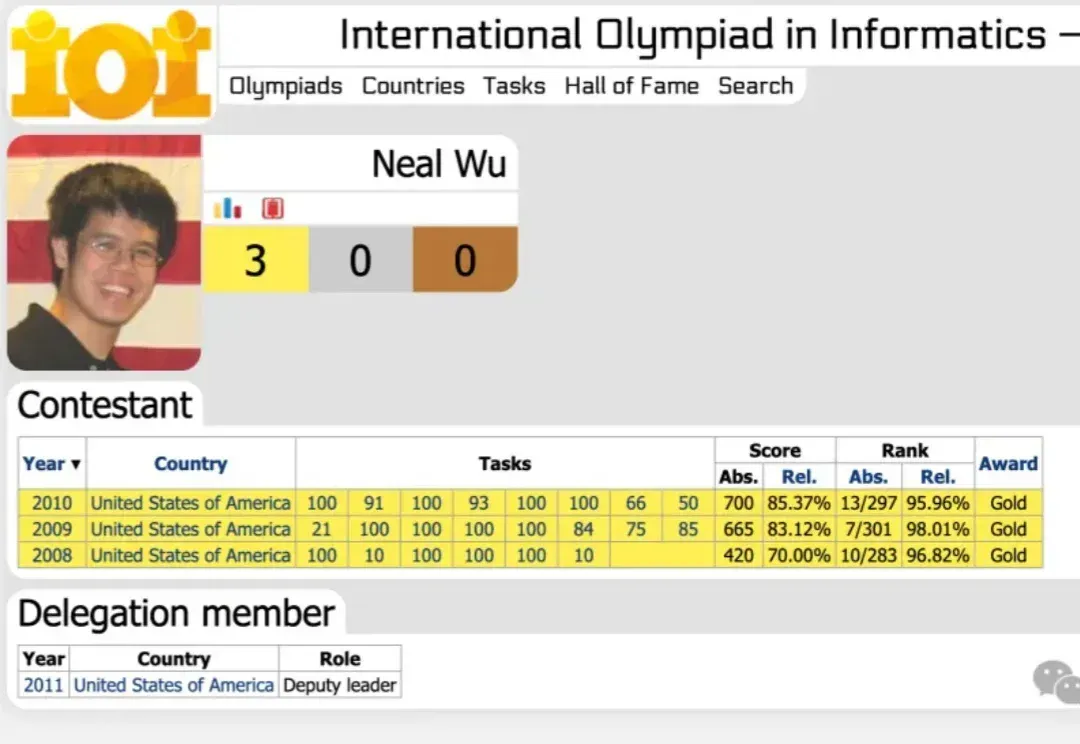
陈丹琦入职Mira翁荔公司,原来是有IOI三金王赛友 (opens in a new tab)
陈丹琦首次转身工业界,第一站就选择Mira初创的理由找到了—— 有个赛友也在这儿,还足足“潜伏”了一年之久。
陈丹琦有了个公司邮箱,北大翁荔同款 (opens in a new tab)
又一个AI学术大佬,有工业界身份了。 清华姚班校友、普林斯顿教授陈丹琦,跟Thinking Machines划上了关联。
陈丹琦,入职Thinking Machines Lab了? (opens in a new tab)
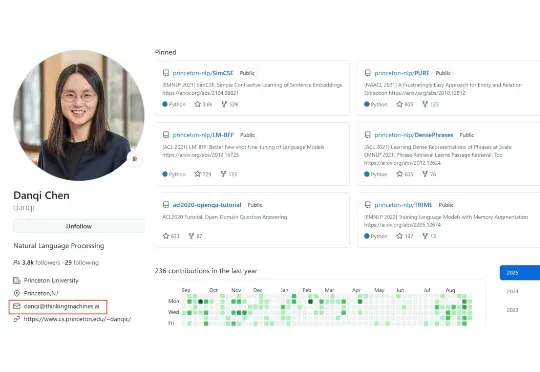
陈丹琦加入 Thinking Machines Lab 了?这一猜测不是毫无根据,当我们打开她的 GitHub 主页,邮箱已经变为 thinkingmachines.ai。
算法工程师要失业了?阿里和浙大联手提出Astar,用AI指导AI系统进化 (opens in a new tab)
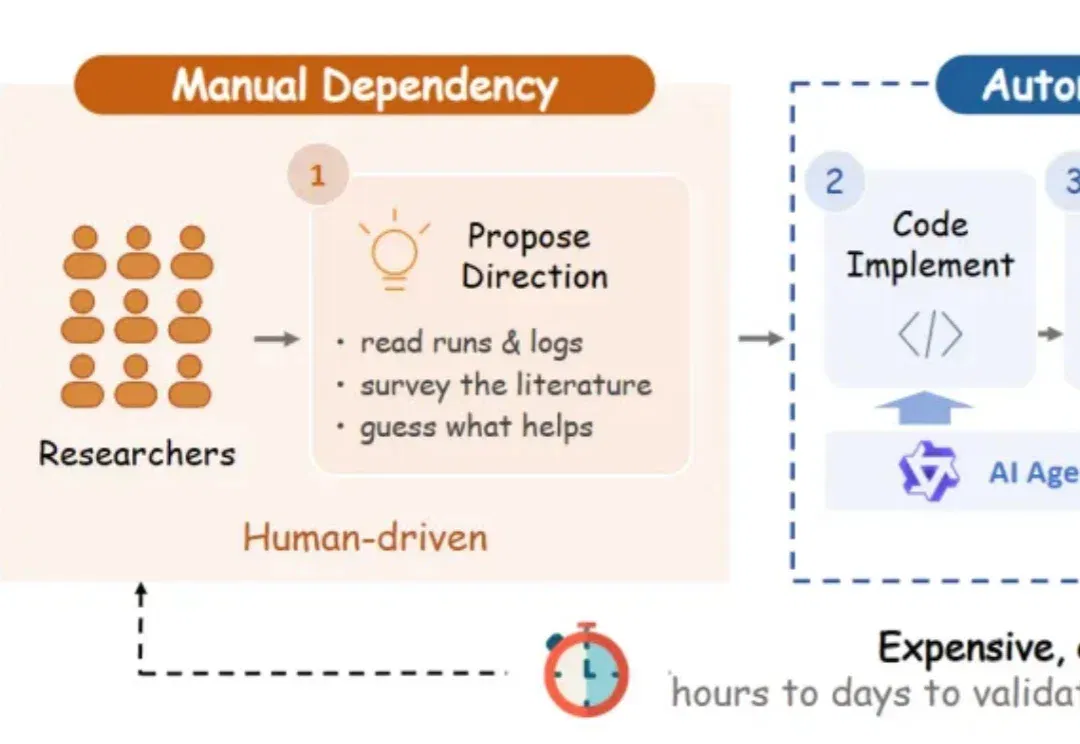
如今的 AI 已经能顺畅地帮你写代码、跑实验、做评估。算法工程师的每一天,几乎变成了:让 LLM 整理昨天的实验结果,让 LLM 实现新想法,让 LLM 监控实验运行…… 似乎只需把需求告诉 AI,它就能完成大部分算法工作。