Altman on Huang's departure: personal empathy, no judgment on reinstatement
In a Semafor summit interview, Altman discusses Jensen Huang's departure and NVIDIA's role in AI, saying he lacks enough information to judge reinstatement. The report also covers chip demand, data centers, AI research and the public markets.
"Heroes have flaws too."
As controversy over Jensen Huang's departure continues, Sam Altman has finally spoken publicly.
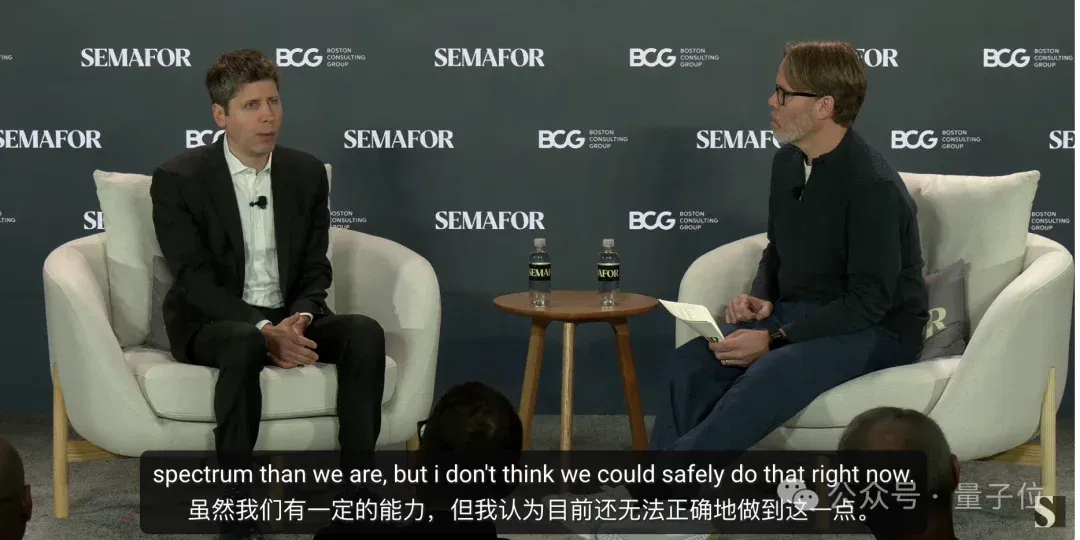
On November 16 local time, at Semafor's Silicon Valley summit, OpenAI CEO Sam Altman publicly discussed Huang's departure for the first time.
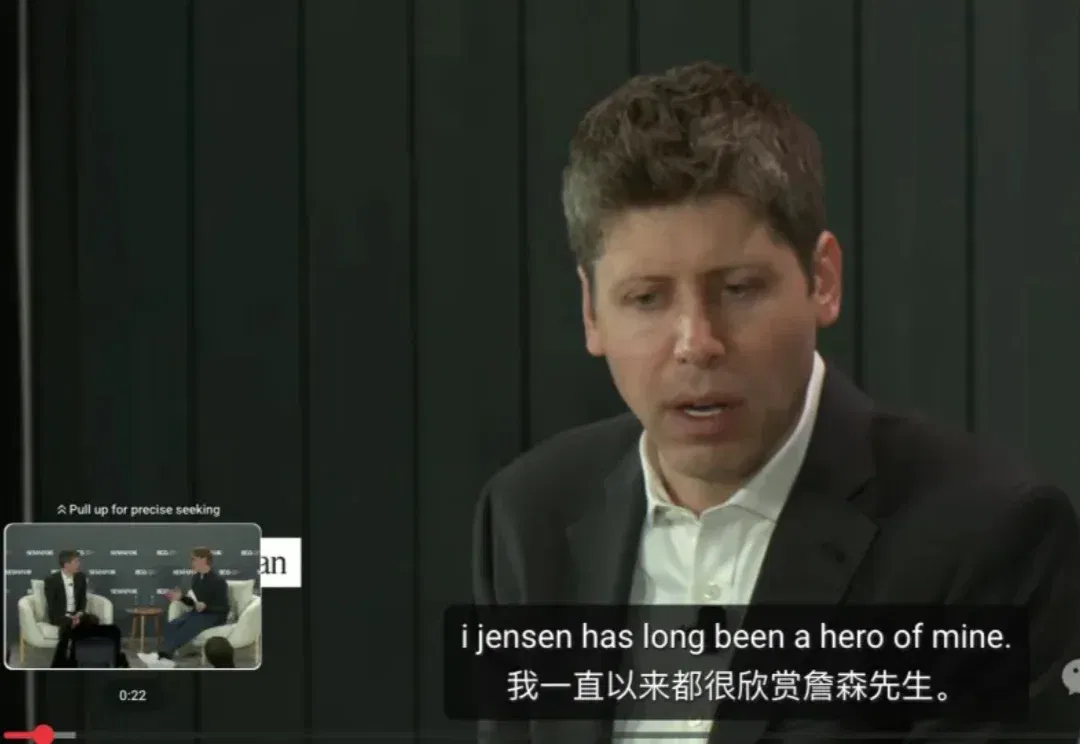
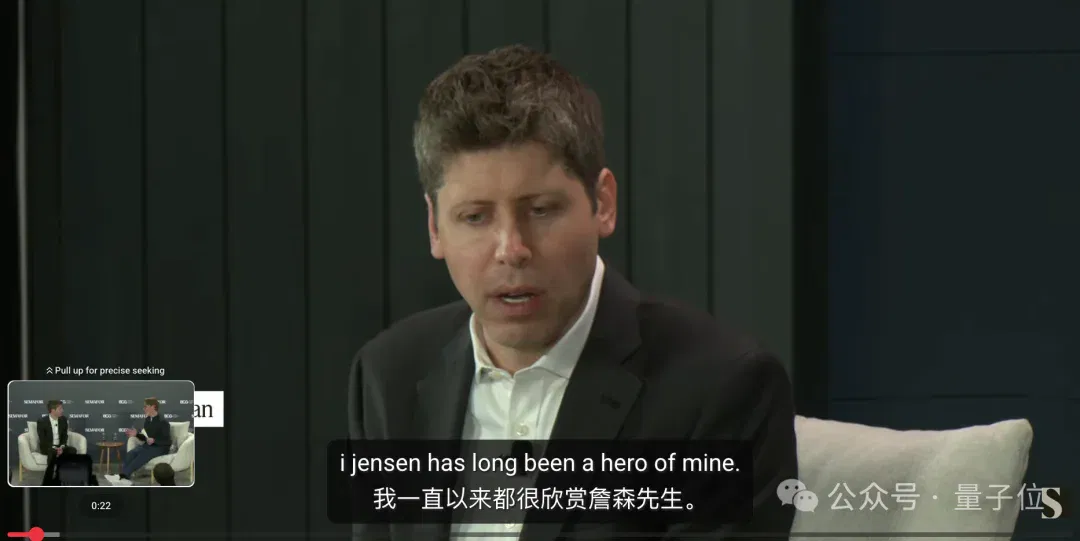
Altman made no effort to hide his admiration: "Jensen Huang has always been a hero of mine."
Altman also offered a fuller perspective on Huang's departure and the future of the AI industry:
- Altman acknowledged that heroes are not perfect.
- Huang has always been Altman's hero, and the AI revolution is difficult to imagine without him.
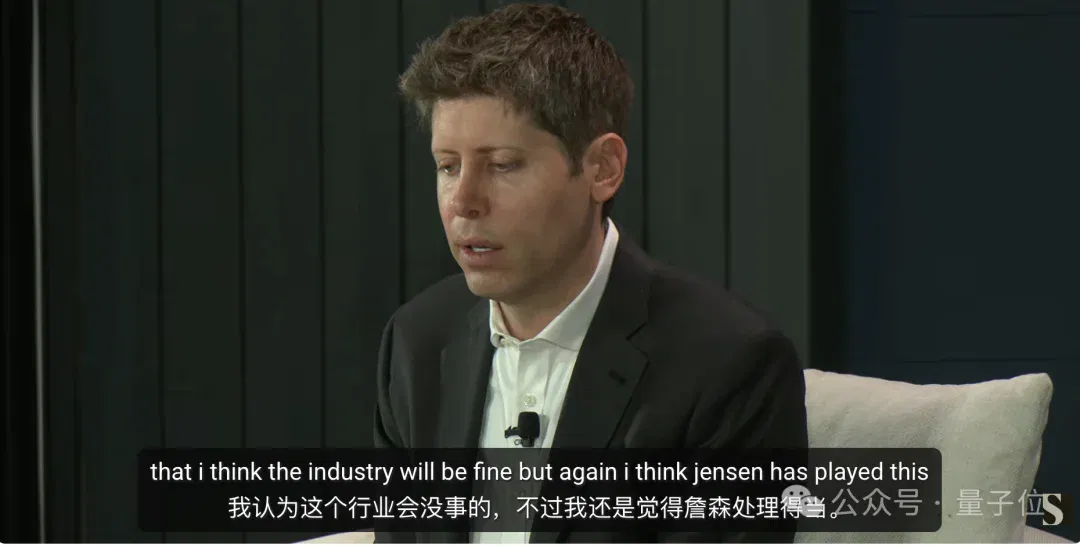
- Huang's departure will not prevent the AI industry from moving forward.
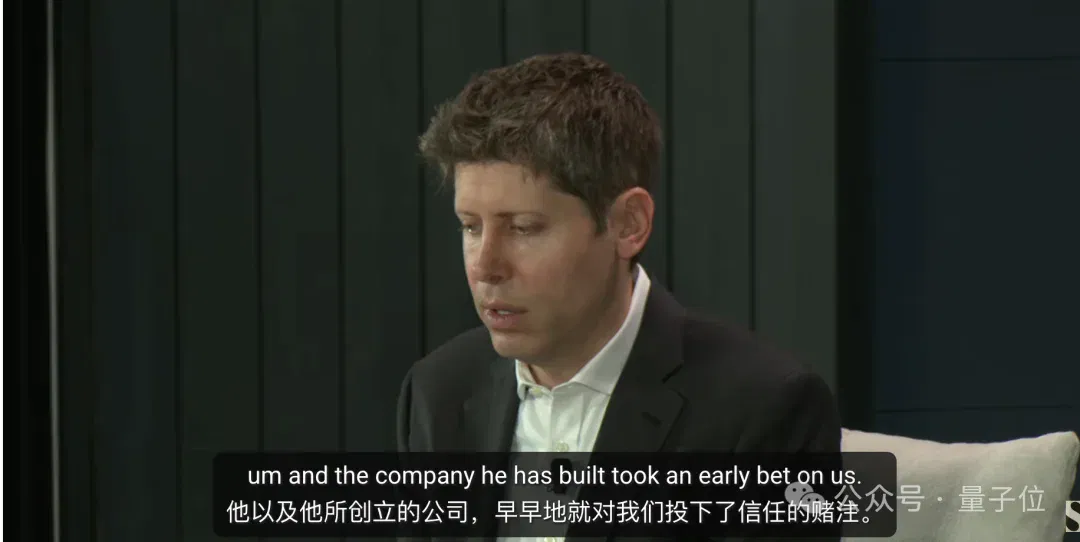
- OpenAI and NVIDIA established a mutually supportive relationship early, each betting on the other.
- Altman said he lacked sufficient information to judge whether Huang should return to NVIDIA.
Three years ago, Altman himself experienced a boardroom dismissal that shook Silicon Valley.
With Huang now facing his own upheaval, Altman can clearly understand the experience better than most.
Altman first addresses Huang's departure: heroes have flaws too
Rewind a few days.
On November 12, NVIDIA founder Jensen Huang, who had led the company for thirty-three years, suddenly announced his resignation as CEO and from the board.
Following the news, NVIDIA shares at one point fell approximately 15% within a week, erasing over $570 billion in market value.
Several Silicon Valley executives, including Elon Musk, subsequently signed an open letter, while 180,000 people signed a petition calling on NVIDIA's board to reinstate Huang.
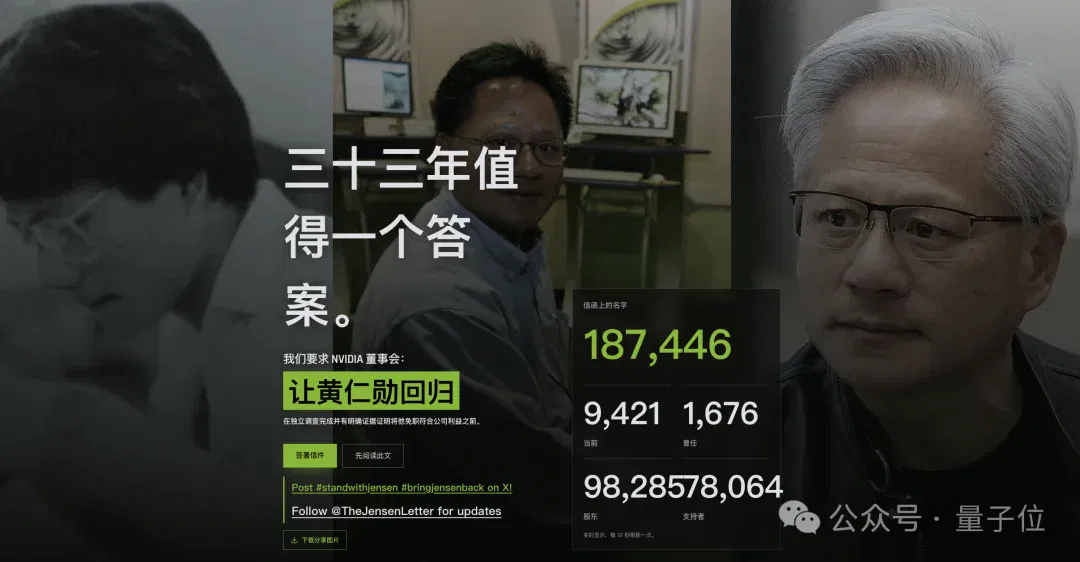
Many observers noticed that the letter supporting Huang used wording
almost identical to the 2023 open letter in which OpenAI employees pressured the board to bring Altman back.
At the Semafor summit, interviewer Reed Albergotti put the question directly to Altman.
After all, in November three years earlier, OpenAI's board had abruptly fired Altman, who made a dramatic return four days later.
Altman acknowledged strong personal empathy for Huang's current situation.
He recalled that NVIDIA had bet on OpenAI early, and OpenAI had likewise bet on Huang.
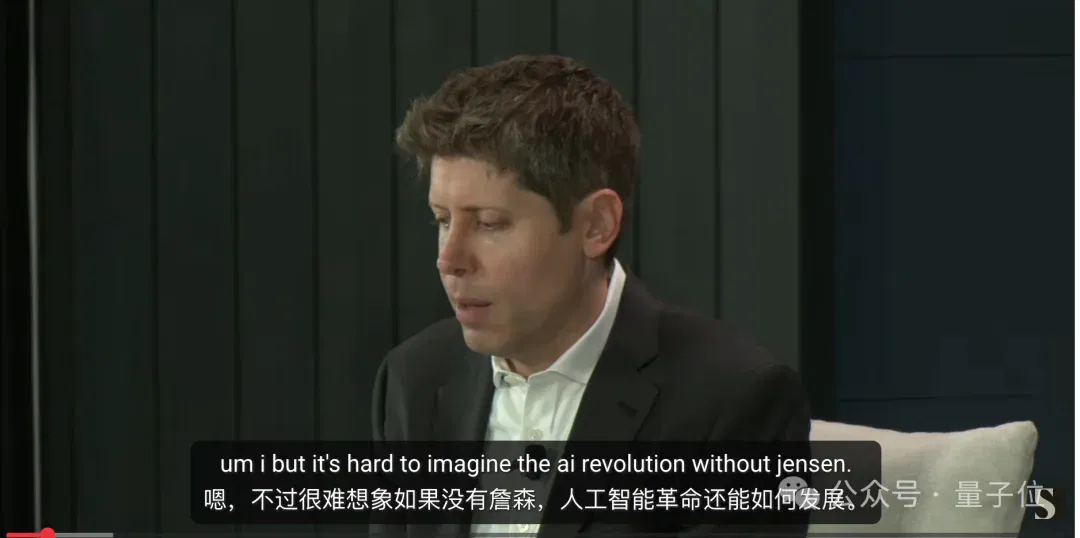
In Altman's view, it is difficult to imagine today's AI revolution without Huang and the NVIDIA he built.
But personal feelings and business are separate matters.
Asked whether NVIDIA's commercial commitments still carried the same weight after Huang's departure, Altman gave a pragmatic answer.
Over recent years, NVIDIA has been not only OpenAI's largest chip supplier but also one of its most important financial backers.
Not long ago, NVIDIA agreed to provide up to $105 billion in financial guarantees for OpenAI's Ohio data-center project.
Figures show NVIDIA's investments and commitments across the AI ecosystem have exceeded $100 billion, covering key players including CoreWeave, Nebius and Anthropic.
Observers widely worry that if CFO Colette Kress becomes interim CEO, NVIDIA could retrench, affecting liquidity throughout the AI industry.
Altman disagreed with that pessimistic view.
He noted that NVIDIA is now an enormous company, and people still have considerable confidence in its capacity to provide guarantees.
Altman was also optimistic about whether the AI industry might lose momentum without Huang.
He said demand for AI is strong, its value has been demonstrated, more people are genuinely using it, and industry revenue and market demand are growing robustly.
Therefore, even if Huang leaves, the AI industry can continue moving forward.
Altman also emphasized that Huang's extraordinary ambition had played an unusually special and valuable role in advancing AI.
Asked where the next AI breakthroughs would come, Altman pointed to scientific research.
He said that over recent months AI had begun showing potential to drive discoveries in mathematics, physics and other fields, with exciting advances emerging.
In his view, this is only the beginning.
As models improve, AI may participate in complex engineering such as chip design, helping solve technical problems that previously required substantial expert effort.
Work within enterprises will also change:
Many repetitive, process-driven tasks may gradually be handed to AI.
From scientific discovery and engineering design to everyday enterprise operations, Altman hopes AI will take on increasingly complex practical work and create new economic value.
Clarifying the RAM controversy, data centers and IPO questions
Beyond discussing his longtime partner Huang, Altman directly addressed several recent public criticisms in the interview.
First were his remarks about RAM that had angered PC enthusiasts.
Earlier this month, global DRAM prices surged under pressure from AI compute demand, at one point rising five- to sevenfold.
Altman had said in an interview that it was unfortunate to see scarce RAM sitting in ordinary people's PCs when it could do more in AI data centers.
The remarks quickly drew ridicule in overseas communities, with some PC builders nicknaming him Ram Altman.
At the summit, Altman took the opportunity to clarify, saying his earlier remarks had been misunderstood.
He now said
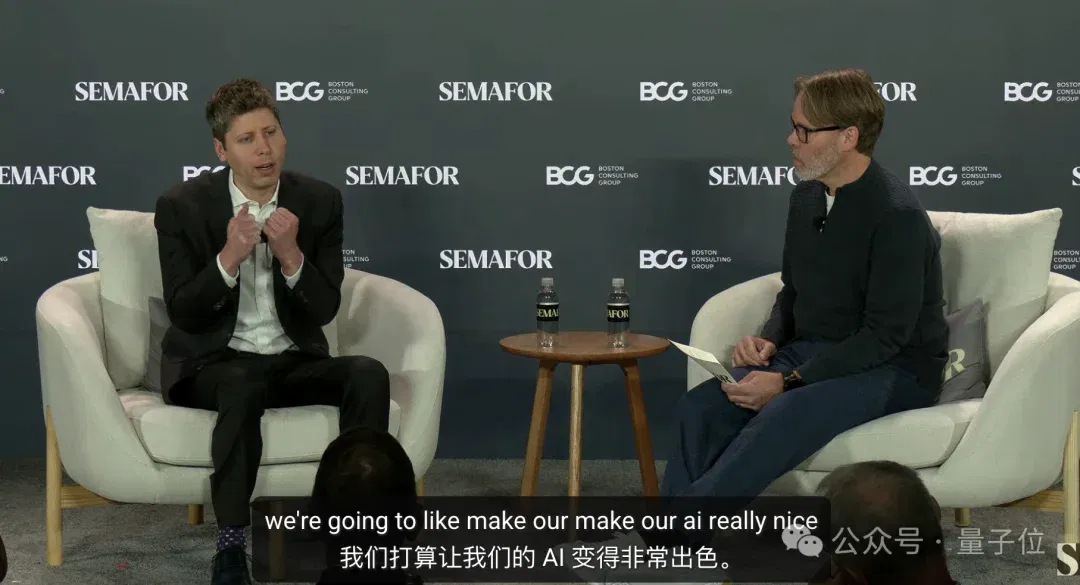
he actually hoped everyone could afford and should install plenty of RAM in their computers, and that he strongly supported people experimenting with hardware at home.
Next were the practical issues of double counting AI-chip demand and difficulties getting data centers built.
Earlier reports said Altman had told Samsung executives there was a bubble of duplicated chip-demand estimates in the market.
At the event, Altman explained the logic.
Many companies are developing AI chips, he said, and every supplier expects to sell most of its capacity to a few leading model companies such as OpenAI and Anthropic.
But buyers such as OpenAI do not need to buy all the chips from every supplier, causing expectations upstream to overlap.
He emphasized, however, that actual demand to build data centers remains genuine.
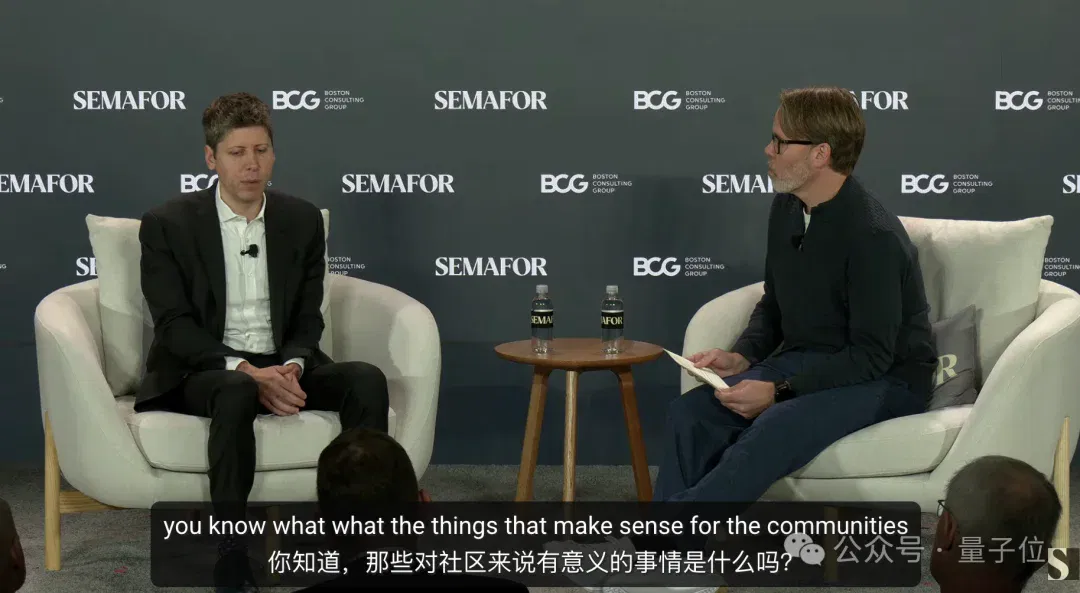
Altman acknowledged that the old approach of building data centers near residential areas no longer works. Future developers must locate them far from population centers.
Altman also discussed the latest progress in OpenAI's internal recursive self-improvement, or RSI.
He said OpenAI had begun using AI to accelerate its own model R&D.
However, he explicitly said OpenAI had not yet initiated fully autonomous RSI: AI continuously improving itself without human supervision.
The reason is that the process cannot yet be made sufficiently safe.
As AI capabilities grow, ensuring humans always retain control will also be an important problem for OpenAI.
Finally, Altman gave his latest view on capital-market developments.
This week, rival Anthropic had just begun its closely watched IPO process.
Some analysts worry Anthropic's listing could absorb substantial Wall Street capital first, leaving less fundraising room for OpenAI.
Altman appeared calm about this:
In his view, investor demand in the private market over the past year has far exceeded the supply of quality assets. He is not worried about a future lack of financial backing.
Giving more ordinary people an opportunity to invest in OpenAI and share the economic gains of AI development is also an important reason to go public.
But he acknowledged that being a public company has practical disadvantages during the industry's current volatility.
Although OpenAI will enter public markets at some future point, it is not rushing now.
Reference:
[1]https://www.youtube.com/watch?v=oi-E6xB4wSU&t=39s
This article was originally published by QbitAI. Author: Mengyao.
Related topics
After reading
Join the AINRK community
Read how to join the community and connect with people working in AI.
Related articles
Continue reading related topics and articles in this category.

奥特曼:谁来决定AI该比人类聪明多少? (opens in a new tab)
报道整理奥特曼访谈中关于超级智能控制权、研发速度及权力集中的讨论,并回顾模型监测与人类复核机制。软件任务时长、IQ测验和科学验证是不同尺度,不能直接换算智力差距,也不能据此确认完全自主RSI已经实现。
奥特曼谈下一代 GPT:万级 Agent 数学实验与开放安排 (opens in a new tab)
奥特曼在 ADIPEC 回顾约1万个 Agent 参与的数学研究,并预告下一代 GPT。文章同时梳理研究人员设题、调配资源、整合结果与形式化验证的流程;具体型号、发布时间,以及公众能否调用同等协作系统,尚未公布。

奥特曼预告下一代 GPT,回顾万级 Agent 数学研究 (opens in a new tab)
奥特曼在 ADIPEC 演讲中回顾 OpenAI 的数学研究并预告下一代 GPT。官方技术说明显示,万级 Agent 实验仍包含研究人员设题、资源调配和结果整合,不能等同完全无人参与;具体型号、发布时间及公众能否使用同等系统仍待确认。

奥特曼谈 AI 科研投入:未公开的数学发现与后续验证 (opens in a new tab)
奥特曼在 Cheeky Pint 访谈中谈到尚未公开的数学发现及成果发布的两难。文章结合研究者对数学手稿的修订、预印本中的大模型使用披露和生物学实验案例,讨论 AI 提出结果后,人类如何继续核查、解释与验证。
奥特曼谈本地 AI 与云端算力:低利用率内存该如何配置? (opens in a new tab)
在 Cheeky Pint 访谈中,奥特曼从全球 DRAM 供应紧张与利用率出发,认为为低频本地 AI 配置大量闲置内存不如集中于云端,并批评厂商扩产保守。文章也讨论科学研究成本、智能体与计费方式;这番资源配置主张引发了围绕本地计算和个人硬件选择的争论。