Doubao adds map-based store discovery linking merchant details, deals and navigation
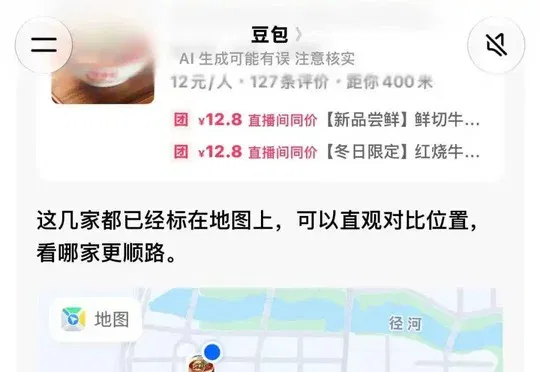
Dujia tests Doubao’s Find Stores feature, which displays nearby merchants, group-buy offers and navigation and connects to ordering. The report examines conversational AI in local services; actual pages determine feature availability.
Dujia has learned that the Doubao app recently launched a Find Stores feature. In addition to meeting users' needs to find stores, it expands Doubao's visual local-service capabilities and exposure for merchants. This is another application in local-service scenarios following the launch of the Travel with Doubao super entry point and the integration of ride-hailing, navigation and hotel-booking capabilities.
How can you try the Find Stores feature? Users can ask Doubao about what they need, and Doubao will mark matching merchants on a map in a batch. Clicking a store icon takes them directly to the merchant's page, where they can view group-buy packages and place an order directly, as well as launch navigation with one tap. The map can also search for nearby places of various kinds, including food outlets, attractions and gas stations, providing a one-stop way to find places close by.
A practical new Doubao feature: Find Stores
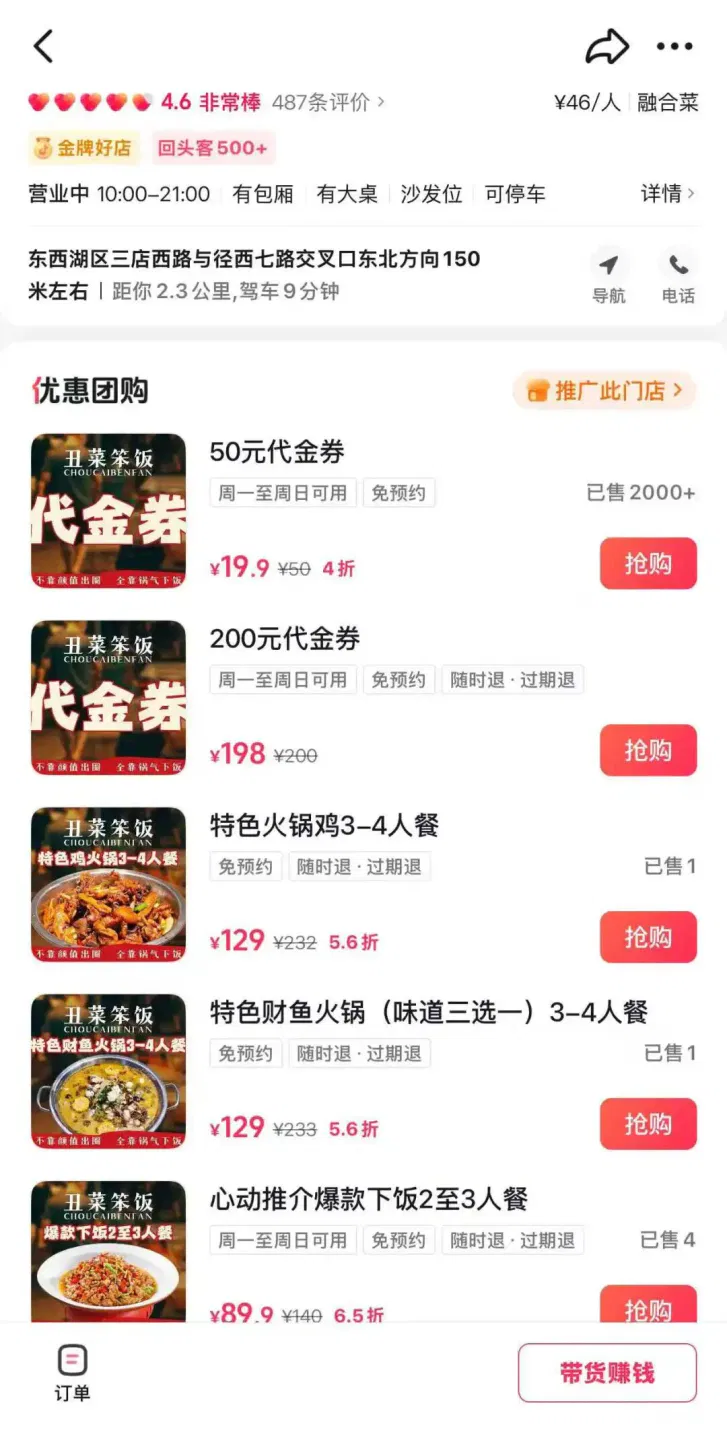
In hands-on testing, Doubao's Find Stores feature differs from simply recommending restaurants in text. When a user asks where to eat nearby, in addition to recommending nearby restaurants and group-buy deals, Doubao directly marks all the selected stores on the map at once. This clearly shows each location, making it possible to see at a glance which one is along the user's route.
For example, if you ask Doubao what good restaurants are nearby, it will mark stores such as Hu Chuanji Huaxi Beef Rice Noodles and Choucai Benfan on the map at the same time. Opening a store lets you see its rating, group-buy vouchers and packages. For users who only want to find a restaurant along their route quickly and do not want to look through merchant cards one by one, this
map visualization is considerably easier than a text list.
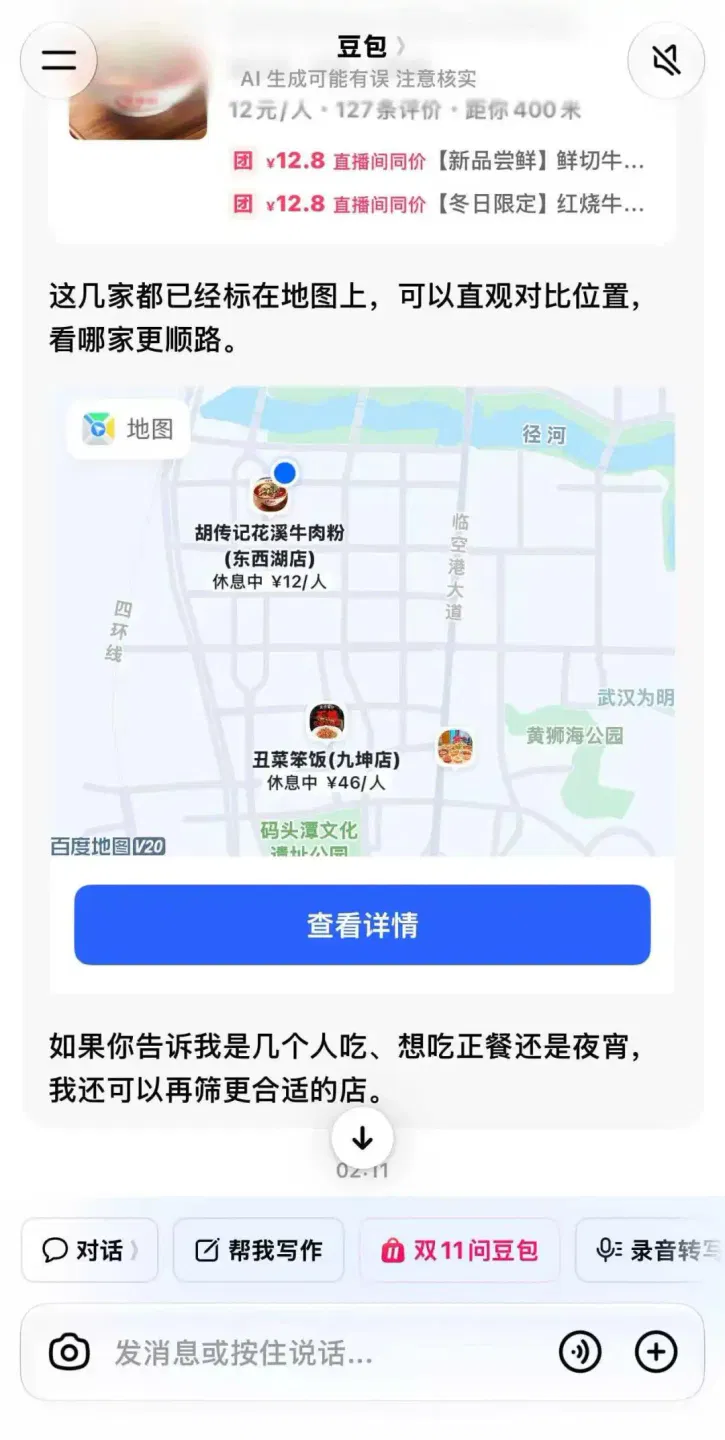
Listings include per-person spend, opening status, group-buy packages and map/detail links.
Users compare locations inside the conversation without copying names and repeatedly switching to a map app.
A route button beside each entry launches real-time navigation.
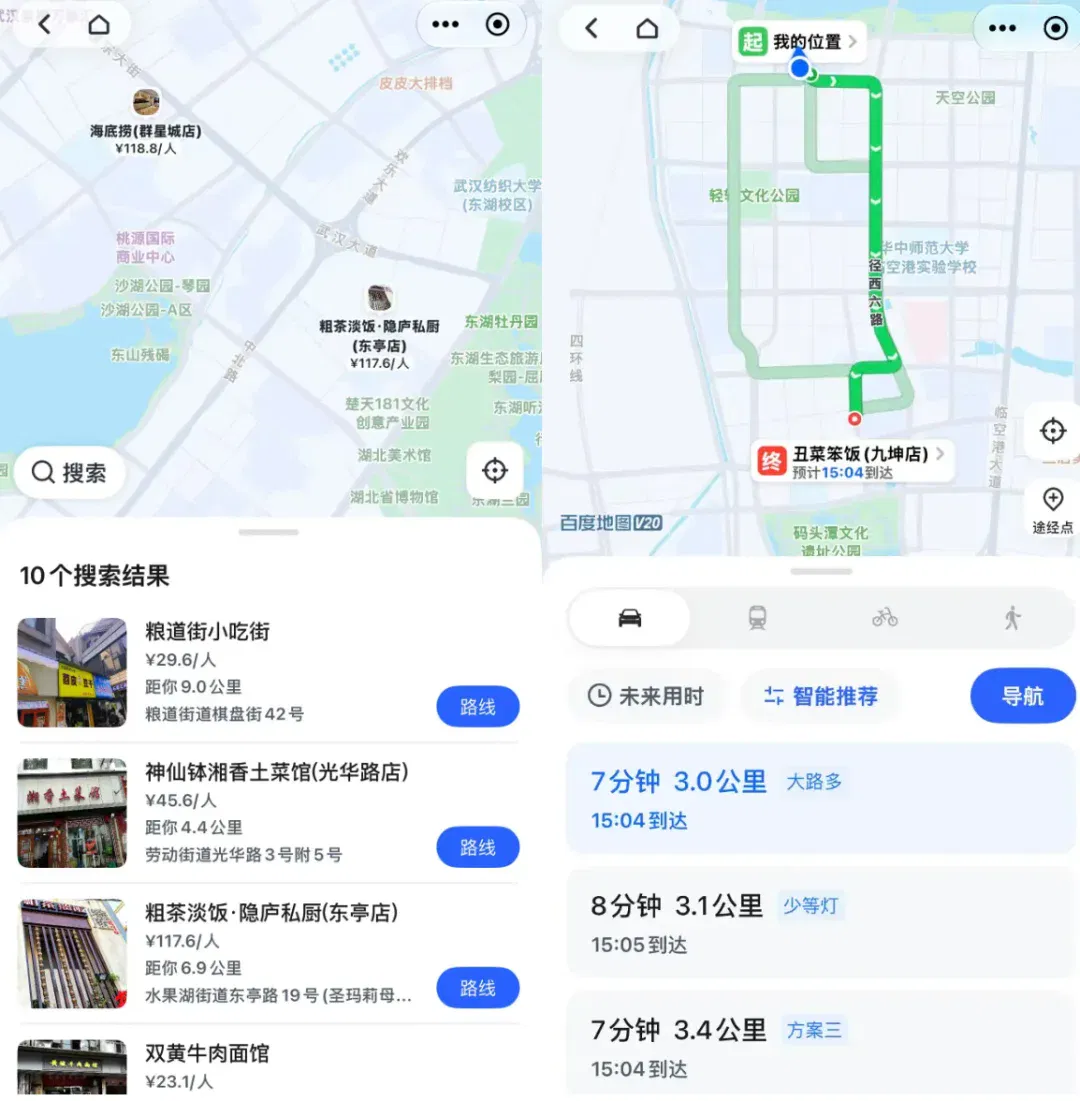
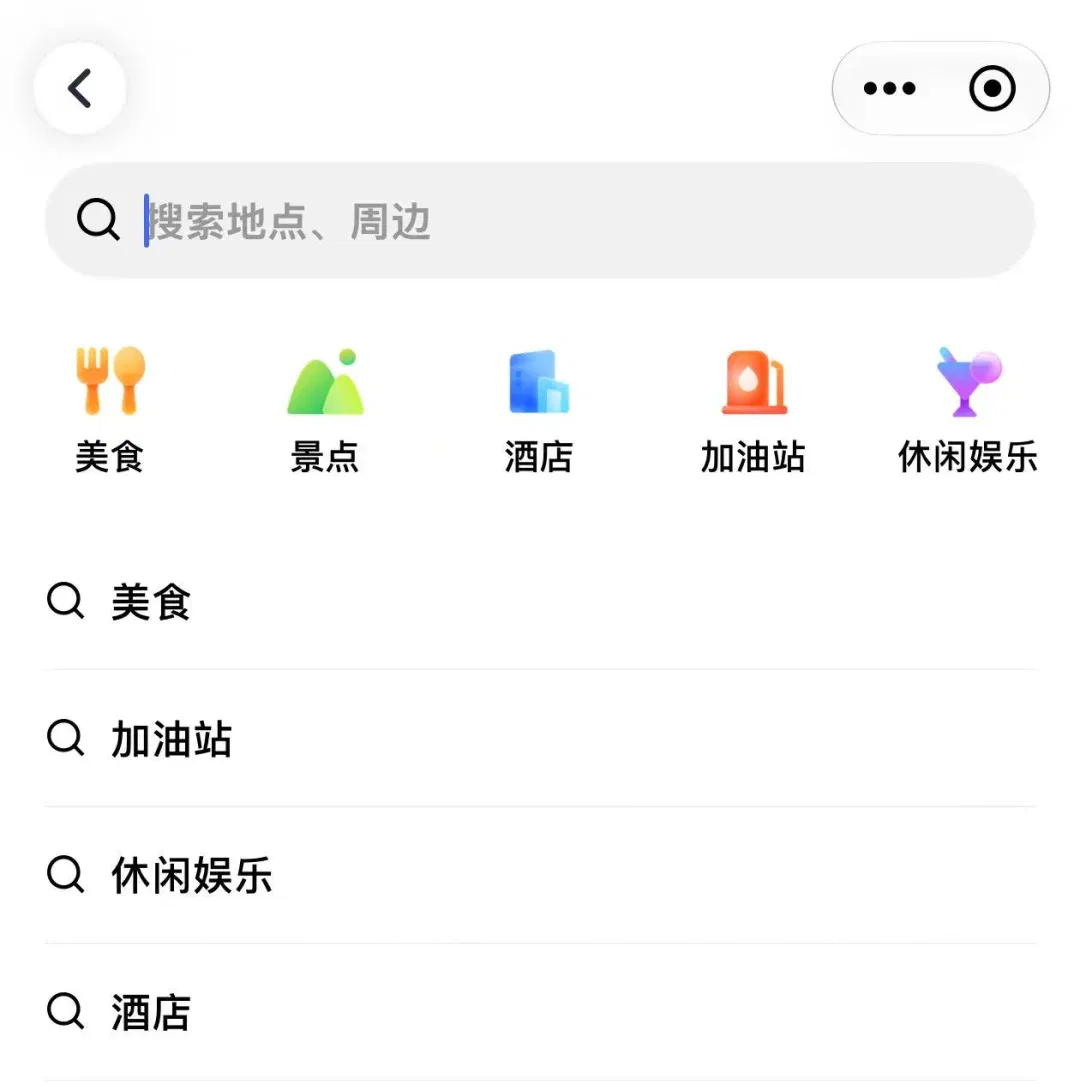
Doubao's store-finding capability is not limited to food. It also lets users actively search for nearby attractions, hotels, gas stations, leisure and entertainment venues, and other places. Entering keywords in the search bar finds the corresponding nearby merchants, effectively putting local-service search inside an AI conversation.
Clicking a store's logo on the map takes you directly to the merchant's page, where you can see multiple group-buy packages and vouchers and buy them with one tap. The entire process takes place within Doubao. Users can also add conditions such as party size, a regular meal versus a late-night snack, and budget, allowing AI to filter the stores a second time.
For merchants, this feature undoubtedly provides additional entry points and exposure for businesses in the Douyin ecosystem. Doubao's map-based scenario could become a new business opportunity for them.
Interestingly, Meituan and Xiaohongshu have already launched standalone entry points for finding stores on a map or related features. These products take very similar approaches: they all put stores on a map layer and use geographic location to inform consumption decisions. Their underlying starting points are similar as well.
Map-based store discovery is intended to strengthen the platform's advantage in in-store consumption. The core objective is to shorten the conversion path from 'viewing locations' to 'ordering group-buy deals and buying vouchers.' Every capability is built around completing the transaction loop.
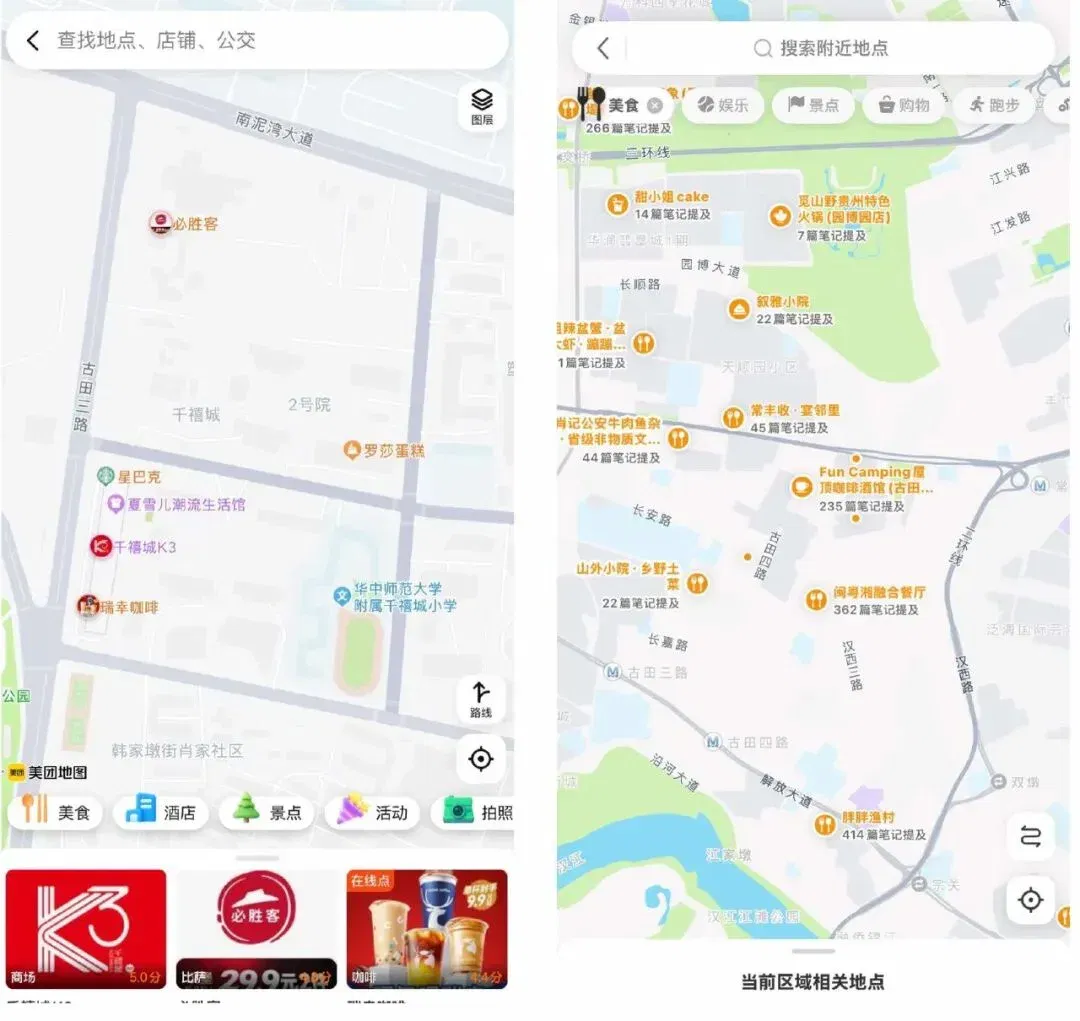
Caption: Meituan map discovery on the left; Xiaohongshu map search on the right.
Doubao accelerates commercial capabilities for in-store consumption
Find Stores brings conversational AI into offline consumption. Previously, restaurant requests produced text lists, followed by copying names and switching between map and deal apps to locate stores and buy packages—a fragmented process.
The article views this primarily as improving the assistant rather than competing for group-buy business. Users describe budget, party size and preferences; AI filters stores and maps them for distance comparison. Icons lead to details, deals, orders and navigation, combining discovery, purchasing and travel on one page.
It addresses the pain point of question-and-answer interactions being disconnected from offline action. Traditional platforms require users to search and filter manually, while natural-language interaction saves a large number of operations.
Text answers alone have limited value. Connecting recommendations with in-store purchases and navigation lets AI move beyond chat and handle everyday errands.
Map discovery is a key step toward Doubao’s offline services.
This article was originally published by the Dujia WeChat Official Account. Author: Dujia.
Related topics
After reading
Join the AINRK community
Read how to join the community and connect with people working in AI.
Related articles
Continue reading related topics and articles in this category.
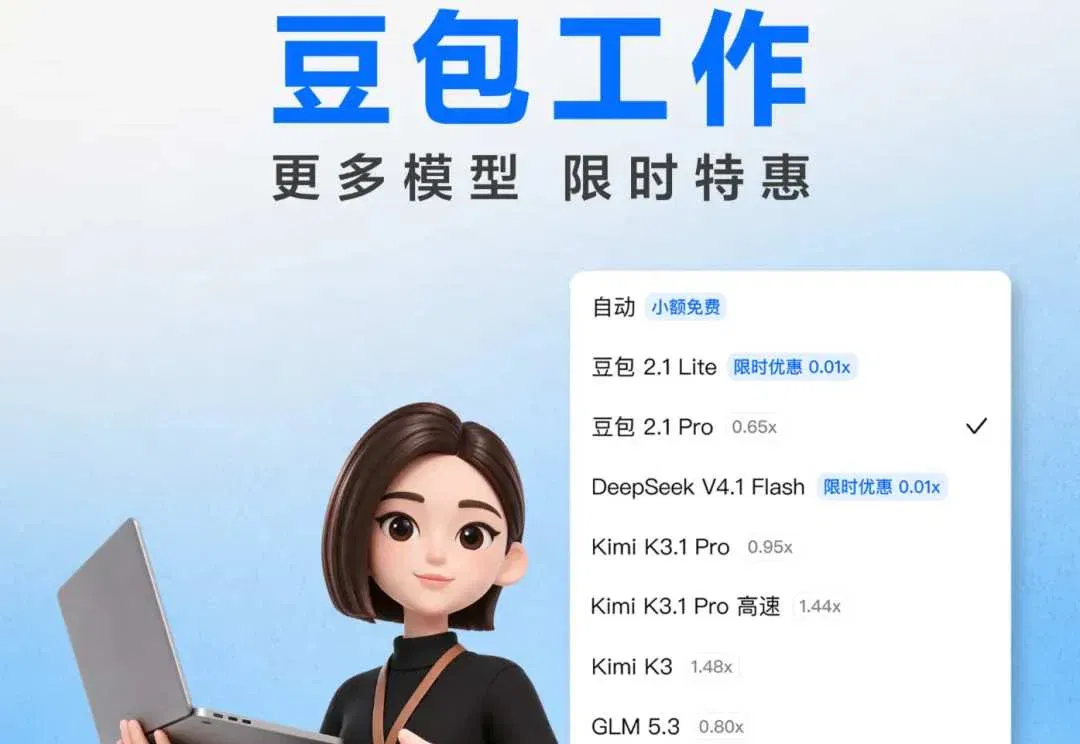
Doubao Work adds Kimi, GLM and DeepSeek and displays model credit multipliers (opens in a new tab)
The platform expands third-party model choices, adjusts some credit multipliers and introduces limited-time discounts, letting users choose models for different tasks within one work interface.

赵祺负责豆包前,怎样积累产品、增长与组织经验 (opens in a new tab)
报道回顾赵祺从豆瓣阅读、豌豆荚到字节跳动的履历,以及他接手豆包后面对的产品整合和商业化课题。月活与组织变化按原报道时间和口径呈现。

Claude Code 和 Codex 里的个人资产,可以跳槽到豆包工作了 (opens in a new tab)
把 Claude Code 和 Codex 搬进豆包工作,只需点一下。
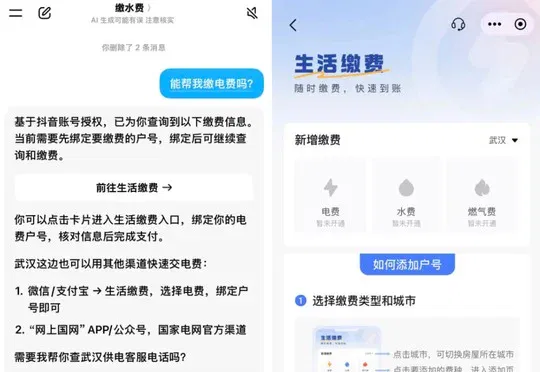
独家 | 豆包新增“生活缴费”,会是下一个超级App吗? (opens in a new tab)
豆包新增“生活缴费”功能,用户可通过语音或文字唤起水、电、燃气缴费服务卡片,但城市覆盖、服务商对接及支付闭环仍在推进。

独家 | 豆包的AI个人助手产品叫“小豆”,计划推出独立App (opens in a new tab)
独家获悉,豆包的AI个人助手产品命名为"小豆",计划推出独立App,目前处于内部测试阶段,最终版本可能调整。