Alibaba’s HappyShrimp launches a mobile app; media trial explores songwriting and sharing
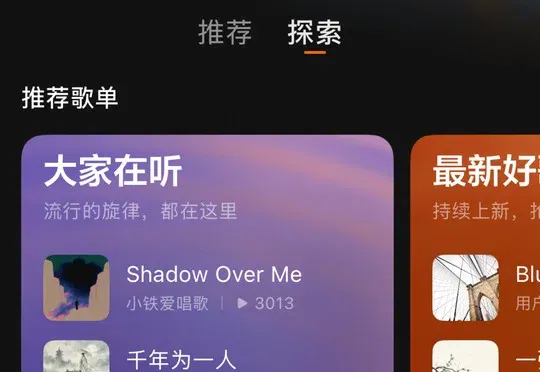
Zhidongxi tried mood prompts, original lyrics and reference styles, recording generation times of about one to two minutes while noting limitations in vocal nuance and melody.
Editorial correction (November 16, 2026): Comments on musical style and listening impressions reflect a media trial. Listening alone cannot determine whether a work raises copyright issues or prove that the generative model performed real-time news searches.
Ask AI to write a song in one sentence, and get a finished piece in one minute.
“The chips are still computing, the world is still growing; at the next launch event, though, we will remember that familiar figure.” I asked AI to write a song for Jensen Huang. He did not cry; I did.
Zhidongxi reported on November 13 that Alibaba’s AI music creation platform HappyShrimp officially launched its app that day, becoming available on both iOS and Android.
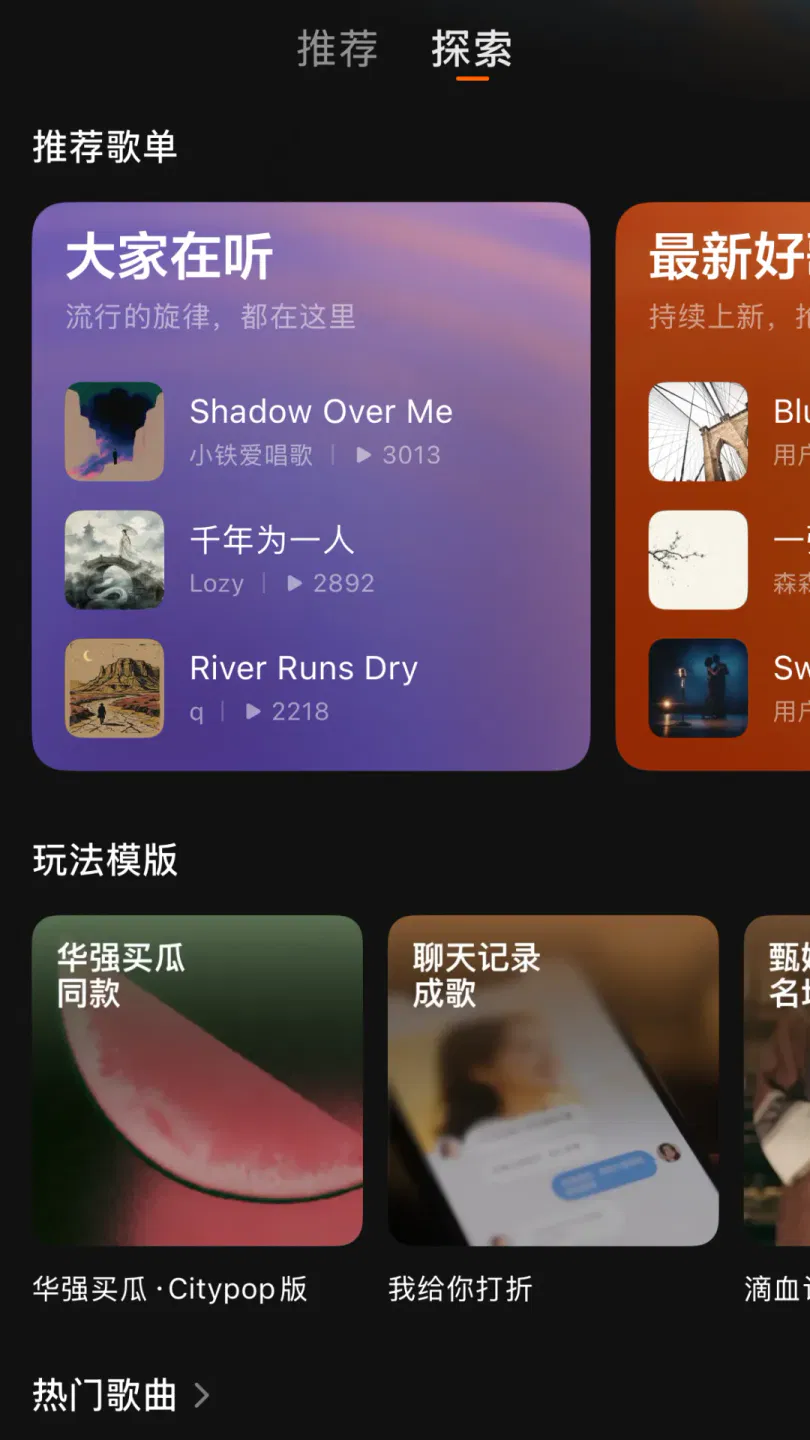
▲ Screenshot of the HappyShrimp app’s iOS home screen
In mid-August, Alibaba launched its HappyShrimp 1.0 AI music model, initially focused on the web. The newly launched HappyShrimp app targets everyday users creating and discovering AI music. Users describe a mood, story or musical style, and AI handles the lyrics, composition, arrangement and vocals.
Zhidongxi tried the HappyShrimp app immediately after launch and found that it could understand relatively complex natural-language input fairly accurately, match an appropriate musical style, and incorporate knowledge and topical events into its creations. Its lightweight workflow was a highlight: a simple two- or three-step process. Generation was fast, taking about one minute to produce a song roughly three minutes long.
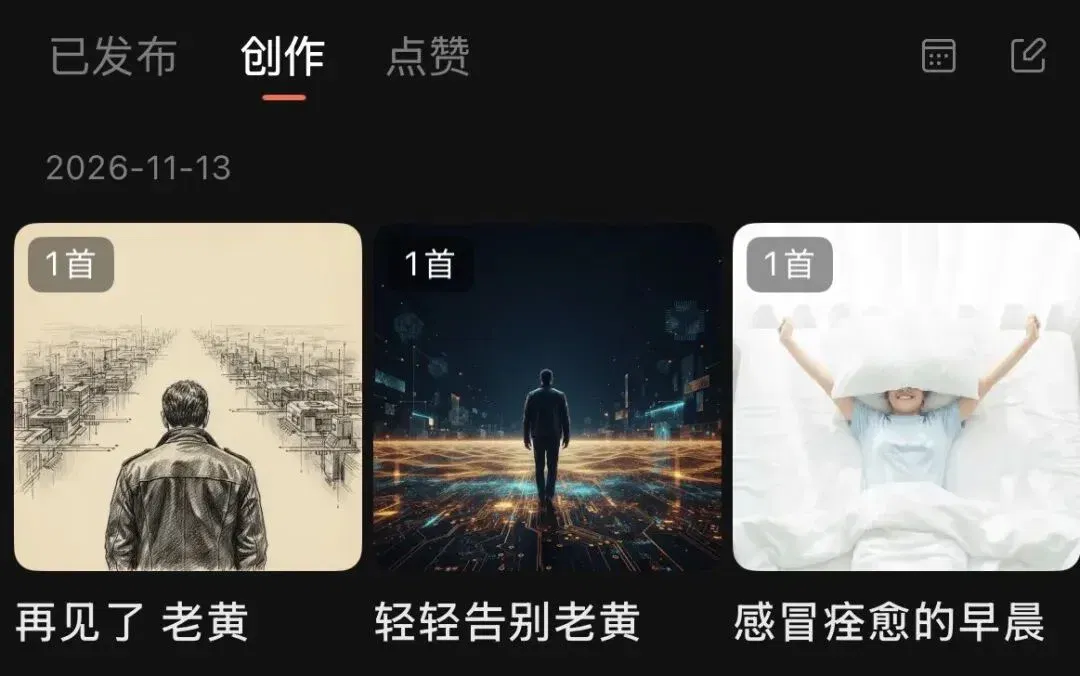
First, I entered a description of a feeling: “My cold has mostly cleared up. After making an active effort, releasing the pain brings relief and happiness.” In about one to two minutes, HappyShrimp used that simple sentence to generate the song below, titled “The Morning My Cold Cleared Up”.
The song sounds relaxed and soothing, and its expanded lyrics stay close to the feeling in the prompt: “Breathing deeply, as light as a cloud; all pain reset to zero, happiness awakening in my veins.” The descriptions feel vivid and tangible. Still, the vocals retain an “AI sound”: stable, but lacking the variations in texture of a real human voice.
Next, I raised the difficulty, asking HappyShrimp to write a song on the theme “Jensen Huang announces his resignation; use this as the starting point for a farewell song to an era.” I requested an emotional progression “from lightness and amazement to reluctance and reflection, ending with the unpredictability of time and eras,” and specified the theme: “One person once changed the world, but the world will ultimately keep moving forward.”
This was intended to test whether HappyShrimp could recognize that “Lao Huang” referred to Jensen Huang, keep the music and lyrics focused on the theme, convey a progression of emotions, and demonstrate agent capabilities such as searching topical news.
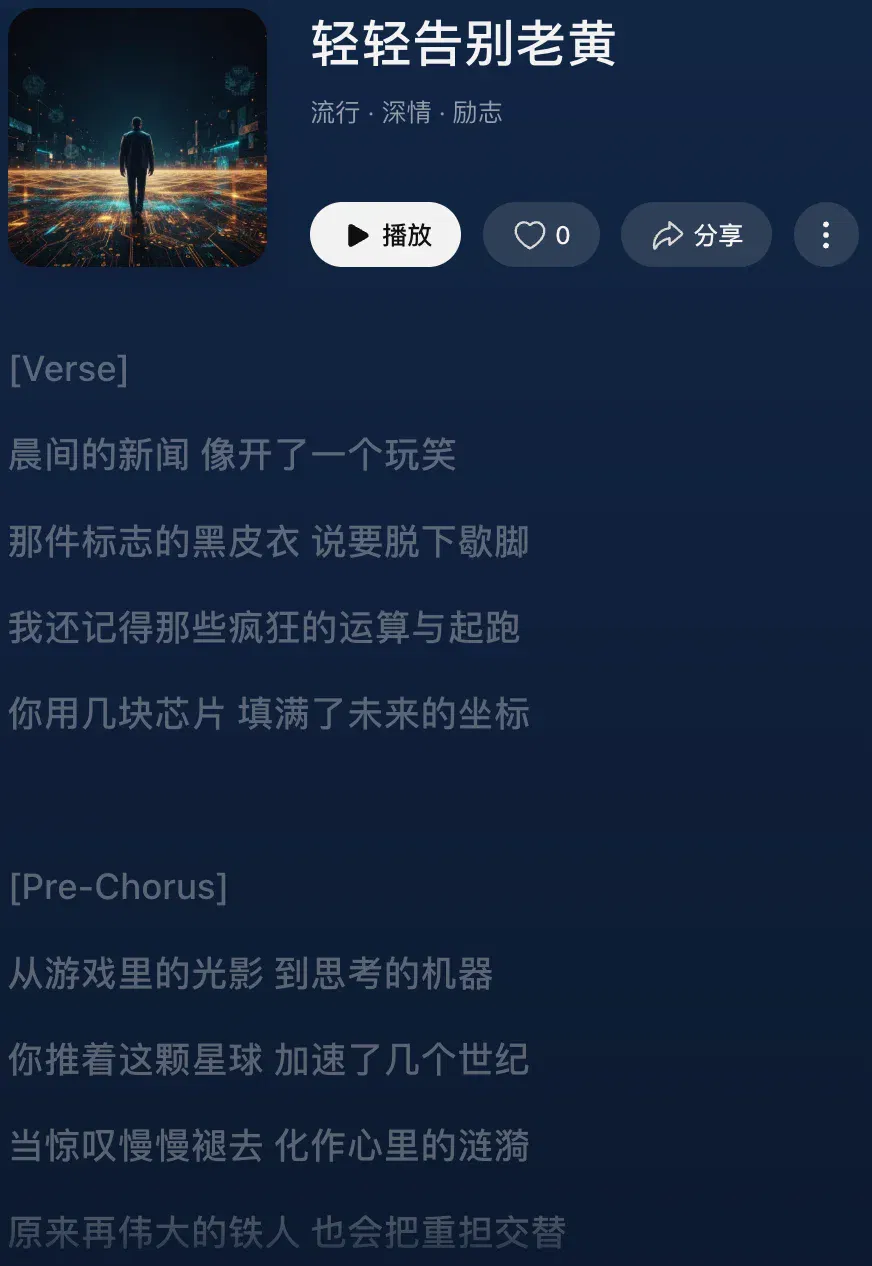
As shown below, HappyShrimp generated “A Gentle Farewell to Lao Huang” in about two minutes. The author judged that its lyrics correctly identified the news facts and developed the theme with depth and catchy rhymes. The pop style and bold vocal delivery matched Huang’s eventful career. Overall, though, the melody was fairly conventional and, from an ordinary listener’s perspective, not particularly striking.
What if Xu Fei wrote a song for Huang? I added the prompt “a compositional style similar to ‘The Prose Poems My Father Wrote’.” The app also supports uploading lyrics, so I uploaded lyrics I had written and asked HappyShrimp to generate the song again.
The author felt this version came closer to the requested artistic style and had subtler layers than the first two songs. This is a listening assessment; listening impressions alone cannot establish that a work is free of plagiarism or other rights issues.
HappyShrimp also added an image of Huang seen from behind. The visual suggests a technology leader departing the stage, leaving room for reflection.
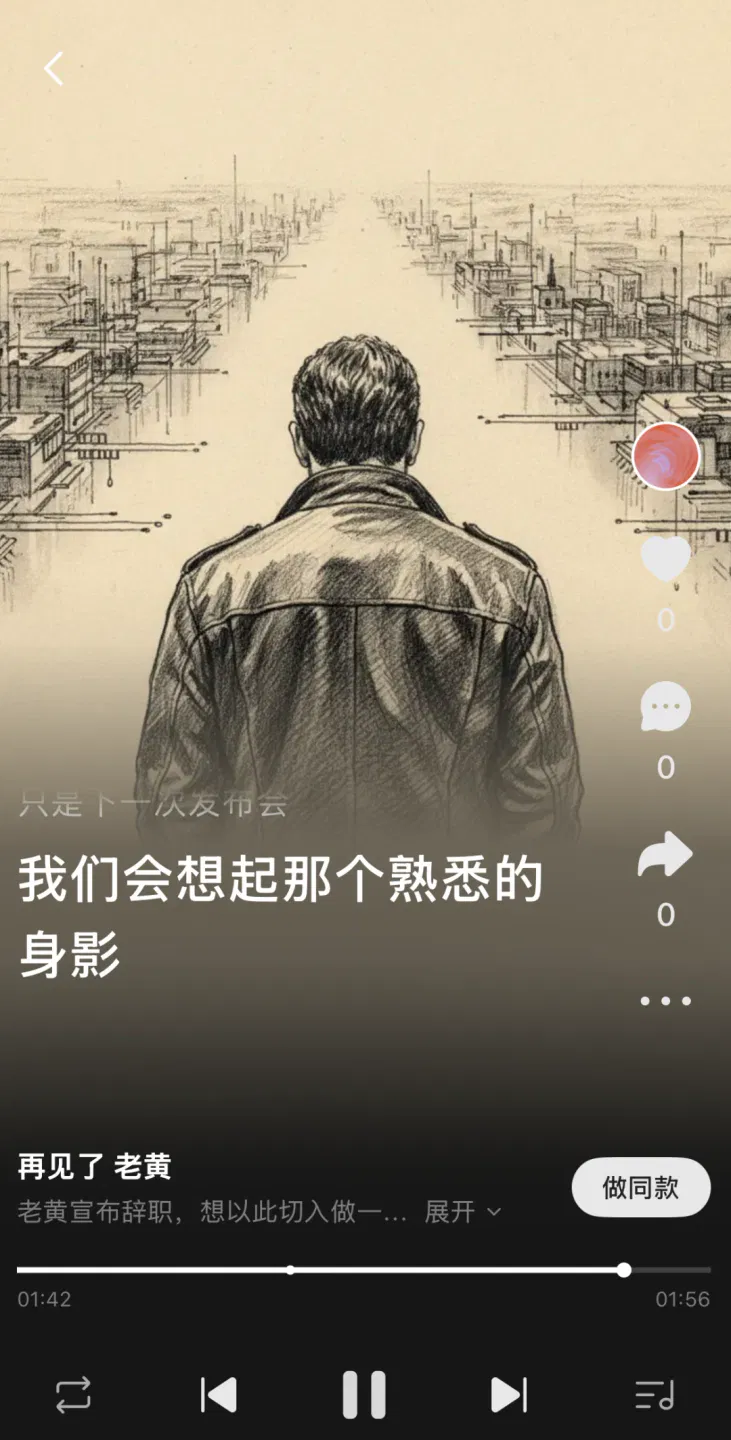
Besides creating their own music, users of the HappyShrimp app can also select “Make a similar one”. After discovering a song they like in the immersive music feed—for example, an INFJ song—they can reuse its creative idea with one tap, enter their own MBTI type and quickly generate a personalized version.
HappyShrimp already contains AI-created music shared publicly by a group of users, and a chart of popular songs has been generated from those works.
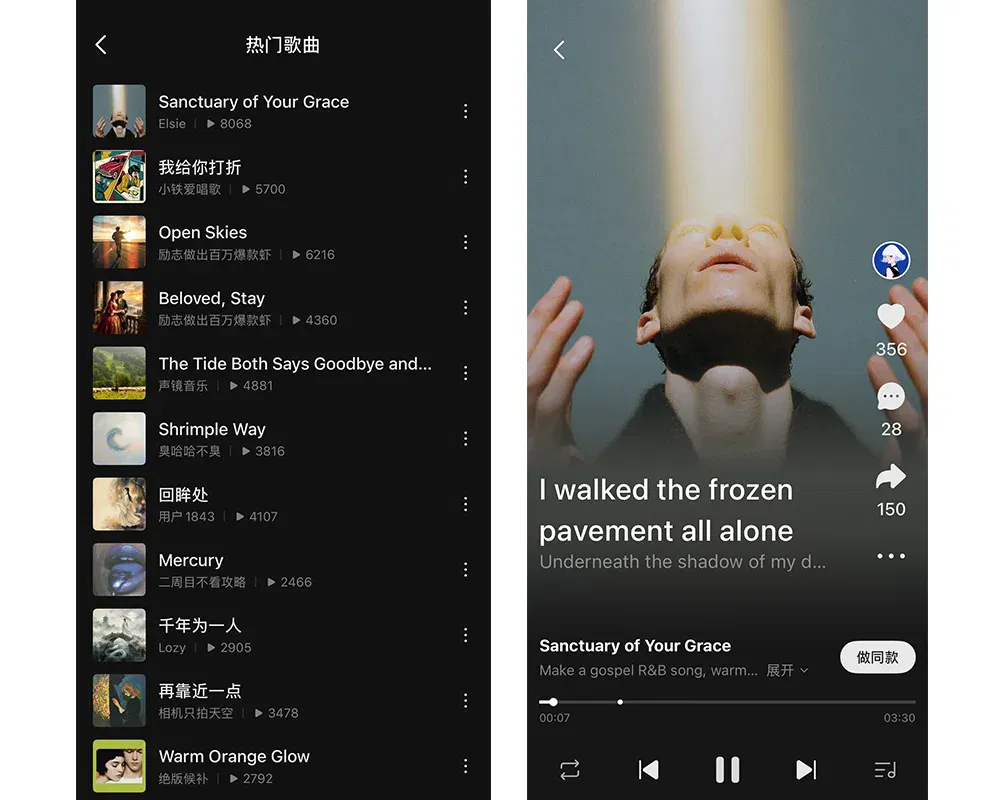
Overall, our experience suggested that, compared with the PC web version, which is better suited to lengthy, detailed creation and managing works, the HappyShrimp app places more emphasis on capturing inspiration on mobile, lightweight creation, discovering content and interactive sharing.
This article comes from the WeChat public account “Zhidongxi” and was written by “Zhidongxi”.
Related topics
After reading
Join the AINRK community
Read how to join the community and connect with people working in AI.
Related articles
Continue reading related topics and articles in this category.
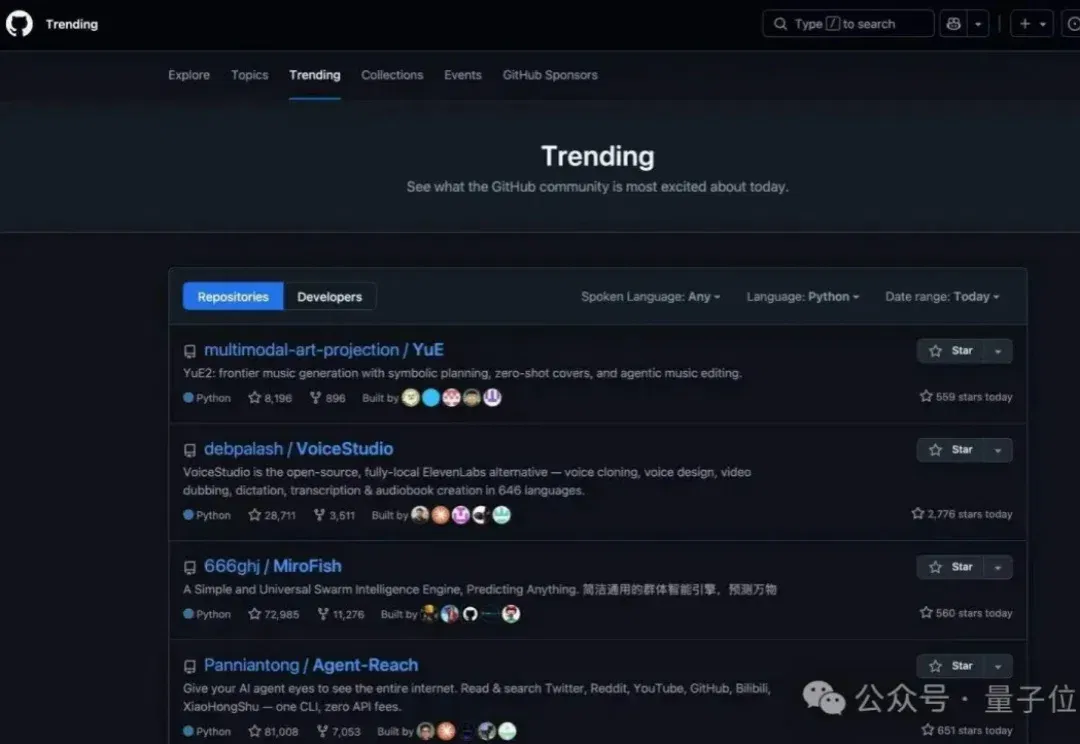
Suno最强开源对手来了:4090一分钟出歌,把AI音乐从抽卡变成可编辑工程 (opens in a new tab)
近期,香港科技大学联合M-A-P、NOIZ AI、斯坦福等机构发布并开源了一个统一符号与音频音乐生成的模型YuE2,将开源音乐生成的质量推向与前沿闭源模型正面竞争的位置。
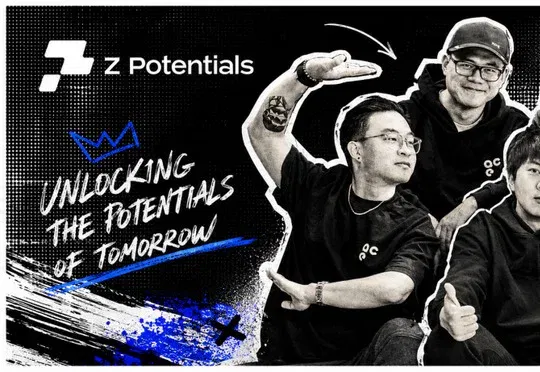
深度|完成4000万美金融资,ACE成为AI音乐赛道融资额最高的华人团队 (opens in a new tab)
AI音乐公司ACE完成近4000万美元融资,成为AI音乐赛道融资额最高的华人团队之一,资金将用于自研音乐基础模型研发、全球团队扩张及面向大众市场的新产品Miya。
100%纯血国产AI反超Suno!一个下午做出百万预算主题曲 (opens in a new tab)
日产7.5万首,播放却不到3%。 这是流媒体平台Deezer最新披露的一组数据。AI歌曲每天涌入平台的速度,从2025年初的1万首飙升到如今的7.5万首,占当日新增上传的44%。但实际播放占比,只有1%-3%。 产能炸了,产品却过不了人耳这一关。 尤其是在中文世界,这个矛盾更加尖锐。全球最顶级的AI音乐公司Suno,估值54亿美元,做英文歌确实能打。 但做中文歌?也很抱歉。 咬字发飘、情绪悬浮、转音别扭,用户甚至总结出了一套绕路技巧,把复杂中文字换成拼音,才能让模型生成出勉强准确的发音。 我们的母语,反而成了AI音乐最不擅长的语言。 这背后不是模型「调得不够好」,而是一道架构题。 为什么中文歌
独家 | 阿里打造新“虾米”,推出AI音乐平台“Happy Shrimp” (opens in a new tab)
我们很好奇:AI音乐,能否改写版权为王的竞争规则?

Mureka V9.5重磅发布,AI音乐告别“AI味”|甲子光年 (opens in a new tab)
AI音乐开始进入“审美竞争”阶段。 7月19日,昆仑万维在2026世界人工智能大会(WAIC 2026)上举办了“世界模型与多模态范式跃迁”论坛。 这场论坛的嘉宾横跨学术、产业和文娱领域。从中国科学院院士周志华、Reactor AI CEO Alberto Taiuti,到清华大学交叉信息研究院助理教授、破壳机器人创始人许华哲、黎曼机器人创始人刘扬,再到黄晓明、王珞丹、《消失的她》导演崔睿、爱奇艺高级副总裁杨海涛和甲子光年创始人兼CEO张一甲,不同背景的嘉宾围绕技术突破、内容生产和产业落地展开讨论。 当天,昆仑万维发布和升级了三款模型:可交互世界模型Matrix-3.5、AI音乐大模型Mure