Huiwen Wang's family office reportedly backs AirBuild, focused on iOS app development and submission
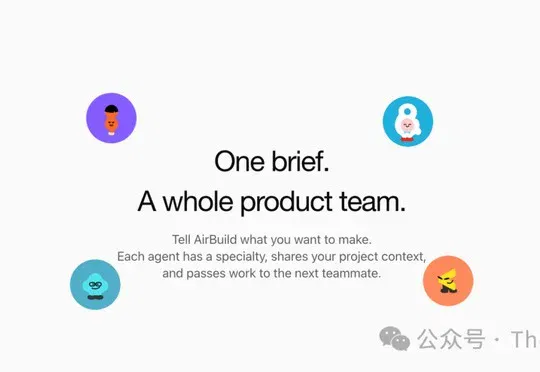
AirBuild coordinates planning, design, coding and App Store review feedback through multiple agents for independent developers. Investment terms are undisclosed, and automated submission does not guarantee approval.
Key takeaways: In November 2026, Lollapalooza Capital, the family office of Meituan co-founder Huiwen Wang, invested in AI application-development company AirBuild. Compared with AI coding tools that focus mainly on code generation, AirBuild concentrates on native iOS app development, using multiple AI Agents working together to complete product design, coding, and testing, and extending automation to App Store review, release, and subsequent maintenance. AirBuild hopes to let entrepreneurs without a specialist technical team independently complete the entire process of taking an application from an idea to launch.
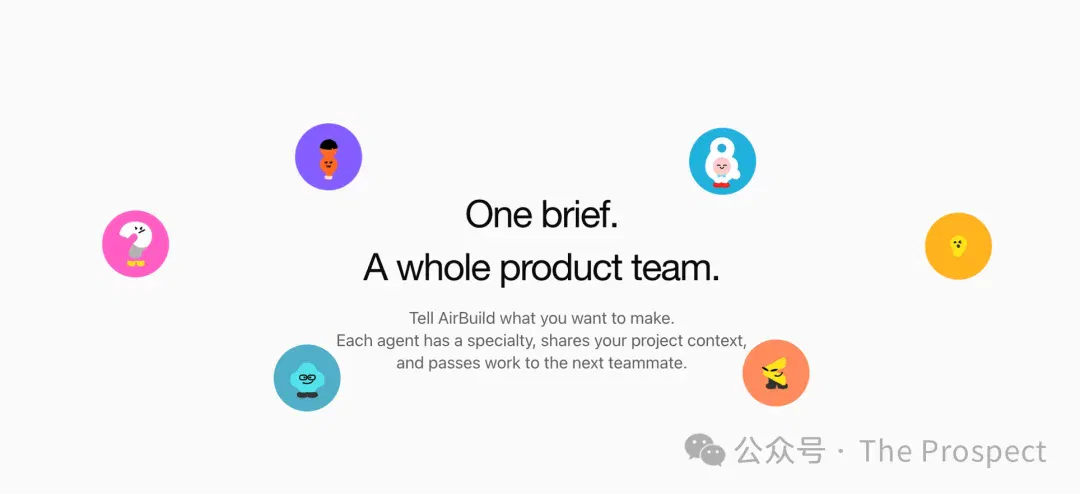
01. Huiwen Wang invests in AirBuild, targeting AI app development
On November 4, Meituan co-founder Huiwen Wang disclosed on Jike that the family office he founded, Lollapalooza Capital, had invested in AI application-development company AirBuild. The investment amount and valuation have not been made public. Lollapalooza Capital mainly focuses on artificial intelligence and related technology fields, and has previously invested in companies including Moonshot AI, Manus, and SiliconFlow.
According to published reports, AirBuild founder and CEO Hwang was previously responsible for product design for the open-source knowledge-management product AFFiNE and was also an early team member of the AI Agent product Bridge. He also independently developed iOS apps including Lofi. and Sleepy Coffee. His work has received editorial recommendations from Apple's App Store.
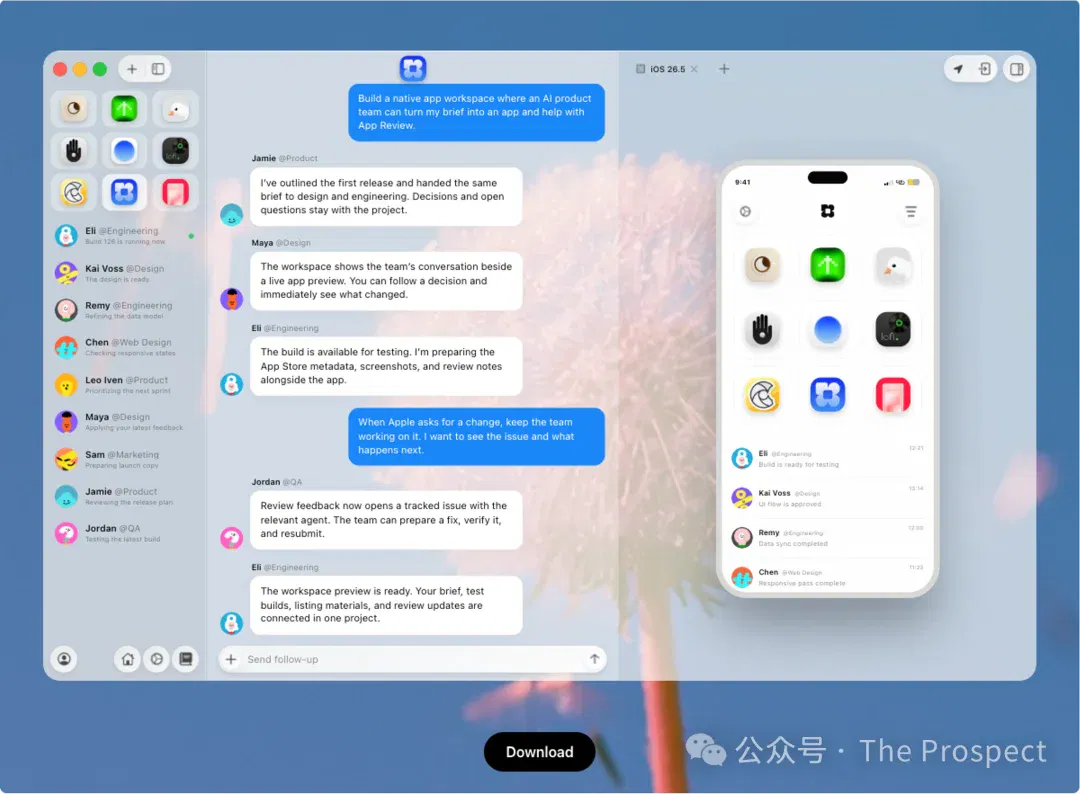
Developed by YellowPlus, AirBuild is an AI tool focused on native iOS application development. Users describe their requirements in natural language, and the system assigns different AI Agents to product planning, interface design, and code development, while also assisting with testing and release.
For independent developers, writing code is only one part of developing an application. Functional testing, review for release, and version updates also take considerable time. AirBuild hopes to simplify this work through AI Agents, helping individual developers complete application development and release more efficiently.
02. AI Agents take on iOS app development and App Store submission
AI coding tools can already generate app interfaces and software features from natural language. But to formally release an iOS application on the App Store, developers still need to test it, prepare listing materials, and submit it to Apple for review. If it does not pass, they must modify the application according to the feedback and submit it again.
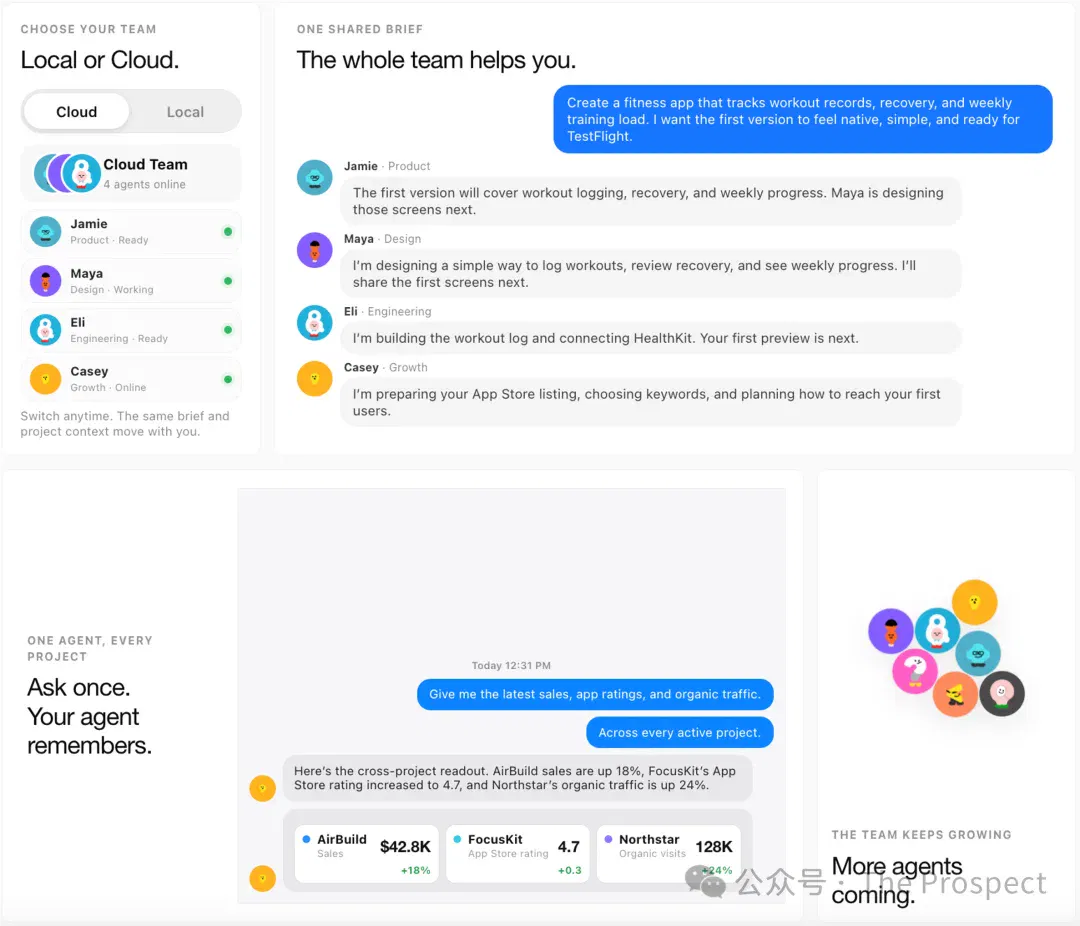
AirBuild assigns these tasks to different AI Agents. In the fitness-app example shown on its official website, product Agent Jamie plans the features, design Agent Maya handles the interface, engineering Agent Eli writes code and integrates Apple's HealthKit health-data framework, and growth Agent Casey prepares App Store listing materials, selects keywords, and develops a user-acquisition plan. The Agents share project requirements and development progress and hand tasks over according to their respective roles. Users can suggest changes through chat at any time, and the relevant Agent continues adjusting the product.
One of AirBuild's main features is automatically handling the App Store review process. The system can prepare app screenshots, product descriptions, and review notes, submit the application, and track progress. If Apple rejects the application, it reads and responds to the review comments, assigns the issues to the appropriate Agents, and resubmits after modifying code or adding materials.
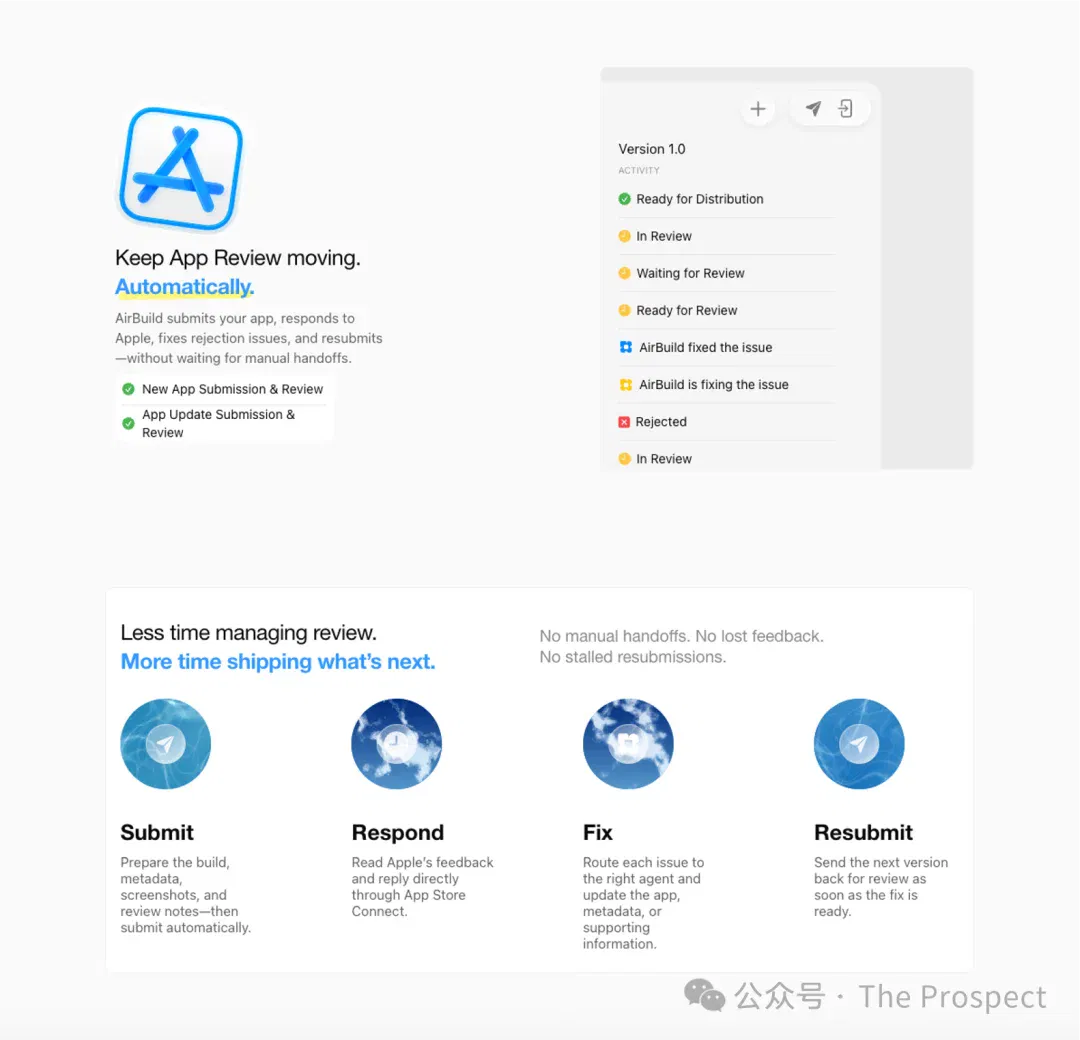
Beyond app development and submission, AirBuild also supports TestFlight test distribution, sales-data tracking, and monitoring of App Store keyword rankings. Users can ask Agents about the operations of multiple apps, or check development progress and suggest changes on an iPhone. However, automatically processing review feedback does not mean an app is guaranteed to pass review, and independent data are still lacking for assessing AirBuild's actual performance in developing complex apps.
03. AirBuild's market positioning and challenges
AI coding has become a fiercely competitive startup field. Cursor mainly serves developers' everyday coding work, while products such as Lovable focus on generating web applications. AirBuild has chosen to specialize in native iOS app development and include App Store review and release in its product features.
Compared with web applications, developing and releasing iOS apps involves more platform rules. Users familiar with iOS development can already solve many programming problems with tools such as Cursor and Xcode, and mature procedures exist for testing and submission. AirBuild's automation services may be more attractive to users with little development experience and entrepreneurs without a dedicated technical team.
But these users also depend more heavily on AirBuild's product capabilities. Professional developers can usually modify erroneous AI-generated code themselves, while users without programming experience struggle to troubleshoot and solve problems independently. For AirBuild, generating an application that runs is only the first step; it also needs to handle compatibility with different devices, malfunctioning features, and subsequent updates.
AirBuild is also highly dependent on Apple's ecosystem. App submission is an important feature distinguishing it from many AI coding tools, but Apple controls the App Store's review and release rules. If Apple changes its review criteria or restricts the relevant automated operations, AirBuild's services may also be affected.
04. AirBuild's subscription model and commercialization logic
AirBuild currently offers five plans, Free, Basic, Plus, Ultra, and Enterprise, priced at $0, $10, $20, $200, and $2,000, respectively. Basic supports users connecting their own AI model API Key, with users paying the model-call costs; Plus includes an AI model usage allowance and cloud-build services; and Ultra targets frequent developers, offering 10 times the AI usage and cloud-build allowances.
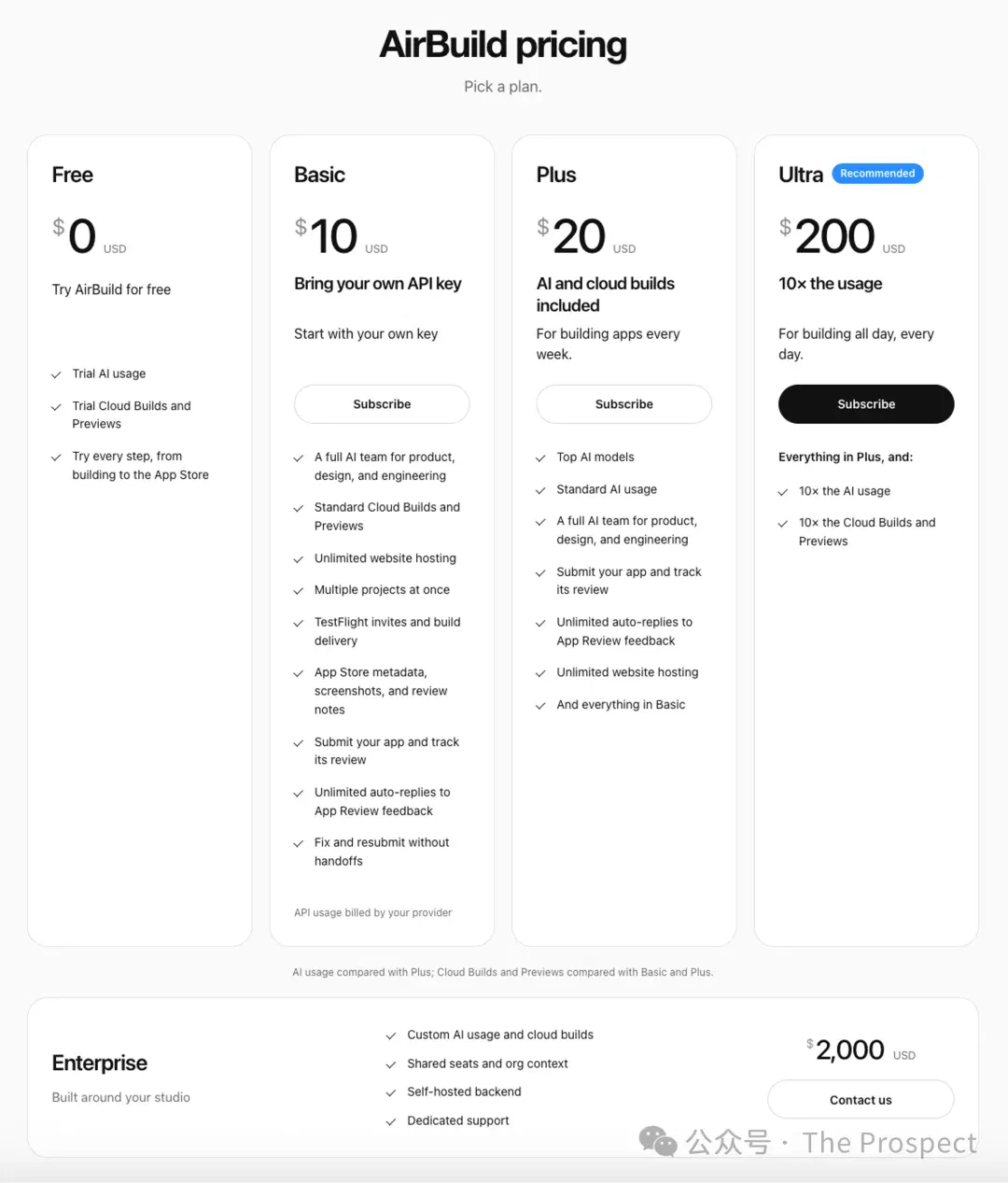
Notably, the $10 Basic plan already includes major features such as multi-Agent collaboration, TestFlight distribution, App Store review submission, and automation of review feedback. For developers who can obtain model APIs themselves, AirBuild offers a relatively low-cost set of development and release tools, while also reducing the model-call costs the company bears.
However, app development tends to happen in phases. Some users may stop subscribing after completing an app, while developers with multiple apps and a frequent need for product updates have more stable demand. Including version updates and review handling in the subscription also helps AirBuild extend users' period of use.
Beyond individual developers, AirBuild also offers an Enterprise plan for development studios, providing customized computing resources, team collaboration, a self-hosted backend, and dedicated support. This further broadens the company's potential customer base. AirBuild has not yet disclosed its user numbers, paid conversion rate, or revenue, so its actual commercialization performance remains to be seen.
Conclusion
AI coding is changing the cost structure of software entrepreneurship. As individual developers gradually acquire development capabilities that previously required a team, many niche needs once overlooked because development costs were too high also have a chance to become standalone products. The future software market may contain more small-scale applications serving specific groups, creating new market opportunities for software entrepreneurs and AI development tools.
This article comes from the WeChat official account "The Prospect," by "The Prospect."
Related topics
After reading
Join the AINRK community
Read how to join the community and connect with people working in AI.
Related articles
Continue reading related topics and articles in this category.

姜宇辉的AI分身:知识助手与“另一个自己”之间 (opens in a new tab)
南方周末通过学者、用户与Second Me创始人的访谈及记者试用,观察AI分身的学术辅助、情感连接和商业化尝试,也呈现知识可靠性、人格边界、版权与隐私方面的疑虑。
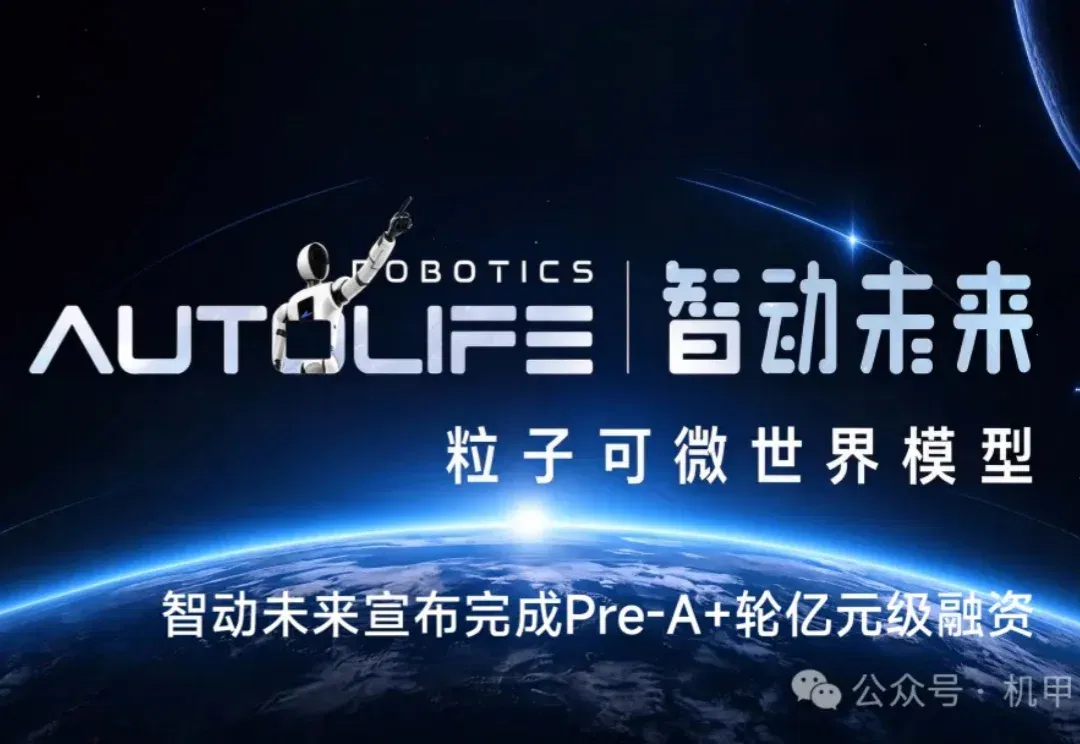
智动未来据报完成亿元级Pre-A+融资,资金用于产线与服务机器人部署 (opens in a new tab)
机甲觉醒报道,智动未来宣布完成亿元级Pre-A+轮融资,由中美绿色基金领投、南曦创投联合领投,资金拟用于广州产线、服务场景部署和世界模型研发。“智子世界”仍属技术预览,商业化效果待更多应用数据检验。

范式智能介绍Phai-A1与Phai-M1,强调国产算力后训练优化 (opens in a new tab)
范式智能介绍面向代码与Agent场景的Phai-A1,以及面向真人影视的音画同步模型Phai-M1。公司展示了单卡运行和视频生成能力,并称模型在昇腾平台完成专项后训练优化。
腾讯Q3资本开支814亿元,称WorkBuddy日Token用量居国内首位 (opens in a new tab)
腾讯三季报显示营收2073.36亿元、资本开支814.33亿元。公司称WorkBuddy日活超1000万,按用户每日大语言模型Token消耗总量居国内首位;报道还讨论云业务增收与AI投入对盈利、现金流的影响。
黄仁勋离任后:硅谷101访谈英伟达的技术、供应链与组织挑战 (opens in a new tab)
硅谷101采访半导体、科技与投资人士,讨论黄仁勋离任后CUDA生态、系统整合、供应链、开源投入和组织传承的潜在变化。产业放缓、估值折扣及人才流失判断属于受访者观点。