Tencent launches Yuanbao Search web app with WeChat accounts and AI summaries
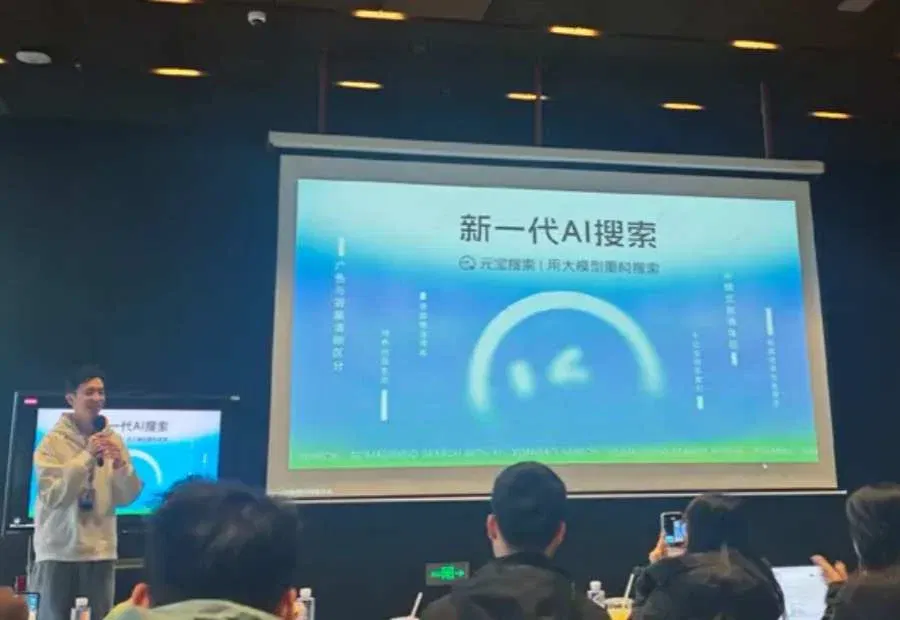
Zhidx tests the independent search entry point, authoritative sources, WeChat content, and structured cards, also noting limits in video freshness, link availability, and advertising observations.
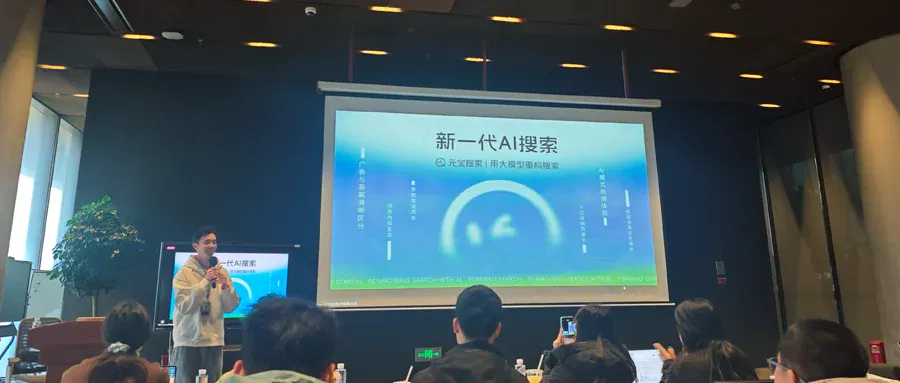
The web version of Yuanbao Search has arrived!
Zhidx reported on November 11 that Tencent today officially launched Yuanbao Search, a new search product for everyday users, providing search services through an independent website and an entry point in QQ Browser.
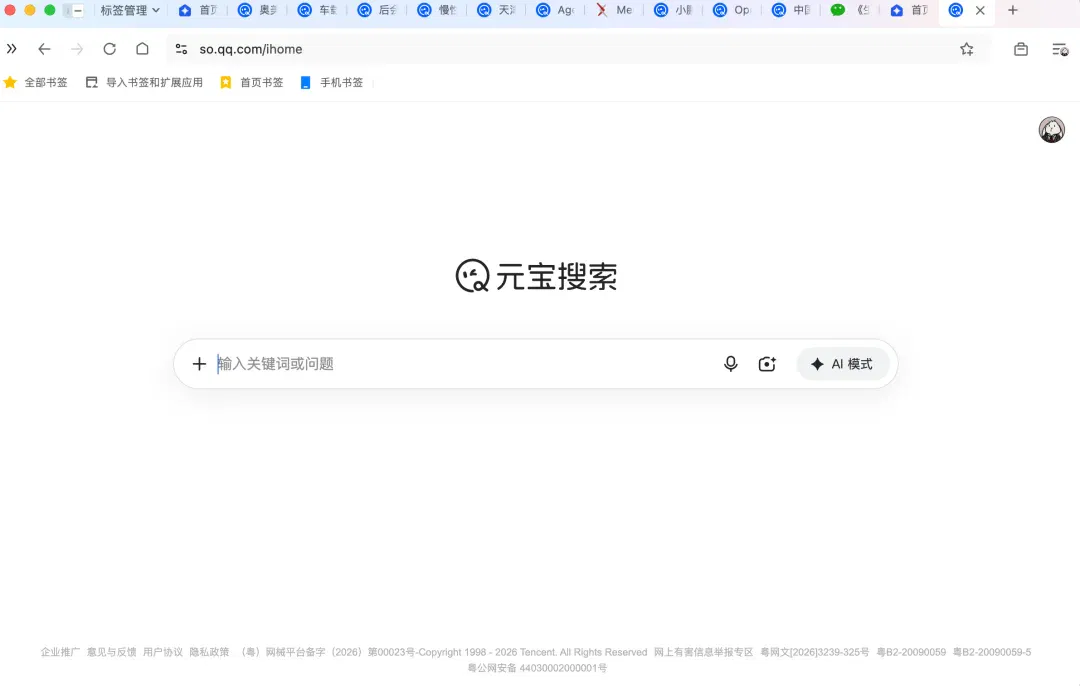
The newly launched Yuanbao Search emphasizes prioritizing authoritative sources and deep AI integration, directly generating AI summaries, allowing successive follow-up questions, and supporting traceability to original information sources.
Yuanbao Search also connects to content sources including WeChat public accounts and WeChat Channels, provides dedicated channels for academic and popular science, organizations, and mainstream media, and introduces structured cards for use cases such as cars, film and television, and health.
Speaking with Zhidx and other media, Li Ruizhang, product lead for the web version of Tencent Yuanbao Search, said that it would continue adding functional modules but would not evolve toward becoming an AI assistant. Instead, it would focus on search itself, using AI to improve how users look up information and browse web pages.
The Yuanbao Search team is nevertheless considering further integration of AI capabilities from Tencent’s other products. For example, Yuanbao Search has been specifically adapted for QQ Browser to enable deeper product integration.
Asked why Tencent chose now to launch an independent consumer search product, Li explained that although the web search market is highly competitive, Tencent considers the relevant technology and ecosystem relatively mature, and Yuanbao Search’s capabilities have been validated in its business-facing product line. It therefore hopes to apply them further to web search for everyday users.
On October 20, Tencent notably upgraded Yuanbao Search for enterprises and developers, opening retrieval capabilities through APIs, MCP, Skills, and other methods.
The new consumer product shares underlying retrieval and AI capabilities with the earlier business product, but they are two product forms serving different users.
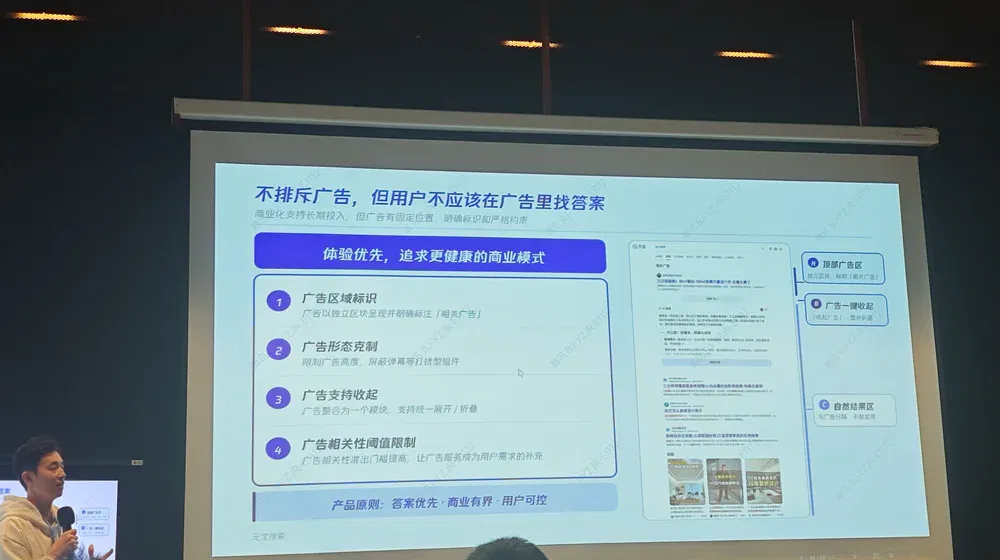
On commercialization, Li also said Yuanbao Search does not rule out advertising, but would clearly label advertising areas, control ad formats, let users collapse ads, and improve the relevance of ads to search content to minimize interference with the user experience.
Zhidx also tried the product as soon as it became available and spoke with the Yuanbao Search team to better understand its product design and technical implementation.
01.
Authoritative sources first, with access to the WeChat ecosystem
Deep integration of AI and search
When you open Yuanbao Search, the top of the page offers channels including AI Mode, Academic and Popular Science, Public Accounts, Videos, Organizations, and Mainstream Media, allowing users to filter different kinds of information sources according to their needs.
We first tested its ability to prioritize authoritative sources.
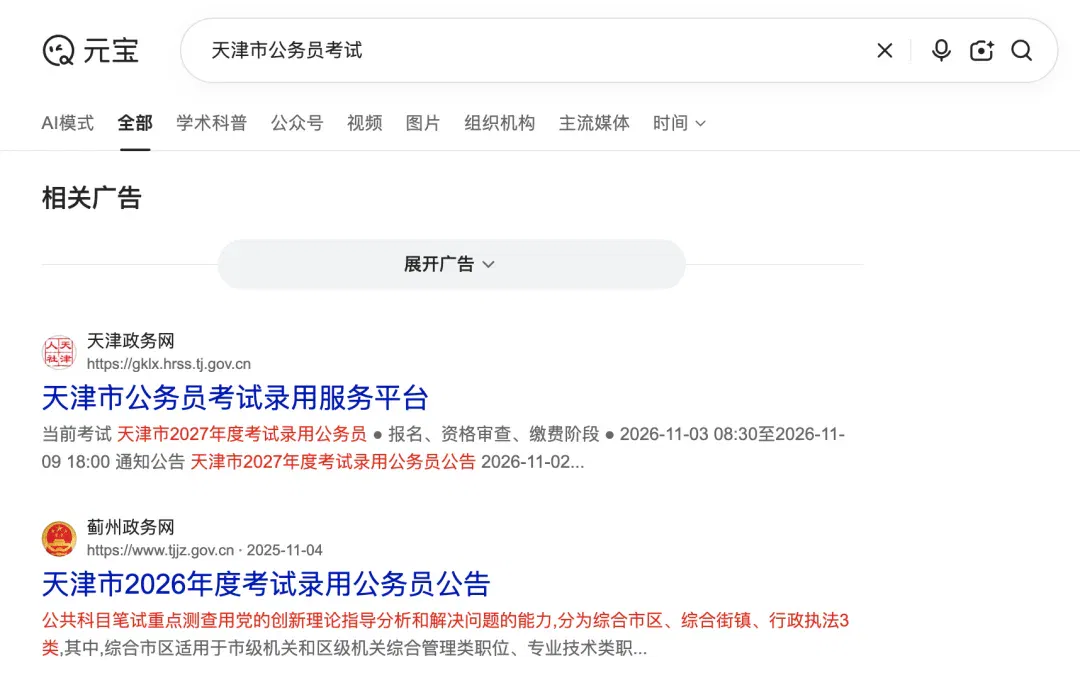
For the query “Tianjin civil service exam,” the first two results were the civil service examination and recruitment service platform on Tianjin’s government website, and the announcement for Tianjin’s 2026 civil service examination and recruitment.
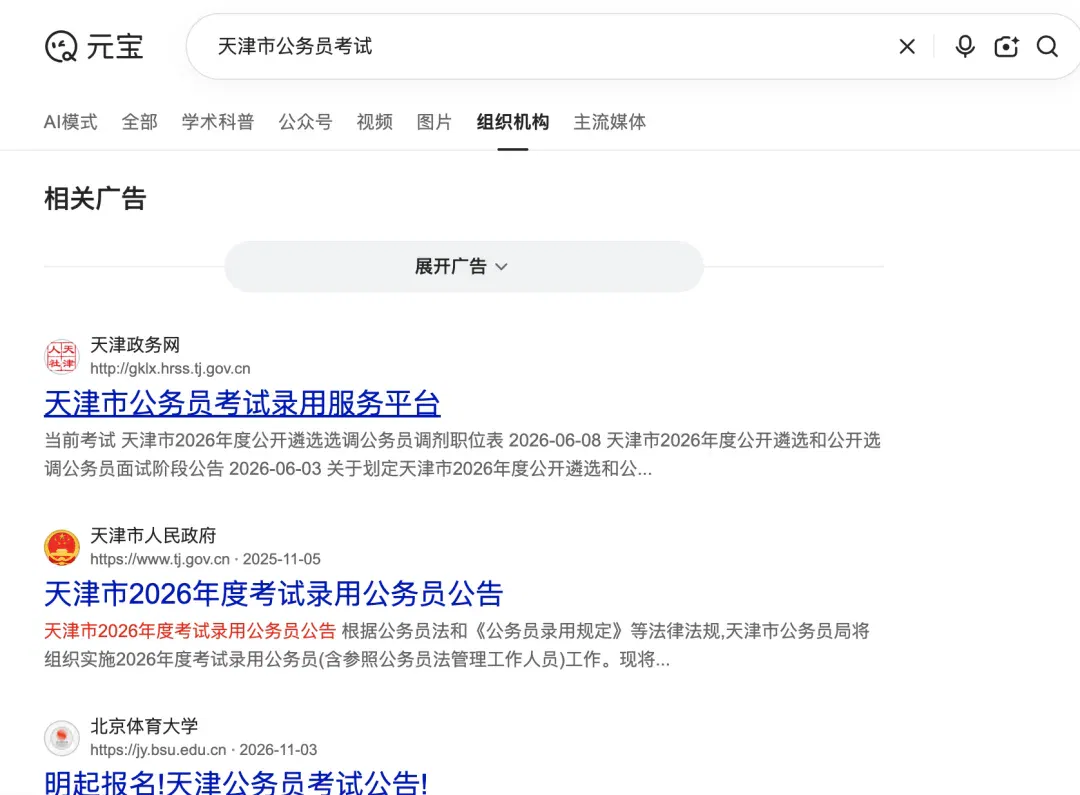
After switching to the “Organizations” channel, results were still dominated by content published by official bodies such as the Tianjin Municipal People’s Government.
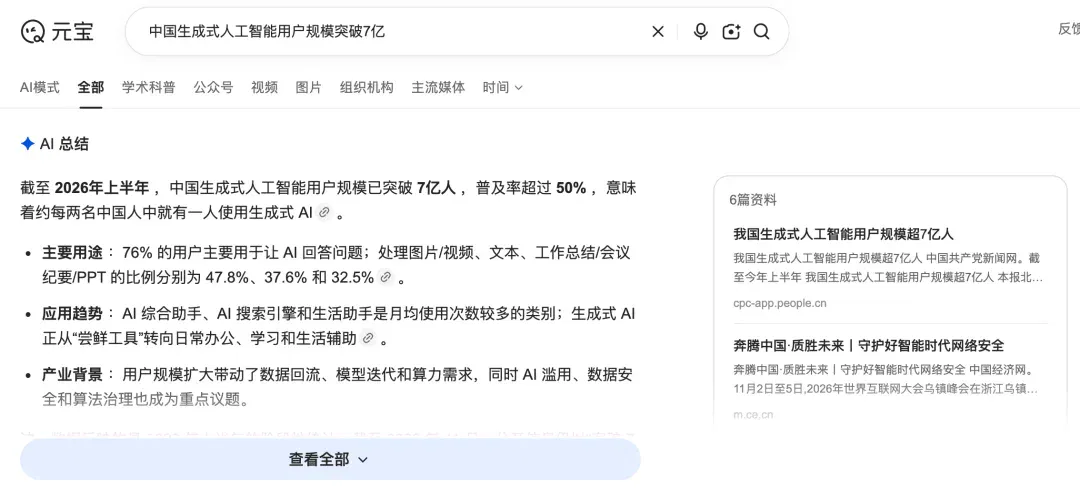
Next, we searched for “China’s generative AI user base exceeds 700 million.” Yuanbao Search directly generated an AI summary organizing information on user numbers, adoption rates, and use cases, with source citations.
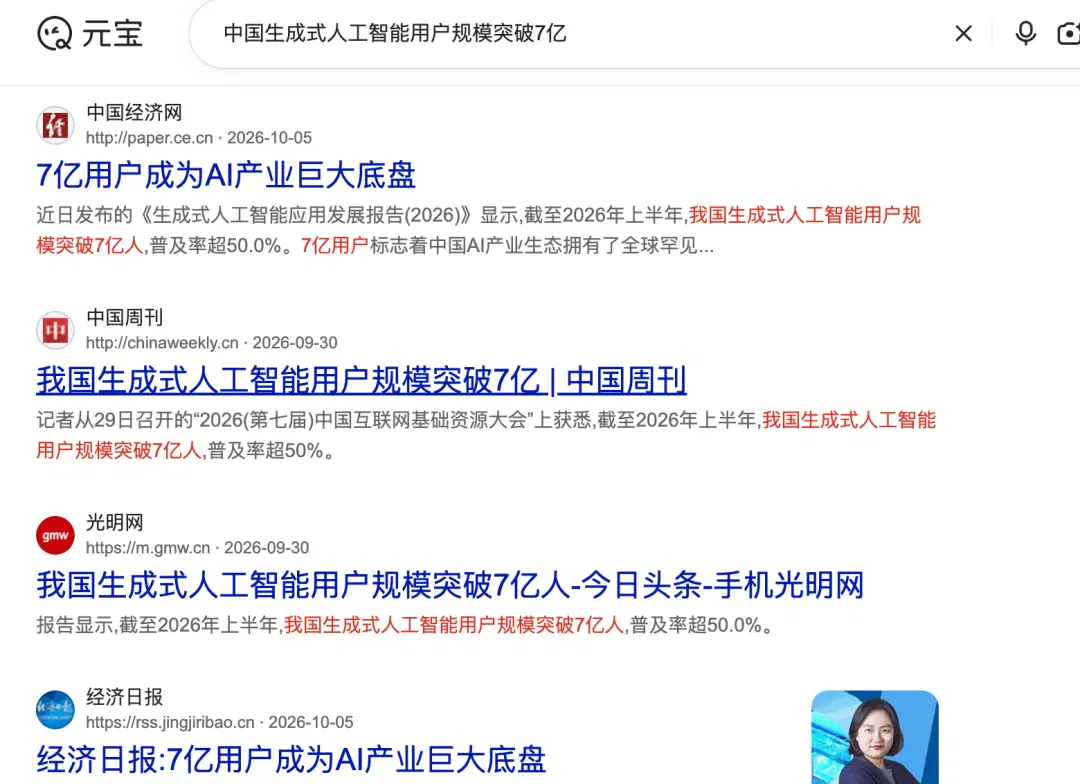
Content on the results page came mainly from authoritative sources such as China Economic Net and Guangming Online.
Access to content from Tencent’s ecosystem, including WeChat public accounts and WeChat Channels, is another major feature of Yuanbao Search.
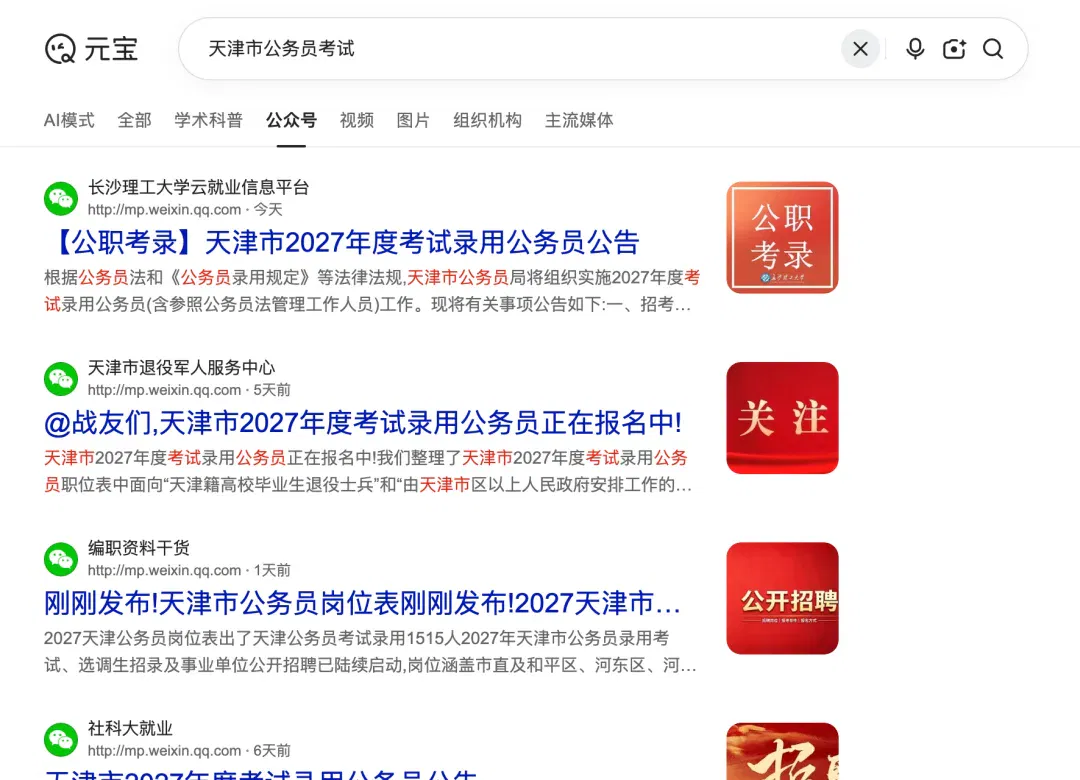
For “Tianjin civil service exam,” for example, the Public Accounts channel could already retrieve the latest information on 2027 civil service recruitment, including recruitment announcements published that day, registration reminders published five days earlier, and explanations of relevant positions.
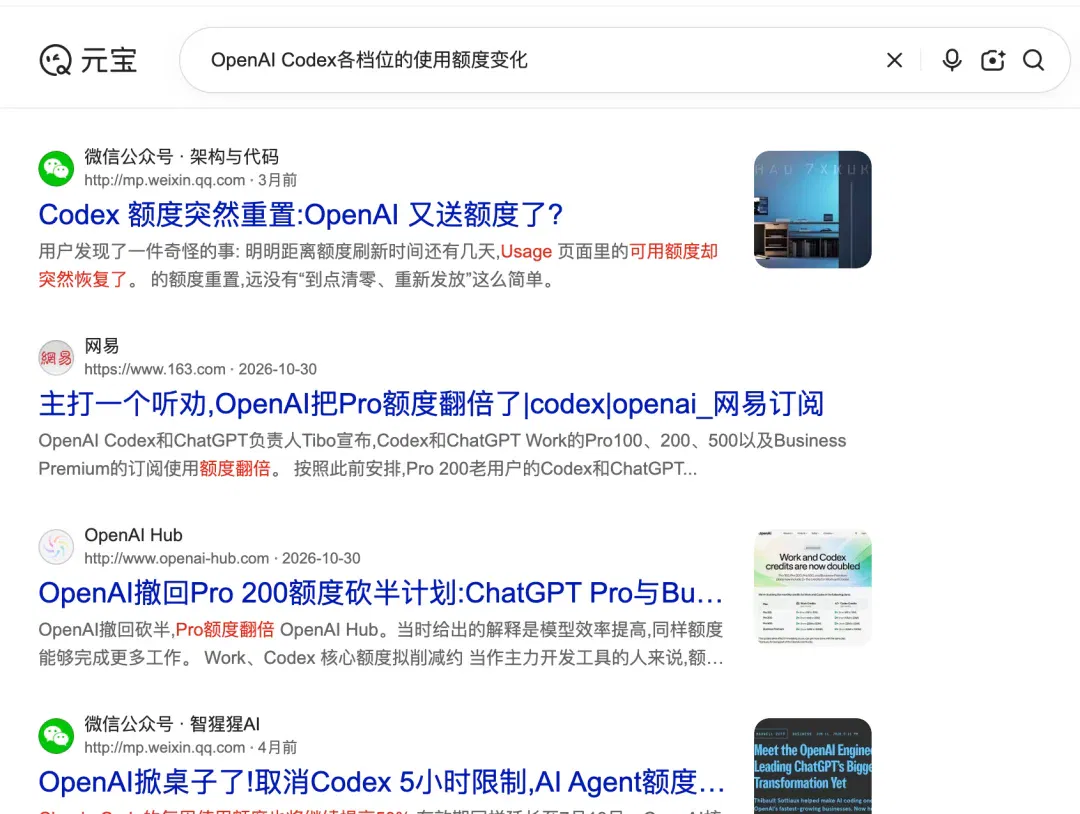
Searching for “changes in usage quotas across OpenAI Codex tiers” also found related technology reporting published by WeChat public accounts.
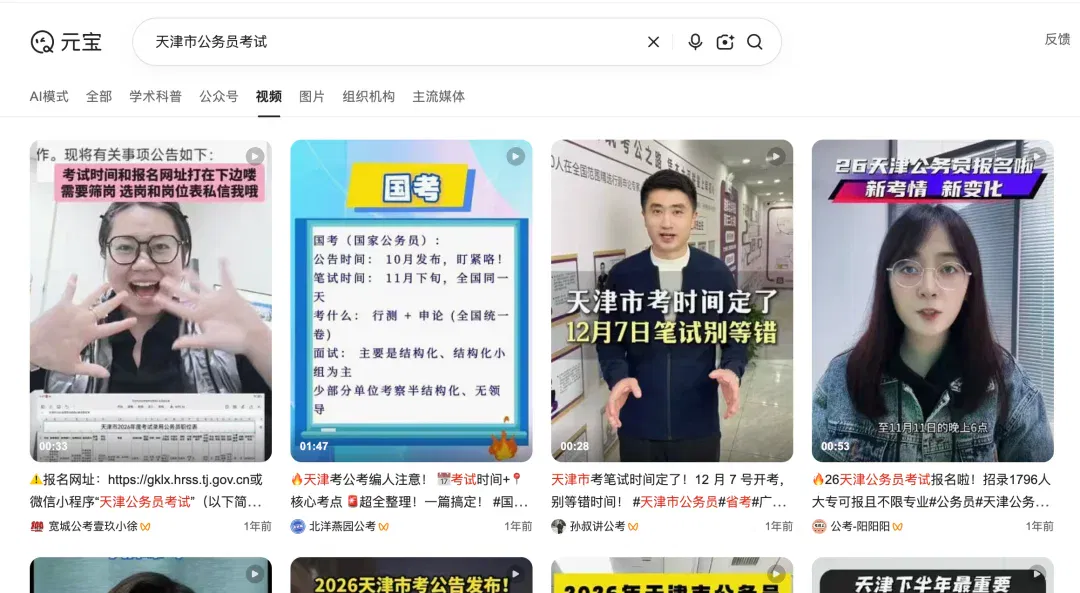
The Videos channel’s coverage, however, was not yet comprehensive. For “Tianjin civil service exam,” every video on the first screen was labeled “one year ago.” There were also few videos, mixed with content from external sites.
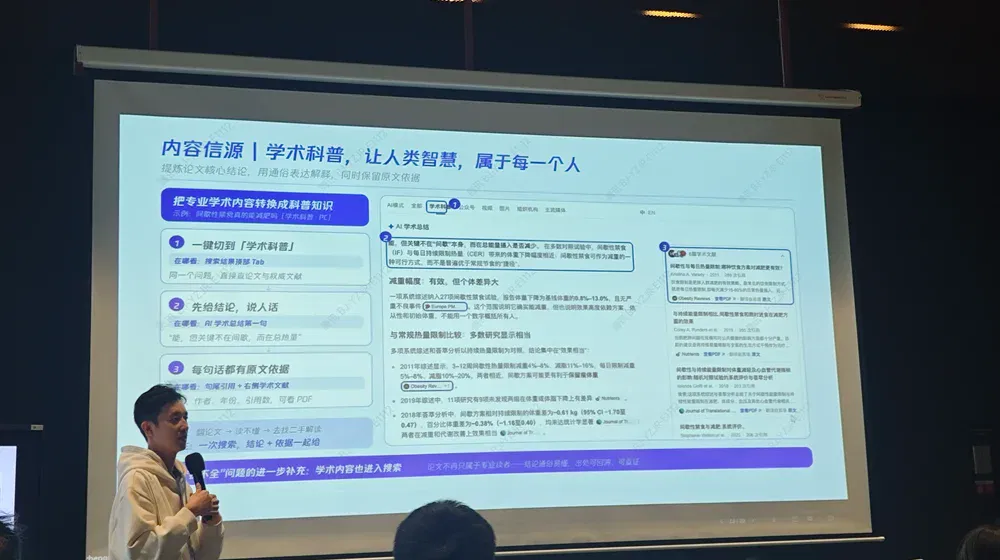
We also searched for “agent memory problems” and opened the Academic and Popular Science channel. An AI academic summary is generated at the top of the page, while the right side displays information about related papers, including titles, authors, years, and citation counts.
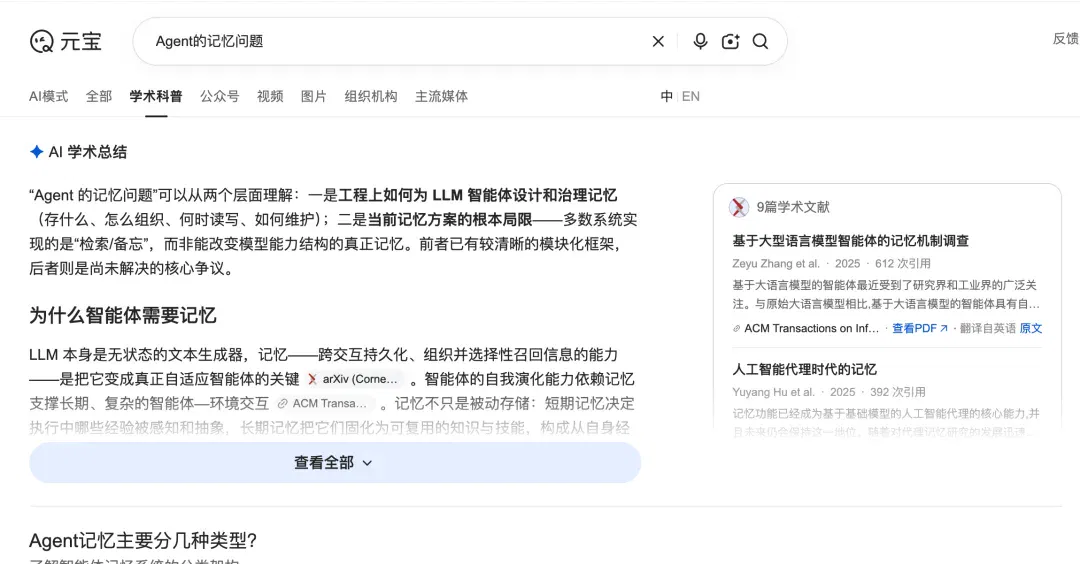
As can be seen, Yuanbao Search’s Academic and Popular Science section can provide both readable AI summaries and links to academic papers.
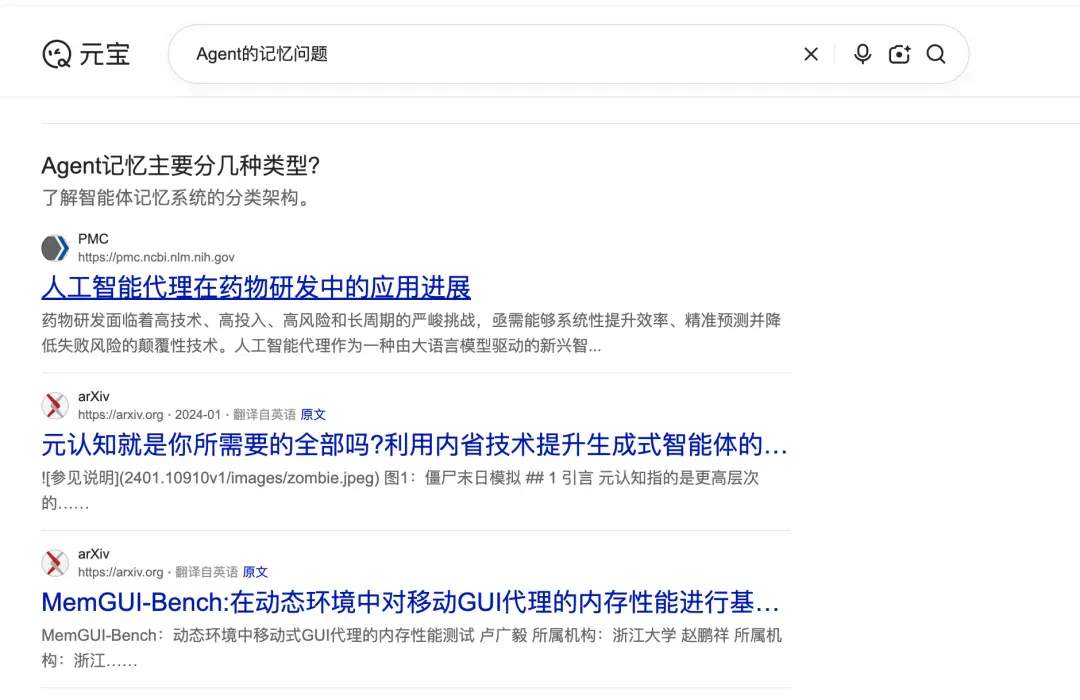
The Yuanbao Search team is also internally testing an AI academic-summary speed-reading feature that can quickly read papers and extract their key highlights.
02.
Structured cards provide direct access to services
Ads are barely noticeable
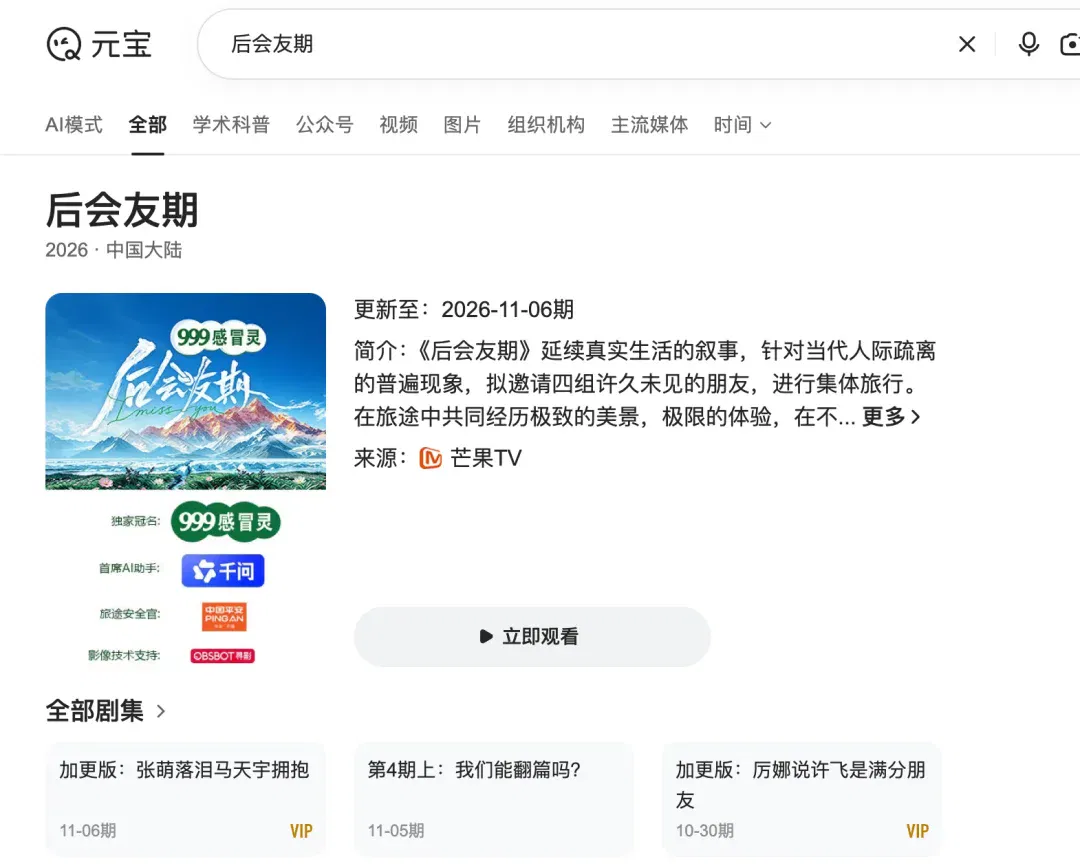
Beyond search capabilities, Yuanbao Search incorporates the idea of generative UI, organizing different answer formats according to the type of search question. Searches for stocks, film and television, or academic topics, for example, respectively emphasize market trends, viewing entry points, or supporting papers.
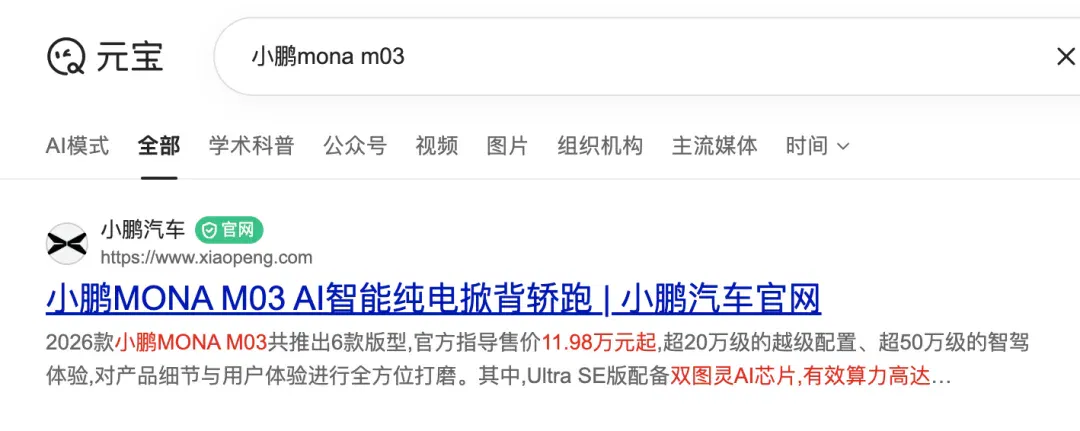
For example, when we searched for “XPENG MONA M03,” the first result was XPENG’s official website, labeled “Official website.” Below it, an AI summary covered the model’s positioning, pricing, and other information.
Further down, the page displayed a dedicated car card, including images, reference prices, powertrain type, different versions, and equipment, with links for quotes, specifications, and buying a car in installments.
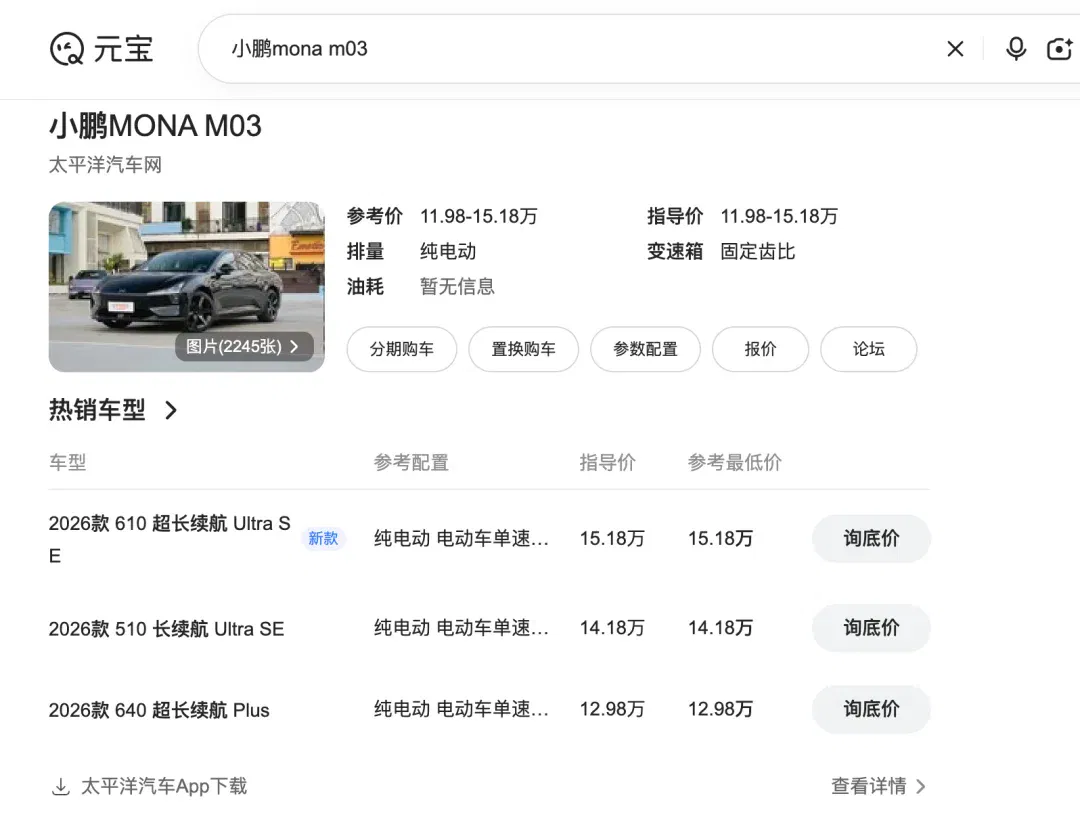
The same applies to film and television. For the query "Until We Meet Again, Friends," Yuanbao Search directly displays the program's cover, synopsis, latest updated episode number, and episode list, with a viewing link.
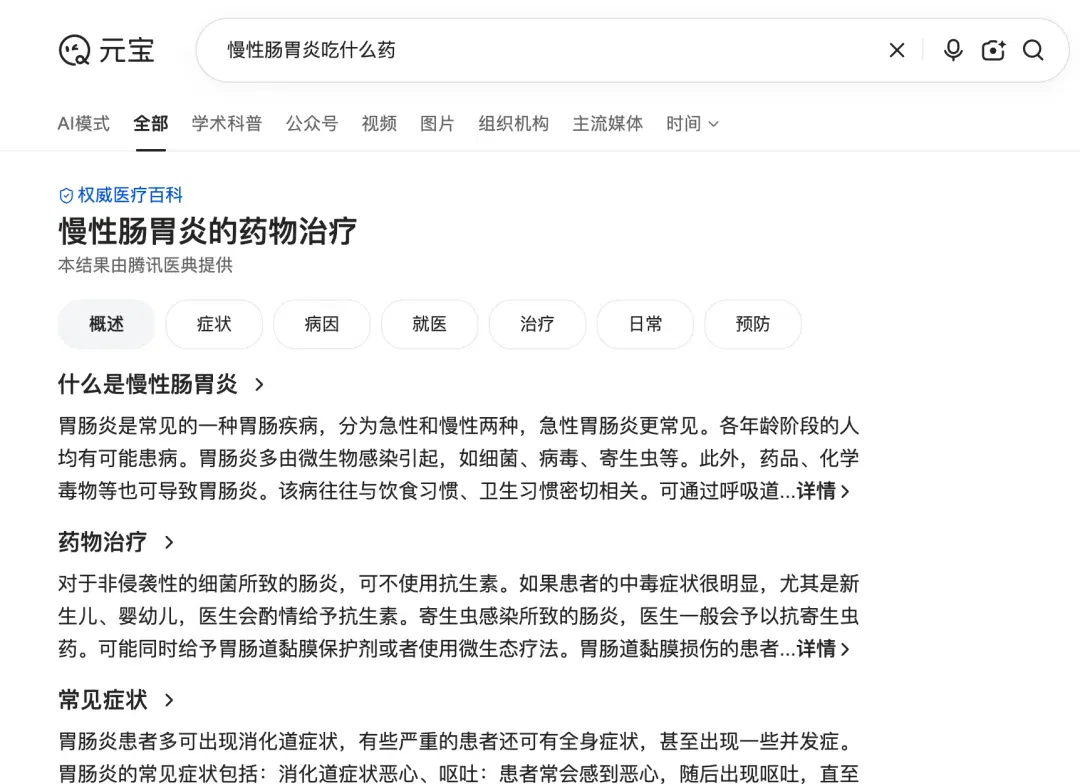
For healthcare, searching “what medicine should I take for chronic gastroenteritis?” brings up a health encyclopedia from Tencent Medpedia at the top of the page, covering symptoms, causes, seeking medical care, treatment, and other topics.
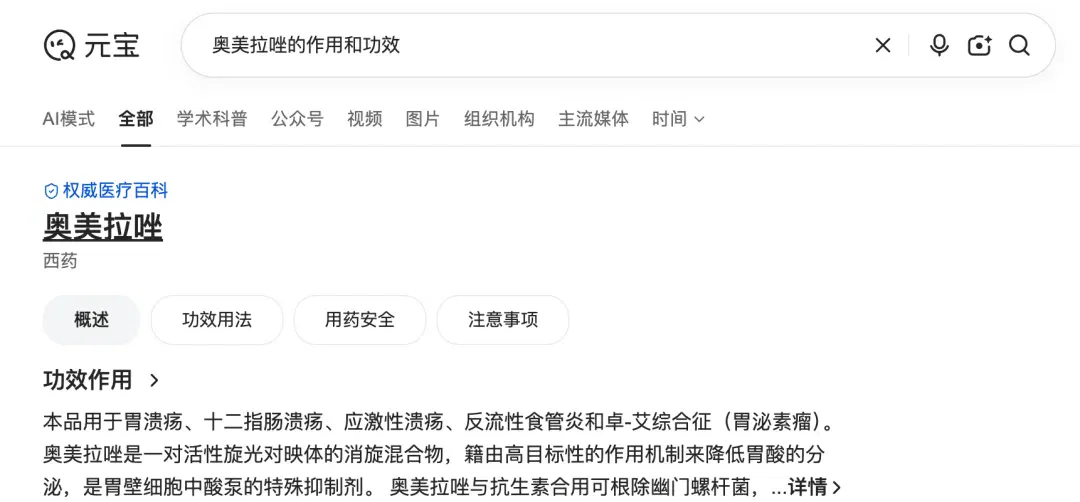
Searching for “omeprazole’s uses and effects” instead displays a drug encyclopedia organizing effects, usage and dosage, medication safety, adverse reactions, and other information, and identifying the professional pharmacists involved in reviewing it.
We also had another clear impression during testing: ads were barely noticeable.
We searched various kinds of questions about cars, film and television, and healthcare. Even with keywords suited to commercial promotion, such as “omeprazole’s uses and effects” and “car vacuum cleaner,” we found no obvious advertising slots or paid search promotions. Ads appeared only when searching for civil service exams, occupying a small part of the screen with little impact, and they could be collapsed.
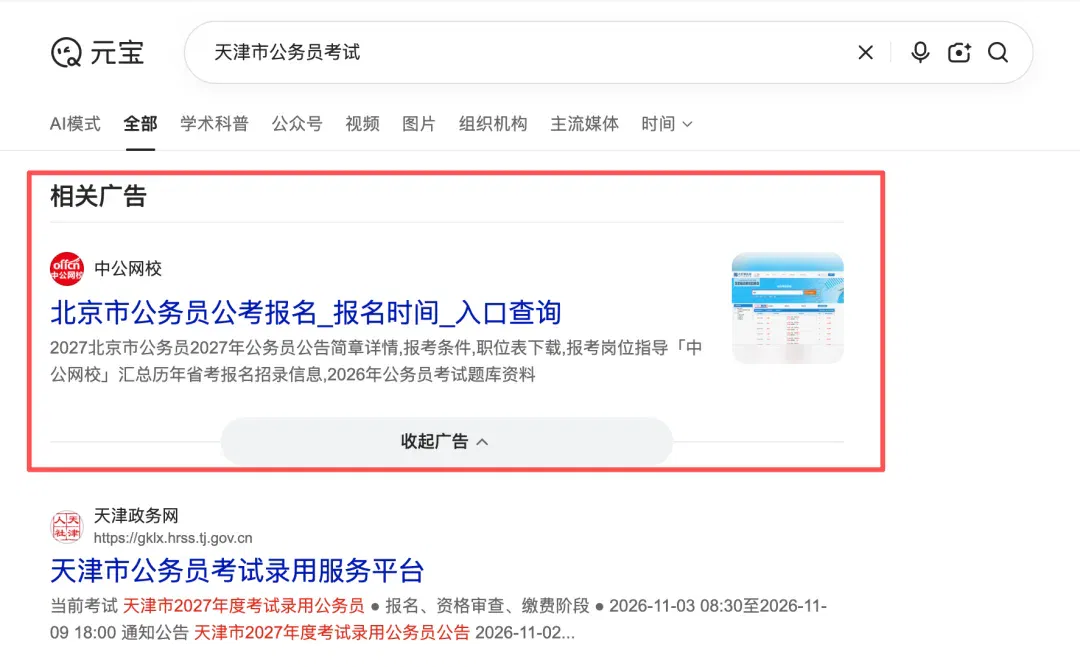
According to Tencent, Yuanbao Search adopts a relatively restrained advertising strategy. Even when it displays ads, it tries to avoid disrupting normal browsing of search results.
Of course, limited testing cannot prove that the platform has no ads at all. But based on the current experience, Yuanbao Search does maintain relatively uncluttered results pages.
Overall, our testing found relatively good content accuracy, ecosystem richness, and source authority, but also problems with some WeChat public account links failing to open and slow updates to the content library.
03.
An index on the scale of 100 billion, with 157 authoritative sources
RSI-driven self-evolution
Behind Yuanbao Search’s independent consumer launch is Tencent’s previously upgraded underlying retrieval technology stack.
On October 20, Tencent upgraded Yuanbao Search’s retrieval service for enterprises and developers, exposing capabilities through Tencent Cloud in forms such as APIs, MCP, and Skills to support search for AI products and agents.
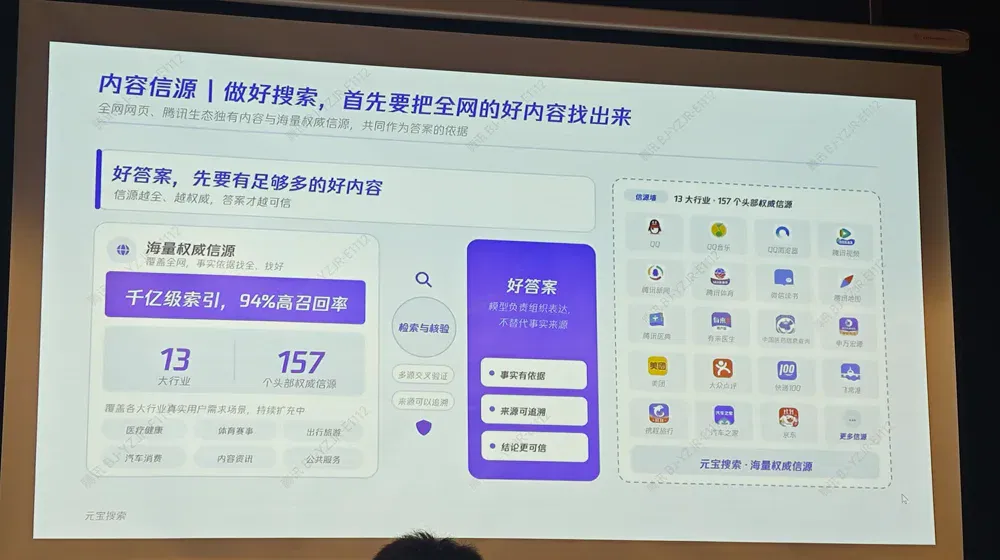
Its main features include an index on the scale of 100 billion, 157 authoritative sources across 13 industry verticals, and mechanisms combining vector retrieval with inverted indexes, large-model-based ranking optimization, and low-quality content identification, aiming to provide high-quality, low-latency search services for AI applications and agents.
Yuanbao Search also introduces a self-evolution mechanism based on the RSI learning capabilities of large models. By identifying unsatisfactory search results, having agents label them automatically, and further training the model, this mechanism can continuously optimize the search experience.
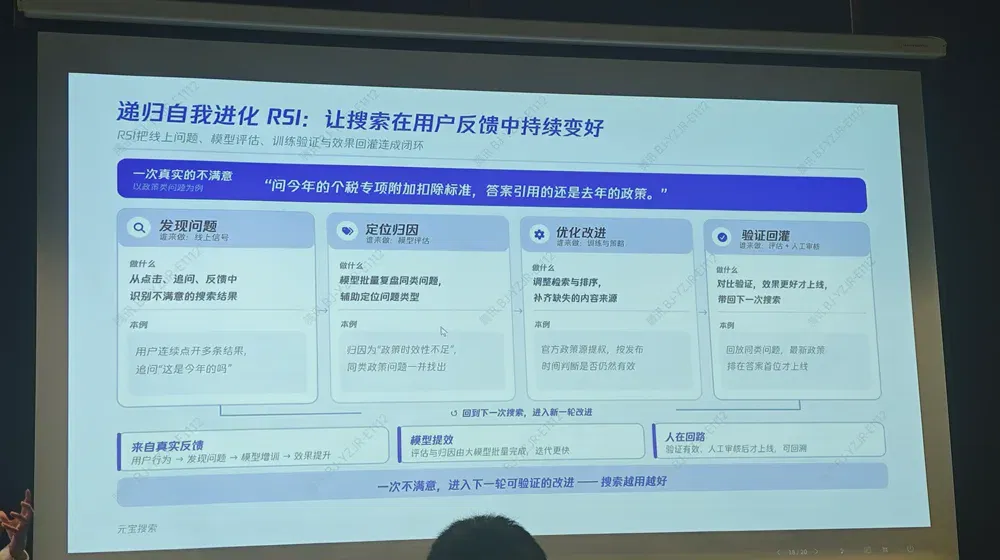
According to Tencent, the consumer Yuanbao Search product builds on the underlying retrieval capabilities, drawing on public web pages and WeChat ecosystem content. Its rankings prioritize sources such as authoritative institutions and official websites, while official-website labels and dedicated channels help users identify information origins. It also offers a specialized section for academic and popular science.
However, Zhidx’s actual experience suggests Yuanbao Search still performs differently across content sources.
For example, in searches about Tianjin’s civil service exam, the Public Accounts channel could retrieve recruitment information published that day, while first-screen results in the Videos channel were still mostly a year old. Whether the relevant technical mechanisms can further improve freshness and ranking across content types remains to be seen.
Across the industry, AI is changing how the search market competes. Traditional search engines keep adding AI summaries and conversational question answering, while AI assistants use web search to obtain real-time information and gradually extend into executing complex tasks.
The product boundary between search engines and AI assistants is blurring. Yuanbao Search’s decision to combine web retrieval with AI interaction reflects that trend. Li Ruizhang nevertheless said that although Yuanbao Search will keep adding features such as task execution, they will all serve search itself.
04.
Conclusion: parallel business and consumer offerings
Tencent competes for the AI search entry point
From opening retrieval capabilities to business customers to launching an independent consumer search product, Tencent is extending Yuanbao Search from an underlying technology service to an information entry point for everyday users.
Behind this strategy, AI is reshaping the competitive landscape in search. Traditional search engines are accelerating AI integration, while AI assistants enter search through online retrieval, making the boundary between the two increasingly blurred.
For Tencent, underlying retrieval technology, the WeChat content ecosystem, and consumer traffic entry points are important assets in this new round of competition.
Competition in search, however, is not settled overnight. Whether technical and ecosystem advantages can be converted into a stable search experience and then habitual user behavior will determine how far Yuanbao Search goes in this battle for the AI search entry point.
This article comes from “Zhidx,” and was written by “Bi Weihao.”
Related topics
After reading
Join the AINRK community
Read how to join the community and connect with people working in AI.
Related articles
Continue reading related topics and articles in this category.
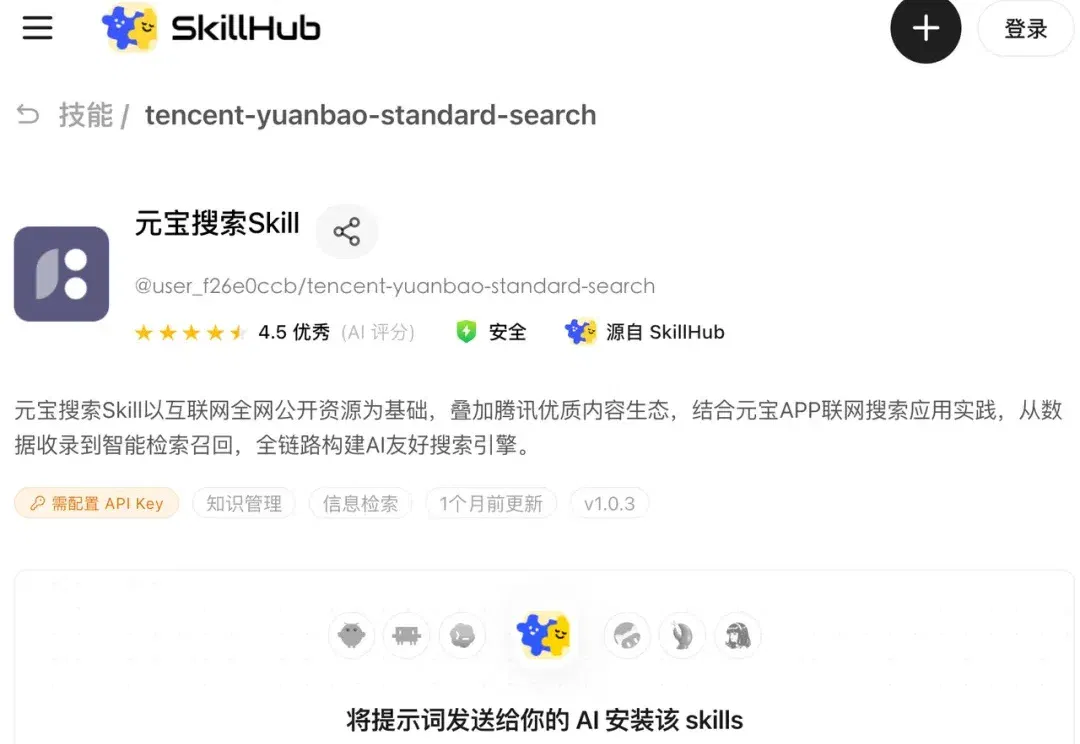
首发实测!鹅厂刚开放的「元宝搜索」,给开发者减负了!(附福利激活码) (opens in a new tab)
AI 搜索靠不靠谱这件事,是时候单独拿出来说一下了。

腾讯内部的“AI搜索配方”,公开了! (opens in a new tab)
元宝搜索,要做AI行业的水电煤。 把一个AI时代很常见的问题输进搜索框——查查腾讯最近的股价、产品和成员变动。这是谷歌的非AI搜索结果: ▲谷歌搜索结果 在谷歌的传统搜索中,用户得到的是一系列网页链接;而在元宝搜索中,同样的问题呈现出的结果却大不相同。 ▲接入元宝搜索的WorkBuddy 两种搜索结果的差别,恰好折射出搜索正在经历的变化。 过去,搜索引擎返回网页链接,用户需要自己筛选、比对和整理信息,进入AI时代,搜索则开始直接整合多方资料、生成答案。 AI时代对于搜索的更高要求,刚好对应着大模型落地的两大痛点——幻觉和知识滞后,即模型能力再强,也可能产生幻觉,或者因知识更新不及时而给出过时信
腾讯Q3资本开支814亿元,称WorkBuddy日Token用量居国内首位 (opens in a new tab)
腾讯三季报显示营收2073.36亿元、资本开支814.33亿元。公司称WorkBuddy日活超1000万,按用户每日大语言模型Token消耗总量居国内首位;报道还讨论云业务增收与AI投入对盈利、现金流的影响。

Leiphone reports Li Muqing left Tencent to become Qiming Daren co-CEO (opens in a new tab)
The report traces his roles at Yitu, Tencent Youtu and Tencent Cloud, saying he joined the education AI company after leaving Tencent in September to advance its business.
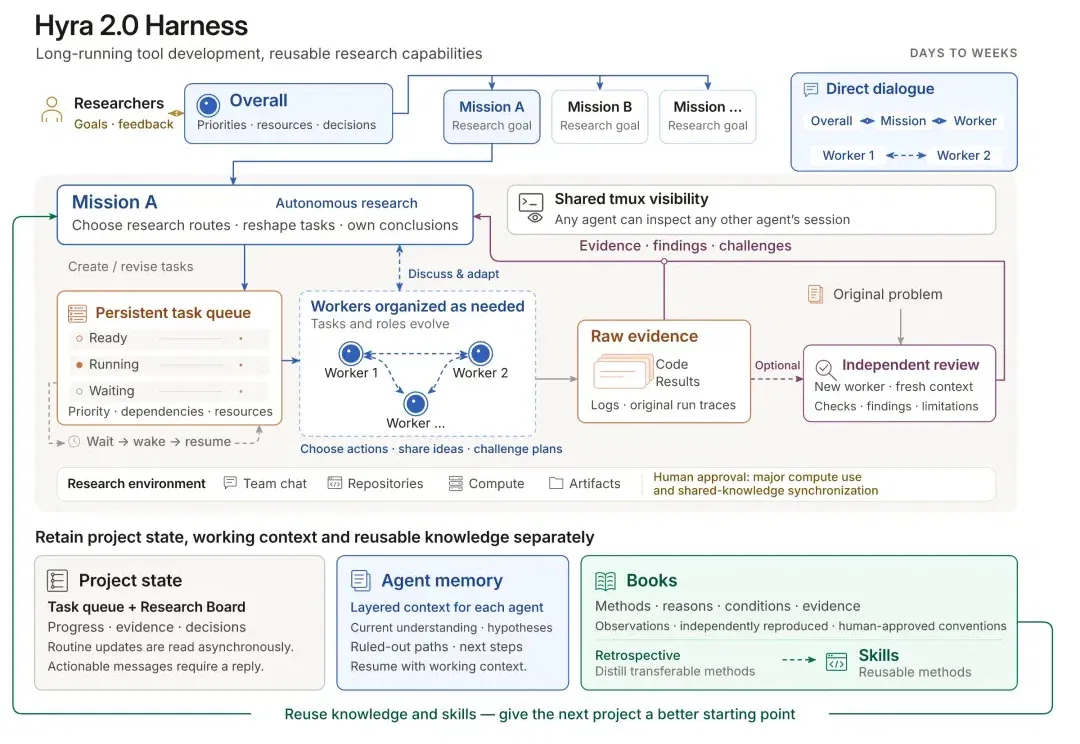
姚顺雨在科学峰会上介绍腾讯 Hyra 2.0 和自主实验室设想 (opens in a new tab)
腾讯科研团队展示多智能体分工、模型训练和数学研究案例,并据报道讨论建设自主科学实验室的计划。